Fulton is a peaceful Gulf Coast town that still feels like one of Texas’ best-kept coastal secrets. This quiet fishing village sits just across the harbor from Rockport, but it feels like a world apart with its slower pace, working waterfront, and genuine small-town charm. With fewer than 2,000 residents, Fulton remains beautifully off the radar, giving visitors a rare chance to experience authentic coastal living without the crowds.
1. Fulton Mansion State Historic Site
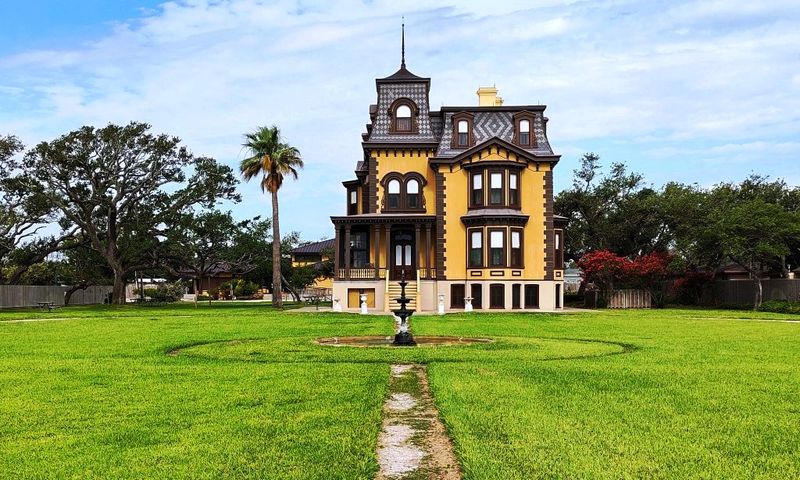
George Ware Fulton built this stunning mansion back in 1877, and walking through it feels like stepping into a time machine. The four-story French Second Empire home was cutting-edge for its day, featuring indoor plumbing, gas lighting, and a central heating system that would have blown minds in the 1870s. The ornate details and coastal views make it one of the most impressive historic homes along the entire Texas coast.
Tours take you through rooms filled with period furnishings and tell stories about the Fulton family who helped develop this area. You’ll learn how George transformed raw coastal land into a thriving community. The guides share fascinating details about Victorian life and the innovations that made this house a technological marvel for its time.
The mansion sits on beautifully maintained grounds overlooking Aransas Bay. Visitors can stroll the property and imagine what life was like when this was the fanciest residence for miles around. Photography enthusiasts love capturing the architecture against blue Texas skies.
Admission is affordable, and the site offers special events throughout the year. Whether you’re a history buff or just appreciate beautiful old buildings, this mansion deserves a spot on your Fulton itinerary. The peaceful setting and rich stories make it a highlight that bigger coastal towns simply can’t match.
2. Working Harbor and Fishing Culture
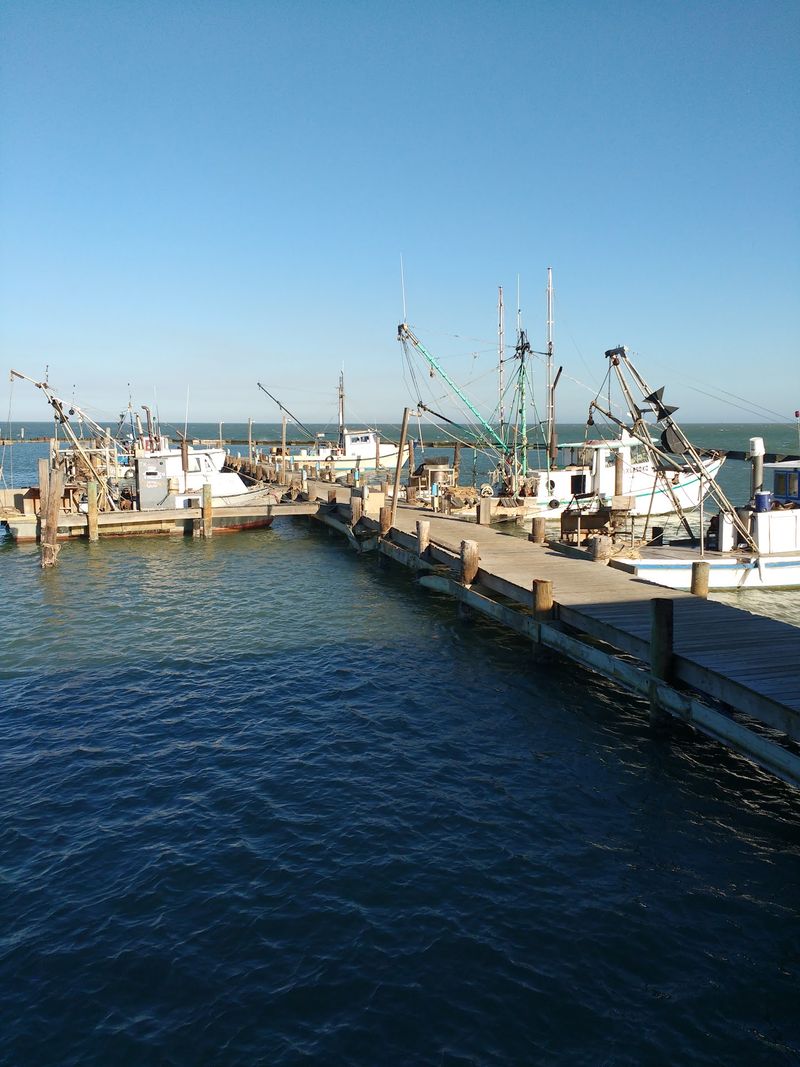
Fulton’s harbor isn’t some sanitized tourist attraction. Real shrimpers and fishermen work these docks daily, hauling in catches just like their families have done for generations. You’ll see weathered boats tied up alongside newer vessels, nets being mended, and ice trucks making deliveries before dawn.
The authentic working waterfront gives Fulton a character that polished resort towns have long since lost. Early risers can watch boats heading out at sunrise, while evening visitors might catch the fleet returning with the day’s haul. The smell of salt air mixed with diesel and fresh seafood tells you this is the real deal.
Local seafood markets along the harbor sell catches so fresh they were swimming that morning. Conversations with fishermen reveal generations of knowledge about Gulf waters, weather patterns, and the best fishing spots. These aren’t rehearsed tourist interactions but genuine exchanges with people who live and breathe coastal life.
Several restaurants source directly from boats you can see from their windows. There’s something special about eating shrimp or fish that traveled maybe 100 yards from boat to kitchen. The working harbor also provides endless photo opportunities, especially during golden hour when sunlight hits the boats and water.
This isn’t a museum piece or historical recreation. Fulton’s fishing industry remains vital to the community’s identity and economy, giving visitors a window into authentic coastal Texas culture.
3. Quiet Beaches and Coastal Access
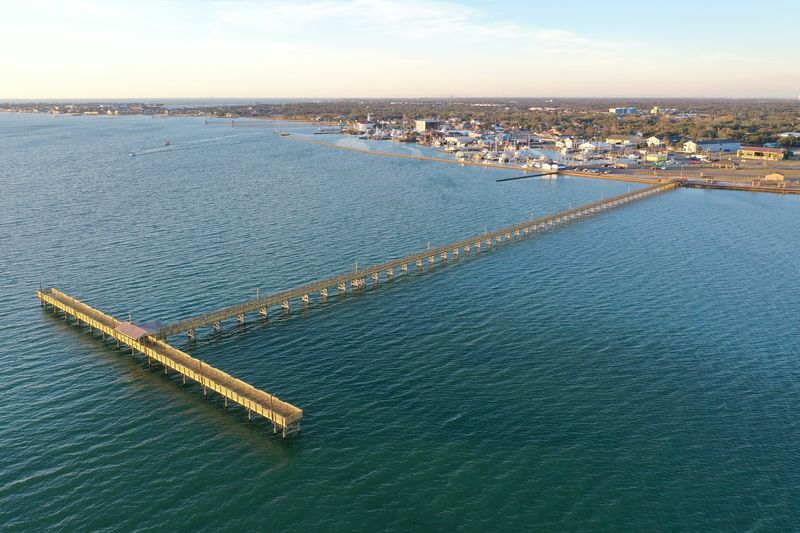
Forget shoulder-to-shoulder beach blankets and blaring music. Fulton’s beaches offer something increasingly rare along the Texas coast: actual peace and quiet. The shoreline here sees a fraction of the traffic that hits more famous beach towns, meaning you can actually hear waves lapping and seabirds calling.
Fulton Beach Road provides multiple access points where you can park and walk right onto the sand. The water stays relatively calm thanks to the protected bay location, making it perfect for wading, kayaking, or just cooling off. Families appreciate the gentle conditions, while solo visitors enjoy long contemplative walks without dodging crowds.
Shell collectors have better luck here than at busier beaches since fewer people are competing for finds. After storms, interesting treasures wash up and actually stay put long enough for someone to discover them. The natural, undeveloped feel means more wildlife sightings too, from dolphins offshore to shorebirds working the tideline.
Sunsets over the water paint the sky in spectacular colors, and you might have the whole show to yourself. Unlike resort beaches with high-rise hotels blocking views, Fulton’s low-key development means unobstructed horizons. Bring a chair, some snacks, and settle in for nature’s evening performance.
The beaches aren’t fancy, and that’s exactly the point. No beach clubs, no jet ski rentals, no volleyball tournaments. Just sand, water, and the kind of peaceful coastal experience that’s become surprisingly hard to find.
4. Birdwatching Paradise
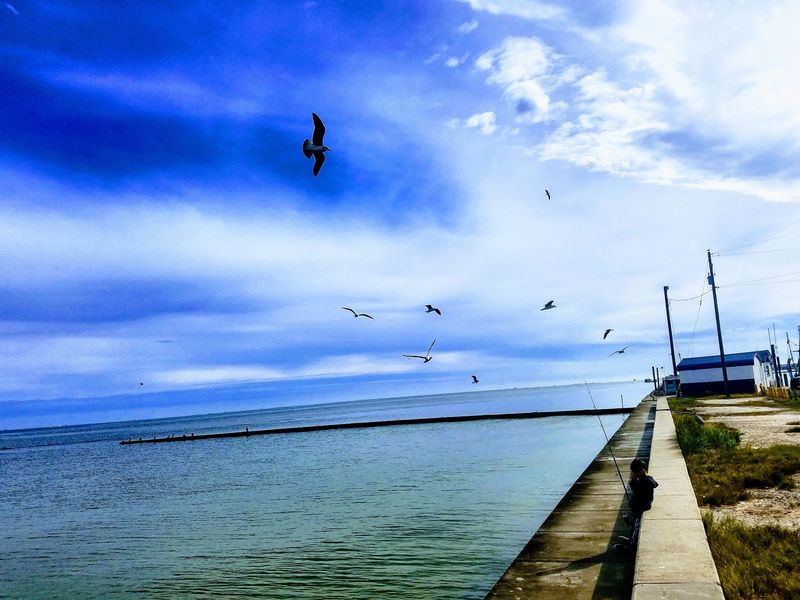
Serious birders know about Fulton, even if casual tourists don’t. The town sits along the Central Flyway migration route, and the nearby Aransas National Wildlife Refuge hosts the only wild flock of whooping cranes that winters in the United States. From November through March, these magnificent endangered birds are practically neighbors.
You don’t need to be an expert to appreciate the incredible variety of species that pass through or call this area home. Roseate spoonbills with their shocking pink plumage wade through shallow waters. Pelicans cruise overhead in formation, while tiny sandpipers race along the shoreline.
Local spots like the Fulton Harbor and various coastal access points provide excellent viewing without requiring special permits or fees. Bring binoculars and a field guide, or just use your phone to identify unfamiliar species. The sheer numbers and diversity make it easy to spot something interesting, even for beginners.
Spring and fall migrations bring waves of songbirds, warblers, and other species moving between summer and winter homes. Patient observers might spot rare visitors that birding groups travel hundreds of miles to see. The relaxed pace of Fulton makes it easy to spend hours just watching and waiting.
Several boat tours operate from nearby areas specifically for birdwatching, including whooping crane excursions. But even from shore, Fulton offers world-class birding opportunities that bigger, busier coastal destinations simply can’t match due to habitat loss and development.
5. Fresh Gulf Seafood
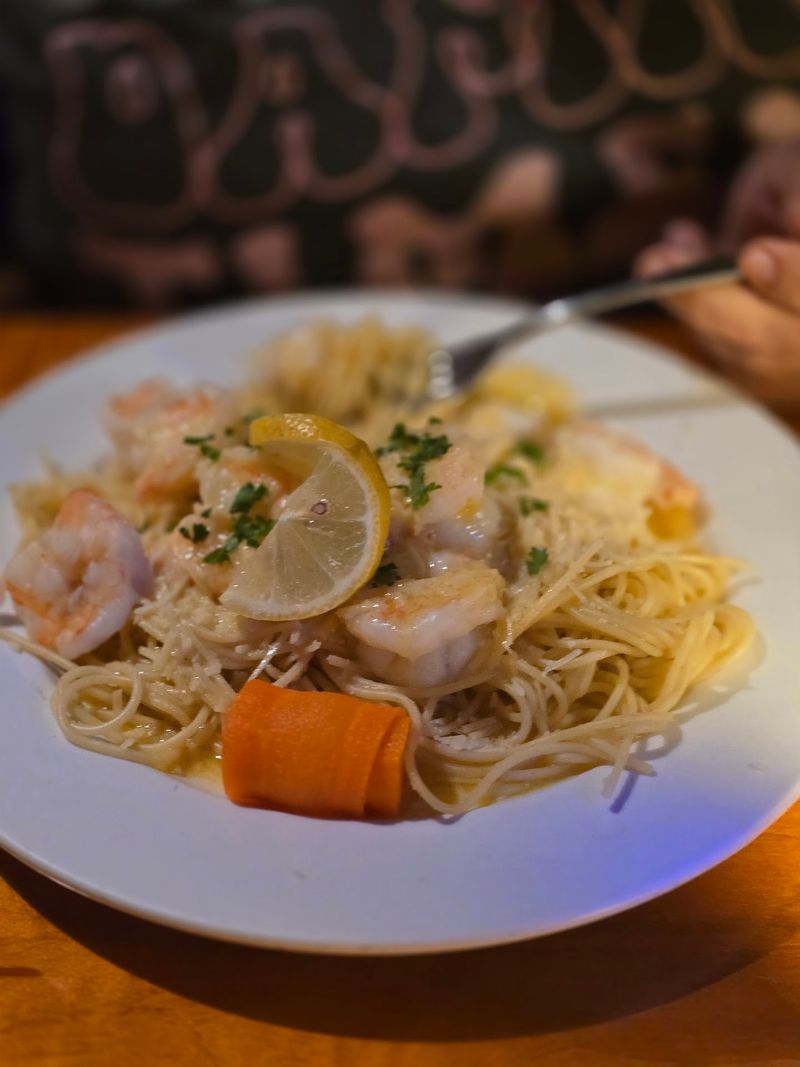
When fishing boats dock literally steps from restaurant kitchens, you know the seafood is going to be exceptional. Fulton’s restaurants don’t mess around with frozen imports or mystery fish. What’s on the menu depends on what came off the boats that day, and that’s how it should be.
Local spots serve Gulf shrimp so sweet and tender they barely need seasoning. Oysters come from nearby beds, shucked to order and tasting like the ocean itself. Redfish, flounder, and other catches get prepared simply because the quality speaks for itself.
Several family-run seafood markets let you buy directly and cook your own feast. The folks behind the counter offer cooking tips and can tell you exactly where and when each item was caught. Prices are reasonable since you’re cutting out multiple middlemen between boat and table.
Don’t expect fancy white-tablecloth dining. Fulton’s seafood joints lean toward picnic tables, paper plates, and cold beer. The focus stays squarely on the food, which is exactly as it should be.
Fried shrimp baskets, seafood gumbo, and fish tacos taste better when you’re not paying for atmosphere.
Timing matters. Visit on weekdays when boats return, and you’ll have the best selection. Weekend crowds from nearby cities sometimes clean out the markets, though restaurants usually have supplies locked down.
Ask locals which spots they frequent, then follow their lead for the most authentic experience possible.
6. Kayaking and Paddleboarding
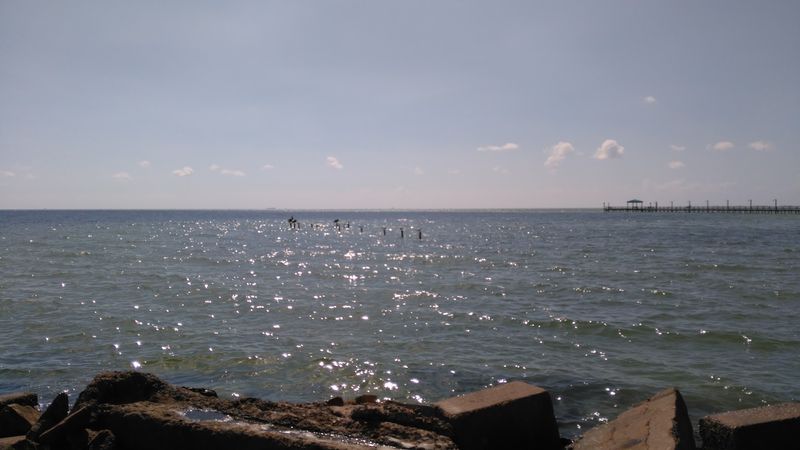
Fulton’s protected bay waters create perfect conditions for kayaking and paddleboarding, even for folks who’ve never tried it before. The calm surface and shallow depths mean you can focus on exploring rather than fighting waves or worrying about safety. Rentals are available locally, or bring your own gear for maximum flexibility.
Paddling along the shoreline reveals hidden coves, marsh grasses teeming with life, and perspectives you simply can’t get from land. Dolphins sometimes swim alongside kayakers, curious about these slow-moving visitors. Herons and egrets watch from the shallows, barely bothering to move as you glide past.
The lack of crowds means you can paddle for hours without dodging jet skis or power boats. Early mornings offer glass-smooth water and incredible light for photography. Sunset paddles provide front-row seats to spectacular color shows reflected on the water’s surface.
Several routes let you explore different habitats, from open bay to protected channels winding through marshland. Wildlife sightings increase the farther you venture from developed areas. Bring a waterproof bag for your phone and some water, then just enjoy the peaceful rhythm of paddling.
Fishing from kayaks has become popular too, with anglers targeting redfish and speckled trout in the shallows. The quiet approach lets you reach spots where fish haven’t been spooked by noisy boats. Whether you’re fishing, exploring, or just floating and thinking, Fulton’s waters offer a therapeutic escape from everyday stress and noise.
7. Small-Town Charm and Local Businesses
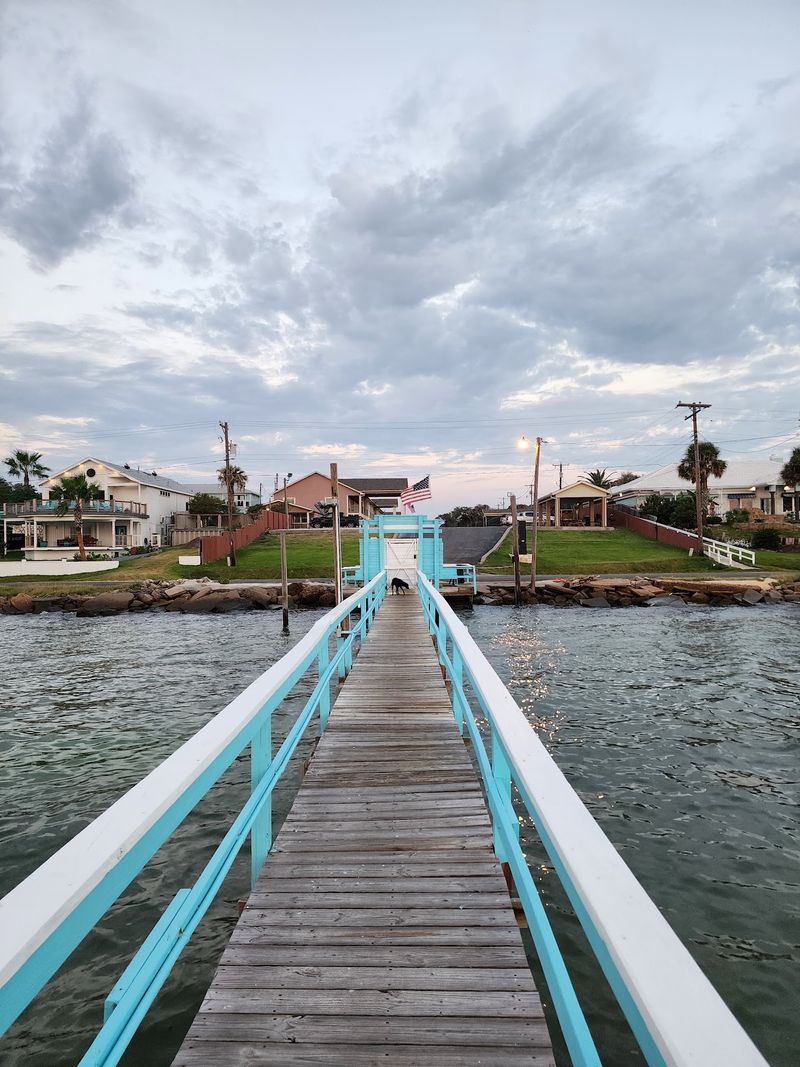
Walking through Fulton feels like visiting a place where people still know their neighbors’ names. Local businesses are actually local, run by families who’ve been here for decades rather than corporate chains. The pace is slower, conversations are longer, and nobody’s in a rush to hustle you out the door.
Small shops sell everything from fishing tackle to handmade crafts, with owners happy to chat about the area and share recommendations. You’ll get better advice about where to eat or what to see from these folks than any tourism website. Their knowledge comes from actually living here, not reading marketing materials.
The community hosts occasional events that bring residents together, from fishing tournaments to holiday celebrations. Visitors are welcomed into these gatherings, experiencing genuine Texas hospitality rather than tourist-focused entertainment. It’s the difference between being a guest and being a customer.
Art galleries showcase work by local and regional artists inspired by coastal life. Prices are reasonable, and you might meet the artist who created the piece you’re admiring. Supporting these small businesses means your money stays in the community rather than flowing to distant corporate headquarters.
Don’t expect big-box stores or franchise restaurants on every corner. Fulton’s charm lies partly in what it doesn’t have. The town has resisted overdevelopment, maintaining its character while bigger coastal areas have sold out to tourism dollars.
That authenticity is becoming increasingly rare and valuable along the Texas coast.
8. Proximity to Aransas National Wildlife Refuge
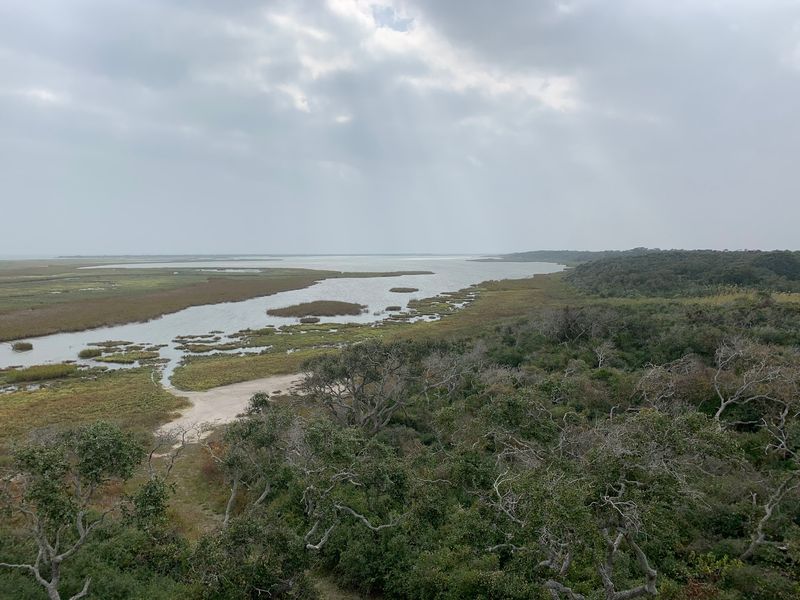
Just a short drive from Fulton, the Aransas National Wildlife Refuge protects over 115,000 acres of coastal habitat. This proximity gives Fulton visitors easy access to one of the most important wildlife areas on the Gulf Coast. The refuge is home to the endangered whooping crane during winter months, along with countless other species year-round.
Driving the refuge’s scenic loop takes you through diverse habitats, from coastal prairie to oak woodlands. Observation towers provide elevated views across marshes where alligators sun themselves and wading birds hunt for fish. Hiking trails let you stretch your legs and immerse yourself in landscapes that look much like they did centuries ago.
Photography opportunities abound, especially during migration seasons when birds fill the trees and wetlands. Patient observers can spend hours watching wildlife behavior, from feeding patterns to courtship displays. The refuge feels worlds away from civilization, though Fulton’s restaurants and lodging are just minutes down the road.
Educational programs and guided tours help visitors understand the complex ecosystems and conservation efforts protecting these lands. Learning about the whooping crane’s recovery from near extinction adds depth to any sighting of these remarkable birds. The refuge demonstrates what coastal Texas looked like before development transformed so much of the shoreline.
Combining a Fulton visit with refuge exploration creates a perfect coastal getaway. Spend mornings hiking and wildlife watching, then return to town for fresh seafood and sunset beach walks. This combination of wild nature and small-town amenities is increasingly rare along developed coastlines.
Share this story