Driving across the Lake Ray Hubbard Bridge on Interstate 30 feels like gliding over an endless stretch of shimmering water. This nearly two-mile engineering marvel connects Rowlett to the eastern Dallas suburbs while offering breathtaking panoramic views that make commuters forget they’re on a highway. Whether you’re a local who crosses it daily or a visitor discovering it for the first time, this bridge transforms an ordinary drive into a memorable experience that showcases the natural beauty of North Texas.
1. A Nearly Two-Mile Journey Over Water
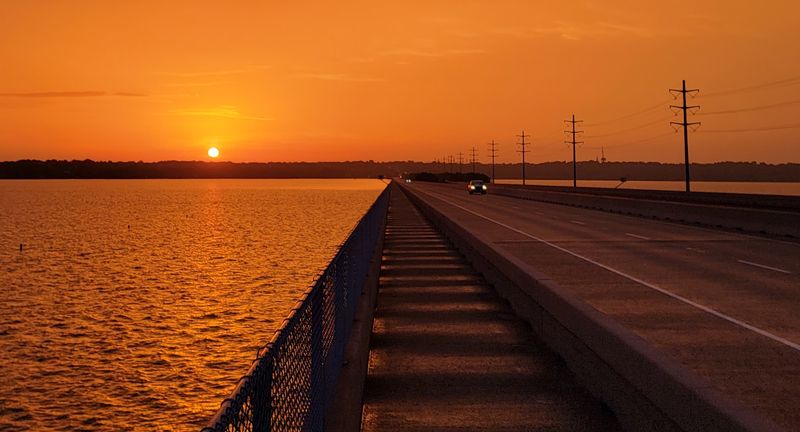
Stretching 1.8 miles across Lake Ray Hubbard, this bridge ranks among the longest water crossings in the Dallas-Fort Worth metroplex. When you’re cruising along Interstate 30, the structure feels almost endless as water extends in every direction around you. The sensation of being surrounded by the lake creates a unique driving experience that stands out from typical highway travel.
Built to handle the heavy traffic flowing between Dallas and eastern suburbs like Rockwall and Royse City, the bridge carries thousands of vehicles daily. Despite the volume, the wide lanes and well-maintained surface make for smooth sailing. Engineers designed it to withstand not just traffic loads but also the challenges of sitting above a massive reservoir.
What makes this crossing special is how it immerses you in the landscape rather than just passing through it. Unlike bridges that quickly hop over narrow rivers, this one gives you time to appreciate the scenery. On clear days, sunlight dances across the water’s surface, and you can spot sailboats dotting the horizon.
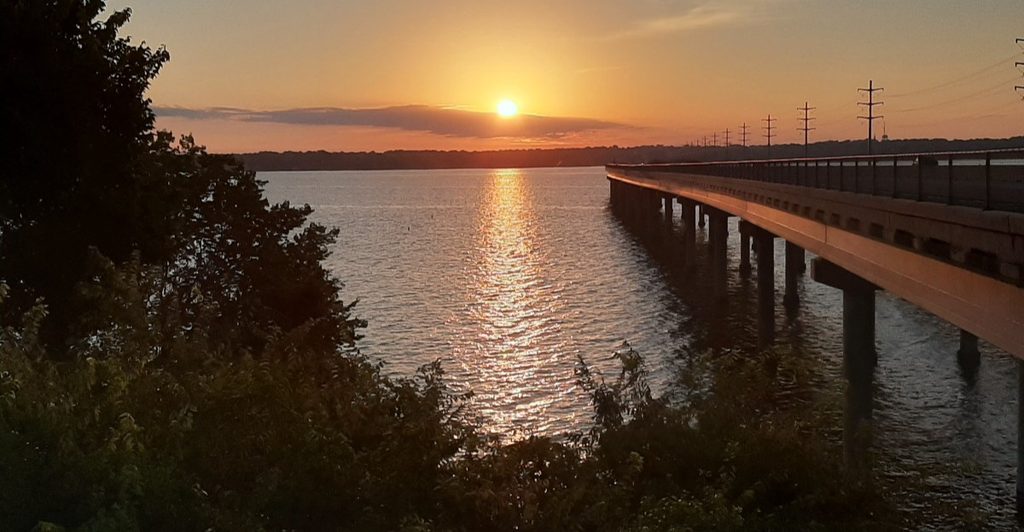
The bridge’s length means you spend nearly three minutes over water at highway speeds. That’s enough time to catch a stunning sunrise on your morning commute or watch the sky turn pink and orange during sunset drives. For many North Texans, this daily crossing becomes a small moment of unexpected beauty in their routine.
2. Walking and Biking Across the Causeway
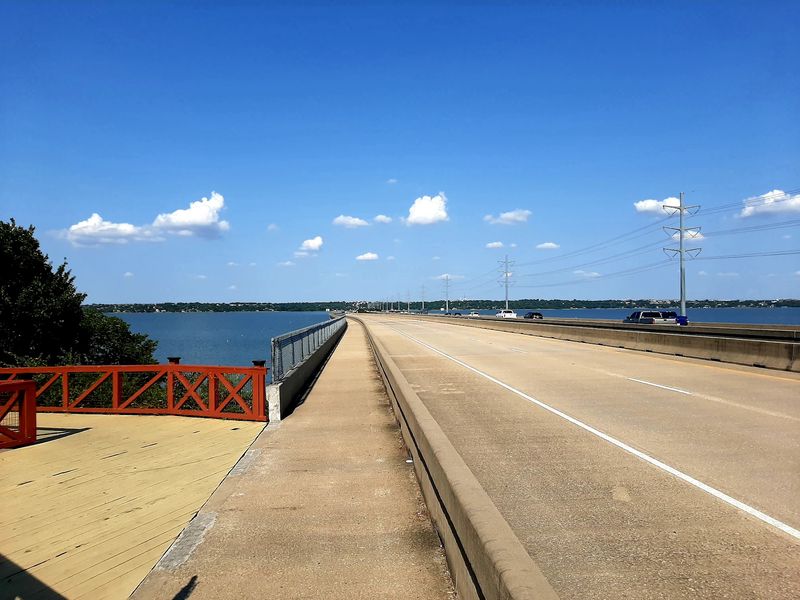
You don’t need a car to experience this bridge. A dedicated pedestrian and bicycle pathway runs along the north side of the westbound lanes, protected by sturdy concrete barriers that separate you from the 60-mph traffic. This pathway has become a favorite spot for fitness enthusiasts and nature lovers who want to combine exercise with incredible lake views.
Walking the entire bridge and back creates a nearly five-mile round trip, perfect for serious hikers and cyclists looking for a challenging workout. The concrete surface stays smooth and even, making it accessible for joggers, families with strollers, and wheelchair users. Early morning walkers often catch spectacular sunrises reflecting off the calm water.
Safety upgrades over the years have made the pathway increasingly user-friendly. The concrete barriers provide peace of mind, especially for parents with children or anyone nervous about being so close to highway traffic. Wind can pick up over the open water, so holding onto hats and securing loose items becomes important on breezy days.
At the eastern end, the pathway connects to Harbor Pointe Preserve, a beautiful waterfront park where you can rest and watch ducks swimming near the shore. Many walkers and cyclists make this their turnaround point, enjoying the park’s benches and scenic overlooks before heading back. The combination of bridge walking and park exploring creates a complete outdoor adventure that locals return to again and again.
3. Panoramic Water Views That Captivate
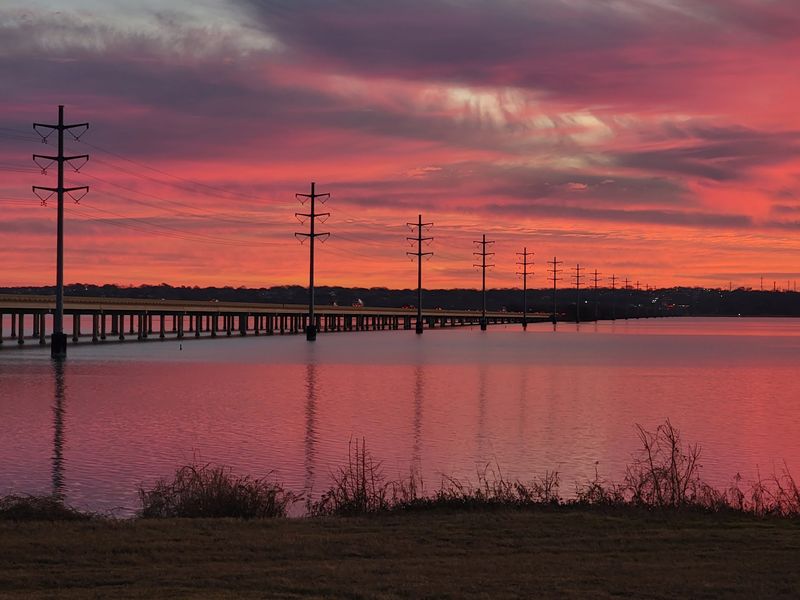
From the bridge’s highest point, Lake Ray Hubbard spreads out like a small sea, with water extending to the horizon in nearly every direction. This 22,745-acre reservoir ranks as one of the largest lakes in the Dallas area, and the bridge offers one of the best vantage points to appreciate its sheer size. The elevated perspective makes you feel like you’re floating above the landscape.
On the north side, the water stretches toward Rockwall and Heath, where expensive lakefront homes dot the shoreline. To the south, you can see toward Garland and the more natural, undeveloped sections of the lake. The contrast between the two sides tells the story of how suburban development has transformed this region over the past few decades.
Weather dramatically changes the view from one day to the next. Calm mornings create mirror-like reflections that double the beauty of passing clouds. Stormy days turn the water dark and choppy, with whitecaps visible below.
Fog occasionally rolls across the lake, creating an ethereal atmosphere that makes the bridge feel like a pathway through the clouds.
Photographers and Instagram enthusiasts have discovered this spot as a hidden gem for capturing Texas landscapes. The combination of water, sky, and the bridge’s clean lines creates compositions that look more like coastal scenes than landlocked North Texas. Golden hour brings out the best colors, painting everything in warm amber and pink tones that make even routine commutes feel magical.
4. Engineering That Stands the Test of Time
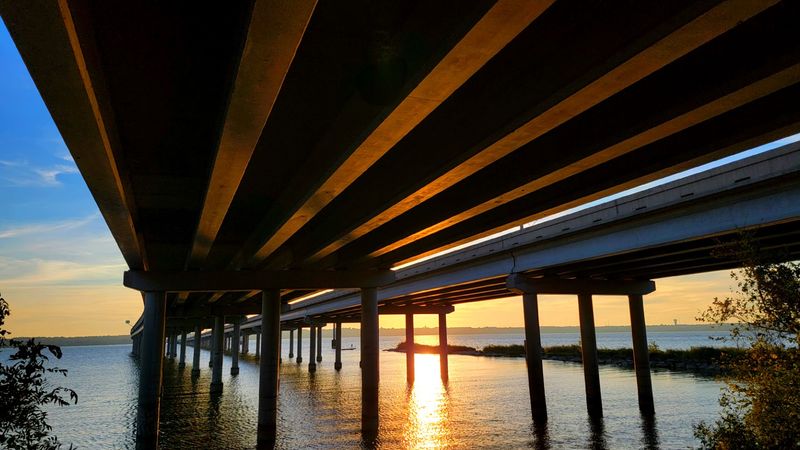
Building a bridge this long over water required serious engineering expertise and careful planning. The structure sits on massive concrete pillars that extend deep into the lake bed, anchoring it against wind, waves, and the weight of constant traffic. Each support was strategically placed to minimize environmental impact while maximizing stability and strength.
The bridge opened to traffic as part of Interstate 30’s expansion through the eastern Dallas suburbs. Before its construction, drivers had to take longer routes around the lake, adding significant time to their journeys. This direct crossing transformed regional connectivity and spurred development in communities like Rowlett, Rockwall, and Fate.
Maintenance crews work year-round to keep the bridge in excellent condition. Regular inspections check for any signs of wear, from small cracks in the concrete to corrosion on the steel reinforcements. The constant exposure to water, sun, and temperature fluctuations means the structure faces tougher conditions than typical highway sections.
Recent upgrades have added safety features including improved lighting for nighttime driving and better drainage systems to handle heavy rainstorms. The concrete barriers protecting the pedestrian pathway represent one of the most visible improvements, responding to community requests for safer recreational access. Engineers designed the bridge to last for generations, and with proper maintenance, it will continue serving North Texas for many decades to come.
5. Wildlife Watching From Above
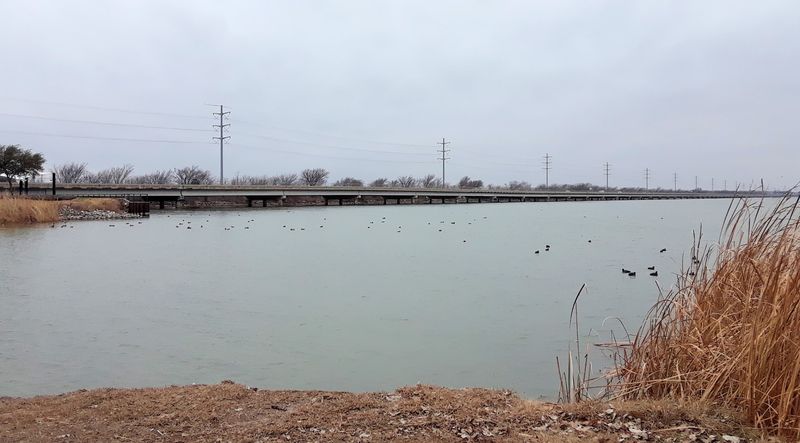
Lake Ray Hubbard teems with wildlife, and the bridge provides a unique elevated platform for spotting creatures in their natural habitat. Ducks paddle in groups near the shoreline, diving for food and entertaining walkers with their antics. Great blue herons stand motionless in shallow areas, waiting patiently to strike at passing fish.
Bird enthusiasts bring binoculars to identify the various species that call the lake home or stop during migration. Pelicans occasionally visit during certain seasons, their large white bodies standing out against the blue water. Cormorants dive repeatedly, disappearing beneath the surface before popping back up dozens of feet away.
Fish jump throughout the day, creating small splashes that catch your eye if you’re paying attention. The lake supports healthy populations of catfish, bass, and crappie, making it a popular fishing destination. From the bridge, you can sometimes spot anglers in boats anchored in promising spots, casting their lines and hoping for a big catch.
Early morning and late evening bring the most wildlife activity. Turtles sun themselves on logs and rocks near the shore, and if you’re lucky, you might catch a glimpse of a beaver or nutria swimming through the water. The combination of urban proximity and natural habitat creates an ecosystem where wildlife thrives despite the nearby development.
Walking the bridge slowly and quietly increases your chances of memorable wildlife encounters that remind you nature persists even in metropolitan areas.
6. Sunrise and Sunset Spectacles
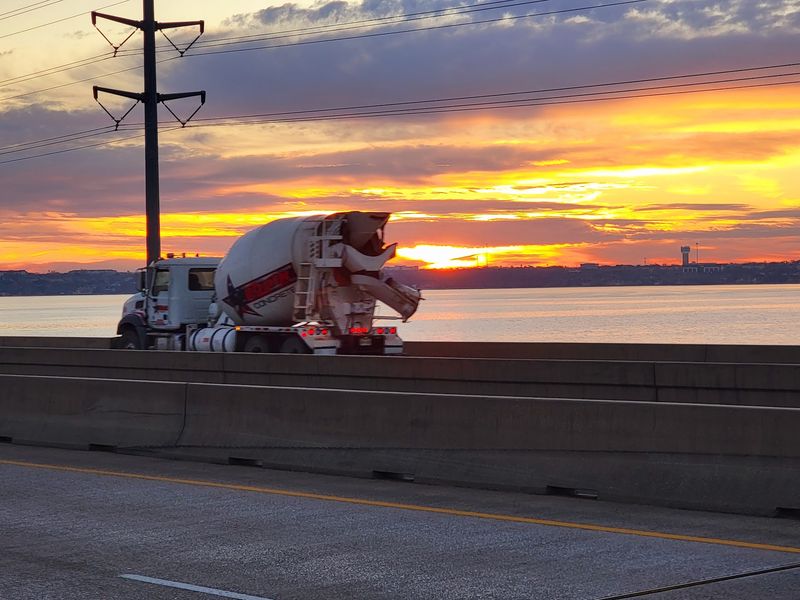
Few places in the Dallas area offer better sunrise and sunset views than this bridge. Morning commuters heading westbound face spectacular sunrises that paint the eastern sky in shades of orange, pink, and purple. The water below reflects these colors, doubling the visual impact and creating scenes worthy of postcards.
Sunset drives heading eastbound provide equally stunning displays. As the sun drops toward the western horizon behind you, the entire sky transforms into a canvas of changing colors. The light shifts from bright gold to deep amber, then to violet and indigo as darkness approaches.
Photographers have discovered that the bridge itself makes a compelling subject during golden hour. The way sunlight hits the concrete and creates long shadows adds depth and drama to compositions. Some dedicated shooters arrive before dawn or stay past dusk to capture the full transition from day to night.
Seasonal changes bring different qualities of light and color. Summer sunsets last longer, with extended twilight periods that keep the sky glowing well after the sun disappears. Winter brings sharper contrasts and sometimes dramatic cloud formations that catch the low-angle light.
Spring and fall often produce the most vibrant colors, especially when atmospheric conditions create particularly clear or hazy conditions.
Many locals have made watching sunsets from the bridge a regular ritual. Some park at Harbor Pointe Preserve and walk onto the bridge specifically for this purpose. Others simply slow down during their commute to appreciate the natural light show happening around them.
7. Connection to Harbor Pointe Preserve
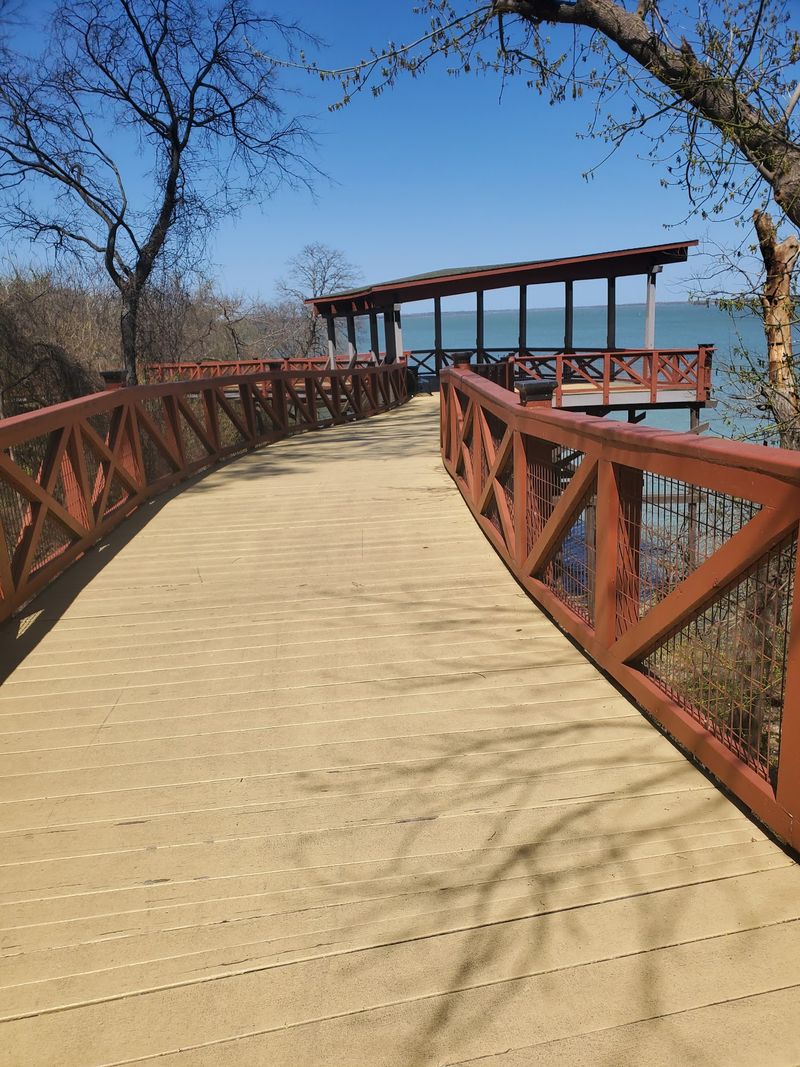
Harbor Pointe Preserve sits at the eastern end of the bridge, offering a perfect destination for walkers and cyclists who cross the causeway. This waterfront park features manicured lawns, shaded picnic areas, and direct lake access that makes it a favorite gathering spot for families and outdoor enthusiasts. The park’s relaxed atmosphere provides a stark contrast to the busy highway just overhead.
Ducks have claimed this park as their territory, waddling around the grass and approaching visitors who might have food. Their fearless personalities and comical behavior crack people up, especially kids who delight in watching them. The park has become known for these feathered residents who add charm and entertainment to every visit.
Walking trails wind through the preserve, connecting to the bridge pathway and extending along the shoreline. Benches positioned at scenic overlooks invite you to sit and watch boats glide across the water or simply enjoy the breeze. Mature trees provide shade during hot Texas summers, making the park comfortable even on warm afternoons.
The combination of bridge and park creates an ideal outdoor adventure. You can walk across the causeway for exercise and views, then relax in the park’s green space before heading back. Many people pack picnic lunches to enjoy after their walk, spreading blankets on the grass or claiming picnic tables near the water.
The park’s proximity to the bridge makes it an integral part of the overall experience, turning a simple walk into a complete recreational outing.
8. A Daily Commute Transformed Into Scenery
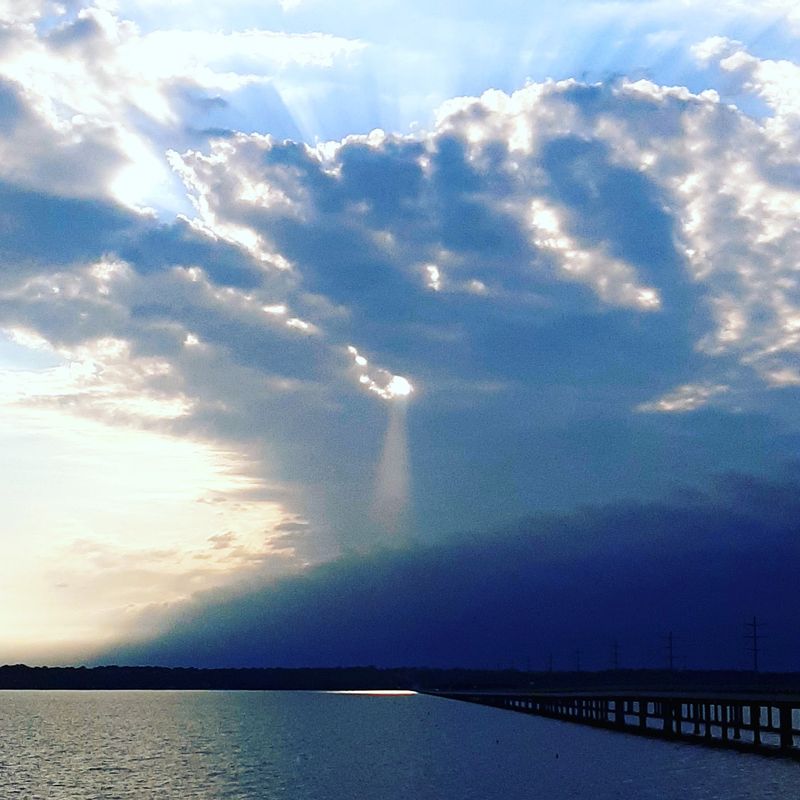
For thousands of North Texans, crossing this bridge isn’t a special occasion but a twice-daily routine. Yet even regular commuters admit the views never get completely old. There’s something about being suspended over all that water that breaks up the monotony of highway driving and reminds you why you chose to live in this part of Texas.
The bridge has witnessed countless life moments for locals who cross it regularly. People have received important phone calls while driving over the water, celebrated promotions, processed difficult news, and simply let their minds wander while surrounded by the scenery. It becomes a familiar landmark that marks the rhythm of daily life.
Traffic can get heavy during rush hours, as the bridge serves as a critical link for eastern suburbs commuting into Dallas. Despite occasional slowdowns, most drivers prefer this route specifically because of the views. Even sitting in traffic feels less frustrating when you’re surrounded by water and sky instead of concrete walls and buildings.
Some commuters use the crossing as a mental transition point between work and home. Leaving the office stress behind as you drive over the water creates a psychological separation that helps you shift gears. Others use the time to practice mindfulness, focusing on the present moment and appreciating the natural beauty around them instead of worrying about what’s ahead.
The bridge has become more than just infrastructure. It’s a shared experience that connects everyone who crosses it, a beautiful interruption in the urban landscape that reminds us why Texas living includes unexpected moments of natural wonder.
Share this story