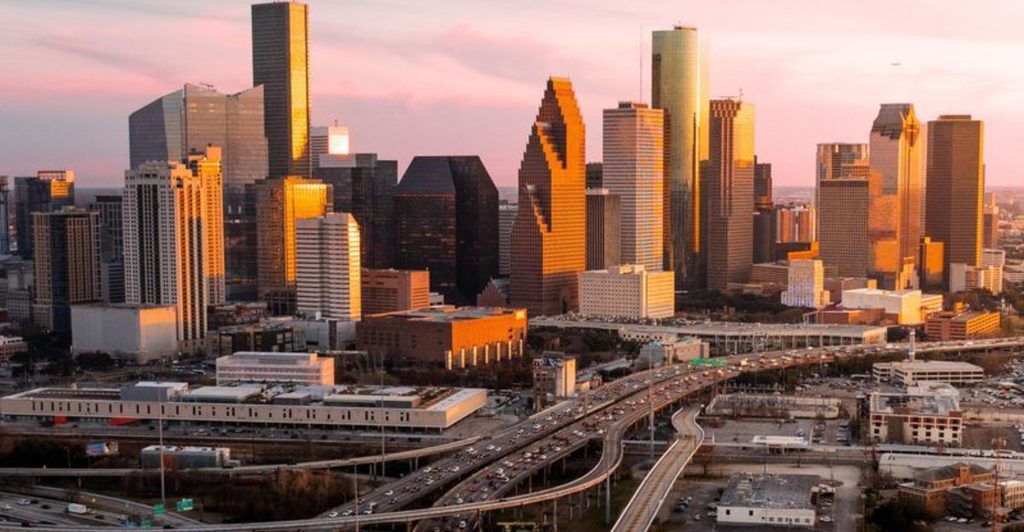
Houston just claimed the top spot as America’s favorite moving destination for an incredible fifth year running. Thousands of families and young professionals are packing up and heading to Space City, drawn by job opportunities, affordable living, and a culture that’s as diverse as it gets. What makes this sprawling Texas metropolis so irresistible that people keep choosing it over flashy coastal cities and mountain towns?
From its booming economy to its world-class food scene, Houston offers a lifestyle that’s hard to beat without breaking the bank.
1. Job Market That Keeps Growing
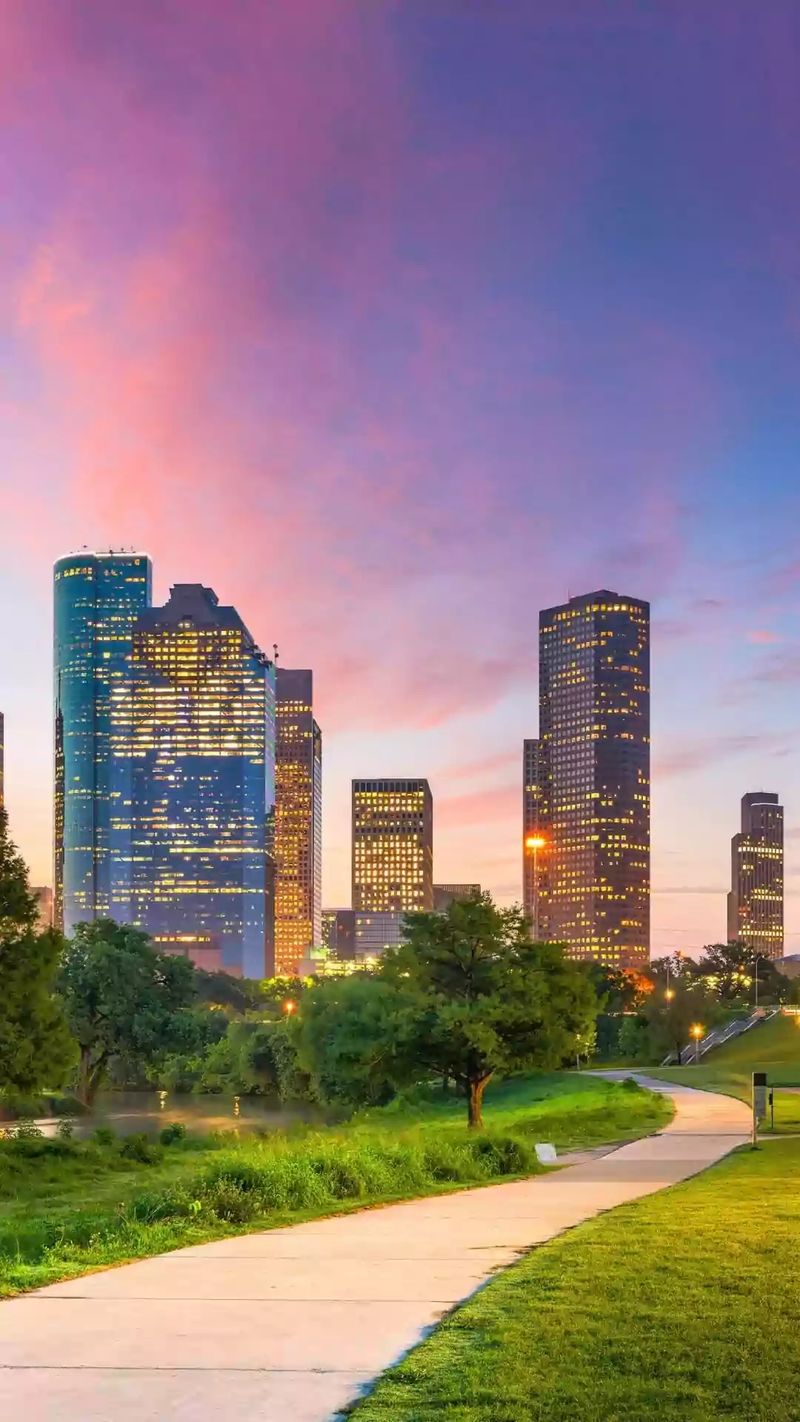
Houston’s economy doesn’t just survive. It thrives, adapts, and keeps expanding even when other cities hit rough patches. The energy sector anchors the city’s financial backbone, but tech companies, healthcare giants, and manufacturing operations are setting up shop faster than you can say “y’all come back now.”
The Texas Medical Center alone employs over 120,000 people and stands as the largest medical complex on the planet. NASA’s Johnson Space Center brings high-paying aerospace jobs and attracts brilliant minds from around the globe. Meanwhile, the Port of Houston ranks as the busiest port in the United States by foreign tonnage, creating thousands of logistics and trade positions.
Young graduates find entry-level opportunities across multiple industries without needing family connections or Ivy League credentials. Mid-career professionals discover room to pivot into new fields or climb corporate ladders that actually lead somewhere. Entrepreneurs launch startups with lower overhead costs compared to Silicon Valley or New York, giving their business ideas a real fighting chance.
The unemployment rate consistently stays below the national average, and companies keep announcing expansions or relocations to the Houston area. Remote workers who can live anywhere often choose Houston because their salaries stretch further while they stay plugged into a vibrant professional network. Whether you’re in finance, engineering, hospitality, or creative fields, Houston’s job market offers genuine opportunities rather than empty promises.
2. Housing Costs That Make Sense
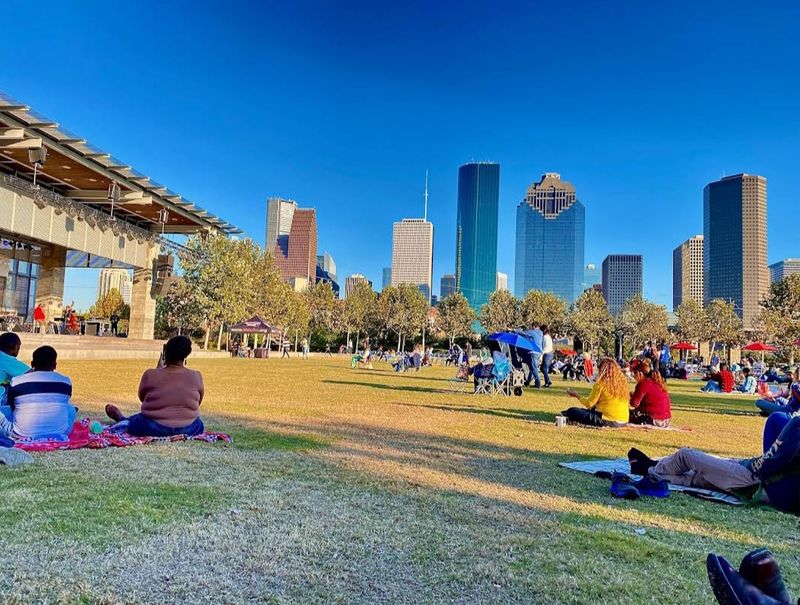
Forget spending half your paycheck on a shoebox apartment. Houston lets you actually afford a place with space to breathe, maybe even a yard where your dog can run around. The median home price sits significantly below other major metropolitan areas, and renters find options across every price range and neighborhood vibe.
First-time buyers can snag decent starter homes in safe neighborhoods without selling a kidney or borrowing from three generations of relatives. Young families discover they can afford houses with multiple bedrooms, updated kitchens, and pools in the backyard. That same money in Los Angeles or Boston might buy you a parking space and some regret.
The variety of housing options means you’re not stuck choosing between sketchy and expensive. Trendy townhomes in Montrose attract creative types who want walkability and nightlife. Suburban developments in Katy or The Woodlands appeal to families prioritizing good schools and community pools.
Urban lofts downtown suit professionals who’d rather walk to work than sit in traffic.
Property taxes run higher than some states, but Texas has no state income tax, which balances the equation nicely. New construction keeps popping up across Greater Houston, preventing the housing shortage crisis plaguing other cities. Whether you’re renting your first apartment or buying your forever home, Houston’s real estate market treats regular people like they deserve shelter without financial acrobatics.
3. No State Income Tax Advantage
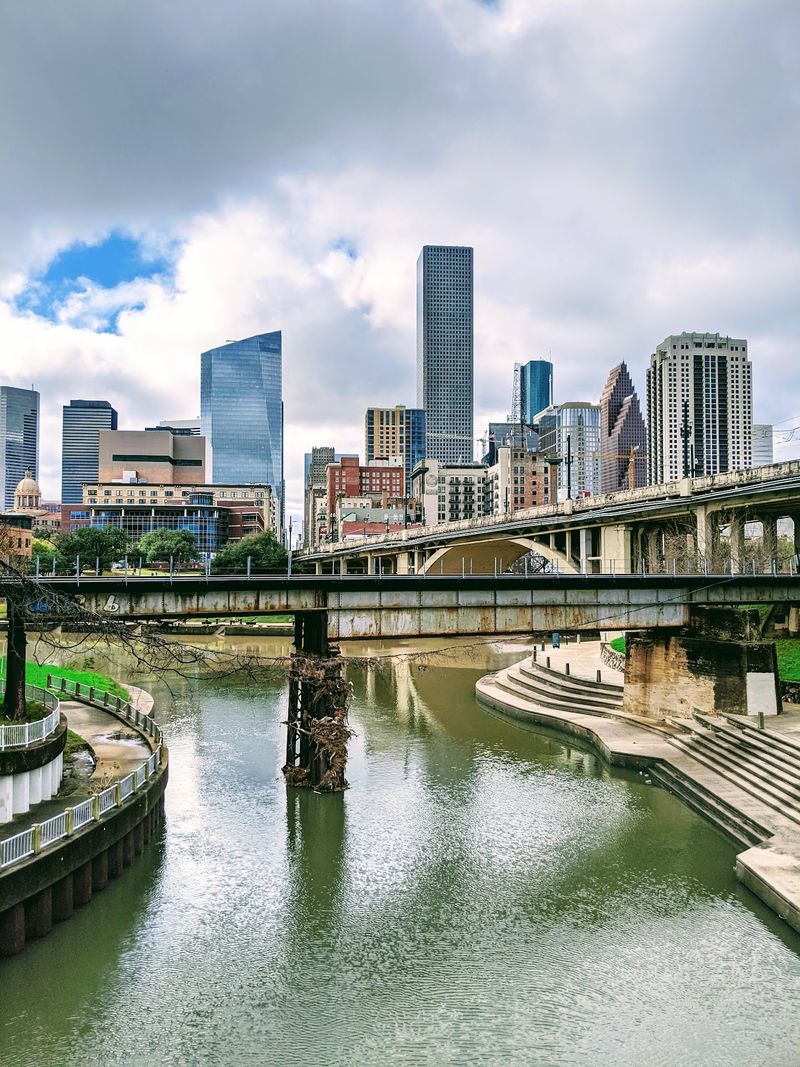
April 15th feels a whole lot better when you’re not handing over chunks of your paycheck to state tax collectors. Texas famously refuses to impose a state income tax, which means your salary goes further than it would in California, New York, or Illinois. That’s real money staying in your pocket every single month.
A software engineer making $100,000 in Houston takes home thousands more annually compared to the same salary in San Francisco or Boston. Families keep more of their earnings for vacations, college funds, or investing instead of watching it disappear into state coffers. Retirees on fixed incomes stretch their Social Security and pension checks without state governments taking their cut.
Sure, Texas makes up some revenue through property and sales taxes, but you control those expenses more directly. You choose where to live and what to buy, giving you actual agency over your tax burden. High earners especially benefit since there’s no progressive tax rate punishing success or entrepreneurial ambition.
Small business owners keep more profits to reinvest in growth, hire employees, or simply enjoy the fruits of their labor. Remote workers earning coastal salaries while living in Houston essentially give themselves a raise by avoiding state income taxes. This financial advantage compounds over years and decades, building wealth that would otherwise vanish into government budgets.
When people compare cost of living between cities, that missing state income tax makes Houston’s value proposition even more compelling.
4. Food Scene That Rivals Anywhere
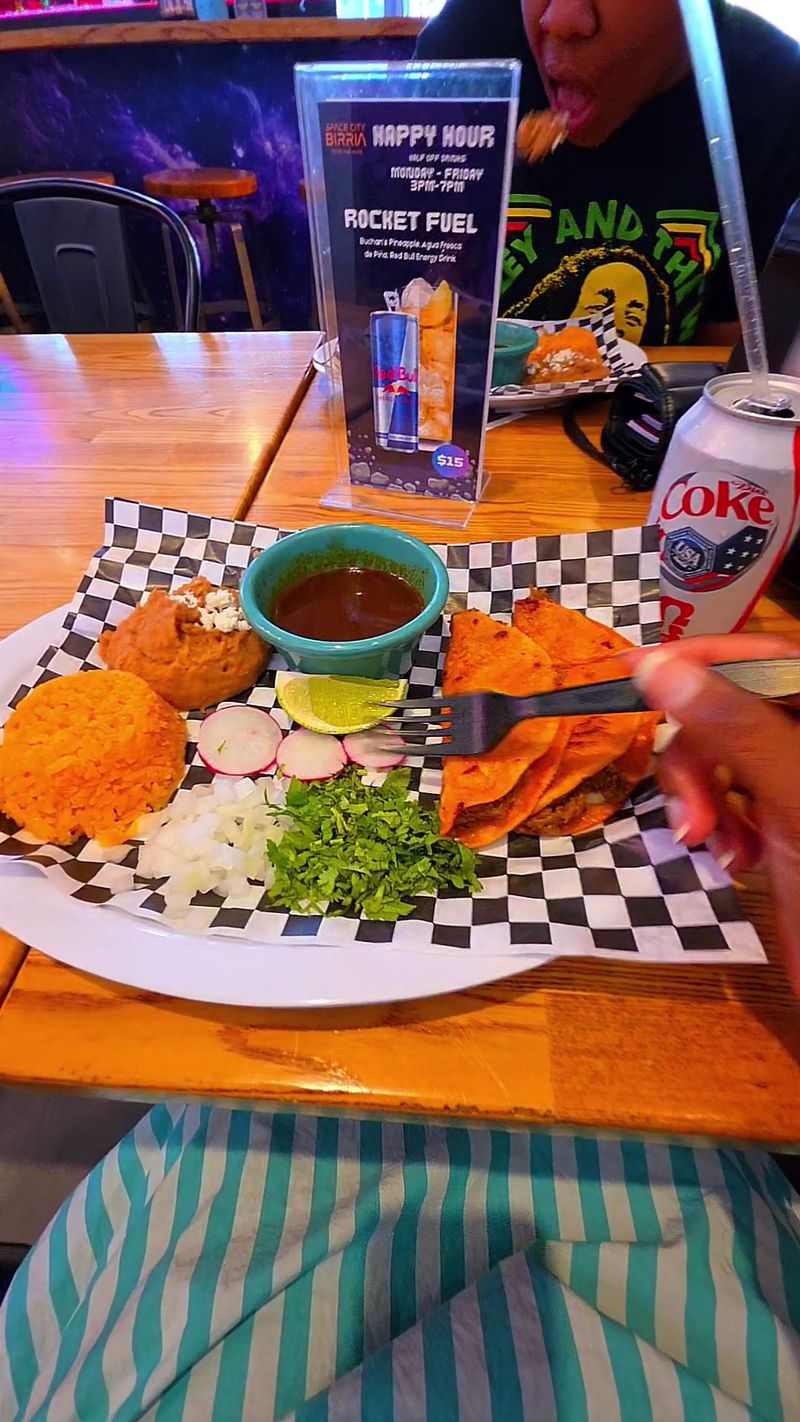
Houston eats, and it eats incredibly well. This city serves up authentic international cuisine that puts so-called foodie destinations to shame, all without the pretentious attitude or wallet-draining prices. You can taste your way around the world without leaving Harris County.
The Vietnamese community built a Little Saigon that serves pho and banh mi rivaling anything in Ho Chi Minh City. Mexican restaurants range from humble taquerias slinging perfect breakfast tacos to upscale spots reimagining regional specialties. Nigerian suya joints, Pakistani biryanis, and Ethiopian injera platters prove Houston’s diversity isn’t just a census statistic.
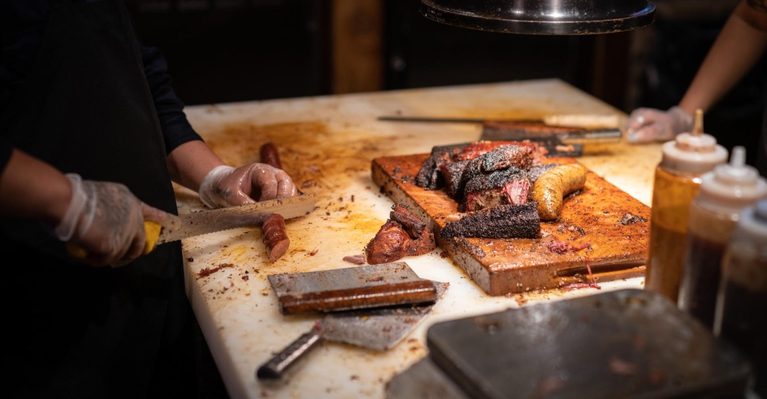
Barbecue obsessives debate which pitmaster smokes the best brisket while craft breweries and cocktail bars keep the drinks flowing. James Beard Award winners choose Houston to open restaurants because the city actually appreciates good food rather than just Instagram-worthy plates. Food trucks park outside warehouses serving Korean-Mexican fusion that shouldn’t work but absolutely does.
Compared to New York or Los Angeles, Houston lets you eat phenomenally well without reservations made three months ahead or spending rent money on dinner. A mind-blowing meal might cost $15 at a strip mall restaurant run by immigrants who actually know their craft. Brunch spots don’t require two-hour waits, and you can try a new cuisine every week for years without repeating yourself.
Food brings people together here, and Houston’s culinary landscape reflects every culture that calls this city home.
5. Space and Science Legacy

“Houston, we have a problem” made this city synonymous with space exploration forever. NASA’s Johnson Space Center has called Houston home since the 1960s, and that aerospace legacy shapes the city’s identity in ways both obvious and subtle. Kids grow up visiting Space Center Houston, dreaming bigger dreams because rocket scientists work down the road.
The facility trains every NASA astronaut and controls human spaceflight missions from launch to landing. Engineers, scientists, and contractors fill neighborhoods around Clear Lake, creating communities where conversations casually reference orbital mechanics or Mars mission planning. This concentration of brainpower attracts universities, research institutions, and private space companies building the next generation of spacecraft.
Space Center Houston, the official visitor center, lets families explore shuttle replicas, touch moon rocks, and meet actual astronauts. School field trips here inspire future engineers and scientists rather than just killing time until lunch. The connection between Houston and space exploration runs deep enough that locals feel genuine pride when missions succeed.
Beyond tourism, the space industry pumps serious money and prestige into Houston’s economy. Private companies like SpaceX and Blue Origin maintain significant Houston operations, creating high-tech jobs that didn’t exist a decade ago. Universities conduct cutting-edge research in partnership with NASA, keeping Houston at the forefront of aerospace innovation.
Living in a city that literally talks to astronauts orbiting Earth adds a unique flavor to Houston’s identity that most places simply can’t match.
6. Cultural Diversity That’s Actually Real
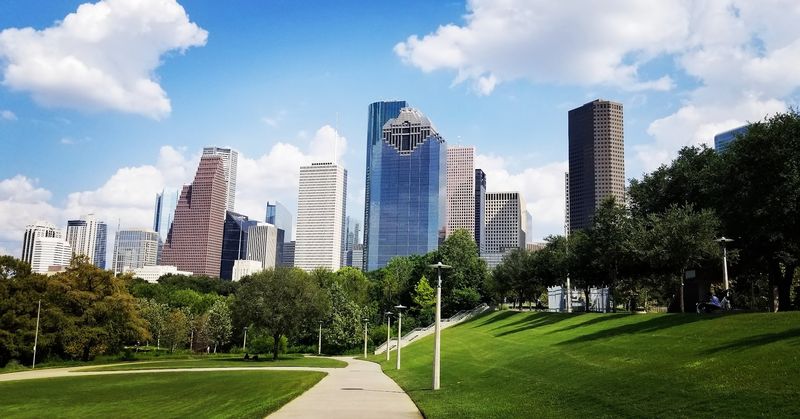
Houston doesn’t just talk about diversity. It lives it, eats it, celebrates it, and benefits from it every single day. Over 145 languages echo through schools, grocery stores, and neighborhoods across this sprawling metropolis.
No single ethnic group holds a majority, creating a genuinely multicultural environment rather than token representation.
Entire neighborhoods reflect specific immigrant communities who’ve built thriving enclaves. Mahatma Gandhi District along Hillcroft serves as Houston’s Little India, packed with sari shops, jewelry stores, and restaurants serving dosas and thalis. Chinatown sprawls across multiple shopping centers where you’ll hear more Mandarin and Cantonese than English.
The East End pulses with Latino culture, from mariachi bands to mercados selling fresh tortillas.
This diversity isn’t confined to ethnic restaurants and festivals. It shapes Houston’s business landscape, school systems, and social fabric in fundamental ways. Companies tap into multilingual talent pools and global connections that smaller, homogeneous cities simply lack.
Kids grow up with classmates from dozens of countries, learning early that different doesn’t mean wrong.
Religious institutions representing every major faith and dozens of smaller ones dot the landscape. Cultural festivals happen year-round, celebrating everything from Chinese New Year to Caribbean Carnival to Diwali. Unlike cities where diversity means a few ethnic restaurants in one neighborhood, Houston’s multiculturalism spreads across the entire metropolitan area.
Newcomers find established communities from their home countries, easing the transition while contributing their own flavors to Houston’s ever-evolving cultural stew.
7. Weather That Supports Outdoor Living
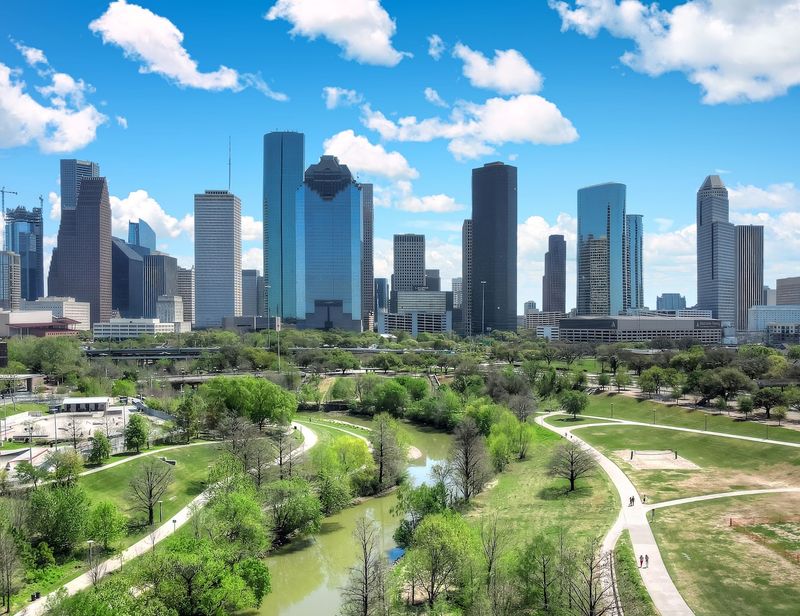
Sunshine dominates Houston’s forecast most of the year, letting residents actually use their patios, pools, and parks rather than staring at them through windows. While summer heat gets intense and humidity earns its reputation, the flip side means you’re never shoveling snow or scraping ice off your windshield at 6 AM.
Winter barely exists here. January temperatures hover in the 50s and 60s, occasionally dipping to the 40s for a few days before bouncing back. You might own a heavy coat, but it stays buried in the closet most years.
Kids play outside year-round, and outdoor dining remains pleasant through December and January.
The extended warm season means gardens grow nearly year-round, and you’re not losing four or five months to frozen tundra conditions. Golf courses, hiking trails, and outdoor venues stay open and accessible when northern cities shut down completely. Sure, August feels like living inside someone’s mouth, but that’s what air conditioning and swimming pools are for.
Houston gets its share of rain, and hurricane season demands respect and preparation. But compare that to earthquakes, blizzards, tornadoes, or wildfire smoke, and the tradeoffs seem reasonable. The climate allows an active outdoor lifestyle that cold-weather cities simply can’t match.
Morning jogs happen in February without risking frostbite. Backyard barbecues work as well in November as July. For people tired of grey skies and winter doldrums lasting half the year, Houston’s sunny disposition feels like a permanent vacation.
8. Arts and Entertainment Beyond Expectations

Houston’s arts scene punches way above its weight class, offering world-class performances and exhibitions that surprise people expecting nothing but oil refineries and strip malls. The Theater District packs seventeen blocks with venues hosting everything from Broadway tours to experimental performances that push boundaries.
The Houston Grand Opera has won a Tony Award and commissioned more world premieres than any other American opera company. The Houston Ballet ranks among the nation’s top five companies, and the Houston Symphony has called this city home for over a century. These aren’t scrappy underdogs.
They’re internationally recognized institutions that happen to operate in Texas.
Museum District clusters nineteen museums within walkable distance, many offering free admission. The Museum of Fine Arts houses over 70,000 works spanning 6,000 years. The Contemporary Arts Museum showcases cutting-edge installations that challenge and provoke.
The Children’s Museum keeps kids engaged for hours without resorting to screens or sugar.
Live music venues book national touring acts and nurture local talent across every genre imaginable. Comedy clubs, indie theaters, and art galleries fill warehouses and storefronts across Montrose, the Heights, and EaDo. Unlike cities where culture means overpriced tickets and snobbish audiences, Houston keeps arts accessible and unpretentious.
You can catch a world-class opera on Friday and see punk bands in a dive bar Saturday without anyone questioning your cultural credentials. For a city often stereotyped as all business, Houston’s creative soul runs surprisingly deep and delightfully weird.
Share this story