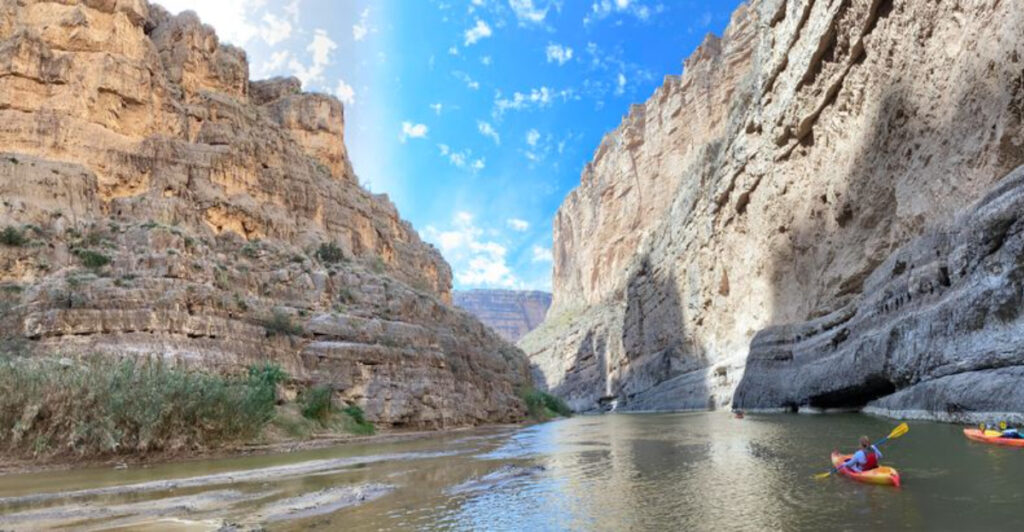
Surrounded by the rugged beauty of Big Bend National Park, Santa Elena Canyon delivers one of the most unforgettable kayaking adventures in Texas. The towering limestone walls rise an incredible 1,500 feet above the Rio Grande, dwarfing even New York’s famous Empire State Building. Whether you paddle through the narrow gorge or hike the scenic trail alongside it, this remote West Texas wonder delivers views and experiences you won’t find anywhere else.
1. Walls That Scrape the Sky
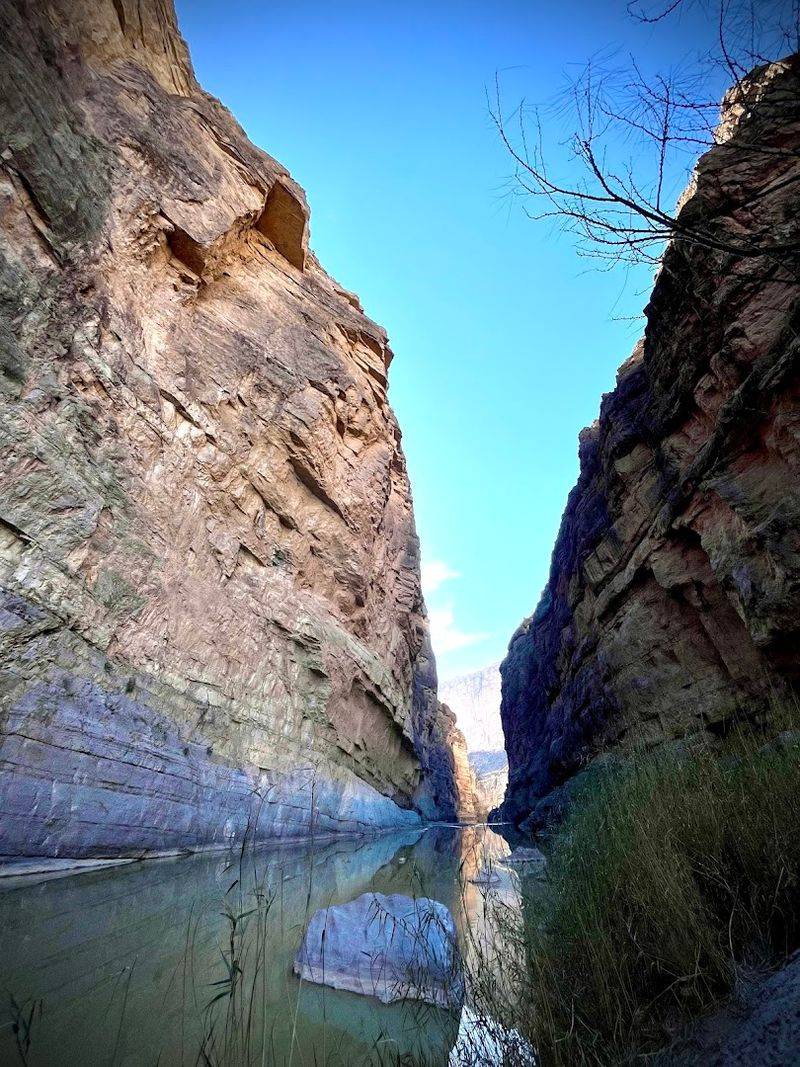
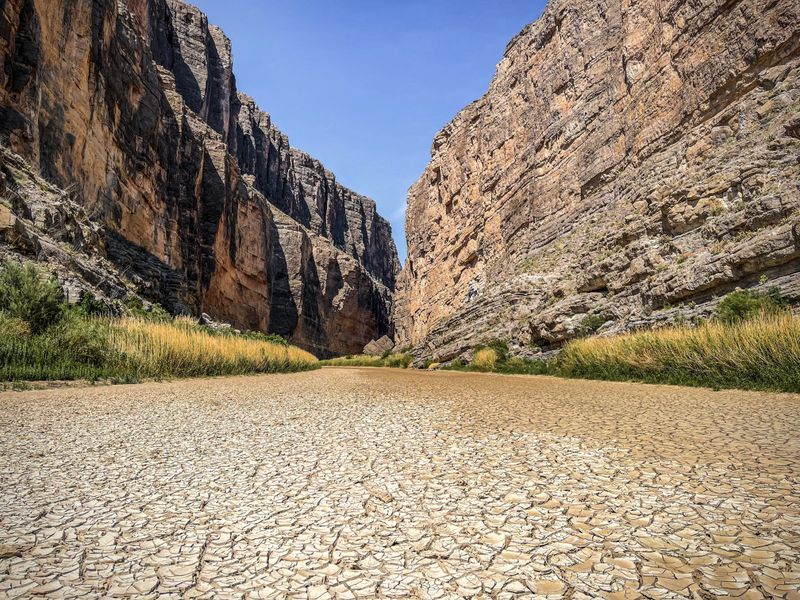
Standing at the base of Santa Elena Canyon feels like stepping into another world entirely. The sheer limestone cliffs shoot up 1,500 feet on both sides of the Rio Grande, creating a natural cathedral that makes you feel wonderfully small. To put that in perspective, the Empire State Building tops out at 1,454 feet to its roof, meaning these ancient rock walls actually tower higher than one of America’s most iconic skyscrapers.
The canyon was carved over millions of years as the Rio Grande sliced through the Mesa de Anguila, exposing layers of rock that tell stories dating back to the Cretaceous period. Geologists get downright giddy about the formations here. The contrast between the dark water below and the sun-bleached walls above creates photography opportunities that’ll make your Instagram followers think you’ve left the country.
Kayakers who venture into the canyon’s narrow passages experience an acoustic phenomenon where every paddle stroke and voice echoes off the towering walls. Early morning visits offer the best lighting, when the sun hasn’t yet heated the rocks and wildlife is most active. The canyon serves as a natural border between the United States and Mexico, with Texas on the north side and the Mexican state of Chihuahua on the south.
Visitors consistently describe the experience as humbling and awe-inspiring, with many saying photos simply can’t capture the scale. The walls seem to lean inward as you look up, creating an optical illusion that adds to the surreal atmosphere of paddling through this geological masterpiece.
2. Rio Grande’s Wildest Stretch
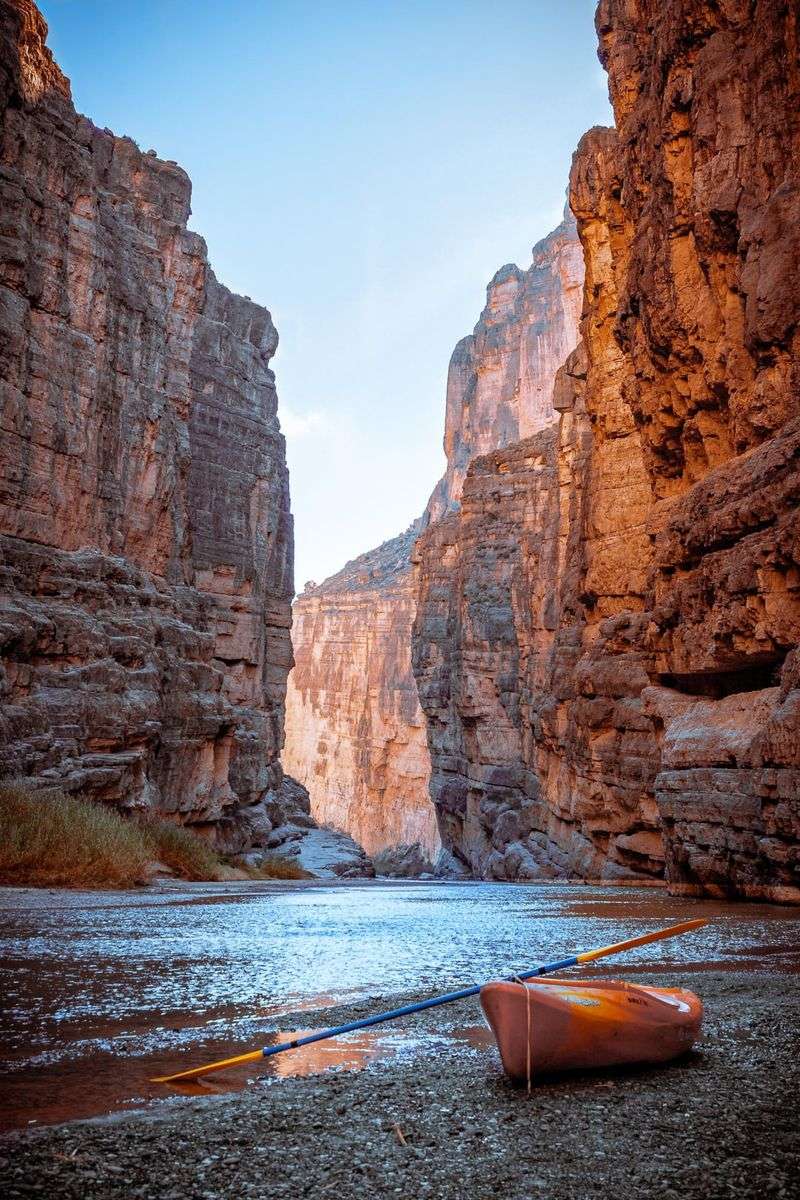
The Rio Grande transforms from a lazy border river into something far more dramatic as it enters Santa Elena Canyon. This stretch of water offers paddlers a front-row seat to one of Texas’s most spectacular natural shows. The river runs relatively calm through most of the canyon, making it accessible for intermediate kayakers, though spring runoff can change conditions quickly and dramatically.
Water levels fluctuate throughout the year, with the best paddling typically happening from late fall through early spring. Summer months can see the river drop to barely navigable levels in drought years. The canyon stretches roughly eight miles from entrance to exit, though most recreational paddlers tackle shorter sections and turn back before committing to the full journey.
Experienced guides know the sweet spots where the current slows enough to let you drift and simply gaze upward at the towering walls. The water takes on an emerald-green hue in certain light, contrasting beautifully against the pale limestone. You’ll share the river with occasional great blue herons, black vultures riding thermals above, and if you’re lucky, a glimpse of peregrine falcons nesting on the cliff faces.
Paddling here requires a permit from Big Bend National Park, and rangers strongly recommend checking river conditions before launching. The remoteness adds to the adventure but also means you need to be self-sufficient. Cell service is nonexistent, so bring paper maps and know your route before pushing off from shore.
3. Trail Access for Non-Paddlers
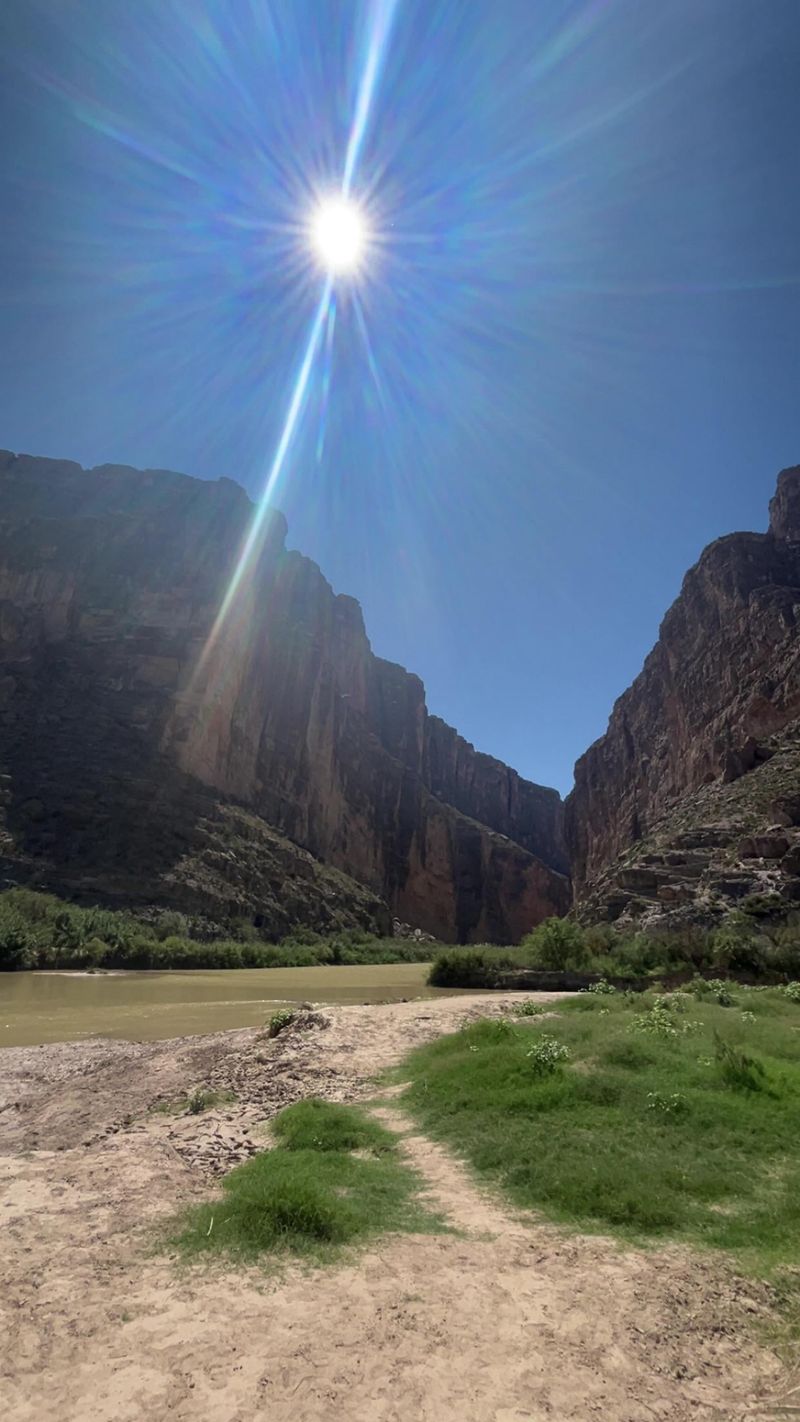
Not everyone wants to commit to a full kayaking expedition, and that’s where the Santa Elena Canyon Trail becomes your best friend. This 1.7-mile round-trip hike delivers stunning canyon views without requiring a boat or advanced outdoor skills. The trail begins at a well-maintained parking area complete with restrooms, making it one of the more accessible adventures in Big Bend National Park.
The path starts with a concrete walkway that crosses Terlingua Creek, though water levels vary wildly depending on recent rainfall. During dry seasons, you might cross on dry rocks, but after storms, the creek can run knee-deep or higher. Once across, the trail climbs a series of stone stairs built right into the canyon wall, gaining about 350 feet in elevation as it winds upward.
Hikers rave about the interpretive signs placed along the route, explaining the geology, plant life, and human history of the area. You’ll spot ocotillo, prickly pear, and other desert plants clinging to seemingly impossible cliff-side perches. The trail offers multiple viewpoints where you can pause to absorb the scale of the canyon opening before you.
Shade is limited to small patches, so timing matters tremendously for comfort. Early morning or late afternoon visits provide cooler temperatures and softer light that makes the canyon walls glow. The trail sees moderate traffic during peak season but can feel wonderfully solitary on weekday mornings, giving you space to experience the canyon’s serene atmosphere without crowds.
4. Best Seasons to Visit
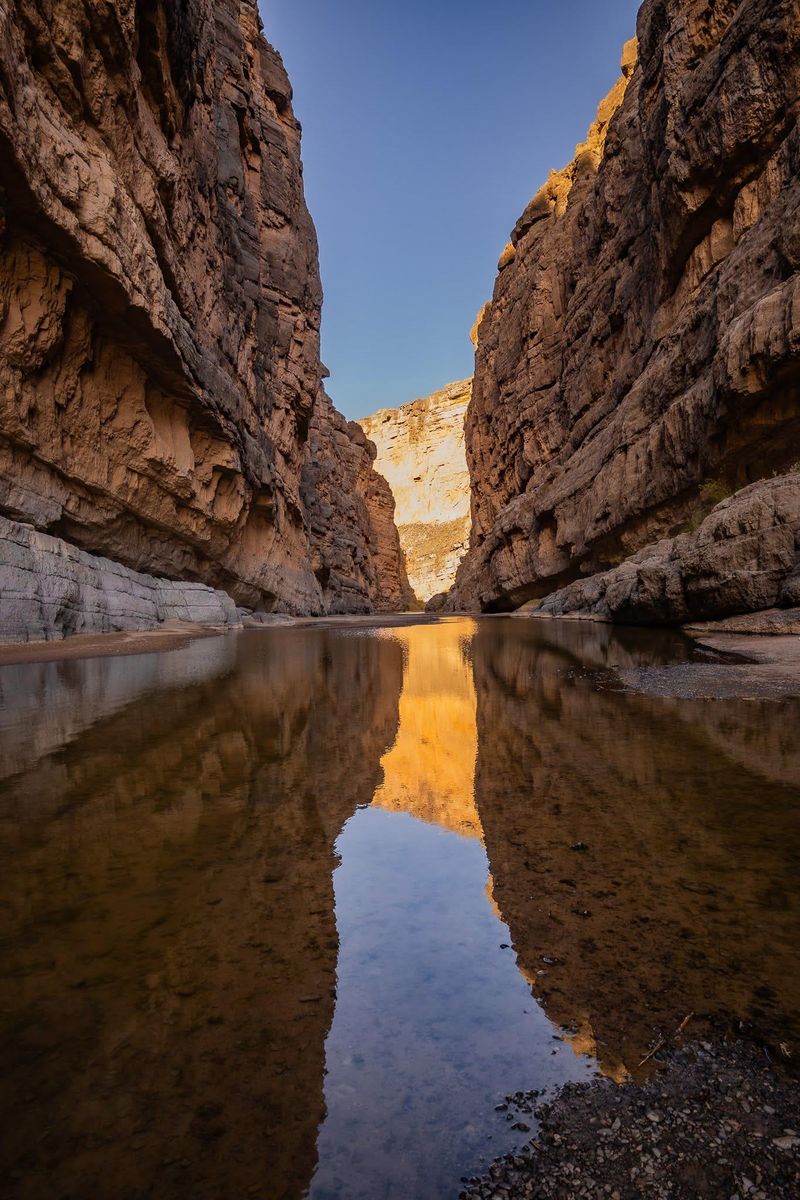
Timing your Santa Elena Canyon adventure can make the difference between a magical experience and a miserable slog through extreme heat. Big Bend’s desert climate swings wildly between seasons, and the canyon amplifies both the best and worst conditions. Fall through early spring (October through March) delivers the sweet spot when daytime temperatures hover in the comfortable 60s and 70s, perfect for both hiking and paddling.
Summer months turn the canyon into a natural oven, with temperatures regularly climbing past 100 degrees and the limestone walls radiating stored heat well into the evening. If you must visit during summer, start your adventures at sunrise and be off the water or trail by mid-morning. The shoulder seasons of April and September offer fewer crowds and still-pleasant weather, though April can bring unpredictable wind that makes kayaking challenging.
Winter visits require layering, as mornings can start near freezing before warming significantly by afternoon. The canyon walls provide some wind protection, but exposed sections of the trail can feel biting when north winds blow through. Rainfall is minimal year-round, but late summer monsoons occasionally dump impressive amounts of water, causing flash floods that temporarily close access.
River flow varies dramatically with seasons, fed by snowmelt from the Colorado Rockies and rainfall patterns across the watershed. Spring typically brings the highest water levels, creating faster currents and more dynamic paddling conditions. Local outfitters and park rangers can provide current conditions and help you choose the best window for your skill level and adventure goals.
5. Paddling Permits and Logistics
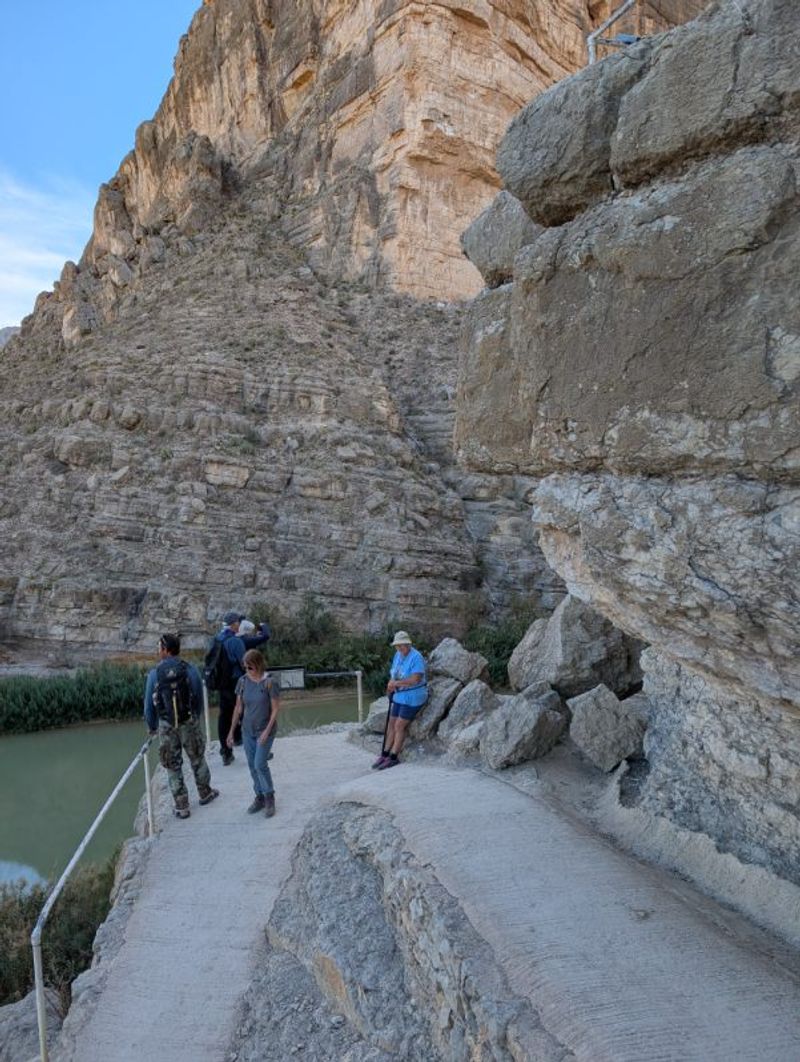
Planning a kayaking trip through Santa Elena Canyon involves more paperwork and preparation than just showing up with a boat. Big Bend National Park requires backcountry permits for all river trips, which you can obtain at visitor centers in the park. The permits are free but mandatory, and rangers use them to track who’s on the water in case of emergencies or sudden weather changes.
You’ll need to provide detailed trip plans, including launch points, estimated travel times, and emergency contacts. Rangers brief paddlers on current conditions, potential hazards, and wildlife considerations. The park has specific regulations about camping along the river if you’re planning a multi-day expedition, with designated zones where overnight stays are permitted.
Most visitors either bring their own kayaks or rent from outfitters in Terlingua or Study Butte, the small communities near the park’s western entrance. Shuttle services are essential unless you’ve arranged two vehicles, as the canyon’s one-way nature means you won’t be returning to your starting point. Several local companies specialize in river shuttles and know the access points intimately.
Water purification is non-negotiable, as the Rio Grande isn’t safe to drink untreated. Pack everything in waterproof bags, bring more water than you think you’ll need, and carry a reliable first-aid kit. Cell phones won’t work in the canyon, so consider renting a satellite communicator if you’re paddling solo or tackling longer sections.
The remoteness is part of the appeal, but it demands respect and proper preparation.
6. Wildlife Encounters Along the Walls
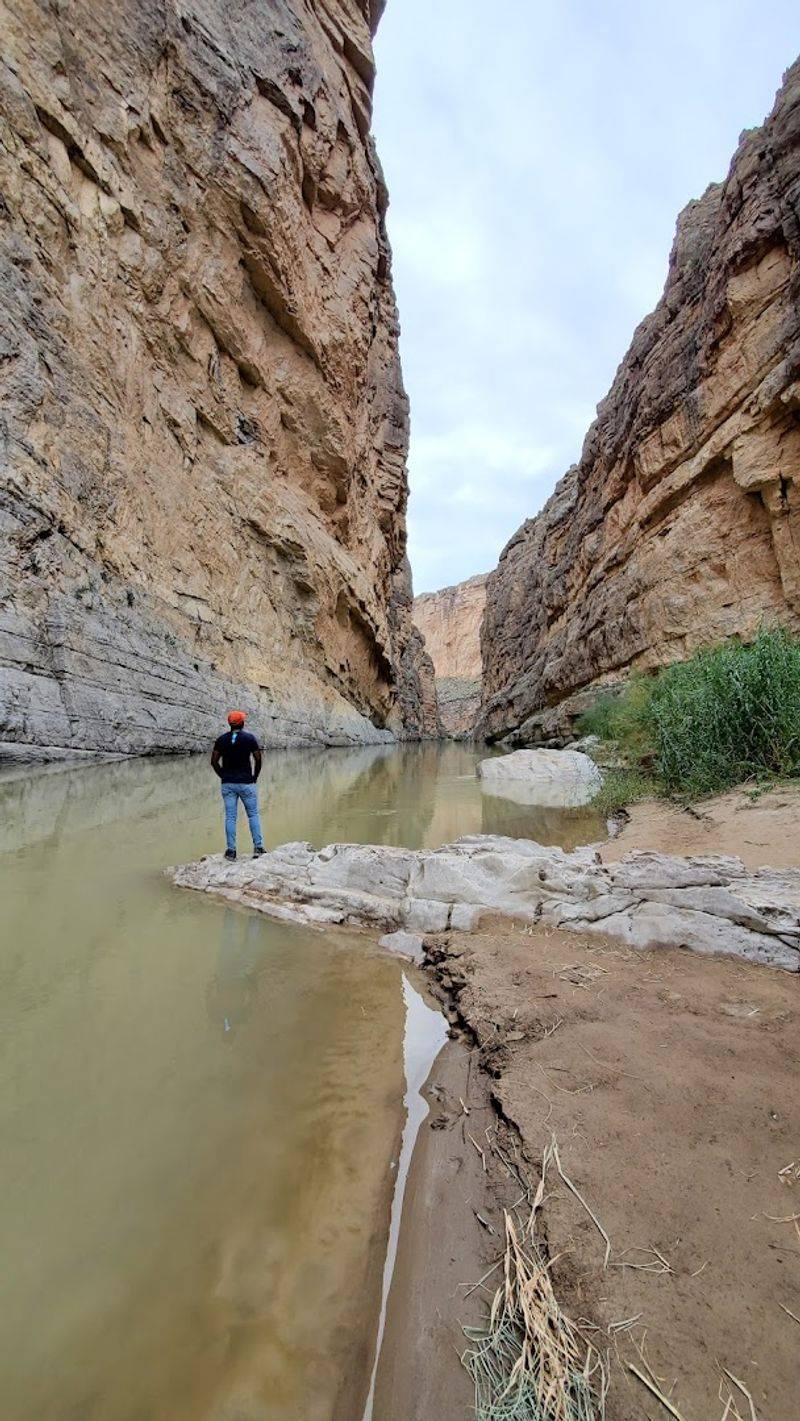
The towering walls of Santa Elena Canyon provide habitat for an impressive array of wildlife that you won’t spot anywhere else in Texas. Peregrine falcons nest on the high cliff faces, using the vertical terrain as protection from predators and a perfect launching point for hunting dives. Birdwatchers consider the canyon a premier destination, especially during spring and fall migrations when rare species pass through the corridor.
Great blue herons stalk the shallow edges of the Rio Grande, standing motionless before striking at fish with lightning speed. You might spot black-chinned hummingbirds visiting the flowering plants that somehow find purchase in cliff-side cracks. Canyon wrens fill the air with their distinctive descending calls, the sound echoing off the limestone in a way that makes it hard to pinpoint exactly where the birds are perched.
Mammals are more elusive but present in surprising numbers. Ringtails, small relatives of raccoons, hunt along the water’s edge at night. Desert bighorn sheep were reintroduced to the area and occasionally appear on the Mexican side of the canyon.
Javelinas sometimes wander down to the river to drink, especially during dry spells when other water sources have disappeared.
The canyon’s microclimate supports plant diversity that seems impossible in such an arid landscape. You’ll find ferns and mosses growing in perpetually shaded crevices where seep water keeps conditions moist. Bats emerge at dusk, swooping through the canyon in pursuit of insects.
Respect wildlife by maintaining distance, never feeding animals, and keeping voices low to avoid disturbing nesting birds.
7. Photography Gold Mine
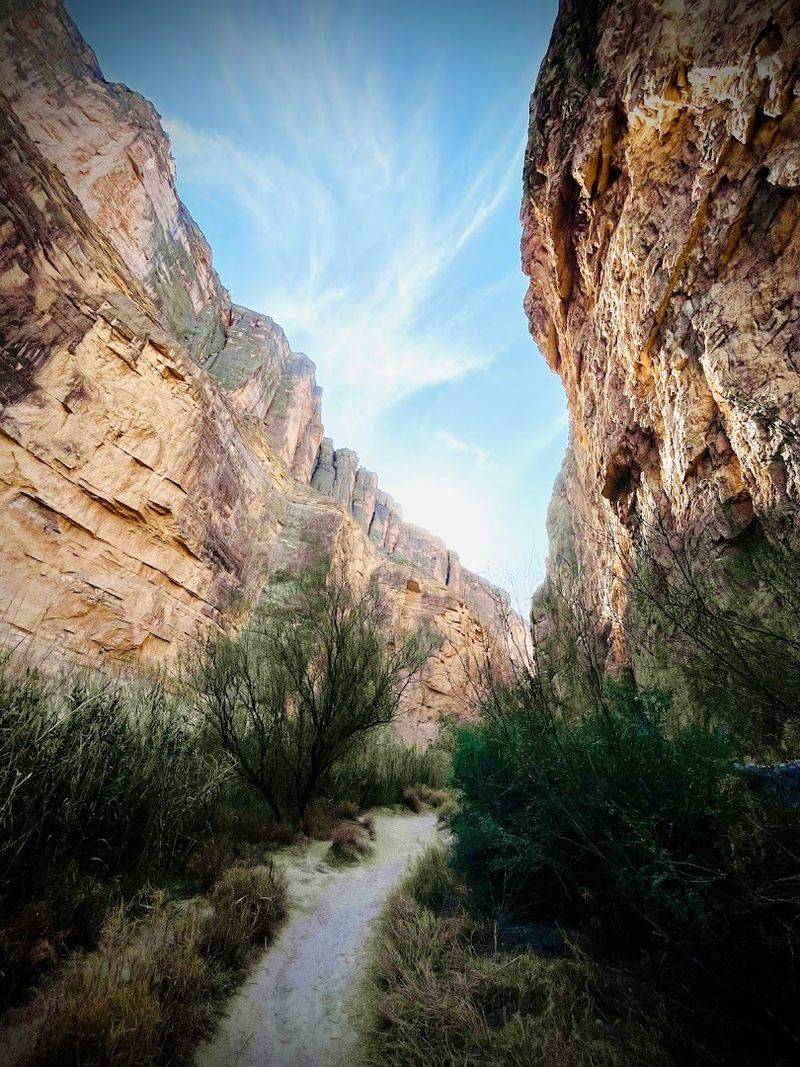
Photographers travel from around the world specifically to capture Santa Elena Canyon’s dramatic interplay of light, shadow, and massive scale. The challenge and reward come from the constantly changing conditions as the sun moves across the sky, illuminating different sections of the canyon walls throughout the day. Early morning light hits the eastern walls first, creating a warm glow against the cool shadows that still fill the canyon floor.
The golden hour before sunset transforms the limestone into shades of orange, pink, and purple that seem almost too vibrant to be real. Midday light can be harsh and flat, but it also eliminates shadows that might obscure details in the rock formations. Storm clouds add drama when they roll through, though they also mean you should probably be heading for shelter rather than setting up your tripod.
Wide-angle lenses are essential for capturing the canyon’s full scale, but telephoto lenses reveal incredible details in the layered rock formations and distant wildlife. The river provides natural leading lines that draw the eye deeper into the frame. Reflection shots work beautifully when the water is calm, doubling the visual impact of the towering walls.
Drone photography is prohibited within Big Bend National Park, so you’ll need to rely on traditional compositions and creative positioning. The trail offers elevated viewpoints that provide perspectives you can’t get from the water. Bring lens cleaning supplies, as the desert environment kicks up fine dust that settles on everything.
Polarizing filters help manage reflections on the water and enhance the contrast between the blue sky and pale limestone.
8. The International Border Experience
Paddling through Santa Elena Canyon means literally traveling along the international border between the United States and Mexico, with Texas on your right and the Mexican state of Chihuahua on your left. The Rio Grande serves as the official boundary, making every stroke of your paddle a journey between two nations. It’s a powerful reminder of how arbitrary political lines can seem when nature creates something this magnificent.
The canyon walls look identical on both sides because they’re part of the same geological formation, split down the middle by the river’s persistent erosion. Mexican ranchers sometimes appear on the southern cliffs, tending livestock or simply enjoying the view from their side of the border. Friendly waves are common, a small moment of human connection in this remote wilderness.
Border Patrol presence is minimal within the canyon itself, though you’ll see agents near the trailhead and parking areas. It’s illegal to cross into Mexico from the river, and doing so can result in serious legal consequences. The remoteness that makes the canyon special also means emergency response from either country would take considerable time.
Historically, the canyon served as a natural barrier and crossing point for indigenous peoples, smugglers, and settlers. Archaeological evidence suggests humans have used this corridor for thousands of years. Modern visitors experience a unique perspective on border issues, seeing firsthand how geography shapes human movement and settlement patterns.
The canyon reminds us that rivers and mountains existed long before nations, and they’ll likely outlast our current political boundaries by millions of years.
Share this story