Right in the heart of Frisco, there’s a place that instantly turns grown adults into wide-eyed kids the moment they walk in. The National Videogame Museum isn’t your typical stuffy museum where you can’t touch anything. Instead, it’s an interactive playground where you can actually play the vintage consoles and arcade machines that shaped gaming history.
Whether you remember blowing into cartridges to make them work or you’re curious about what gaming looked like before smartphones, this place delivers a nostalgia punch that’ll have you grinning from ear to ear.
1. Walk Through Gaming History From the 1970s to Today
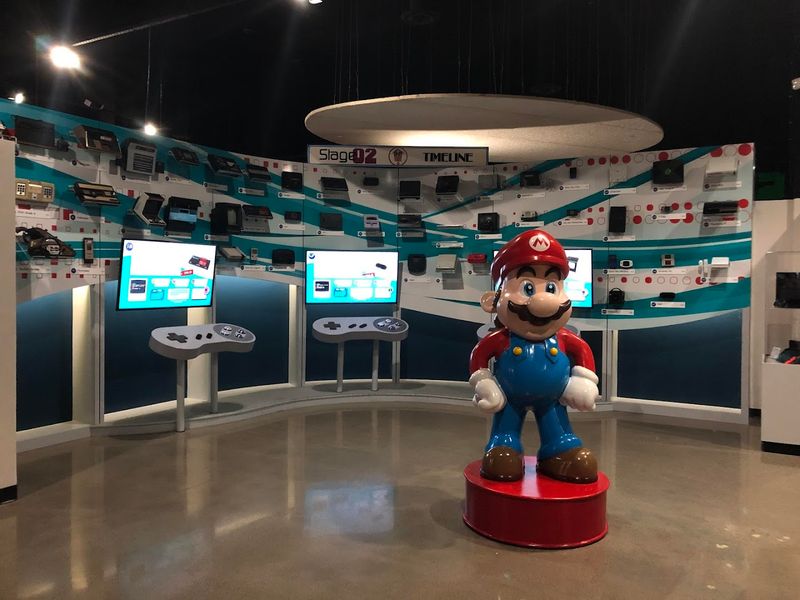
The museum guides you through a chronological journey that starts with the earliest days of gaming and moves forward decade by decade. You’ll see everything from the primitive Pong machines to the console wars of the 90s, all laid out in a way that makes sense even if you’re not a hardcore gamer. The displays showcase how graphics evolved from simple blocks to the detailed worlds we see today.
Each era gets its own dedicated space with information boards explaining what made that period special. You’ll discover how the video game crash of 1983 nearly killed the industry, and how Nintendo swooped in to save the day. The timeline includes rare prototypes and systems that never made it to market, giving you a peek at gaming’s what-ifs.
What makes this different from reading about gaming online is seeing the actual hardware up close. These aren’t replicas behind thick glass. Many of the displays let you handle controllers and examine the chunky cartridges that used to cost fifty bucks at Toys R Us.
The museum does an excellent job connecting how technology limitations shaped game design, showing why those 8-bit classics were built the way they were.
2. Play Classic Games on Original Hardware Throughout the Museum
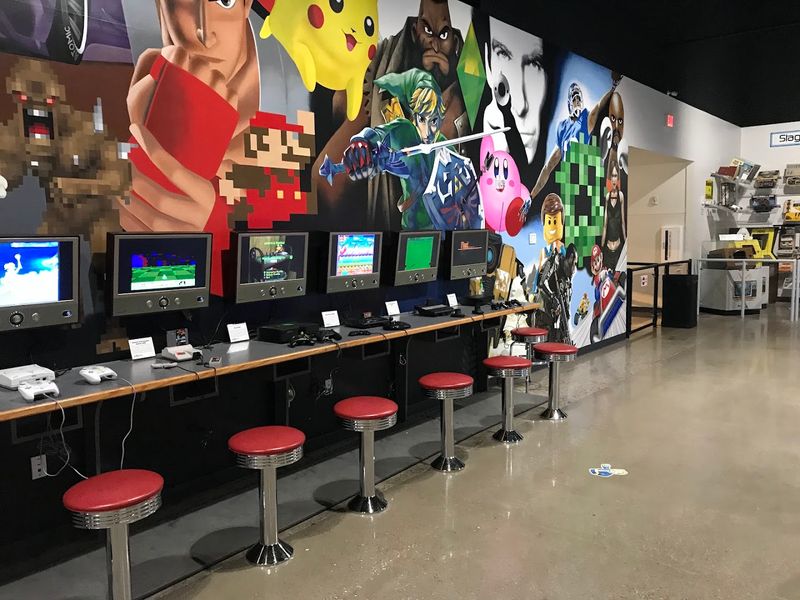
Forget the “look but don’t touch” rule that makes most museums boring. Here, you’re encouraged to pick up the controllers and actually play the games that defined childhoods across multiple generations. Original Nintendo Entertainment Systems, Sega Genesis units, and even older Atari consoles are set up and ready to go throughout the exhibits.
The selection spans decades of gaming, so you can finally show your kids why you won’t shut up about GoldenEye 007. Each station is set up with popular titles from that system’s heyday, and everything actually works. No broken joysticks or glitchy screens ruining the experience.
The museum staff keeps the equipment maintained so you get an authentic gaming experience.
You’ll find yourself burning way more time than expected at these stations. One dad mentioned he hadn’t played GoldenEye in over twenty years before visiting, and suddenly he was back in his teenage bedroom. The hands-on approach transforms what could be a quick walkthrough into an afternoon adventure.
Kids who’ve only known modern graphics get their minds blown by how challenging these “simple” old games actually are, creating funny moments as they struggle with games their parents mastered decades ago.
3. Experience an Authentic 1980s Arcade Complete with Period Music
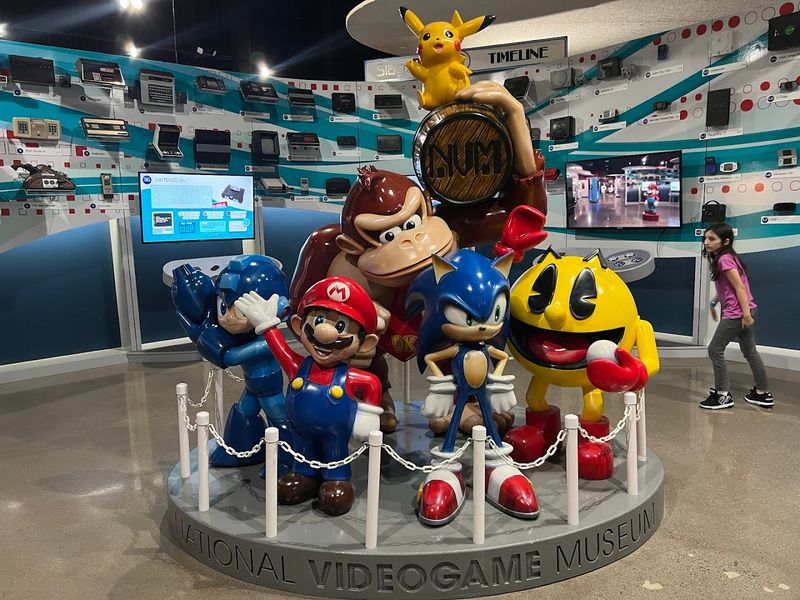
The museum recreates a full 1980s arcade experience that transports you straight back to the era of big hair and shoulder pads. Neon lights glow against dark walls while synth-heavy music pumps through speakers, setting the perfect atmosphere. The arcade cabinets stand in rows just like they did at the mall, complete with the worn joysticks and faded artwork that give them character.
This isn’t just a couple machines thrown in a corner. The arcade section is substantial enough that families report spending an hour just in this area alone. Classic titles like Pac-Man, Donkey Kong, and Galaga are all playable, and your admission includes tokens to get you started.
The high score boards add competitive fun, with visitors trying to claim the top spot before they leave.
The attention to detail makes the experience feel genuinely authentic rather than like some corporate recreation. The carpet pattern, the lighting, even the sounds of multiple games playing at once bring back memories for anyone who spent their allowance feeding quarters into these machines. Younger visitors get to see what entertainment looked like before everything went digital and online, creating a cool bridge between generations as parents explain arcade culture to kids raised on home consoles.
4. Check Out Rare and Priceless Gaming Artifacts You Won’t See Elsewhere
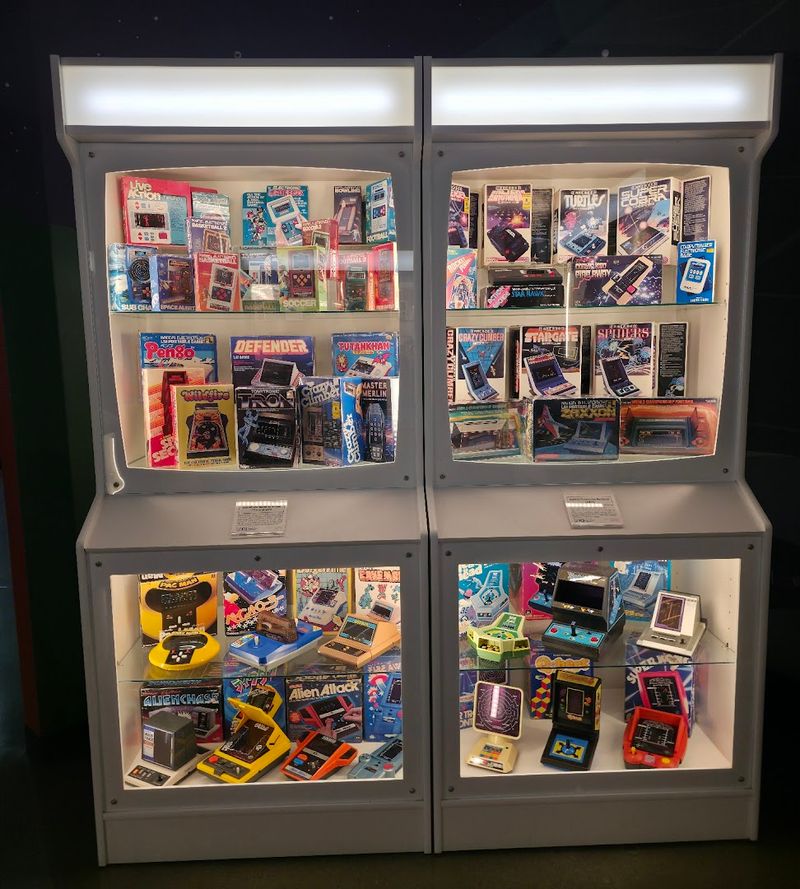
Gaming collectors dream about owning the kind of stuff casually displayed here. The museum houses prototypes that never made it to production, limited edition consoles that sold out in minutes, and systems so obscure that even dedicated gamers might not recognize them. These aren’t items you can just find on eBay or see at your buddy’s house.
Several reviews mention being shocked at what they got to see in person. Items that would cost thousands of dollars if they hit the collector’s market are right there for you to examine and photograph. The collection includes everything from early development hardware to marketing materials from failed console launches that have become historical footnotes.
What’s impressive is how the museum presents these rarities in context rather than just showing them off. You learn why certain items never made it to market, or what made a particular variant special enough to become valuable. The displays explain the stories behind the artifacts, turning what could be a simple showcase into an educational experience.
For serious gaming enthusiasts, this collection alone justifies the twelve-dollar admission price, as you’re seeing pieces of history that rarely leave private collections or company archives.
5. Explore Rotating Special Exhibits Like the Pokemon History Display
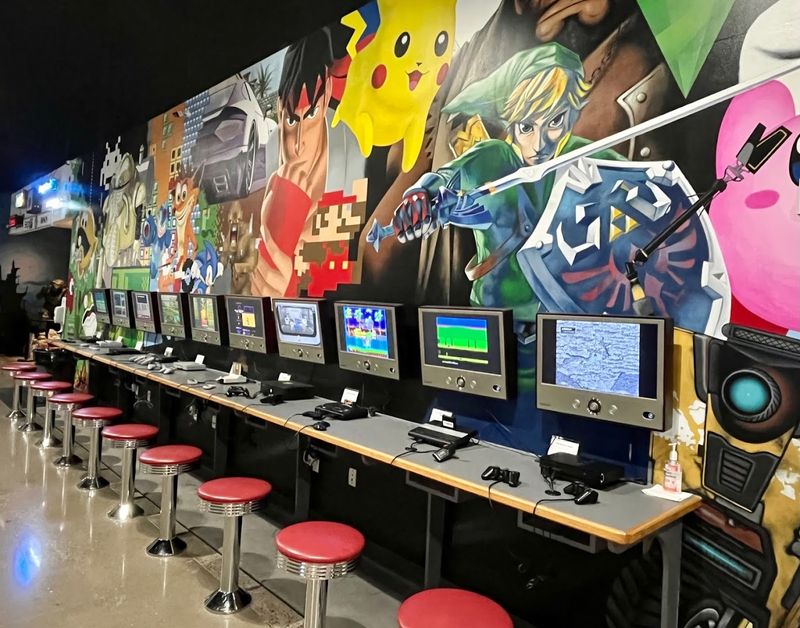
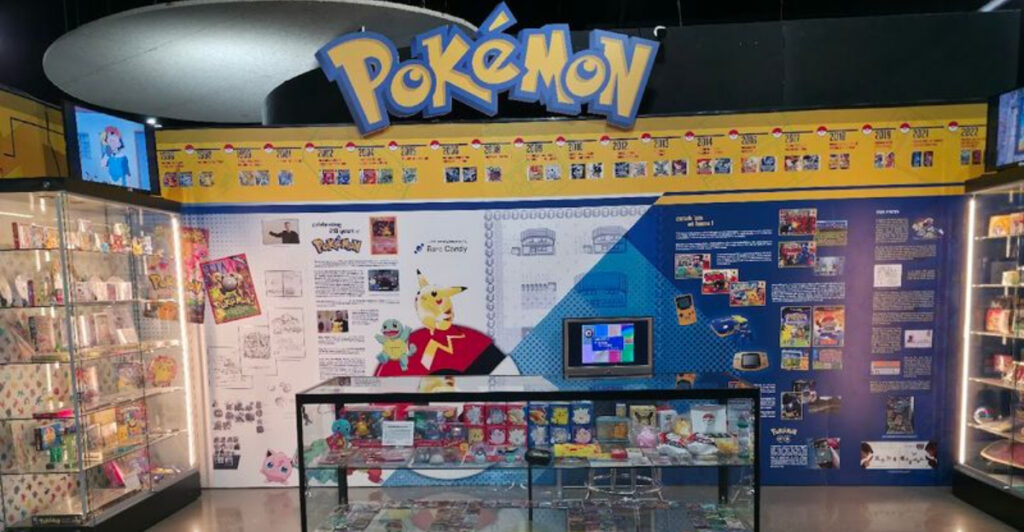
Beyond the permanent collection, the museum regularly rotates in special themed exhibits that focus on specific franchises or gaming phenomena. Recent visitors got to experience a comprehensive Pokemon history display that traced the franchise from its Game Boy origins to its current status as a global empire. These rotating exhibits keep the museum fresh for repeat visitors.
The special exhibits go deep into their subjects with the same interactive approach as the rest of the museum. You’re not just reading about Pokemon’s impact; you’re seeing original merchandise, playing the games that started it all, and learning about how a simple creature-collecting game became a worldwide obsession. The displays connect gaming history to broader pop culture movements.
These temporary exhibitions give the museum room to explore topics that might not fit in the main timeline but are still crucial to gaming culture. Whether it’s highlighting a specific developer, celebrating an anniversary, or examining how a particular game changed the industry, these rotating displays add depth to your visit. Checking the museum’s website before you go lets you see what special exhibit is currently running, which might influence your timing if you’re a fan of that particular topic.
6. Test Your Skills on a Custom DOOM Map of the Museum Itself
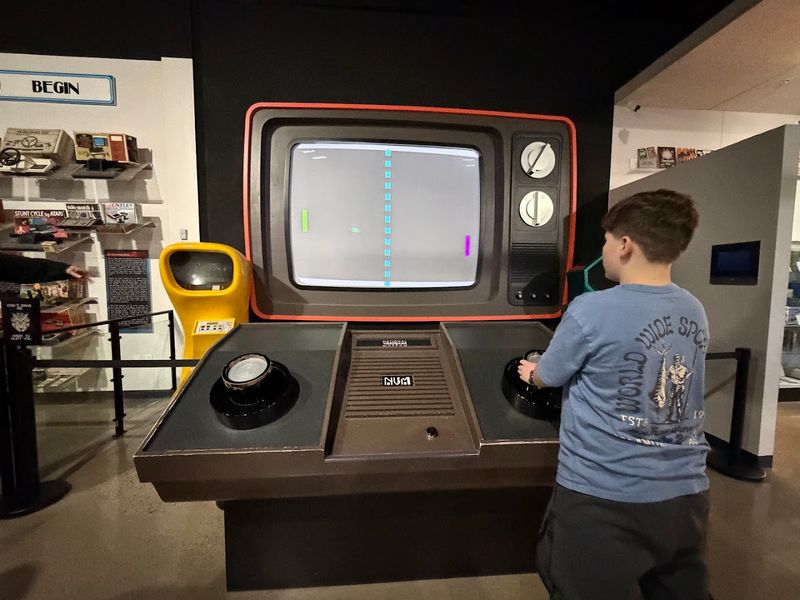
Someone at this museum has a serious sense of humor and technical skill. They created a fully playable DOOM level that recreates the museum’s actual floor plan, turning the building itself into a demon-infested battleground. You can play through the very rooms you just walked through, except now they’re filled with pixelated monsters and power-ups.
This meta-gaming experience perfectly captures what makes the museum special. Instead of just preserving gaming history, they actively participate in it by creating new content using classic technology. The custom map shows real attention to detail, with recognizable features from the actual museum translated into DOOM’s distinctive visual style.
It’s the kind of nerdy Easter egg that makes enthusiasts absolutely light up.
Playing DOOM on period-appropriate hardware while standing in the location it’s depicting creates a weird but delightful experience. The 1993 shooter still holds up surprisingly well, and seeing familiar hallways transformed into demon-filled corridors adds an extra layer of fun. This exhibit exemplifies the museum’s understanding that gaming history isn’t just about preservation but about celebrating the creativity and playfulness that made these games special in the first place.
Multiple reviewers specifically called out this feature as a highlight of their visit.
7. Learn Gaming History Through Interactive Educational Displays
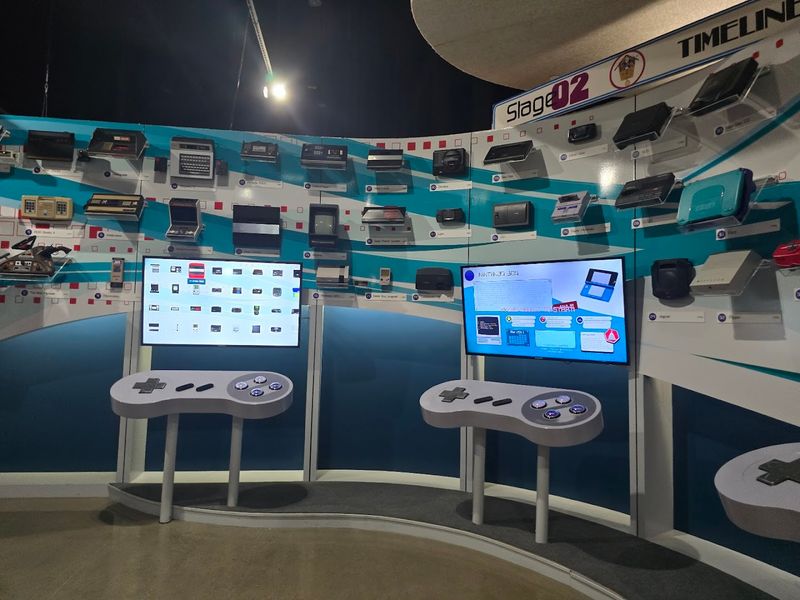
The museum strikes a perfect balance between fun and education, making learning about gaming history feel like entertainment rather than homework. Information panels throughout the exhibits explain industry milestones, technological breakthroughs, and cultural impacts without drowning you in dense text. The writing is accessible enough for kids while still offering substance for adults who want to understand the bigger picture.
Interactive elements keep the educational content engaging rather than passive. Touch screens let you explore additional information at your own pace, while video presentations show how games were developed and marketed across different eras. You’ll discover surprising facts about the business side of gaming, including the financial risks companies took on unproven technology.
Parents consistently mention how much their kids learned without realizing they were in an educational environment. The museum presents information in digestible chunks that don’t feel like reading a textbook. You come away understanding why certain games became cultural phenomena while others flopped, how console manufacturers competed for market dominance, and what role gaming played in advancing computer technology overall.
The educational approach respects that visitors came to have fun, sneaking knowledge in alongside the entertainment rather than making learning feel like work.
8. Browse the Gift Shop for Nerdy Souvenirs and Gaming Memorabilia
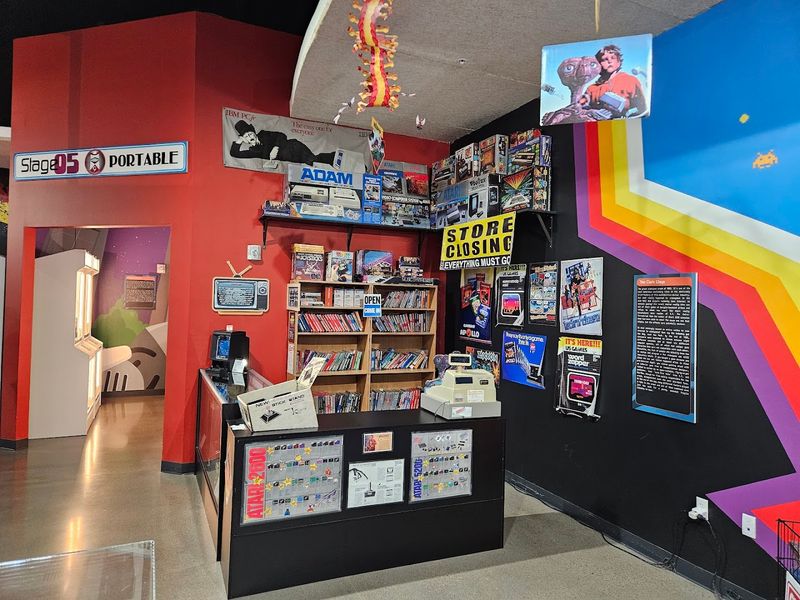
The gift shop at the end of your visit offers way more interesting stuff than the typical museum bookmarks and postcards. Shelves are packed with gaming-themed merchandise that ranges from affordable trinkets to serious collectibles. You’ll find everything from pixel art prints to replica controllers, giving you plenty of options whether you’re spending five bucks or fifty.
What’s nice is that you can visit the gift shop without paying museum admission, making it accessible even if you’re just browsing. The selection caters to different gaming eras and franchises, so whether you’re a Nintendo loyalist or a Sega defender, you’ll find something that speaks to your particular nostalgia. The merchandise quality is generally good rather than cheap knockoffs that fall apart immediately.
Parents appreciate having a place to grab a small souvenir that won’t break the bank after already paying admission. Kids love picking out something to remember their visit, and the gaming theme means they’ll actually use whatever they buy rather than it collecting dust on a shelf. The shop also carries some harder-to-find items that make good gifts for the gamer in your life.
Several visitors mentioned the staff being helpful and friendly, even going out of their way to help when the token machine malfunctioned.
9. Make It a Full Day at Frisco Discovery Center
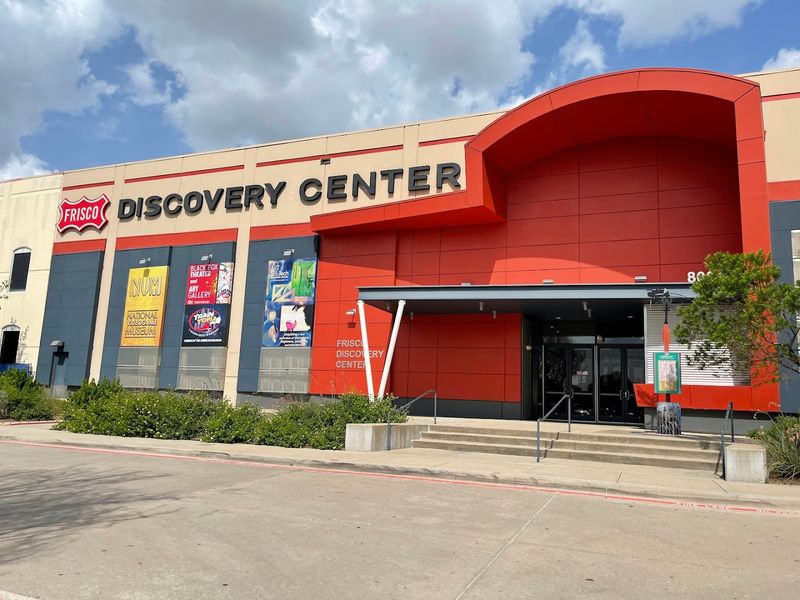
The museum sits within the Frisco Discovery Center, a cluster of attractions that makes planning a full day trip super easy. Right next door you’ll find one of Texas’s best public libraries, a railroad museum, and other family-friendly spots all within walking distance. The setup is perfect for families with different interests since everyone can split up and reconvene later.
This location advantage means you’re not making a special trip just for the video game museum. You can spend a couple hours gaming, then head over to the library for story time with younger kids, or check out the trains if you’ve got a Thomas the Tank Engine fan in the family. The area around Discovery Center includes restaurants and cafes, so grabbing lunch doesn’t require getting back in the car.
Parking is spacious and free, which is always appreciated when you’re wrangling kids and trying to figure out logistics. The central location in Frisco puts you near other North Texas attractions if you’re making a weekend of it. Multiple reviewers mentioned combining their museum visit with other Discovery Center activities, easily filling four or five hours without anyone getting bored.
The restrooms are limited inside the museum itself, but the library next door provides additional facilities if needed during your visit.
Share this story