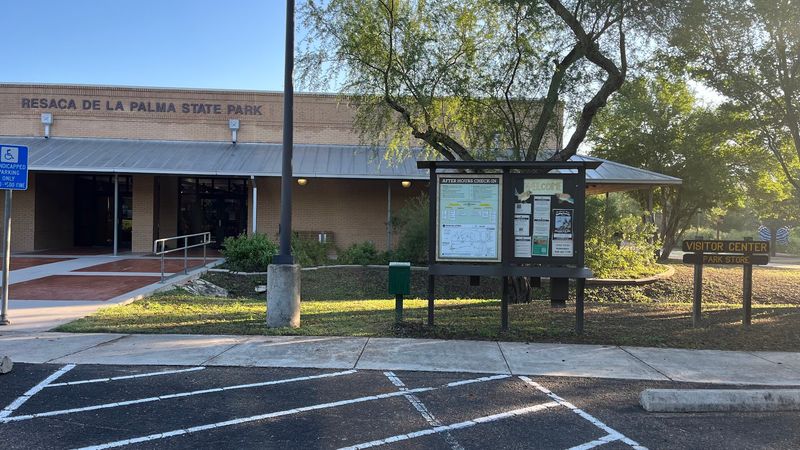
Resaca De La Palma State Park in Brownsville offers something rare in Texas: 1,200 acres of wilderness where cars can’t follow. Instead of dodging traffic, you’ll pedal along paved trails or walk shaded paths where the only sounds come from birds, butterflies, and the wind rustling through native plants. This car-free setup transforms a simple park visit into a peaceful escape where nature takes center stage and you can actually hear yourself think.
1. Bike Rentals Make Exploring Easy
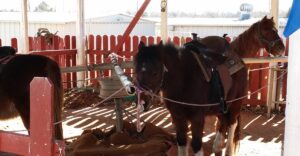
Forget bringing your own wheels—the park rents affordable bikes and tricycles right at the visitor center, making it simple for families to hit the trails without hauling equipment from home. Prices stay reasonable, and the rental process takes just minutes, so you can spend more time exploring and less time planning. The bikes handle the paved trails beautifully, letting riders of all ages cruise comfortably through the semitropical landscape.
Kids love the tricycle option, which gives younger visitors stability while they take in the sights at their own pace. Parents appreciate not wrestling bikes off car racks or worrying about flat tires before the trip even starts. The rental fleet stays well-maintained, so you’re riding reliable equipment that won’t quit halfway through your adventure.
Pedaling through this car-free zone feels like stepping back in time to simpler outdoor experiences. You’ll cover way more ground than walking while still moving slowly enough to spot wildlife hiding in the brush. The paved main loop stretches for miles, offering plenty of distance for energetic riders without overwhelming beginners.
Families visiting from out of town especially benefit from this setup since packing bikes for travel can be a hassle. Local visitors often rent bikes just to try different models or let visiting relatives join the fun without needing extra equipment. Either way, the affordable rentals remove barriers and get everyone outside faster, which is exactly what a car-free park should do.
2. Birding Opportunities You Won’t Find Elsewhere
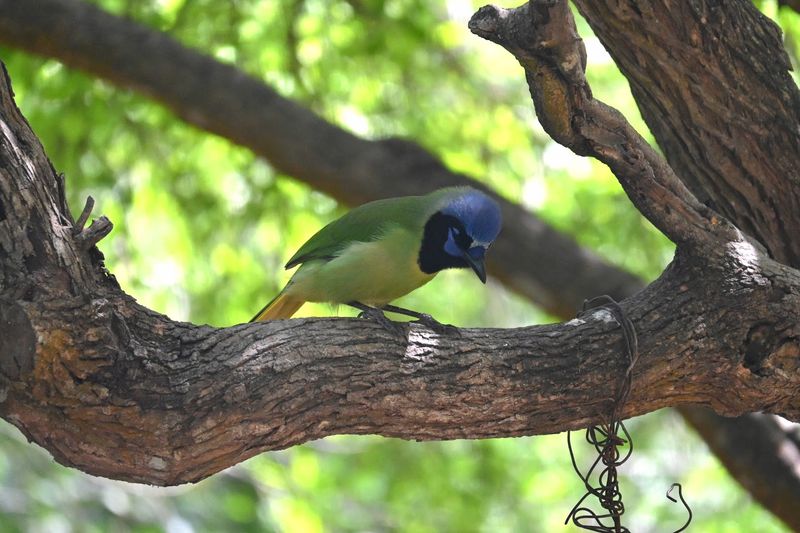
Green jays practically steal the show here with their electric blue and green feathers that look almost painted on. These stunning birds appear regularly at feeders near the visitor center, giving even casual observers guaranteed sightings of species rarely seen elsewhere in the United States. Serious birders track down great kiskadees, white-tailed kites, and dozens of other species that make the Rio Grande Valley their home.
The park’s location near the Mexican border creates a biological crossroads where tropical and temperate species mingle. Chachalacas—loud, chicken-like birds—announce themselves constantly, their distinctive calls echoing through the trees before you even spot them. Cardinals flash red against green foliage while hawks circle overhead, and patient observers might catch glimpses of specialty species that bring birders from across the country.
Observation decks scattered throughout the park provide perfect vantage points for scanning treetops and water features. Benches let you settle in quietly, increasing your chances of spotting shy species that avoid noisy crowds. The butterfly garden doubles as a hummingbird magnet during migration seasons, creating non-stop action for anyone with binoculars and patience.
Even visitors who’ve never considered themselves birders leave impressed by the variety and beauty of species here. Park rangers lead tram tours pointing out birds and explaining behaviors, turning casual interest into genuine appreciation. Without car noise drowning out bird songs, you’ll actually hear the amazing variety of calls and chirps that make this ecosystem so special.
3. Paved and Natural Trails for Every Skill Level
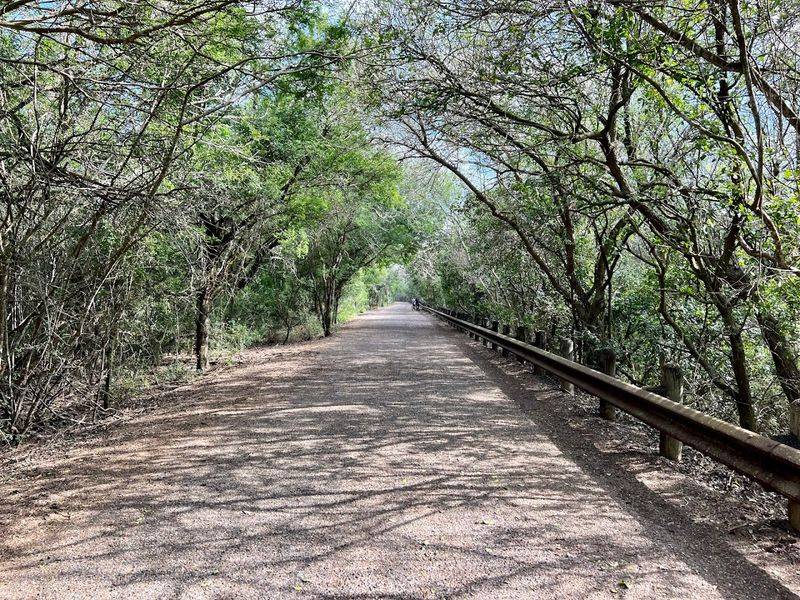
The main paved loop accommodates everyone from toddlers on tricycles to seniors enjoying leisurely walks, proving accessibility doesn’t require sacrificing natural beauty. Smooth surfaces mean wheelchairs and strollers navigate easily, opening the wilderness to visitors who might struggle on rougher terrain. Shade from native trees keeps temperatures manageable even during warmer months, though early morning visits still offer the coolest conditions.
Natural trails branch off the paved route for adventurers wanting a more rugged experience. These unpaved paths wind through thornscrub habitat where Texas tortoises hide and bobcats occasionally cross in broad daylight. Trail markers keep navigation simple while benches provide rest stops exactly when legs start complaining about the distance covered.
Each trail offers different lengths, letting visitors customize their experience based on energy levels and available time. Some families loop the paved trail multiple times for exercise while others sample shorter natural paths to maximize wildlife encounters. The variety means return visits never feel repetitive since you can always explore a different combination of routes.
Cyclists should watch for thorns on natural trails—the native plants don’t always keep their prickly bits to themselves. Hikers rarely face this issue, though sturdy shoes still make sense given the terrain. The park’s design encourages exploration without forcing everyone onto identical paths, respecting that different visitors want different experiences from their car-free adventure.
Clear signage prevents anyone from getting genuinely lost while still maintaining that wilderness feeling. Distance markers help gauge how far you’ve traveled and how much energy you’ll need for the return trip.
4. Wildlife Encounters That Feel Like Discoveries
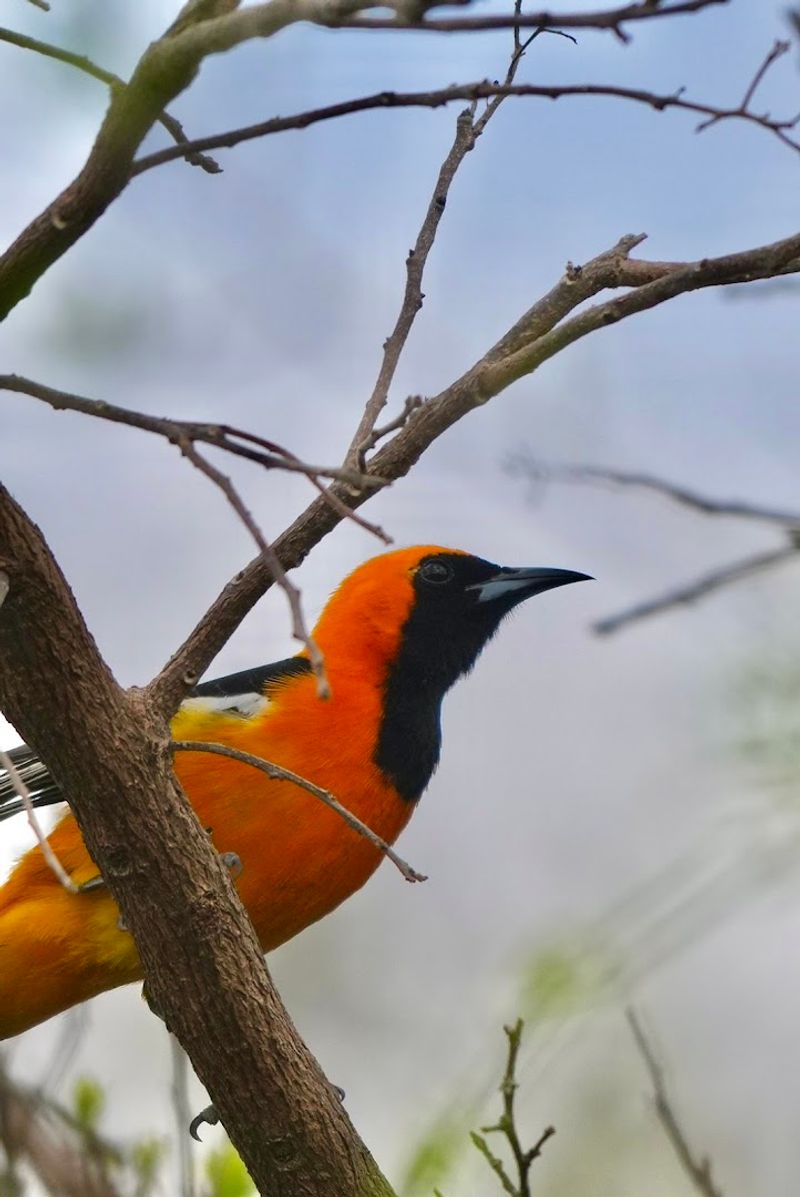
Spotting a bobcat on Bobcat Lane isn’t just lucky—it’s the kind of authentic wildlife encounter that happens when cars don’t scare animals away from prime habitat. These elusive predators roam the park freely, and patient visitors regularly report sightings along trails where silence and slow speeds let nature unfold naturally. Texas horned lizards, once common but now rare across the state, still thrive here thanks to protected habitat and minimal disturbance.
Butterflies swarm the dedicated garden in numbers that make the air seem painted with moving color. Golden dragonflies dart between visitors during summer months while small bunnies hop across paths without much concern for human observers. The absence of engine noise and exhaust fumes creates conditions where sensitive species actually want to stick around rather than flee to deeper wilderness.
Park rangers emphasize that wildlife sightings increase dramatically when visitors move quietly through the landscape. Bikes glide silently compared to cars, and walkers naturally tread more softly than vehicles ever could. This car-free policy isn’t just about human convenience—it fundamentally changes which animals feel comfortable using the space during daylight hours.
Even common species like cardinals and lizards behave differently here, approaching closer and acting less skittish than their suburban cousins. First-time visitors often express surprise at how many animals they encounter in just a few hours. The park’s design proves that excluding cars doesn’t limit human access—it actually enhances the quality of experiences by letting wildlife remain present and visible throughout visitor areas rather than retreating to remote corners.
5. Tram Tours with Knowledgeable Guides
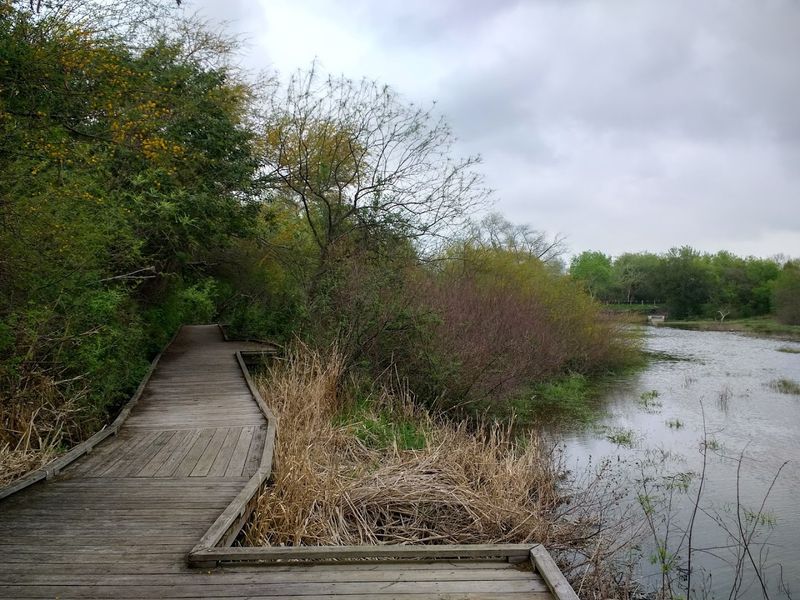
Can’t bike or walk the full distance? The tram tour solves that problem while adding expert commentary that transforms sightseeing into genuine learning. Park rangers and trained camp hosts drive the route, stopping at key locations to point out birds, explain plant adaptations, and share stories about the park’s history.
Visitors consistently praise these guides for their enthusiasm and knowledge, turning what could be a simple ride into a memorable educational experience.
Tours run on select days—typically not Sundays—so checking the schedule before visiting prevents disappointment. The tram accesses areas that feel remote even though they’re just miles from the visitor center, giving passengers a sense of deeper wilderness without requiring physical exertion. Families with young children or elderly members particularly appreciate this option since everyone can experience the park together regardless of mobility differences.
Guides tailor their commentary to passenger interests, focusing on birding for dedicated watchers or emphasizing general natural history for casual visitors. They spot wildlife that untrained eyes miss, pointing out camouflaged lizards or distant raptors that would otherwise go unnoticed. The slower pace compared to cars means actually seeing what’s being discussed rather than blurring past at speeds that turn everything into scenery.
Many visitors report the tram tour as their favorite part of the visit, with some returning specifically for another guided trip. The combination of comfortable seating, expert narration, and guaranteed wildlife sightings makes this option popular despite limited availability. Reservations aren’t typically required but arriving early ensures spots on busy days when demand exceeds capacity.
6. Family-Friendly Amenities That Actually Help

The coloring station inside the visitor center gives overheated or tired kids a calm activity that doesn’t involve screens or meltdowns. Parents appreciate this thoughtful touch after long bike rides when little legs need rest but minds still want stimulation. Free supplies mean no extra costs, and the educational themes tie back to what families just experienced outside, reinforcing learning through creative play.
Staff members genuinely engage with visitors rather than just collecting entrance fees and pointing toward trails. Park Ranger Rudy and others take time for real conversations, answering questions and sharing insights that make visits more meaningful. Families remember these personal interactions long after they’ve forgotten specific trail names, proving that human connection matters as much as natural beauty.
Picnic tables scattered throughout the park let families pack lunches and make full days of their visits without needing to leave for meals. The gift shop stocks snacks and drinks for those who didn’t plan ahead, though bringing your own supplies makes more sense for budget-conscious families. Adequate parking at the entrance means the car-free experience starts immediately once you’ve parked rather than requiring shuttles from distant lots.
Water fountains and restroom facilities appear at logical intervals, addressing practical needs without cluttering the landscape with excessive infrastructure. The modest entrance fee—just four dollars for one person or six for two—keeps the park accessible to families watching budgets while funding maintenance and programs. Self-pay stations outside the visitor center streamline entry during busy periods when lines might otherwise form.
7. Seasonal Variations Keep Visits Fresh
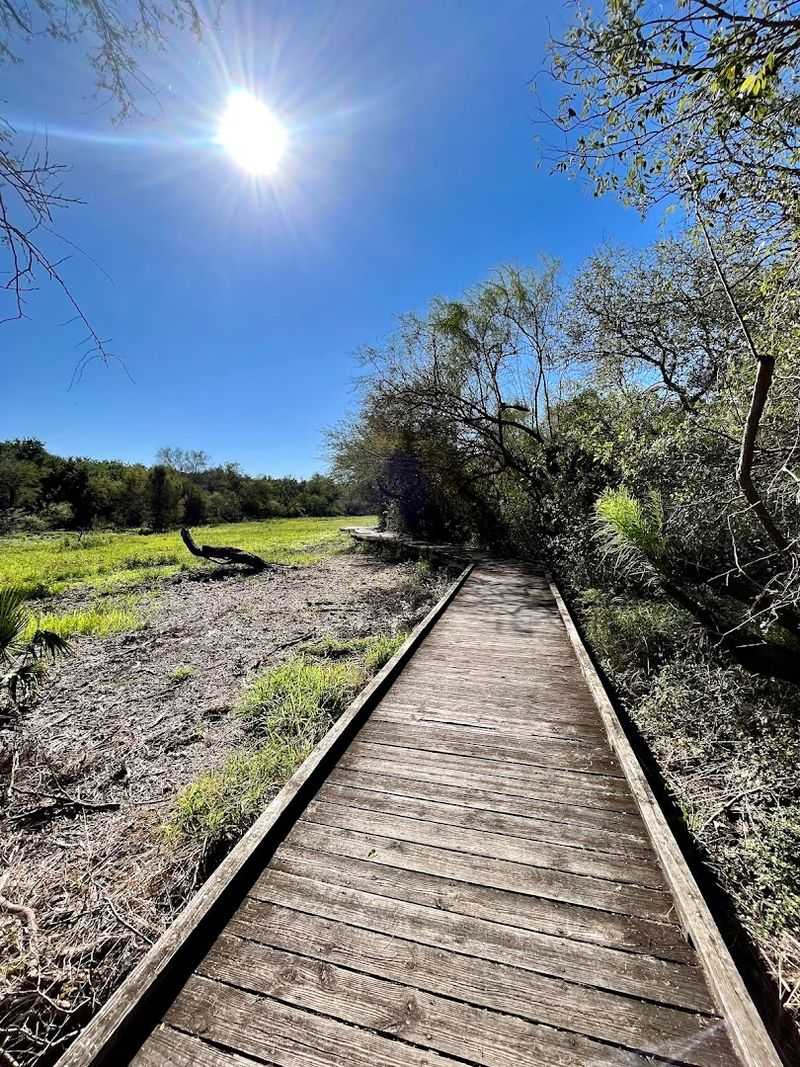
February brings cooler temperatures perfect for extended bike rides plus peak birding as migrant species pass through the Rio Grande Valley. Visitors during this season report seeing more species diversity than summer months when heat drives some birds to shadier habits or northern breeding grounds. The comfortable weather means families can explore longer without wilting, making winter the secret best time for first visits despite summer’s reputation as prime park season.
Spring transforms the butterfly garden into a kaleidoscope of wings as monarchs and other species migrate through or emerge from chrysalises. Wildflowers bloom across the landscape, adding color beyond the constant green of semitropical vegetation. Dragonflies appear in golden swarms, their metallic bodies catching sunlight as they patrol for mosquitoes and other prey.
Summer challenges visitors with heat and humidity but rewards early risers with incredible wildlife activity during cooler morning hours. The park opens at eight, and arriving right when gates open means experiencing the landscape when animals are most active and temperatures haven’t yet climbed. Afternoon visits work better for swimming or air-conditioned activities, though dedicated nature lovers still find the experience worthwhile with proper hydration.
Fall migration brings another birding peak as species head south for winter, though butterfly numbers decline from spring highs. The resaca water levels fluctuate seasonally, sometimes drying completely during drought periods, which affects which species appear where. Rangers recommend calling ahead during extreme weather to check current conditions since experiences vary dramatically based on recent rainfall and temperature patterns affecting both plant and animal activity throughout the park.
8. The Car-Free Advantage Changes Everything
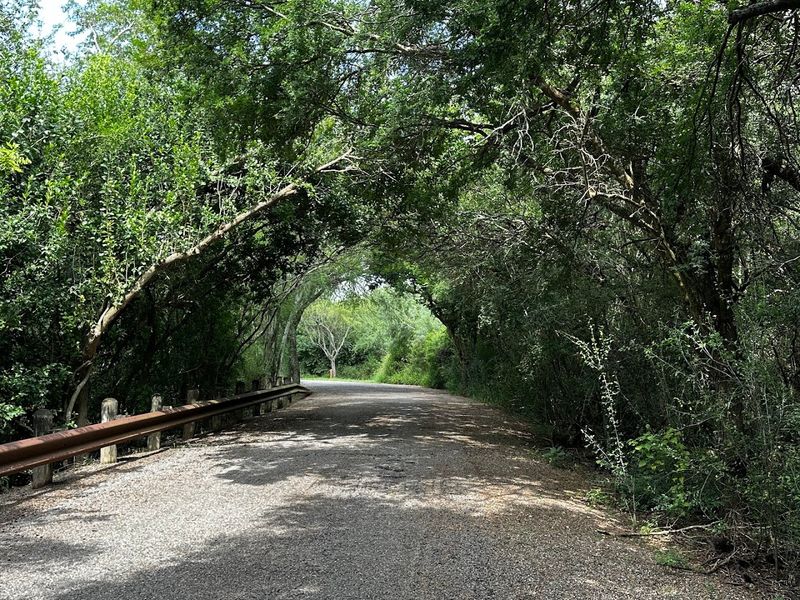
Removing vehicles from the equation doesn’t just reduce noise—it fundamentally transforms how humans and nature interact within the same space. Birds sing without competing against engine rumble, letting visitors actually hear the incredible variety of calls that make this ecosystem special. The absence of exhaust fumes means breathing clean air scented by native plants rather than petroleum byproducts that mask natural smells.
Safety improves dramatically when kids can ride bikes without parents constantly worrying about traffic. Families spread across trail width rather than hugging edges, and younger children explore with freedom impossible on roads where cars demand constant vigilance. Elderly visitors walk confidently without fearing vehicles appearing around blind curves or speeding past too close for comfort.
The psychological shift matters as much as practical benefits—knowing cars can’t intrude creates genuine relaxation impossible in mixed-use spaces. Visitors report feeling tension drain away as they pedal deeper into the park, the usual background anxiety about traffic simply absent. This mental space allows fuller presence in the moment, noticing details that would otherwise blur past in the constant alertness required around vehicles.
Environmental benefits extend beyond immediate visitor experience since reduced infrastructure needs mean more land remains in natural condition. No parking lots scar the interior landscape, no road maintenance disturbs wildlife during breeding seasons, and no oil leaks contaminate soil and water. The park demonstrates that excluding cars doesn’t limit access for anyone willing to walk, bike, or take the tram—it actually enhances access to authentic natural experiences by removing barriers between humans and the living landscape surrounding them.
Share this story