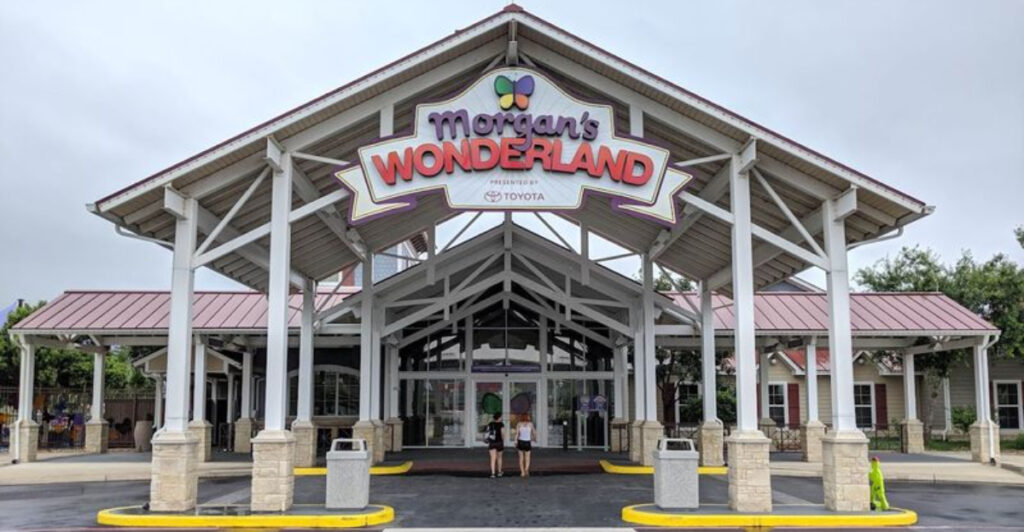
Tucked away in San Antonio sits a place that changes how families experience fun together. Morgan’s Wonderland isn’t your typical theme park—it’s designed so everyone can enjoy the rides, attractions, and water play areas, no matter their abilities. Built with inclusion at its heart, this hidden gem proves that adventure should never leave anyone behind.
1. A Park Born from Love
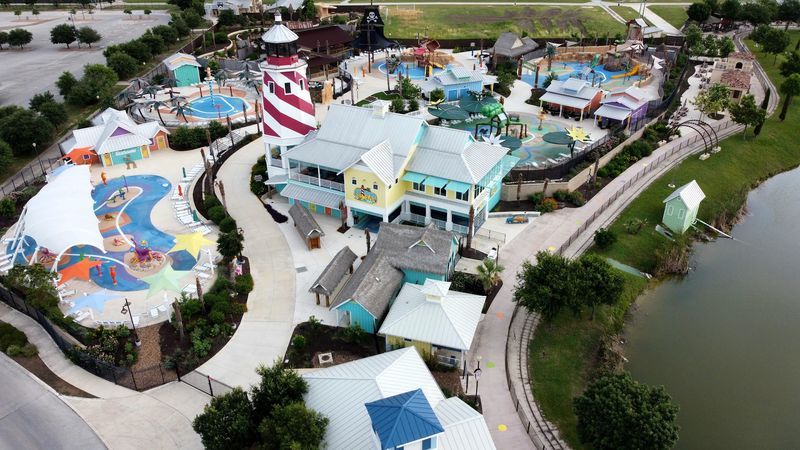
Gordon Hartman created Morgan’s Wonderland after watching his daughter Morgan struggle to connect with other children at a hotel pool. That single moment sparked a vision that would transform how theme parks think about accessibility. What started as a father’s dream became a 25-acre reality in 2010, opening doors for families who’d been turned away or overlooked by traditional amusement parks.
The park sits at 5223 David Edwards Drive, welcoming guests with disabilities completely free while charging affordable rates for companions. This isn’t charity—it’s a statement that everyone deserves joy without barriers. Every detail reflects thoughtful design, from wheelchair-accessible rides to sensory-friendly spaces that prevent overwhelm.
Visitors from Georgia, out-of-state families, and local San Antonio residents make pilgrimages here because they’ve found something rare. Parents describe finally relaxing, no longer scanning for obstacles or worrying about judgmental stares. The park operates Tuesday through Sunday with varying hours, typically opening at 10 AM and closing between 3 PM and 5 PM depending on the day.
Staff members, many with special needs themselves, run rides and greet families with genuine warmth. Their presence proves what Hartman believed all along—given the chance, everyone can contribute meaningfully and professionally.
2. Inspiration Island Water Park Experience
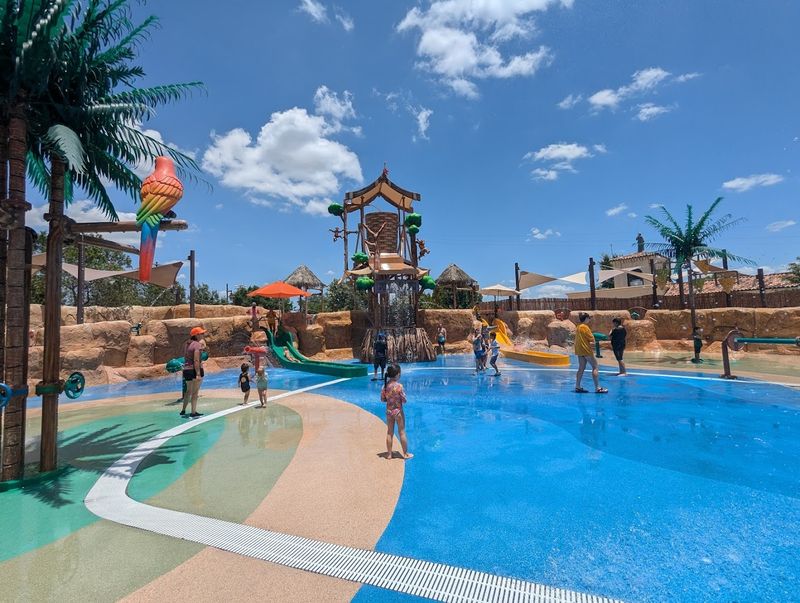
Most water parks force families to split up, leaving wheelchair users watching from the sidelines. Inspiration Island flips that script entirely. This climate-controlled water wonderland sits adjacent to the main park, offering attractions where mobility devices glide right through the fun without missing a beat.
The park provides special water-friendly wheelchairs at zero extra cost, swapping out regular chairs so everyone can splash, play, and cool off together. These aren’t flimsy loaner chairs—they’re sturdy, well-maintained equipment designed specifically for aquatic adventures. Families rave about finally experiencing water play as a complete unit rather than taking turns.
Temperature-controlled water keeps the experience comfortable year-round, while the design prevents sensory overload that might trigger meltdowns in children with autism. Shallow play areas, gentle water features, and plenty of shaded rest spots create an environment where kids can regulate their own comfort levels. Parents notice their children relaxing here in ways they never do at conventional water parks.
The splash pad areas offer varied water intensities, letting timid kids start slow while adventurous ones dive into bigger thrills. Clean changing facilities with adult-sized tables make post-swim transitions manageable, addressing a frustration parents face everywhere else.
3. Rides That Welcome Everyone
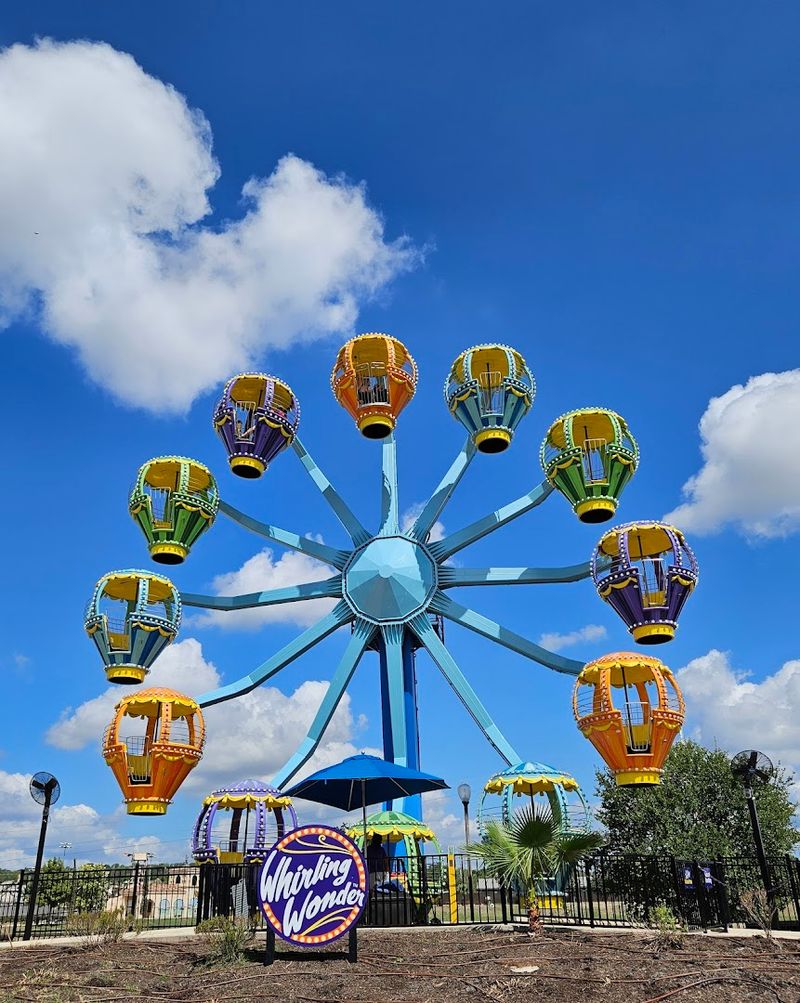
Forget everything you know about amusement park rides creating barriers. Morgan’s Wonderland engineered every attraction so wheelchairs roll directly aboard without transfers, lifts, or uncomfortable assistance. The accessible Ferris wheel stands as the park’s crown jewel, offering sky-high views without forcing anyone to leave their mobility device behind.
Ride operators take their time securing equipment properly, never rushing families through the boarding process. One grandfather named Steve earned shoutouts in reviews for his patient, thorough approach to the wheelchair swings—a ride that lets users soar through the air while remaining safely seated. These aren’t watered-down versions of real rides; they deliver genuine thrills without the exclusion.
The carousel features wheelchair platforms alongside traditional horses, creating side-by-side experiences rather than separate accommodations. Kids who’ve never ridden carnival attractions suddenly find themselves spinning, laughing, and screaming with pure joy. Parents describe watching their teenagers—who’d aged out of accessible playground equipment elsewhere—finally enjoying age-appropriate entertainment.
Wait times stay remarkably short even on busy Saturdays, with most attractions loading within minutes. The park’s manageable size means families can hit every ride multiple times without exhausting themselves. Benches line every queue, acknowledging that standing in line creates challenges for many visitors.
4. Fishing Fun Without Limits
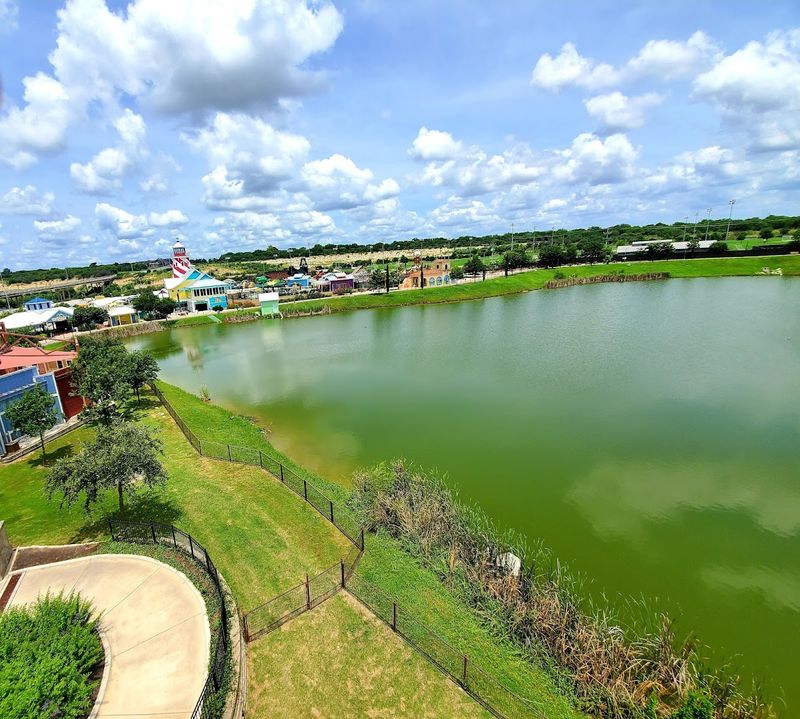
A stocked fishing lake might seem like an odd addition to a theme park, but it perfectly captures Morgan’s Wonderland’s mission. The catch-and-release pond features accessible docks where wheelchair users can cast lines alongside standing anglers, creating peaceful moments between the excitement of rides and attractions.
Staff members like Tony—mentioned repeatedly in glowing reviews—help kids bait hooks, untangle lines, and celebrate every catch with genuine enthusiasm. They transform fishing from a frustrating challenge into an achievable victory, especially for children whose fine motor skills make traditional fishing difficult. The patient guidance turns novices into confident anglers within minutes.
The activity offers sensory-seeking kids a calming alternative when rides and crowds become overwhelming. Parents appreciate having a quiet corner where overstimulated children can reset without leaving the park entirely. The gentle rhythm of casting and waiting provides therapeutic benefits that complement the higher-energy attractions.
Equipment gets provided free with admission, eliminating the gear barrier that keeps many families from trying fishing elsewhere. The stocked pond ensures frequent catches, building confidence and maintaining engagement even for short attention spans. Shaded areas around the water let parents supervise comfortably while siblings explore other nearby attractions.
5. Playground Spaces That Include
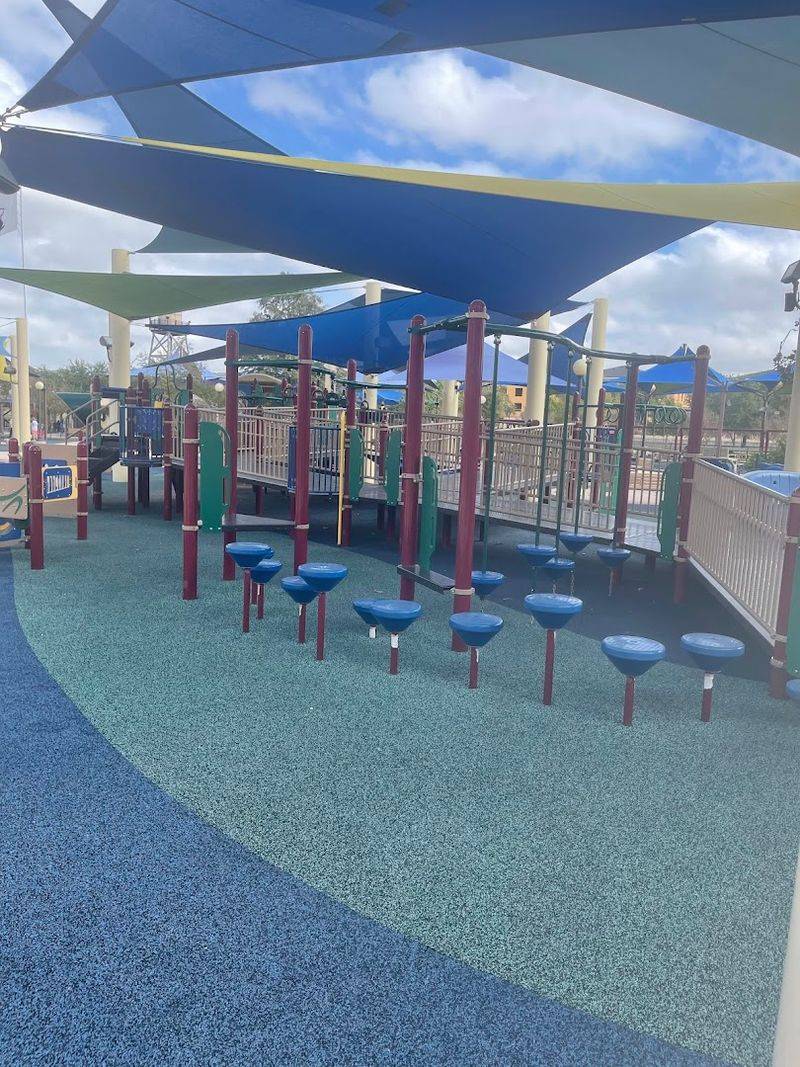
Traditional playgrounds create invisible walls through their design—stairs without ramps, equipment requiring grip strength, spaces too narrow for wheelchairs. Morgan’s Wonderland reimagined play areas from the ground up, building structures where mobility devices navigate freely and sensory needs get respected naturally.
Ramps replace stairs throughout, maintaining the adventurous feel while removing physical barriers. Wider pathways accommodate wheelchairs, walkers, and service animals without creating traffic jams or forcing families to wait. The design feels seamless rather than obviously modified, proving accessibility enhances experiences for everyone.
Sensory play elements include tactile walls, musical instruments, and interactive features that engage multiple learning styles. Kids who struggle with traditional playground activities discover new ways to explore, create, and connect with peers. The varied options mean children self-select appropriate challenge levels without adult intervention.
Shade structures cover most play zones, protecting heat-sensitive kids and preventing equipment from becoming untouchably hot under the Texas sun. Parents find ample seating positioned where they can supervise multiple areas simultaneously, reducing the anxiety of keeping visual contact with wandering children. The thoughtful layout acknowledges that playground time creates stress for many caregivers.
Toddlers through preteens find age-appropriate equipment, extending the park’s appeal beyond the typical playground demographic.
6. Sensory-Friendly Environment
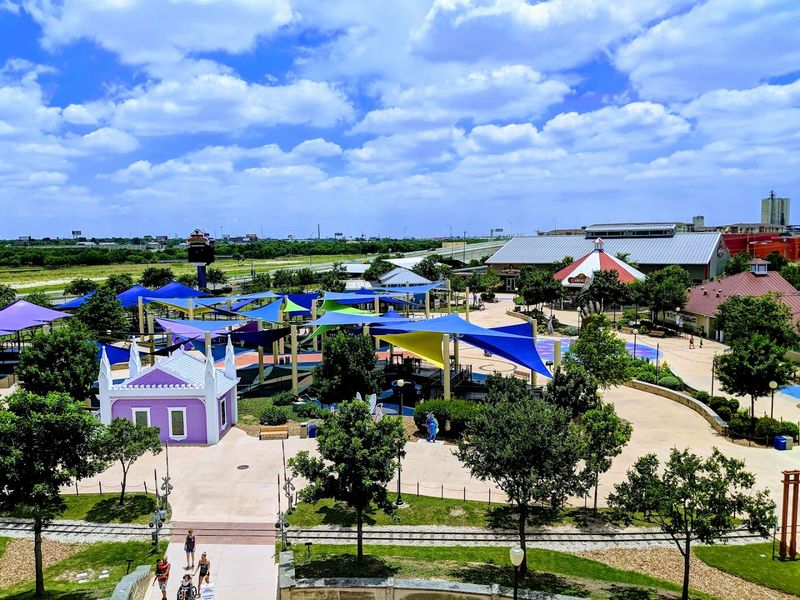
Walk into most amusement parks and assault your senses immediately—flashing lights, competing music, crowds pressing from all sides, overwhelming smells from food vendors. Morgan’s Wonderland took a completely different approach, creating an atmosphere where stimulation stays manageable and escape routes exist everywhere.
Music plays at reasonable volumes rather than blasting from every speaker. The park avoids the sensory chaos that triggers meltdowns in autistic children or overwhelms visitors with processing disorders. Families consistently mention this difference, describing how their typically anxious kids remained calm throughout entire visits.
Covered areas provide visual breaks from bright Texas sunshine, while open layouts prevent the claustrophobic feeling of packed crowds. The park’s size works in its favor—large enough to offer variety but compact enough that exit strategies stay simple. Parents can quickly relocate overstimulated kids to quieter zones without trekking across massive distances.
Staff members recognize signs of sensory overload and respond with patience rather than frustration. They’ve been trained to understand that meltdowns aren’t misbehavior but communication, adjusting their approach accordingly. This awareness creates an environment where families don’t feel judged when challenges arise.
The peaceful atmosphere benefits everyone, not just those with diagnosed sensitivities. Grandparents in their sixties mention appreciating the calmer vibe, while neurotypical kids enjoy attractions without fighting constant overstimulation.
7. Affordable Access for All
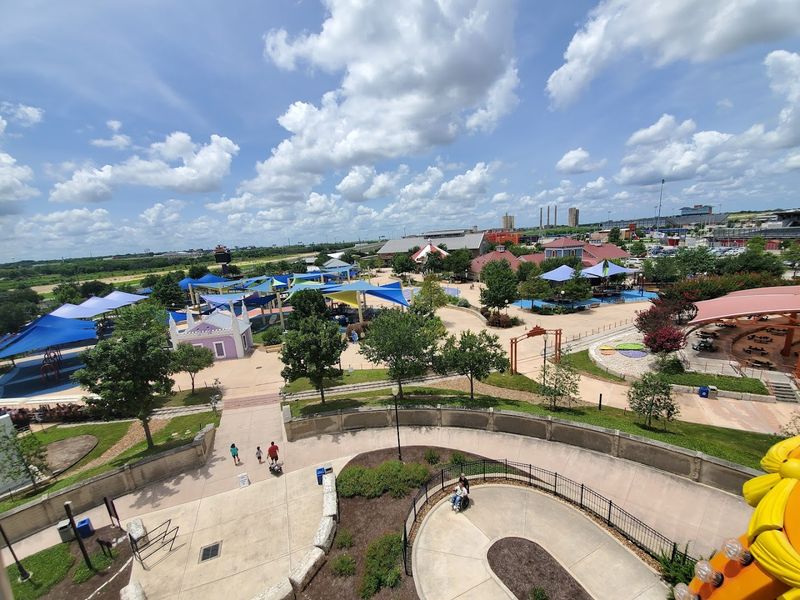
Theme park costs crush family budgets, with tickets, parking, food, and extras adding up to hundreds before you’ve ridden a single attraction. Morgan’s Wonderland challenges that model directly, offering admission prices that won’t require a second mortgage while maintaining the free entry policy for guests with special needs.
The Gold Pass brings all five family members through the gates for just seventy-five dollars, including discounts on food and merchandise. That’s less than many families spend on a single day at corporate mega-parks, yet it grants access to both Morgan’s Wonderland and Inspiration Island. Season passes provide even better value for local families who visit repeatedly.
The park allows outside food and drinks, eliminating the captive-audience pricing that makes eating at venues so painful. Families pack coolers, spread picnics in covered areas, and save money while accommodating dietary restrictions that often complicate theme park dining. When you do buy food on-site, prices stay reasonable rather than exploitative.
Free parking, free wheelchair swaps for the water park, free fishing equipment—these details add up to significant savings. The financial accessibility matches the physical accessibility, acknowledging that families managing disability-related expenses shouldn’t face additional theme park price gouging. Budget-conscious visitors describe the relief of enjoying a full day without watching every dollar disappear.
8. Bathroom Facilities That Actually Work
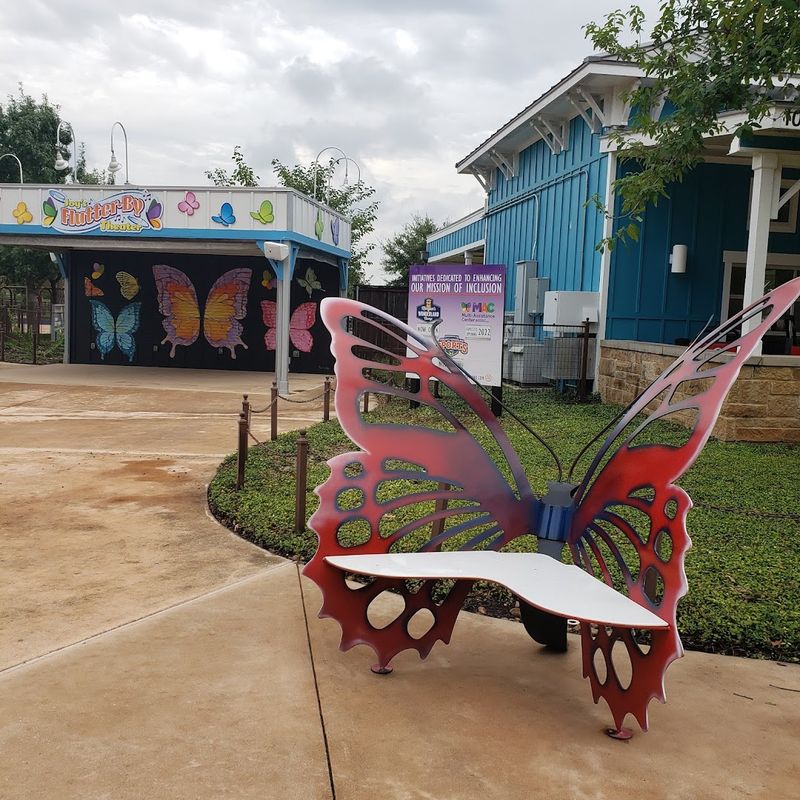
Here’s something nobody talks about until it becomes their problem—most public restrooms fail families managing physical disabilities. Changing tables max out at toddler weight limits, stalls can’t accommodate wheelchairs plus caregivers, and privacy becomes impossible when you need assistance. Morgan’s Wonderland understood this frustration and built solutions.
Family bathrooms feature adult-sized changing tables, acknowledging that fourteen-year-olds with disabilities need the same dignity as infants. Parents describe the emotional relief of finding adequate space and equipment, no longer improvising dangerous transfers or skipping outings because facilities don’t exist. These rooms provide enough square footage for wheelchairs, caregivers, and younger siblings simultaneously.
Multiple restroom locations throughout the park mean you’re never far from facilities, reducing the anxiety of sudden bathroom needs. Clean, well-maintained spaces get checked regularly rather than left to deteriorate as the day progresses. The attention to cleanliness matters tremendously when dealing with medical equipment or sensitive hygiene situations.
Some reviews mention the picnic area restrooms being smaller with only two stalls, creating occasional lines. However, the family bathroom options compensate for this limitation, and the park continues expanding facilities based on visitor feedback. The willingness to acknowledge and address these practical needs sets Morgan’s Wonderland apart from venues that treat accessibility as an afterthought.
9. Staff Who Truly Understand
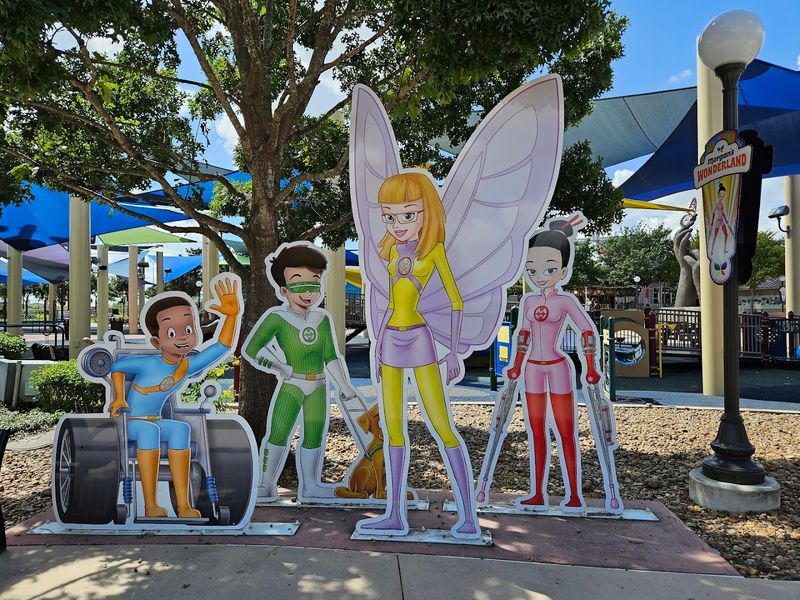
Employment programs often segregate workers with disabilities into back-of-house positions where customers never see them. Morgan’s Wonderland does the opposite, placing special needs employees front and center as ride operators, greeters, and essential team members. Their presence transforms the entire park atmosphere.
Visitors consistently praise staff members by name—Ameen, Kris, Yasmine, Steve, Tony—describing interactions that felt genuinely caring rather than scripted. These employees demonstrate that given proper support and opportunity, workers with disabilities perform just as professionally and competently as anyone else. Their success challenges assumptions while creating authentic connections with guests.
The staff’s personal understanding of accessibility needs shows in countless small actions. They anticipate challenges, offer assistance without being asked, and respond to meltdowns or medical situations with practiced calm. Parents notice feeling understood rather than judged, creating emotional safety that’s rare in public spaces.
Volunteers supplement the paid staff, adding extra hands throughout the park. Their presence keeps operations running smoothly even on busy weekends, preventing the understaffing that plagues many attractions. The combination of trained employees and dedicated volunteers creates service levels that rival much more expensive venues.
Friendliness permeates every interaction, from admission through departure. Staff members genuinely seem invested in guests having positive experiences, going beyond minimum requirements to ensure families leave with happy memories.
Share this story