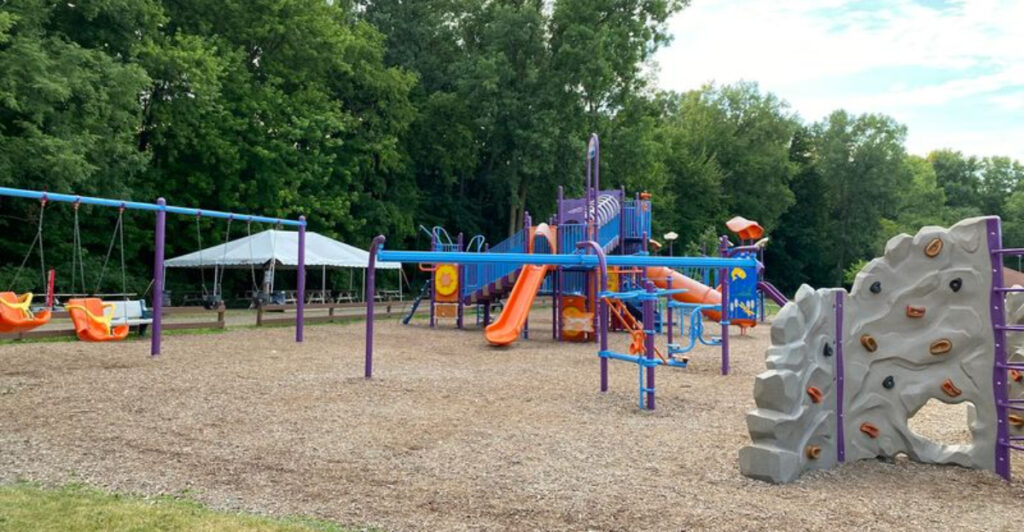
Playgrounds work best when they feel welcoming before the first kid even climbs, swings, or slides. In Rochester Hills, Michigan, Spencer Park brings that feeling to a lakeside setting with family spaces, open play areas, and a design that feels easy to use for different ages, abilities, and comfort levels.
The setting gives families more than one reason to stay, from playtime and lake views to room for a relaxed park outing that does not feel overly complicated. That matters because kids do not all explore the same way, and a good park makes space for more than one kind of fun.
For anyone looking at Michigan parks through a family-friendly lens, Spencer Park shows how thoughtful design can make a simple day outside feel better for everyone.
A Play Space Framed by Water, Paths, and Room to Roam
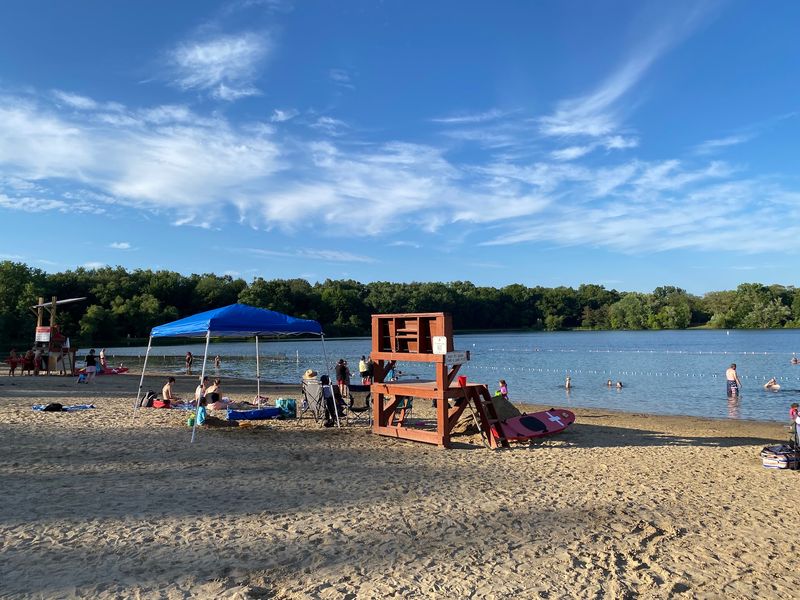
The first surprise at Spencer Park is how well the playground fits into the bigger park around it. Instead of feeling tucked into a forgotten corner, the play area sits near the beach, walking path, and picnic zones, so families can move from one activity to another without a long shuffle across the grounds.
That layout helps siblings with different interests stay part of the same outing.
Plenty of parks offer a slide and call it a day. Spencer Park works harder than that because the setting gives children more than one way to enjoy their time, whether they want active climbing, a slower stroll, sand nearby, or a snack break under the trees.
The open surroundings also make it easier for adults to keep track of children without hovering over every step.
Another helpful detail is the sense of breathing room. The park itself includes a paved loop around the lake, wooded trails, swimming areas, benches, and picnic tables, so the playground is not forced to carry the whole experience on its own.
For families with a child who needs a break from noise or motion, that extra space can make a real difference.
Being next to a lake also changes the mood. There is movement in the background, shifting light on the water, and enough natural scenery to soften the busy energy that playgrounds sometimes bring.
Children can play hard, then reset by walking with a parent, watching people fish, or heading toward the beach.
At Spencer Park, inclusion is not only about equipment. It also grows from the larger setting, where different kinds of play and different energy levels can exist side by side without anyone feeling left out of the day.
Climbing, Sliding, and Choosing a Challenge That Fits
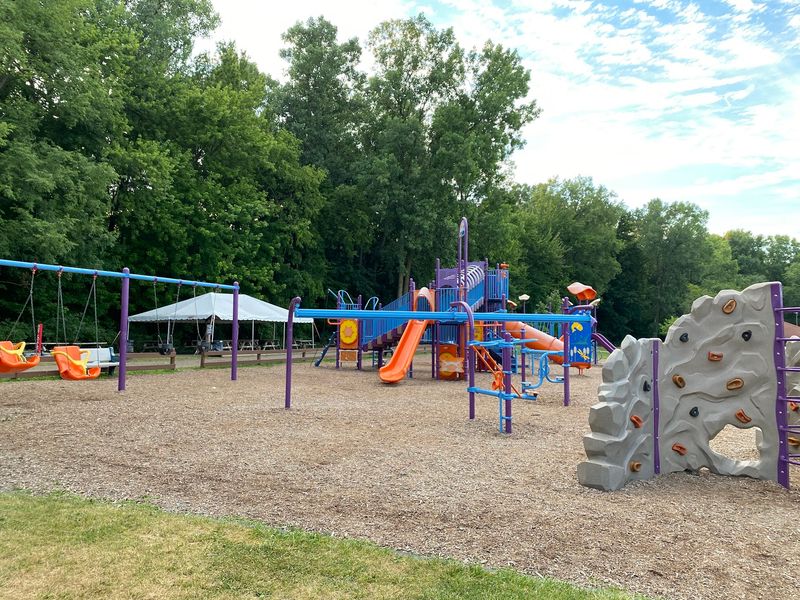
Not every child runs straight for the tallest platform, and that is exactly why a good playground needs options. At Spencer Park, the play structure appears designed to support more than one level of confidence, giving children places to climb, pause, look around, and decide what comes next.
That simple freedom matters more than flashy design.
Some kids want speed and height right away. Others test things slowly, moving from one platform to the next, checking handholds, or staying close to a slide they already trust.
A structure with varied routes helps both types of children share the same space without one group taking over the experience.
That range of challenge is one reason the playground stands out. When there are different access points, different heights, and several kinds of movement built into the same area, children can stretch their skills at their own pace.
A younger child may repeat one section again and again, while an older child creates a longer course through the equipment.
Parents benefit too. It is easier to encourage independence when a playground offers visible, manageable choices instead of one intimidating centerpiece.
Children can build courage naturally, and adults can guide without constantly lifting, carrying, or redirecting every minute.
The smart part is not just that the playground is fun. It supports decision-making, which is a big piece of inclusive play.
Kids who are cautious, energetic, easily overwhelmed, or eager for a bigger challenge all have a way to join in. At Spencer Park, the equipment invites children to play with their own style, and that often leads to a more relaxed outing for the whole family.
Where Caregivers Can Actually Keep Up Without Constant Stress
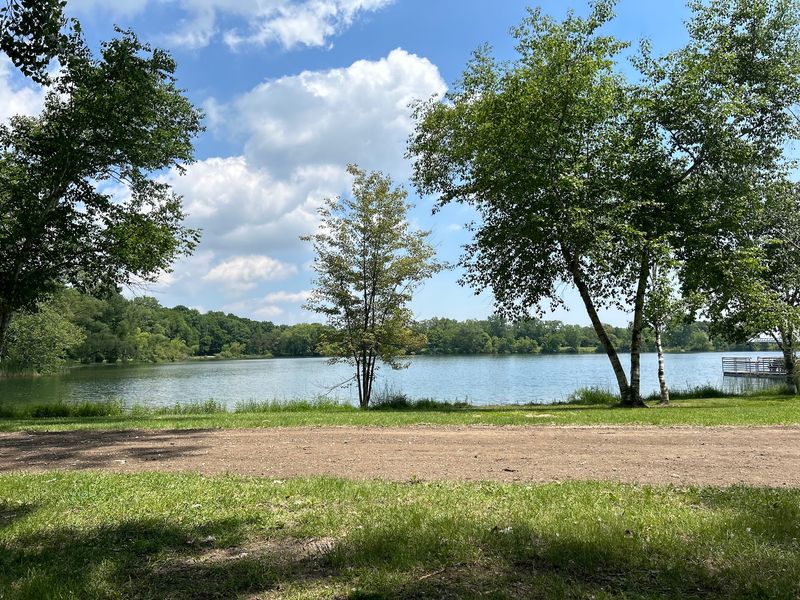
Any parent knows the difference between a fun playground visit and a draining one often comes down to visibility. Spencer Park has a family friendly advantage because the playground sits within a broader, organized park layout that makes supervision easier.
Adults are not stuck guessing where one child ran off while another heads in the opposite direction.
Open sightlines help in practical ways. Caregivers can watch a child on the play structure, keep an eye on siblings moving toward nearby open space, and still stay oriented to the beach area, picnic spots, or path connections.
That kind of visual clarity lowers the stress level, especially for families managing different ages at once.
The surrounding amenities matter just as much. Reviews repeatedly mention bathrooms, changing areas, showers, benches, concessions in season, and places to sit near activities.
None of those details sound dramatic, but they shape whether a family stays twenty minutes or turns the trip into a half day outing.
A child who needs a quick bathroom break does not have to end the visit. A sandy kid can rinse off.
A grandparent can rest on a bench while still feeling part of the day. Those small conveniences are often the real backbone of inclusive design because they support the adults who make play possible.
There is also comfort in knowing the park is actively maintained and well used. When a place has clear routines, staffed seasonal areas, and a layout that makes sense, families can focus less on logistics and more on letting children enjoy themselves.
Spencer Park does not ask caregivers to work around the space. It gives them a park that helps the outing run smoothly, which is a quieter but very important kind of welcome.
A Michigan Park That Lets Siblings Do Different Things
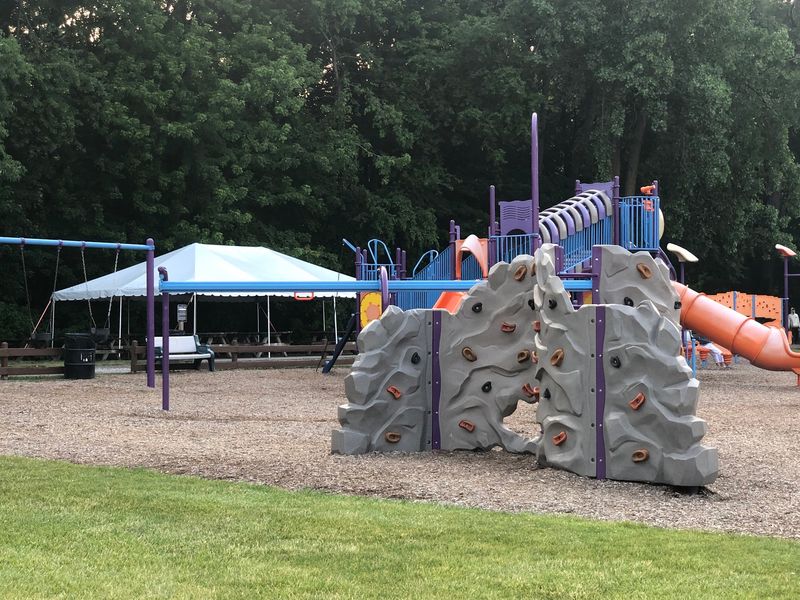
Family outings fall apart fast when a park only works for one age group. Spencer Park avoids that problem by combining a playground with a beach, walking loop, fishing spots, picnic areas, and seasonal rentals, all in one lakefront setting.
That mix gives siblings and cousins room to enjoy the same trip in very different ways.
Picture a common weekend scene. One child wants to climb and slide over and over, another would rather stay near shallow water, and an older sibling is more interested in walking the one mile loop or watching activity near the dock.
At some parks, that means splitting up completely. Here, the layout makes those choices easier to manage without turning the day into a complicated plan.
The beach setup adds another layer of flexibility. Reported shallow swim zones can be useful for younger children, while other sections of the lake serve stronger swimmers during the season when lifeguards are on duty.
That means the playground is part of a larger family system, not the only attraction carrying every age and interest.
For children who need transitions, Spencer Park also offers natural stepping stones between activities. A child can move from active play to a snack, from sand to the playground, or from a busy area to a calmer walk beside the water.
Those in between moments help many kids regulate energy before jumping into the next thing.
That is one of the park’s most practical strengths. Inclusion is not always about one special feature with a big sign next to it.
Sometimes it is about giving families enough choices that no child spends the whole trip waiting for someone else’s fun to be over.
Little Comforts That Quietly Make the Day Better
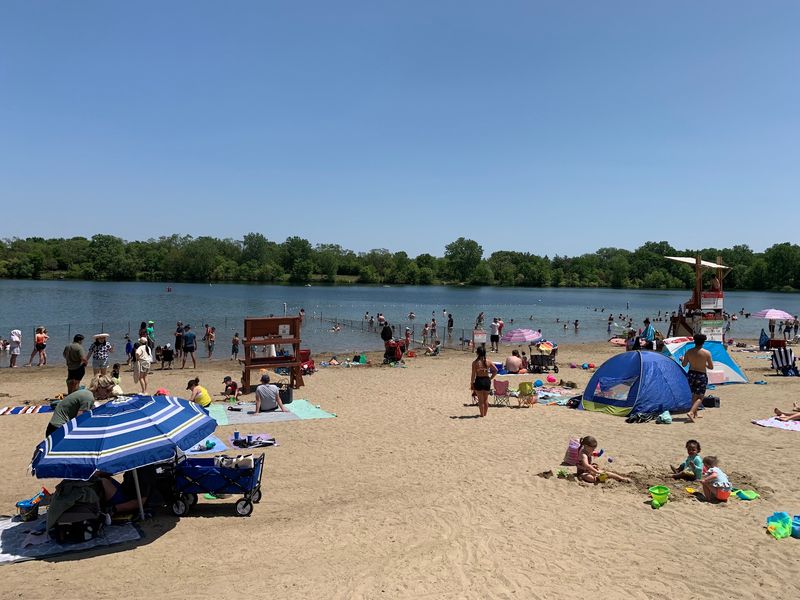
Great playgrounds are not built by equipment alone. The places families return to again and again usually get the basics right, and Spencer Park has several practical details that make a visit easier from the start.
They are the kind of features children may barely notice, while adults feel the difference right away.
Restrooms in more than one area, rinse stations, and changing spaces help a park near water function smoothly. A child can go from beach to playground without the whole group feeling stranded.
That matters on hot days, after sandy shoes, or when younger kids need a quick reset before heading back out.
Picnic tables and benches also do more work than they get credit for. They create landing spots for snacks, sunscreen breaks, and tired legs.
For children who do not want to play nonstop, having a nearby place to sit and watch can make the environment feel friendlier and less overwhelming.
Shade matters too, even when it is only partial and changes through the day. At a park with beach exposure and active open space, a tree lined edge or a bench with cover can be the difference between staying comfortable and cutting the trip short.
Families with babies, older relatives, or children sensitive to heat tend to notice that immediately.
Then there is the larger sense of upkeep. Reports of clean grounds, maintained facilities, and organized swim zones suggest a park that pays attention to daily use, not only to appearances.
That steady care supports inclusion in a very direct way because it makes the environment more predictable. When a place is orderly, clear, and easy to use, more families can relax enough to enjoy what they came for, which is the whole point of a community playground.
Best Times to Visit for a Calmer, Easier Playground Outing

Timing changes everything at Spencer Park. Because the park includes a beach and draws families for swimming, walking, fishing, and seasonal fun, the mood can shift a lot depending on when you arrive.
Choosing the right time can make the playground feel far more comfortable, especially for children who do better with less crowding.
Morning on a weekday is often the easiest bet for a gentler visit. The air is cooler, the paths are less busy, and families have more freedom to settle in without feeling rushed by packed activity around the lake.
A child who needs time to explore equipment slowly may find that quieter window much easier than a bustling afternoon.
Summer weekends bring a different energy. The beach becomes a stronger draw, and the whole park can feel livelier as swimmers, walkers, and picnic groups fill the grounds.
That can be exciting for some children, but others may do better if the visit starts early before the busiest hours build.
Fall offers another good option. The one mile paved loop around the lake becomes part of the attraction, trees add color around the water, and the park can feel more spacious once beach traffic drops.
For families who want the playground as part of a broader outdoor day, that season can be especially appealing.
Even winter has a role in the park’s rhythm because the site is known for seasonal ice activities. While the playground may not be the main draw then, it shows how Spencer Park functions as more than a one season stop.
For the best playground focused experience, plan around your child’s energy, not just the weather. Earlier hours, cooler temperatures, and lighter traffic can turn a good park into a much easier one to enjoy.
Why Spencer Park Stands Out Beyond a Typical Neighborhood Playground
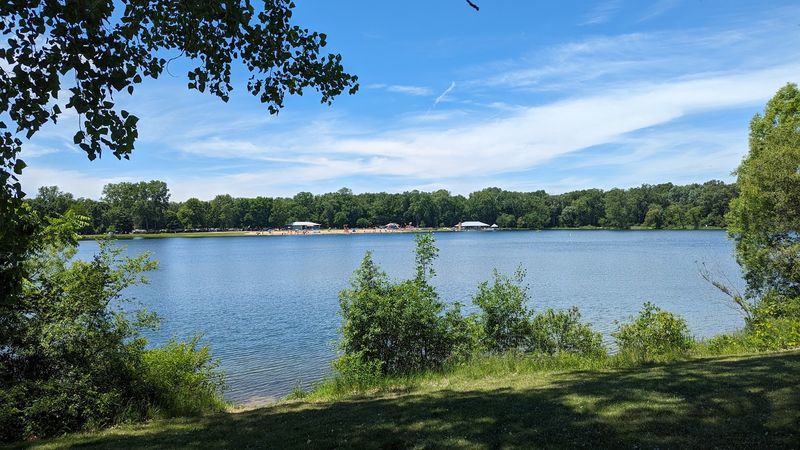
Some playgrounds are quick stops. Spencer Park aims higher by giving children a play area that works inside a bigger, better planned day outdoors.
The result is a park where inclusion comes from many layers at once, not from one single feature trying to do all the work.
The playground benefits from its setting near the lake, beach, path, and family amenities, but it also gains power from variety. Children can climb, pause, watch, move on, and return later.
Families can shift between active and quiet moments without leaving the property or starting over somewhere else.
That flexibility is especially meaningful for groups with different needs. One child may need motion and challenge.
Another may need space, a bench nearby, a short walking break, or a predictable route back to something familiar. Spencer Park supports those changes in pace better than a tight playground fenced off from everything else around it.
The park also shows how everyday design choices shape who gets included. Clear paths, practical facilities, seating, maintained grounds, and visible activity zones make the space easier to understand and easier to use.
Those features are not flashy, but they remove friction, and that is often what families need most.
There is a lesson in that. Making room for every child does not always mean reinventing play from scratch.
Sometimes it means arranging a park so children can join at their own comfort level, adults can manage the outing without strain, and siblings are not forced into the exact same kind of fun. Spencer Park in Rochester Hills does that with a calm confidence.
It offers a playground, yes, but also a fuller family setting where more children have a real chance to belong in the day.
Share this story