Most folks rolling across western Oklahoma on I-40 keep their eyes on the road and their minds on the next gas stop.
That is a mistake, because a small college town out here quietly guards real spacecraft, rocket engines, and a stealth jet that once flew secret missions.
Some of the hardware on display has actually been to space and come back.
The story behind it all starts with a hometown kid who grew up to circle the Moon.
Families who stop for a quick stretch often end up staying the whole afternoon.
Kids race from capsules to cockpits, and grown-ups find themselves reading every sign.
The ticket costs about the same as a fast-food lunch for one.
Keep reading to learn where it is, what to see first, and how to plan a day trip that proves Oklahoma reaches far beyond the prairie.
1. A Launchpad Hiding in Weatherford
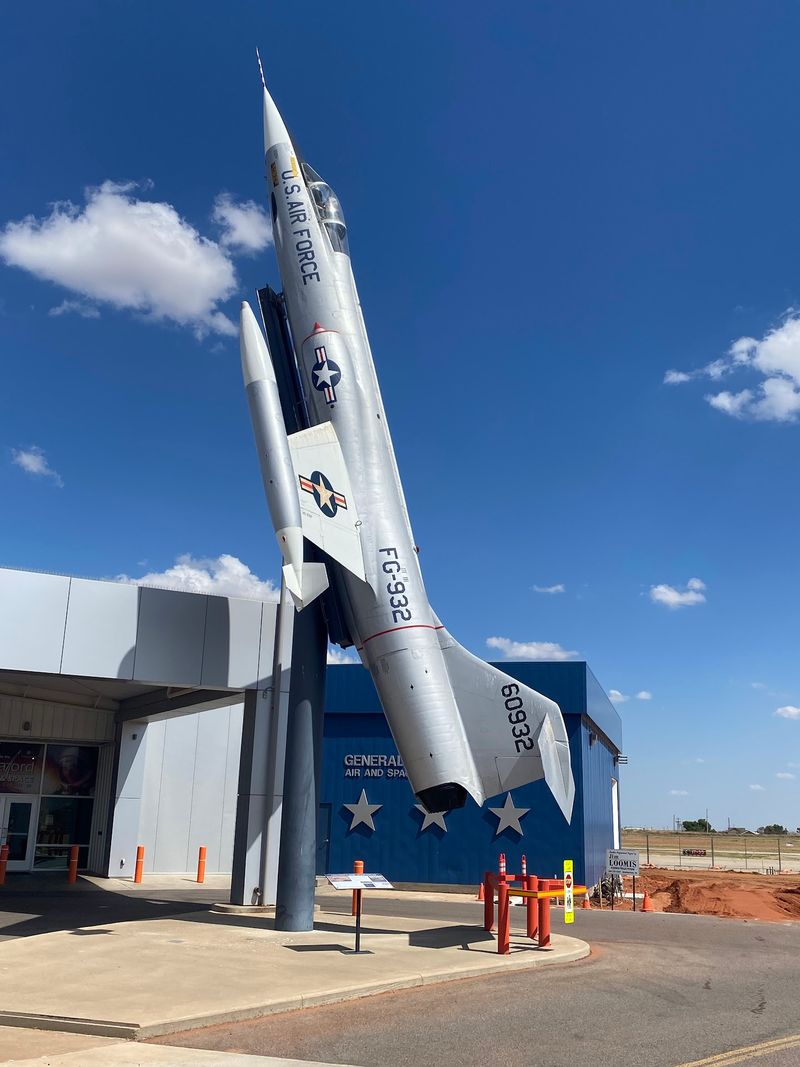
Space history has a permanent home at 3000 Logan Rd, Weatherford, OK 73096, in the western part of Oklahoma.
The building is the Stafford Air & Space Museum, and it sits close to I-40 and historic Route 66.
Highway signs point the way, and plenty of road trippers pull off on a whim.
Many of them leave calling it the best surprise of their whole trip.
The museum calls itself an indoor and outdoor experience.
It holds more than 3,500 aerospace artifacts along with interactive activities spread across the property.
That number is not padding.
The collection covers the full arc of flight, from the earliest powered airplanes to rockets built for the Moon.
The museum is also a Smithsonian affiliate.
That connection helps explain the level of detail packed into each exhibit.
Some pieces on display came from the Air Force Museum as well.
Put together, it adds up to a collection that feels far bigger than the town around it.
For Oklahomans, the best part may be the drive.
Weatherford sits within an easy day trip of Oklahoma City, which makes it a weekend outing rather than a vacation.
2. The Hometown Astronaut Behind the Name
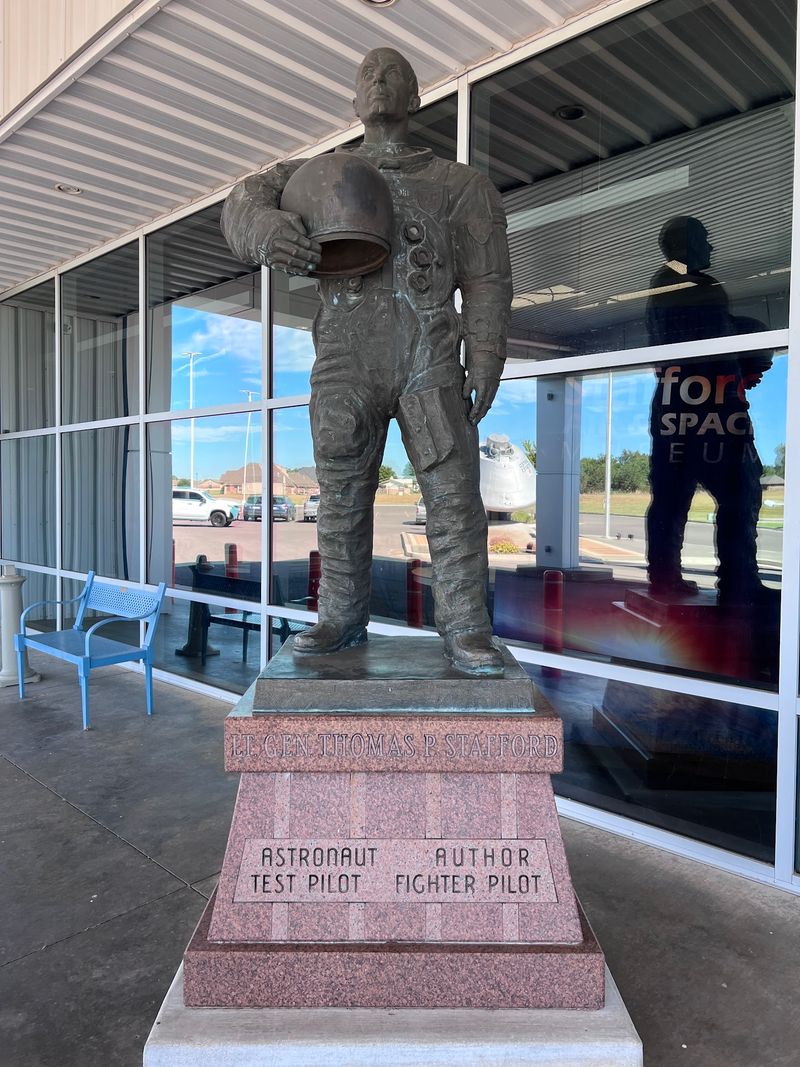
Long before he flew past the Moon, Thomas P.
Stafford was a Weatherford kid.
He grew up here and went on to become a Lieutenant General and a NASA astronaut.
Stafford flew four space missions.
One of them was Apollo 10, which carried him around the Moon just months before the first Moon landing.
That mission was the dress rehearsal for history.
Without it, the famous landing that followed would have been a much bigger leap into the unknown.
The museum traces his career from his Air Force days to his missions in space.
Exhibits lay out each step in a clear, easy-to-follow way.
Families often say learning about General Stafford is a highlight.
Kids especially connect with the idea that an astronaut started out in a small Oklahoma town.
There is real pride in that story.
It reminds young people that the road to space can begin right off Route 66.
The personal side keeps the visit grounded.
Between the rockets and jets, it is one hometown hero who ties the whole place together.
3. From Wright Brothers to Moon Rockets
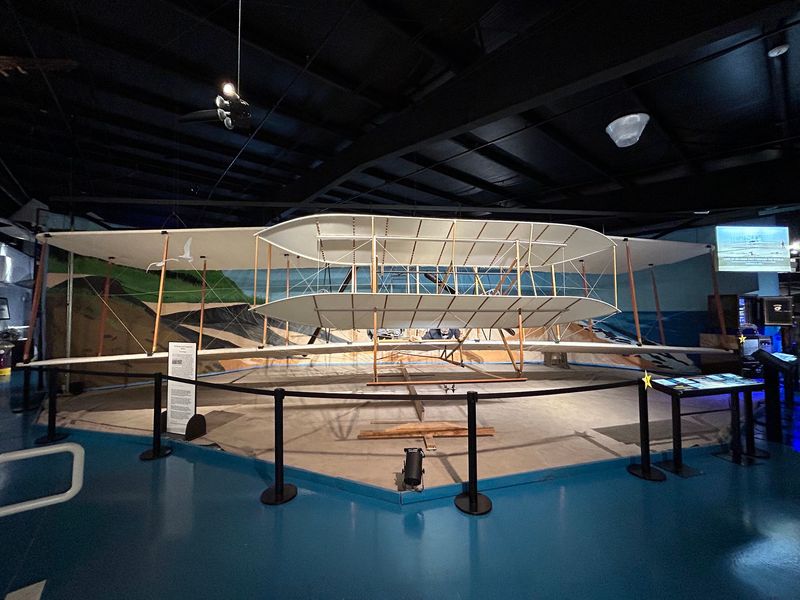
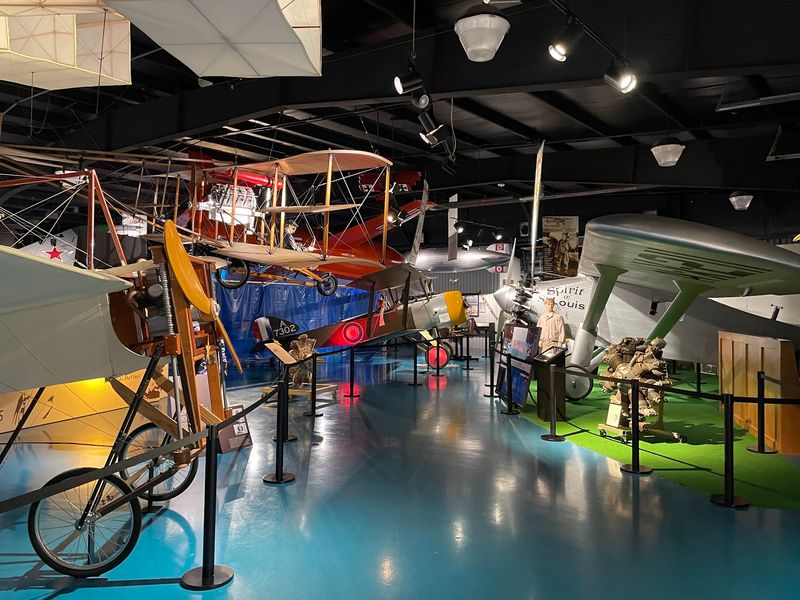
Every flight story needs a first chapter, and here it starts with the Wright Brothers.
The museum opens with the early days of powered flight before climbing toward the stars.
The layout follows a clear path.
Exhibits show the progression of both flight and space travel, so each room builds on the one before it.
Along the way, the Space Race and the Cold War get serious attention.
Those eras are explained with plenty of detail on the engineering behind fast flying machines.
Displays are well marked and packed with information.
Readers who like to stop at every panel can easily lose track of time.
One gallery even covers how the town of Stratford played a part in aviation.
Its role in building many iconic aircraft surprises a lot of guests.
The mix of original artifacts and to-scale replicas works well.
Real pieces carry the history, while replicas fill in the gaps so the story stays complete.
By the end of the timeline, the jump from wooden wings to rocket engines feels less like magic.
It starts to make sense, one invention at a time.
4. Capsules That Made the Round Trip
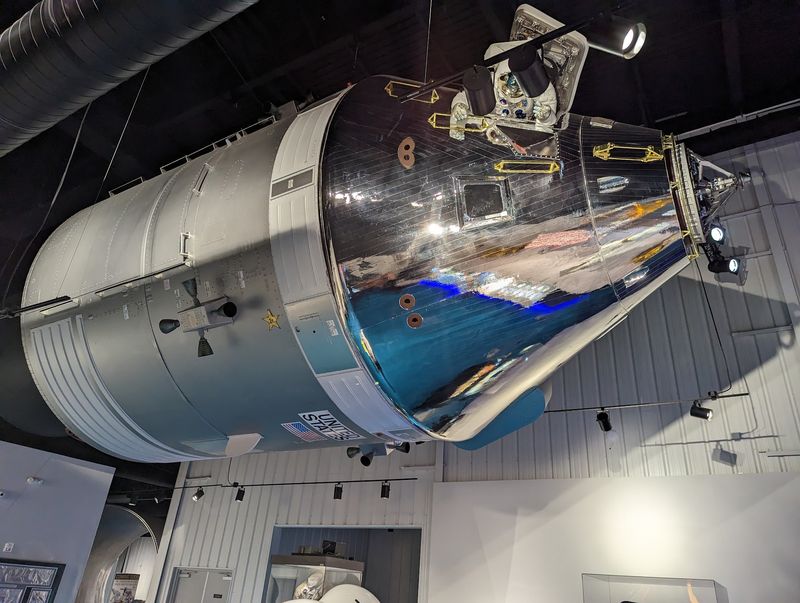
Some museum pieces are copies.
Several here are the real deal, with space-worn and space-used items that actually left the planet.
Original Gemini and Apollo capsules are among the stars of the collection.
They give guests a close look at the cramped spaces astronauts called home.
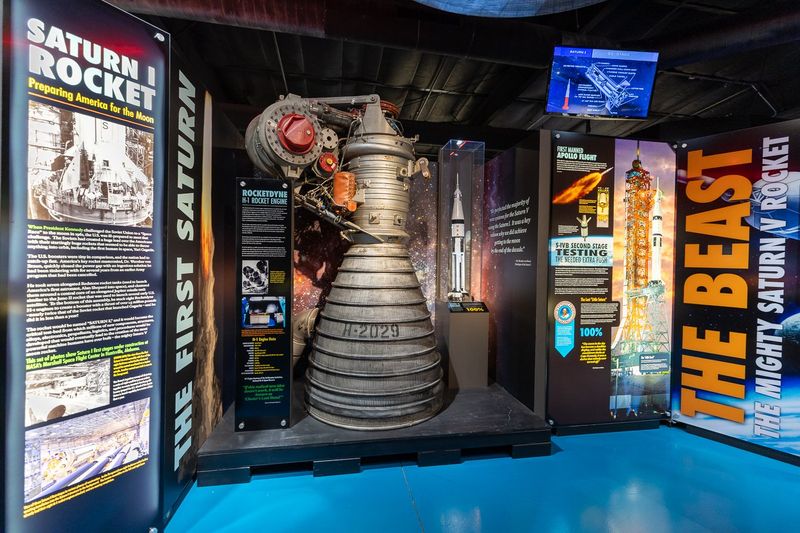
Engines from various rockets are on display too.
Seeing them up close helps explain how much power it took to break free of Earth.
The museum also holds an original Space Shuttle simulator.
A section of Mission Control used during the Apollo program rounds out the space hall.
Space suits appear throughout the exhibits as well.
They show how much gear stood between astronauts and the emptiness outside.
Standing next to hardware that has truly orbited the planet is a rare chance.
Most people only see these things in textbooks or on TV.
For kids, it turns space travel from a story into something real.
For adults, it can bring back memories of watching launches on a living room TV.
5. Snoopy Earns His Wings
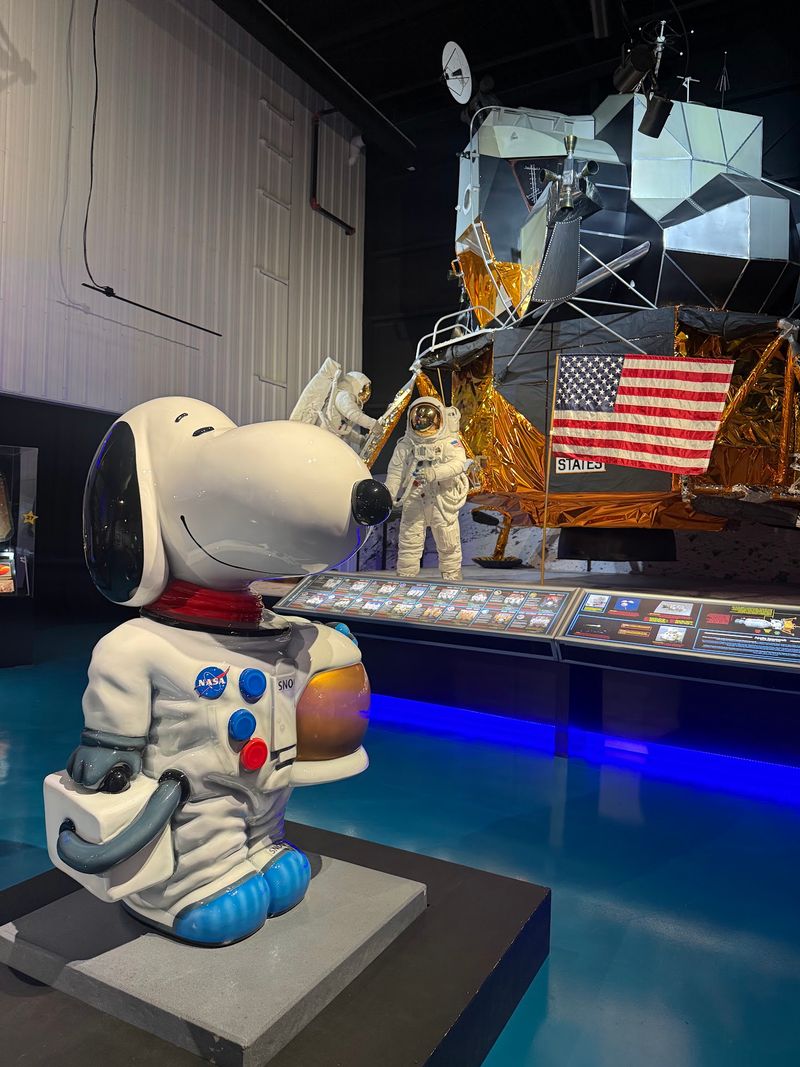
A cartoon beagle has a surprising seat in space history.
The museum explains why Snoopy became an important symbol for NASA and the story behind that partnership.
On Apollo 10, Stafford’s own mission, the lunar module carried the name Snoopy.
The museum features an exhibit tied to the Snoopy module and its role before the Moon landings.
Many guests count this exhibit as their favorite.
It blends serious engineering with a dose of fun that lands well with all ages.
Kids recognize the famous dog right away.
That instant connection makes it easier for them to stay curious about the science behind the mission.
Grown-ups often walk away just as charmed.
Plenty of people admit they had no idea about the Snoopy and NASA link before this visit.
The gift shop leans into the theme too.
Snoopy souvenirs are popular, and plenty of guests find them hard to pass up on the way out.
It is a small corner of the museum, but it packs a big story.
Not bad for a dog who usually spends his time on a doghouse roof.
6. The Stealth Jet Nobody Was Supposed to See
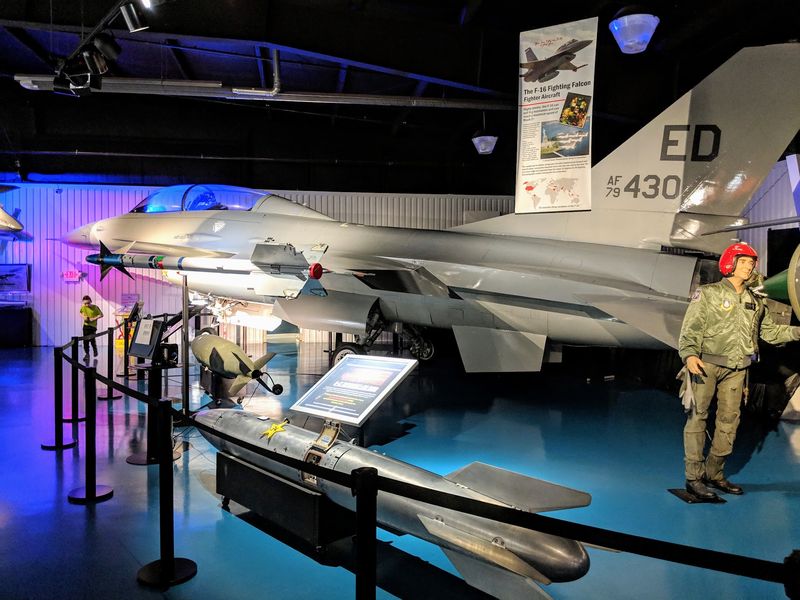
For years, the Lockheed F-117 Nighthawk was one of the most secret aircraft in the sky.
Now it is a crowd favorite in Weatherford.
Some people make the trip just to see this jet.
For many, it is the first time they have ever stood near a real stealth aircraft.
Its angular shape looks like nothing else in the hangar.
The design was built to dodge radar, and the museum explains the thinking behind it.
The Nighthawk is far from the only aircraft on site.
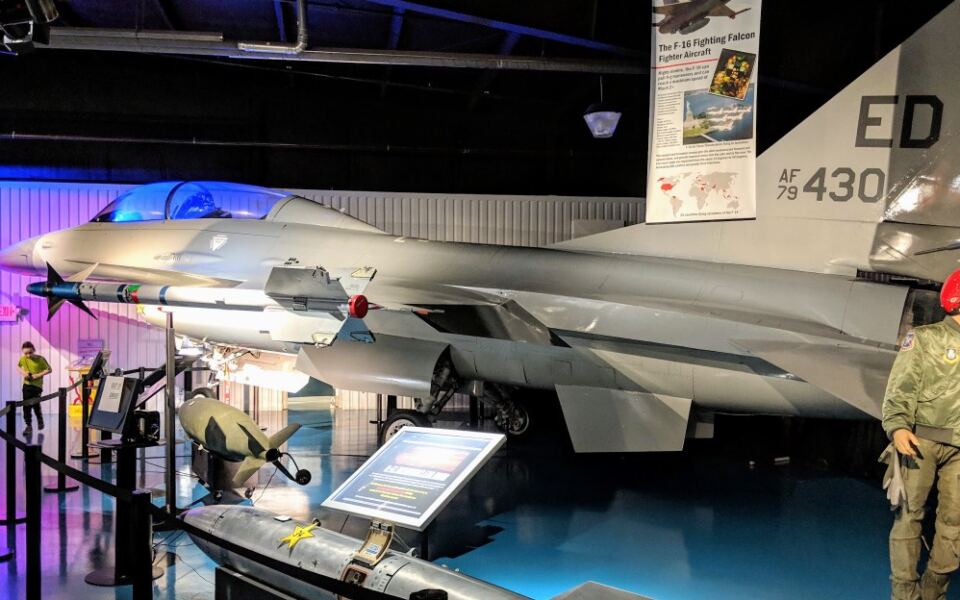
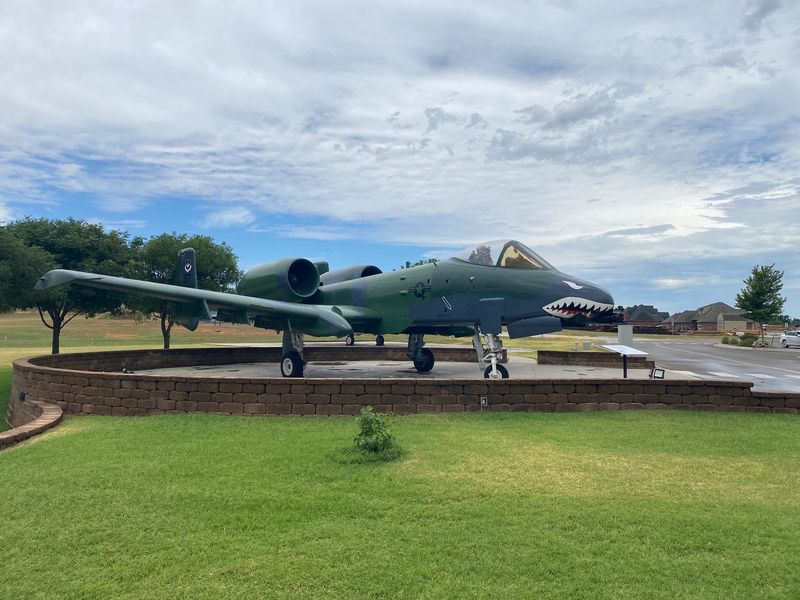
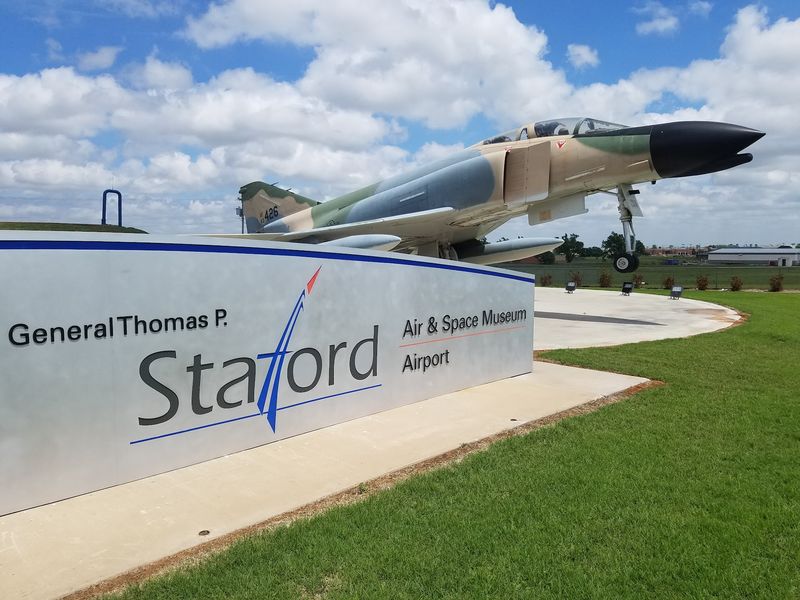
The museum shows actual planes alongside replicas and models, with more parked outside the front doors.
Those outdoor aircraft are worth a slow lap.
Staff often remind guests not to skip them on the way in or out.
Jet fans will find plenty to keep them busy.
The mix of fighters, engines, and Cold War history gives aviation buffs a full afternoon of material.
Even guests who came for the rockets tend to linger here.
A once-secret jet has a way of stealing the spotlight, quite openly.
7. A Space Park Built for Restless Kids
Across the parking lot, the museum has added something new for young explorers.
A kid-friendly space park now gives families a place to play between exhibits.
The centerpiece is a model Saturn V rocket.
The real Saturn V was the enormous rocket that carried Apollo astronauts to the Moon.
The play area is large and full of activities.
Water features make it a welcome stop, even on a hot Oklahoma summer day.
Some families never make it inside on the first try.
The kids get so busy in the park that the museum has to wait.
Parts of the park have been under construction recently.
Once finished, it is expected to be quite the destination for families.
That makes this museum a smart pick for parents with energetic children.
The little ones can burn off steam, and everyone can head indoors when ready.
A tip for planners is to save the park for after the galleries.
It works as a reward for patient young astronauts.
8. Scavenger Hunts and a Fresh Makeover
Recent renovations have given the galleries a fresh look.
Even returning guests say the space feels new and innovative after the updates.
The layout earns plenty of praise.
Exhibits flow in a well-designed order, so it is easy to follow the story from room to room.
Families often mention the scavenger hunt.
It gives kids a mission, which keeps them hunting for details instead of rushing past displays.
Interactive activities are part of the experience too.
They help turn reading-heavy topics into hands-on learning.
Staff members are known for checking in.
Several of them may ask if guests have questions while they explore.
Crowds are usually light, too.
Many people find they can move through everything at a relaxed pace without bumping elbows.
The overall feel is welcoming for all ages.
Veterans, students, families, and lifelong space fans all seem to find their own favorite corner.
9. Hours, Tickets and Time to Budget
Planning ahead pays off here.
The museum is open Monday through Saturday from 9 am to 5 pm, and Sunday from 1 to 5 pm.
Admission runs about $12 per person.
Senior and military discounts are available, which helps for families with veterans or grandparents along.
Hours and prices may change, so a quick look at staffordmuseum.org before driving is a good idea.
That small step can save a wasted trip.
Time is the bigger budget item.
Most people suggest setting aside at least one to two hours, and many stay closer to two and a half.
Plenty of guests expect a quick hour and end up spending the whole afternoon.
Some say they could come back and easily fill a few more hours.
Arriving early on a weekday gives the most breathing room.
On Sundays, the later opening means a shorter window to see everything.
Leave time for the outdoor aircraft and the space park too.
Those extras are easy to underestimate.
10. Worth the Exit Ramp
Few highway stops pack this much history into one building.
Easy access from I-40 and Route 66 makes it a natural break on any western Oklahoma drive.
The appeal is wide.
Aviation buffs get jets and engines, space fans get capsules and suits, and kids get a rocket park.
It also fits the Oklahoma pride story well.
A Weatherford native circled the Moon, and his hometown now shares that achievement with everyone.
Many people walk out knowing far more than they expected.
That is a pretty good sign of a museum doing its job.
For day trippers from Oklahoma City or beyond, it makes an affordable outing.
A modest ticket and a short drive deliver a full afternoon.
The hot summer months make the indoor galleries extra appealing.
Cooler seasons are great for lingering longer outside with the aircraft.
So next time the Weatherford exit comes up, consider taking it.
The prairie outside the window has a launchpad hidden in plain sight.
Share this story