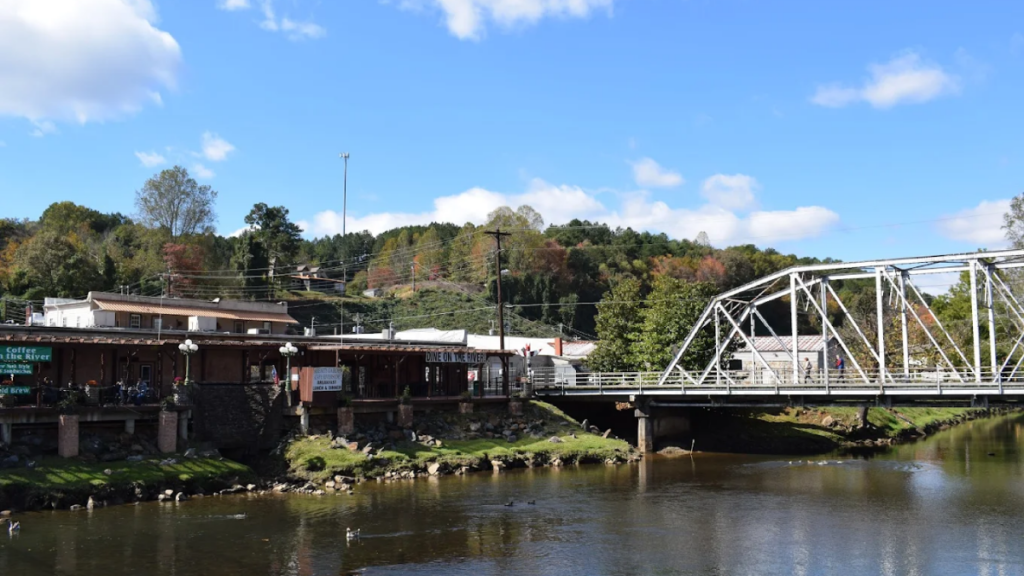
Copperhill sits right on the edge of Tennessee, where the state line cuts straight through the middle of town. Walk down the main street and you can literally hop between Tennessee and Georgia without breaking a stride.
This quirky border town of just over 400 people offers something you won’t find in many places: the chance to be in two states at the exact same time, plus a slice of authentic small-town Appalachian life that feels worlds away from the usual tourist traps.
A Tiny Tennessee Border Town Where Two States Meet
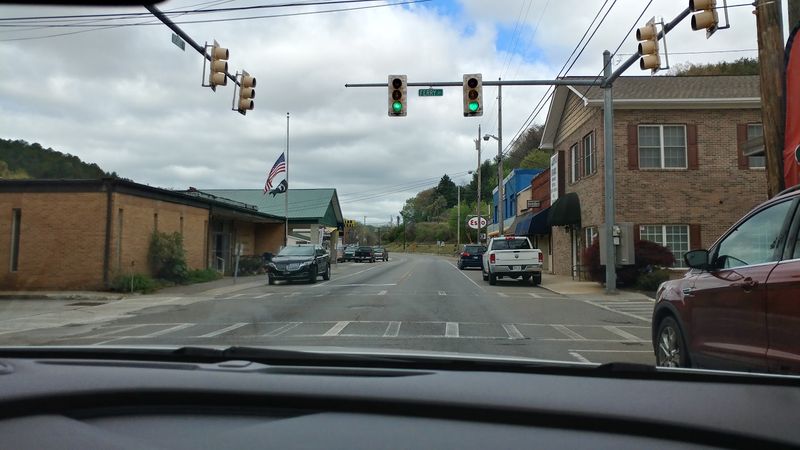
Most towns belong to one state, but Copperhill plays by different rules. The Tennessee-Georgia border slices right through the heart of downtown, turning an ordinary main street into a geographic oddity. With a population hovering around 443, this isn’t the kind of place where you’ll fight crowds or wait in line.
The town grew up around copper mining in the late 1800s, back when state lines mattered less than where the ore deposits ran. Miners didn’t care much about boundaries, and the community that formed here reflected that practical attitude. Today, that history gives Copperhill its unique character as a place that belongs equally to both states.
Walking through town, you’ll notice how naturally everything flows across the border. Buildings on one side mirror those on the other. The Georgia side is technically called McCaysville, but the two communities function as one.
What makes Copperhill special isn’t just the novelty of standing in two states. It’s how this little mountain town has maintained its authentic character while bigger tourist destinations have lost theirs. No chain restaurants dominate the landscape. No cookie-cutter shops line the streets.
Instead, you get a genuine Appalachian community that happens to straddle a state line. Local folks go about their business, mountains rise in every direction, and the Toccoa River keeps things green. The border here isn’t a barrier but a conversation starter, a quirky detail that makes an already charming town even more memorable.
For travelers looking for something off the beaten path, Copperhill delivers exactly that.
The Blue Line That Lets You Stand in Tennessee and Georgia
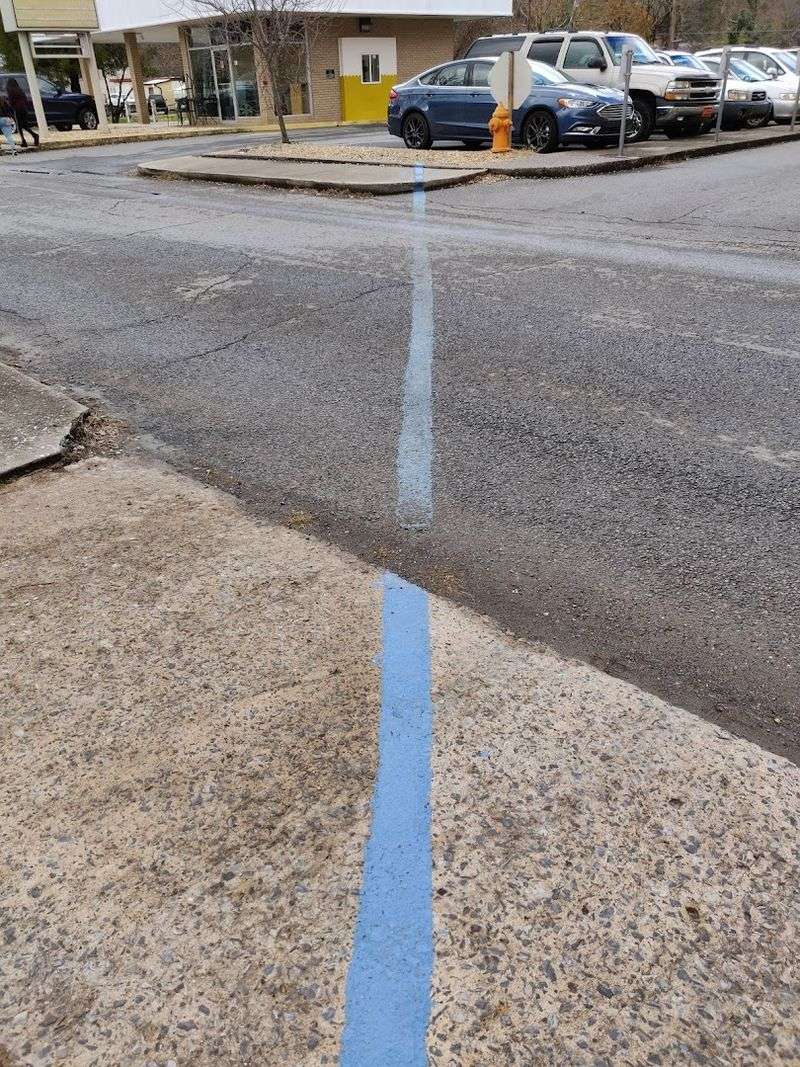
Right down the middle of the main drag, a bright blue line marks where Tennessee ends and Georgia begins. It’s painted on the pavement, impossible to miss, and absolutely irresistible. Visitors stop, straddle it, snap photos, and grin at the simple joy of being in two places at once.
The line isn’t some recent gimmick dreamed up by a tourism board. It follows the actual surveyed boundary between the two states, a border that was established long before anyone thought it would become a photo opportunity. But somewhere along the way, someone had the brilliant idea to make it visible, and the blue line was born.
Kids especially love it. They hop back and forth, shouting out which state they’re in with each jump. Adults aren’t much different, honestly—there’s something universally appealing about standing on a boundary, about being in two places simultaneously.
The line runs through the business district, past storefronts and cafes, marking the division that technically separates Copperhill from McCaysville. But walk around and you’ll realize the line is more symbolic than practical. Businesses on both sides serve customers from both states. Nobody checks IDs at the border.
What the blue line really represents is the shared identity of this place. It’s a reminder that borders can bring communities together rather than split them apart.
A Walkable Downtown Shared With Its Georgia Neighbor
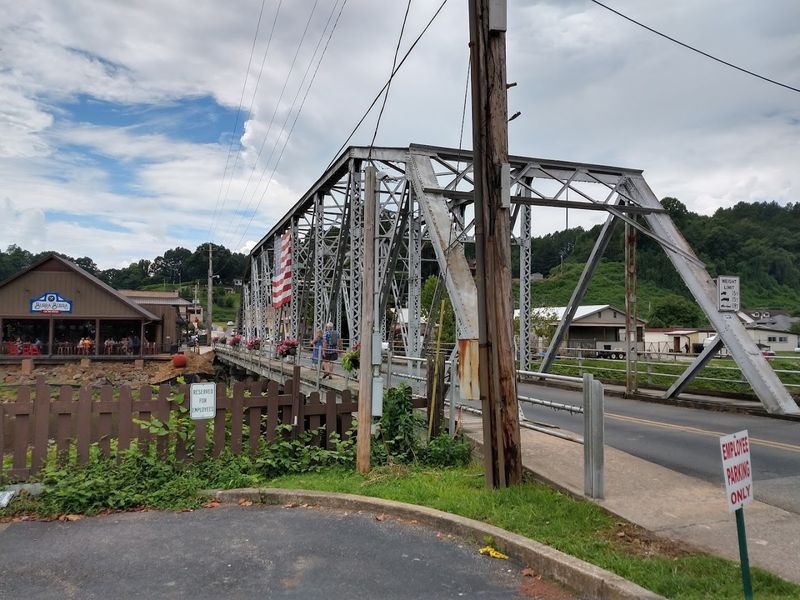
Downtown Copperhill doesn’t sprawl. You can walk the entire main commercial strip in about ten minutes, which is exactly the point. Everything sits within easy strolling distance: shops, restaurants, the river, and that famous blue line.
Park once and explore on foot, the way small towns are meant to be experienced.
The Tennessee side flows seamlessly into the Georgia side, creating one continuous downtown that just happens to cross state lines. Buildings from the early 1900s line both sides of the street, their brick facades telling stories of boom times when copper mining brought prosperity. Today, those same structures house locally owned businesses that give the area its character.
There’s no traffic to dodge, no complicated navigation required. The pace here is human-scale, designed for wandering rather than rushing. Stop in one shop, cross the street to another, pause to read a historical marker or admire the mountain views that frame every vista.
What you won’t find are the usual chain stores that make every American downtown look identical. The businesses here are the kind where owners know their regular customers by name. A cafe on the Tennessee side might have Georgia license plates in the parking lot. A shop in McCaysville draws Tennessee visitors across the line.
The walkability makes Copperhill perfect for a leisurely afternoon. Bring comfortable shoes, leave your agenda at home, and just see where your feet take you.
Window shopping leads to conversations with locals. Those conversations lead to recommendations. Before you know it, you’ve spent hours in a place you initially planned to breeze through, and you’re already thinking about when you’ll come back.
Historic Brick Buildings Tell the Story of Copperhill’s Mining Past
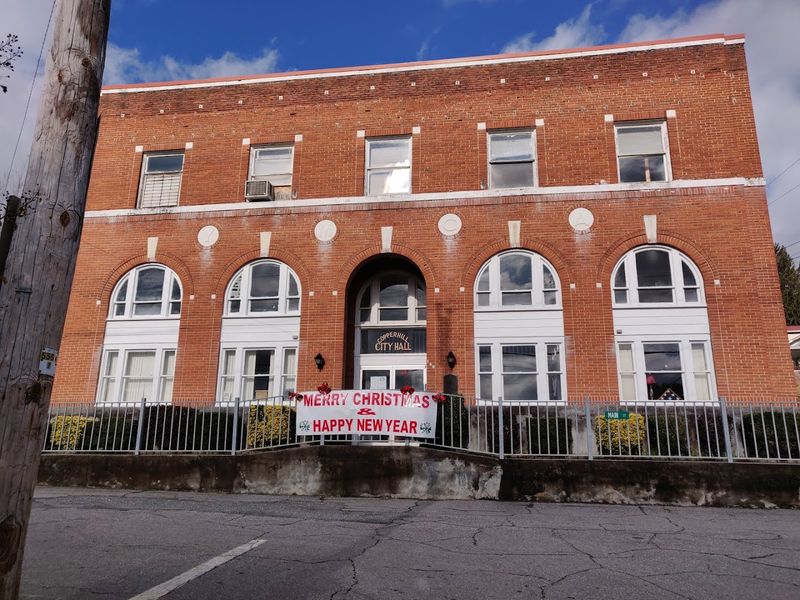
Copper built Copperhill, and the evidence still stands on every block. Sturdy brick buildings from the late 1800s and early 1900s line the streets, their architecture speaking to an era when this little town bustled with miners, merchants, and money. The Tennessee Copper Company operated nearby, and Copperhill served as the commercial heart for the entire mining district.
Look closely at these buildings and you’ll see craftsmanship that’s rare today. Detailed brickwork, high ceilings designed to keep interiors cool before air conditioning, and large windows that maximized natural light. These weren’t temporary structures thrown up quickly.
Builders expected them to last, and they have, surviving more than a century of Appalachian weather and economic ups and downs.
The mining boom eventually went bust, as mining booms always do. The smelters closed, the jobs dried up, and Copperhill had to reinvent itself. But those brick buildings remained, too solid to tear down, too valuable to abandon.
Today, they’ve found new life as shops, restaurants, and galleries, their bones strong enough to support whatever the next generation needs them to be.
Walking past these structures, you’re moving through layers of history. A building that once sold supplies to miners now sells antiques to tourists. A former bank building might house a cafe. The physical fabric of the past supports the present, creating continuity in a world that too often erases its history.
There’s beauty in these old bricks, in the way they’ve aged and weathered. They ground Copperhill in something real, giving the town weight and authenticity that new construction could never match.
Shops, Cafés, and Local Stops Give the Town Its Easy Charm
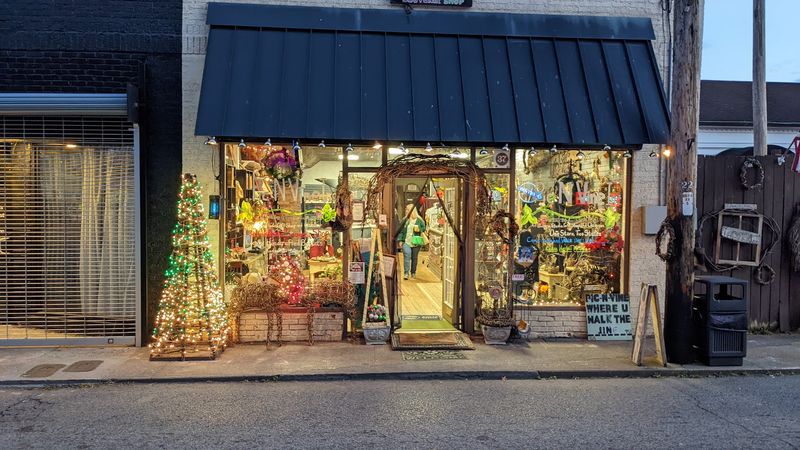
Forget the GPS-guided hunt for the perfect Instagram spot. Copperhill’s charm sneaks up on you through the ordinary details: a handwritten menu in a cafe window, the smell of fresh coffee drifting onto the sidewalk, a shop owner who actually looks up and says hello when you walk in. The businesses here aren’t trying to be quaint. They just are.
The shops tend toward antiques, local crafts, and the kind of odds-and-ends that make browsing worthwhile. You might find vintage mining equipment next to handmade quilts, old photographs beside new pottery. It’s the sort of eclectic mix that happens when stores aren’t following some corporate playbook.
Cafes and small restaurants offer the fuel you need for exploring, but they’re also gathering spots where locals catch up on news and visitors get recommendations. The food leans toward Southern comfort—nothing fancy, just done right. Coffee comes hot and strong. Service comes with conversation if you want it, silence if you don’t.
What makes these businesses special is their independence. Each one reflects the personality of whoever runs it. There’s no uniformity, no franchise consistency.
One shop might be meticulously organized, the next cheerfully cluttered. One cafe might specialize in breakfast, another in homemade pies.
This variety creates an experience that feels authentic rather than manufactured. You’re not moving through a carefully designed tourist attraction. You’re visiting a real town where real people run real businesses.
They were here before you arrived, and they’ll be here after you leave. That continuity, that sense of permanence, gives Copperhill a relaxed confidence that’s increasingly rare in places that depend on tourism.
The Toccoa-Ocoee River Adds a Scenic Mountain Backdrop
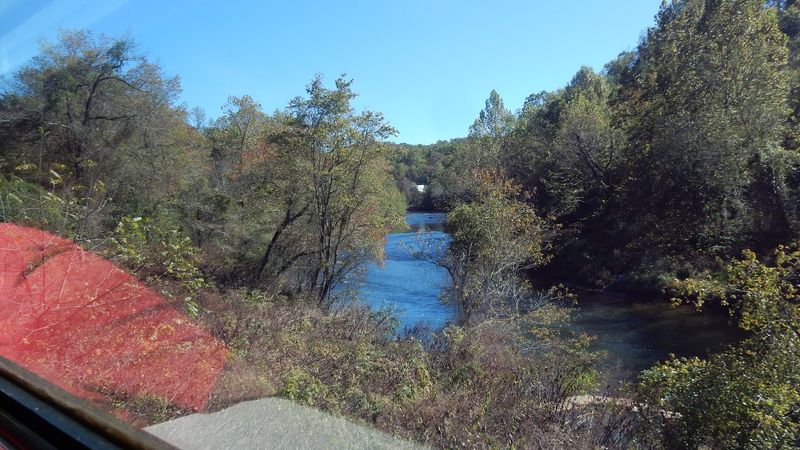
Rivers have a way of making everything better, and the Toccoa-Ocoee running near Copperhill proves the point. Depending on which side of the state line you’re standing, locals call it by different names, but it’s the same clear mountain water that adds life and movement to the landscape. The river cuts through the Appalachian foothills, creating scenery that shifts with the seasons.
You don’t have to be a hardcore outdoors enthusiast to appreciate what the river brings. Just seeing it from town, watching the water flow past against a backdrop of green mountains, adds dimension to the experience. It’s a reminder that Copperhill isn’t just about the border novelty—it sits in genuinely beautiful country.
The Ocoee section upstream is famous for whitewater rafting, having hosted Olympic events back in 1996. Copperhill gets the calmer stretches, where the river relaxes after its wild run through the rapids. This makes the local area more about peaceful views than adrenaline rushes, though plenty of outfitters operate nearby if you want to get on the water.
Mountains rise on all sides, covered in the kind of dense Appalachian forest that turns spectacular colors come fall. The river valley creates natural pathways through this terrain, and the water itself catches the light differently throughout the day, sometimes glinting silver, sometimes reflecting the deep green of the surrounding hills.
For a small town, having this kind of natural setting is like having a valuable painting hanging in your living room. It elevates everything. The river gives Copperhill context, placing it firmly in the southern Appalachians, making it more than just a border curiosity but a genuine mountain community.
Why Copperhill Is Worth a Stop on a Tennessee Road Trip
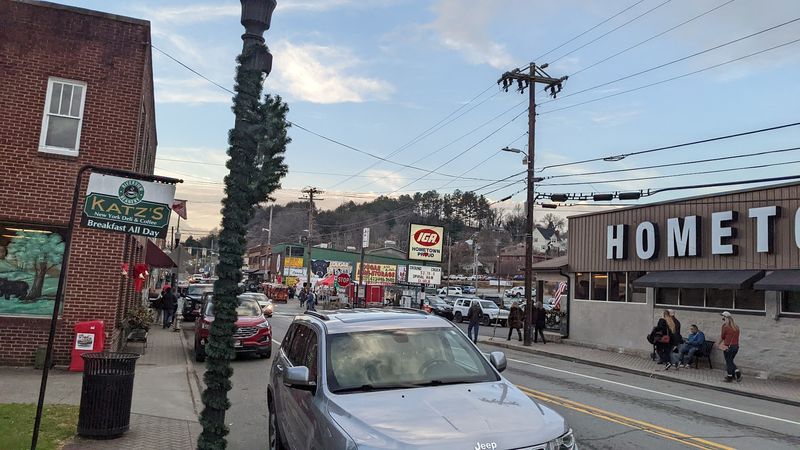
Road trips live or die by the stops you make, and Copperhill punches above its weight as a detour destination. It’s not going to fill an entire day, but that’s not what it’s trying to do. Think of it as a perfect two-hour break from highway monotony, a place to stretch your legs, grab a bite, and experience something genuinely different.
The town sits along the route between Chattanooga and the North Georgia mountains, making it a natural stopping point if you’re already headed that direction. But it’s worth a slight detour even if you’re not. The drive itself through the Appalachian foothills is scenic, and arriving in a town where you can stand in two states at once feels like a reward for taking the less-traveled road.
Unlike bigger tourist destinations that require planning, reservations, and commitment, Copperhill works on a whim. There’s no admission fee, no ticket required. Park and wander. Cross the state line a dozen times. Pop into whatever shops catch your eye.
The lack of commercialization is actually the selling point here. You won’t fight crowds or feel herded through some manufactured experience. Instead, you get an authentic glimpse of small-town Appalachian life, complete with historic architecture, mountain scenery, and that quirky border-straddling main street.
For travelers who collect unusual experiences rather than just checking off famous landmarks, Copperhill delivers. It’s the kind of place that reminds you why road trips beat flying—because the best discoveries often happen in towns you’ve never heard of, in places that don’t make the national travel magazines. Copperhill won’t change your life, but it might just be the most memorable stop on your Tennessee journey.