
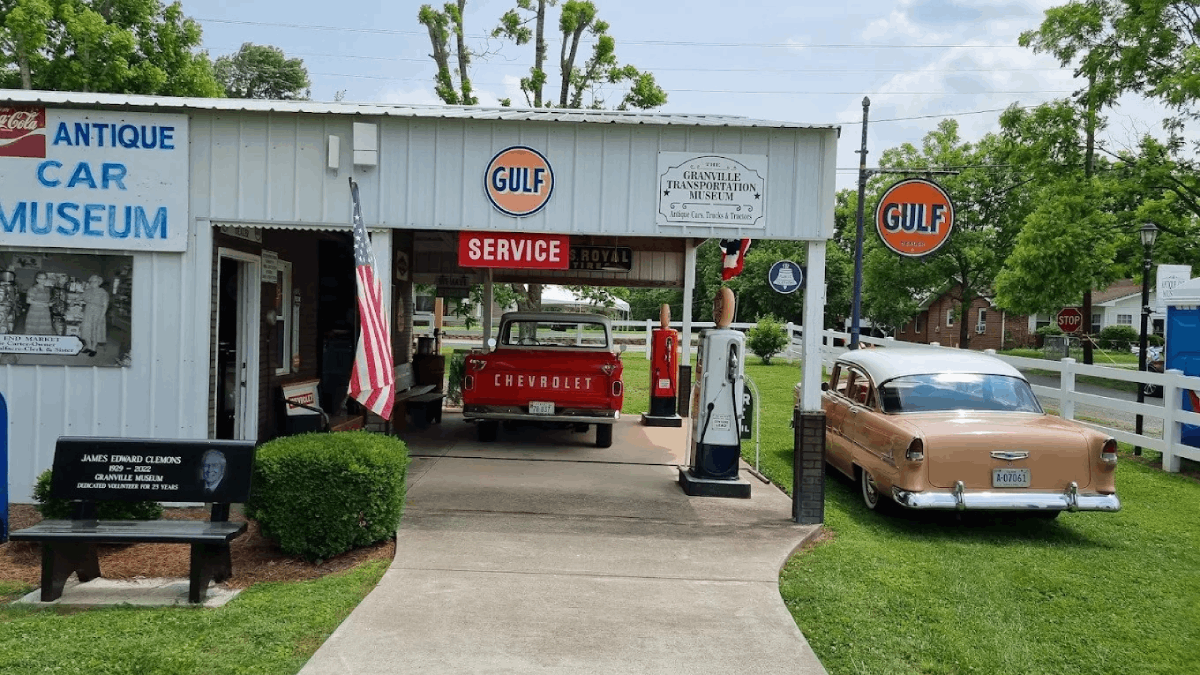
Tucked along the scenic Cumberland River in Jackson County, Granville offers visitors a rare chance to step back in time. This unincorporated community has preserved its small-town charm and nostalgic atmosphere, making it feel like a portal to the 1950s.
From classic diners serving comfort food to festivals celebrating local heritage, Granville provides an authentic escape from modern life that’s perfect for anyone seeking a simpler, slower pace and genuine Southern hospitality.
Welcome to Granville: Tennessee’s Living 1950s Time Capsule
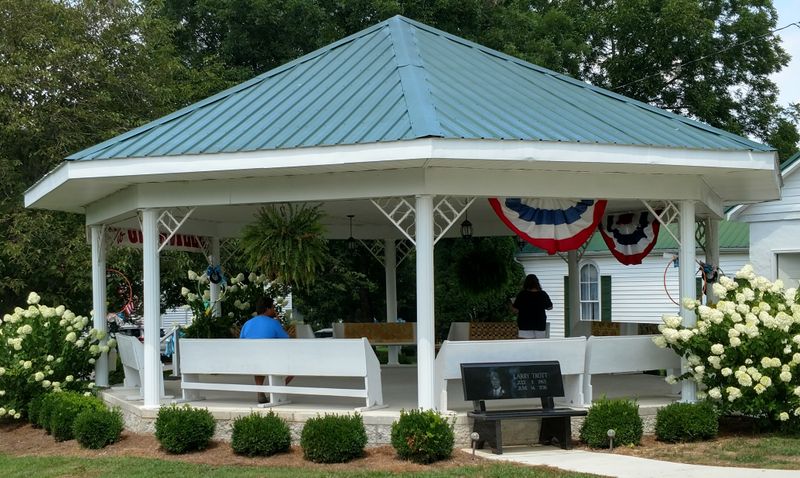
Granville sits on a peninsula surrounded on three sides by Cordell Hull Lake, a reservoir formed by the Cumberland River. This geographic isolation has helped the community maintain its authentic character over the decades. With a population that values tradition over trendy development, the town has avoided the commercialization that often changes small communities beyond recognition.
The birthplace of U.S. Senator Albert Gore Sr., Granville carries a proud legacy of political history and rural Tennessee values. Visitors arriving here notice immediately that life moves differently.
There are no chain restaurants or big-box stores to distract from the genuine experience of a mid-century American town.
The surrounding lake views create a peaceful backdrop that enhances the nostalgic atmosphere. Families who visit often remark that their children experience what life was like before smartphones and constant connectivity. Granville represents a living museum where history isn’t just preserved in buildings but in the community spirit itself.
A Main Street That Feels Frozen in Time
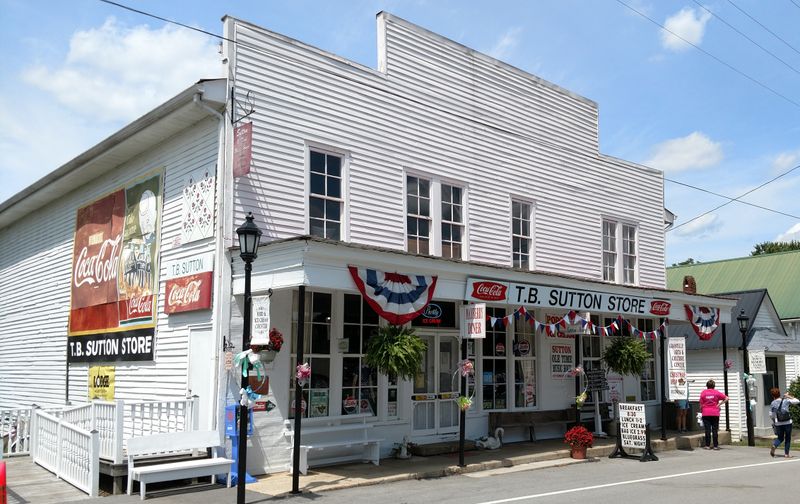
Walking down Granville’s main thoroughfare feels like stepping onto a movie set designed to capture post-war America. The storefronts retain their original facades, with hand-painted signs and architectural details that modern construction rarely includes. Antique shops line the street, their windows displaying treasures from decades past that locals have carefully preserved.
Unlike towns that have modernized their downtown areas, Granville has embraced its vintage character. You won’t find neon signs or contemporary glass buildings interrupting the historic streetscape. Instead, brick buildings with wooden awnings and traditional display windows create a cohesive visual experience that transports visitors backward through time.
Local business owners take pride in maintaining the authentic atmosphere. Many shops feature original tin ceilings, wooden floors, and vintage fixtures that have served the community for generations.
Classic Diners and Old-School Comfort Food
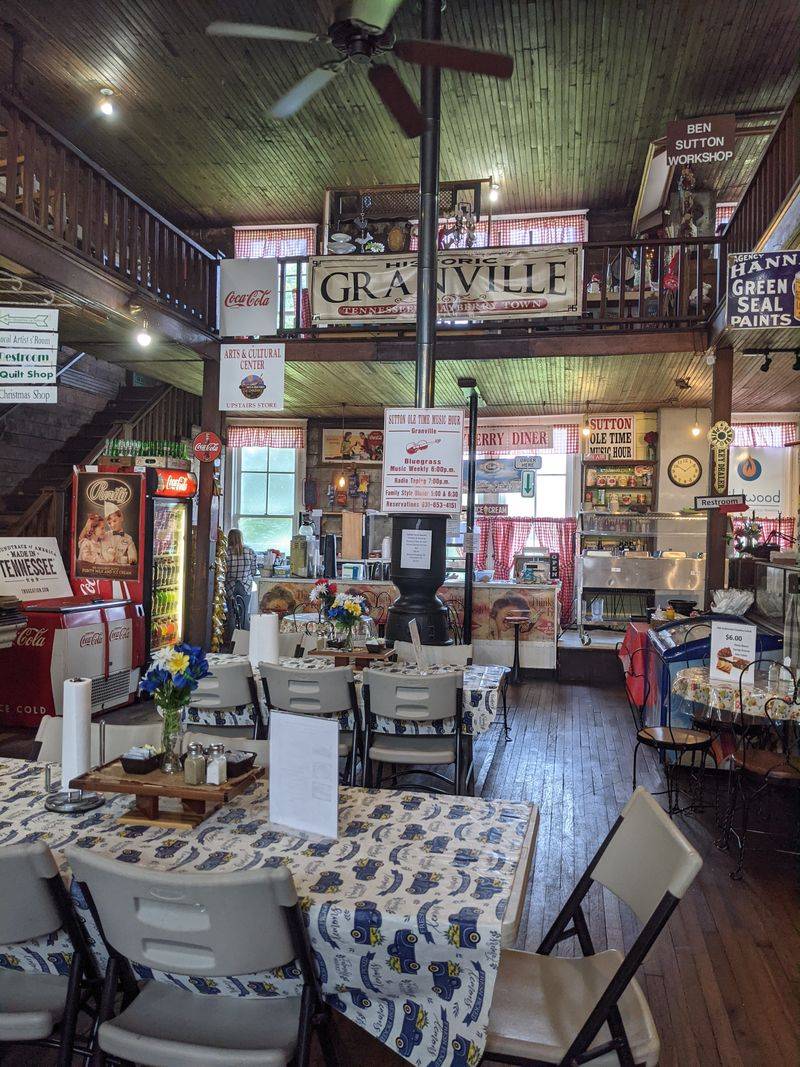
Food in Granville isn’t about farm-to-table trends or fusion cuisine. The local eateries serve straightforward Southern comfort food prepared the way grandmothers made it decades ago. Expect generous portions of fried chicken, meatloaf, mashed potatoes with real gravy, and vegetables cooked low and slow with proper seasoning.
The dining spaces themselves capture the 1950s aesthetic perfectly. Vinyl booths, Formica countertops, and vintage Coca-Cola memorabilia decorate the walls. Some establishments still use old-fashioned cash registers and handwrite orders on small notepads.
The waitstaff often know regular customers by name and remember their usual orders without asking.
Breakfast is particularly special, with fluffy biscuits made from scratch every morning, country ham, eggs cooked to order, and coffee served in heavy ceramic mugs. Lunch and dinner menus feature blue plate specials that change daily based on what’s fresh and seasonal.
Festivals That Bring the Town to Life
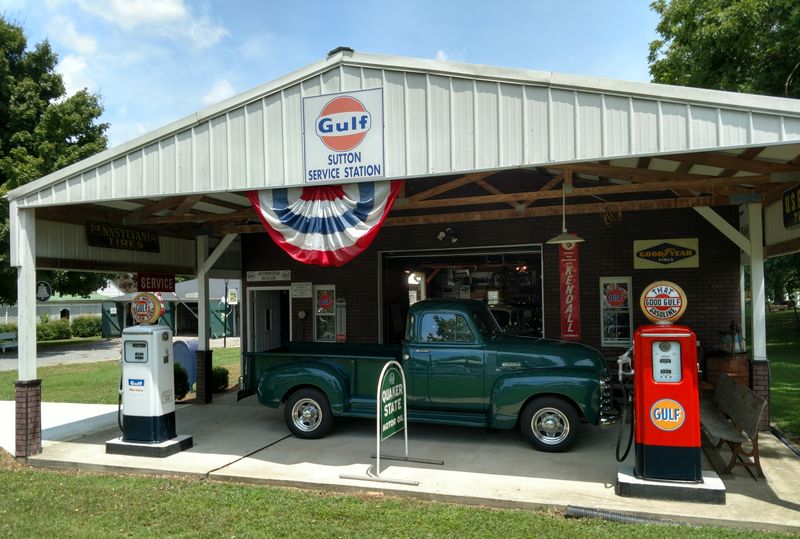
Throughout the year, Granville hosts festivals that celebrate its heritage and bring the community together. These aren’t large commercial events with corporate sponsors, but authentic gatherings where locals share their traditions with visitors. Heritage festivals showcase regional crafts, traditional music, and historical demonstrations that educate while entertaining families of all ages.
Classic car shows draw enthusiasts from across Tennessee who bring beautifully restored vehicles from the 1950s and earlier decades. Seeing these automobiles lined up along the Cumberland River creates a stunning visual that perfectly complements the town’s retro atmosphere.
Bluegrass gatherings feature local musicians playing traditional Appalachian music on porches and outdoor stages. The sound of fiddles, banjos, and mandolins fills the air as performers share songs passed down through generations. Seasonal celebrations mark harvest time, holidays, and community milestones with potluck dinners, square dancing, and old-fashioned games that encourage participation rather than passive observation.
Museums, Music, and Local History
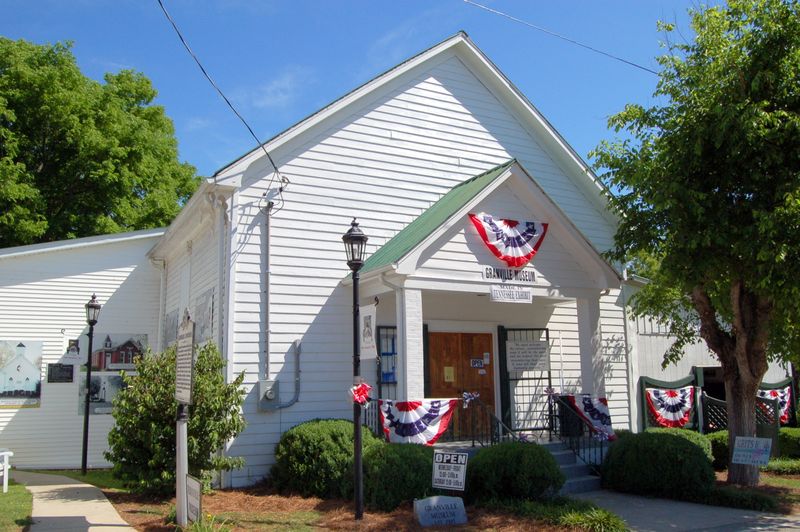
Granville’s commitment to preserving its past extends beyond maintaining old buildings. Local museums and historical societies work diligently to document and share the stories that shaped this riverside community. Exhibits feature photographs, artifacts, and personal accounts from residents who remember when Granville was even smaller and more isolated than today.
The connection to Senator Albert Gore Sr. provides an interesting political dimension to the town’s history. Learning about his journey from this rural beginning to national prominence offers insight into mid-century American politics and the values that shaped leadership during that era. Displays include campaign materials, photographs, and documents that chronicle his career and connection to the community.
Storytelling traditions remain strong, with older residents sharing memories during community gatherings and special events. These oral histories capture details about daily life, local characters, and significant moments that written records might miss.
Music also plays a crucial role in preserving culture, with traditional songs serving as living links to the area’s Scots-Irish and Appalachian roots that influenced settlement patterns throughout this region.
River Views and Small-Town Simplicity
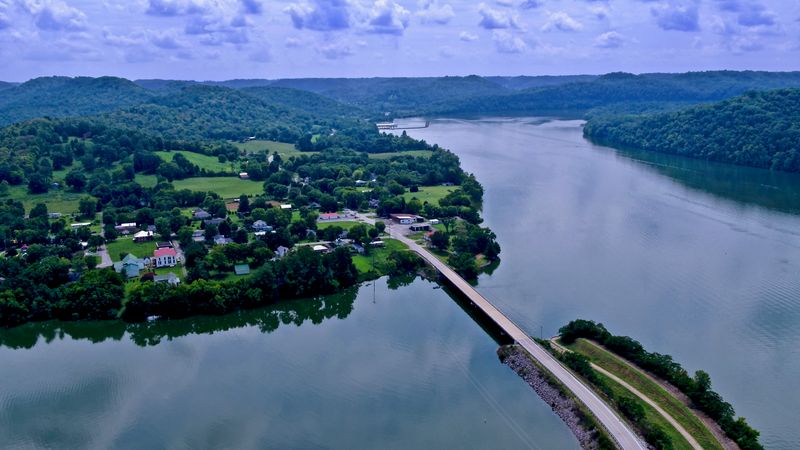
Cordell Hull Lake surrounds Granville on three sides, creating a natural boundary that enhances the sense of escape and seclusion. The water’s presence influences daily life, with fishing, boating, and lakeside relaxation forming common pastimes for residents and visitors alike. Sunrise and sunset over the Cumberland River provide spectacular displays that cost nothing but offer priceless memories.
The slower pace here allows people to actually notice their surroundings. Without traffic jams, constant noise, or endless commercial distractions, visitors find themselves relaxing in ways that feel increasingly rare in modern America. Conversations happen on porches and sidewalks rather than through screens.
This simplicity isn’t poverty or lack of development, but rather a conscious choice to preserve a lifestyle that prioritizes community connections over constant growth. Young families discover that children can safely ride bicycles around town, explore nature, and experience the independence that suburban neighborhoods rarely allow anymore.
Why Granville Is the Perfect Nostalgic Tennessee Getaway
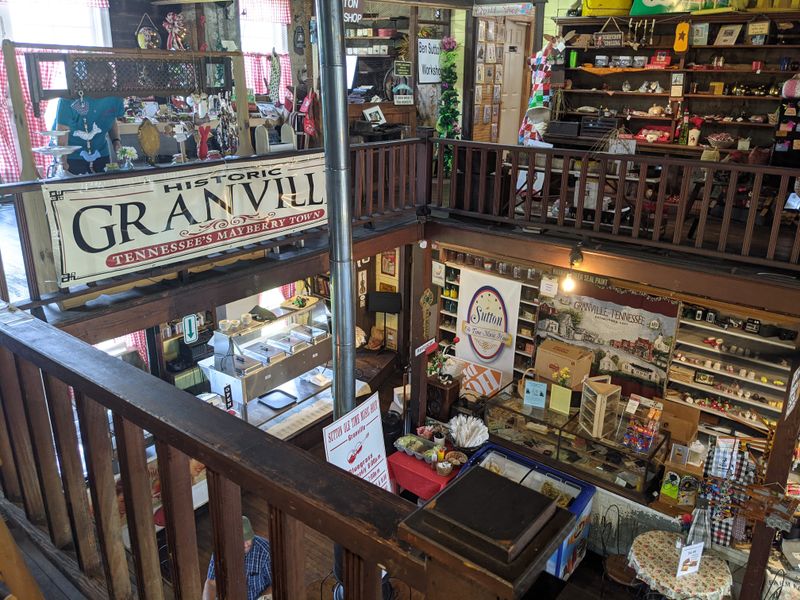
Planning a weekend escape to Granville offers something increasingly difficult to find: authentic disconnection from contemporary stress. The town’s genuine 1950s character isn’t manufactured for tourists but represents how the community actually lives. This authenticity creates an experience that feels refreshing rather than staged or artificial like some historical theme parks.
The riverside setting provides natural beauty without requiring extensive travel or expensive resort fees. Families find that children genuinely enjoy the simpler pleasures of exploring a small town, feeding ducks by the lake, and eating homemade pie at a classic diner.
History enthusiasts and lovers of retro Americana will find Granville particularly rewarding. The preserved architecture, vintage shops, and traditional festivals provide tangible connections to mid-century life that photographs and documentaries cannot replicate. Southern charm permeates every interaction, with locals welcoming visitors warmly and sharing stories that bring the town’s character to life.
A trip here reminds travelers what community truly means in an age when that word often feels hollow.