
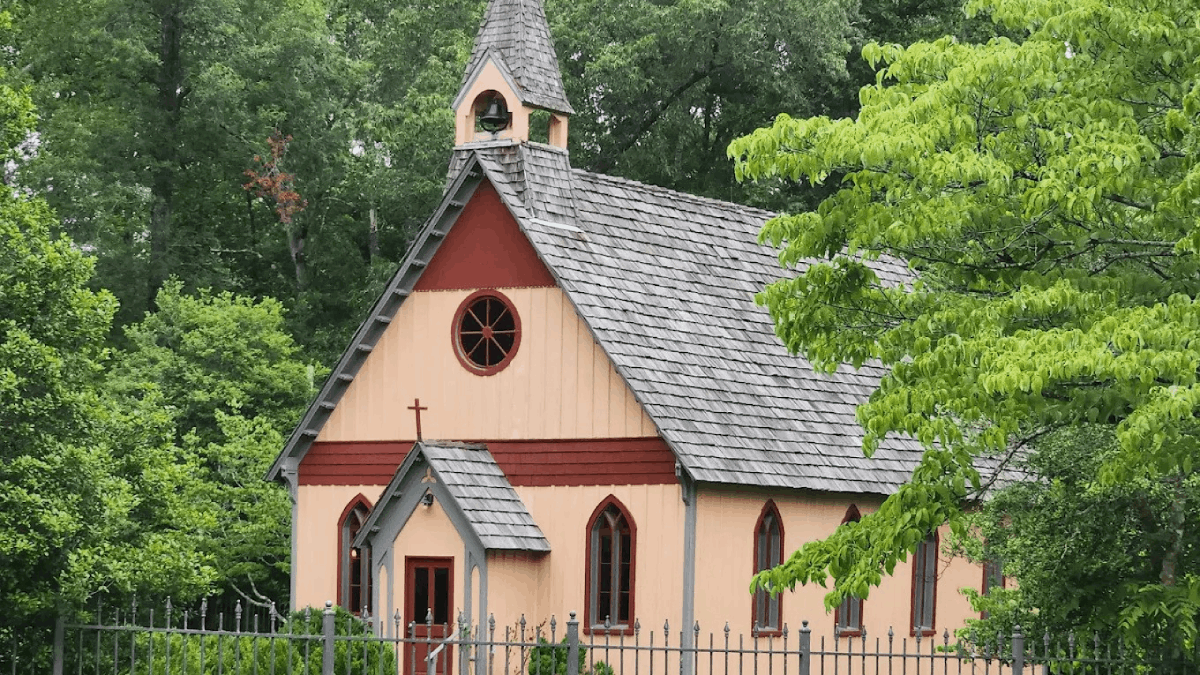
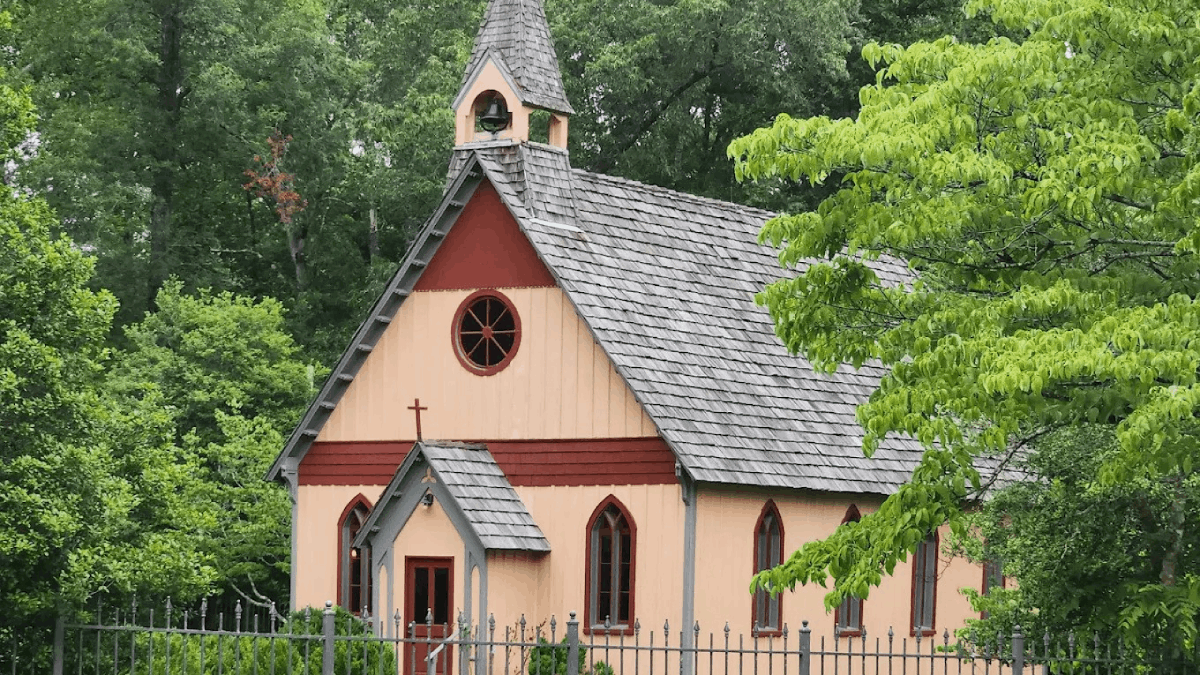
Tucked deep in the Cumberland Plateau, Rugby, Tennessee feels like a place time forgot. This tiny Victorian village was founded in 1880 as an experimental utopian colony by English author Thomas Hughes, and today it stands frozen in history with its original buildings, English charm, and quiet woodland beauty.
Most travelers zoom past on their way to bigger destinations, but those who stop discover a hidden gem worth every detour.
Where Is Rugby, Tennessee—and Why Do People Miss It?
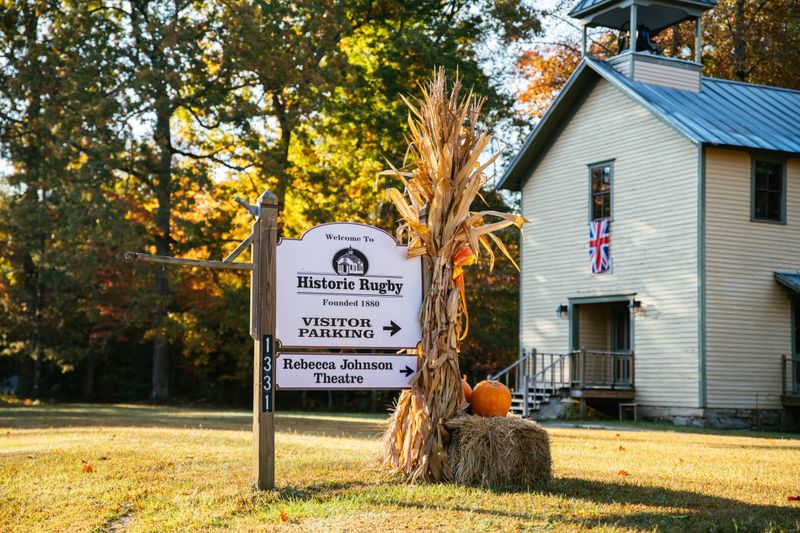
Rugby sits in the remote corner where Morgan and Scott counties meet, about two hours west of Knoxville. Most GPS apps will guide you through winding country roads lined with thick forests and farmland, which is exactly why so many people never make it here. There are no highway exits or billboards screaming for attention.
The town’s isolation is both its curse and its charm. Without commercial development or tourist traps nearby, Rugby has stayed remarkably authentic since the 1880s. You won’t stumble upon it by accident—getting here requires intention.
But that’s what makes discovery so rewarding. Visitors who seek out this hidden spot find themselves rewarded with peaceful streets, fascinating history, and landscapes that feel worlds away from modern Tennessee highways.
The Story Behind Rugby: Tennessee’s Victorian “Utopia” Town
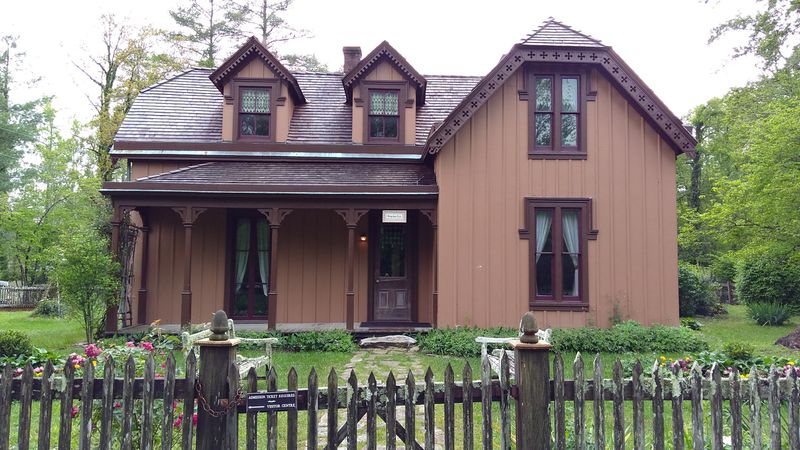
Thomas Hughes, famous for writing Tom Brown’s School Days, dreamed of creating a perfect society where younger sons of the English gentry could build new lives without the rigid class system back home. In 1880, he chose this remote Tennessee plateau and founded Rugby as an experimental colony. Hundreds of hopeful settlers arrived, building homes, churches, and even a grand library.
Unfortunately, harsh winters, typhoid outbreaks, and poor farming conditions crushed Hughes’s dream within a decade. Most colonists left, but a small community remained, preserving the original buildings and stories.
Today, Rugby stands as a living museum of that bold Victorian experiment. Walking its streets, you can almost hear the echoes of those ambitious pioneers who dared to build utopia in the wilderness.
First Impressions: What It’s Like to Step Into Another Century
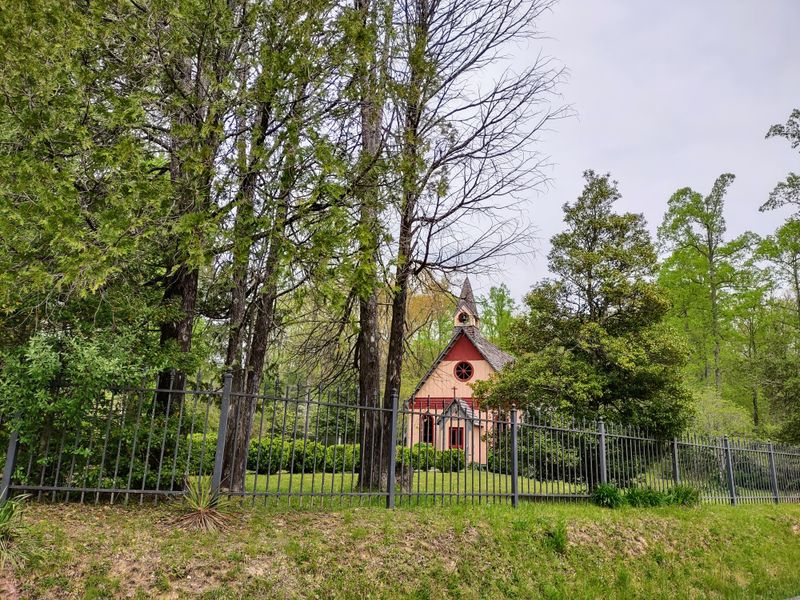
Arriving in Rugby feels like crossing an invisible threshold into the past. There are no strip malls, no chain restaurants, no modern storefronts—just weathered Victorian cottages with gingerbread trim, wide porches, and gardens blooming with old-fashioned flowers. The silence is striking, broken only by birdsong and rustling leaves.
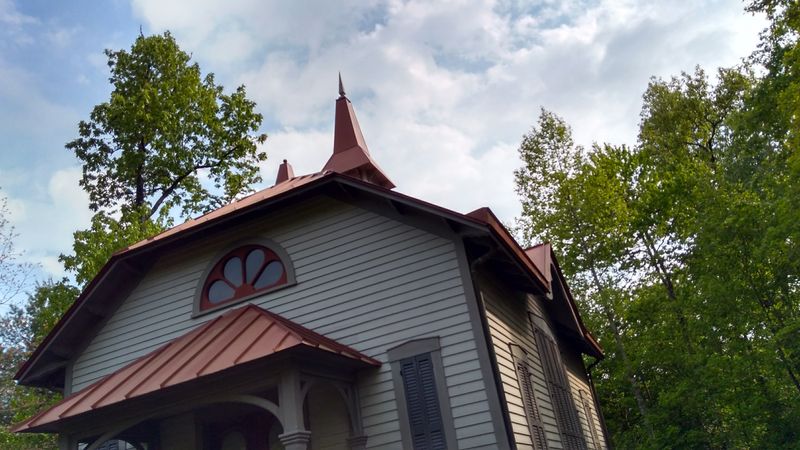
Many of the original 1880s structures still stand, lovingly restored but authentically aged. You might spot the Thomas Hughes Free Public Library, Christ Church Episcopal, or Kingstone Lisle—the founder’s own cottage. Everything feels smaller and simpler than modern life.
First-time visitors often describe a sense of peaceful disorientation, as though they’ve wandered onto a movie set. But this isn’t Hollywood—it’s real history, preserved through dedication and care by a community that refuses to let the past disappear.
The Can’t-Miss Stops: Historic Buildings, Tours, and the Town Center
Start at the Thomas Hughes Free Public Library, which still houses over 7,000 original Victorian-era books. Running your fingers along those aged spines connects you directly to the colonists who read them over a century ago.
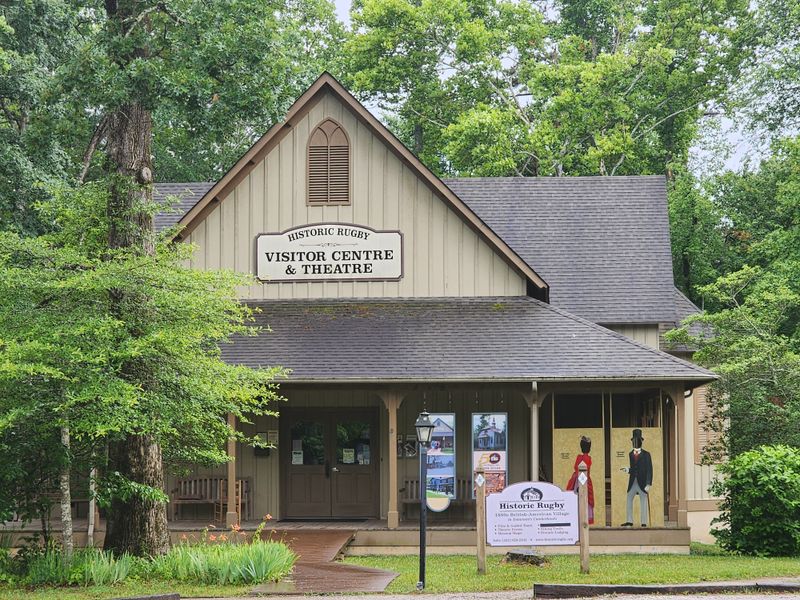
Christ Church Episcopal is another must-see, with its simple wooden pews and stained glass windows shipped from England. Kingstone Lisle, Hughes’s personal cottage, offers a glimpse into how the founder himself lived. The Schoolhouse Visitor Center provides maps, exhibits, and knowledgeable staff eager to share Rugby’s fascinating past.
Plan to spend at least two hours exploring these landmarks. Each building tells part of the larger story, and together they paint a vivid picture of Victorian ambition meeting Tennessee wilderness.
Nature Around Rugby: Trails, Bluffs, and Scenic Cumberland Plateau Views
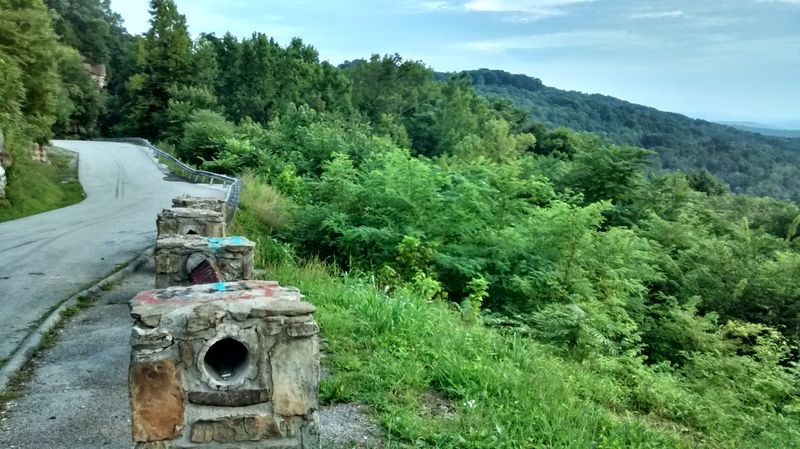
Beyond the historic village, Rugby’s natural surroundings offer stunning outdoor adventures. The Cumberland Plateau’s rugged terrain features dramatic bluffs, deep gorges, and miles of forested trails perfect for hiking and photography. The nearby Clear Fork River flows through pristine wilderness, ideal for kayaking or simply enjoying the sound of rushing water.
Rugby’s Trail System includes several marked paths ranging from easy strolls to challenging climbs. The views from overlooks are breathtaking, especially during fall when the forest explodes in orange, red, and gold.
Pack sturdy shoes and a camera—the landscape here remains as wild and untouched as it was when those Victorian pioneers first arrived. Nature lovers often say the scenery alone justifies the journey to this remote corner of Tennessee.
Best Things to Do in a Day Visit
Start your day with a guided walking tour—local guides share captivating stories that bring Rugby’s history to life in ways signs and brochures never could. Afterward, explore the library and church at your own pace, soaking in the authentic Victorian atmosphere. Photography enthusiasts will find endless charming angles and architectural details.
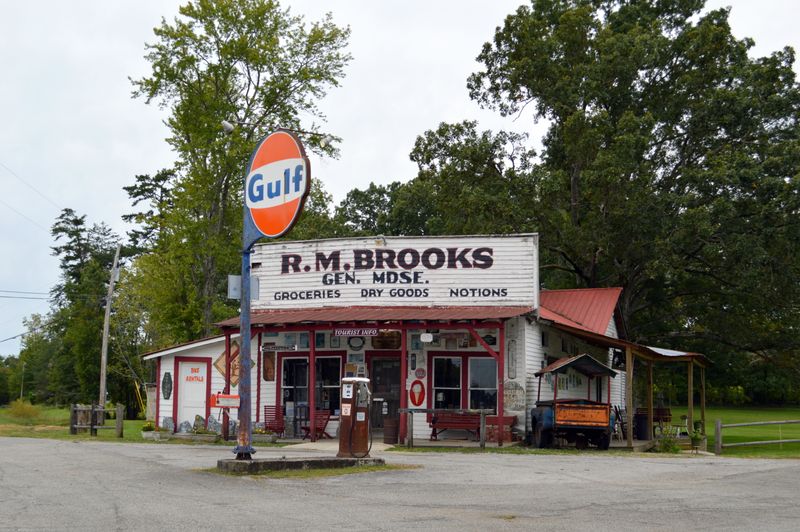
Mid-morning, take a short hike to nearby overlooks or stroll through the village gardens. Pack a picnic lunch to enjoy on the grounds, as dining options are extremely limited. Afternoon hours are perfect for browsing the gift shop for handmade crafts and local history books.
Before leaving, spend quiet moments simply sitting on a cottage porch, imagining what life was like for those brave settlers. A full day here moves slowly, deliberately—exactly as it should in a place where history still breathes.
Where to Eat and What to Pack (It’s Rustic in the Best Way)
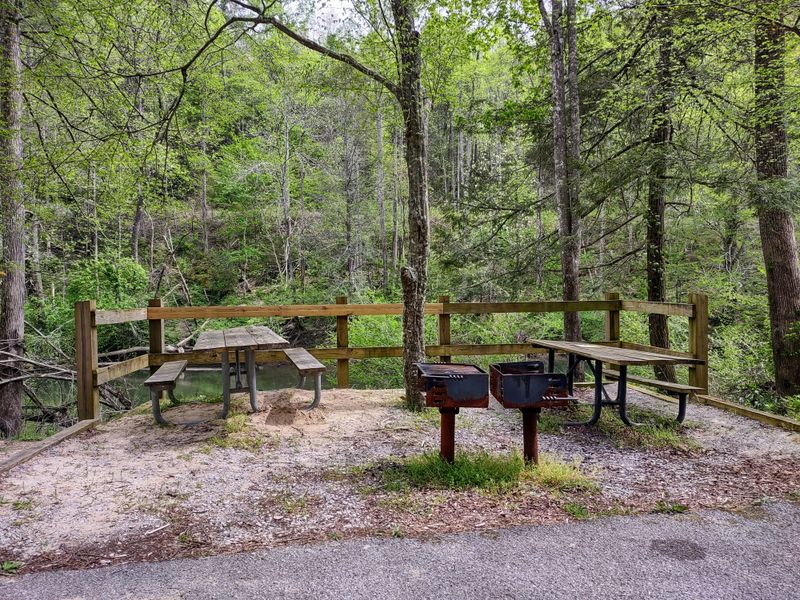
Rugby’s dining scene is practically nonexistent—and that’s part of its authentic charm.
Smart visitors pack their own food. Bring a cooler with sandwiches, snacks, and plenty of water, especially during summer months. The village grounds have lovely spots perfect for picnicking under shade trees. Don’t forget sunscreen, bug spray, and comfortable walking shoes.
This rustic simplicity is refreshing rather than frustrating once you adjust expectations. Rugby isn’t about convenience—it’s about stepping away from modern comforts to experience something rare and real. Come prepared, and you’ll appreciate the peaceful simplicity even more.
Tips Before You Visit Rugby
Cell phone service is spotty at best, so download maps and directions before leaving civilization. The Historic Rugby website lists current tour schedules and special events—check it before your trip since hours vary seasonally. Admission fees are modest and support preservation efforts, so bring cash or cards.
Dress in layers regardless of season; the plateau’s weather can shift quickly. If you’re interested in overnight stays, Rugby offers several restored Victorian cottages for rent. Spring through fall offers the best weather, though winter visits have their own stark beauty.
Most importantly, come with patience and curiosity. Rugby rewards slow exploration and genuine interest in history. This isn’t a place for rushed selfies and quick exits—it’s a destination that deserves your full attention and respect.