Albany sits in the rolling plains of West Texas like a living postcard from the Old West. With a population hovering around 1,800 people, this Shackelford County seat has preserved its frontier charm so well that stepping onto its streets feels like traveling back to the 1880s. The town’s authentic Western architecture, rich ranching heritage, and genuine cowboy culture make it one of the most unique small towns in the entire state.
1. Historic Downtown Architecture That Hasn’t Changed in Over a Century
Walking down Albany’s main street is like stepping onto an authentic Western film set, except everything around you is genuinely historic. The downtown district features original brick buildings from the late 1800s, many with their original facades, wooden awnings, and hand-painted signs that have weathered more than a hundred Texas summers.
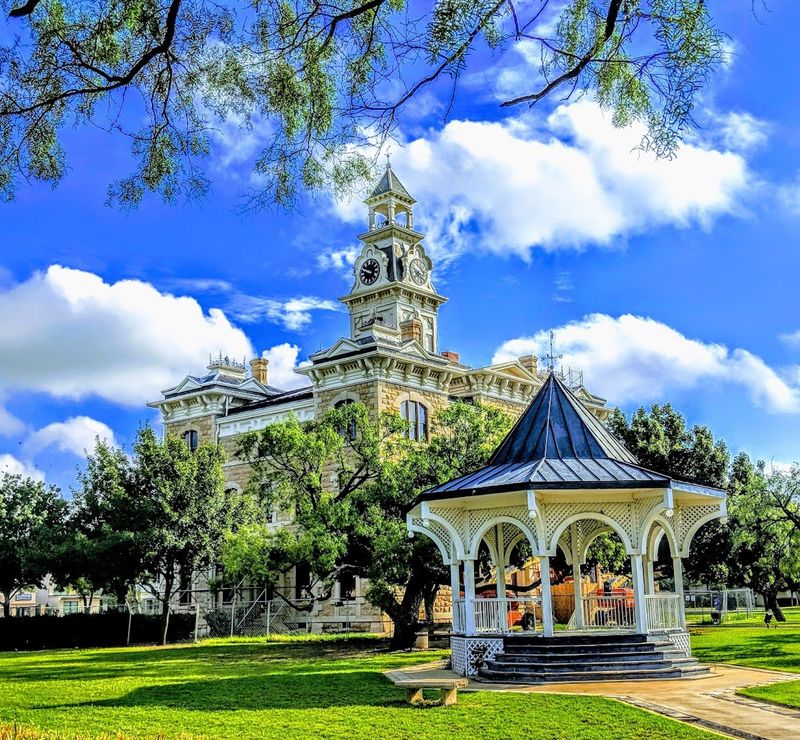
The Shackelford County Courthouse, built in 1883, anchors the town square with its elegant Second Empire style architecture. Red brick construction and a distinctive clock tower make it a stunning centerpiece that photographers absolutely love. Unlike many Texas courthouses that have been modernized, Albany’s remains remarkably true to its original design.
Several storefronts along the main drag still operate as working businesses, selling everything from ranch supplies to homemade goods. The Old Jail Art Center occupies a former 1878 jail building, blending culture with history in a way that feels completely natural. Original iron cells remain visible inside, creating a fascinating contrast with the fine art exhibitions.
What makes Albany’s architecture special isn’t just its age but its authenticity. There’s no Disney-fied recreation here, no theme park polish. These buildings have housed real ranchers, lawmen, and settlers who built West Texas from scratch.
The wear and patina only add to their genuine character and timeless appeal.
2. The Texas Forts Trail Runs Right Through Town
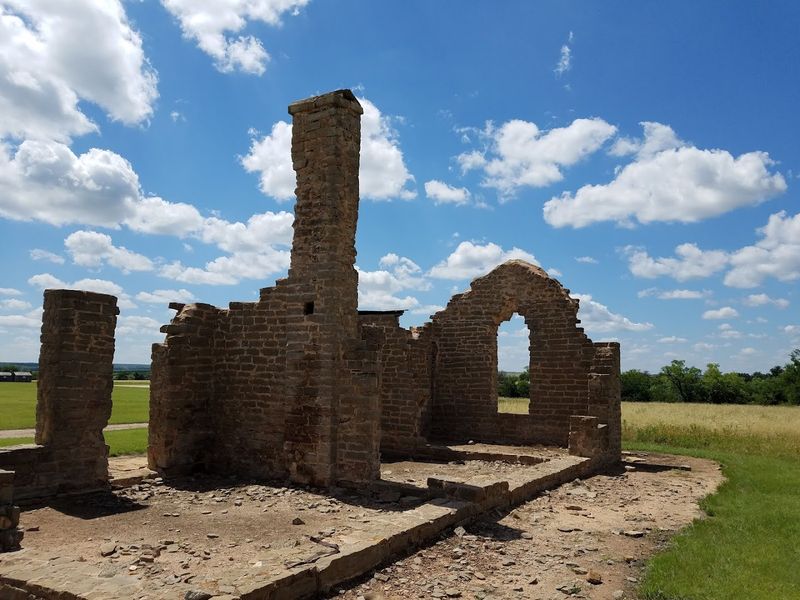
Albany occupies a strategic position along the Texas Forts Trail, a 650-mile scenic route connecting historic military posts across West Texas. Fort Griffin, located just 15 miles north, was one of the most important frontier outposts during the 1870s. The trail brings history buffs and road-trippers through Albany’s streets, turning the town into a living museum of frontier defense.
Fort Griffin State Historic Site preserves the remains of the military post that once protected settlers from Comanche raids. The fort’s ruins, along with a restored longhorn herd that roams the grounds, transport visitors back to the dangerous days of westward expansion. Rangers in period costume often demonstrate frontier skills and share stories of cavalry life.
The connection between Albany and Fort Griffin runs deep in local memory. Many Albany families descended from soldiers, scouts, and civilians who lived at or near the fort during its active years. This isn’t just tourist history; it’s woven into the town’s DNA and still shapes community identity today.
Following the Forts Trail through Albany reveals layers of frontier history beyond just military installations. You’ll discover stories of buffalo hunters, cattle drives, and the transformation of wild prairie into ranch country. The journey contextualizes Albany within the broader saga of how Texas was settled and civilized during its wildest era.
3. Working Ranches Surrounding Every Side of Town
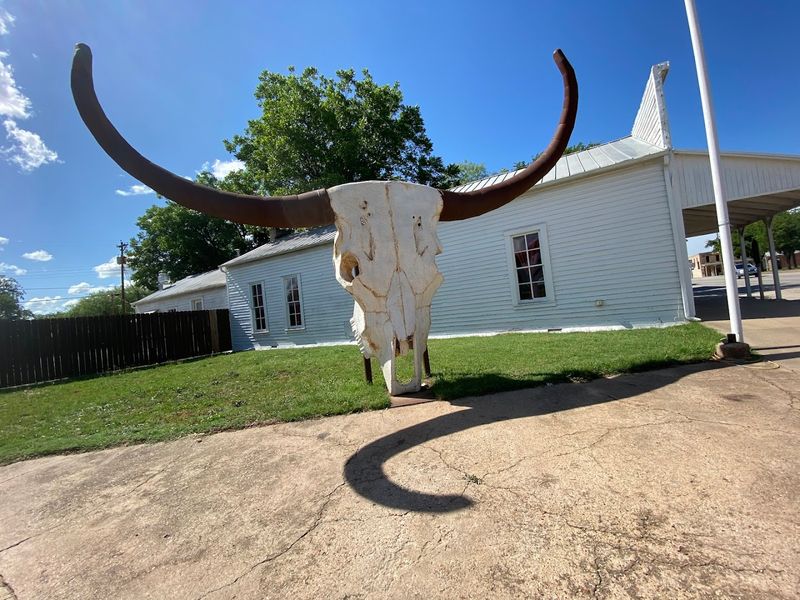
Albany doesn’t just look like the Old West; it still operates like it. Working cattle ranches stretch in every direction from town limits, with some spreads running tens of thousands of acres. This isn’t recreational ranching or hobby farming—these are serious operations that have been family-owned for generations, some since the 1870s.
The ranching culture influences everything in Albany, from the pickup trucks lining Main Street to the Western wear that’s everyday attire, not costume. You’ll see real cowboys grabbing breakfast at local cafes before heading out to check fences or move cattle. Their weathered hats and worn boots tell stories of actual work, not fashion statements.
Several historic ranches near Albany have achieved legendary status in Texas ranching circles. The Nail Ranch, established in 1875, and the Matthews Ranch represent multigenerational family operations that helped define Texas cattle culture. These aren’t museums; they’re active businesses still shaping the region’s economy and character.
Ranch life dictates Albany’s rhythm and values. Conversations revolve around rainfall, cattle prices, and pasture conditions. The town’s businesses cater to ranching needs, from feed stores to veterinary services.
This agricultural foundation keeps Albany authentic and connected to the land in ways most Texas towns have long since lost to suburban sprawl.
4. The Old Jail Art Center Houses Surprising World-Class Collections
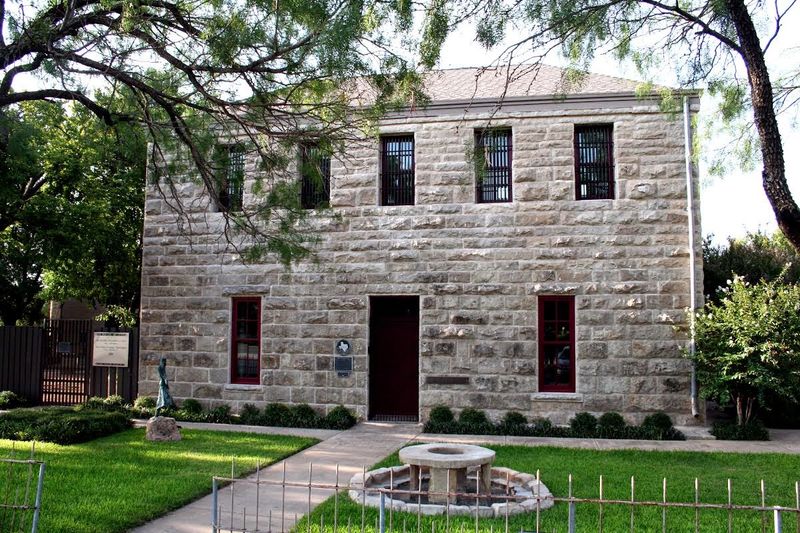
Nobody expects to find museum-quality fine art in a town of 1,800 people, which makes the Old Jail Art Center one of Texas’s best-kept cultural secrets. Housed in the town’s former 1878 stone jail, this accredited museum displays works by artists like Modigliani, Picasso, and Henry Moore alongside contemporary pieces and regional art.
The collection began when local philanthropist Reilly Nail started donating significant artworks to her hometown in the 1970s. Her vision transformed a crumbling jail into a cultural destination that draws art lovers from across the country. The contrast between rough stone walls and refined masterpieces creates an unforgettable viewing experience you won’t find in conventional galleries.
Beyond the permanent collection, the Old Jail regularly rotates exhibitions featuring both established and emerging artists. Educational programs bring school groups from surrounding counties, exposing rural students to world-class art they might never otherwise encounter. The museum proves that cultural sophistication and small-town Texas aren’t mutually exclusive.
Walking through original jail cells now filled with sculptures and paintings feels surreal in the best way. The building’s history as a frontier lockup adds layers of meaning to contemporary art installations. This unexpected juxtaposition—high culture in a rough-hewn Western setting—perfectly captures Albany’s unique character and refusal to fit convenient stereotypes about small Texas towns.
5. The Fandangle Outdoor Musical Brings the Frontier to Life Every Summer
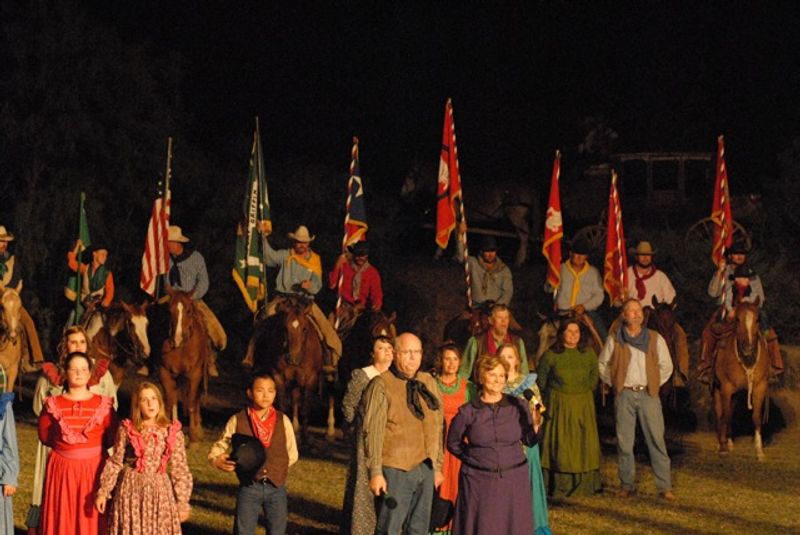
Every June since 1938, Albany has staged the Fandangle, an outdoor musical production celebrating frontier life with a cast of local volunteers. This isn’t professional theater—it’s community storytelling on a grand scale, with ranchers, teachers, and business owners performing alongside their neighbors under the stars. The production runs two weekends and regularly sells out all performances.
The Fandangle unfolds in Prairie Theater, an outdoor amphitheater specifically built for the show. Acts feature square dancing, folk songs, fiddle music, and dramatic vignettes depicting pioneer struggles and triumphs. Elaborate period costumes, live horses, and authentic props create an immersive experience that feels more like time travel than theater.
What makes the Fandangle special is its genuine community roots. Families pass down roles through generations, with grandchildren performing parts their grandparents once played. The show preserves local history and traditions while creating new memories, strengthening bonds between Albany residents in ways few modern communities still experience.
Attending a Fandangle performance means sitting on wooden benches as twilight falls over the prairie, watching your neighbors recreate the world their ancestors built. The amateur nature only enhances the authenticity—these aren’t actors playing cowboys, they’re cowboys playing their own great-grandparents. It’s living history performed by the people who actually live it, making it one of Texas’s most unique cultural traditions.
6. Main Street Looks Exactly Like Classic Western Films
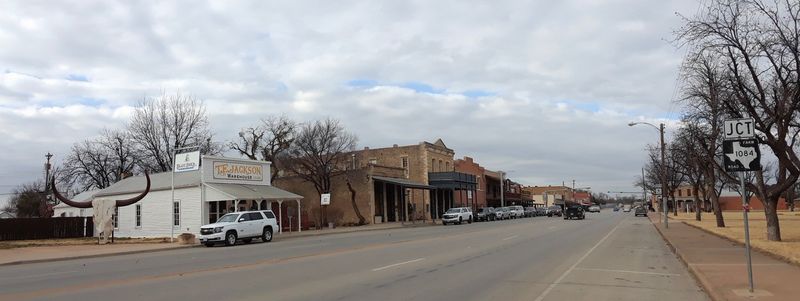
Film location scouts have repeatedly visited Albany because its Main Street possesses that increasingly rare quality: complete authenticity. Wide dirt parking areas flank the central business district, wooden boardwalks run along storefronts, and the scale of buildings matches the 1880s perfectly. Modern intrusions like chain stores and garish signage are blissfully absent.
The street’s layout follows the classic Western town pattern, with facing rows of two-story commercial buildings creating a corridor effect. Original hitching posts still stand outside several establishments, though they now secure the occasional horse ridden in from nearby ranches. The visual coherence is remarkable—nothing breaks the historical illusion.
Several businesses maintain period-appropriate signage and window displays that enhance the Old West atmosphere. The absence of modern franchises means local establishments dominate, each with distinct character reflecting individual ownership. You won’t find cookie-cutter corporate branding destroying the town’s visual integrity.
Photographers and artists flock to Albany specifically to capture this unspoiled Western streetscape. Early morning and late afternoon light creates dramatic shadows across the brick facades, while storm clouds building over the prairie add cinematic drama. The town hasn’t been preserved as a museum piece—it simply never changed much, maintaining its original character through economic isolation that accidentally protected its heritage better than any historic preservation ordinance ever could.
7. Wide Open Prairie Surrounds the Town Like an Ocean
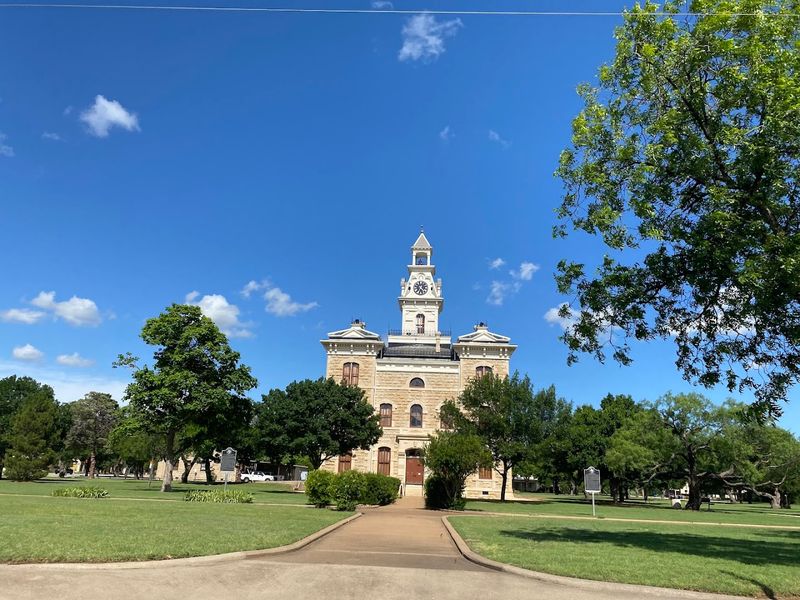
Albany sits in the middle of the Rolling Plains, where the landscape stretches to the horizon in every direction with minimal interruption. This isn’t the flat, featureless prairie of the Panhandle—it’s gently rolling terrain covered in native grasses, mesquite, and prickly pear that shifts color with the seasons. The sense of space is overwhelming and magnificent.
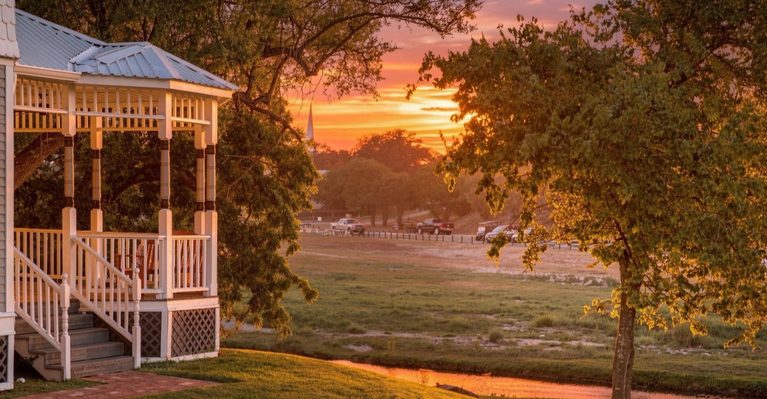
The big sky phenomenon is real here, with weather systems visible for dozens of miles as they approach across the plains. Thunderstorms build into towering columns of clouds that dwarf everything beneath them. Sunsets paint the entire western sky in layers of orange, pink, and purple that seem to last forever.
This openness shaped everything about frontier Albany. Early settlers could see danger approaching from miles away, whether hostile raiders or devastating prairie fires. The same visibility that provided security also emphasized isolation and vulnerability.
Understanding this landscape helps you comprehend the courage required to settle here in the 1870s.
Modern Albany maintains this connection to open country that most Texas towns have lost to development. You can still stand on Main Street and see unbroken prairie beginning just blocks away. The land feels wild and untamed despite more than a century of ranching.
This proximity to genuine wilderness keeps Albany grounded in the realities that shaped its character—space, weather, and the humbling power of nature.
8. The Town Square Courthouse Lawn Hosts Real Community Gatherings
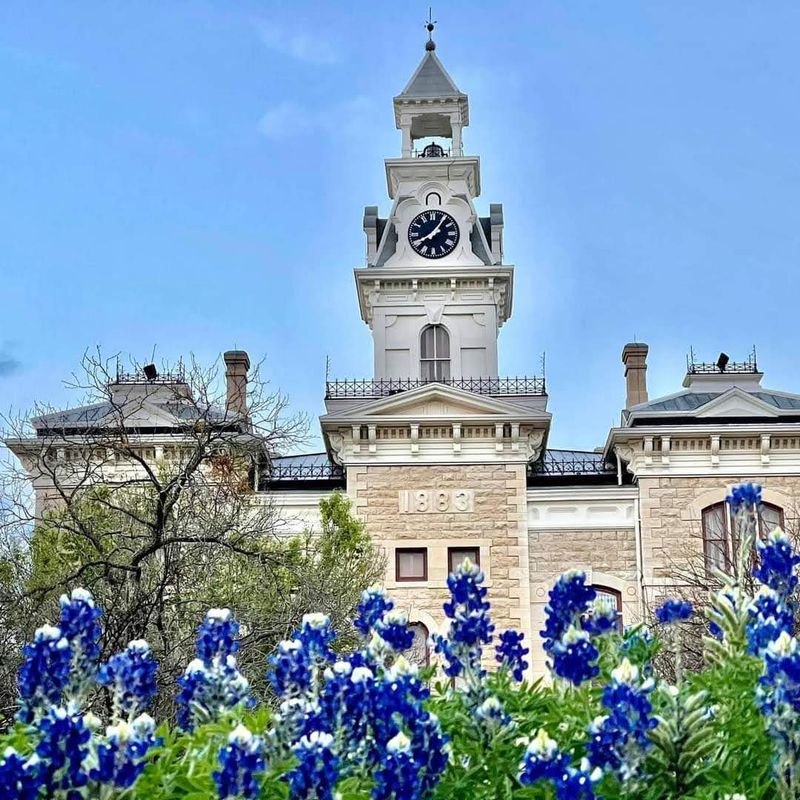
The courthouse lawn in Albany functions as it did 140 years ago—as the town’s central gathering place where community life unfolds. Unlike many Texas towns where courthouse squares became mere parking lots, Albany’s remains an active social hub. People actually use the benches, walk the paths, and congregate under the shade trees for conversation.
Community events naturally gravitate to this space, from holiday celebrations to informal weekend gatherings. The lawn provides neutral ground where ranchers, artists, business owners, and retirees mix freely. This physical commons creates social connections that fragmented modern towns struggle to maintain through digital means.
The courthouse itself, still functioning as the seat of county government, adds gravitas to the square. Seeing the 1883 building actively used for its original purpose reinforces continuity with the past. County business conducted in the same rooms where frontier judges once presided creates tangible links across generations.
What strikes visitors is how naturally Albany residents use this space without self-consciousness or performance. It’s not a preserved historic site they visit occasionally—it’s their town square where real life happens. Kids play on the grass while parents chat nearby.
Older residents claim favorite benches for morning coffee and news exchange. This unpretentious, authentic use of public space demonstrates community health that no amount of urban planning can manufacture. The courthouse square works because Albany never stopped using it.
Share this story