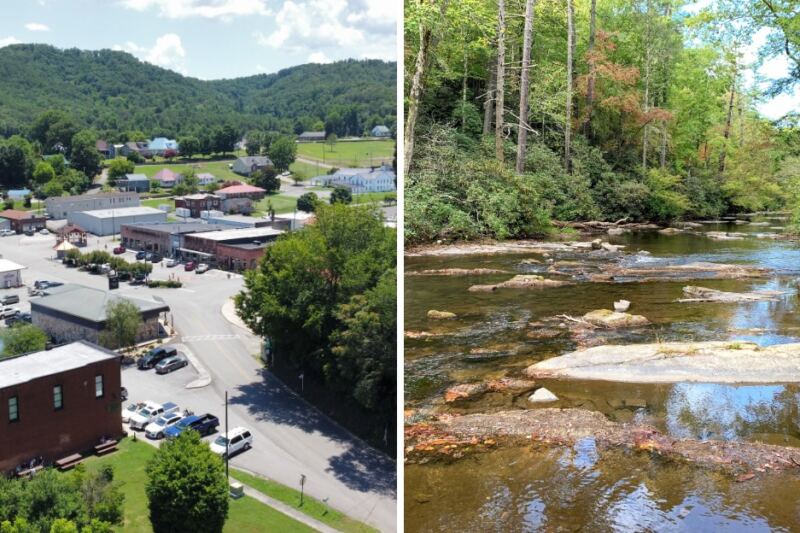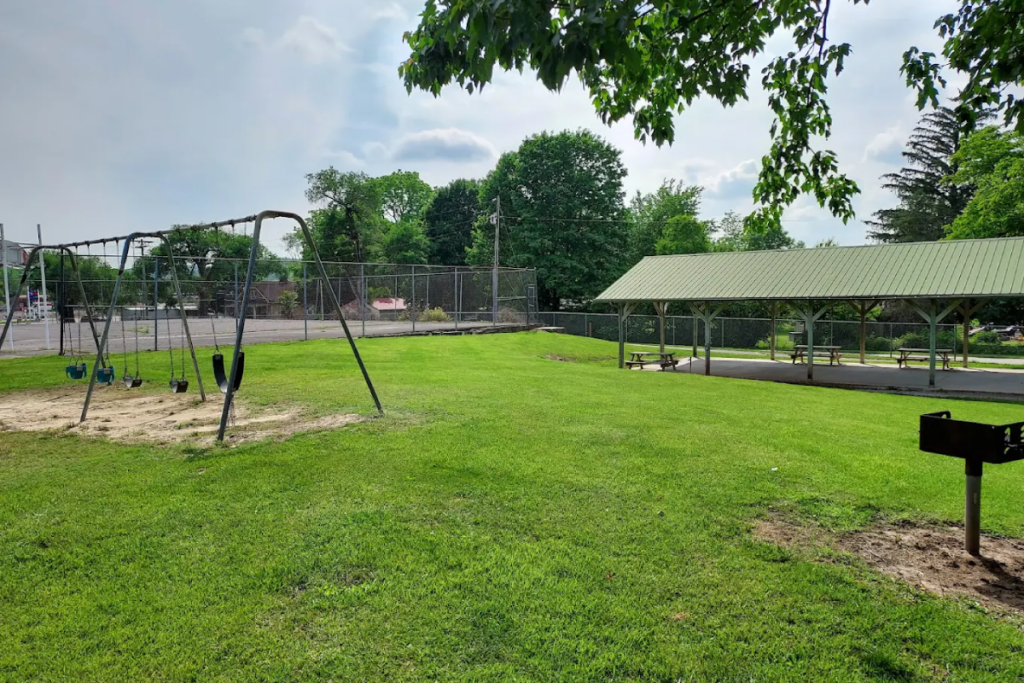
Tucked into the rugged folds of the Cumberland Plateau, Crab Orchard is one of those Tennessee towns that barely registers on most travel radars. With a population hovering around 700, it’s easy to overlook this quiet community as just another dot on the map.
But those who take the time to explore discover something unexpected: a gateway to some of the wildest and most dramatic landscapes Tennessee has to offer, plus a story written in stone that stretches back more than a century.
This Tiny Tennessee Town Sits Beneath Dramatic Mountain Cliffs
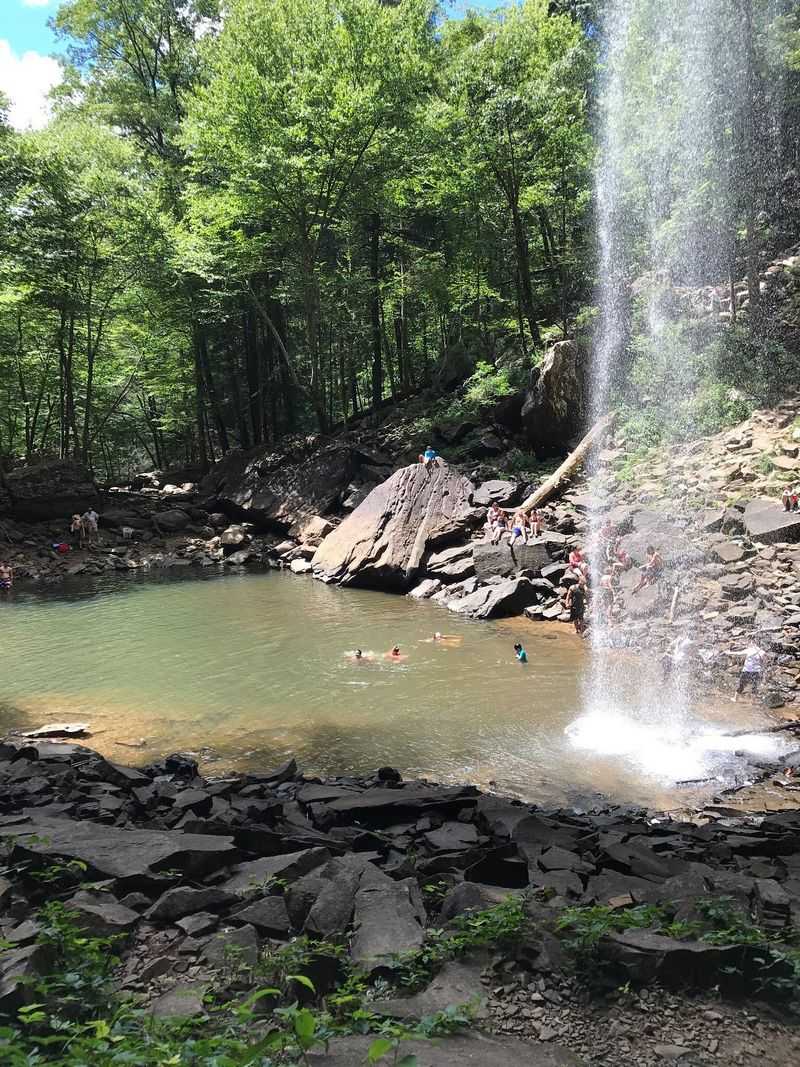
Crab Orchard occupies a landscape that feels like nature decided to put on a show. The town rests in the shadow of towering cliffs and ridgelines that form part of the Cumberland Plateau, a massive geological formation that defines much of eastern Tennessee.
These aren’t gentle rolling hills. They’re rugged, layered rock faces that rise abruptly from the valley floor, creating a dramatic backdrop that changes with the light throughout the day.
The cliffs themselves are composed of ancient sandstone, carved over millions of years by water and weather into striking formations. Morning fog often clings to the rock faces, giving the whole area an almost mysterious feel.
By afternoon, sunlight catches the warm tones in the stone, turning the cliffs into glowing walls of amber and rust.
For visitors driving into town, the scenery announces itself long before any welcome sign does. The approach reveals layers of forested ridges stacked against the sky, with exposed rock faces breaking through the green canopy. It’s the kind of view that makes you slow down and reach for your camera.
What makes this setting even more special is how accessible it remains. Unlike some mountain towns that feel crowded or overdeveloped, Crab Orchard has kept its small-town character intact.
The dramatic natural setting hasn’t been diluted by strip malls or chain restaurants. Instead, the wilderness still feels like it’s right at the doorstep.
Local residents have grown up with these cliffs as constant companions, but they never seem to take them for granted. The rock formations aren’t just scenery here.
They’re woven into the community’s identity, shaping both the landscape and the local economy for generations. The relationship between town and terrain runs deep in Crab Orchard, creating a sense of place that’s hard to find in more developed areas.
Crab Orchard Stone Helped Put The Community On The Map
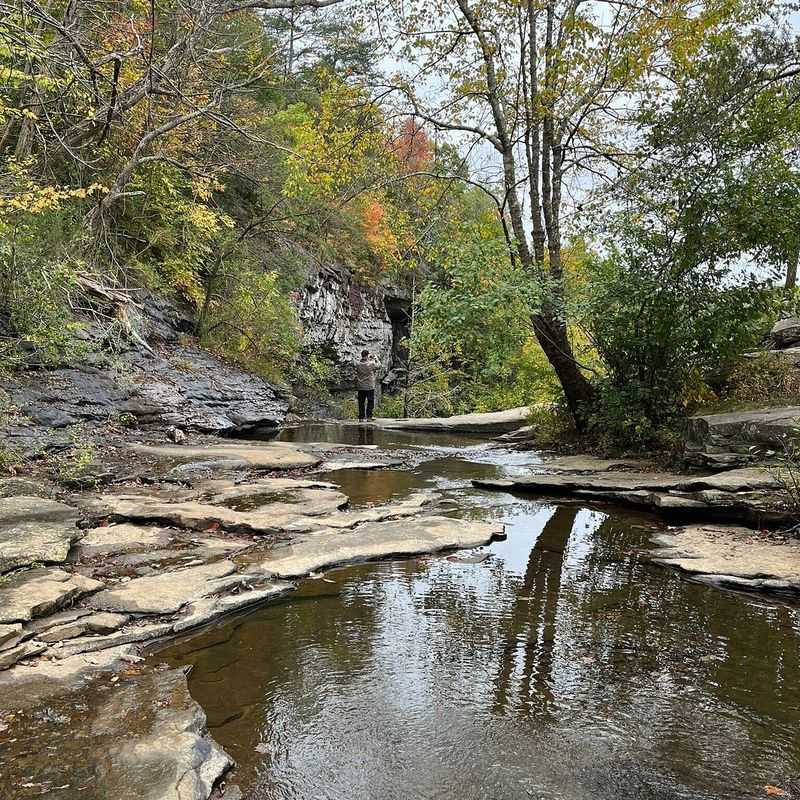
Long before anyone thought about tourism or scenic byways, Crab Orchard built its reputation on something solid: the stone that bears its name. Crab Orchard Stone isn’t just any rock.
It’s a distinctive sandstone prized for its beautiful color variations and durability, quarried from the very cliffs that tower over the town. The stone became famous across the country, finding its way into significant buildings and landmarks far beyond Tennessee’s borders.
The quarrying industry took off in the early twentieth century when builders and architects discovered what made this stone special. Its layers display stunning combinations of colors, from deep browns and reds to soft grays and even hints of purple.
Each piece tells a geological story millions of years in the making. The stone proved perfect for everything from building facades to decorative stonework.
At its peak, the local stone industry employed a significant portion of the town’s population. Skilled stonecutters and quarry workers developed techniques passed down through families.
The work was demanding and sometimes dangerous, but it provided good wages and gave the community an identity beyond its small size.
You can find Crab Orchard Stone in some impressive places. It was used in the construction of buildings at the Smithsonian Institution, various university campuses, and government buildings across multiple states.
Every piece that left the quarries carried a bit of Tennessee geology and Crab Orchard craftsmanship with it.
While the industry isn’t what it once was, quarrying still happens in the area. Some operations continue to extract and process the stone, though on a smaller scale than the boom years.
The legacy remains visible everywhere you look in town, from old company buildings to the stone used in local construction. This isn’t just history in a museum. It’s history you can touch, walk on, and see shaping the landscape every day.
Historic Buildings Reveal The Town’s Sandstone Legacy
Walking through Crab Orchard feels like stepping into a living geology lesson. Many of the town’s older buildings showcase the very stone that made the community famous, creating a visual connection between the natural landscape and human craftsmanship.
These aren’t museum pieces cordoned off behind velvet ropes. They’re working buildings that still serve the community, their stone facades weathered by decades but still standing strong.
The historic structures display the range of colors and patterns that made Crab Orchard Stone so desirable. Some buildings feature predominantly brown and tan tones, while others show more dramatic color variations.
The way the stone was cut and laid reveals different periods of construction and different stoneworkers’ techniques. You can almost read the town’s economic history in the quality and style of the stonework.
Several buildings date back to the quarrying industry’s heyday in the early to mid-1900s. Company offices, worker housing, and commercial buildings all incorporated local stone, partly out of practicality and partly as a showcase for what the quarries produced.
It made sense to demonstrate the product right where it was made, and these buildings served as three-dimensional advertisements for the stone’s beauty and durability.
What’s remarkable is how well these structures have held up. While wooden buildings from the same era have often deteriorated or been replaced, the stone buildings remain solid.
The sandstone has weathered naturally, developing character without crumbling. Moss might grow in shaded corners, and the mortar might need occasional attention, but the stone itself endures.
For architecture enthusiasts and history buffs, these buildings offer a tangible connection to the town’s industrial past. They’re not grand monuments or fancy tourist attractions, just honest buildings built from local materials by local craftspeople.
That authenticity makes them more interesting than many more famous landmarks. They tell a story about community, work, and the relationship between people and the land they inhabit.
Nearby Trails Lead Into The Wild Cumberland Plateau
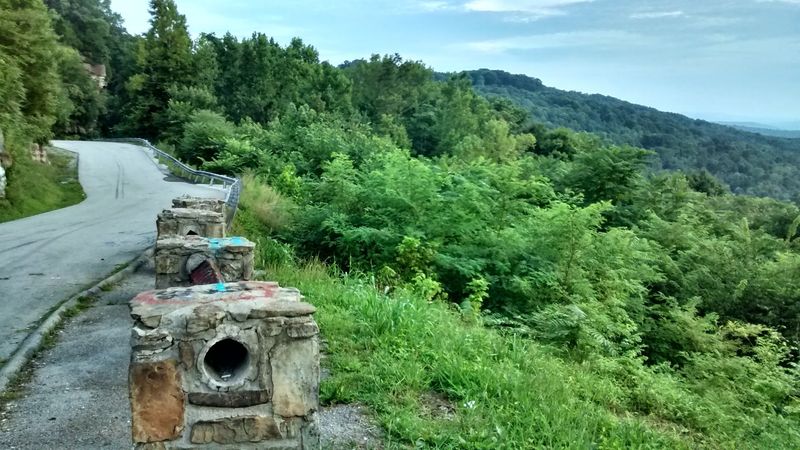
Step beyond Crab Orchard’s town limits and you’re quickly swallowed by wilderness. The Cumberland Plateau surrounding the community offers some of Tennessee’s most rugged and least developed terrain.
Miles of trails wind through forests, along ridgelines, and past rock formations that have stood for millions of years. This isn’t manicured parkland with paved paths and visitor centers. It’s genuine backcountry that demands respect and rewards those willing to explore it.
The trail system varies from relatively easy walks to challenging scrambles over rocky terrain. Some paths follow old logging roads that have gradually been reclaimed by nature.
Others trace routes that hunters and locals have used for generations. The diversity means you can find something suitable whether you’re looking for a casual afternoon hike or a serious wilderness trek.
Flora and fauna thrive in these protected areas. The plateau’s forests support oak, hickory, and pine, with understory plants that change dramatically with the seasons.
Spring brings wildflowers carpeting the forest floor, while fall transforms the canopy into a riot of reds and golds. Wildlife sightings are common, from white-tailed deer and wild turkeys to more elusive creatures like bobcats and black bears.
Rock formations along the trails showcase the same sandstone that made Crab Orchard famous. Natural outcrops, overhangs, and occasional caves provide shelter and visual interest.
Some formations create natural viewpoints where the forest opens up to reveal sweeping vistas across the plateau. On clear days, you can see for miles, layer after layer of forested ridges fading into the distance.
What makes hiking here special is the sense of solitude. Even on weekends, you’re unlikely to encounter crowds.
The trails don’t appear on every hiking app or blog post, which means they remain relatively undiscovered. That solitude allows for genuine connection with nature, the kind of experience that’s increasingly rare in more popular outdoor destinations.
The wilderness here still feels genuinely wild.
Scenic Roads Make The Journey Part Of The Experience
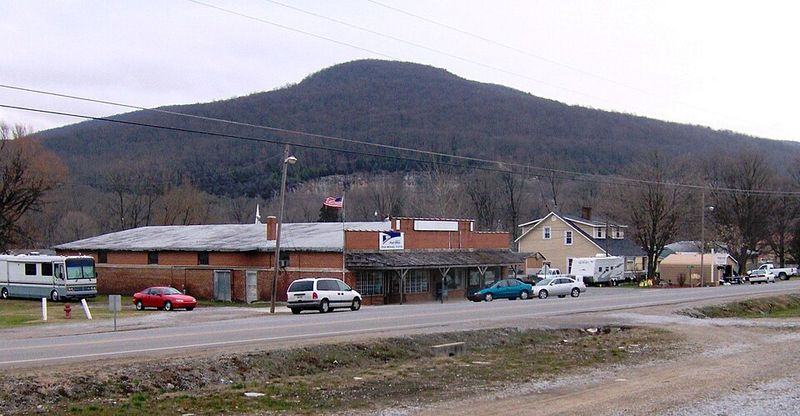
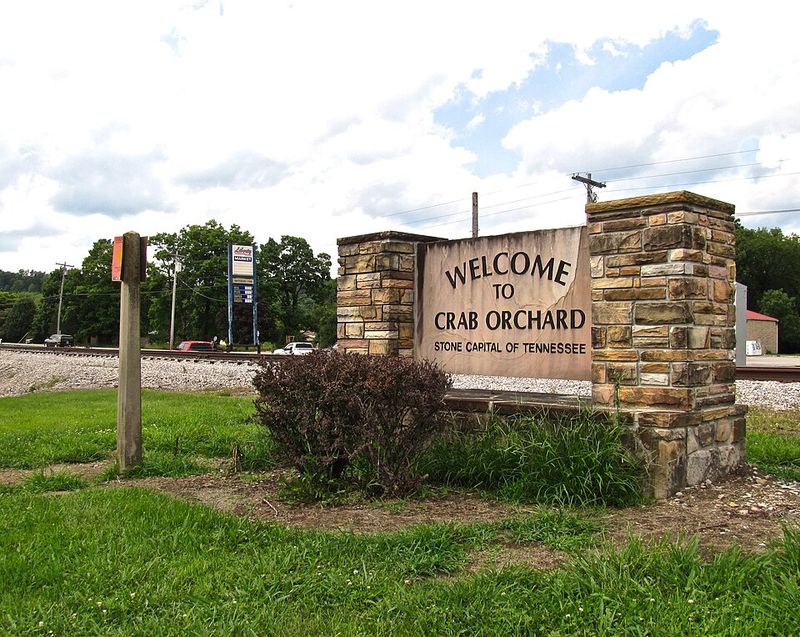
Brian Stansberry, licensed under CC BY 3.0. Via Wikimedia Commons.
Getting to Crab Orchard is half the adventure. The roads that wind through this part of Tennessee offer some of the most scenic driving in the state, twisting through mountain passes and following valleys carved by ancient water.
These aren’t interstate highways where miles blur together in monotonous succession. They’re two-lane roads that demand attention and reward it with constantly changing views.
Highway 70 passes through Crab Orchard, connecting the town to larger communities while maintaining a decidedly rural character. The road climbs and descends the plateau’s terrain, offering glimpses of the dramatic topography that defines the region.
Curves reveal sudden vistas, and straightaways allow your eyes to follow ridgelines stretching toward the horizon.
Driving these roads requires slowing down, both literally and mentally. The curves won’t allow for highway speeds, which turns out to be a blessing.
The enforced slower pace lets you actually see what you’re passing through rather than racing past it. Pulloffs and wide shoulders provide opportunities to stop and take in the views or snap a few photos.
Each season transforms the scenic routes. Summer cloaks everything in deep green, with the forest canopy forming tunnels over the road. Fall brings the famous Tennessee foliage show, with colors so intense they almost seem artificial. Winter strips away the leaves to reveal the bones of the landscape, the rock formations and terrain that usually hide behind vegetation.
Spring offers that fresh, almost luminous green as new growth emerges.
Local drivers know these roads intimately, taking curves without slowing and anticipating every dip and rise. For visitors, the unfamiliarity adds to the sense of adventure.
You never quite know what’s around the next bend, whether it’ll be a stunning overlook, a glimpse of wildlife, or just more beautiful forest. That element of discovery makes even the drive to your destination feel like part of the experience rather than just time spent getting somewhere.
Peace And Small-Town Simplicity Still Define Daily Life
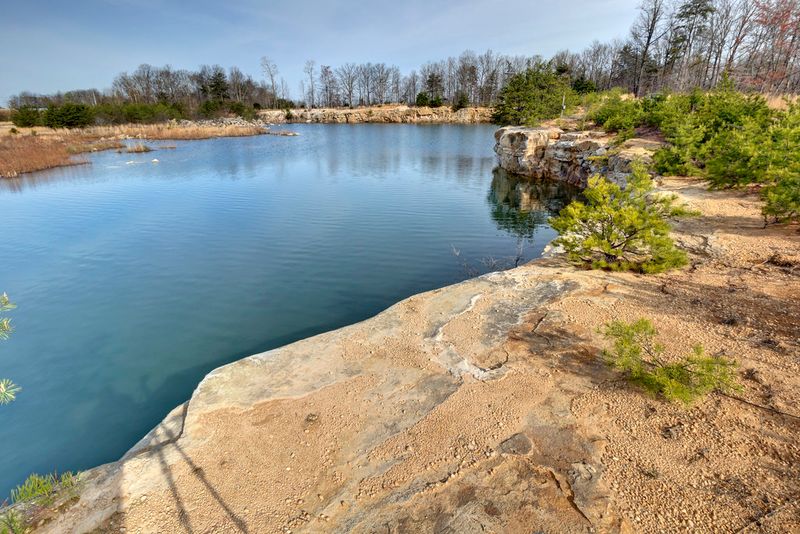
Life in Crab Orchard moves at a different pace than most places. With fewer than a thousand residents, everyone knows everyone, or at least knows someone who knows them.
That interconnectedness creates a community feel that’s increasingly rare in modern America. People still wave to passing cars, stop to chat at the post office, and keep an eye on their neighbors’ homes when they’re away.
The town lacks the commercial development that defines many communities. You won’t find a Walmart, Starbucks, or shopping mall here.
What you will find are local businesses that have served the community for decades, places where the owner remembers your name and probably knows your family history too. This simplicity isn’t poverty or lack of ambition. It’s a deliberate preservation of a lifestyle that values quality of life over constant growth.
Daily routines follow natural rhythms more than rigid schedules. People rise with the sun because that’s when the day starts, not because an alarm clock demands it.
Work happens when it needs to happen, whether that’s tending a garden, maintaining property, or heading to a job in a nearby town. Evenings are for sitting on porches, listening to crickets, and watching the light fade from the sky.
The peace here is tangible. Sound carries differently without traffic noise and urban bustle.
You can hear birds, wind in the trees, and the occasional distant sound of a dog barking or a truck engine. Night brings darkness that city dwellers rarely experience, the kind where stars actually shine bright enough to cast shadows.
That darkness and quiet can feel unsettling at first, but most people find it becomes addictive.
This isn’t a place where people move for career advancement or urban amenities. They come here, or stay here, because they value something different: space, quiet, community, and connection to the natural world.
Those priorities shape everything about daily life in Crab Orchard, creating a rhythm and atmosphere that feels increasingly precious in our fast-paced world.
Why Crab Orchard Is Worth More Than A Quick Drive Through
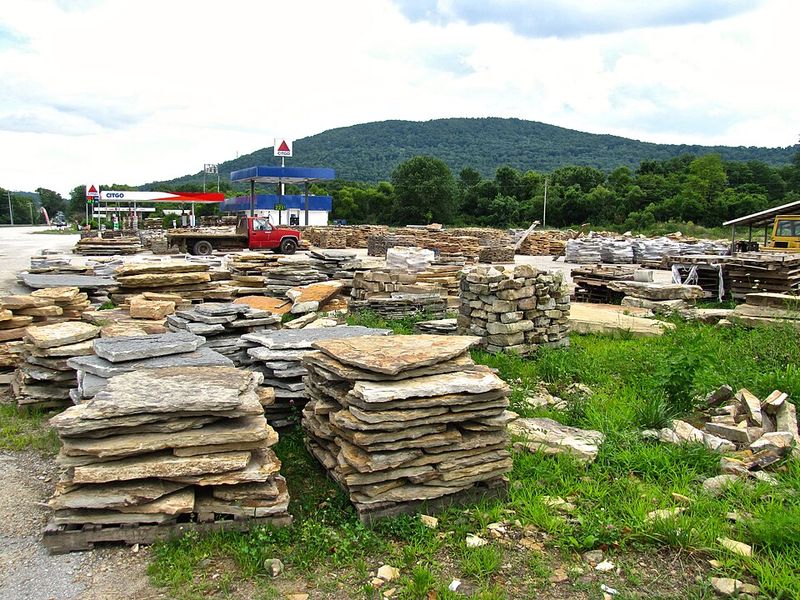
Most people encounter Crab Orchard as a name on a map or a brief stretch of highway between somewhere and somewhere else. That’s a mistake.
This tiny community offers something increasingly rare: an authentic experience of small-town Tennessee life set against genuinely dramatic natural scenery. It’s not packaged for tourists or sanitized for mass consumption.
It’s just real, and that realness makes it special.
The combination of natural beauty and human history creates layers of interest that reward deeper exploration. You can spend a morning hiking wild trails, an afternoon examining historic stone buildings, and an evening watching the sun set over the plateau.
Each activity connects to the others, building a comprehensive picture of place that’s more satisfying than any single attraction could provide.
What Crab Orchard lacks in conventional tourist infrastructure, it makes up for in authenticity. Nobody’s performing for visitors here.
The community goes about its business, welcoming those who stop with genuine friendliness but not depending on tourism dollars. That creates a relaxed atmosphere where you can experience the place as it actually is rather than as some manufactured version designed to extract money from travelers.
The wilderness access alone justifies a visit. Having this much wild terrain so close to a small community is increasingly unusual.
You can literally park in town, walk a short distance, and be in backcountry that feels miles from civilization. For outdoor enthusiasts, that convenience combined with the area’s relative obscurity creates ideal conditions for exploration.
Perhaps most importantly, Crab Orchard offers perspective. In a world that often feels too fast, too crowded, and too commercialized, this little town reminds us that other ways of living still exist.
The cliffs that tower over the community have stood for millions of years and will stand for millions more. That geological timescale has a way of putting human concerns in perspective, offering a kind of peace that’s hard to find elsewhere.
Share this story