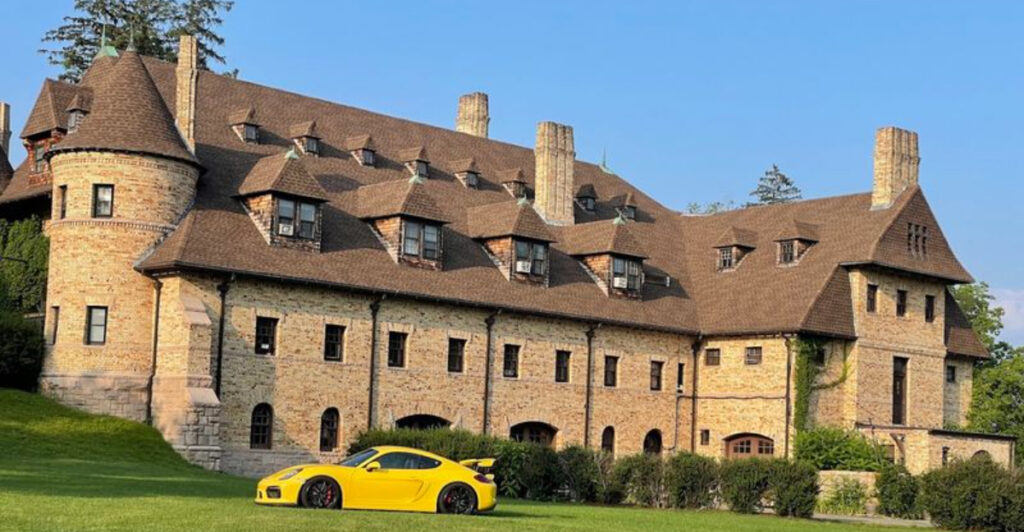
Set on a hill in Brookline, the Larz Anderson Auto Museum feels like time travel you can touch. The château-style carriage house, the smell of old wood, and the glint of polished brass make every step feel cinematic.
Whether you love cars, architecture, or New England history, this place invites you to slow down and look closer. Come ready to wander, learn, and be surprised by details that keep revealing themselves.
1. The Carriage House That Sets the Scene
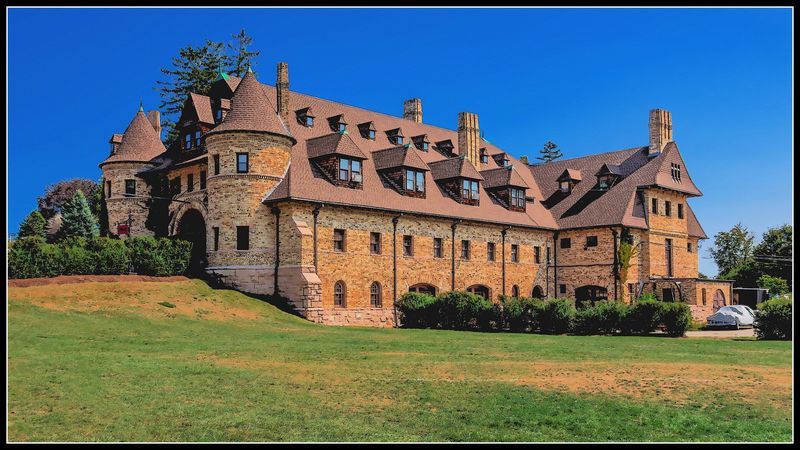
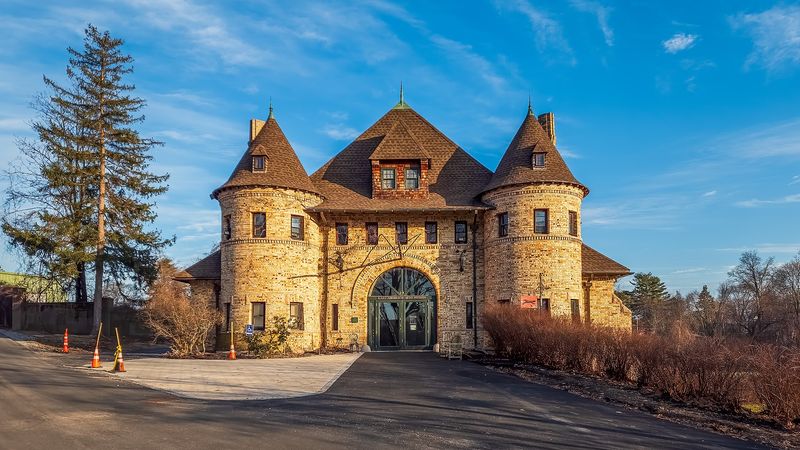
Walk up the long drive to the Larz Anderson Auto Museum and the carriage house greets you like a French country dream.
The château-style stonework, tall dormers, and arched carriage bays set a cinematic tone before you ever see a grille.
Built in 1888 for Larz and Isabel Anderson, it once sheltered carriages and, later, the couple’s growing motorcar collection.
You feel that shift the moment your footsteps echo across the tiled floor and brass era silhouettes glow under timber trusses.
Inside, interpretive panels connect the architecture to Boston’s Gilded Age social scene.
You are not just looking at cars, you are stepping into how wealth, travel, and design collided on a hill in Brookline.
The rooms flow from salon to stable to gallery, each space framing machines as sculpture.
When sunlight pours through the clerestory, dust motes hover over radiators, and the building itself steals the show.
It feels intimate, authentic, and quietly grand all at once.
You slow your pace.
2. Larz and Isabel Anderson’s Legacy
You learn quickly that the Andersons built more than a garage.
Larz and Isabel were travelers, hosts, and collectors who turned curiosity into a living archive.
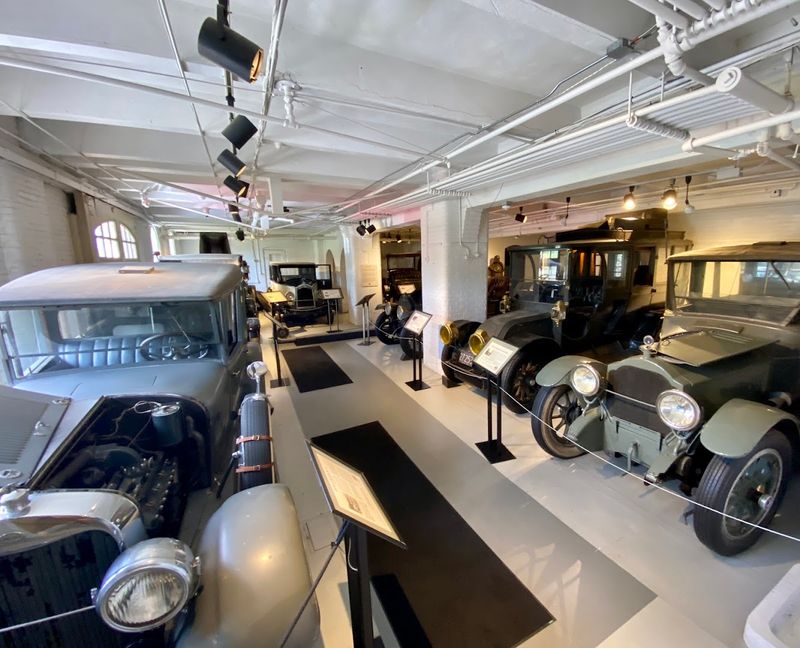
They purchased their first car in 1899, then kept adding machines that traced technology’s sprint from carriage to motorcar.
Their decision to open the collection to the public started a tradition that still shapes how you experience the galleries today.
Photos and letters reveal weekends filled with motoring on parkways and evenings entertaining on the hill.
You sense their enthusiasm in the way exhibits highlight not only horsepower, but also social history, design, and craft.
The museum honors that spirit by rotating vehicles from lenders and enthusiasts, making each visit feel fresh.
You are invited to see cars as cultural artifacts, not just machines.
Standing in their former carriage house, you can almost hear laughter from past parties and engines chuffing to life at dawn.
3. Brass Era Beauties Up Close
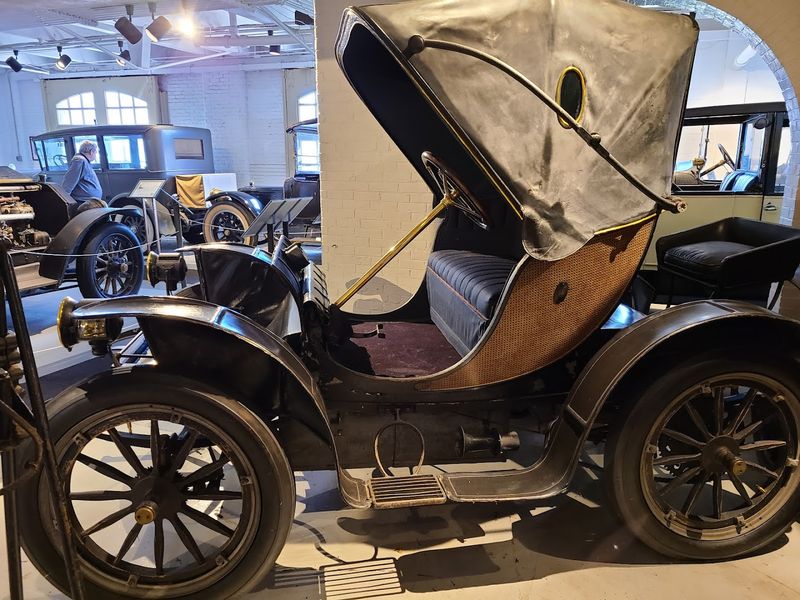
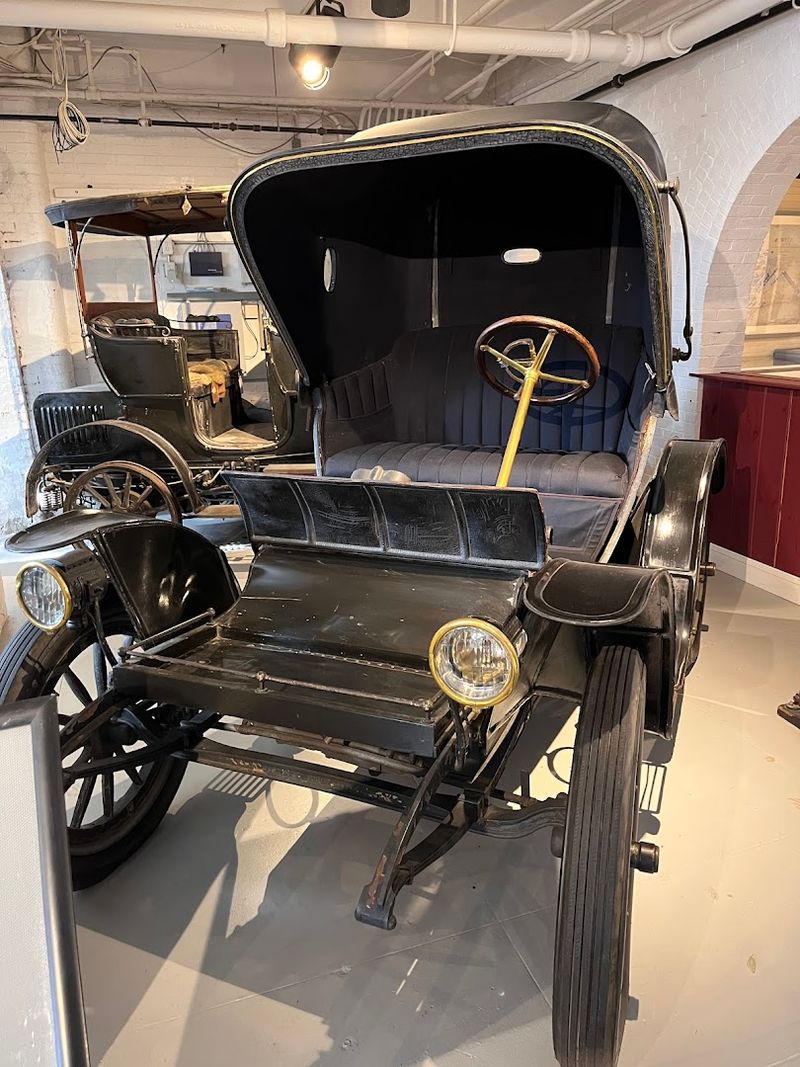
The first gallery often glows with brass era craft, and you feel it immediately.
Polished radiators throw warm reflections, leather smells softly sweet, and hand rivets line up with jewelers’ precision.
You study acetylene headlamps, squeeze bulbs, and tiller steering that predate modern dashboards.
Each car is a puzzle of wood, brass, and steel, reminding you how experimental early motoring truly was.
Labels explain why chain drives rattled, why kerosene lamps flickered, and how coachbuilders translated carriage skills into bodies with flair.
You picture yourself trundling along a parkway at twenty miles per hour, goggles fogging, scarf snapping, grinning anyway.
The joy is in the mechanics you can actually see breathing.
Curators leave patina intact where it tells a story, so every scuff becomes a footnote.
You linger, because the details reward lingering, and the past feels alive without any filter.
The gallery hums quietly, and you lean closer.
4. Vintage Bicycles and the Road Before Cars
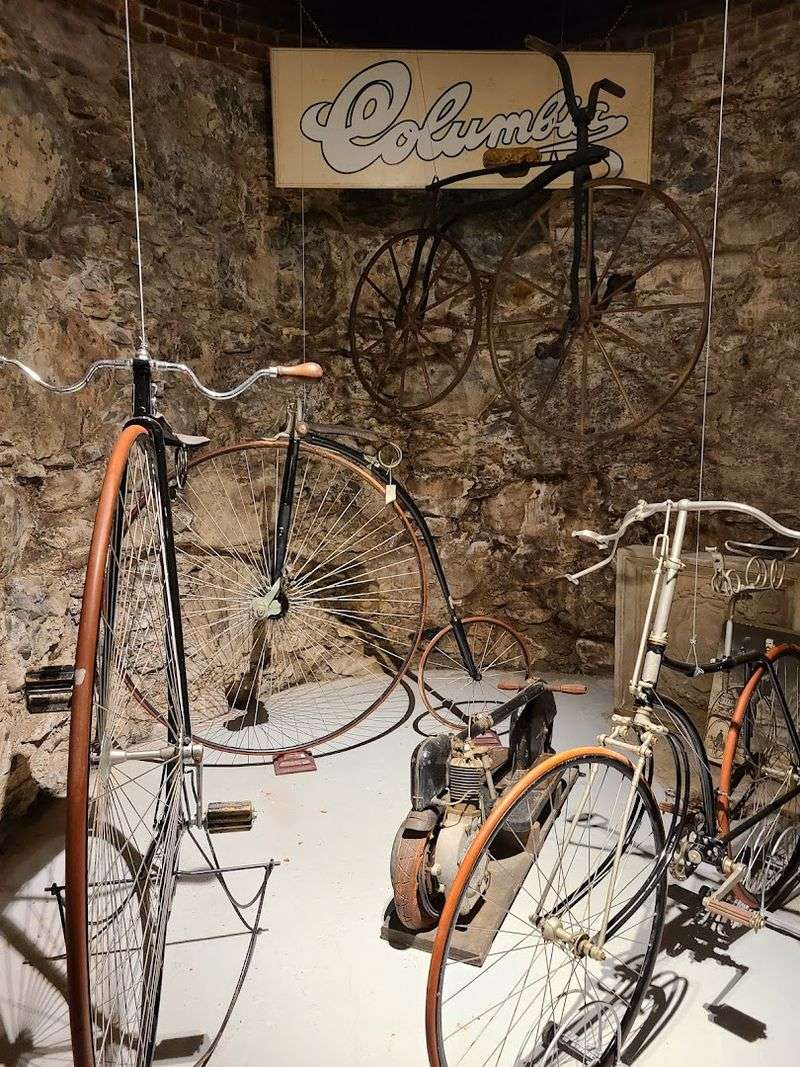
Before engines, there were miles of pedals.
The museum’s vintage bicycle displays connect you to an earlier moment when personal mobility first felt thrilling.
You spot high wheelers with dramatic proportions, then elegant safety bicycles that look surprisingly modern.
Wooden rims, leather saddles, and chain guards show up in thoughtful detail, linking cycling to the birth of motoring.
Reading the panels, you see how cycling clubs mapped social life, fashion, and even road reform.
You realize many early motorists started on two wheels and carried over engineering ideas, from ball bearings to lightweight frames.
The story makes the transition from carriage to car feel less like a leap and more like a continuum you can follow with your eyes.
You leave the bicycles with fresh context for every hood ornament downstairs.
Movement, muscles, and machinery have always danced together on these grounds, and you feel invited to join the rhythm.
5. The Japanese Car Connection in the Lower Gallery
Head to the lower gallery and the vibe shifts in the best way.
Here, classic Japanese cars often line up with a purposeful stance and bright period graphics.
You might find a Datsun Z, a box-flared rally hero, or a discreet sleeper that whispers instead of shouts.
For many visitors, it is a nostalgia hit straight from magazine pages and late-night street dreams.
Panels trace how Japanese manufacturers perfected reliability, aerodynamics, and clever packaging, reshaping American roads.
You notice tidy engine bays, featherweight doors, and seats that feel built for long days and short sprints.
The museum treats these cars with the same reverence as European grand tourers, which feels exactly right.
You get close, peer under, and connect dots between culture, technology, and tuning.
It feels celebratory, not token, and you leave with a deeper understanding of why these machines earned fierce loyalty.
6. Lawn Events That Turn the Hill Into a Festival
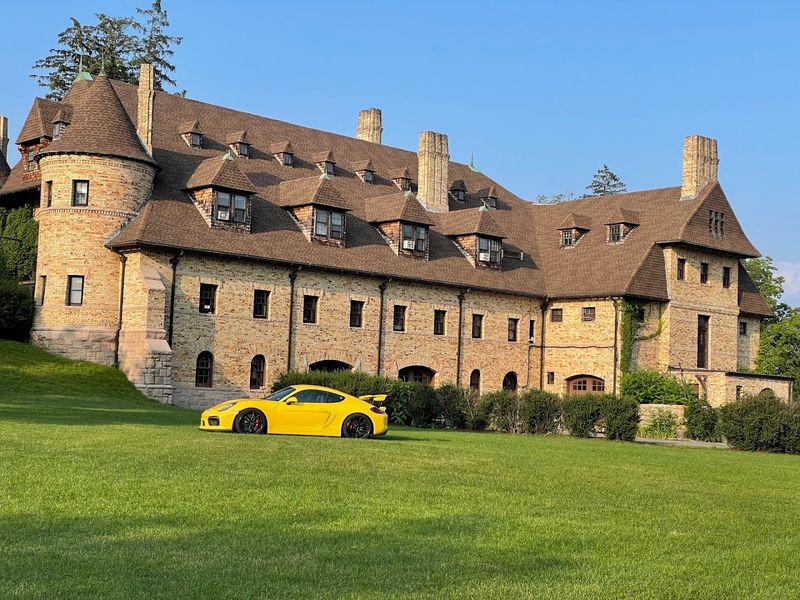
On warm weekends, the hill erupts into color and chrome.
Lawn events gather everything from microcars to supercars, with families, collectors, and curious neighbors sharing space under the trees.
You wander rows that feel curated by enthusiasm, not snobbery.
Conversations spark easily, and you learn as much from owners as from placards, especially during Cars and Coffee mornings.
The setting elevates every hood line.
Breeze rolls across the grass, engines purr, and speakers call out awards while kids point at spoilers.
Some events spotlight a single country or era, like Tutto Italiano or a celebration of rally icons.
Others mix it all and let serendipity run the show.
The museum staff keeps things friendly and accessible, and the community fills in the rest.
Bring sunscreen, a camera, and curiosity.
You will leave with a full memory card and at least one new favorite.
7. Architecture and Grounds of Larz Anderson Park
Even if you only came for cars, the park wins your heart.
Larz Anderson Park wraps the museum in rolling lawns, old trees, and long views that make every photo feel composed.
Stonework, bridges, and terraces echo the carriage house, giving your visit a graceful outdoor counterpart.
You can picnic, stroll, or simply sit and watch enthusiasts arrive in every shape of vehicle.
From the hilltop, Boston peeks through the distance, and you understand why the Andersons chose this perch.
The grounds transform exhibitions into experiences, turning walks between galleries into small adventures.
When there is an event, the landscape becomes a natural amphitheater for chrome and conversation.
When it is quiet, the grass and wind do the talking.
Either way, the place invites reflection.
You take a deep breath, notice the light, and remember that travel is as much about pauses as destinations.
8. Curatorial Swaps That Keep Things Fresh
One visit will not cover it all, and that is intentional.
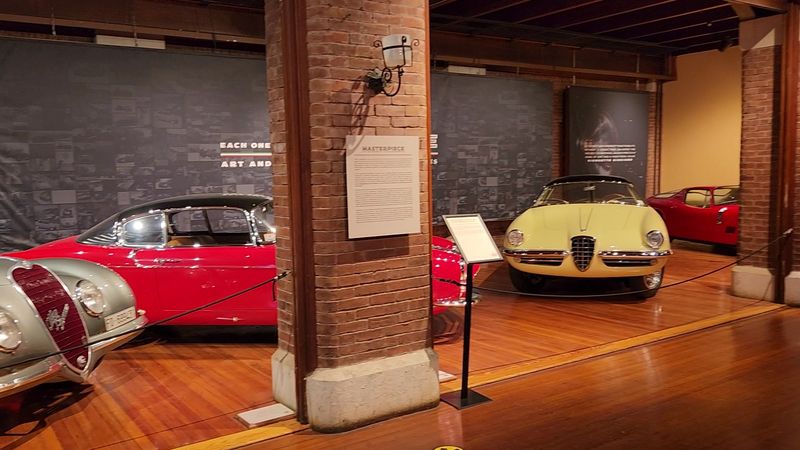
The museum rotates vehicles from collectors and institutions, so the upstairs gallery evolves with each season.
You might catch rally legends one month and coachbuilt elegance the next.
This rhythm keeps regulars coming back and invites first timers to embrace surprise.
Displays are tight, narrative-driven, and full of context without drowning you in jargon.
You feel guided, not lectured.
The team chooses angles that connect engineering with art and daily life, adding small delights like period accessories or driver anecdotes.
It is the kind of curation that respects your curiosity and your time.
Even the lighting feels considered, revealing lines without glare.
You leave with a different favorite every time, which seems to be the point.
Curiosity pays off here, and your second lap always reveals something you missed.
9. Planning Your Visit Like a Pro
Start with the website for current hours, ticket details, and the event calendar.
Schedules can shift around private rentals and special programming, so a quick check saves you from surprises.
Parking is straightforward, and the walk up the hill sets the mood.
If you can, time your trip to overlap with a lawn event, then pair indoor galleries with outdoor browsing.
Inside, staff and volunteers are generous with tips, from the best photo angles to the story behind an odd badge.
Give yourself enough time to read, look under open hoods, and circle back for a second pass.
Families will find plenty to point at, and older kids can connect the dots between bicycles, early motoring, and modern design.
Comfortable shoes help, and so does curiosity.
You are stepping into another era, but it is one you can touch, hear, and savor.
10. Events, Weddings, and Celebrations on the Hill
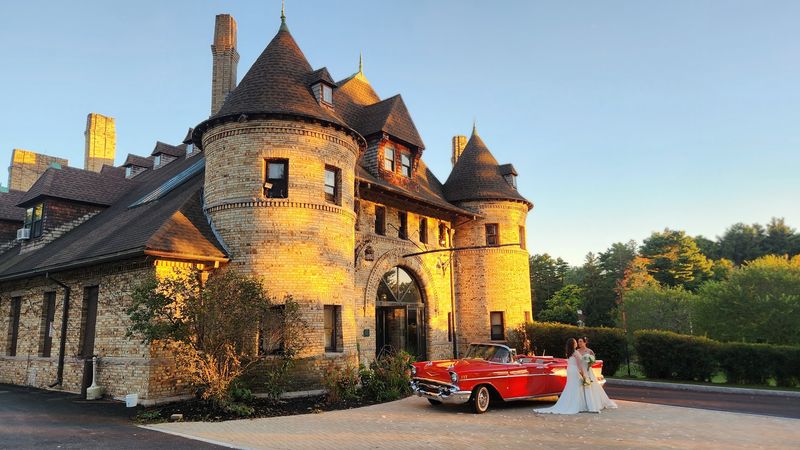
The carriage house doubles as a dream venue, and you feel why the moment music drifts across the beams.
Weddings and private events glow against polished fenders and stone walls, turning the museum into a candlelit time capsule.
Guests wander among exhibits during cocktail hour, then return to long tables under string lights.
It is cinematic without feeling stiff, and the staff keeps everything moving smoothly.
Outside, the lawns and terraces add room for vows, photos, or small concerts.
You can picture a classic getaway car rolling down the drive as the skyline shines beyond the trees.
Even if you are not planning a party, the rental life explains occasional calendar changes, so check dates.
The venue side of this museum helps fund preservation and programming, which makes your celebration part of the story.
You leave imagining first dances reflected in chrome, and it feels perfect.
11. Why This Museum Sticks With You
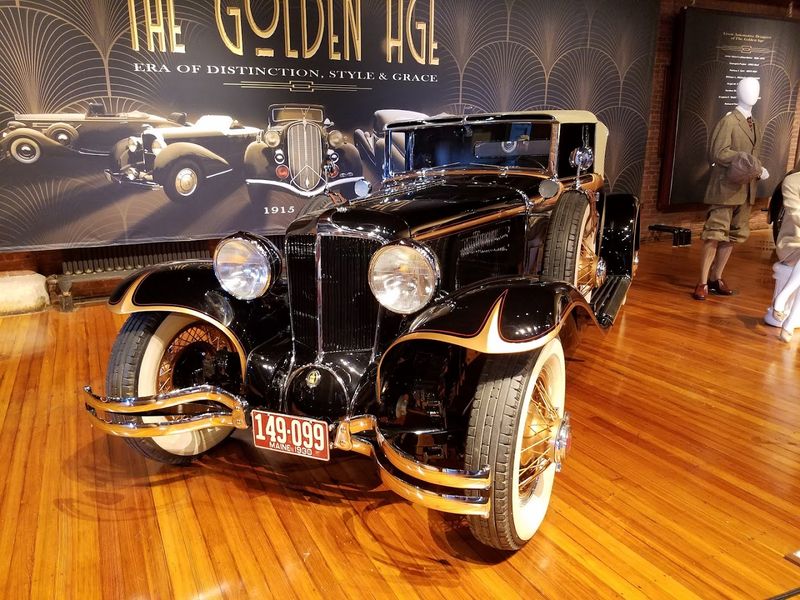
Some museums impress your eyes.
This one plants itself in your memory.
The scale is human, the storytelling is clear, and the mix of elegance and grease feels honest.
You walk in for cars and leave thinking about people, places, and the thrill of movement.
That balance lingers long after the doors close.
Maybe it is the architecture, maybe it is the way curators champion overlooked chapters like early bicycles or Japanese icons.
Maybe it is the community that spills onto the lawn with coffee at dawn.
Whatever the reason, you drive away with fresh curiosity about machines you thought you already knew.
You promise yourself to return, and you mean it.
Back on city streets, a reflection in a shop window becomes a memory of brass and timber.
The Larz Anderson Auto Museum makes time elastic, and that is a rare gift.
Share this story