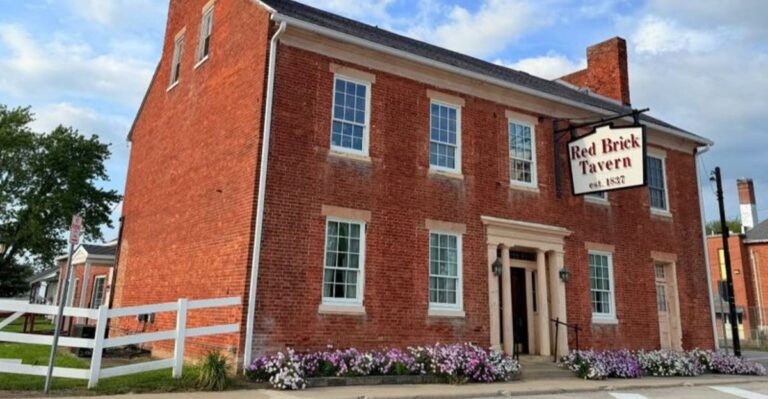
Rock collectors do not always need a huge museum to find something exciting. In Youngstown, Ohio, the Clarence R.
Smith Mineral Museum packs bright crystals, rare specimens, and fun surprises into one memorable stop. It is a great place for families, students, and curious visitors who want to see the beauty hidden inside rocks.
If you love gems, geology, or unusual natural treasures, this museum is well worth your time.
1. A Hidden Gallery Inside Moser Hall
Walking into Moser Hall, many visitors are surprised to find a mineral museum tucked inside the building. The setting feels friendly and easy to explore, which makes it less intimidating for first-time museum guests.
Instead of a giant space that feels overwhelming, you get a focused collection that is simple to enjoy.
Because it sits on the Youngstown State University campus, the museum blends education with everyday community life. That gives the visit a relaxed feeling, especially for families, students, and travelers already exploring nearby spots.
One reviewer even mentioned that it is an easy walk from the Butler museum, which makes planning a day out much easier.
Rock collectors often love places that feel like discoveries, and this one absolutely does. The museum may be small, but its location, layout, and welcoming atmosphere help turn a regular campus stop into something memorable and surprisingly special.
2. World-Class Specimens In A Small Space
Size is not everything when it comes to a great museum collection. Visitors often say the Clarence R.
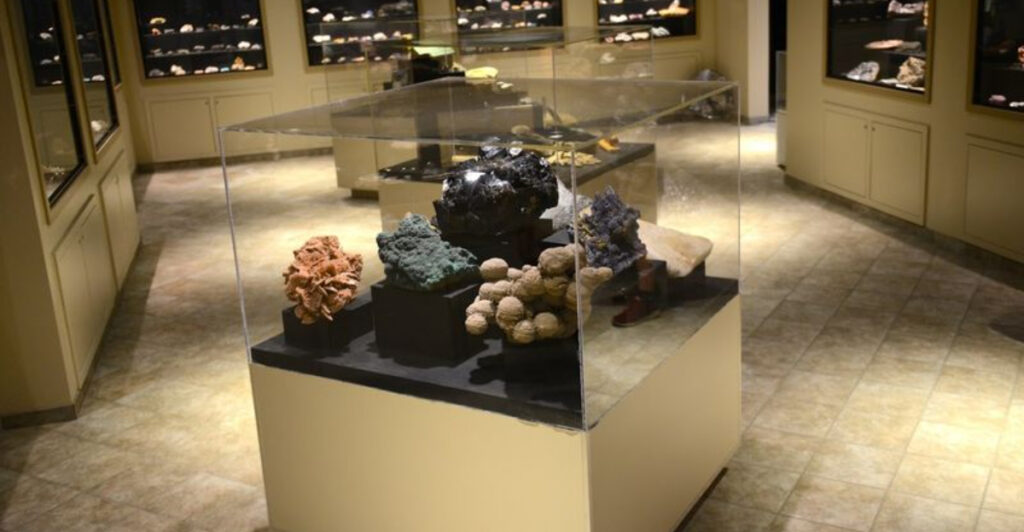
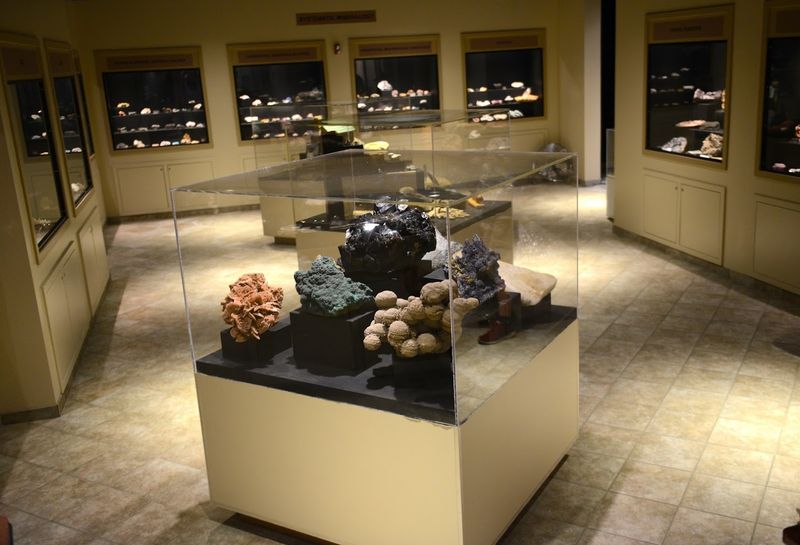
Smith Mineral Museum is small, yet the specimens leave a big impression because the displays are packed with color, shape, and texture. That means rock collectors can spend their time actually looking closely instead of rushing through endless hallways.
The museum features unusual gems, crystals, and rocks that help show how varied the natural world can be. Some pieces come from local areas, while others come from far beyond Ohio, giving guests a chance to compare familiar stones with more exotic finds.
For young collectors, that mix can spark questions and build a stronger interest in geology.
If you visit, slow down and study the labels as carefully as the rocks. A compact museum like this works best when you notice the tiny details, because each case can hold something rare, strange, or unexpectedly beautiful.
3. The Fluorescent Room Steals The Show
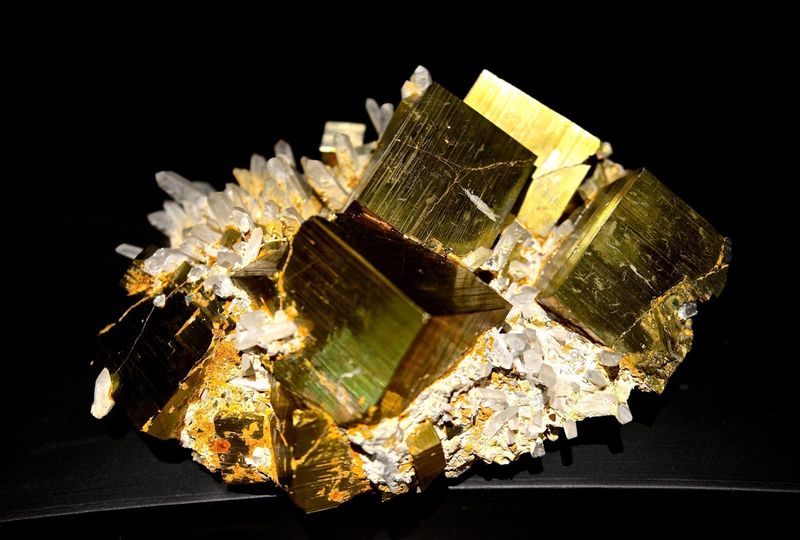
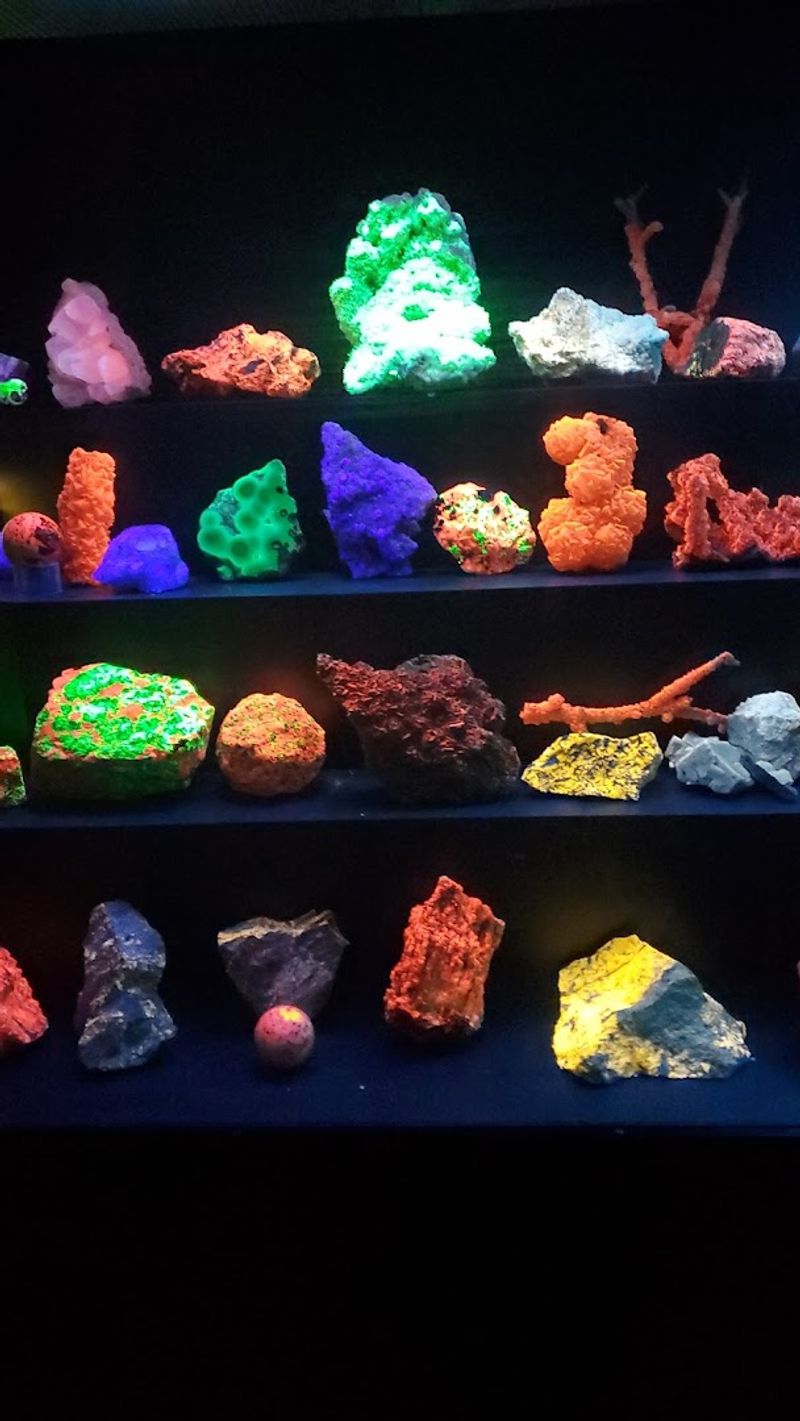
Some museum moments stick in your memory, and the fluorescent display seems to do that for many guests. Under ultraviolet light, certain rocks glow in bright shades that feel almost unreal, turning a geology lesson into something that looks like magic.
It is one of the most playful parts of the museum, especially for kids and first-time visitors.
Reviews mention a bonus room in back, and several people specifically praised the glowing mineral display. One owner response even explained how the blacklight works, which shows the staff wants guests to get the full experience.
That kind of care matters because fluorescent minerals are often the part visitors talk about long after they leave.
If you go, ask a staff member about the display if the lighting is not active when you arrive. A quick question could lead to the most exciting part of your trip, and it might even inspire a new favorite type of rock to collect.
4. Local Finds Meet Faraway Treasures
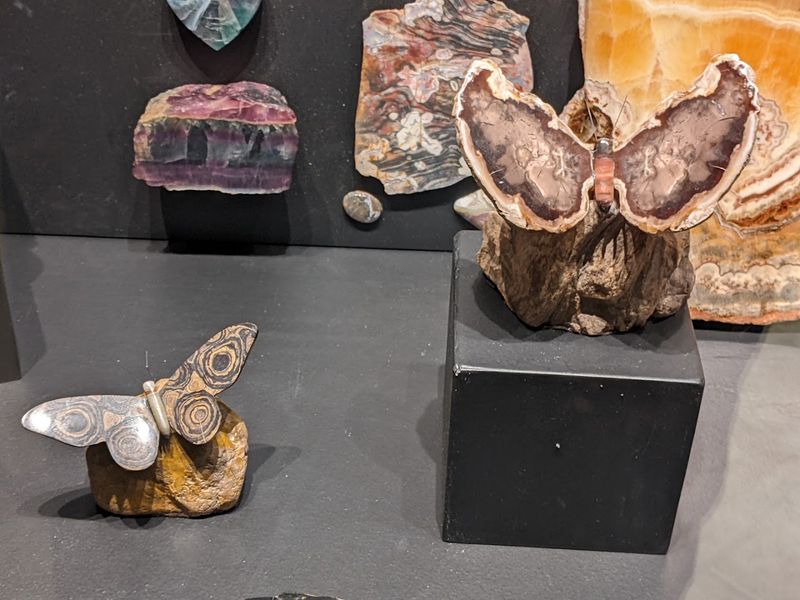
One of the best things about rock collecting is seeing how one shelf can hold pieces from your own region and specimens from across the world. At the Clarence R.
Smith Mineral Museum, that mix helps visitors understand that geology is both local and global. A stone from nearby Ohio can feel just as fascinating as a crystal from a distant place.
According to visitor feedback, the museum includes local finds along with samples from around the world. That balance gives collectors more than pretty objects to admire.
It also creates a chance to compare color, hardness, texture, and crystal growth in ways that make geology easier to understand.
For beginners, this is a smart kind of exhibit because it connects everyday life with bigger Earth science ideas. For longtime collectors, it adds depth and context to the hobby.
Seeing home-state specimens beside international treasures can make your own collection feel more meaningful and better organized.
5. A Free Stop With Big Value
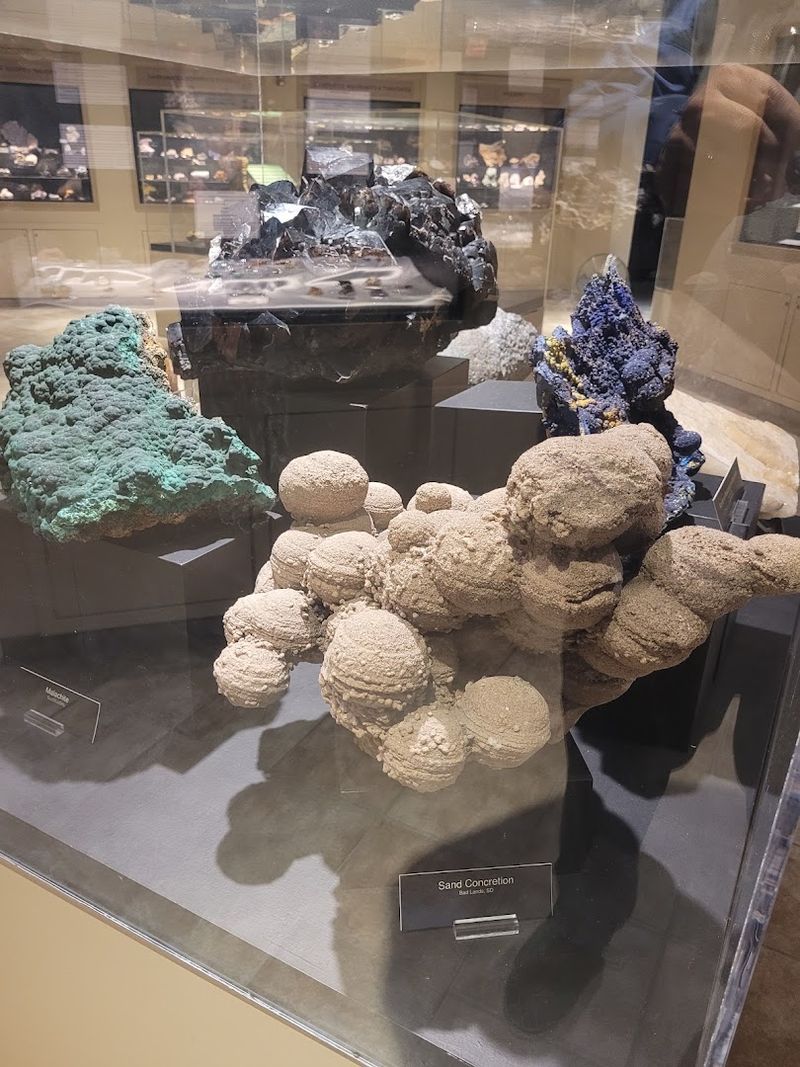
Finding a museum that is both interesting and free can feel like striking gold. The Clarence R.
Smith Mineral Museum gives visitors that rare mix of quality and affordability, making it a smart stop for families, students, and anyone planning a low-cost day out. You do not have to spend much money to enjoy something memorable here.
One reviewer happily pointed out that admission is free and said the collection was full of awesome rocks. Another noted that you can see the museum in about thirty minutes, which can be a real advantage.
Short visits are easier to fit into busy schedules, school trips, or road stops without making the day feel packed.
The museum is open Tuesday through Friday from 10 AM to 4 PM, so checking the schedule before you go is a good idea. If you like practical travel finds, this place stands out because it offers real educational value without asking much from your wallet.
6. Knowledgeable Guides Make Rocks Come Alive
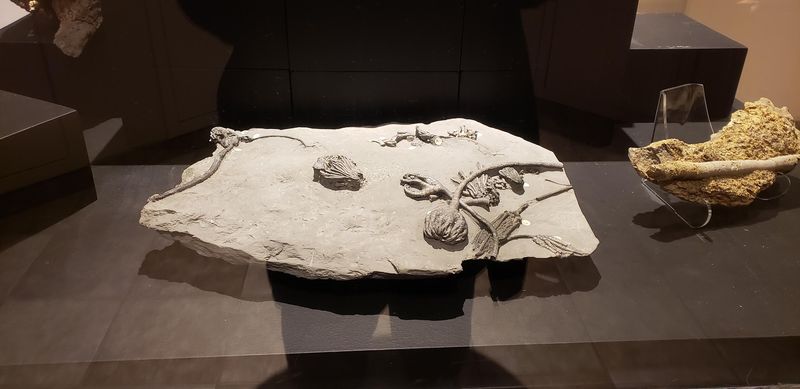
A beautiful rock can catch your eye, but a good guide can make it unforgettable. Visitors often praise the museum staff for being pleasant, helpful, and deeply informed, which adds a personal touch that many larger museums cannot always match.
For collectors, that kind of human connection can turn a simple visit into a learning experience.
Reviews mention knowledgeable guides and a museum specialist who was extremely helpful during tours. That matters because minerals can be confusing if you are new to the hobby.
With the right explanation, a strange-looking stone becomes a story about how Earth changes over time through heat, pressure, and chemistry.
If you are curious, do not rush past the chance to ask questions. Staff members may help you notice things you would have missed on your own, like crystal shape, unusual colors, or where a specimen was found.
Good museum guidance can sharpen your eye and make your next rock hunt even more fun.
7. Little Extras That Rock Collectors Love
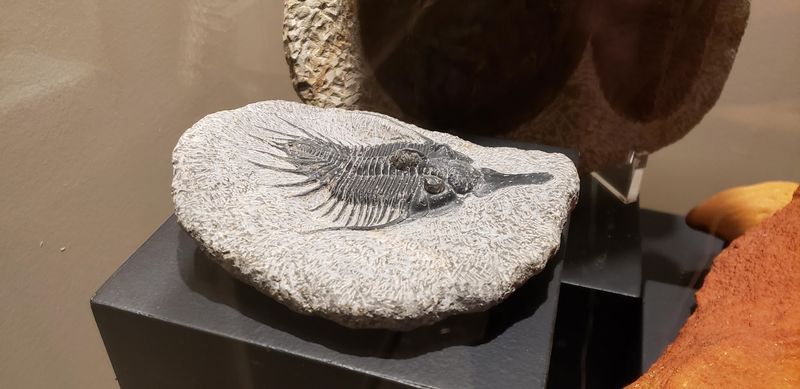
Sometimes the smallest extras are the details people remember most. At the Clarence R.
Smith Mineral Museum, visitors have mentioned free rocks to take home, a surprise room in back, and even unusual specimens like coprolites. Those touches give the museum personality and make the visit feel more interactive than just reading labels behind glass.
For young rock collectors, taking home a small treasure can be the start of a lifelong hobby. For adults, it adds a fun and unexpected ending to the trip.
The museum seems to understand that people enjoy not only seeing Earth materials, but also forming a personal connection to them.
If you are planning a visit, keep your eyes open for those little moments that do not always show up on official lists. A bonus display, a favorite specimen, or a simple souvenir can become the part you talk about later.
That is often what separates a nice museum from a truly delightful one.
Share this story