There is a moment in Madison when the whole town seems to line up perfectly: the old train station behind you, the granite-and-limestone Hartley Dodge Memorial across the way, Main Street ahead, and someone walking past with a coffee that almost certainly came from a place locals have strong opinions about.
Madison does not try to overwhelm you. It is not a boardwalk town, not a mountain town, not one of those “blink and you missed it” antique-shop villages. It is better than that.
It is a real Morris County borough with a handsome downtown, a commuter rail backbone, a college-town brain, and enough historic detail to reward anyone who likes to wander without an agenda. The town sits about 28 miles west of New York City, but the pace changes fast once you step into the center of town.
Madison is built for the kind of day trip where one coffee turns into a museum stop, which turns into lunch, which somehow turns into “let’s just walk one more block.”
Madison’s Rose City Charm Makes It Feel Like a True New Jersey Find
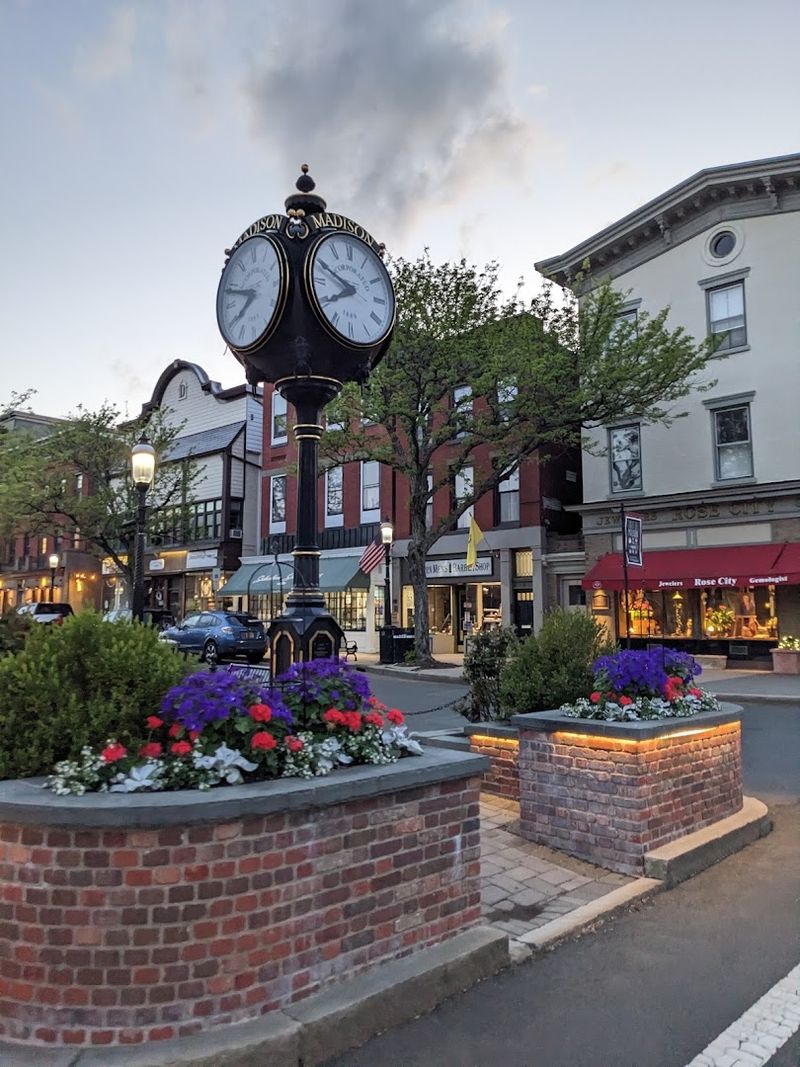
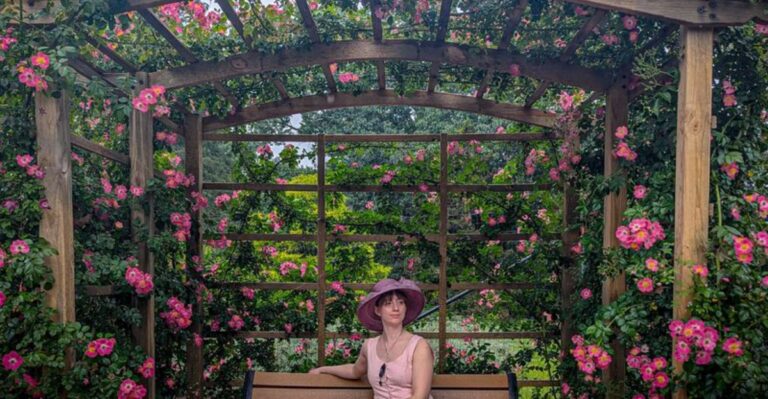
Madison’s nickname is not just a cute municipal flourish printed on welcome signs. The borough really was known as “The Rose City,” thanks to a 19th-century greenhouse industry that shipped millions of cut roses by train into New York throughout the year.
The last commercial greenhouses closed in the 1970s, but the name stuck, and you can still spot the legacy in places like Rose Avenue and Greenhouse Lane. That little bit of history helps explain why Madison feels polished without feeling staged.
It grew around transportation, trade, flowers, schools, and old money, not around a modern attempt to manufacture quaintness. The town was incorporated as a borough in 1889, and its older identity as Bottle Hill still pops up in local life, especially during the annual fall festival.
The “Rose City” side gives Madison its graceful personality, while the Bottle Hill side keeps it from taking itself too seriously. That balance matters.
You can walk past stately civic buildings and pretty storefronts, then wind up reading a festival banner with a name that sounds like it belongs on a Revolutionary-era tavern sign. Madison also benefits from being compact.
With a population just under 17,000 at the 2020 census, it has enough people to support a lively downtown but not so many that the center feels swallowed by traffic and chain-store sameness.
Drew University sits here, Fairleigh Dickinson University has its Florham campus nearby, and the Shakespeare Theatre of New Jersey adds another cultural layer within easy reach of downtown.
The result is a town that feels quietly self-assured. Madison does not need to shout about its charm. It just lets the brick, stone, roses, rail history, and Saturday morning coffee line do the work.
The Historic Downtown Is Built for Wandering Slowly
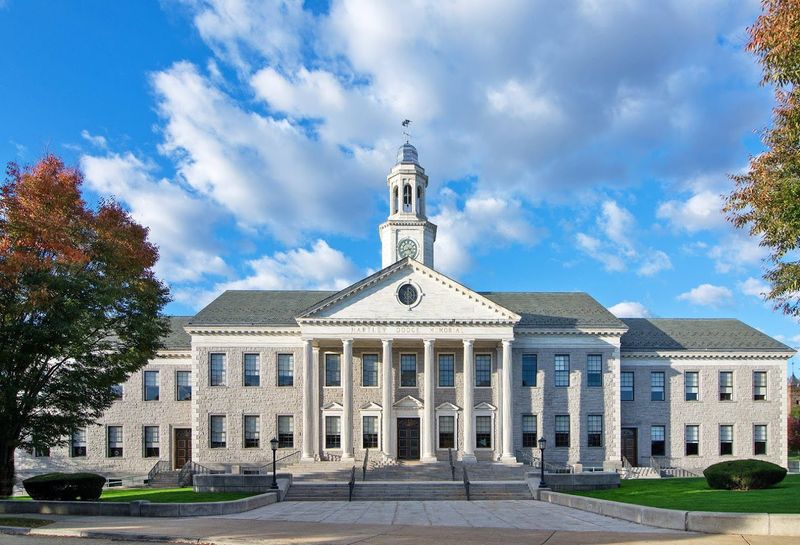
Start at the train station if you want Madison to make sense quickly. The restored NJ Transit station sits right in the heart of town, with Main Street close by and the Hartley Dodge Memorial just across the way.
That is a rare kind of New Jersey convenience: you can arrive by train, step out, and already be where you meant to go. No shuttle, no awkward parking-lot hike, no “downtown is technically two miles that way” situation.
The downtown’s bones are the real attraction. Madison’s Civic and Commercial District was placed on the State and National Registers of Historic Places in 1989 and 1991, respectively, and the borough even offers a Downtown Historic Walking Tour for people who want to look up from the storefronts and notice what they are passing.
The district is not one perfect postcard block. It is a mix of civic buildings, shops, restaurants, offices, and older commercial architecture that has been used, reused, and folded into daily life.
The Hartley Dodge Memorial is the building that stops you first. Constructed in 1933, the Neoclassical borough hall was funded by Geraldine Rockefeller Dodge as a memorial to her son, Hartley.
It has six massive fluted Doric columns, an octagonal cupola, and enough granite, limestone, and marble to make it feel more like a small-city landmark than a local government building. It is grand, but it is also practical, still serving as Madison’s town hall.
That is the best part of walking Madison. The historic details are not sealed behind velvet ropes.
They are next to crosswalks, coffee cups, lunch spots, and people picking up dry cleaning. You can turn a ten-minute errand into a 45-minute architectural snoop without even trying.
Cozy Bakeries and Cafes Give the Town Its Weekend Flavor
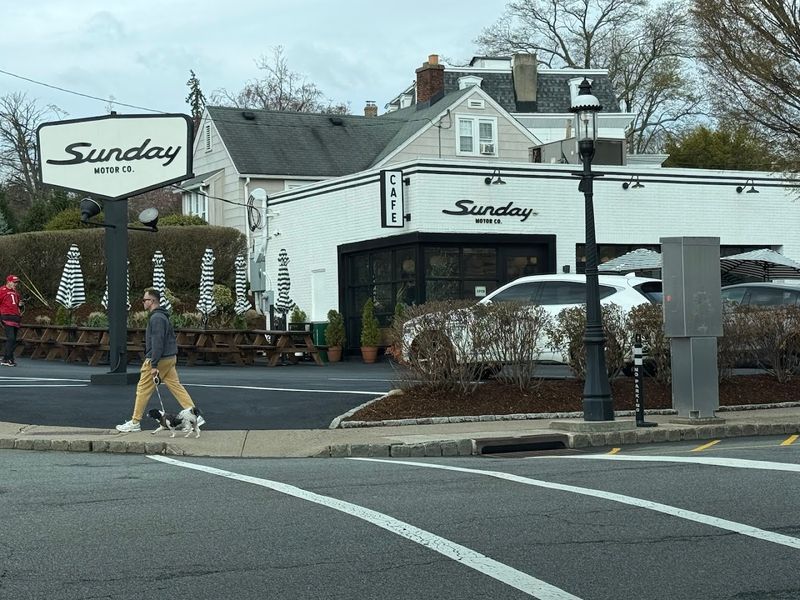
A good Madison morning has a rhythm: park once, order something warm, then pretend you are only going to take a “quick look around” before losing half the morning to Main Street and Kings Road. The town’s cafe scene helps because it has personality instead of just caffeine.
Sunday Motor Co. is the obvious conversation starter. Its Madison location began in a converted 1950s-era Mobil service station, which is exactly the sort of detail that makes a coffee stop feel like part of the trip instead of a pause from it.
The brand leans into motoring culture, apparel, and events, but the cafe is the center of the whole thing. It is the kind of place where the setting does half the talking before your drink even lands.
Then there is The Baker, a Madison spot built around organic sourdough breads, croissants, scones, pretzels, and sourdough chocolate chip cookies. That last one is dangerous information if you are trying to be reasonable.
A town with a walkable downtown needs at least one bakery where you can buy something flaky or chewy and immediately justify it by saying, “Well, we’re walking.” Madison delivers. This is where Madison’s road trip appeal gets sneaky.
The food stops are not just fueling stations between attractions. They are part of the reason to linger.
Coffee near an old service station, sourdough from a local bakery, lunch somewhere along Main Street, and maybe one more treat before heading home is a perfectly respectable itinerary. The town also has more dining depth than its small footprint suggests.
The Shakespeare Theatre of New Jersey notes that Madison’s downtown has more than 40 restaurants and eateries within a ten-minute walk of its main stage. That means a casual day trip can become coffee, museum, dinner, and a show without moving the car twice.
The Museum of Early Trades and Crafts Adds Real Local History
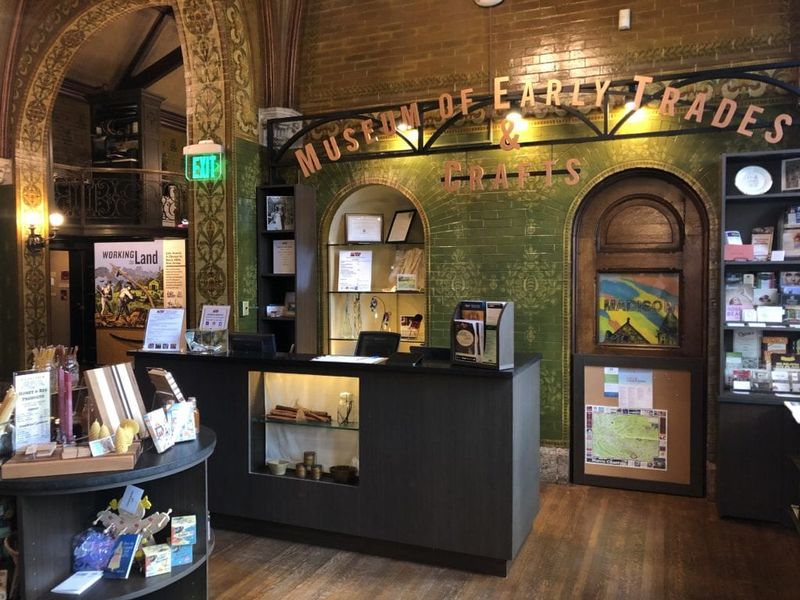
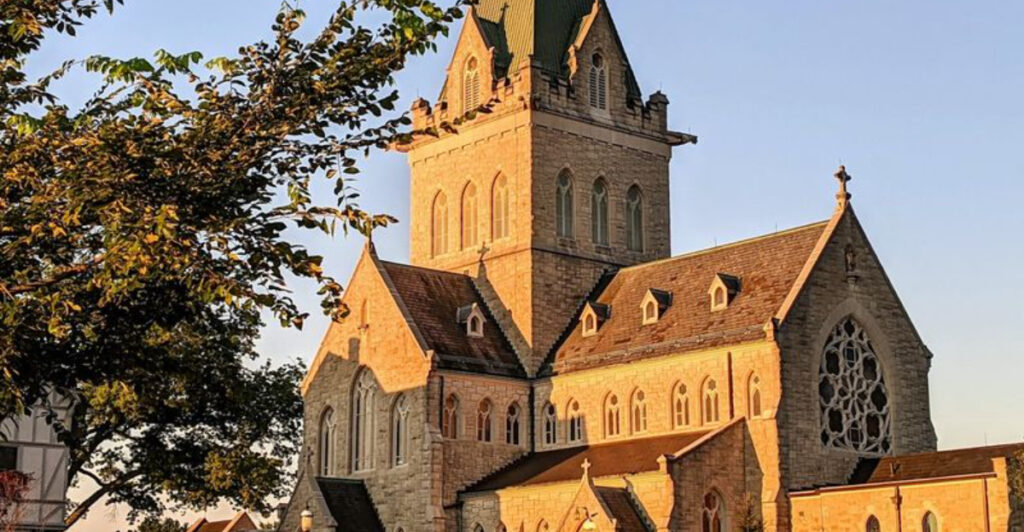
One of Madison’s best buildings sits at 9 Main Street, right where a visitor is likely to pass it even without planning to. The Museum of Early Trades and Crafts is housed in Madison’s first public library, a Richardsonian Romanesque Revival building donated by D.
Willis James to the people of Madison around the turn of the 20th century. It has the presence of a tiny castle crossed with a serious civic promise: come inside, learn something, and please admire the stonework on your way in.
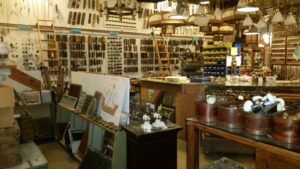
The museum focuses on 18th- and 19th-century craftsmen and artisans, using tools, objects, and stories to explain how people worked before large-scale industrialization changed everything. This is not history in the abstract.
It is the history of hands, trades, materials, and everyday labor. The museum’s collection includes thousands of hand tools and related objects, which gives the place a wonderfully practical texture.
It is also refreshingly manageable. You do not need to block off an entire day or pretend you have the stamina for a mega-museum.
Admission is modest, often listed at just a few dollars for adults, with reduced rates for seniors, students, and children, making it an easy add-on rather than a major production. The location helps, too.
The museum is right in the heart of Madison, at Main Street and Green Village Road, so it fits naturally between coffee, lunch, and a downtown walk. It gives the trip a little substance without making the day feel like homework.
You leave with a better sense of how New Jersey towns were built, not just how pretty they look now.
Bottle Hill Day Shows Off Madison’s Community Spirit
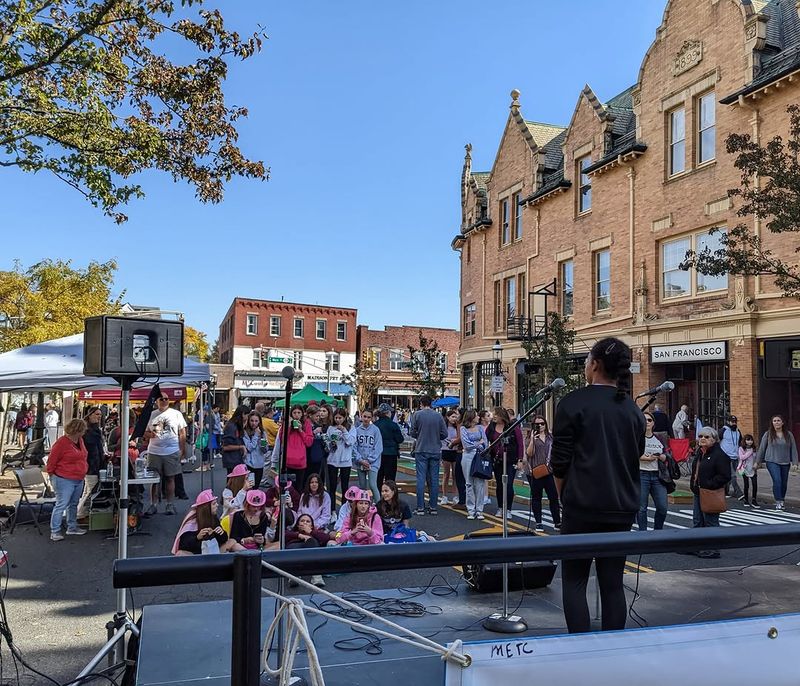
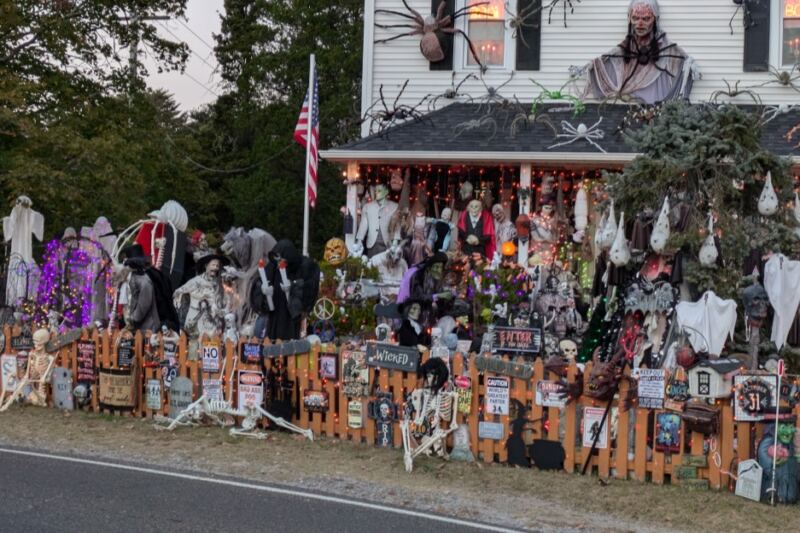
For most of the year, Madison is best enjoyed at a strolling pace. Then Bottle Hill Day arrives and the town decides, very politely, to take over the street.
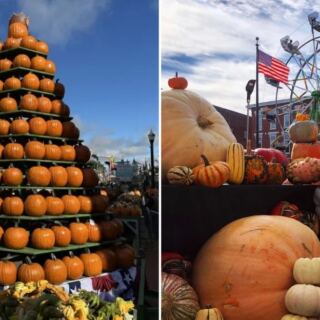
The annual fall festival celebrates Madison’s older name, Bottle Hill, and it has been one of the borough’s signature traditions for decades. The event typically runs in early October and fills the downtown with vendors, food, music, children’s activities, local groups, and the kind of sidewalk traffic that makes a town feel genuinely alive.
That scale matters because it shows what Madison is when the storefront charm gets joined by actual local energy. Bottle Hill Day is not just a few tables and a banner.
It turns the center of town into a full community scene, with families moving between booths, neighbors stopping mid-crosswalk to say hello, and local organizations reminding you that Madison is not just pretty to visit. People actually build lives here.
It also gives visitors a useful clue about the town’s personality. Madison can look buttoned-up at first glance, especially with its handsome borough hall and historic district.
Bottle Hill Day loosens the tie. It reminds you that this is a place with school groups, civic clubs, food tents, local musicians, and residents who still show up for a downtown festival because they actually like their downtown.
Even if you visit on an ordinary weekend, knowing Bottle Hill Day exists changes how you see Madison. The streets feel less like a preserved scene and more like a stage the town knows how to use.
Why Madison Works So Well as a Low-Key Road Trip Stop
Madison’s greatest road trip trick is that it does not ask you to overplan. It is easy to reach, easy to walk, and easy to enjoy in pieces.
The borough sits about 28 miles west of New York City and is close to major routes like I-287 and Route 24, which puts it in the sweet spot for North Jersey drivers: far enough to feel like a change of scenery, close enough that the ride home does not become the main event. It also works beautifully without a car.
Madison’s NJ Transit station is in the center of town, and Main Street is right there waiting. That makes the borough especially useful for the kind of day when you want a destination but not a logistical puzzle.
You can come for coffee, walk the historic district, stop at the museum, browse a little, eat well, and still keep the day relaxed. There is enough nearby culture to stretch the visit, too.
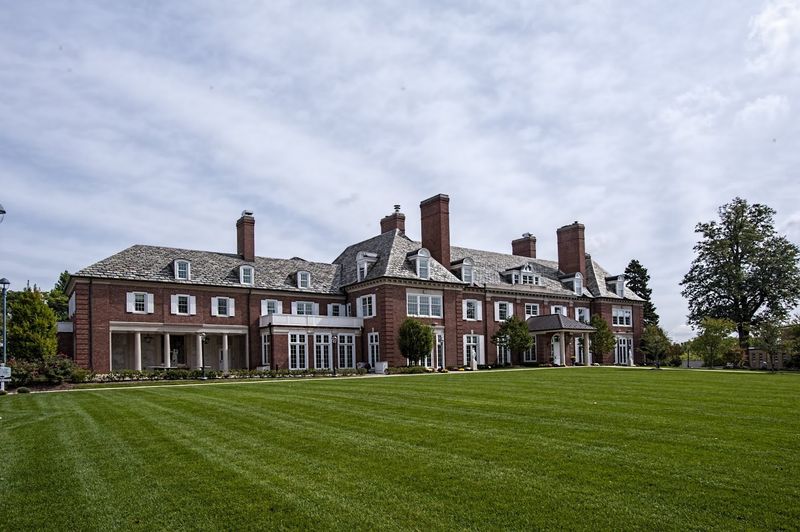
The Shakespeare Theatre of New Jersey is based in Madison, with its main stage close to downtown, and the town’s dining options make a pre-show meal simple. Drew University adds leafy campus energy, while the surrounding Morris County area gives you plenty of ways to turn Madison into one stop on a longer drive.
What keeps Madison from feeling like just another pleasant suburb is the layering. The rose-growing past, the old Bottle Hill name, the historic civic district, the serious little museum, the cafe in a former service station, the bakery counter, the train platform, the fall festival — they all sit close together.
Nothing has to be chased down. Madison lets a road trip stay small, which is exactly why it works.
Share this story