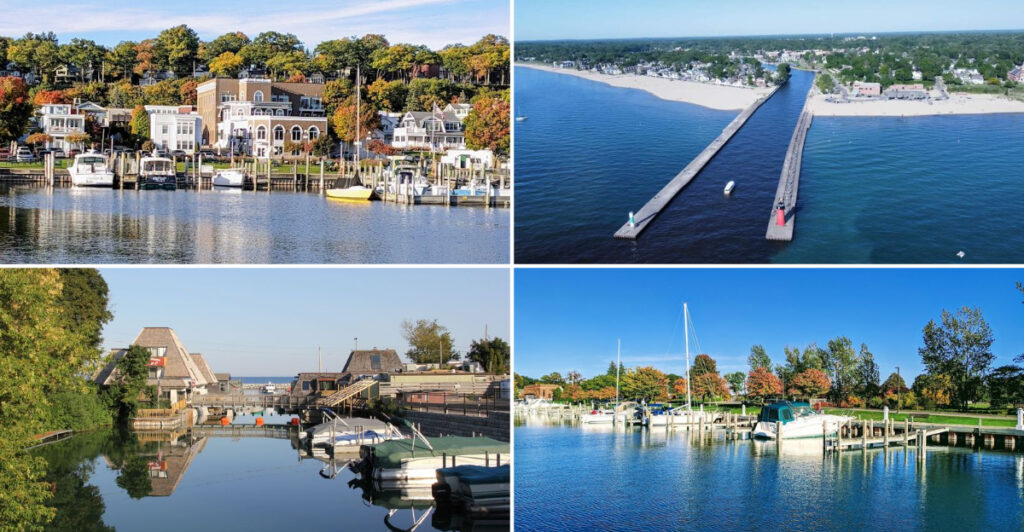
Michigan’s shoreline knows exactly how to show off when summer arrives. All along the Great Lakes, small towns come alive with breezy harbor views, sandy beaches, ice cream stops, walkable streets, and slow afternoons that make it easy to forget the rest of the world for a while.
Some feel polished and postcard-ready, while others keep things quiet, quirky, and wonderfully local. From the Upper Peninsula to the southwest coast, each town has its own rhythm, its own favorite waterfront corner, and its own reason to stay longer than planned.
Pack a bag, follow the shoreline, and let these 12 Michigan lakeside towns turn an ordinary summer drive into something worth remembering.
1. Harbor Springs
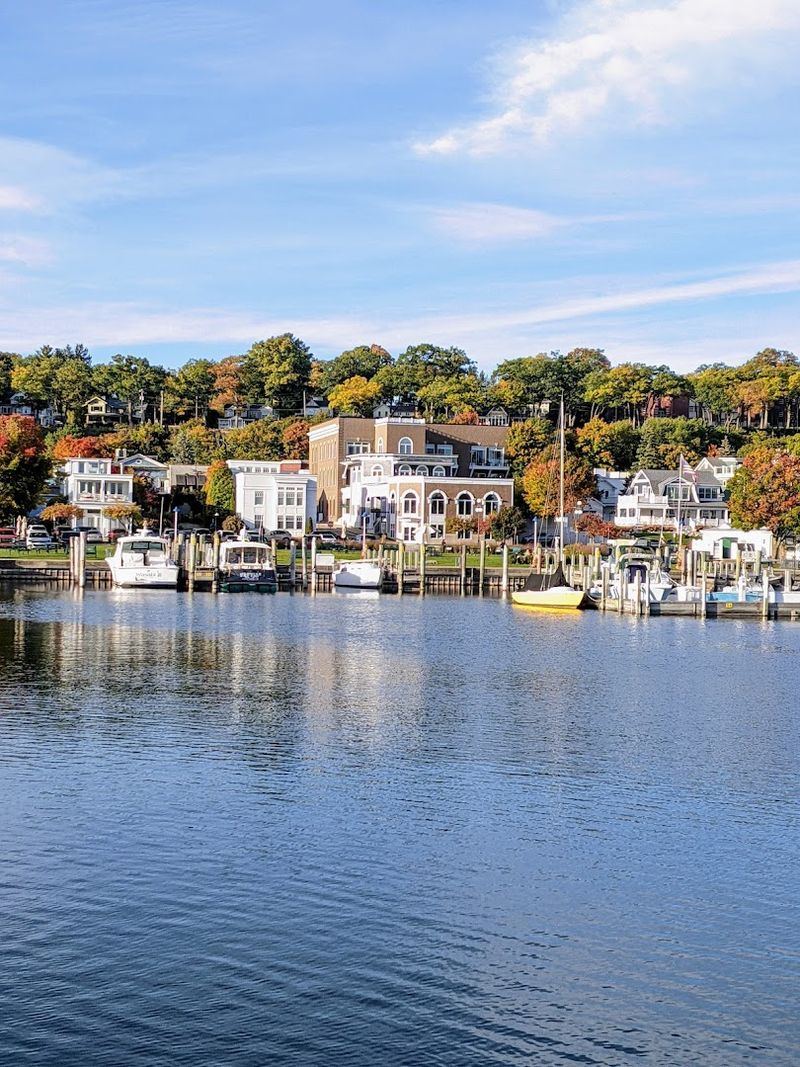
Few places in northern Michigan carry themselves with quite the same quiet confidence as Harbor Springs. Tucked along the southern shore of Little Traverse Bay, this village manages to feel both polished and completely unpretentious at the same time.
The harbor itself is a study in organized calm — sailboats lined up neatly, gentle waves lapping at the docks, and people strolling the waterfront with zero urgency.
Main Street is compact but loaded with good options. Independent boutiques, galleries showing local artists, and a handful of solid restaurants fill the blocks closest to the water.
The kind of place where a quick errand turns into a two-hour wander because something interesting keeps appearing around the next corner.
Cyclists make serious use of the Little Traverse Wheelway, a paved trail that connects Harbor Springs to Petoskey along the bay. The views along that stretch are genuinely hard to beat, especially in the golden hour before sunset.
Families ride it, solo travelers walk sections of it, and locals use it year-round.
The bluff neighborhoods above town offer a perspective most visitors miss entirely. A short drive or a steep walk rewards you with panoramic views of the bay and the village rooftops below.
It reframes the whole place in a way that sticks with you.
Water temperatures in Little Traverse Bay stay swimmable through most of July and August, and the beach areas near town are clean and well-maintained. Harbor Springs does not try to be flashy.
It simply offers a well-edited version of a classic northern Michigan summer, and that restraint is a big part of the appeal.
2. South Haven
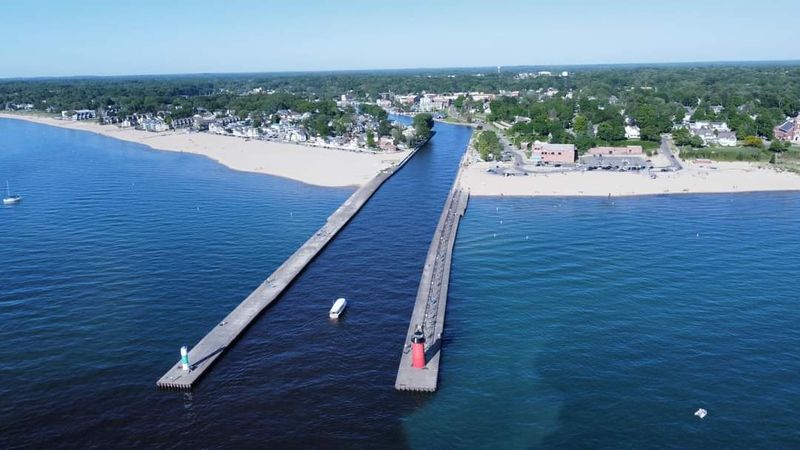
South Haven earns its reputation every single summer without breaking a sweat. The twin piers stretching into Lake Michigan are practically iconic at this point — the red lighthouse at the end of the south pier photographs well from every angle and at every hour.
Sunset walks out to that lighthouse have become a ritual for basically everyone who visits.
The Black River runs through the heart of town before emptying into the lake, and the marina along its banks gives South Haven a layered waterfront experience. Kayakers paddle under the drawbridge, charter fishing boats head out early in the morning, and the smell of fresh pastry drifts from a bakery nearby.
It stacks up fast.
South Haven’s beaches are wide, sandy, and well-organized. South Beach draws families with its calmer approach and easy parking access.
North Beach tends to attract a younger crowd. Both are clean, lifeguarded during peak season, and positioned so that the sunsets hit you straight on.
The town itself has a strong food scene for its size. Brewpubs, seafood shacks, and farm-to-table spots fill the downtown blocks.
Blueberry season in late July and early August is a local obsession — the surrounding Van Buren County grows a significant portion of the country’s blueberry crop, and the fruit shows up everywhere from pie to salad dressing.
Accommodations range from vintage motels with retro signage to renovated bed and breakfasts a block from the water. South Haven rewards both the spontaneous weekend tripper and the planner who books three months out.
Either way, the lake is right there waiting.
3. Leland
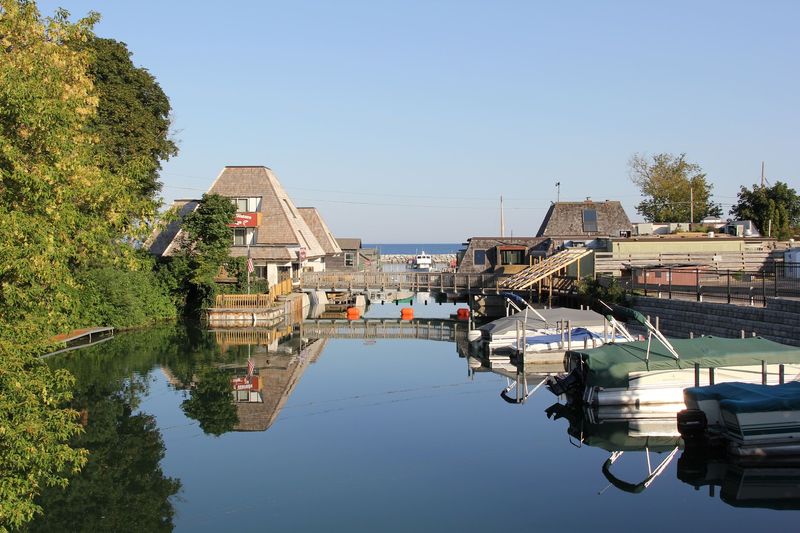
Leland is one of those places that could easily coast on good looks alone, but it actually has real substance behind the postcard exterior. Fishtown — the cluster of weathered cedar shanties along the Leland River channel — is a working historic district, not a theme park.
Some of the buildings still house active fishing operations, smokehouses, and charter boat companies that have been running for generations.
The channel itself is narrow and busy in summer. Boats heading out to Lake Michigan pass just feet from the boardwalk where visitors stand watching.
It creates this unusual sense of proximity to actual lake life that most tourist spots carefully curate away.
Leland sits on the Leelanau Peninsula, which means the surrounding landscape is extraordinary. Cherry orchards, vineyards, and rolling hills frame the drive in from every direction.
The Leelanau wine trail passes through nearby, and several tasting rooms are within a short drive of the village center.
Sleeping Bear Dunes National Lakeshore is close enough to make Leland a smart base camp for exploring the park. The Sleeping Bear Heritage Trail is accessible nearby, and the massive sand dunes along the Lake Michigan shore are less than thirty minutes away by car.
Van’s Beach, just north of the Fishtown channel, is a solid swimming spot with soft sand and a low-key atmosphere. It does not have the infrastructure of a bigger beach town, which is precisely why people who know about it return year after year.
Leland resists over-development with impressive stubbornness, and the village is better for it.
4. New Buffalo
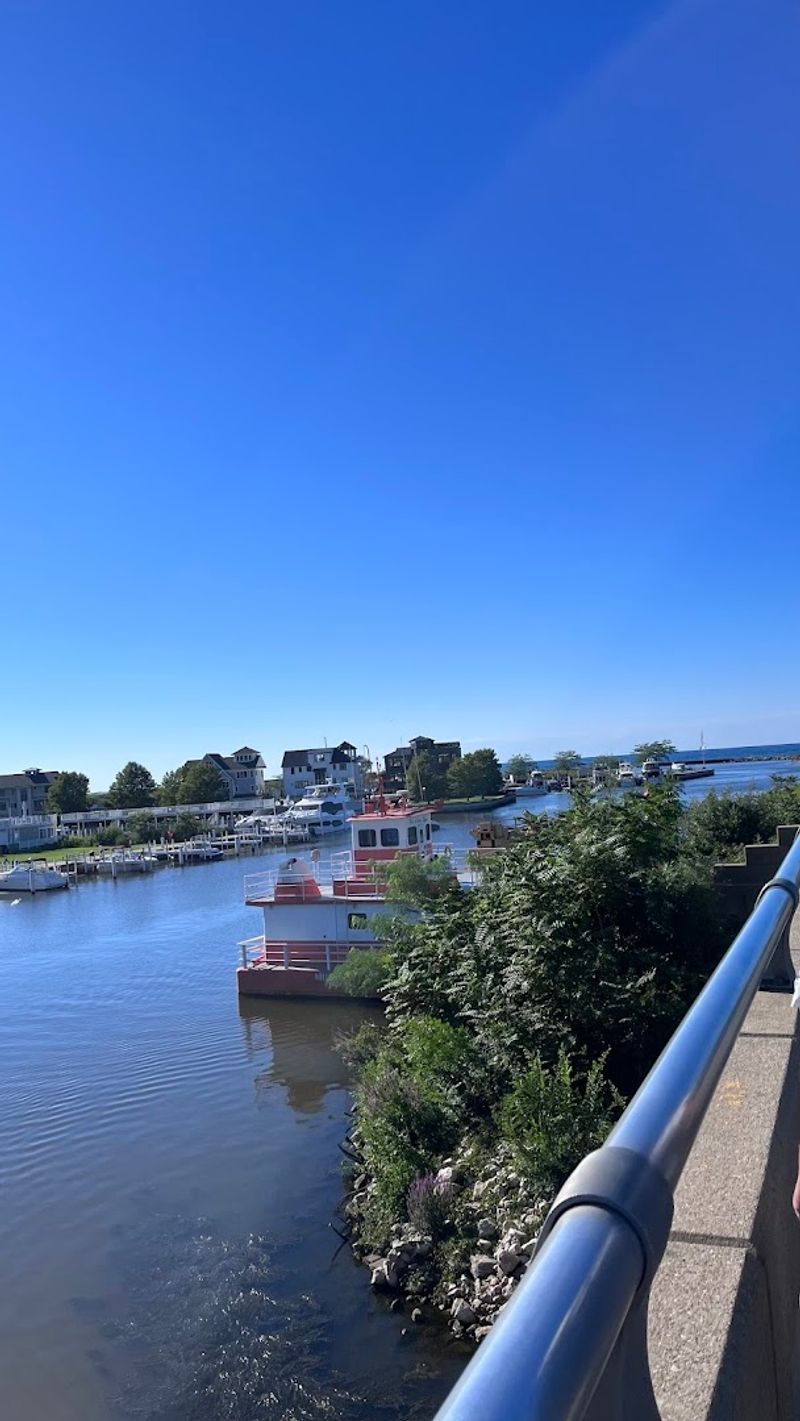
New Buffalo sits right at the southwestern tip of Michigan, close enough to Chicago that city dwellers make the ninety-minute drive on Friday afternoons without a second thought. That proximity has shaped the village into something polished and energetic, but it has not stripped away the small-town bones that make it worth visiting in the first place.
The harbor is the social center of summer. Boats come and go constantly, the marina restaurant fills up by noon, and the energy along the waterfront stays high well into the evening.
New Buffalo has figured out how to handle a crowd without losing its identity, which is harder than it sounds.
The beach here is wide and long, with soft sand that stays clean throughout the season. Lake Michigan water temperatures on this southern stretch tend to run warmer than further north, which makes New Buffalo a particularly popular swimming destination from late June onward.
Families set up for full days, and the beach rarely feels overwhelming despite the visitor numbers.
Downtown is compact and walkable. A mix of wine bars, specialty shops, and casual restaurants fills the few blocks between the beach and the main road.
The quality of the food scene punches well above what you would expect from a town this size, partly because the Chicago market demands it and partly because local operators have genuinely good taste.
Accommodation options lean toward boutique hotels and vacation rentals rather than chain properties, which keeps the overall character of the place intact. New Buffalo is unapologetically popular, and it handles that popularity with more grace than most.
Show up early on summer weekends if parking matters to you.
5. Grand Marais
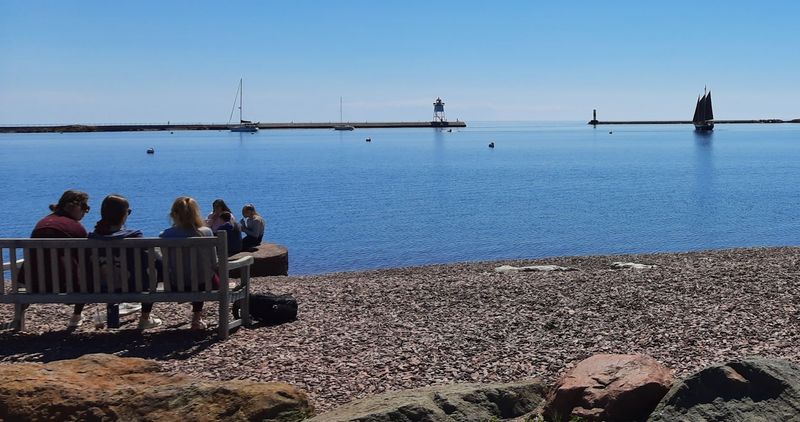
Grand Marais operates on a completely different frequency than the rest of Michigan’s harbor towns. Located on Lake Superior’s southern shore in the Upper Peninsula, this remote village has a population that hovers around three hundred year-round.
Summer brings visitors, but not in numbers that change the essential character of the place.
The harbor here is small and working-class in the best possible way. Fishing boats, kayaks, and the occasional larger vessel share the protected water.
The lighthouse at the end of the breakwater is accessible by foot and offers a wide view of Superior’s vast, cold surface. On clear days, the lake looks more like an ocean than anything else.
Grand Marais sits at the eastern edge of Pictured Rocks National Lakeshore, one of the most visually striking stretches of coastline in the Midwest. Kayaking tours launch from the village and head west along the colorful sandstone cliffs.
Hiking trails access the lakeshore from multiple trailheads within a short drive.
The town itself is endearingly bare-bones. A general store, a few restaurants, a brewpub that locals take seriously, and a scattering of rental cabins make up most of the infrastructure.
There are no chain restaurants, no traffic lights, and no pretense. People come here for the landscape and the solitude, not the amenities.
Cell service is limited in Grand Marais, which some visitors find inconvenient and others find deeply refreshing. The night sky above the Upper Peninsula is remarkable on clear nights, and the absence of light pollution around the village makes stargazing genuinely spectacular.
Grand Marais rewards the kind of traveler who can slow down completely.
6. Saugatuck
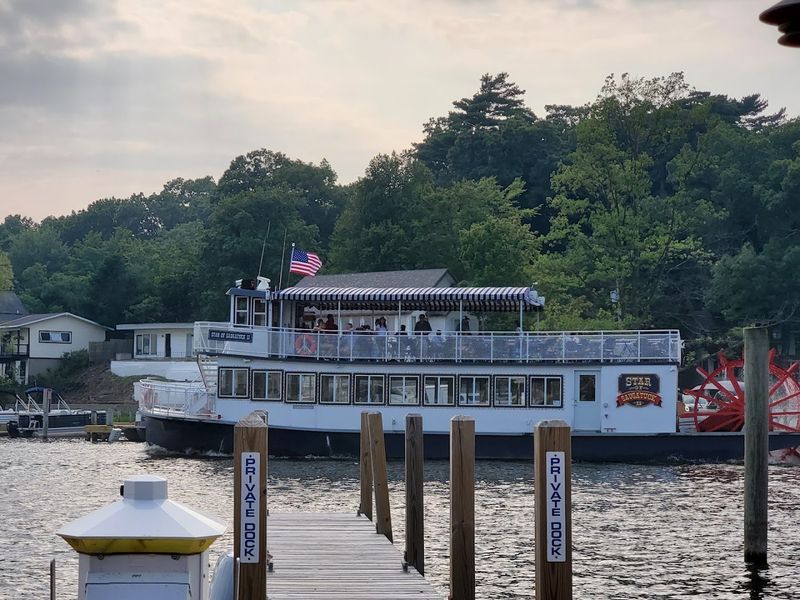
Saugatuck has been drawing artists, writers, and creative types since the early twentieth century, and that legacy is still completely legible in the town today. Galleries line the streets.
Murals appear on unexpected walls. The whole place has a visual energy that most small towns never develop even when they try hard to cultivate it.
The Kalamazoo River runs through Saugatuck before emptying into Lake Michigan, creating a protected harbor that has been a boating destination for decades. The chain ferry — a hand-cranked cable ferry that crosses the river — is one of those small, genuinely charming details that sticks in memory long after the trip ends.
It costs almost nothing and takes about two minutes, but somehow everyone loves it.
Mount Baldhead, the large sand dune on the north side of the river, offers a workout and a reward. The climb up the wooden staircase is steep and legitimately tiring.
The view from the top, looking out over the river, the town, and Lake Michigan beyond, is worth every step. Most people run down the dune side and end up at Oval Beach below.
Oval Beach consistently ranks among the best freshwater beaches in the country, and the ranking is not hard to understand. The sand is fine and pale, the water is clear, and the dunes rise dramatically behind the beach creating a natural windbreak.
It never looks quite real.
Saugatuck’s restaurant scene reflects its creative identity. Menus change with seasons, local ingredients show up prominently, and the overall quality is high.
The town is openly welcoming to everyone, with a long-standing reputation as one of Michigan’s most inclusive destinations. That open spirit is part of what keeps the creative community thriving here.
7. Petoskey
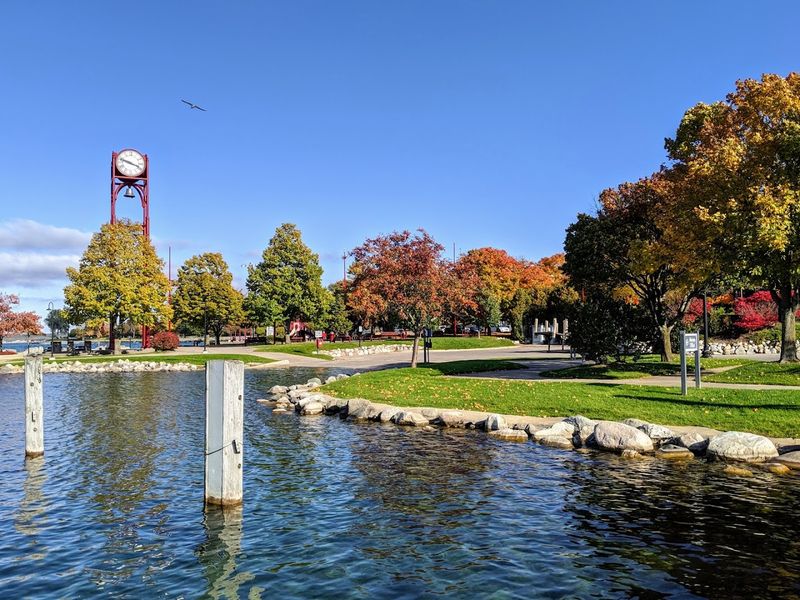
Petoskey is the kind of town that rewards slow exploration. The Gaslight District — the historic downtown shopping area — is built on a hillside that slopes toward Little Traverse Bay, and the architecture along the main streets is genuinely beautiful.
Victorian-era brick buildings house independent bookstores, clothing boutiques, and restaurants that have been around long enough to develop real regulars.
Ernest Hemingway spent summers near Petoskey as a young man, and the area clearly left a mark on his early writing. The history is acknowledged around town without being overly commercialized, which is the right call.
A small museum covers his connection to the region, and the landscape he described in his Nick Adams stories is still recognizable today.
Petoskey stones are the big geological draw. These fossilized coral pieces wash up on the beaches around Little Traverse Bay and are specific to this region of Michigan.
Finding one requires patience, a wet stone (they are easier to spot when wet), and some knowledge of what to look for. Locals have been collecting them for generations, and the hobby has a devoted following.
Magnus Park, right on the bay, is a local gathering spot with a beach, a playground, and views that make it easy to lose track of time. The Little Traverse Wheelway runs through the park, connecting it to both Harbor Springs to the north and the trails heading south.
It is a well-used piece of infrastructure that genuinely improves daily life in the area.
The food options around Petoskey have expanded considerably in recent years. Farm-to-table spots, a strong craft beer scene, and several outstanding bakeries give the town a culinary depth that matches its cultural one.
Petoskey does not rush anything, and that pace suits it perfectly.
8. Empire
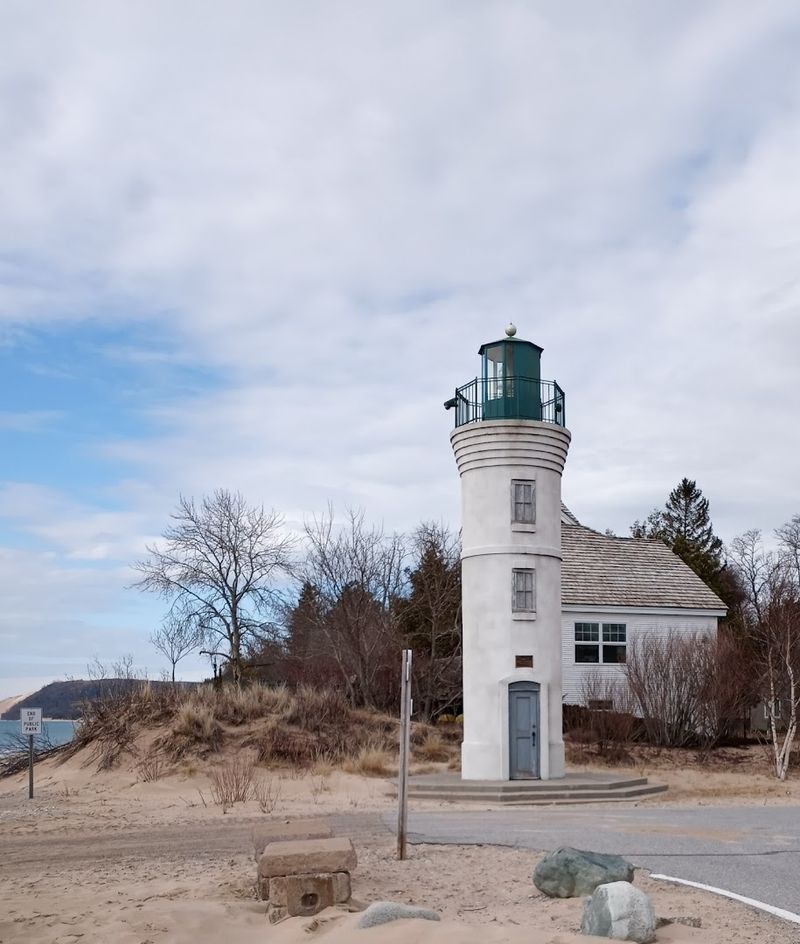
Empire is a village so small that it almost defies description as a destination — until you realize it sits at the doorstep of Sleeping Bear Dunes National Lakeshore, one of the most dramatic landscapes in the Great Lakes region. The National Park Service visitor center for Sleeping Bear is located right in Empire, making the village the natural starting point for exploring the park.
The Dune Climb, one of the most recognized features of Sleeping Bear, is a short drive from town. Climbing the steep face of the dune is harder than it looks from the parking lot.
The view from the top — a ridge overlooking Lake Michigan and the Manitou Islands — is one of those sights that genuinely catches people off guard with its scale.
Empire Beach is a low-key gem. There is no elaborate infrastructure, no concession stand, and no lifeguard stand.
Just a wide stretch of sand, cold Lake Michigan water, and an unobstructed view west toward the horizon. Sunsets here are extraordinary because there is nothing blocking the western sky.
The village center has a few restaurants, a general store, and a small brewery that locals treat as the community living room. The atmosphere is relaxed in a way that feels earned rather than performed.
People in Empire are not trying to impress anyone — they just happen to live next to one of the most beautiful places in the Midwest.
Sleeping Bear Heritage Trail passes through the area and offers miles of paved cycling through forests and farmland with occasional lake views. Renting a bike in Empire and spending a morning on the trail is one of the better ways to spend a summer day in northern Michigan without spending much money.
9. Charlevoix
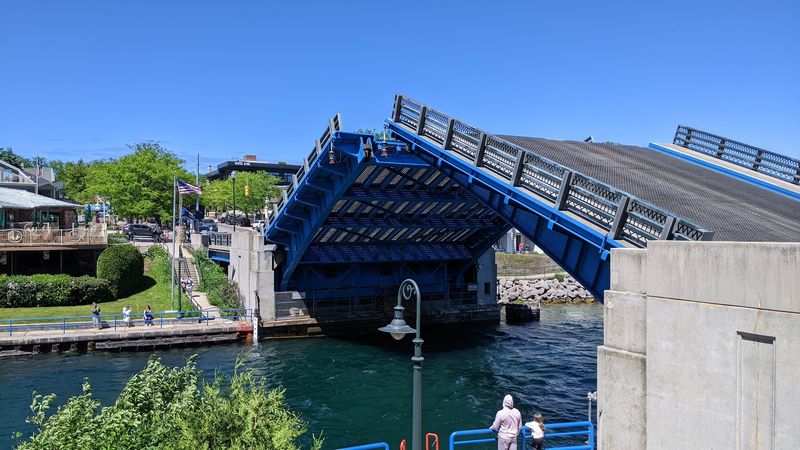
Charlevoix holds a geographic card that almost no other town in Michigan can match: it sits between two lakes. Lake Michigan to the west, Lake Charlevoix to the east, and the Pine River Channel connecting them right through the middle of town.
Boats move through that channel all summer long, passing under the lift bridge while traffic stops and pedestrians watch from the railings.
The channel is the pulse of Charlevoix’s summer identity. Marinas on both sides stay busy.
Waterfront restaurants face the boat traffic. The bridge itself raises and lowers dozens of times each day, and watching it happens to be a completely free and oddly satisfying way to spend twenty minutes.
Locals time their errands around the bridge schedule.
Earl Young’s mushroom houses are one of the more unusual architectural features anywhere in Michigan. These organic-looking stone cottages, built in the mid-twentieth century with rounded rooflines and unconventional proportions, are scattered through a residential neighborhood near downtown.
They were designed by a local real estate developer with an idiosyncratic vision, and they look like nothing else in the state.
Fisherman’s Island State Park, just south of town, offers miles of undeveloped Lake Michigan shoreline and excellent agate hunting. The park is largely unknown outside the region, which keeps it quiet even on busy summer weekends.
The hiking trails through the cedar forest are well-marked and genuinely peaceful.
Charlevoix’s downtown shopping district is strong for a town its size. Quality independent retailers, a good bookstore, and several reliable restaurants fill the blocks near the channel.
The farmers market runs on Saturday mornings and draws producers from across Charlevoix County. The whole town operates at a summer pace that is busy but never frantic.
10. Mackinac Island
No cars. That is the rule on Mackinac Island, and it changes everything about how the place operates.
Visitors arrive by ferry from either Mackinaw City or St. Ignace, and from the moment they step off the boat, the transportation options are limited to bicycles, horse-drawn carriages, or their own feet. The absence of engine noise is jarring at first and then deeply pleasant within about ten minutes.
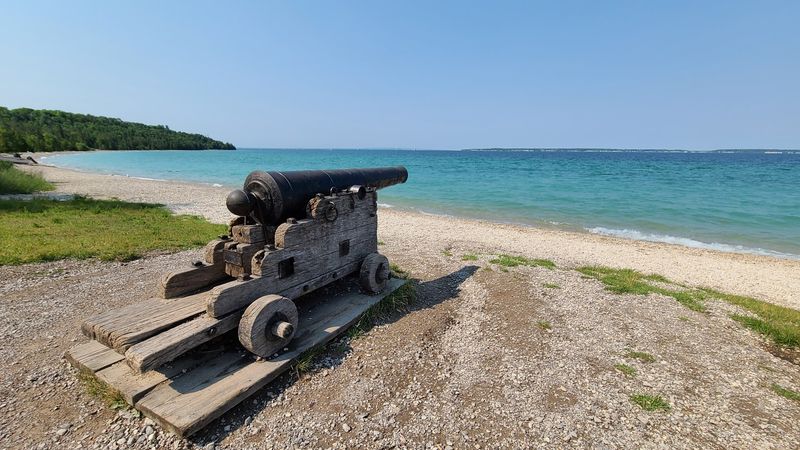
The island sits in the Straits of Mackinac where Lakes Huron and Michigan meet, and its strategic location made it an important military and trading post for centuries. Fort Mackinac, perched on the bluff above town, is a well-preserved historic site with costumed interpreters and cannon firings that kids find genuinely exciting.
The views from the fort’s walls are among the best on the island.
Fudge is essentially the island’s official currency. Shops along Main Street make it fresh, in full view of passing customers, and the smell is relentless.
Mackinac Island fudge has a specific texture and richness that differs from the generic version sold everywhere else. Buying a half-pound and eating it while watching the ferries come in is a completely acceptable life choice.
The interior of the island is mostly state park, with miles of trails winding through hardwood forest and along dramatic limestone bluffs. Arch Rock, a natural limestone arch rising above the eastern shoreline, is reachable by trail or road and worth the effort.
The eight-mile perimeter road circles the island and is a popular cycling route.
Grand Hotel, the enormous white-columned resort on the bluff, has been operating since 1887 and has a porch that claims the title of longest in the world. Non-guests can visit the hotel grounds for a fee.
The whole island operates in a register that feels genuinely unlike anywhere else in Michigan.
11. Escanaba
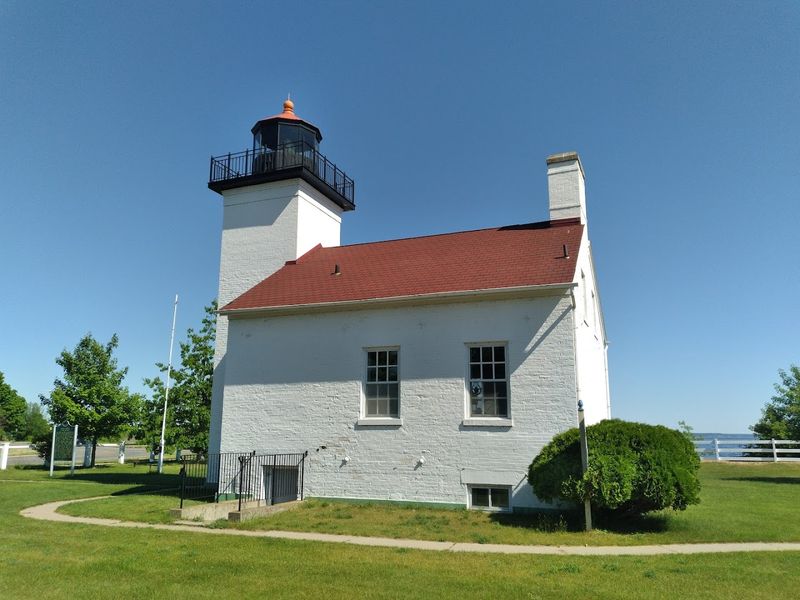
Escanaba sits on Little Bay de Noc, an arm of Green Bay that pushes up into Michigan’s Upper Peninsula. It is the largest city on the U.P.’s south shore, though calling it large requires some adjustment of expectations — the population hovers around twelve thousand.
What Escanaba offers that most U.P. towns cannot is a full-service waterfront with a real marina, a downtown grid of shops and restaurants, and a summer festival calendar that keeps things lively.
The bay itself is warmer and calmer than Lake Michigan or Lake Superior, making it particularly good for swimming, kayaking, and fishing. Smallmouth bass, walleye, and perch are abundant in Little Bay de Noc, and the fishing community here is active and knowledgeable.
Charter trips can be arranged through the marina, and the fishing pier near Ludington Park is a free and productive option for casual anglers.
Ludington Park is the social center of Escanaba’s summer. A sandy beach, a bandshell for outdoor concerts, a lighthouse at the end of a breakwater, and wide lawns for picnicking make it the kind of public space that a city twice the size would be proud to have.
The park is well-maintained and genuinely used by locals rather than just photographed by tourists.
The U.P. 200 Sled Dog Championship happens in February and draws serious attention, but summer has its own draws. The Upper Peninsula State Fair runs in August and is one of the oldest and most beloved in the state.
Escanaba’s downtown has been quietly improving, with new restaurant concepts and renovated storefronts adding energy to the main corridor.
Getting to Escanaba requires either a long drive or a flight into the local airport, but the relative effort filters out casual visitors and rewards those who make the trip with a genuinely unhurried experience.
12. St. Joseph
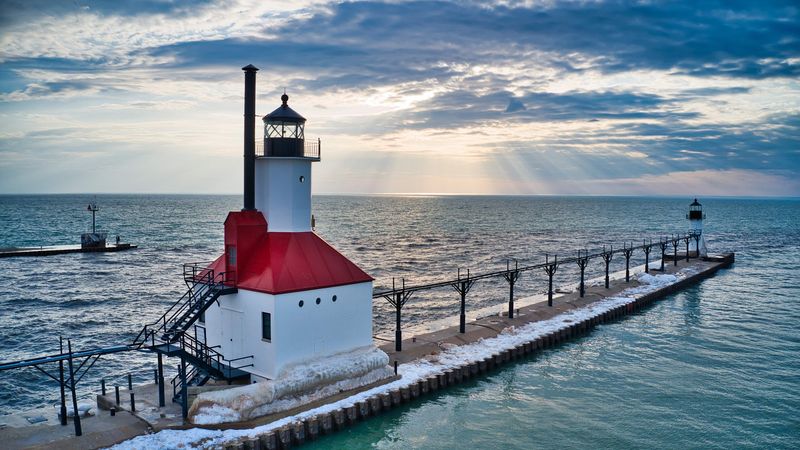
St. Joseph announces itself dramatically. The twin lighthouses at the end of the north pier are among the most photographed structures on Lake Michigan’s eastern shore, and the bluff on which the downtown sits gives the whole town an elevated, commanding presence over the water.
Walking from the beach level up to the main commercial streets involves a significant climb, and the views from the top make every step worthwhile.
Silver Beach is the centerpiece of St. Joseph’s summer identity. The wide, sandy stretch at the base of the bluff draws thousands of visitors on hot weekends, and the surrounding Silver Beach County Park has enough infrastructure — carousel, water play area, volleyball nets — to keep families entertained for a full day.
The beach faces west, which means the sunsets are a nightly event worth planning around.
The downtown along State Street and the surrounding blocks is genuinely strong. Independent retailers, a solid wine bar scene, and several well-regarded restaurants make it a destination in its own right rather than just a beach town with a few shops attached.
The quality of the food options here is consistently surprising to first-time visitors.
Curious Kids’ Museum, a hands-on science and activity museum aimed at younger children, has been a family anchor in St. Joseph for decades. It is the kind of place that works well on a cloudy afternoon when the beach is not calling.
The museum occupies a building right in the downtown core, which makes it easy to combine with lunch and a quick shop.
St. Joseph and its neighboring city of Benton Harbor are distinct communities that share geography and increasingly share economic momentum. The arts scene in Benton Harbor, anchored by the Krasl Art Center just across the river in St. Joe, adds a creative dimension that enriches both sides of the St. Joseph River.
13. Elk Rapids
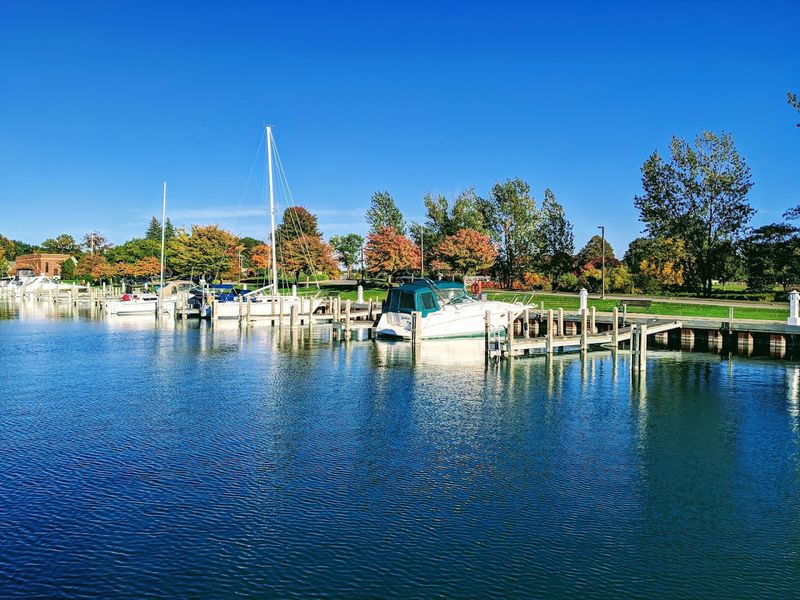
Elk Rapids is the kind of place that Traverse City regulars escape to when Traverse City gets too crowded. Located about fifteen miles north along the eastern shore of Grand Traverse Bay, this small village sits at the point where Elk Lake and Elk River meet the bay, creating a water-rich geography that shapes almost everything about the summer experience here.
The harbor is modest but active. Pontoon boats, kayaks, and small fishing craft share the protected water where the river enters the bay.
A small beach near the marina is a neighborhood favorite, shallow enough for young children and calm enough for leisurely paddling. The river channel itself is worth exploring by kayak — it winds through marshland and offers close-up views of herons, kingfishers, and the occasional otter.
Main Street in Elk Rapids is short, sweet, and carefully curated. An independent bookstore, a handful of restaurants, an art gallery, and a few specialty shops fill the blocks without any of the overflow that comes from over-tourism.
The pace here is noticeably slower than Traverse City, and that difference is the whole point for the people who choose it.
Elk Lake itself is one of the clearer inland lakes in northern Michigan. The water visibility is impressive, and the sandy bottom in the shallower areas makes it ideal for swimming.
Boat rentals are available near the harbor, and a full afternoon on the lake with a picnic is a completely reasonable summer itinerary.
The farmers market runs on summer mornings and reflects the agricultural richness of the Grand Traverse region — cherries, asparagus, fresh herbs, and locally made preserves fill the stalls. Elk Rapids does not advertise itself aggressively, and that low profile is one of its most appealing characteristics.
Word of mouth is how most people find it, and most people who find it come back.
Share this story