Community spaces feel more memorable when they bring tradition and surprise into the same room. In Troy, Michigan, the American Polish Cultural Center stands out by pairing classic Polish food with lively salsa nights, creating a gathering place that feels both rooted and unexpected.
The mix works because cultural centers are at their best when they preserve heritage while also giving people fresh reasons to come together. Here, a meal can lead to music, dancing, conversation, and a fuller sense of community under one roof.
For anyone looking for a Michigan stop with flavor, energy, and cultural character, this Troy landmark deserves a closer look.
A Big Hall With More Going On Than Dinner
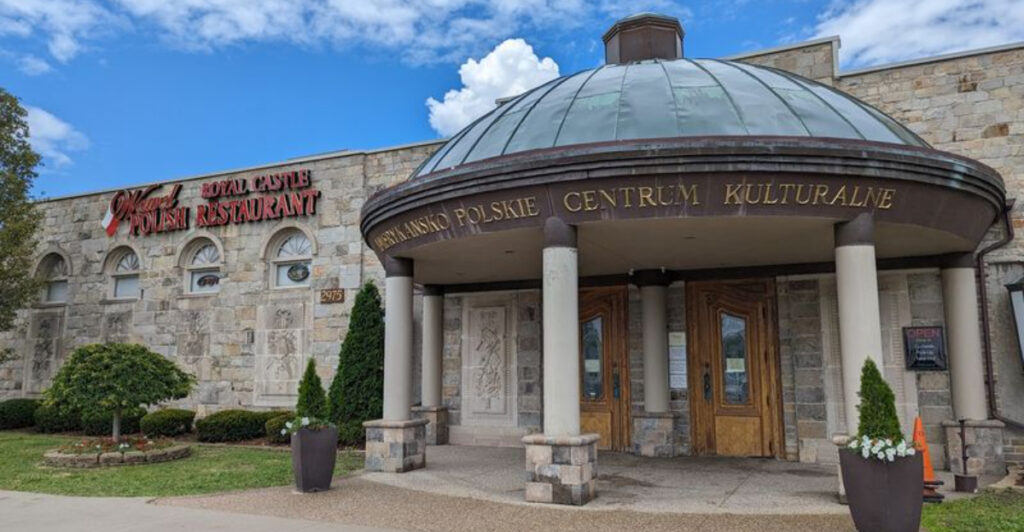
At first glance, the American Polish Cultural Center reads like a banquet venue, and that is part of its appeal. The building is known for handling large events, with enough room for major celebrations, memorial luncheons, parties, and community functions.
Instead of acting like a single-use rental hall, it operates as a place with regular life inside it.
That difference changes the mood right away. A center that also serves meals, hosts activities, and welcomes returning locals tends to feel less formal than a hall used only for special occasions.
The result is a space that can shift from weekday lunch to cultural programming to a large evening event without seeming out of place.
Size matters here, especially for families planning a gathering with a long guest list. Reports of the larger hall holding around 400 guests help explain why the venue appears again and again for milestone celebrations.
Easy parking and a covered entry also solve small but real problems, especially in Michigan weather when rain, snow, or wind can turn arrival into a hassle.
The practical side deserves attention too. A large room can be a gift, but a unique layout means planning tables and traffic flow carefully is smart.
That is useful information for anyone thinking beyond dinner and looking at the center as a setting for weddings, engagement parties, birthday banquets, or remembrance events.
Even with that event-ready scale, the place does not seem detached or cold. Clean rooms, attentive service, and an active schedule help it stay grounded as a community hub.
In one stop, it works as a restaurant, a cultural home, and a gathering place built for big moments.
Pierogis Lead the Way, but the Menu Does More
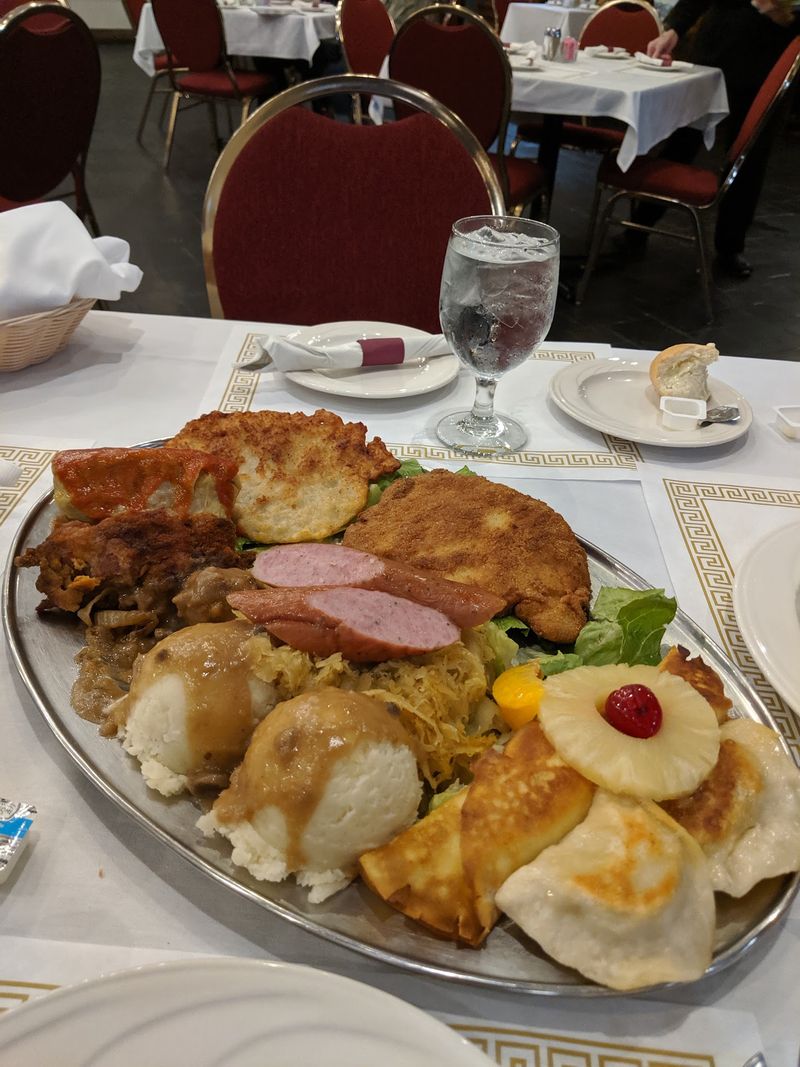
Comfort food is the easiest way into the American Polish Cultural Center story. The restaurant side of the property gives the building a daily purpose, and the menu is where many first-time visitors begin.
Polish food is the headline, but the experience goes beyond one famous dumpling.
Pierogis get plenty of attention for good reason. They are familiar enough to feel inviting, yet still special for anyone who does not eat Polish food often.
A plate of them can act as a starting point, not the whole meal, because the kitchen is also known for hearty entrees like stuffed cabbage, sausage, meatballs, potato pancakes, schnitzel-style cutlets, and city chicken.
One detail that helps the center stand out is how strongly the food is tied to the idea of home cooking. Diners often look for that in a cultural restaurant, especially when the menu leans traditional instead of flashy.
Rich sauces, potatoes, cabbage, and savory meats create the kind of meal that asks for time, not speed.
Then there is the dill pickle soup, a dish that instantly sparks curiosity. For some readers, that name alone is enough to justify a visit because it sounds both comforting and surprising.
Cheesecake and imported Polish beer add another layer, giving lunch or dinner a fuller shape without turning the menu into a trend-driven performance.
A smart first visit would keep the order balanced. Pick one classic item already loved by regulars, then add one dish that sounds unfamiliar, such as dill pickle soup or a mixed Polish platter.
That way the meal becomes both easy and memorable, with enough variety to understand why the restaurant remains one of the center’s strongest draws.
On the Last Sunday, the Dance Floor Changes Everything
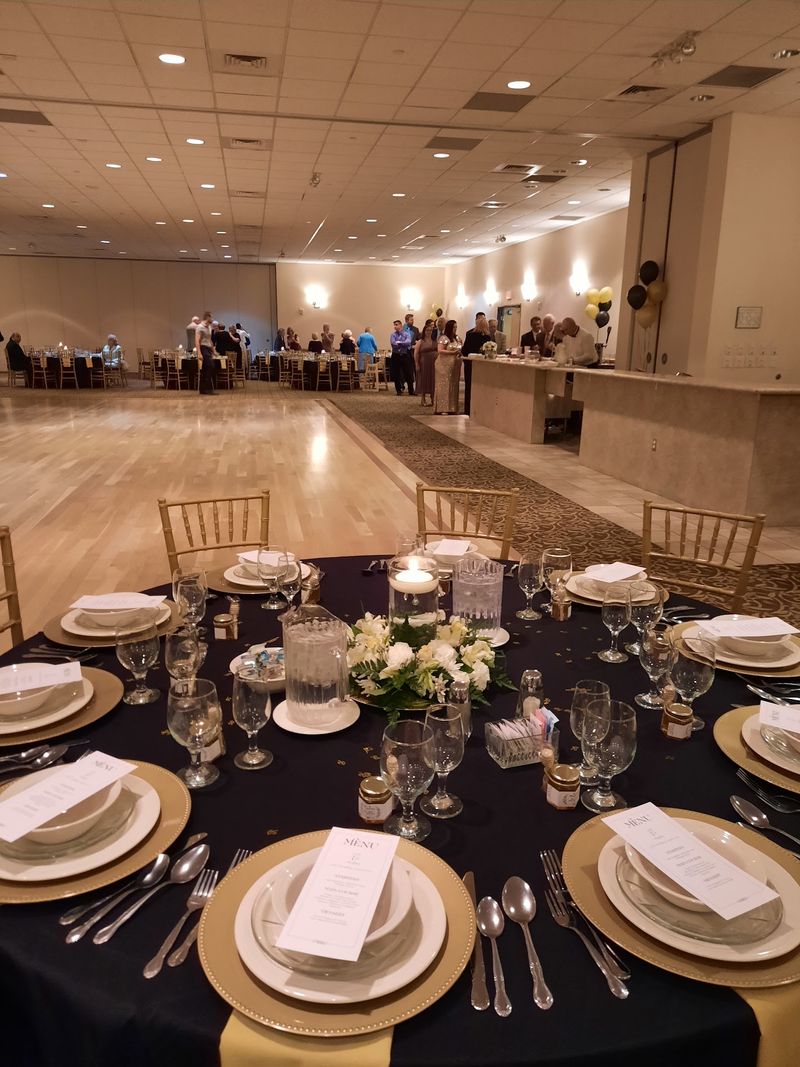
Then the rhythm changes. One of the most unexpected parts of the American Polish Cultural Center is its salsa and bachata night, held on the last Sunday of the month.
That single detail flips the place from old-world dining room and banquet hall into a cross-cultural dance stop with a completely different energy.
Plenty of venues serve food. Plenty of halls host private events.
Far fewer can move naturally into Latin dance night without it sounding random, yet that contrast is exactly why the center becomes interesting. A building devoted to cultural life works best when it stays active, and dance is one of the clearest ways to do that.
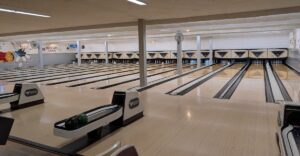
The physical layout helps the idea make sense. A center already built with roomy halls and event space has what dancing needs most: open floor area, room to gather, and enough separation between watching, chatting, and moving.
Instead of squeezing dancers into a cramped corner, the venue can support a social event that breathes.
For newcomers, salsa night also lowers the pressure that can come with visiting a cultural center for the first time. A person may arrive because of the dancing and later notice the restaurant, exhibits, or broader mission of the building.
Another person may come for Polish food and return on a different day after learning the calendar includes music and partner dancing.
That kind of overlap is rare and useful. It widens the audience without erasing the center’s identity, and it shows how a community space can welcome both heritage and fresh activity in the same setting.
In practical terms, salsa night gives the building movement, sound, and a reason to be seen by people who might never have expected to step inside.
A Michigan Cultural Center That Mixes Heritage With Motion
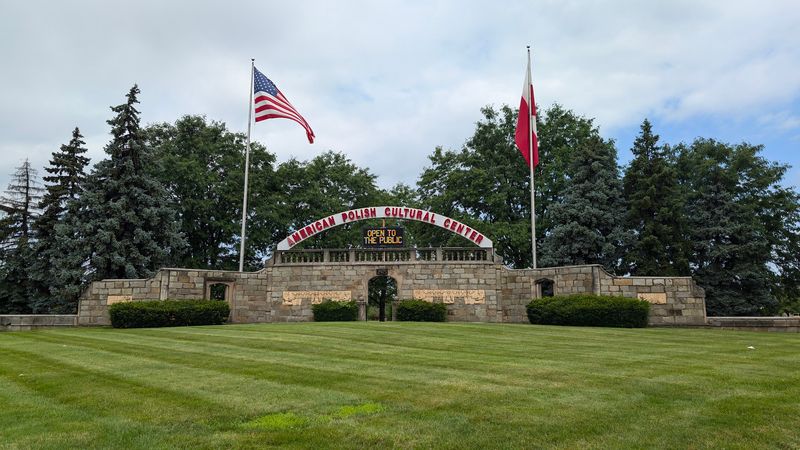
Michigan has no shortage of community spaces, but not all of them carry two strong identities at once. The American Polish Cultural Center manages to celebrate Polish heritage while also staying flexible enough for dancing, banquets, classes, and public events.
That combination gives it a wider reach than a restaurant alone or a private hall alone.
Cultural centers can struggle if they become too static. A building full of tradition matters, but tradition becomes stronger when people keep using the space in everyday ways.
Lunch service, exhibits, dance events, and large family functions all help the center stay active instead of ceremonial.
There is also a local lesson in that balance. Metro Detroit has long been shaped by immigrant communities, social clubs, churches, halls, and neighborhood institutions that preserve language, food, and customs through regular gathering.
The center fits into that regional story by offering a place where heritage is not tucked away behind glass.
At the same time, salsa nights send a clear signal that culture does not need to stay boxed into one lane. A visitor can appreciate Polish cooking, notice holiday decorations or display areas, and still come back for a very different kind of evening later in the month.
That range makes the center easier for mixed groups, curious first-timers, and younger guests who may want a social hook along with a cultural one.
Seen that way, the center is not built around contradiction. It is built around use.
When a venue can hold memory, meals, music, and motion together, it serves the neighborhood in a fuller way. In Michigan, where community life often gathers around halls like this, that kind of flexible identity gives the place real staying power.
Beyond the Plates, Small Cultural Details Add Depth
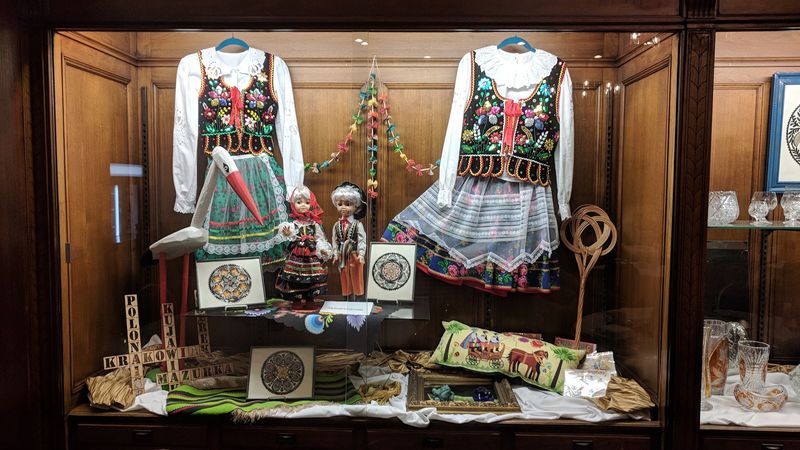
A meal may bring people through the door, but the smaller cultural details give the American Polish Cultural Center extra depth. The building is not only about eating or renting a room.
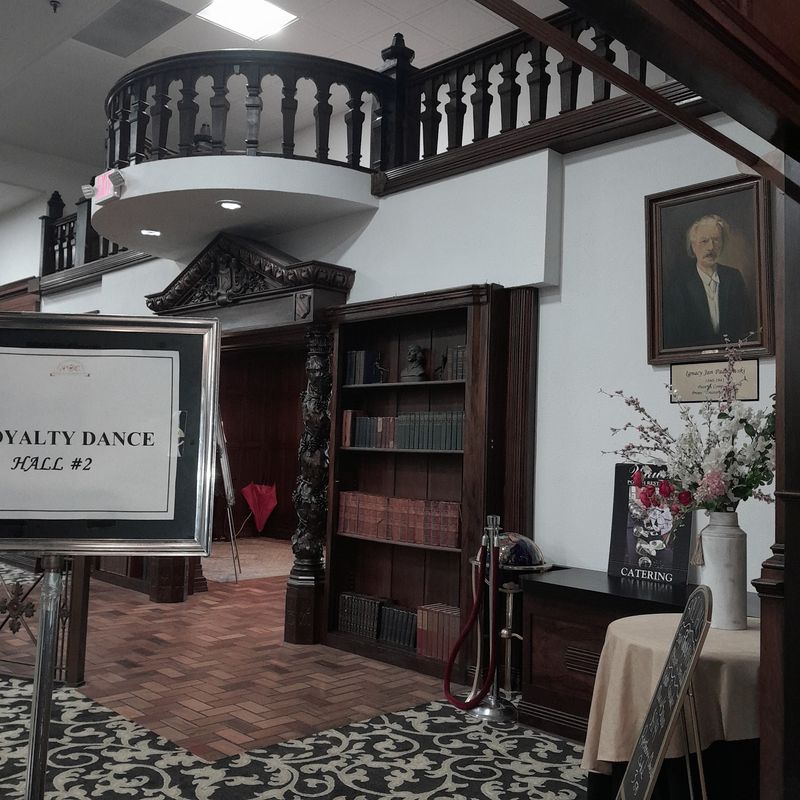
Display areas, exhibits, and the Polish American Sports Hall of Fame create reasons to look around rather than rushing out after lunch.
That matters because cultural identity often lives in ordinary objects and shared stories, not only in major events. A sports display can tell one chapter of Polish American life.
Seasonal decorations, especially around Christmas, add another layer by showing how the center marks time and tradition inside the building itself.
There is a nice shift in pace here. One part of the visit can be all appetite and conversation, while another becomes slower and more observant.
Looking at exhibits after a heavy Polish lunch changes the rhythm of the outing and helps the center function like a gathering place with texture, not just a dining room with walls.
For families, these extras are especially useful. A child or teen who may not care much about stuffed cabbage can still connect with sports history, holiday decor, or the simple experience of seeing a community institution that presents its heritage in visible ways.
Adults planning an event may also appreciate that the venue has more personality than a blank hall.
Even the clean, maintained setting adds to that effect. When public spaces are orderly, displays are easier to enjoy and the center reads as cared for, not accidental.
That sense of stewardship supports the whole visit. Food fills the table, dancing fills the floor, and the exhibits quietly explain why the place exists at all.
Timing Matters More Than You Might Expect
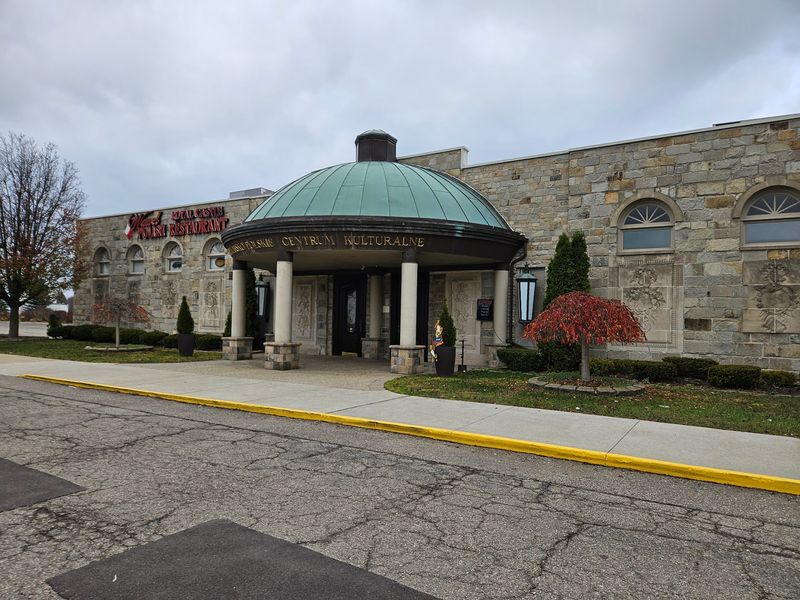
Showing up at the right time makes a real difference at the American Polish Cultural Center. The building is active, but it does not run like an all-day chain restaurant with fixed expectations every hour.
Public hours are limited compared with many casual dining spots, and special events can affect restaurant access.
That means planning ahead is part of the smart approach, not a sign that the place is difficult. The center is closed on Sunday and Monday, then opens Tuesday through Friday from late morning into the afternoon, with shorter hours on Saturday.
A first-time visitor expecting late-night weekday dinner service could easily misread the setup.
Events add another layer. Because the property also serves as a banquet hall and community venue, large functions can shape what is available and when.
Instead of treating that as a drawback, it helps to see it as proof that the center is doing several jobs at once.
The best strategy depends on the goal of the visit. For a relaxed meal, a weekday lunch or early afternoon window is the safest choice.
For anyone curious about dancing, the monthly salsa and bachata event deserves separate planning because it works more like a scheduled social night than a casual drop-in meal.
Group visits deserve extra care. Families meeting for lunch, friends hoping to explore the exhibits, and event planners touring the halls will all benefit from checking timing before heading over.
That small step can prevent disappointment and make the visit smoother, especially for anyone driving across the Detroit suburbs.
In a strange way, the limited schedule helps define the place. It reminds visitors that the center is not built around quick turnover.
It is a community institution with restaurant hours, event demands, and a calendar of its own, which is exactly why a little planning pays off.
Where Family Banquets and Casual Curiosity Meet
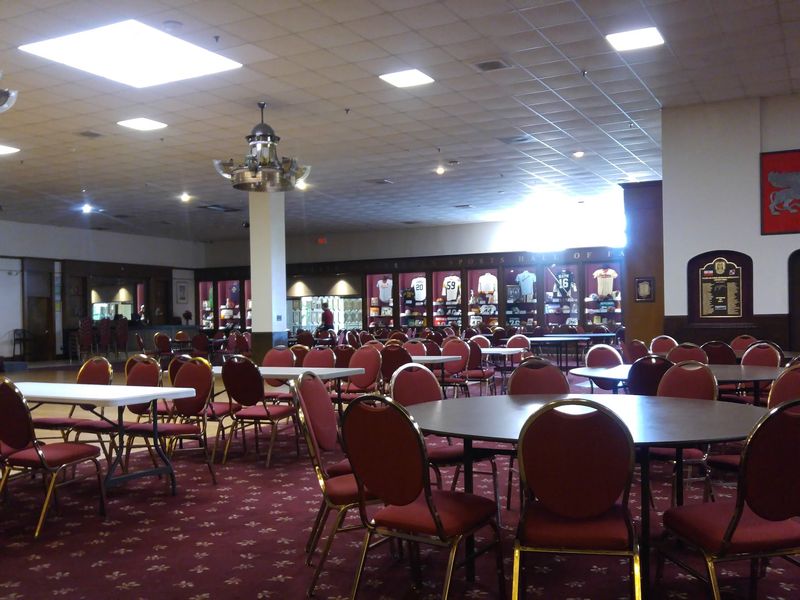
Some places work for one kind of visit and fall flat for another. The American Polish Cultural Center is more interesting because it can handle both the huge family function and the smaller curious stop for lunch.
That range is a big part of why the place stands out in Troy.
On one end, the center clearly knows how to support milestone events. Engagement parties, memorial luncheons, birthday celebrations, and large cultural gatherings all match the building’s size and service style.
Staff flexibility, clean rooms, and a layout designed for crowds make the venue useful when the guest list grows fast.
On the other end, the center still offers an approachable reason to visit without renting anything. A person can come in simply to eat Polish food, look at displays, or return later for salsa and bachata.
That lower-stakes entry matters because big event spaces can sometimes seem off-limits unless someone is attending a formal function.
The blend also helps different generations share the same place in different ways. Older relatives may connect with the Polish dishes or the cultural mission.
Younger adults might notice the dance event calendar first. Kids may remember the size of the hall, the holiday decor, or the display areas more than the menu.
Most important, the center avoids feeling one-dimensional. It is not locked into being only nostalgic, only practical, or only social.
Instead, it offers a full community setting where food, heritage, movement, and major life events can all happen under one roof.
That is why the pairing in the title makes sense. Traditional Polish food gives the center its grounding.
Salsa nights add motion and surprise. Together, they turn an already useful banquet hall into a place with personality, drawing people in for one reason and often giving them another to come back.
Share this story