The people in this Massachusetts village are living like it is 1627, so asking about Wi-Fi probably will not get you very far.
Costumed interpreters stay in character as 17th-century colonists, talking about daily life, work, food, and the concerns of their time. A wooded path leads to a Wampanoag site too, where Indigenous staff share their culture from a present-day perspective.
That mix is what makes the place especially interesting to me. You are not just reading signs or looking through glass.
You can ask questions, watch meals being prepared, and hear different sides of the story from the people bringing it to life.
There is also a working gristmill, a famous ship replica, and enough farm animals to distract younger visitors for a while. Somehow, a day here can jump across centuries without feeling like a history lesson.
Say Hello To Neighbors Who Swear It’s Still 1627
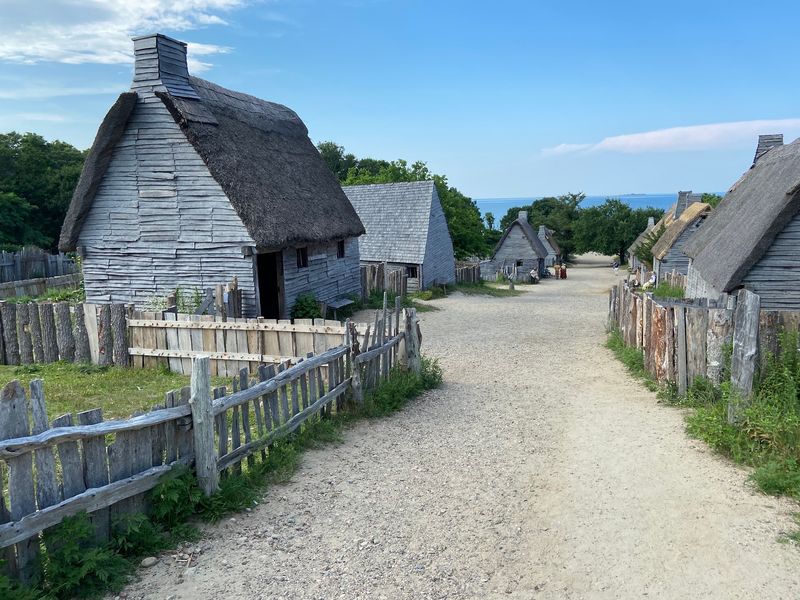
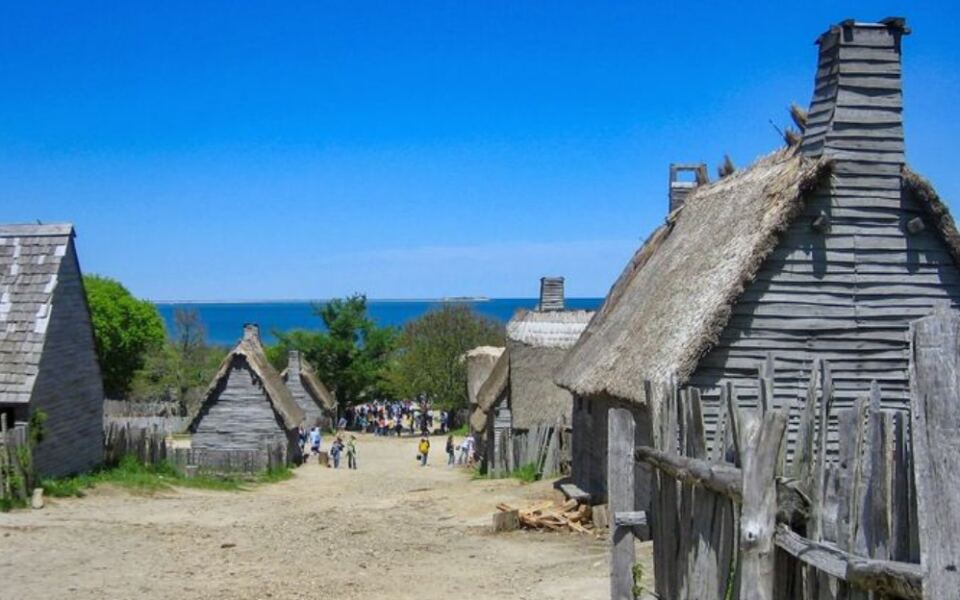
Plimoth Patuxet Museums run one of the best-known living history sites in the country. The star attraction is a re-created English village set in the year 1627.
Timber houses with thatched roofs line the dirt lanes. Gardens, fences, and livestock pens fill the spaces in between.
Inside those homes, costumed interpreters play real people who lived in the colony. They talk in period accents and hold opinions from their era, which can lead to surprising conversations.
Ask about their crops, their faith, or the trip across the ocean. They’ll answer as if those events happened just a few years ago.
Try asking about something modern, like a cellphone. The puzzled replies are half the fun, and kids usually love testing the limits.
Touching is often encouraged here, which is rare for a museum. Wooden benches, tools, and household items invite a closer look.
My tip is simple. Slow down and actually talk with the villagers instead of just peeking through doorways.
The best moments come from back-and-forth chats while someone cooks or mends. History feels a lot less dusty when it answers back.
The Wampanoag Homesite Tells A Story Much Older Than 1620
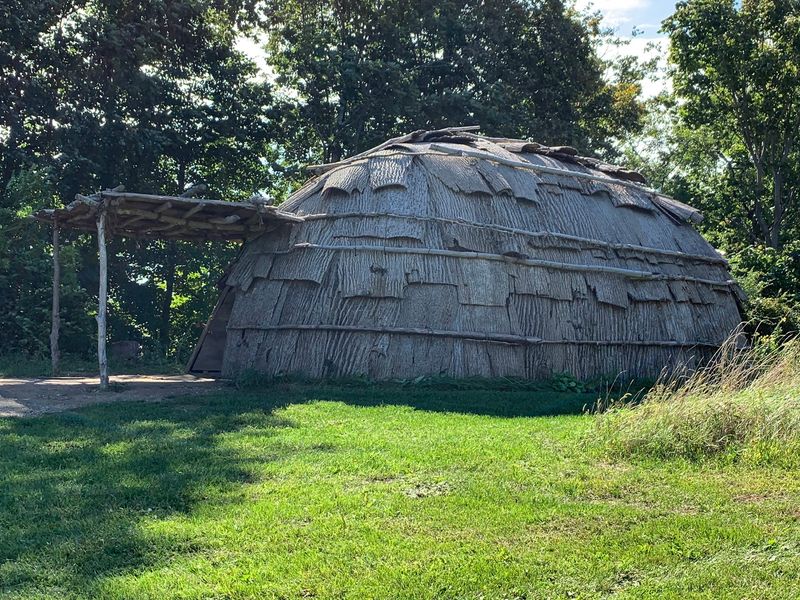
Long before any ship arrived, the Wampanoag people lived along this coast for thousands of years. The museum’s Historic Patuxet Homesite honors that much longer story.
Patuxet was the name of the Wampanoag community where Plymouth now stands. That’s why the museum includes the word in its name.
Staff at the homesite are Native people, and they don’t play characters. They wear traditional clothing but speak from today, sharing their own culture and history.
That difference matters. You can ask real questions about past and present, and get honest answers.
Look for the wetu, a traditional home covered in bark or reed mats. A mishoon, a dugout canoe, is another highlight along the riverbank.
The setting is peaceful, with wooded paths and open clearings. It feels very different from the busy English village up the hill.
Please be respectful with your words here. Staff appreciate thoughtful questions, and old stereotypes don’t land well.
Plan to give this area real time. It adds the side of the story many textbooks skipped, and it changes how the rest of the visit feels.
A Famous Ship Is Waiting Down By The Waterfront
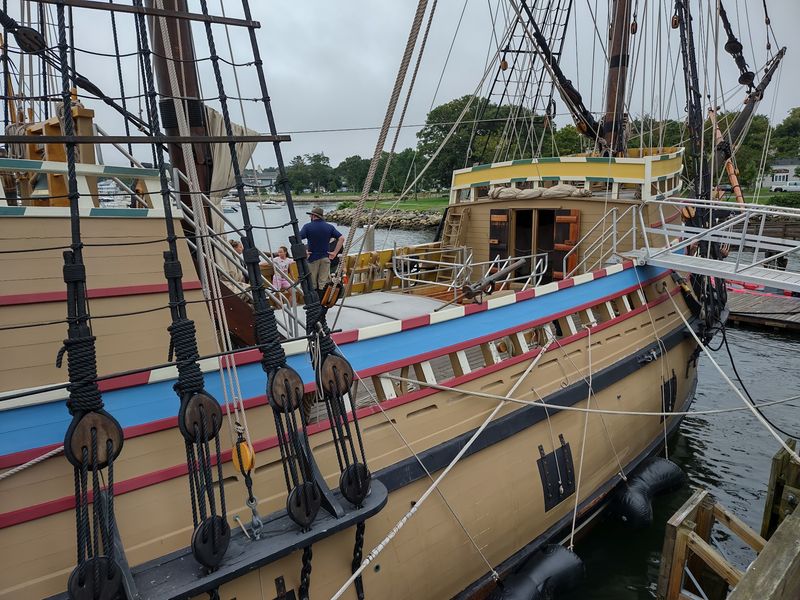
Here’s a fun twist. One of the museum’s biggest exhibits floats, and it sits a short drive away on Plymouth’s waterfront.
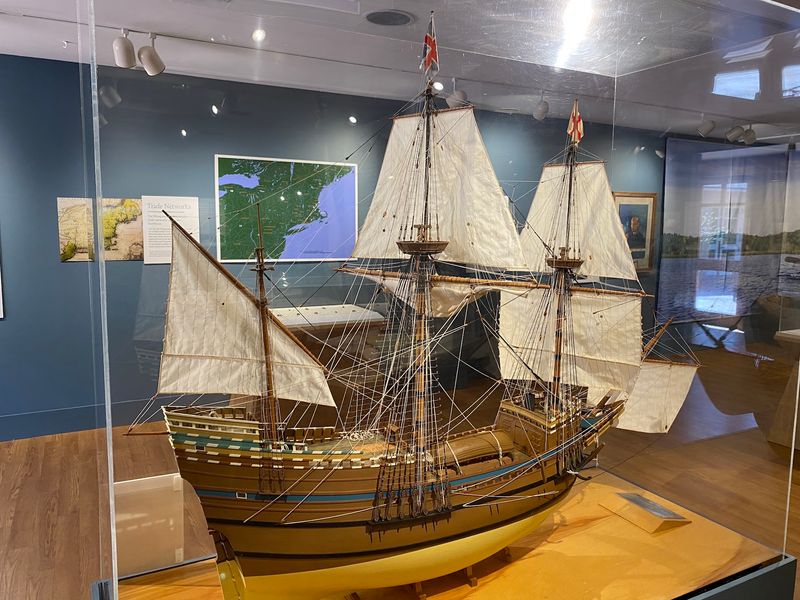
Mayflower II is a full-scale reproduction of the ship that carried the Pilgrims in 1620. It was built in England and sailed across the Atlantic in 1957.
The ship got a major restoration before the 400th anniversary of the original voyage. It returned to Plymouth in 2020 looking sharp.
Climbing aboard puts the trip into perspective fast. Over 100 passengers crammed into spaces like these for about two months at sea.
Cramped quarters, low ceilings, and creaky decks make you grateful for airplane seats. That’s saying something.
Interpreters onboard share stories about the voyage and life at sea. Some sections show how sailors worked, steered, and stored supplies.
Since it isn’t on the main campus, plan your timing. Many families visit the village first, then head to the harbor afterward.
Check the museum’s ticket options before you go. Some admissions bundle the ship with other sites, which keeps planning simple.
Follow The Sound Of Water To A Working Gristmill
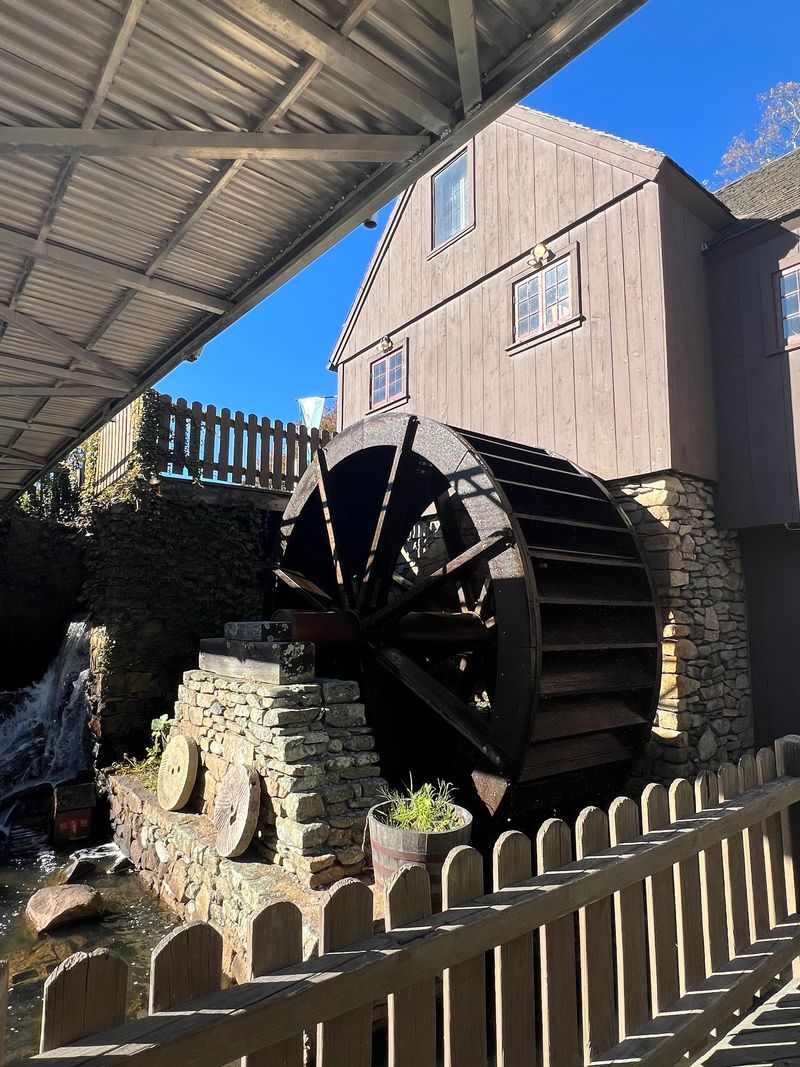
Corn plus running water equals flour. That simple math powered colonial life, and you can still see it work at the Plimoth Grist Mill.
The mill sits on Town Brook in downtown Plymouth. It’s a reproduction of a 1636 mill built by colonists on that same stream.
A big waterwheel turns heavy millstones that grind corn. Watching the gears move feels oddly satisfying, like a giant wooden clock.
Guides explain how mills worked and why they mattered so much. Before machines like this, people ground grain by hand, and that took ages.
The brook itself has a story too. It’s an important waterway where herring run each spring, a natural event worth asking about.
Kids who like tools and machines tend to get hooked here. Adults often leave with a new respect for flour.
Like the ship, the mill sits away from the main campus. Pairing it with Mayflower II makes sense since both are near downtown.
Bring a little patience and a lot of questions. The staff can explain every turning part.
Barnyard Residents Bring Some Furry Charm To The Past
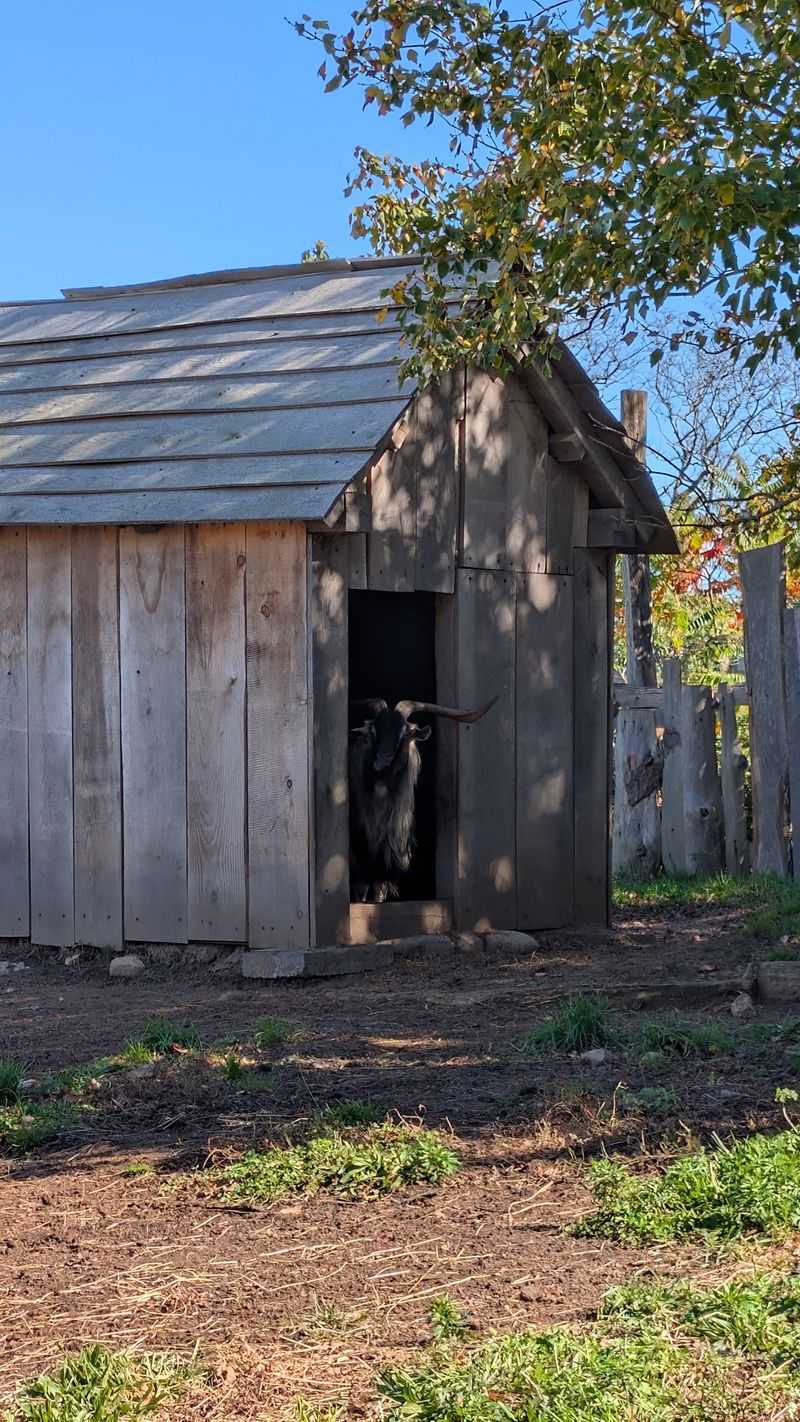
Not every villager wears a bonnet. Some have hooves, horns, and strong opinions about snacks.
The English village keeps livestock that fit the 1600s setting. Goats, sheep, chickens, and cattle help show how colonists actually fed and clothed their families.
Many animals are heritage breeds, which are older types that look different from modern farm animals. Ask an interpreter why a certain breed was chosen.
Animals mattered hugely to settlers. Milk, wool, eggs, and labor all came from the barnyard.
Younger visitors often head straight for the pens. A spring visit might even include baby animals, which tend to be impossible to walk past.
Please follow posted rules around livestock. Keep fingers out of fences and don’t feed them anything unless staff say it’s okay.
Gardens near the houses also deserve a look. Crops and herbs show what families grew to cook, heal, and get through winter.
Put the animals and gardens together, and the village starts to feel like a real working farm. It’s a messy, busy, very alive kind of history.
Your Day Starts At The Visitor Center, So Use It Well
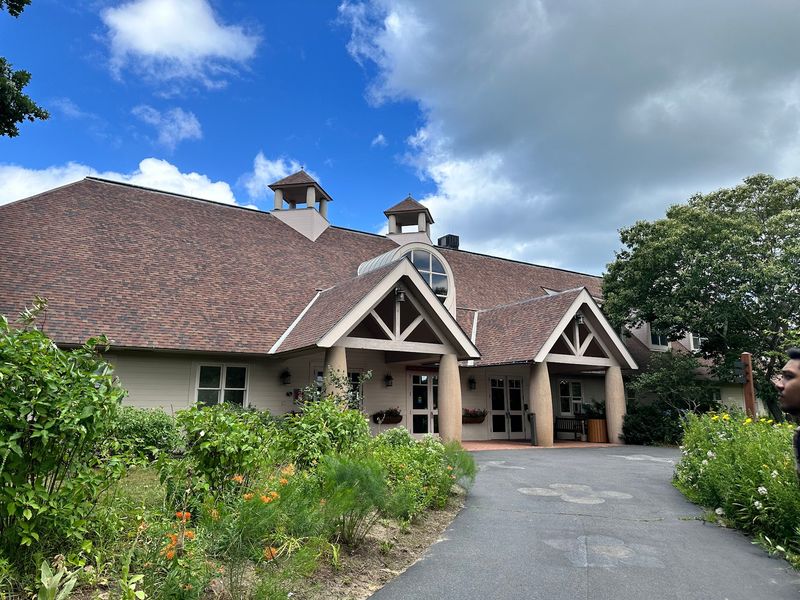
Think of the visitor center as your launch pad. Everything at Plimoth Patuxet Museums gets easier once you grab a map and a plan.
The main campus sits at 137 Warren Ave, Plymouth, MA 02360. It’s a few miles south of downtown, with parking on site.
Inside, you’ll find exhibits, restrooms, a gift shop, and a place to eat. A short film or display can give helpful context before you hit the trails.
Hours generally run from 9 AM to 5 PM during the operating season. The museum has a seasonal schedule, so check before your trip, especially in winter.
Paths to the homesite and village involve a fair bit of walking. Comfortable shoes are a smart move.
Need help getting around? The museum offers golf cart assistance for visitors with mobility issues, though some terrain still takes effort.
Ask at the front desk about shuttle times. It can save tired legs later in the afternoon.
Five minutes of planning here pays off all day. That’s a better deal than anything a colonist got.
Hungry Time Travelers Can Refuel Without Leaving Campus
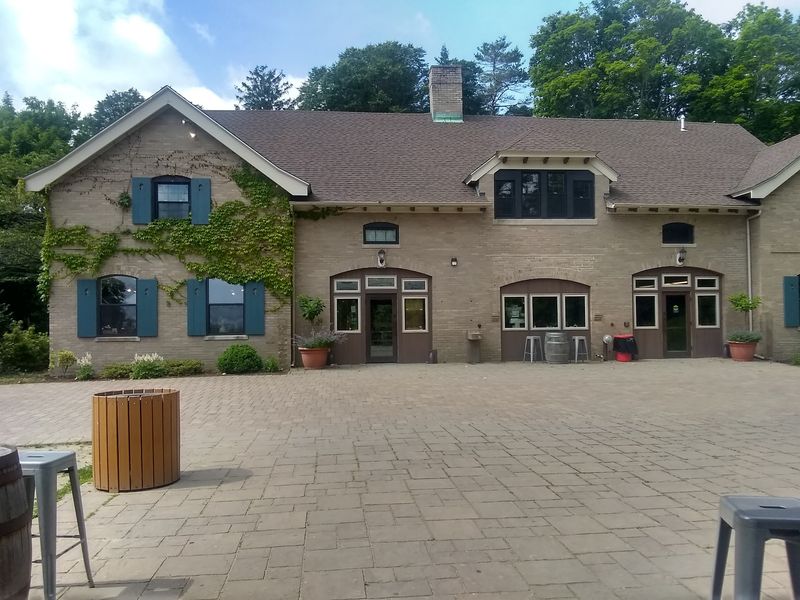
Exploring two different centuries burns calories. Luckily, you won’t have to grind your own corn for lunch.
The main campus has a cafe offering casual, family-friendly food. Expect simple options that work for picky kids and hungry adults alike.
Eating before the village is a smart strategy. You’ll have energy for the walk and fewer cranky companions.
Menus can change by season, so don’t count on any single dish. A quick look at the cafe board when you arrive avoids surprises.
The museum is famous for its Thanksgiving dining programs in the fall. These special events often sell out, so book early if they interest you.
Groups and special events sometimes offer historic-style meals too. They’re a fun way to taste history without the hard work.
Bringing water is a good idea on warm days. The trails and village are mostly outdoors with plenty of sun.
Snacks from the gift shop can tide you over too. Just maybe don’t wave them in front of the goats.
Thanksgiving Here Hits Different, And So Do Other Seasons
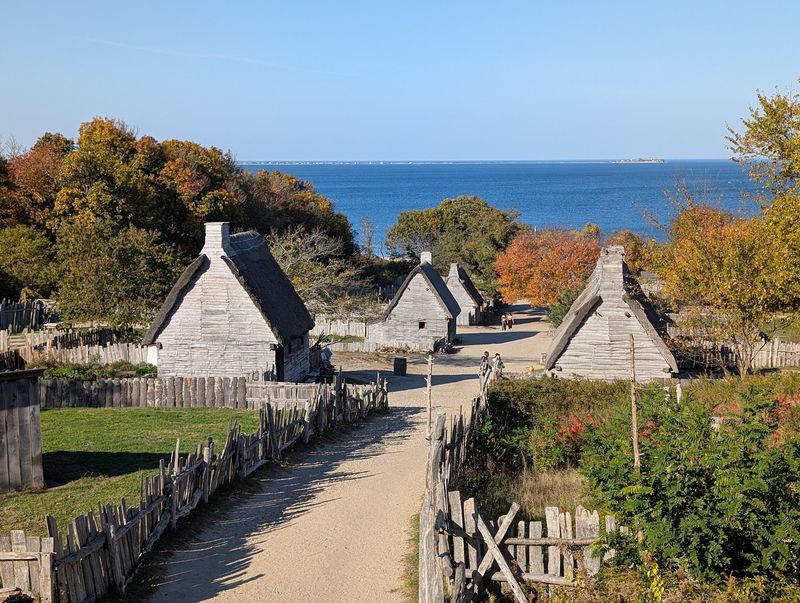
Few places take Thanksgiving as seriously as this one. Plymouth, Massachusetts, is tied to the famous 1621 harvest gathering, and the museum leans into that history thoughtfully.
Fall programs explore what really happened at that harvest meal. Both English and Wampanoag perspectives are part of the conversation.
Spoiler alert. The real event looked quite different from the paper-plate pilgrim crafts many of us made in school.
Seasonal dinners and special events fill the calendar around the holiday. Tickets can go quickly, so planning ahead is wise.
Spring and summer bring their own perks. Gardens grow, animals have babies, and longer days give you more time on the trails.
Every season shows a different chore or skill. Planting, harvesting, and preserving food all follow the calendar, just like they did centuries ago.
The museum also hosts lectures, workshops, and family programs throughout the year. Check the events calendar to see what lines up with your trip.
Picking a season is like picking a chapter. Each one reveals another page of the same old story.
Stretch Your Trip Into A Full Plymouth History Weekend
One day might not feel like enough. Plymouth packs a lot of history into a small, walkable downtown.
After visiting Plimoth Patuxet Museums, head to the waterfront. Plymouth Rock sits under a granite portico near the harbor, and it’s free to see.
Yes, the rock is smaller than many people expect. Its fame is huge, though, and the harbor view makes the stop worthwhile.
Pilgrim Memorial State Park surrounds the area along the water. It’s a nice spot to stroll and watch boats.
Since Mayflower II and the Grist Mill are near downtown, you can bundle them easily. Some museum tickets include multiple sites for better value.
The town has plenty of shops and restaurants for a relaxed evening. Ice cream on the waterfront feels like a fair reward for walking through history.
Massachusetts makes this trip easy to pair with Boston, about an hour north. Cape Cod is also close for beach time.
Four hundred years of history in one weekend sounds ambitious. Here, it actually fits nicely.
Share this story