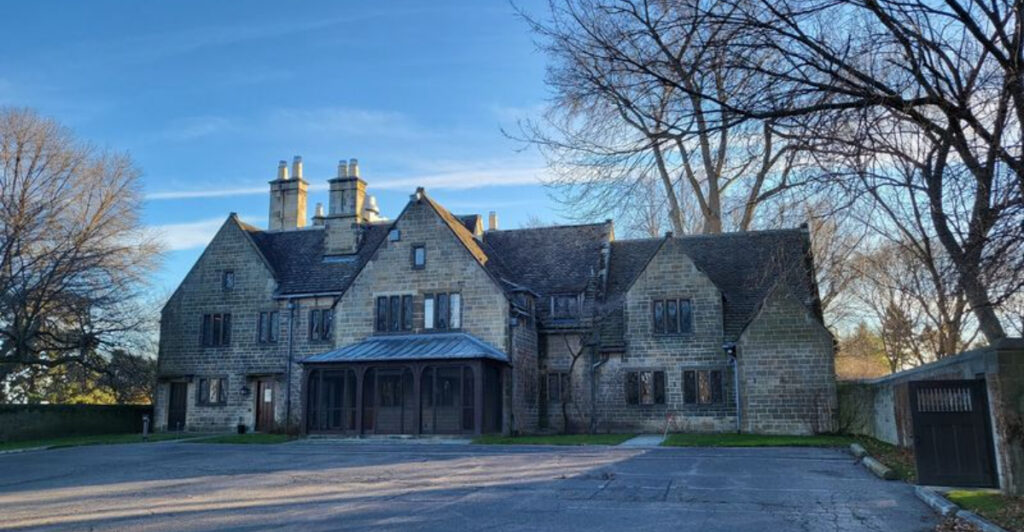
If you are looking for a Father’s Day plan that goes beyond the usual restaurant reservation, the Edsel and Eleanor Ford House in Grosse Pointe Shores, Michigan offers something genuinely different. Sitting along the quiet shoreline of Lake St. Clair, this historic estate blends a world-class automobile collection, lakefront gardens, and an on-site restaurant into one afternoon worth remembering.
Dads who love cars, history, or just a peaceful place to walk will find plenty to hold their attention here. Ford House is the kind of place that surprises you once you arrive and keeps pulling you back through the years.
Edsel Ford’s Personal Automobile Collection

Few things stop a car-loving dad in his tracks quite like walking into a garage that holds Edsel Ford’s personal collection. These are not generic museum cars lined up behind velvet ropes.
They are vehicles that Edsel himself chose, drove, and cared about during his lifetime, and that distinction comes through the moment you step inside.
Edsel Ford had a well-known passion for design and aesthetics, and his car collection reflects that sensibility. The vehicles on display carry a kind of quiet elegance rather than raw horsepower bragging rights.
You can see how his eye for line and proportion influenced the automobiles of his era.
Several reviewers specifically single out the garage as the highlight of their visit. One guest described the cars as feeling more like artwork than transportation, and that observation holds up.
The craftsmanship on some of these vehicles, the curves, the chrome, the interior upholstery, belongs in a different category from what most people think of when they picture a car museum.
The garage is a short walk or shuttle ride from the main visitors center, and it tends to be less crowded than the house tours. That gives you room to actually linger and look closely at details without feeling rushed.
Docents stationed nearby are happy to share stories about specific vehicles if you ask.
For dads who grew up flipping through old car magazines or restoring engines in the driveway, this collection carries a different kind of weight. It connects automotive history to a real person with real taste.
That personal thread makes the whole thing feel less like a display and more like a conversation across time.
Brunch at the Ford House Restaurant
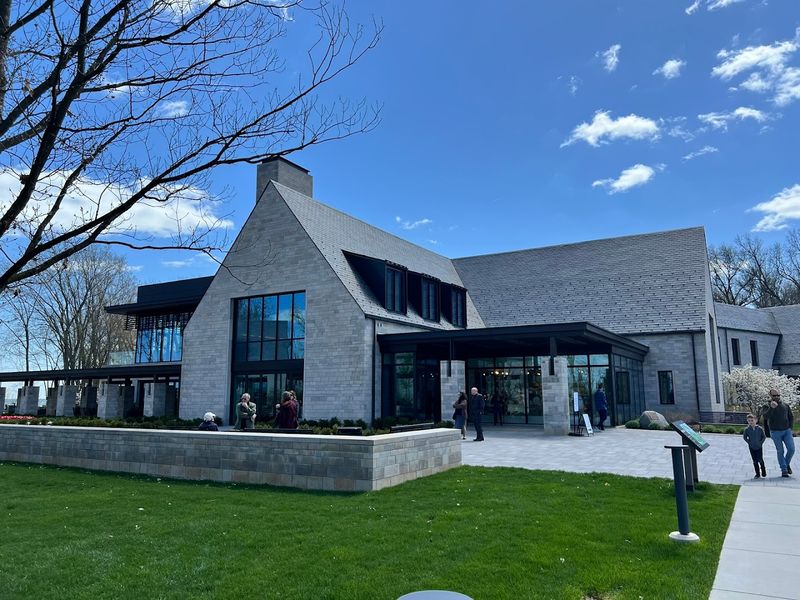
The restaurant tucked inside the Ford House visitors center does not feel like a museum cafeteria. The room is bright, the service is attentive, and the menu has enough variety to satisfy different tastes without trying too hard to impress.
It is the kind of place where you can actually relax and talk between bites.
Guests have raved about specific dishes over and over in reviews. The mushroom bisque has earned a devoted following, even among people who do not typically order mushroom soup.
The cinnamon popovers have also drawn consistent praise, and the chicken salad croissants seem to disappear quickly during weekend visits. The menu leans toward comfort food done carefully rather than anything overly fussy.
Booking the restaurant as part of a Father’s Day outing makes practical sense. You can plan brunch first while the grounds are still quiet in the morning, then head out to explore the estate as the day warms up.
Or reverse it and end with a relaxed meal after walking the lakefront paths.
The St. Clair Room, which overlooks the water, has been used for private events and gets mentioned frequently as one of the more beautiful dining spaces in the area. Even during a regular visit, the view from the restaurant side of the building gives the meal a sense of occasion without requiring any special reservation.
One small practical note: the restaurant is located in the visitors center, which means you do not need a full estate ticket just to eat here. That makes it a flexible option if someone in your group has mobility concerns or simply prefers to hold down a table while others explore.
Service across multiple reviews has been described as warm and genuinely attentive.
The Estate Grounds Along Lake St. Clair
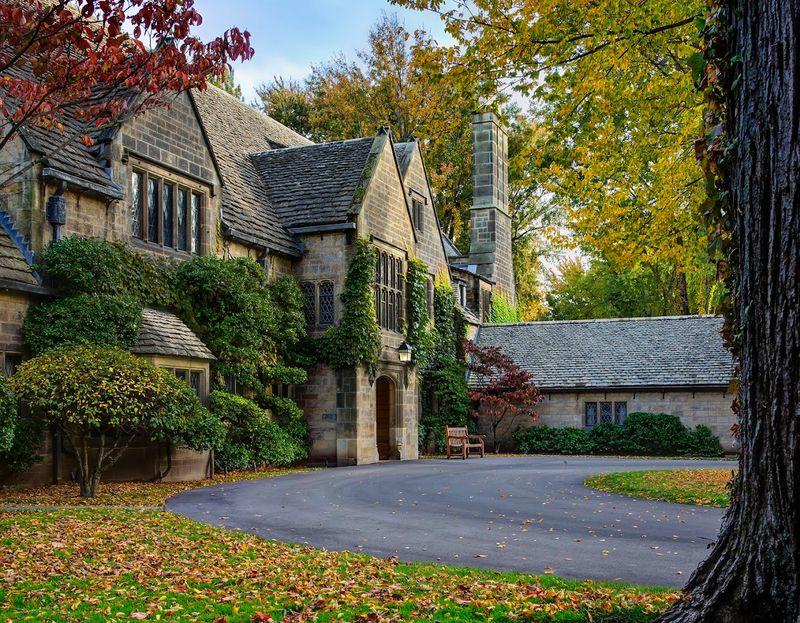
Walking the grounds at Ford House on a clear afternoon is one of those experiences that is hard to fully describe until you are standing there. The willow trees along the shoreline move slowly in the lake breeze, and the water stretches out wide and calm beyond the manicured lawn.
It does not feel like the edge of a busy metro area.
The property covers a significant stretch of Lake St. Clair frontage, and the landscape was designed with the same intentionality as the house itself. The gardens shift in character depending on the season.
Visitors who come in spring and early summer catch the flower beds at their fullest, while fall visits bring a different kind of quiet beauty along the tree-lined paths.
Shuttles run between the visitors center and the main house, which is helpful if anyone in your group prefers not to walk the full distance. Most people end up doing the return trip on foot anyway once they realize how pleasant the path is.
The grounds are largely accessible for wheelchairs and mobility aids, which makes the estate workable for families with different physical needs.
One honest note from reviews: Canada geese are a regular presence on the property, and they leave evidence of their visits across the lawn. It is something to be aware of if you are wearing nice shoes or planning to sit on the grass.
That small inconvenience aside, the overall condition of the grounds is consistently praised.
There is something about standing near the water with the old house visible through the trees that slows everything down. Dads who spend most of their time indoors or behind a desk tend to respond to this kind of space in a way that surprises even them.
It is grounding without being dramatic about it.
The Main Residence Tour
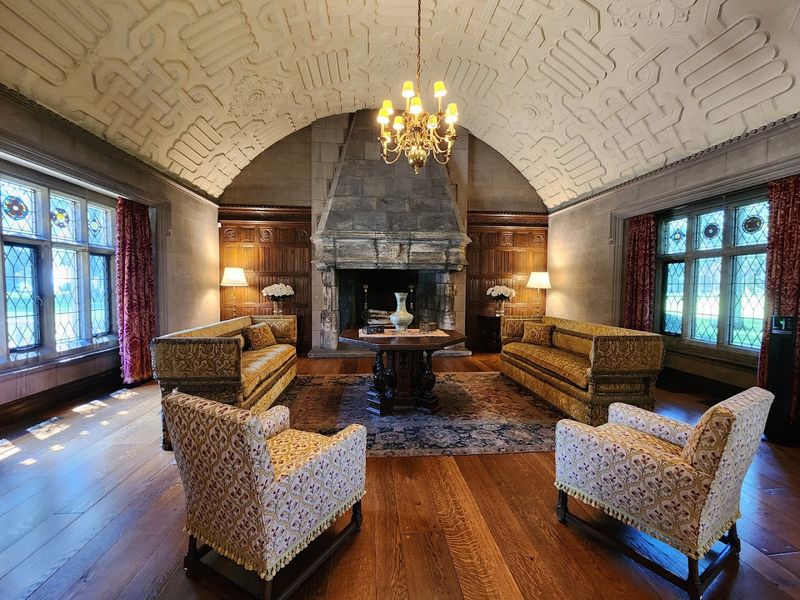
Stepping into the main residence at Ford House feels genuinely different from most historic house tours. The rooms were preserved rather than reconstructed, which means the furniture, the art, the personal objects on shelves and mantels all carry a sense of actual use.
Someone lived here. That comes through in the details.
The architecture pulls from multiple influences, and different rooms have distinct personalities. Some spaces feel formal and considered, while others have a warmth that suggests the family actually spent time in them.
The interiors from the 1920s through 1950s era are remarkably intact, and docents stationed throughout the house are generous with context and stories.
Guided tours and self-guided options are both available, and each has its advantages. A guided tour with a knowledgeable docent adds layers of detail that would be easy to miss on your own.
The self-guided format, on the other hand, lets you linger in rooms that catch your attention without feeling like you are holding anyone up.
For visitors who care about design history, the house is a quiet education in how materials and craftsmanship were used during that period. The woodwork alone in certain rooms is worth slowing down for.
One reviewer noted that every visit seems to surface something new, which suggests the level of detail packed into this building rewards repeat attention.
Dads with an interest in architecture, interior design, or simply how wealthy families organized their lives a century ago will find the tour genuinely engaging. It avoids the stiff, roped-off feeling of some historic homes.
The house feels cared for and alive rather than preserved under glass, and that makes the difference between a tour you endure and one you actually remember.
Eleanor’s Daughter’s Playhouse
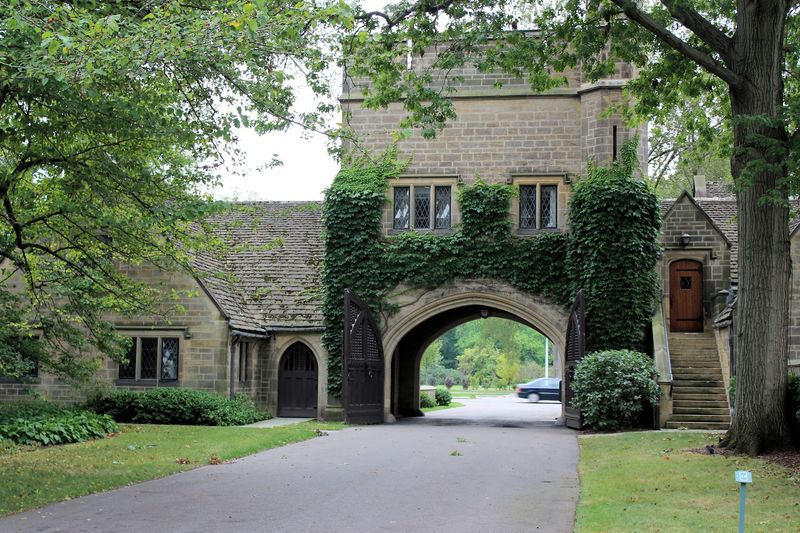
Not every highlight at Ford House involves grand architecture or rare automobiles. The playhouse built for the Ford daughter is one of those details that catches visitors completely off guard, and it consistently earns its own paragraph in reviews.
Built at roughly two-thirds the scale of a standard home, it is not a toy. Every element was constructed with the same quality and attention as the main residence.
The doors, the furniture, the light switches, even the window proportions are all carefully sized for a child without feeling diminished or cheap. It is a fully realized small building, and that commitment to craft is what makes it memorable.
Parents tend to notice it one way, imagining what it would be like to gift a child something so considered. Kids who visit notice it entirely differently, measuring themselves against the doorframes and testing the furniture with obvious delight.
Dads who come with younger children often find this becomes the moment the whole trip clicks for the kids.
One reviewer described it as cute in a way that understated things considerably. The playhouse represents a kind of extravagance that feels personal rather than showy.
It was built for a specific child to actually use, not to impress guests, and that intention comes through in the scale and the details.
Finding it on the grounds requires a bit of wandering, which adds to the sense of discovery. It sits near the main house rather than at the visitors center, so most people encounter it during or after the house tour.
If you have a few minutes to spare, walk around the outside and look at the construction closely. The craftsmanship at that scale is genuinely impressive and hard to fully appreciate from a distance.
The Visitors Center and Gift Shop
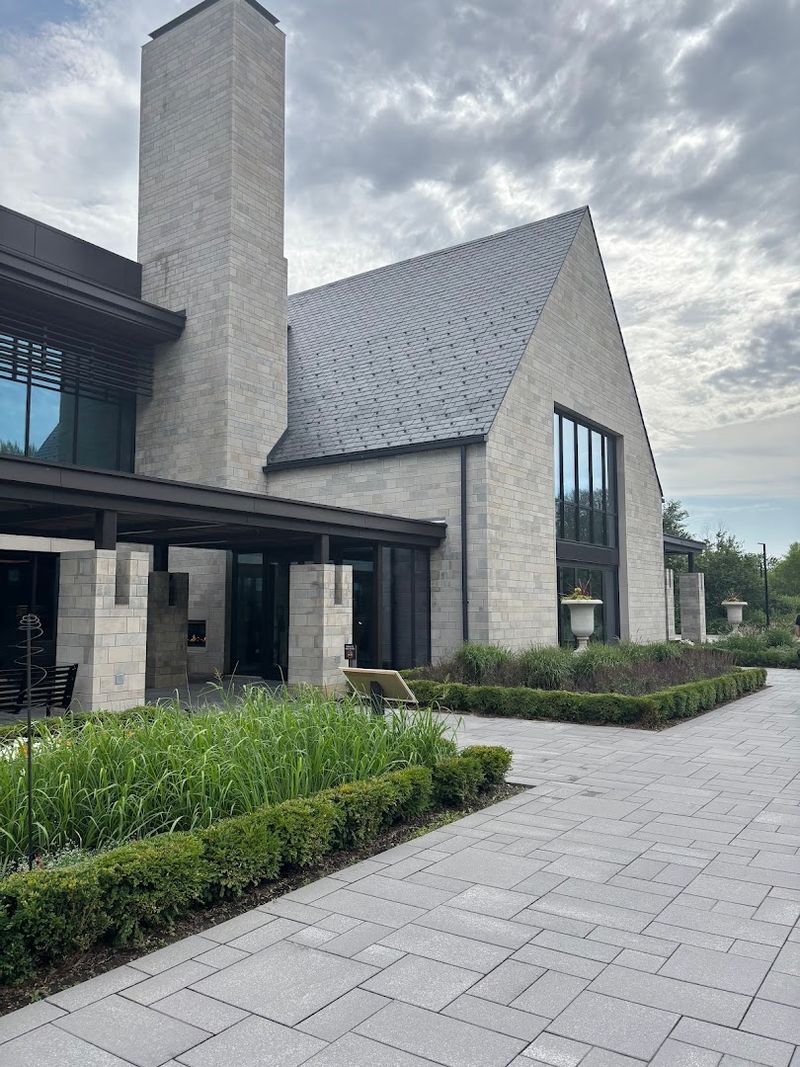
The visitors center at Ford House is worth time on its own before you head out to the main estate. The building is modern and well-designed, with exhibits that provide context about the family, the construction of the home, and the people who worked and lived on the property over the decades.
It sets you up to appreciate what you are about to see.
Photography and informational displays walk through the Ford family history without turning it into a dry timeline. The focus stays personal and specific, which keeps it interesting.
One section touches on the employees who worked at the estate, a perspective that adds texture to the broader story and avoids the trap of only celebrating the wealthy family at the center of everything.
The gift shop sits inside the same building and runs on the brighter and more thoughtful end of museum retail. Items tend to connect to the estate’s history, design aesthetic, or Michigan heritage rather than generic souvenir territory.
Reviewers have described it as bright and full of items worth actually buying, which is not something people usually say about museum gift shops.
For Father’s Day specifically, the gift shop can be a useful stop on the way out. Books about automotive history, design-focused items, and estate-branded goods make for gifts that carry a specific story rather than something pulled off a shelf anywhere.
The connection to the visit gives them a context that generic gifts do not have.
Shuttle service to the main house departs from near the visitors center, and staff there are consistently described as helpful and genuinely welcoming. If the weather turns or someone in your group needs a break mid-visit, the visitors center gives you a comfortable place to regroup without cutting the day short.
Special Events and Seasonal Programming

Ford House runs a calendar of events throughout the year that changes how the estate feels depending on when you visit. The holiday light displays in late fall and winter have become a tradition for many Metro Detroit families, drawing visitors back year after year specifically for the seasonal transformation of the grounds.
Beyond the holiday programming, the estate hosts private events, fundraisers, and special tours that open different parts of the property or offer access at unusual hours. Several reviewers mentioned attending charity events on the grounds and noting how the estate handled the added foot traffic without losing its calm character.
The space absorbs events well because the grounds are genuinely large.
Father’s Day itself sometimes falls within a window of spring or early summer programming, which can add an extra layer to the visit. Checking the Ford House website before you go is worth a few minutes of effort.
Arriving to find a special exhibition or a themed tour running alongside your regular visit is a better problem to have than missing something entirely.
The holiday events in particular have drawn consistent five-star reviews from first-time visitors who came for the lights and stayed for the house tour. Multiple guests mention planning return visits in a different season after being impressed by one specific event.
That seasonal pull is a sign the programming is doing something right rather than just filling calendar slots.
For families who want to make Ford House a recurring outing rather than a one-time visit, the changing events give each trip a different character. A summer afternoon on the lakefront grounds feels entirely distinct from a winter evening walking illuminated paths.
Both versions of the estate are worth knowing.
Share this story