Museum days get a lot more memorable when kids can touch, build, imagine, and explore instead of simply looking from a distance. In downtown Grand Rapids, Michigan, Grand Rapids Children’s Museum brings that hands-on energy to playful spaces designed for younger children, families, and curious little minds that do not want to sit still.
The live bees and roll-in treehouse add an extra spark, blending real-world learning with big imagination in a way that keeps the visit moving. It feels active, welcoming, and full of small surprises around every corner.
For families looking for a Michigan museum that turns curiosity into play, this Grand Rapids favorite deserves a closer look.
Where Downtown Grand Rapids Opens Into Play
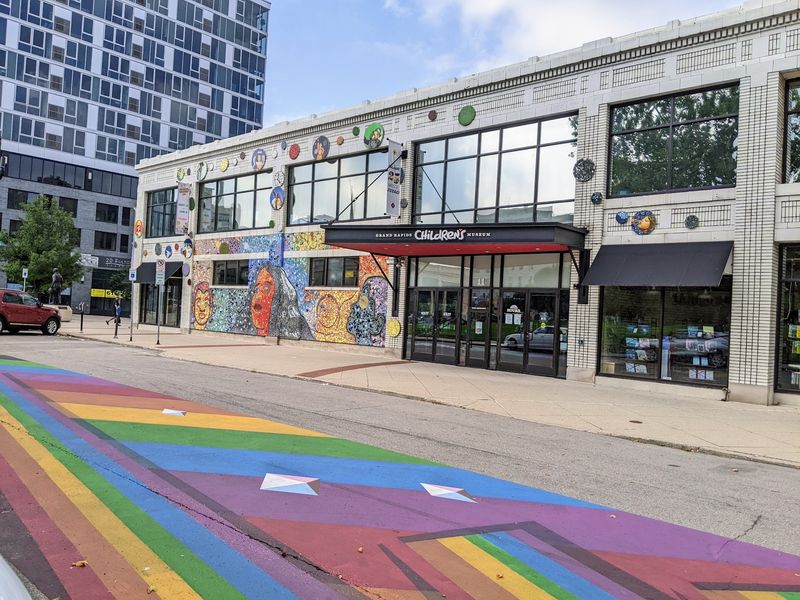
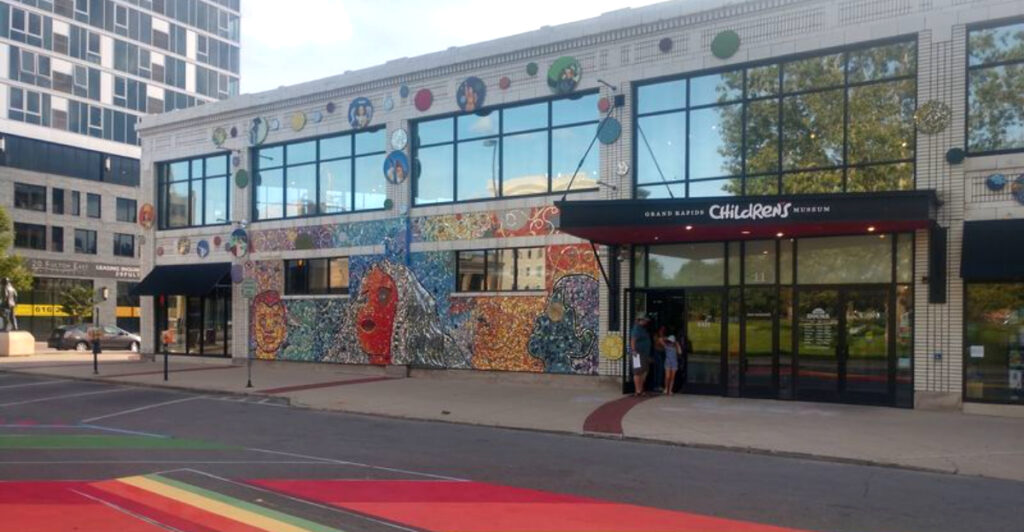
Right in the middle of downtown, Grand Rapids Children’s Museum turns a city block into a kid-sized world of motion, color, and noise. The address on Sheldon Avenue places it close to the energy of central Grand Rapids, so the trip can feel like part museum outing and part downtown adventure.
Inside, the layout is built for movement instead of quiet lines and glass cases. Children can shift from one station to another, while grown-ups keep an eye on them in a setting that is active, busy, and designed for hands-on learning.
That design matters most for the museum’s main age range, which is usually younger kids, especially ages 2 to 10. A child does not need a long attention span to enjoy the visit because the exhibits are made for trying, testing, pretending, and starting over again.
Two floors give the museum more variety than a quick first glance might suggest. Families often move between pretend play zones, activity tables, art spaces, and themed areas that help children practice social skills, problem solving, and simple science ideas without making the day feel like school.
The downtown location also adds a practical layer to planning. Parking can take a little effort, and it is smart to expect a short walk from a meter, lot, or garage, especially on a busy weekend or during school breaks.
Because of that, arriving with a little extra time makes the day smoother. A calm start helps children settle in faster, and it gives adults a chance to handle parking before stepping into a place where kids usually want to run toward the nearest bubbles, costumes, or pretend market the second they get through the door.
Live Bees Behind the Glass
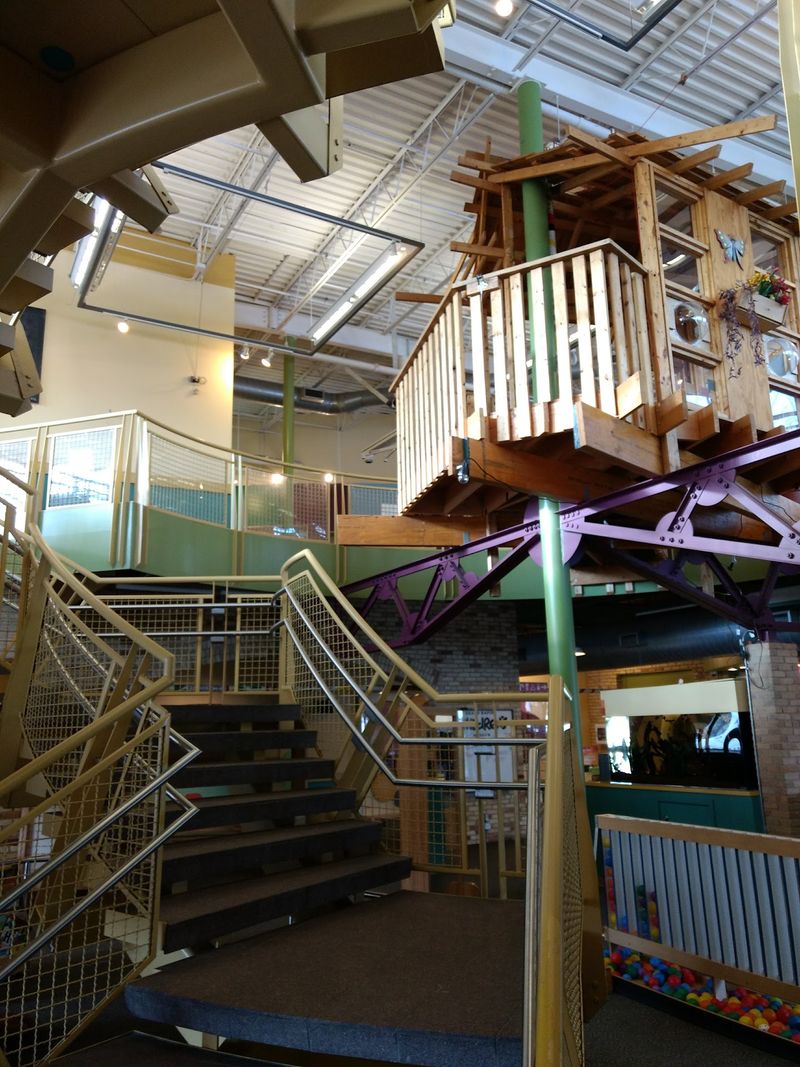
Few museum features grab a child’s full attention as quickly as a real beehive. At Grand Rapids Children’s Museum, the live bees bring instant curiosity because they are not a cartoon, toy, or screen effect.
They are working insects, moving with purpose, and that alone can hold a room still for a minute.
The hive gives families a simple way to talk about pollination, teamwork, and how tiny animals help gardens and food systems. Children can watch the motion, notice patterns, and ask the kind of direct questions that make science feel natural instead of formal.
Seeing bees in a safe exhibit also helps replace fear with observation. A child who only knows bees as something to avoid outside can start to understand how they live, why they matter, and how people can respect them without panic.
That makes this one of the museum’s strongest learning moments. It turns a common bug into a real lesson about nature, community, and attention to detail, all without asking kids to sit down for a lecture.
Parents can make the most of this stop by slowing down instead of rushing to the next play area. Asking children to count bees, look for differences in movement, or describe what they see can stretch the experience and help them connect it to gardens, flowers, and the outdoors back home.
For a museum built on action, the bee habitat offers a smart change of pace. It is lively but focused, fascinating without being flashy, and memorable because it puts a real piece of the natural world right inside a building filled with pretend play, bubbles, crafts, and child-sized imagination.
A Roll-In Treehouse That Changes the Room
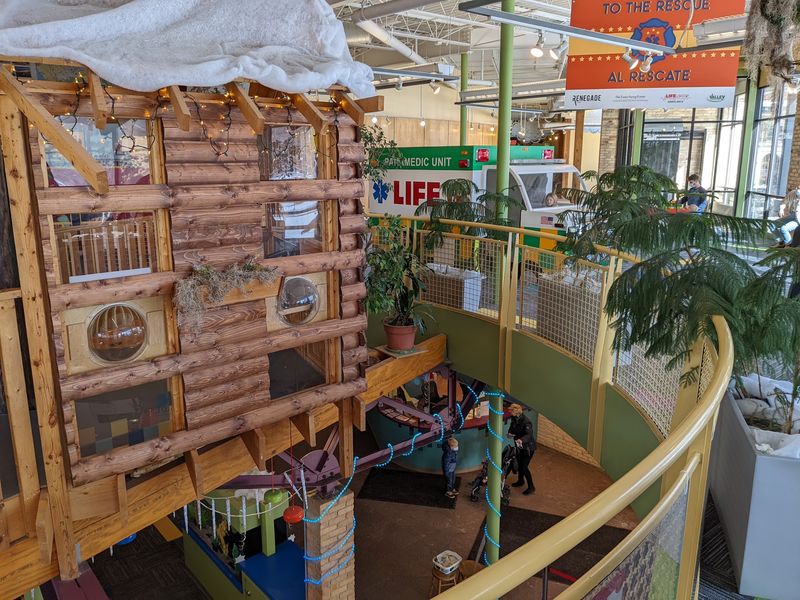
Nothing says childhood adventure quite like a treehouse, and the roll-in version at this museum adds a playful twist. Instead of being tucked outdoors in a backyard, the treehouse idea shows up indoors as part of a world built around imagination, movement, and open-ended play.
That detail is a big reason the museum stands apart from places that only offer static displays. A treehouse suggests climbing, peeking, hiding, storytelling, and making up rules on the spot, which is exactly the kind of freedom many younger children want when they enter a hands-on museum.
The phrase roll-in treehouse also hints at flexible design rather than one fixed, formal attraction. In a children’s museum, that matters because the best exhibits invite kids to shape the experience themselves instead of following one strict path from start to finish.
For families, this kind of feature works on two levels at once. Children see a place to play make-believe, while adults can notice how pretend environments help with cooperation, turn-taking, language, and confidence in unfamiliar spaces.
A shy child may treat the treehouse as a little shelter before joining a bigger group. A bold child may turn it into a lookout post, a clubhouse, or the center of a made-up game that changes every five minutes.
That flexibility gives the museum a strong creative pulse. The treehouse is not important because it looks cute in a photo.
It matters because it encourages active thinking, social play, and the kind of self-directed fun that can keep children engaged far longer than a simple toy table or one-button exhibit ever could.
More Than One Big Attraction on the Floor
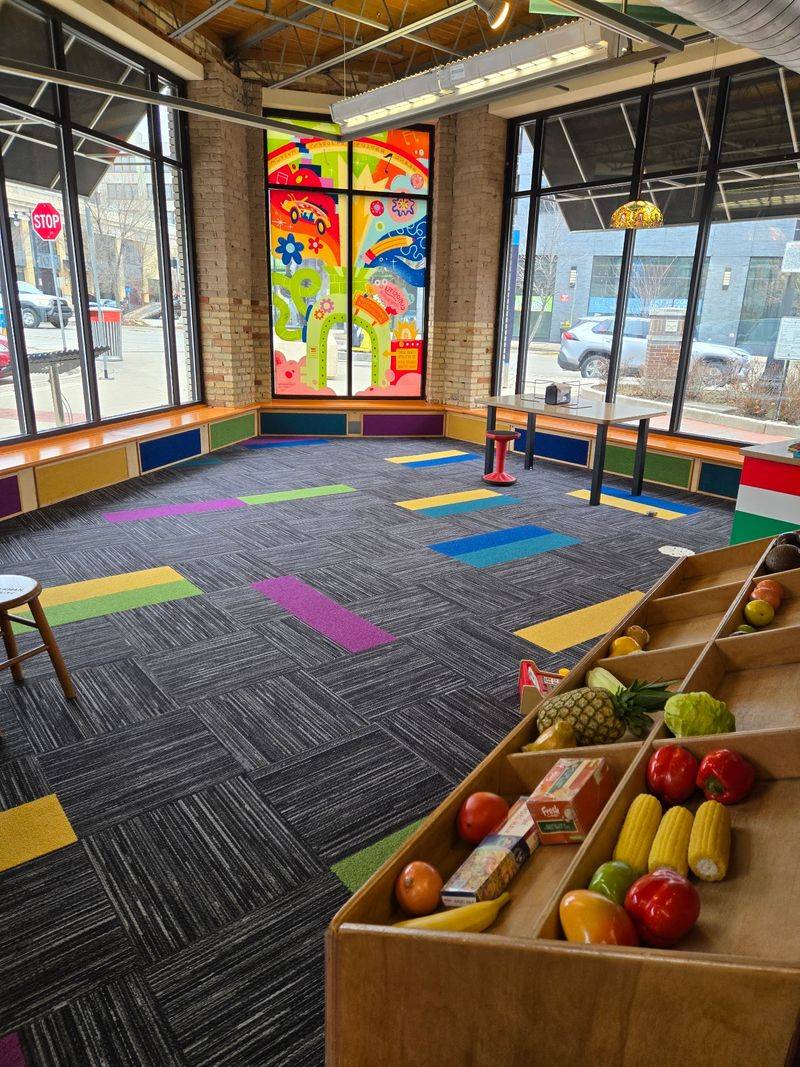
The bees may catch attention first, and the treehouse may headline the visit, but the museum works because those features are surrounded by many other hands-on zones. A family can move from bubbles to pretend shopping, then into art, weather-themed play, or role-play areas without losing momentum.
That variety helps younger children stay engaged even if one exhibit clicks for only a few minutes. Instead of forcing long focus in one place, the museum lets kids explore in short bursts, which matches the way many preschool and early elementary children naturally learn.
Pretend spaces are a strong part of the experience. Children can act out jobs, errands, and everyday routines in ways that look playful on the surface but also build confidence with language, decision making, and sharing.
The bubble areas add a different kind of energy. They pull children toward motion, shape, and surprise, giving them a quick science lesson through play as they test how bubbles stretch, float, pop, and change.
Creative rooms and workshops round out the visit with a more focused pace. Depending on the day, families may find crafts or special activities that break up free play and give children a chance to sit, make, and experiment with their hands.
All of that means the museum is best approached slowly rather than as a race to see every corner. Kids often settle into the spots that match their own interests, whether that means building, pretending, watching, painting, or circling back to a favorite area one more time before it is finally time to leave.
Why Michigan Families Should Time the Visit Carefully
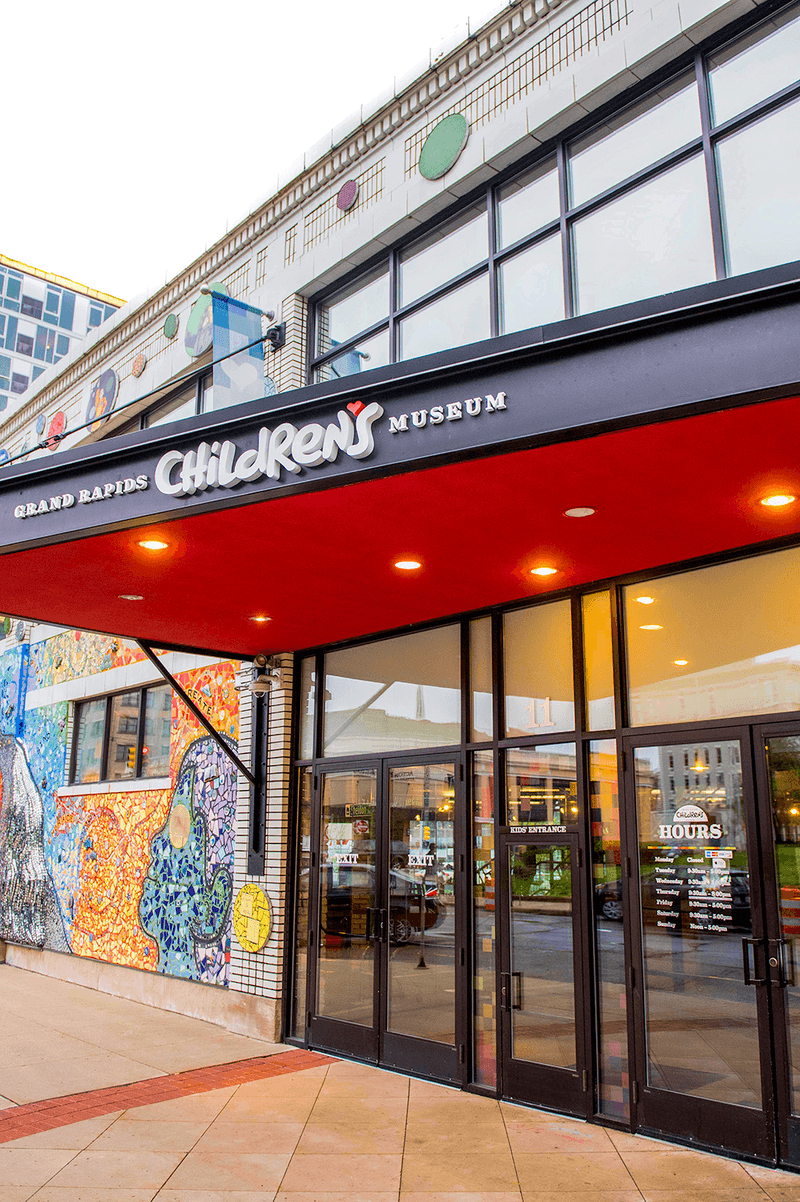
A little planning goes a long way here, especially for families visiting with younger children. Grand Rapids Children’s Museum is open Tuesday through Saturday from 9 AM to 4 PM, and Sunday from 11 AM to 4 PM, with Monday closed, so timing shapes the whole experience.
Busy periods can feel lively, loud, and crowded, which some children enjoy and others do not. If a child is easily overwhelmed, a weekday afternoon may offer a smoother visit than a weekend or a school break rush.
Length matters too. Many families spend around two to three hours inside, and that seems to fit the museum’s scale well without pushing younger kids into full burnout mode.
Bringing a snack or drink for later can also help, since children often stay active longer than expected once they settle into the exhibits. That small bit of preparation can save a trip from ending early just because someone suddenly gets tired, thirsty, or hungry.
Parking deserves its own warning. Because the museum sits downtown, street parking may be limited by time, and some families find a nearby garage or paid lot easier than circling for a meter space.
Adults should also keep the age range in mind before promising an all-day stop. The museum is especially strong for younger children, while older kids may enjoy parts of it but move through the exhibits faster, so expectations are easier to manage when the visit is planned around the museum’s core audience and busiest rhythms.
The Real Reason the Museum Stands Out
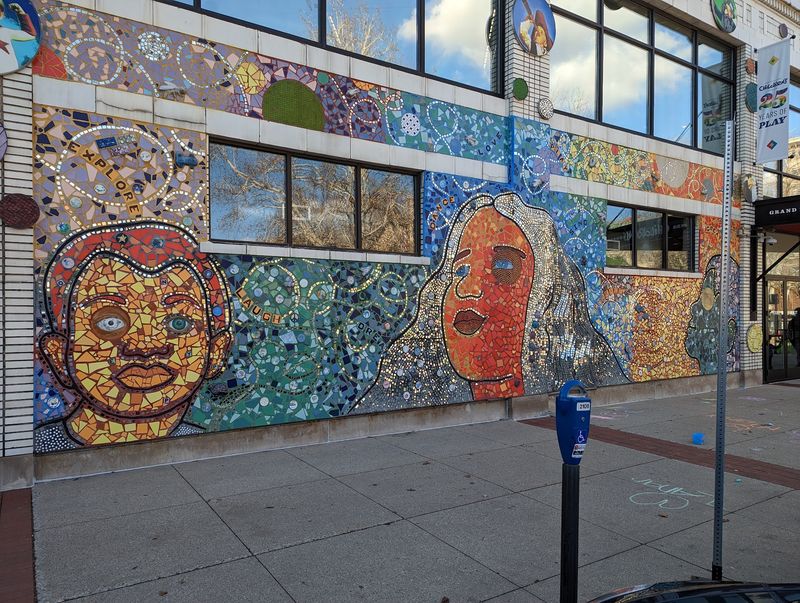
Some children’s museums lean hard into flashy gadgets, while others focus on pretend play alone. Grand Rapids Children’s Museum stands out because it mixes real-life observation, like the live bees, with imaginative features such as the roll-in treehouse and a long list of hands-on activity zones.
That blend gives the place a wider range than a simple indoor play space. Children can switch between watching, building, pretending, splashing, creating, and asking questions, which keeps the day from feeling one-note.
The museum also works well as an early lesson in how learning can happen through action. A child may not leave talking about a formal exhibit label, but may remember how bees move together, how bubbles stretch, or how a pretend store turns everyday errands into a game.
Another strength is how the building supports child-sized independence. Young visitors can move through spaces designed with them in mind, and that sense of capability can be just as important as the exhibits themselves.
For adults, the museum offers a clear picture of what makes children’s museums different from traditional museums. The goal is not quiet observation from a distance.
The goal is participation, with all the noise, motion, cleanup, curiosity, and repeat visits that come with it.
Put all of that together, and the museum earns attention not because it is the biggest attraction in town, but because it delivers a very specific kind of family experience. It gives younger children room to test ideas with their hands, and it gives caregivers a downtown destination where science, creativity, and make-believe share the same floor.
Share this story