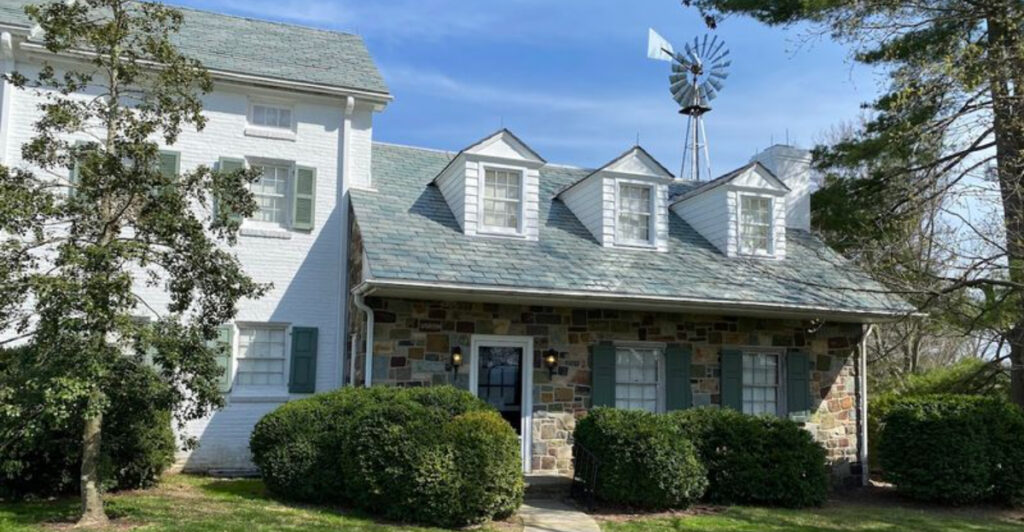
Gettysburg usually pulls you toward battlefields first, but President Eisenhower’s farm offers a quieter kind of American history that feels unexpectedly intimate. Here, the story is not only about a famous general and president, but also about the home life he and Mamie carefully built away from Washington.
As you walk the grounds, see the house, and take in the peaceful views, the past feels close enough to touch. If you want a Gettysburg stop that is reflective, beautiful, and deeply human, this is the one to add.
1. Why the Farm Feels So Personal
What makes Eisenhower National Historic Site so memorable is how personal everything feels the moment you arrive.
Instead of facing a grand presidential monument, you step into a working farm and family retreat where Dwight and Mamie Eisenhower actually relaxed, entertained guests, and tried to live simply.
That shift changes the experience, because you are not just learning dates and achievements, you are seeing where private life unfolded behind public history.
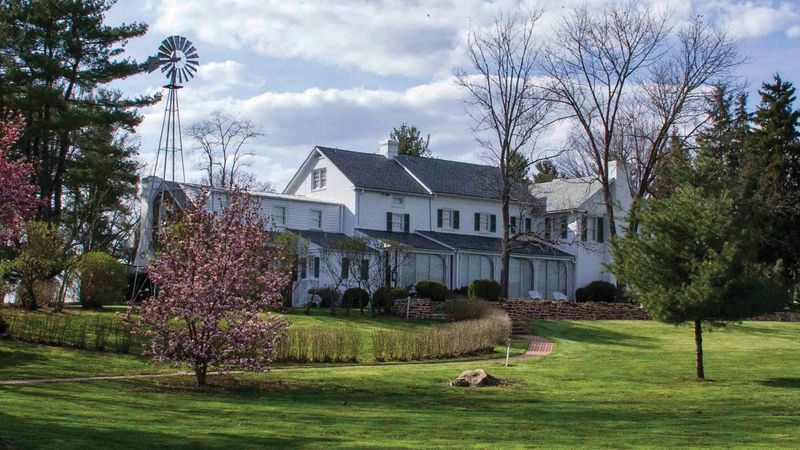
The setting itself helps create that connection, with wide views, quiet grounds, and buildings that feel lived in rather than staged.
Visitors often describe the place as peaceful, serene, and surprisingly intimate, and that matches the farm’s lasting appeal.
When you stand here in Gettysburg, only minutes from the famous battlefield, you get a different kind of historical insight: not the noise of war, but the calm a leader chose when he finally had somewhere that felt like home.
2. Touring the Eisenhower Home
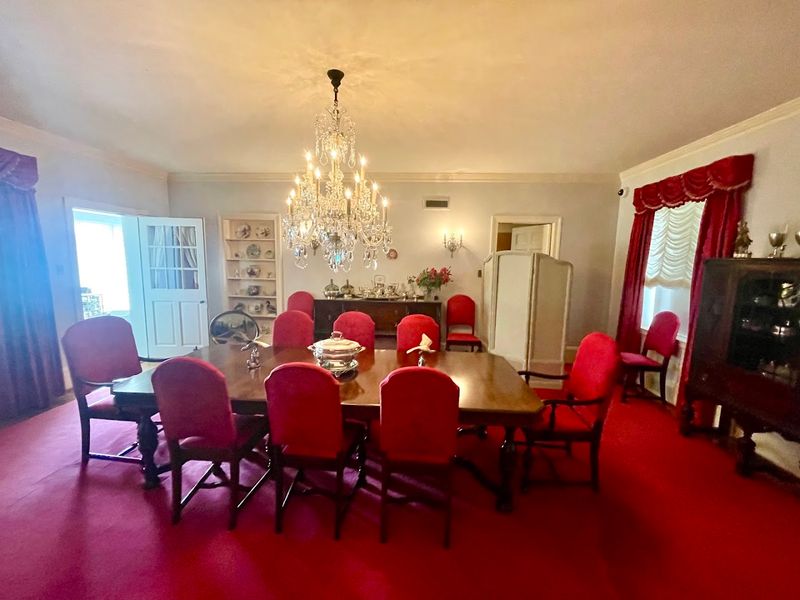
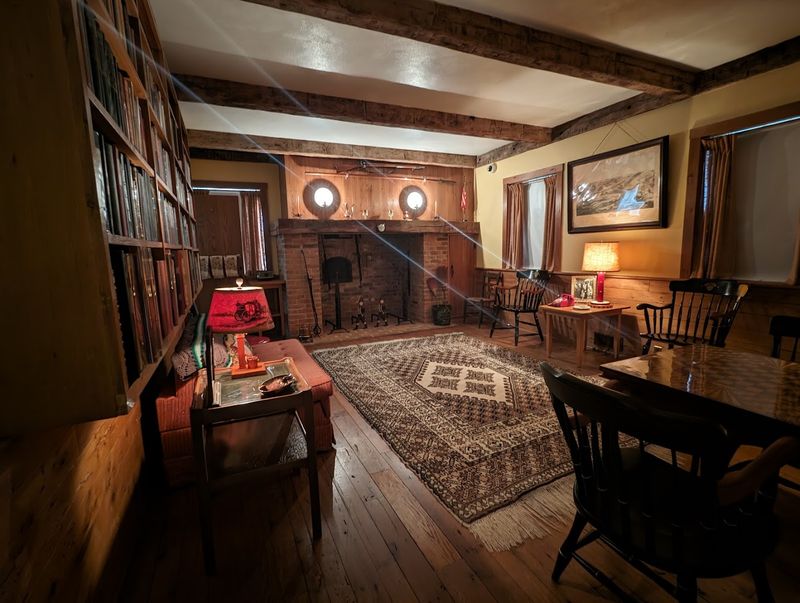
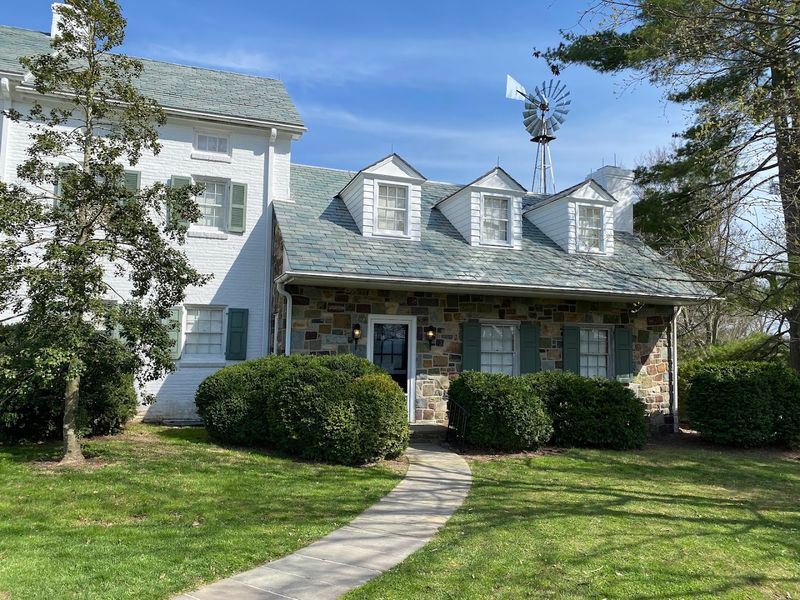
The house tour is the heart of a visit here, because it reveals how much of the home still reflects the Eisenhowers’ actual lives.
Reviewers repeatedly mention the original furnishings, family objects, and rooms that feel frozen in the 1950s and 1960s, giving you a rare sense that the owners simply stepped out for the afternoon.
It is less like entering a museum set and more like being invited into a preserved family home.
That authenticity is what lingers after the tour ends.
You notice not only presidential status, but personal taste, comfort, routine, and the couple’s preference for simplicity over spectacle.
Some guests note that house access can vary by day or season, so it helps to check current schedules in advance, but when the interior is open, it delivers one of the most intimate presidential home experiences you can have in Pennsylvania, and easily one of the most affecting stops in Gettysburg.
3. Grounds, Barn, and Scenic Views
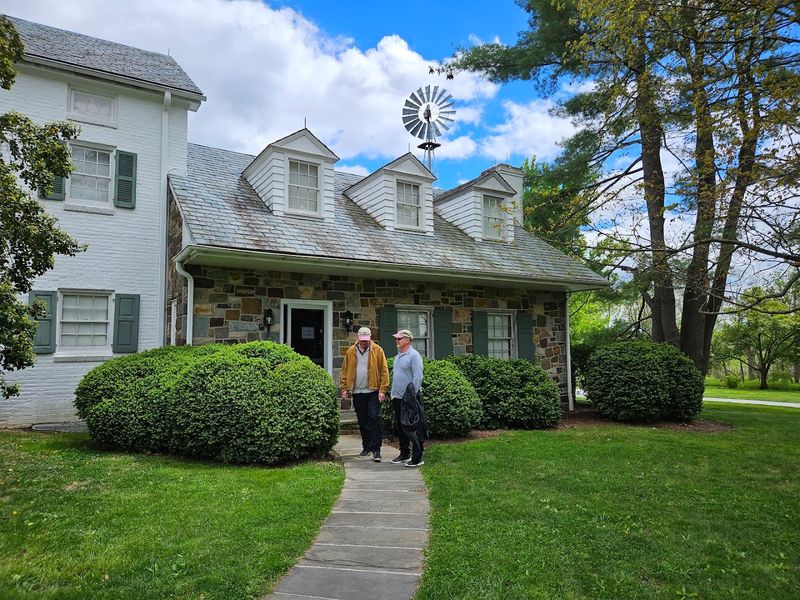
Even if the house is closed during your visit, the grounds alone make this site worth your time.
The farm is beautifully maintained, with open lawns, historic outbuildings, and a barn area that helps explain how Eisenhower imagined this property as both retreat and working landscape.
Many visitors mention how quiet it is compared with Gettysburg’s busier attractions, which makes wandering here feel restorative rather than rushed.
The scenery adds another layer to the experience.
From different points on the property, you get broad agricultural views that underline why this setting appealed to Eisenhower after decades of military and political pressure.
Guests often praise the barn, surrounding fields, and photo opportunities, and the peaceful atmosphere comes up again and again in reviews.
If you enjoy places where history and landscape support each other naturally, this farm delivers that balance in a way that feels graceful, unforced, and deeply relaxing.
4. A Different Side of Dwight and Mamie
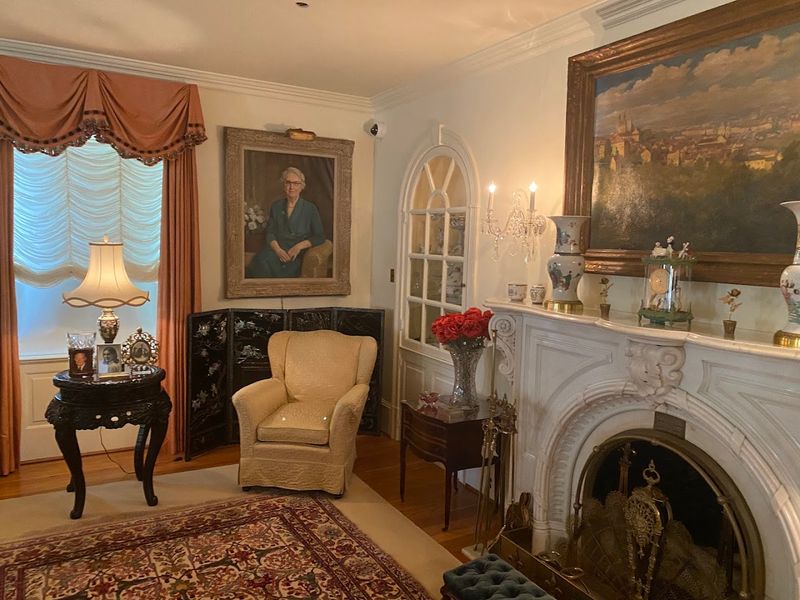
One of the best reasons to visit is the chance to see Dwight and Mamie Eisenhower as people, not just historical figures.
The site shows how they lived together, hosted family and guests, and shaped a home that reflected comfort, order, and privacy rather than constant ceremony.
That personal dimension is what many visitors say they learned most from, especially if they arrived knowing Eisenhower mainly as a general or president.
Mamie’s presence feels especially important here, because the farm was not simply a backdrop for Dwight’s legacy.
It was their shared refuge, and understanding that makes the house and grounds feel warmer and more complete.
Reviews often mention learning a lot about both of them, as well as being struck by the simplicity of their life on the property.
By the time you leave, the Eisenhowers can feel less distant, less official, and much more like a real couple whose home still tells their story clearly.
5. Tips for Planning Your Visit
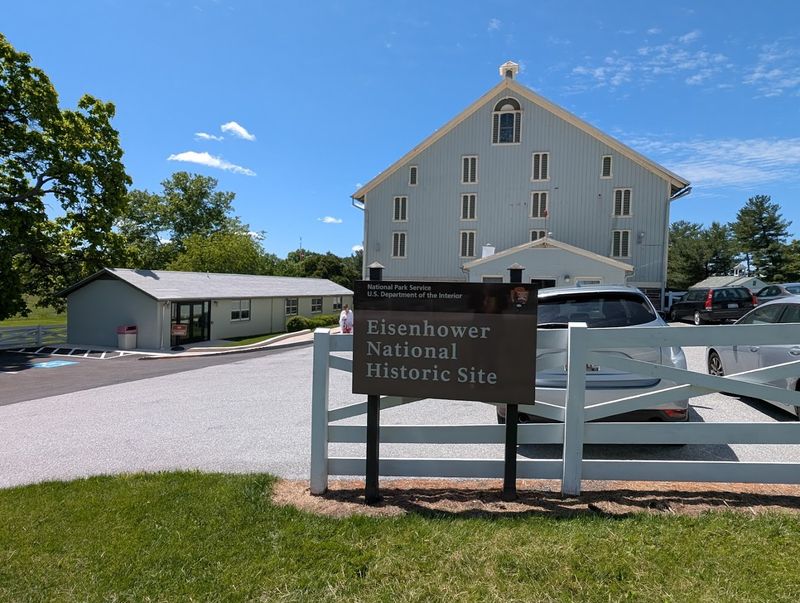
Planning ahead can make your stop here much smoother, especially because several visitors mention that the entrance can be a little confusing to find.
Using the official National Park Service information before you go is smart, particularly if you want current details on house access, guided options, seasonal programming, or whether free tickets are being distributed for timed entry.
A little preparation helps you spend more time enjoying the site and less time second guessing the driveway.
It is also worth remembering that experiences can vary by day of the week or time of year.
Some reviewers arrived when the house was closed, while others had excellent tours and engaging introductions from rangers or volunteers, so expectations matter.
If you are building a Gettysburg itinerary, try giving yourself enough flexibility to enjoy both the grounds and the interior if available.
Arriving earlier is often a good idea, especially on busier days or during special events, holiday programs, or weekend visits.
6. Why Families and History Lovers Enjoy It
This site works especially well for travelers who want history without feeling overwhelmed by it.
Families appreciate the open grounds, approachable scale, and educational atmosphere, while dedicated history lovers enjoy the preserved setting, presidential connections, and links to World War II and mid-century America.
Several reviews mention friendly staff, knowledgeable volunteers, and kid-focused activities like the Junior Ranger program, which helps younger visitors stay curious and engaged.
What makes the experience satisfying for such different audiences is its balance.
You can go deep into Eisenhower’s legacy, or simply enjoy a calm and meaningful stop that adds texture to a Gettysburg trip.
Visitors often praise the site for being interesting without taking an entire day, which makes it ideal if you are fitting several attractions into one itinerary.
Whether you come with children, veterans in the family, or a general love of American history, the farm offers something thoughtful, accessible, and genuinely memorable.
7. Why It Belongs on Your Gettysburg Itinerary
In a town defined by one of America’s most famous battlefields, Eisenhower National Historic Site offers a powerful change of pace.
It brings you close to another era of national leadership, but in a setting shaped by home, rest, hospitality, and the search for peace after public service.
That contrast is exactly why the farm matters so much in Gettysburg: it expands the story of the place beyond conflict and into what came after.
Visitors consistently call it a must-see, a hidden gem, or one of the top stops in the area, and that praise makes sense once you are there.
The site is beautiful, manageable, and emotionally resonant in ways larger attractions sometimes are not.
If you want a historical place that feels reflective rather than crowded, and personal rather than distant, this farm delivers.
It reminds you that even towering figures like Eisenhower needed a real home, and that truth gives the entire visit unusual depth.
Share this story