More than a century of family trips can give a park a rhythm that newer places cannot fake. In northern Michigan, Interlochen State Park sits between Green Lake and Duck Lake, offering beach time, shady campsites, easy trails, and the kind of simple outdoor fun that works for campers, day-trippers, and families returning generation after generation.
Its long history is part of the appeal, but the park still feels useful in the present, with enough water, woods, and breathing room to make a visit feel fresh. For anyone looking for a Michigan state park with tradition, scenery, and staying power, Interlochen continues to earn its place in the summer rotation.
Caught Between Two Clear Lakes
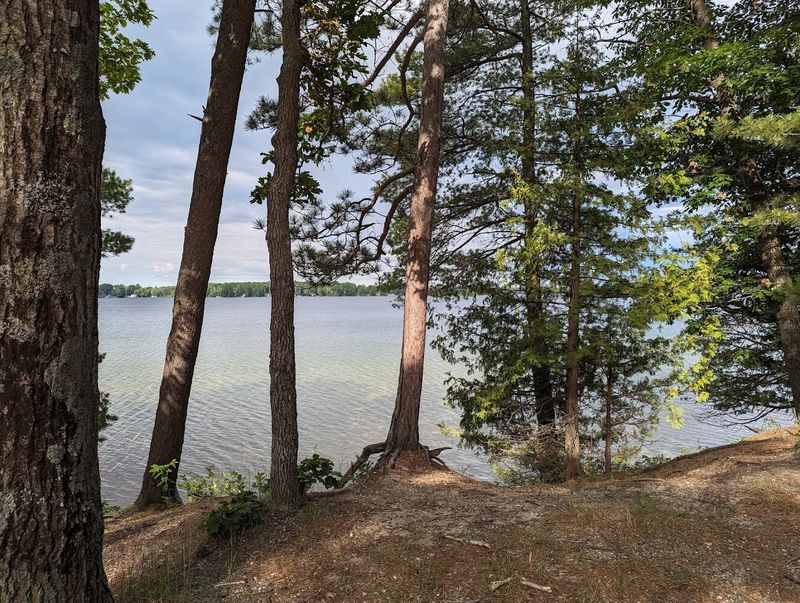
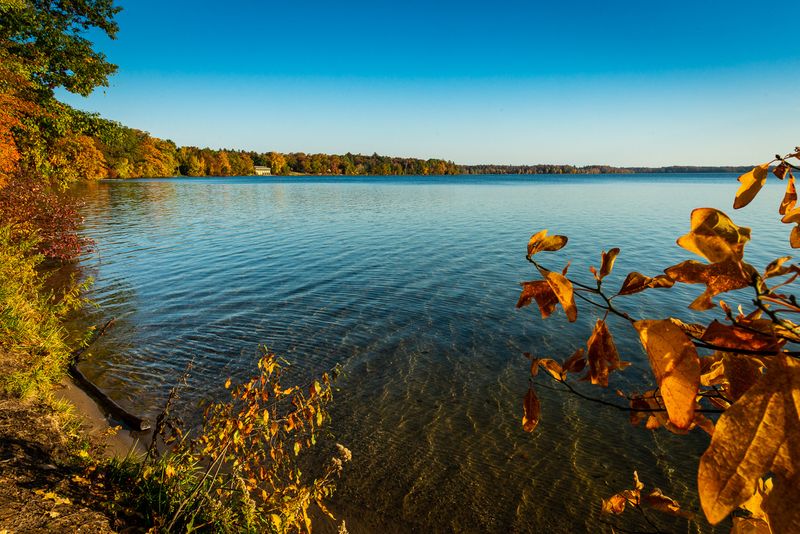
Few park settings grab attention as quickly as a strip of land framed by two lakes. Interlochen State Park sits between Green Lake and Duck Lake, and that placement shapes almost everything about the visit.
Water is never far away, and the whole park carries that breezy, open look that makes even busy summer days seem a little lighter.
One side offers broad beach scenes and swimming space, while the other side gives a quieter edge for fishing, paddling, or simply watching the surface change with the wind. Tall trees break up the sunlight, so the landscape shifts from bright shoreline to cool shade in just a short walk.
That mix helps the park feel active without becoming harsh or overwhelming.
For families, the two-lake layout means options are built right into the setting. If one beach area feels lively, another stretch of water may feel calmer.
Campers also benefit because many sites are tucked into wooded sections, yet the lakes remain a constant visual anchor, making it easy to understand the park’s layout after only a little exploring.
The best approach is simple. Start with a slow walk near the water before unpacking coolers, beach bags, or camping gear.
Seeing both the tree cover and the shoreline first helps with planning the rest of the day, especially in warm weather when shade can matter as much as the swimming area.
That twin-lake location is the first big reason Interlochen has held attention for 104 years. Plenty of parks have trees.
Plenty have beaches. Far fewer get the balance of forest, water, and movement quite like this.
A Beach Day That Actually Works
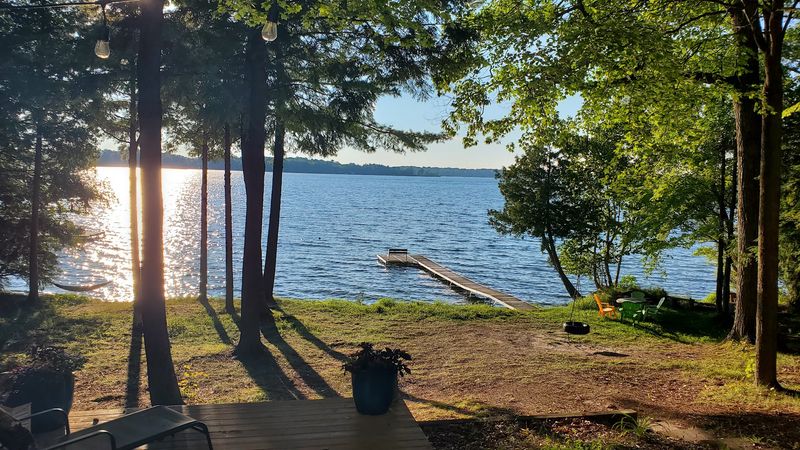
Beach days can fall apart fast when a shoreline is rocky, cramped, or missing basic comfort. Interlochen State Park avoids that problem with broad sandy areas and inland lake water that tends to warm faster than Lake Michigan.
That makes swimming easier for families with younger kids, and it turns a simple afternoon at the shore into one of the park’s strongest draws.
The beach is not just a patch of sand beside a campground. It functions as a real gathering place, with room to spread out, cool off, and spend a few hours without needing a complicated plan.
On hot days, that matters more than any flashy attraction. Clean water, gentle entry points, and nearby shade can do a lot of work.
Another helpful detail is how the beach fits into a full park day. Morning can be for a walk or campsite breakfast, midday can be for swimming, and later hours can shift toward a picnic, a paddle, or a quiet sit by the shore.
The setting supports short visits and all-day stays without forcing either one.
Parents should still plan smart. Bring water shoes if anyone in the group likes extra footing, pack more sunscreen than expected, and claim shade early when summer crowds build.
A dry change of clothes also makes the move from beach to campfire much easier, especially for children who never seem ready to leave the water.
Plenty of longtime Michigan travelers look for a beach that feels easy, not fussy. Interlochen delivers that kind of straightforward summer fun.
Sand, swim space, and a comfortable setup have carried this park’s appeal across generations for a reason.
Camp Loops With Room for Different Styles
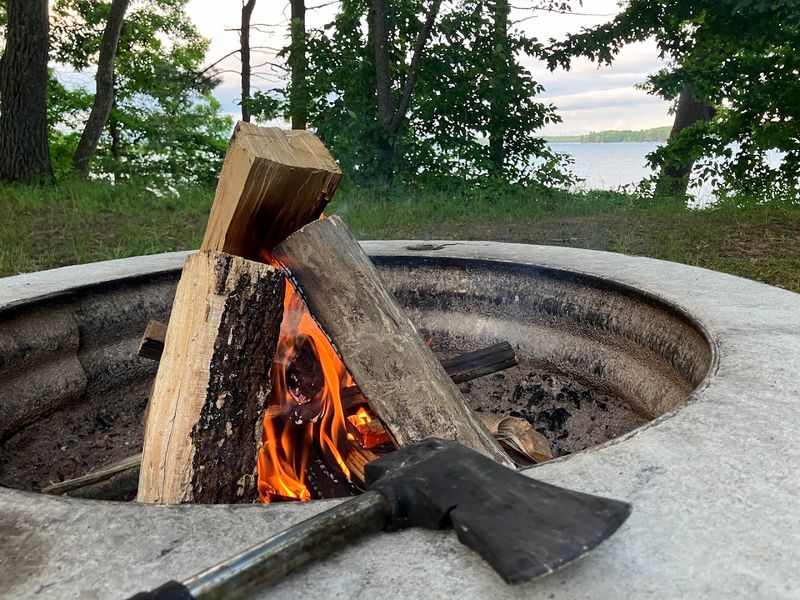
Some campgrounds work for one type of traveler and leave everyone else adjusting. Interlochen State Park has a broader reach.
With modern and rustic camping areas, it gives visitors several ways to stay, whether they arrive with a large trailer, a compact tent setup, or a plan that lands somewhere in the middle.
The modern loops appeal to campers who want electricity, nearby bathhouses, and easier access to the park’s busiest features. Those sections can feel more social, especially in peak season, with bikes rolling past and evening campfires glowing from site to site.
Rustic areas, by contrast, lean more toward simple basics, with a quieter, more back-to-nature rhythm that suits people who do not need many extras.
Site shape and spacing matter here. Some spots are roomy and shaded, while others may require more careful parking or setup because of trees and campground roads.
Checking the size of a rig, tent footprint, and preferred level of privacy before arrival can save stress. Interlochen rewards a little planning, especially for summer weekends when the park is busiest.
A practical trick is to think about the trip’s real priority before reserving. If beach access and convenience come first, a modern area makes sense.
If the goal is a quieter night, a simpler shoreline stay, or a more stripped-down outing, rustic sections may be a better match.
That flexibility helps explain the park’s long life. Over 104 years, outdoor habits have changed, but the appeal of choice has not.
Interlochen gives families, couples, solo campers, and weekend groups enough variety to shape a stay around how they actually travel, not how a park expects them to.
Michigan History Under the Pines
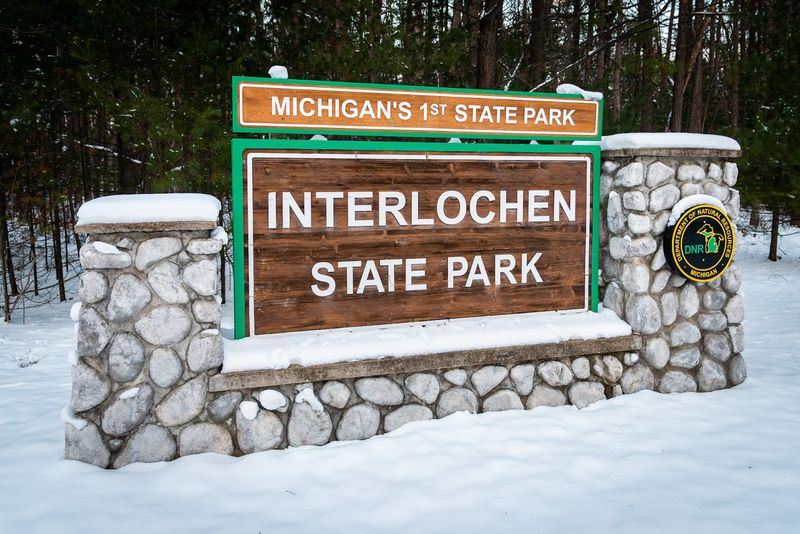
A park does not stay relevant for 104 years by accident. Interlochen State Park carries the kind of staying power that comes from a smart location, useful design, and a tradition of simple outdoor recreation that still makes sense now.
Its age gives the place extra weight, but the history works best because it is tied to a setting people can still use and enjoy today.
There is an old Michigan feeling here, and it comes through in the tall trees, established campground roads, and easy connection to the lakes. Nothing about the park needs to be flashy to make its point.
The appeal rests in the basics being done well: water access, campsites, beach space, fishing, and enough room for different kinds of visitors to share the same landscape.
That long timeline also changes how a visit feels. Parents can bring children to a place that fits naturally into stories about earlier family trips, old-school camping habits, and summers built around swimming instead of schedules.
Even first-time visitors can sense that they are entering a park with roots, not a freshly assembled attraction trying to imitate tradition.
History is easiest to notice when the pace slows down. Walk one of the interior roads, sit under the pines in late afternoon, or watch the lake after the busiest beach hours pass.
Those quieter moments reveal how the park has likely looked familiar to generations, even as equipment, cars, and camping styles have changed around it.
For Michigan travelers, that continuity matters. Interlochen is not important only because it is old.
It matters because it still performs the original job of a state park so well: giving ordinary people a practical, beautiful place to rest, gather, swim, and spend time outdoors.
Fishing, Paddling, and Quiet Water Moments
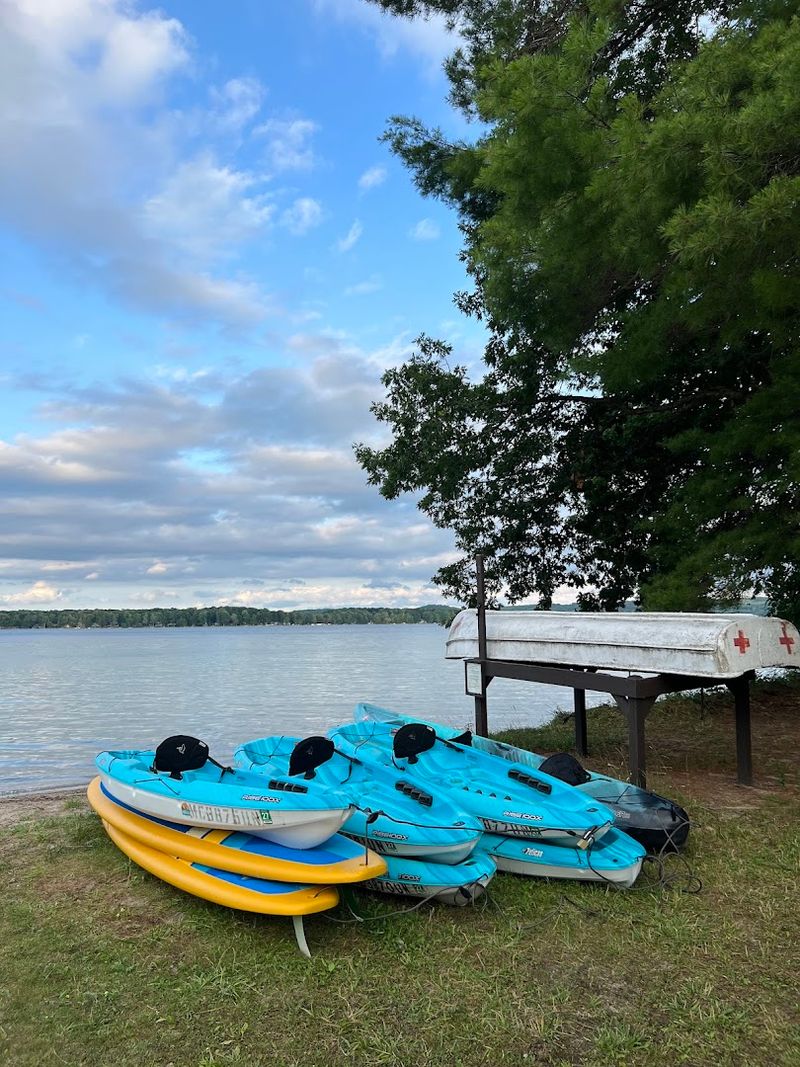
Not every great park experience happens on the beach. At Interlochen State Park, the lakes also open the door to quieter activities that change the whole mood of a trip.
Fishing, paddling, and simple shoreline sitting give the park a second personality, one built less around splash and noise and more around patience, motion, and observation.
Early morning is often the best time to notice it. The water looks smoother, voices carry less, and the park feels almost stretched out before the busiest part of the day arrives.
Anglers have long been drawn here, and the setting makes sense for that purpose. A park bordered by two respected fishing lakes naturally gives people reasons to bring rods, tackle, and a little extra time.
Paddlers also get a lot from the layout. A kayak or canoe changes the view completely, replacing campground roads and beach towels with tree-lined edges and wider lake perspectives.
Even a short outing can provide a sense of space that is harder to find from shore, especially in summer when the campground is full.
Visitors who want this calmer side of Interlochen should plan around the weather and timing. Go out early if possible, keep life jackets ready, and expect the water scene to shift as wind and boat traffic increase later in the day.
A dry bag, a hat, and a simple map of the area can make the outing smoother without adding much effort.
These water-based options help the park reach more than one kind of traveler. Some come for active family fun.
Others come to cast, paddle, drift, and listen. Interlochen has held both groups for decades, and that balance is part of its lasting strength.
Right Near the Arts, Yet Rooted in the Outdoors
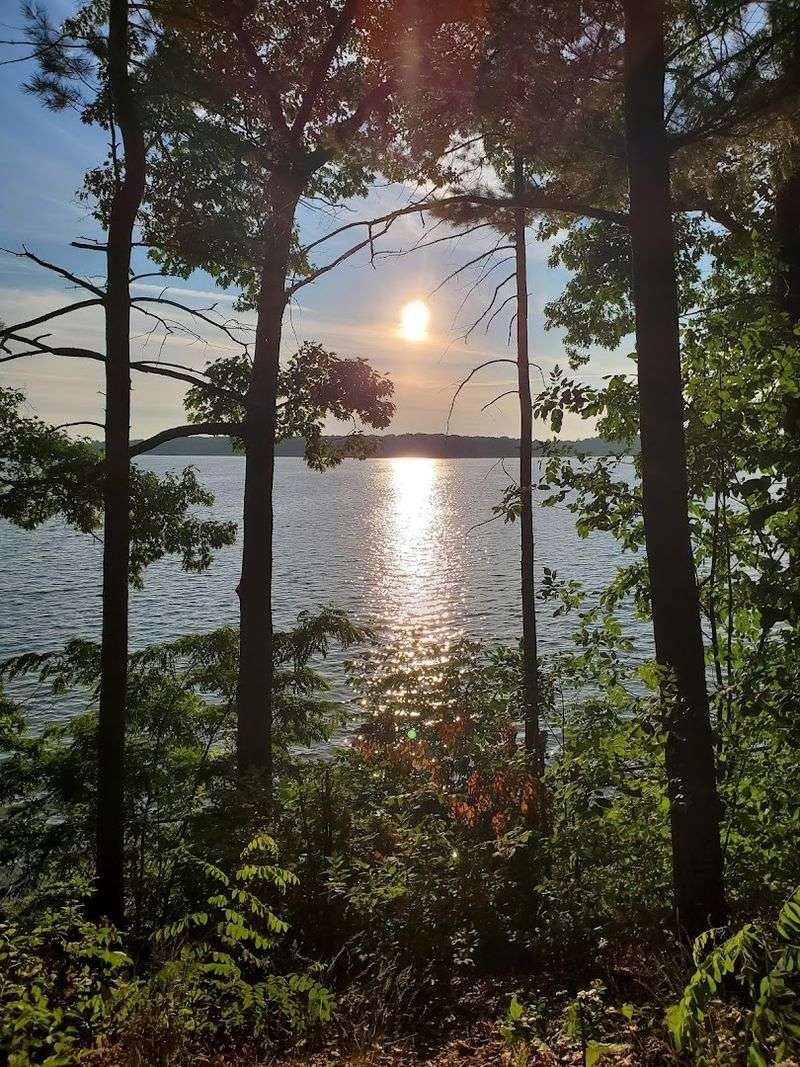
Here is one of Interlochen State Park’s more unusual advantages: it sits close to a well-known arts destination while staying firmly grounded in camping and lake life. That nearby connection adds a layer many state parks do not have.
A day can include beach towels and camp chairs, then shift toward a concert night or a campus-related family visit without a long drive.
The location helps several kinds of travelers. Parents dropping off or picking up students at Interlochen’s arts campus can use the park as a comfortable base.
Concertgoers can pair an outdoor stay with an evening performance. Families exploring the region also benefit, since the park sits within reach of town services while still giving a strong sense of being among trees and water.
That balance matters because convenience often changes how relaxing a trip feels. A campground can be scenic but exhausting if every forgotten item requires a major detour.
Interlochen State Park avoids that trap. Essentials, nearby community access, and regional attractions are close enough to help, yet the park itself still reads as a natural escape once camp is set and the lakes come into view.
There is one practical tradeoff. On busier event days nearby, traffic and noise may rise more than some rustic campers expect.
Anyone seeking the quietest possible stay should keep timing in mind and choose a site with care. Checking the local calendar before arrival can make a big difference.
Still, this unusual pairing of culture and campground life gives Interlochen a special edge. It is not isolated in a way that limits options, and it is not urban enough to lose its outdoor identity.
Very few parks can bridge both worlds so smoothly, which helps explain its long-running appeal.
How to Time a Better Visit
Good timing can change Interlochen State Park from nice to excellent. Summer brings the fullest version of the park, with swimmers, campers, kids on bikes, and busy beach stretches.
That energy is part of the fun, but it also means the smartest visits happen when people plan around the park’s rhythm instead of fighting it.
Mornings are especially useful. The air is cooler, parking and beach space are easier, and the lakes often look calmer for paddling or shoreline walks.
Campers setting up early have a better chance to sort gear, spot the nearest restrooms, and understand how much shade their site really gets before the strongest sun arrives.
Afternoons tend to be best for swimming and social activity, though they can also bring the most crowding. If the goal is a quieter experience, late-day walks through the wooded areas or time by the water after the main beach rush can feel much more relaxed.
Evening often settles into campfire hours, and the park usually softens once day users leave and children wind down.
Planning details matter too. Bring supplies for both sun and shade.
Campsite fit can vary, so larger vehicles should allow extra care when navigating tree-lined roads. Visitors using restrooms, showers, or day-use areas during peak periods should expect some waiting, even though the facilities are generally a strong point of the park.
For a first visit, the safest strategy is simple: arrive early, move slowly, and let the park reveal itself in stages. Interlochen is easy to enjoy, but it rewards visitors who pay attention to pace.
After 104 years, it still works best when people match their day to the landscape instead of rushing through it.
Why Interlochen Still Holds Its Place
Some parks impress with size. Others win with dramatic views.
Interlochen State Park stays important for a different reason: it makes ordinary outdoor pleasures easy to reach and easy to repeat. Swimming, camping, fishing, walking, paddling, and resting under tall trees are not treated like side activities here.
They are the main event, and the park has spent 104 years proving that is enough.
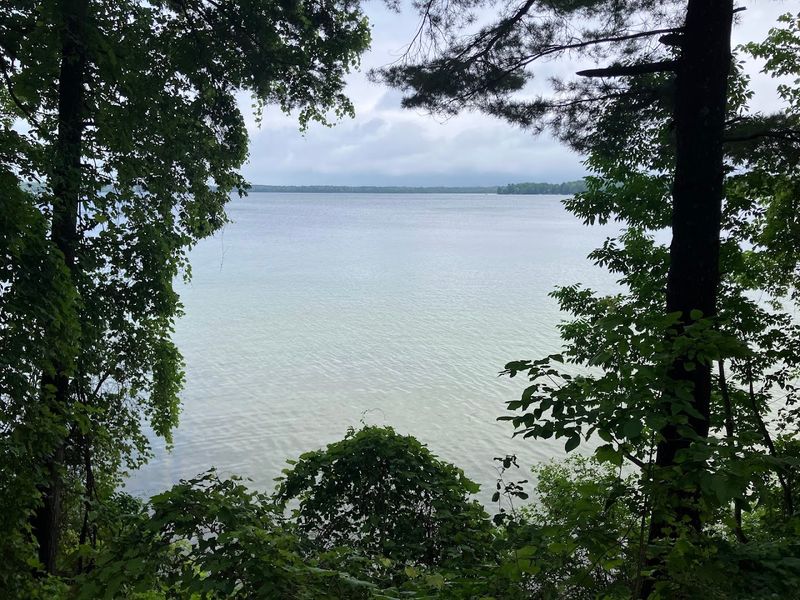
The setting plays a big role, of course. Two lakes, sandy shoreline, wooded campsites, and a family-friendly layout create a strong foundation.
Yet the real strength comes from how those pieces work together. A place can be beautiful and still frustrating.
Interlochen usually avoids that by offering practical comforts alongside natural appeal, which is why day visitors and overnight campers can both find a workable routine.
There is also a welcome lack of pretense. The park does not need to reinvent itself to stay relevant.
Kids can head to the beach, adults can settle into camp chairs, and early risers can walk beneath the pines before breakfast. That straightforward pattern has lasting value in a time when many trips are overplanned and overpacked.
Anyone considering a visit should think of Interlochen as a park built on dependable pleasures rather than dramatic spectacle. Pack for water, shade, and a full day outside.
Choose activities that match the season and the group, then leave room for unplanned stretches of quiet by the lake.
That final point may be the clearest explanation for its long popularity. Interlochen State Park still offers the kind of Michigan outing that many people want most: simple, scenic, useful, and ready for another summer. After more than a century, that formula continues to hold up remarkably well.
Share this story