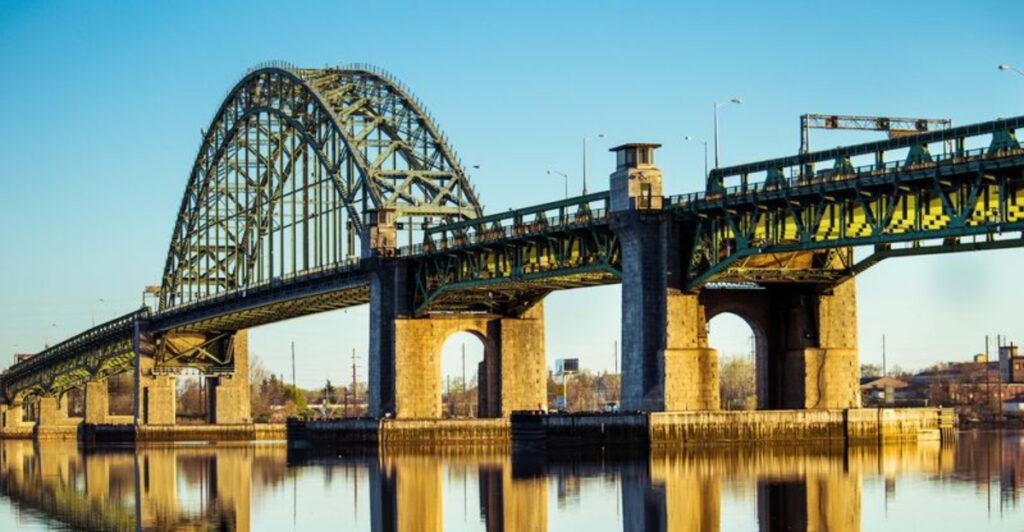
A wall of green steel rises over the Delaware River at the edge of Palmyra, framing the roadway like the entrance to an enormous industrial tunnel. Most drivers barely notice.
They watch the lanes, prepare for the toll, and continue toward Philadelphia without realizing that one of South Jersey’s best river views is just a few feet away. The Tacony-Palmyra Bridge has connected Burlington County with Northeast Philadelphia since 1929, but it is more than a convenient link between two states.
A pedestrian walkway runs alongside the traffic, giving walkers and cyclists an unusually close look at its riveted framework, massive arch, movable draw span, and stone piers. Out on the bridge, the familiar Delaware suddenly feels much larger.
Ships move along the channel, the Philadelphia skyline appears downriver, and the green steel changes character with every shift of light. It is loud, windy, wonderfully unpolished, and far more memorable than the average river crossing.
A Steel Landmark Hiding in Plain Sight
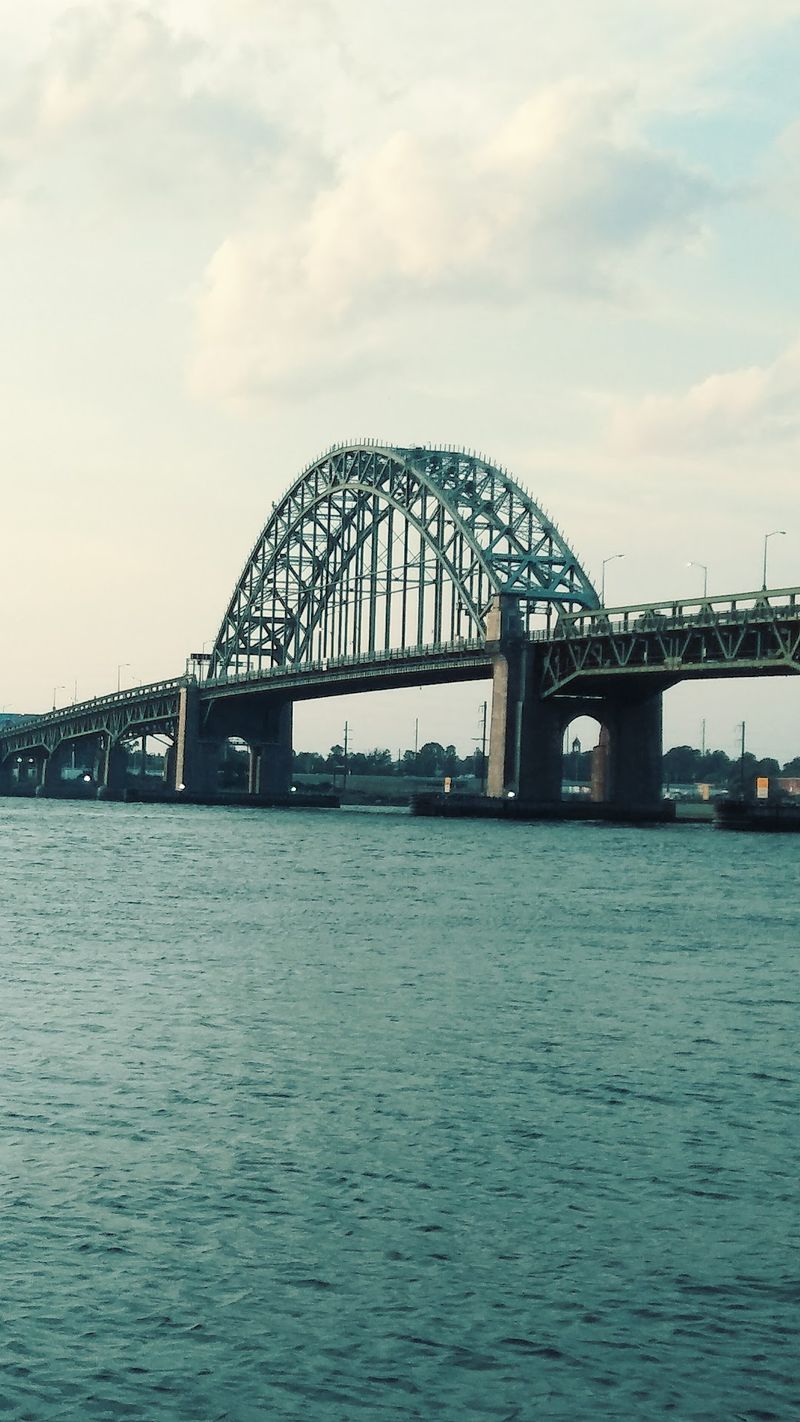
Some landmarks shout for attention. The Tacony-Palmyra Bridge does the opposite, sitting in plain view while many drivers speed past without a second look.
From the walkway, though, its green steel frame suddenly feels bold, proud, and impossible to ignore.
Seen up close, the bridge has a gritty beauty that fits the Delaware River perfectly. Rivets, beams, shadows, and repeating lines give it a tough, old-school character that photos from the road rarely capture.
If you enjoy places that feel real rather than polished, this walk starts strong.
Comfort matters here, so wear sneakers with good grip and skip flimsy sandals. Bring water, keep your phone ready for photos, and choose a calmer time of day if traffic noise bothers you.
A slow pace helps you notice details, from the changing angle of the trusses to the way sunlight lands on painted steel.
By the time you reach the middle, the so-called hidden landmark no longer feels hidden at all. It feels earned.
That little shift, from overlookable roadside structure to memorable destination, is what makes the crossing satisfying surprise.
Nearly a Century of History Spans the Delaware
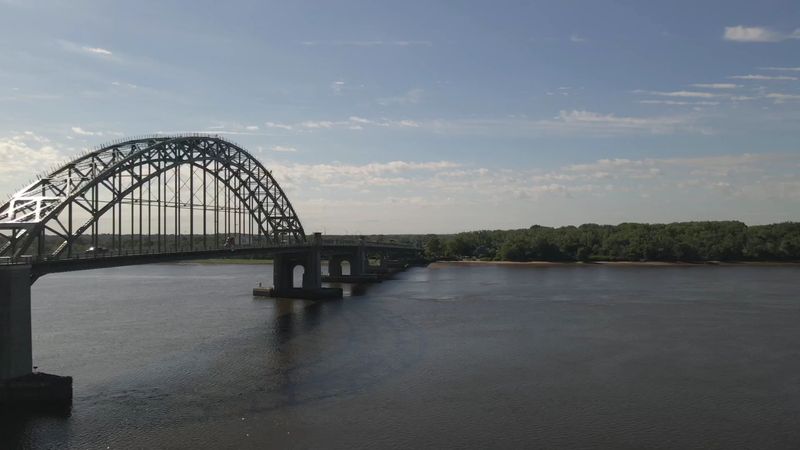
Old bridges carry stories in their bones, and this one wears its age with style. Standing on the walkway, you can sense the long line of commuters, workers, and day trippers who have crossed above the Delaware over the decades.
That feeling gives the walk more weight than a roadside glance ever could.
History here does not need a museum voice to be interesting. You see it in the sturdy metalwork, in the design choices that feel practical and proud, and in the simple fact that the bridge still commands attention after so many years.
It connects places, but it also connects eras.
A visit becomes better when you pause instead of rushing for the next photo. Look at the framework, imagine how impressive it must have seemed when it first opened, and notice how older engineering often feels massive and graceful.
Kids enjoy spotting repeating shapes in the structure, while adults appreciate the sense of endurance.
There is something reassuring about a bridge that has kept doing its job for generations. On foot, that persistence becomes part of the view.
The Swinging Center Span Is an Engineering Marvel
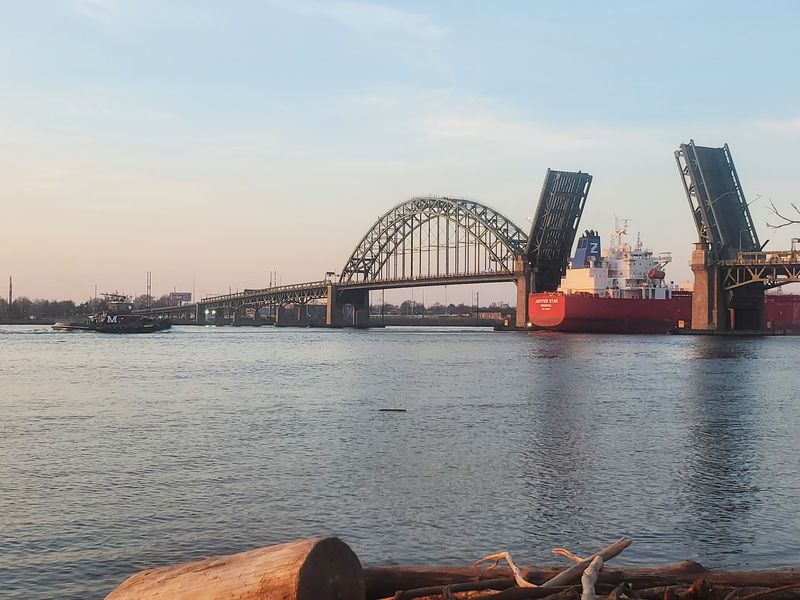
Here is the part that makes people stop and stare. The center span is designed to move, and even if you never catch it in action, just knowing that a section can swing open adds a little thrill to the walk.
It turns an ordinary crossing into something that feels mechanical, clever, and alive.
You do not need an engineering degree to appreciate the idea. A bridge that can adapt to river traffic feels like a giant puzzle piece doing exactly what it was built to do.
That mix of strength and motion gives the structure personality.
For the best experience, spend a minute looking toward the middle and tracing how the parts line up. Notice the balance in the design, the solid supports, and the way everything seems purposeful rather than decorative.
If you are walking with kids, this is the moment to ask how they think the bridge works. Their guesses are often half the fun.
Even when it stands still, the movable span changes how you see the whole bridge. Suddenly, steel feels a lot more imaginative.
Walking the Bridge Reveals Its True Scale
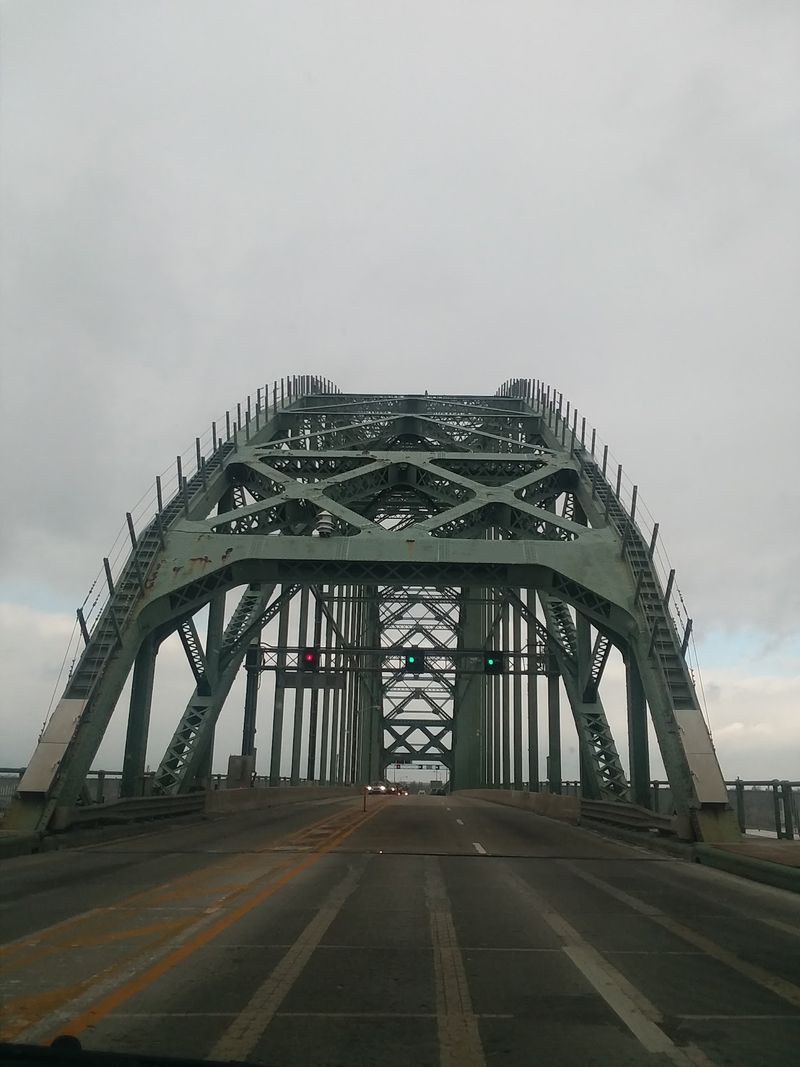
Photos flatten big places. Walking this bridge fixes that fast, because every step makes the trusses seem taller, the roadway seem busier, and the river seem wider than expected.
What looked manageable from a car window starts to feel huge in the best possible way.
Distance works differently when your feet are doing the measuring. The long lines of steel repeat again and again, giving the crossing a rhythm that is almost hypnotic.
You start noticing how much space sits above you, beside you, and below you.
A relaxed walk helps more than a rushed one. Pick a day with mild weather, hold the hand of younger kids, and stay aware of bikes, traffic sounds, and gusty moments.
If heights make you a little uneasy, keep your eyes on the horizon for a minute, then return to the details around you. That simple trick can make the experience feel steadier and more enjoyable.
By the second half of the walk, scale becomes the story. The bridge stops feeling like infrastructure and starts feeling like a place with its own presence.
River Views and the Philadelphia Skyline Steal the Show
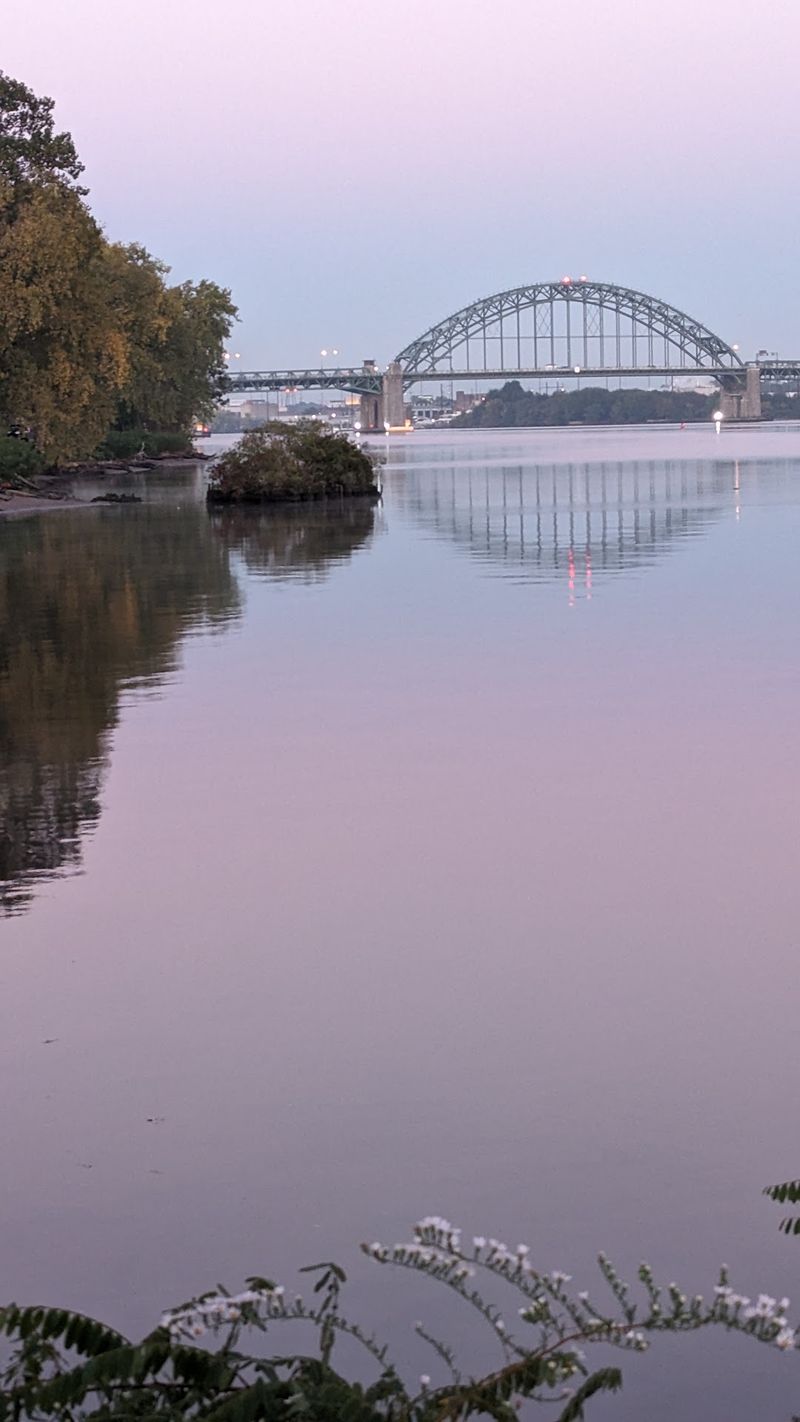
Then the scenery opens up, and the walk changes completely. Water stretches below, the far shore pulls your eyes outward, and the Philadelphia skyline rises in the distance like a reward for making it to the best vantage point.
It is the kind of view that makes people slow down without being told.
Different angles give you different moods. One moment the river looks broad and hardworking, with boats, wakes, and moving light.
The next, the city appears crisp and layered, mixing tall buildings with softer sky and water. That contrast is what makes this crossing special.
Bring a camera if you want, but a phone works fine when the light cooperates. Early evening often gives buildings more definition, while clearer days help the skyline pop.
If you are walking with friends, stop safely, take a few pictures, then take one minute to look without a screen. The view lands differently when you let it.
Some bridges are mainly about getting somewhere else. This one earns your attention by making the middle feel like the destination for many first-time visitors.
Golden Hour Turns the Green Steel Into a Work of Art
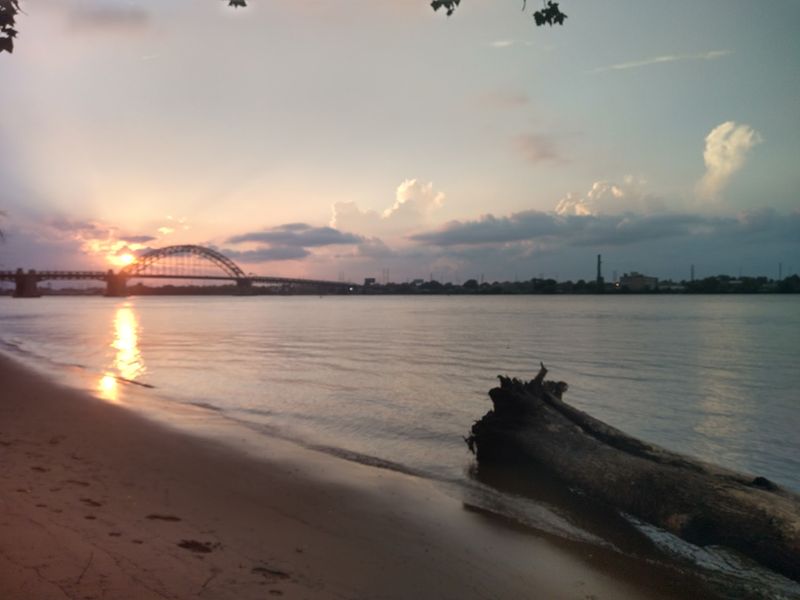
Late in the day, the bridge puts on its best outfit. As the sun drops, the green steel catches warmer light, and the whole structure starts to glow instead of simply standing there.
Hard edges soften, shadows stretch, and familiar beams begin to look almost painterly.
Golden hour is short, which is part of the fun. You do not need perfect conditions, but timing matters more than people expect.
Arrive a little early so you can watch the colors shift from plain daylight to honey tones, then deeper shades as evening settles in. That gradual change gives the walk a calm, memorable pace.
Photographers love this kind of light for good reason, yet you do not need fancy gear to enjoy it. Even a quick phone shot can pick up the contrast between green metal, blue water, and a peach-colored sky.
If you are planning one visit, this is the window worth chasing.
When the bridge catches that final glow, it feels less like infrastructure and more like public art. Few walks in South Jersey deliver that kind of payoff.
Share this story