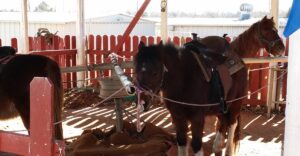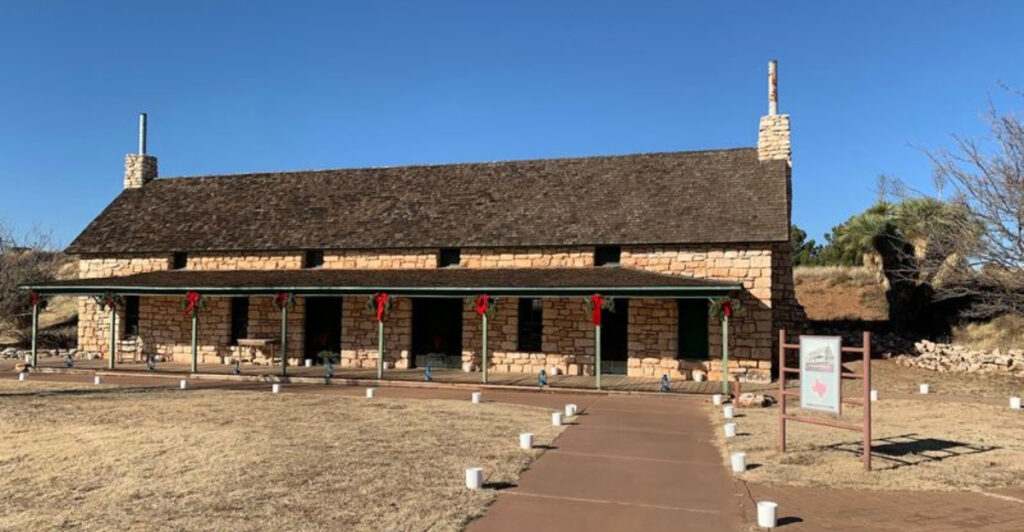
In Lubbock, there’s a museum that feels less like an exhibit and more like stepping straight into another era. The National Ranching Heritage Center sprawls across 19 acres of West Texas landscape, showcasing authentic ranch buildings that tell the story of how cowboys, ranchers, and pioneers shaped this state. With free admission and over 50 historic structures relocated from across the region, this place offers a genuine peek into the grit and ingenuity that built Texas ranching culture from the ground up.
1. Step Into Authentic Historic Ranch Buildings
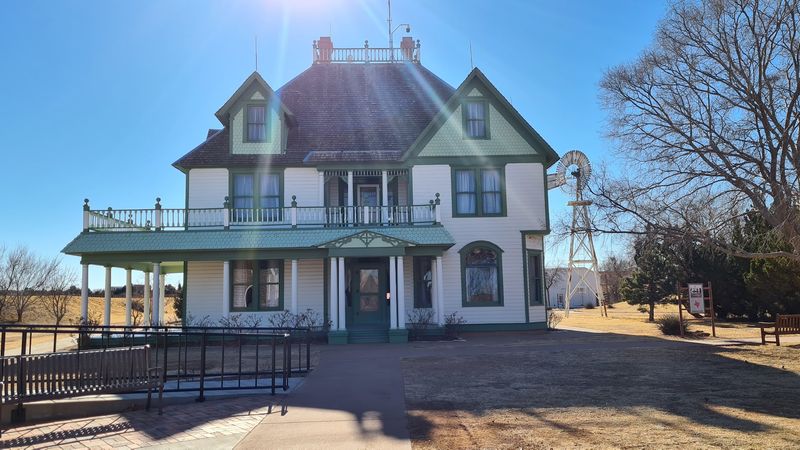
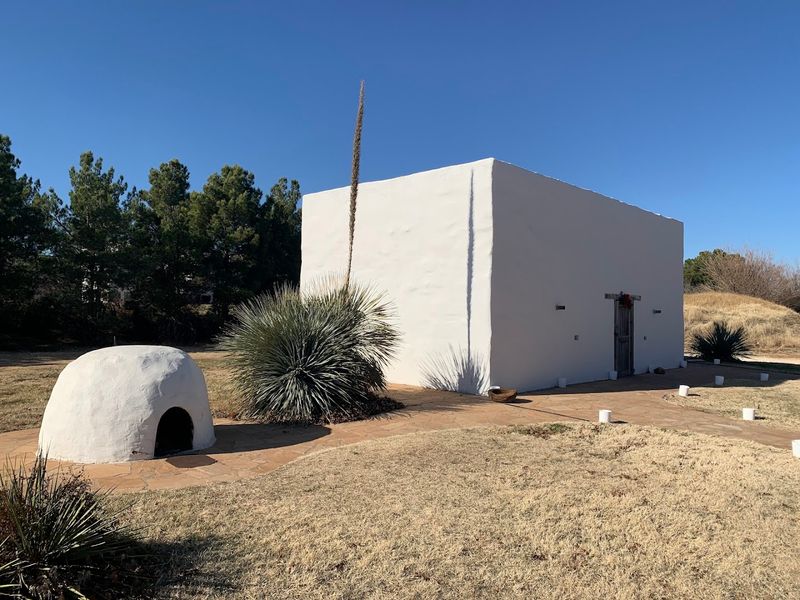
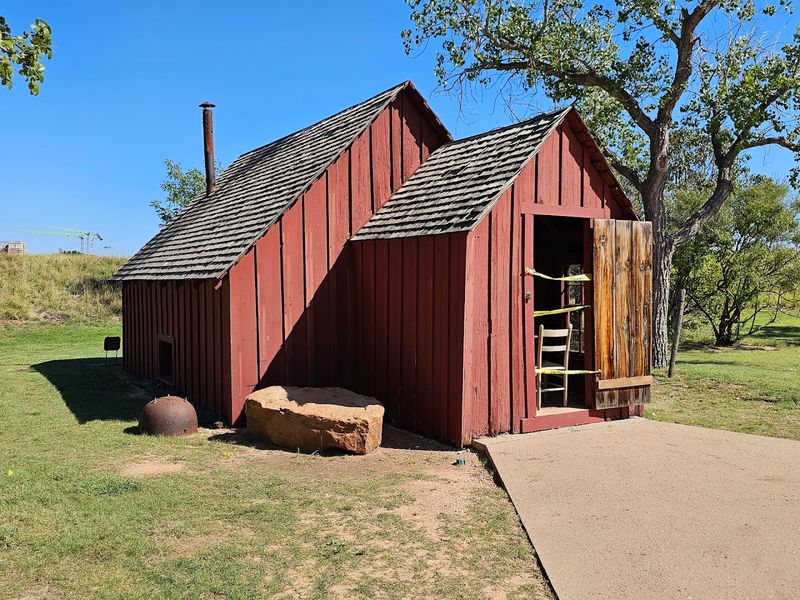
Walking through the grounds feels like flipping through a living history book where each chapter has walls and a roof. The center features more than 50 original structures dating from the 1780s to the 1950s, all carefully relocated from ranches across Texas and the Southwest. Each building was dismantled piece by piece, then reconstructed with painstaking accuracy to preserve its original character.
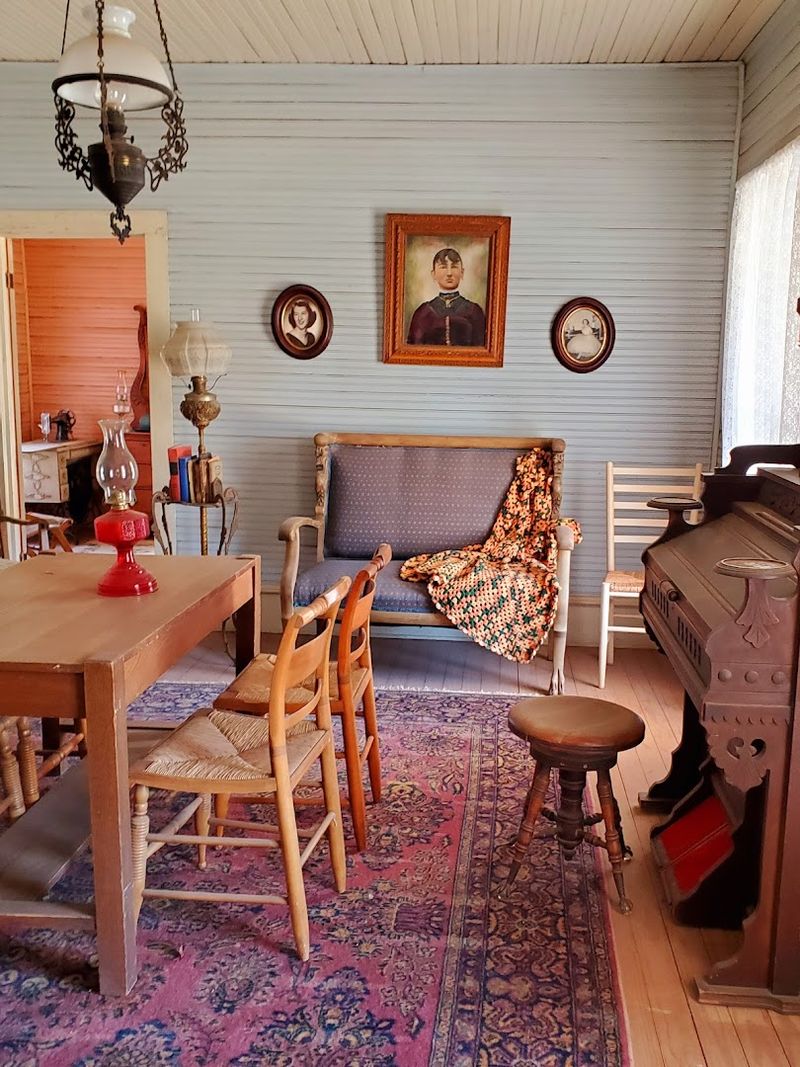
Peek through windows and doorways to spot period furnishings that show how ranching families actually lived. You’ll find everything from simple dugout shelters carved into hillsides to grand Victorian ranch homes with intricate woodwork. The contrast tells a powerful story about how ranching prosperity evolved over generations.
Many structures remain open for viewing during good weather, letting you step inside and imagine daily life on an isolated ranch. The wooden floors creak authentically beneath your feet, and the smell of aged timber transports you backward in time. Signs outside each building explain its original location and the family who built it.
Kids especially love exploring the smaller cabins and bunkhouses where cowboys slept after long days on the range. The scale of these buildings makes history feel tangible rather than abstract. You’re not just reading about pioneer life; you’re standing exactly where it happened, surrounded by the same walls that sheltered ranchers more than a century ago.
2. Experience Ranch Life Through Immersive Audio
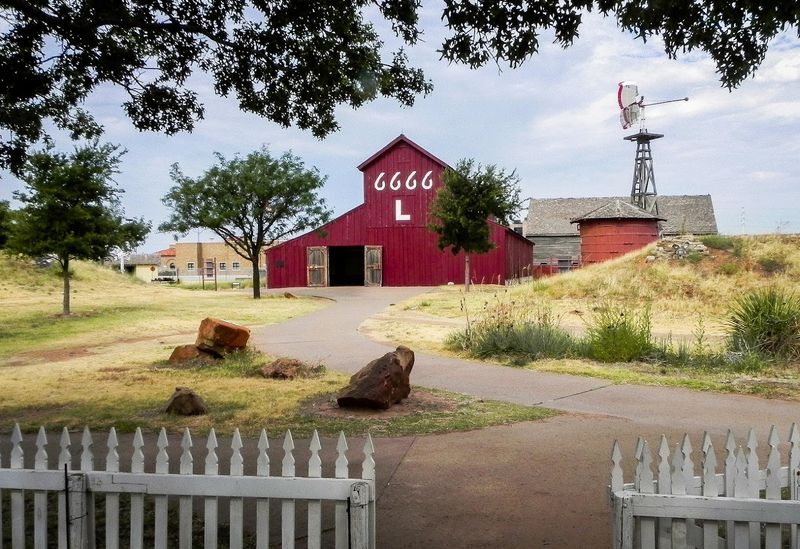
Close your eyes for a moment along the walking trail and you’ll hear something unexpected: the distant lowing of cattle, the jangle of spurs, voices calling out commands in Spanish and English. The museum uses strategically placed speakers throughout the grounds to recreate the soundscape of a working ranch. This audio layer transforms your visit from a quiet stroll into an immersive journey.
The sounds change as you move between different eras of buildings. Near the early homesteads, you might hear the creak of wagon wheels and the strike of an axe splitting wood. Around later structures, engines rumble and windmills clank in rhythm with the West Texas breeze.
This clever design choice helps visitors who struggle to connect with static exhibits. Instead of silently observing empty buildings, you’re surrounded by the bustle of ranch activity. The audio cues spark imagination, especially for younger visitors who need more than plaques and artifacts to engage with history.
Several reviewers specifically mentioned how these sounds brought the place to life during their visits. One described feeling transported to another time, hearing cowboys wrangle cattle as they explored the grounds. The technology stays invisible, maintaining the historic atmosphere while adding a modern interpretive layer that makes the experience more memorable and educational for all ages.
3. Discover The Indoor Museum Exhibits
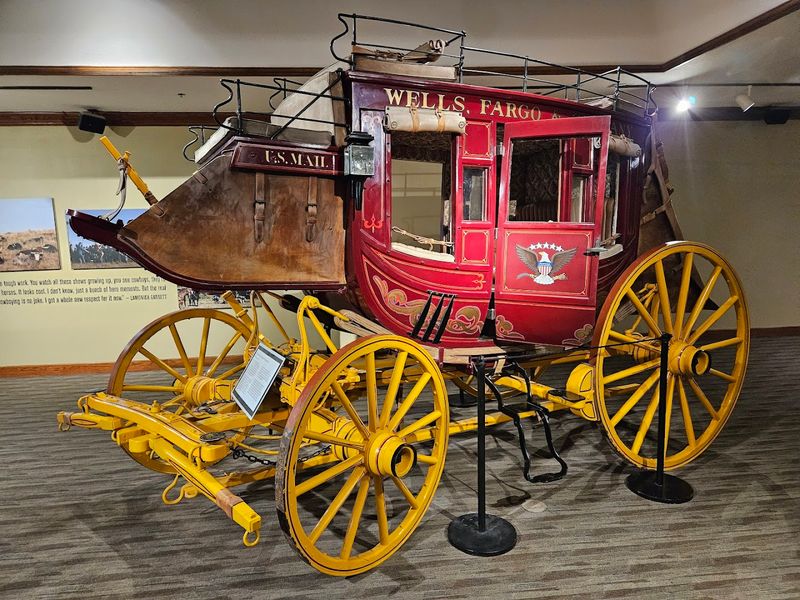
After exploring the outdoor trail, head inside the main building where climate-controlled galleries house artifacts too delicate for Texas weather. The indoor exhibits complement the outdoor experience with items that tell deeper stories about ranching technology, culture, and daily life. You’ll find everything from ornate saddles to branding irons, each piece carefully preserved and contextualized.
The museum rotates special exhibitions throughout the year, so repeat visitors always find something new. Past displays have featured costumes and props from Western films and television shows, including items from the hit series 1883. These pop culture connections help bridge the gap between Hollywood’s version of the West and the reality preserved in the outdoor structures.
Interactive elements scattered through the galleries let kids touch replica tools and try on period clothing. Educational panels explain how ranching innovations spread across the region, changing everything from cattle breeding to water management. The information stays accessible without dumbing down the complex economic and environmental factors that shaped Texas ranching.
Air conditioning makes the indoor space a welcome retreat during hot summer visits. Several families mentioned appreciating this break from the heat while still learning about ranching heritage. The gift shop occupies part of the indoor area, offering books, toys, and souvenirs that extend the educational experience beyond your visit.
4. Enjoy The Hank The Cowdog Interactive Area
Parents rejoice: the museum includes a dedicated space designed specifically for younger visitors who might struggle with the historical focus elsewhere. The Hank the Cowdog exhibit area draws inspiration from John Erickson’s beloved children’s book series about a self-proclaimed head of ranch security. This themed section transforms ranching education into hands-on fun that keeps elementary-aged kids engaged.
Interactive stations let children experience ranch tasks in age-appropriate ways. They can practice roping, learn about different cattle breeds, and explore how working dogs help manage livestock. The activities connect directly to concepts they encounter in the outdoor buildings, reinforcing lessons through play.
Multiple reviewers specifically praised this area for saving their visits when kids grew tired of walking the outdoor trail. One family mentioned their children wanted to return specifically for another round in the Hank exhibit after finishing the historic buildings tour. The space provides a pressure valve for families, giving restless youngsters a place to burn energy while still learning.
The exhibit’s design cleverly weaves literacy promotion into the ranching theme. Books from the Hank series are available for browsing, encouraging kids to continue exploring ranch life through reading after they leave. This approach recognizes that different children connect with history through different mediums, making the museum more inclusive and effective as an educational resource.
5. Take Advantage Of Free Admission
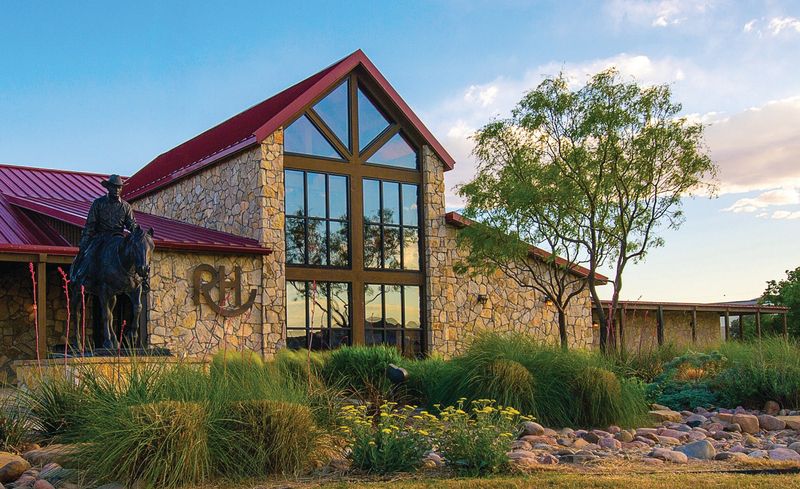
Here’s the best news: admission costs absolutely nothing. The National Ranching Heritage Center operates as a completely free attraction, removing financial barriers that keep families from experiencing quality educational programming. This policy reflects the institution’s mission to preserve and share ranching heritage with the broadest possible audience.
Free doesn’t mean cheap or limited. You get full access to the 19-acre grounds, all historic structures, indoor galleries, special exhibits, and the children’s area without paying a cent. Most visitors spend two to three hours exploring, though you could easily stretch that to half a day if you read every placard and examine each building thoroughly.
The museum encourages donations to support ongoing preservation and educational programs. Donation boxes are available throughout the facility, and staff members never pressure visitors to contribute. Many families mentioned leaving donations after their visits because they felt the experience exceeded what they’d pay for at comparable attractions.
This free admission model makes the center an ideal stop for road-trippers passing through Lubbock on long Texas journeys. You can stretch your legs, let kids burn energy, and absorb some genuine culture without worrying about admission fees eating into your travel budget. Parking is also free and plentiful, eliminating another common frustration at popular tourist destinations across the state.
6. Plan Your Visit Around The Weather
Since the majority of exhibits sit outdoors under the West Texas sky, weather significantly impacts your experience. Summer visits require preparation: bring water bottles, wear sunscreen, and plan to arrive early before afternoon heat peaks. The museum provides some shaded areas and benches along the trail, but you’ll spend considerable time in direct sun.
Spring and fall offer ideal conditions for exploring the grounds. Temperatures stay comfortable for extended walking, and you’re less likely to encounter the fierce winds that occasionally force the museum to close building interiors for protection. Several reviewers mentioned visiting on windy days when most structures remained locked, limiting their ability to peer inside.
Winter visits have their own charm, especially during the annual Christmas celebration when historic buildings get decorated with period-appropriate ornaments and actors demonstrate how frontier families celebrated holidays. The cooler weather makes walking more pleasant, though you’ll want layers since West Texas wind cuts through lighter clothing.
Check the museum’s operating hours before visiting. The center closes on certain days and opens later on Sundays. Summer months feature free trolley tours that provide narrated rides around the grounds, saving energy for visitors who struggle with extensive walking.
This service particularly helps elderly visitors and families with very young children who can’t manage the full trail on foot.
7. Let Kids Burn Energy At The Playground
Behind the gift shop sits a hidden gem that saves many family visits: a dedicated playground where kids can release pent-up energy after walking the historic trail. This thoughtful addition recognizes that young children have limited patience for educational experiences, no matter how engaging. The playground provides a reward for good behavior during the museum portion and extends family visit times.
The play area features age-appropriate equipment in a shaded space, protecting kids from intense Texas sun. Parents can relax on nearby benches while supervising, taking a breather after walking the grounds themselves. Multiple reviewers specifically mentioned this amenity as a highlight, noting their children played happily while adults recovered.
This setup transforms the center from a single-purpose educational stop into a multi-functional family destination. Kids associate the museum with fun rather than just learning, making them more willing to return. Parents get more value from their time investment, accomplishing both cultural education and physical activity in one location.
The playground’s existence also demonstrates the museum’s understanding of its diverse audience. Not every visitor comes specifically for ranching history; some families simply need a safe, interesting place to spend a few hours together. By accommodating different needs and energy levels, the center serves its community more effectively while still fulfilling its educational mission through the primary exhibits.
8. Support The Museum Through The Gift Shop
Before leaving, stop by the gift shop where friendly staff curate merchandise that extends your ranching heritage experience. You’ll find books about Texas history, cowboy culture, and ranching life alongside toys, clothing, and decorative items. Prices run slightly higher than discount retailers, but purchases directly support the museum’s preservation work and educational programming.
The shop stocks the complete Hank the Cowdog book series, perfect for maintaining kids’ interest in ranching topics after your visit. Regional history books offer deeper dives into subjects introduced on the trail, letting curious visitors continue learning at home. Many items make excellent gifts for out-of-state friends who appreciate authentic Texas culture.
Staff members working the shop are consistently praised in reviews for their knowledge and friendliness. They can answer questions about exhibits, recommend books based on your interests, and share insider information about upcoming events or seasonal programming. These interactions add personal warmth to your visit.
Shopping here feels different than typical museum gift shops because it directly connects to the institution’s mission. Your purchases help fund the ongoing maintenance of those 50-plus historic structures and support educational programs that bring school groups through for field trips. Since admission is free, retail sales and donations provide crucial revenue that keeps this remarkable resource accessible to everyone.
Share this story