A visit to Cannonsburgh Village in Murfreesboro feels like wandering into an earlier chapter of Tennessee life. This fascinating historic village brings together preserved and reconstructed buildings that represent life in Middle Tennessee during the 19th and early 20th centuries. Visitors can explore structures such as a schoolhouse, general store, gristmill, blacksmith shop, log home, and other buildings filled with details that reveal how local families once lived and worked.
The peaceful grounds encourage visitors to slow down and look closely at the craftsmanship, tools, and everyday objects from generations past. Rather than experiencing history behind museum glass, guests can walk among the buildings and imagine what daily life was like before modern conveniences transformed the region. With its rustic structures and old-fashioned atmosphere, Cannonsburgh Village offers families, history enthusiasts, and curious travelers an engaging way to connect with Murfreesboro’s past while enjoying a leisurely stroll through one of the city’s most distinctive attractions.
The World’s Largest Cedar Bucket Awaits Your Discovery
You might think you’re visiting just another history museum, but then you spot it: a massive cedar bucket towering overhead like something from a tall tale. This isn’t your ordinary water pail. Built to hold more than 1,500 gallons, this gigantic wooden wonder has become one of Cannonsburgh’s most beloved attractions and a favorite photo opportunity for visitors of all ages.
The craftsmanship required to build such an enormous bucket is mind-blowing when you really think about it. Cedar wood was chosen not just for its strength but for its natural resistance to rot and decay, which is why this incredible structure has survived so many years. Standing beneath it gives you a real appreciation for the skills pioneer craftsmen possessed without modern tools or machinery.
Families absolutely love snapping pictures with this quirky landmark. Kids especially get a kick out of imagining how many bathtubs of water it could hold or what you’d possibly need such a giant bucket for in the first place. It’s become such a recognizable symbol that many visitors say they originally came just to see the bucket and ended up staying for hours exploring everything else the village offers.
The bucket represents more than just an oddity, though. It showcases the ingenuity and humor of Tennessee’s past, reminding us that even in simpler times, folks knew how to create something memorable. Whether you’re a serious history buff or just looking for a unique roadside attraction, this oversized container delivers big-time charm.
Don’t forget to walk all the way around it to truly grasp its size. The wooden staves, iron bands, and overall construction reveal incredible detail that’s easy to miss from just one angle. This bucket has sparked countless conversations and inspired plenty of wonder since visitors first started arriving at Cannonsburgh Village.
Authentic Pioneer Buildings Transport You Back Decades
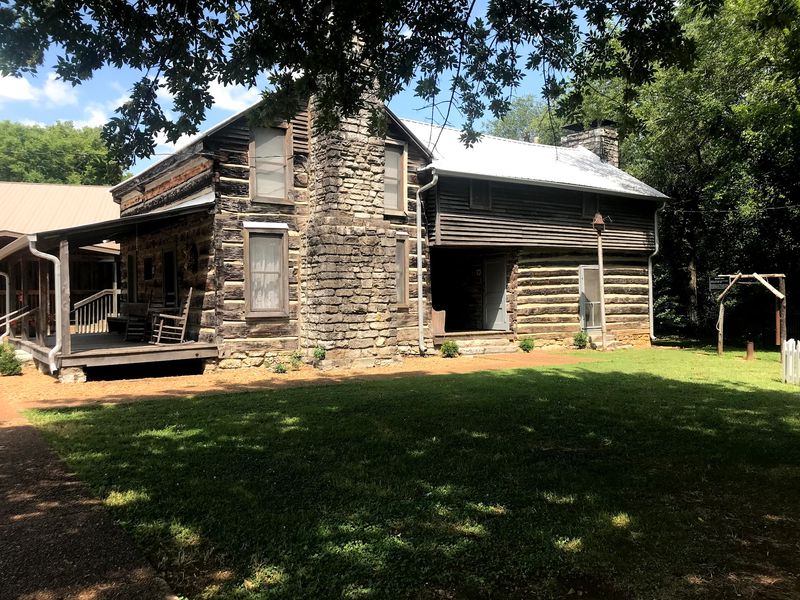
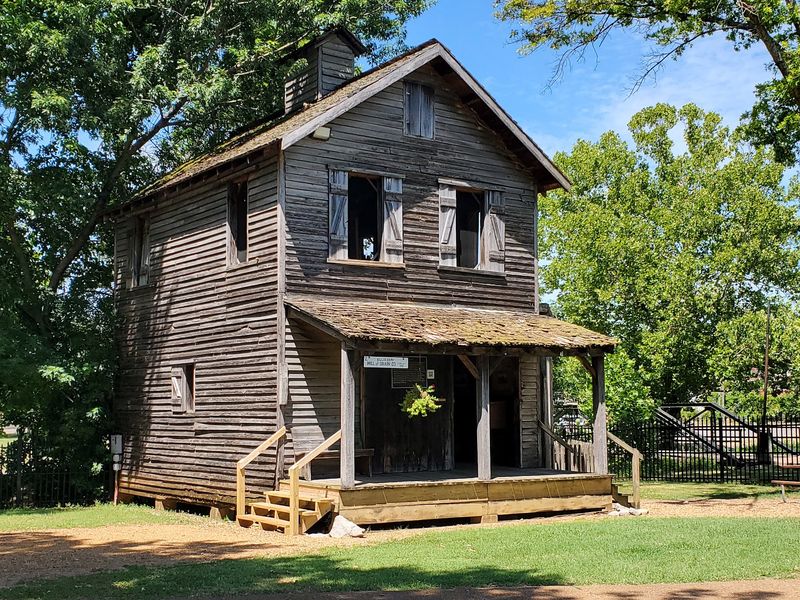
Walking the grounds at Cannonsburgh feels like flipping through a living history book where every building tells its own story. The village features carefully preserved and reconstructed structures dating from the 1830s through the 1930s, each filled with period-correct furnishings and everyday items that pioneer families actually used. You’re not looking at replicas behind velvet ropes but genuine pieces of Tennessee heritage.
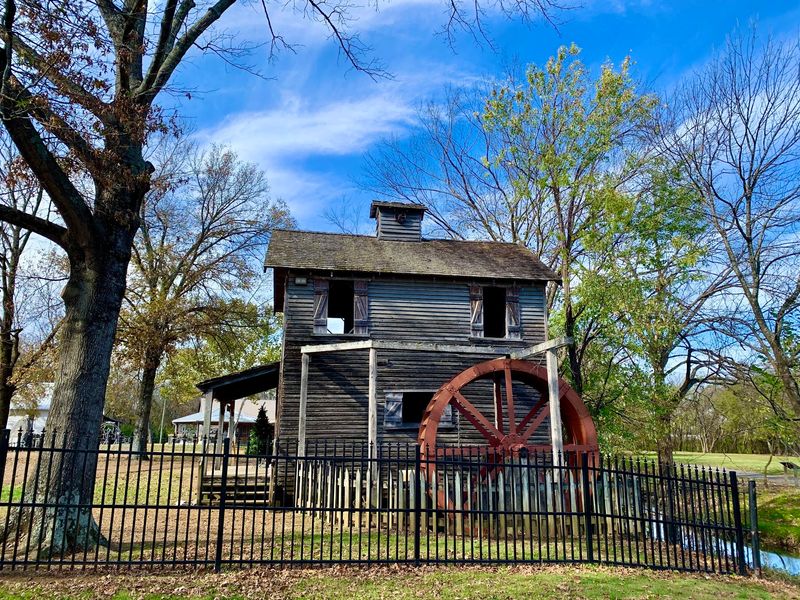
The collection includes a charming one-room schoolhouse complete with wooden desks and slates where children once practiced their letters. There’s also a general store stocked with vintage goods, a working gristmill that ground corn into meal, and various cabins showing how families of different means lived during frontier times. Each building opens a window into a specific aspect of 19th-century rural life.
What makes exploring these structures so engaging is the freedom to move at your own pace. There’s no rushed tour guide hurrying you along or strict schedule to follow. You can spend five minutes in one building or half an hour reading every information placard and examining every artifact, depending on what catches your interest.
Kids find these old buildings absolutely fascinating because they’re so different from modern homes. Imagine their reactions when they see where the telephone operator actually slept right next to the switchboard, ready to connect calls at any hour. Or when they discover how families cooked without microwaves, refrigerators, or even running water in many cases.
The village staff maintains these buildings beautifully, keeping the grounds meticulously manicured while preserving the authentic weathered character of the structures. Some visitors mention the displays could use occasional dusting, but that minor detail doesn’t diminish the powerful sense of stepping backward through time that these remarkable buildings provide.
A Beautiful Chapel Still Hosts Real Wedding Ceremonies
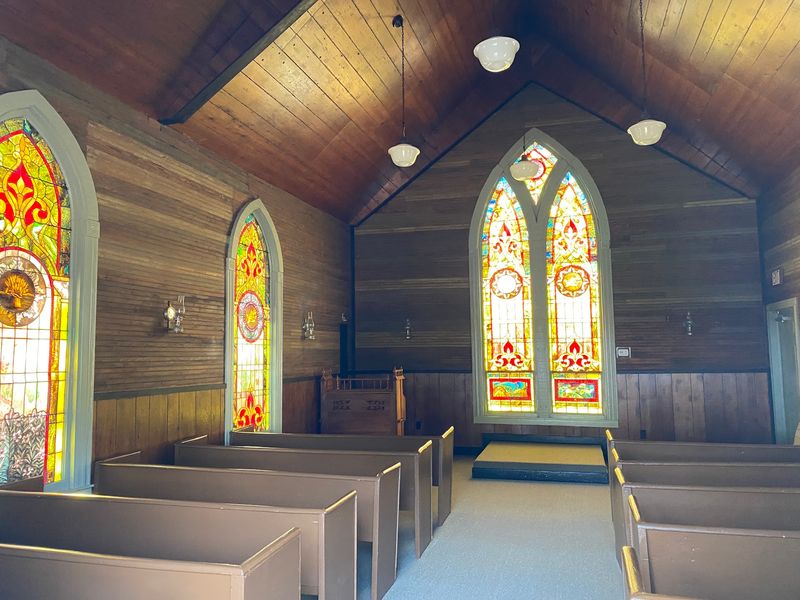
Romance and history blend perfectly inside Cannonsburgh’s stunning chapel, where couples still exchange vows surrounded by vintage charm. With its beautiful stained glass windows, classic wooden pews, and even a small organ, this intimate church captures the simple elegance of faith and community gatherings from generations past. The weathered rocking chairs with delicate doilies add authentic touches that modern venues just can’t replicate.
Many visitors describe the chapel as the most breathtaking building in the entire village. The way sunlight streams through the colored glass creates an almost magical atmosphere that photographers absolutely adore. Whether you’re planning a wedding or simply appreciate beautiful old churches, this space offers something special that resonates with people of all backgrounds.
Couples seeking a unique, affordable wedding venue have discovered this hidden gem provides the perfect backdrop for small, intimate ceremonies. The surrounding village buildings and grounds offer endless photo opportunities, from romantic shots on the chapel steps to playful pictures throughout the historic setting. It’s like having your own private historical park for your special day.
Even if you’re not getting married, stepping inside this peaceful sanctuary provides a moment of quiet reflection. The craftsmanship in the woodwork, the attention to detail in the furnishings, and the overall atmosphere remind visitors of a time when communities gathered together in spaces built with care and meant to last generations. You can almost hear the echo of hymns and wedding vows from decades past.
The chapel perfectly represents what makes Cannonsburgh so special: these aren’t just museum pieces locked away from real life. They’re living spaces where history continues to unfold, where modern families create new memories while honoring Tennessee’s heritage. That connection between past and present makes every visit feel meaningful and personal.
The Operating Blacksmith Shop Keeps Traditional Crafts Alive
Sparks fly and metal rings against the anvil at Cannonsburgh’s working blacksmith shop, where ancient crafts continue thriving in the modern world. This isn’t just a display of old tools gathering dust. When the blacksmith is working, visitors can watch genuine metalworking techniques that haven’t changed much since pioneer days, creating everything from horseshoes to decorative ironwork using fire, hammer, and skill.
The blacksmith shop offers memberships and classes for folks interested in learning this traditional craft themselves. There’s something deeply satisfying about shaping hot metal with your own hands, connecting with skills that built entire communities back when every town needed someone who could forge tools, repair equipment, and create essential hardware. Modern students discover how physically demanding yet creatively rewarding this work truly is.
Even when classes aren’t in session, the shop itself fascinates visitors. The massive forge, various hammers and tongs, the sturdy anvil, and racks of finished pieces showcase the blacksmith’s world. Information displays explain different techniques and show examples of items pioneers depended on daily, from door hinges to cooking utensils to wagon parts.
Kids especially love watching the blacksmith work when demonstrations happen. The combination of fire, loud clanging sounds, and the almost magical transformation of glowing metal into useful objects captures imaginations like few other crafts can. Parents appreciate how these demonstrations make history tangible and exciting rather than just words in a textbook.
The blacksmith shop represents Cannonsburgh’s commitment to preserving not just buildings and artifacts but actual skills and knowledge. By keeping this forge operational and teaching new generations, the village ensures these important traditions won’t disappear into forgotten history. It’s one more way this special place keeps Tennessee’s heritage alive and accessible.
Impressive Collection of Vintage Tractors and Farm Equipment
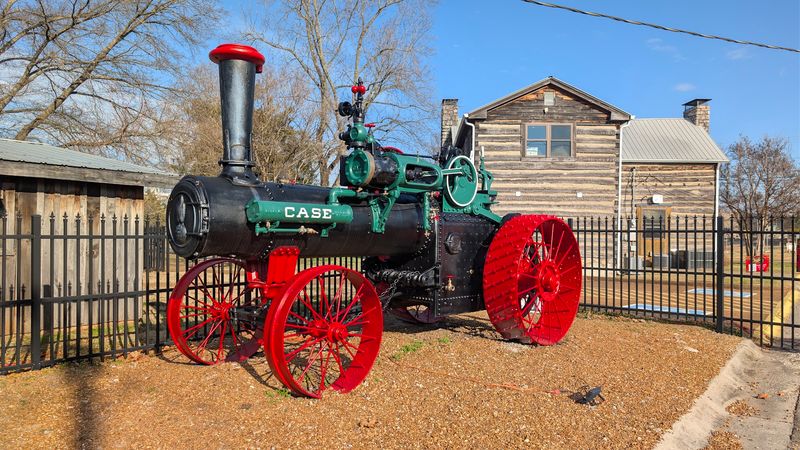
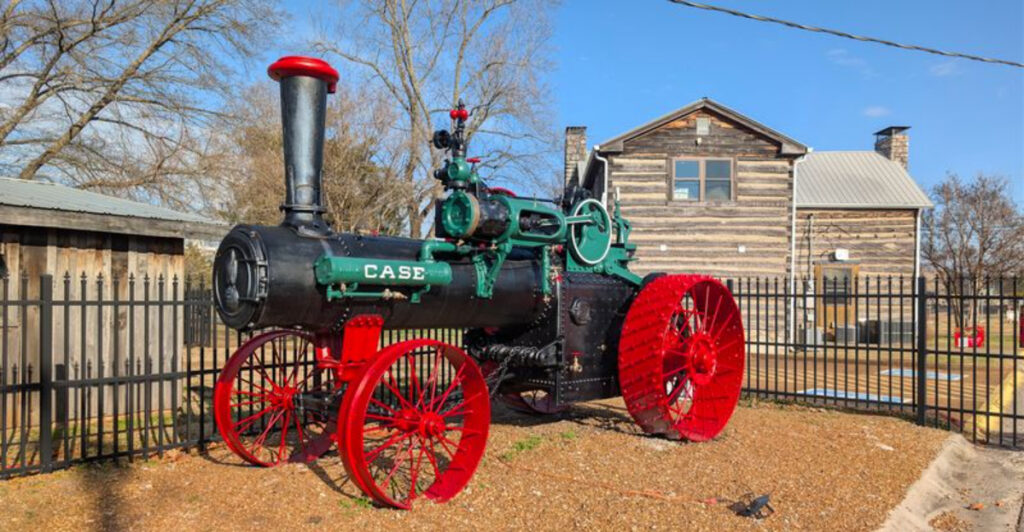
Farm equipment might not sound thrilling until you see Cannonsburgh’s extensive collection of vintage tractors and agricultural machinery spanning nearly a century of Tennessee farming. These aren’t just random rusty relics. They’re carefully preserved examples showing how farming technology evolved from simple hand tools to early mechanical marvels that revolutionized rural life and food production across the entire region.
Visitors consistently mention the tractor collection as an unexpected highlight of their visit. There’s something powerful about seeing these machines up close, imagining the farmers who operated them and the hard work they represented. Each piece of equipment tells stories about innovation, the changing rural economy, and how Tennessee families adapted to new technologies while maintaining their agricultural traditions.
The variety is genuinely impressive. You’ll find everything from primitive plows that required serious muscle power to early motorized tractors that must have seemed like science fiction when they first appeared in local fields. Information plaques help explain what each piece did and approximately when it was used, giving context that transforms metal and wheels into meaningful historical artifacts.
Kids who might normally find museums boring often get completely absorbed examining these big machines. They can visualize how different farming was before modern combine harvesters and GPS-guided equipment. Parents and grandparents sometimes share their own memories of similar equipment, creating wonderful intergenerational conversations that bring history to life in personal ways.
The outdoor display means you can walk among these machines, getting close enough to appreciate their construction and imagine their operation. Weather and time have given many pieces an authentic patina that adds character without diminishing their historical value. For anyone interested in agriculture, mechanical history, or Tennessee’s rural heritage, this collection offers surprising depth and genuine educational value.
Free Admission Makes History Accessible to Everyone
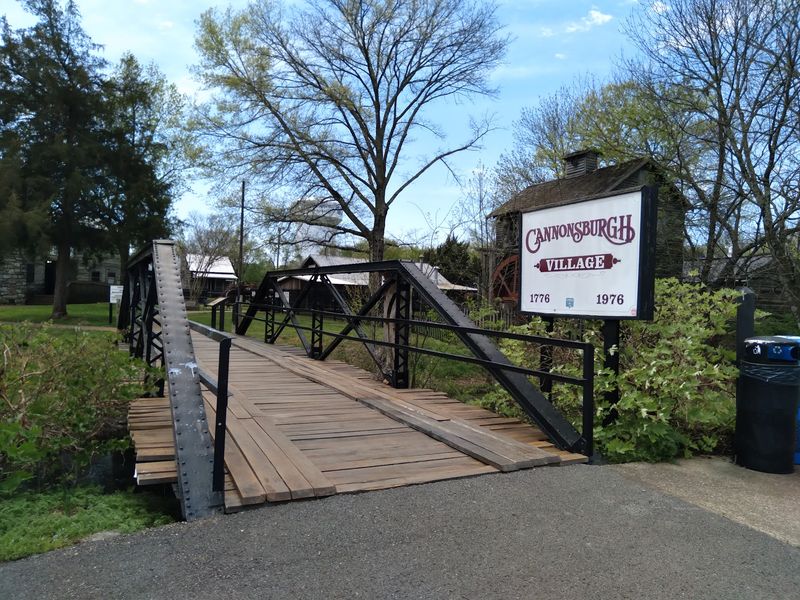
Here’s something refreshing in a world where everything seems to cost more every year: Cannonsburgh Village charges absolutely nothing for admission. That’s right, zero dollars to explore this incredible collection of historic buildings, artifacts, and Tennessee heritage. While donations are welcomed and appreciated, nobody gets turned away for lack of funds, making history truly accessible to all families regardless of budget.
This free admission policy transforms Cannonsburgh from a nice option into an absolute must-visit destination. Families can bring kids for an educational afternoon without worrying about ticket prices adding up. Homeschool groups use the village as an outdoor classroom where learning happens naturally through exploration and discovery rather than lectures and worksheets.
The self-guided tour format means you control both the pace and the cost of your visit. Spend twenty minutes or three hours depending on your schedule and interest level. There’s no pressure to rush through because you paid expensive admission or to stretch your visit beyond your kids’ attention spans just to get your money’s worth.
Even visitors who’d happily pay admission often comment that the experience would be worthwhile at five or ten dollars per person. The quality, variety, and educational value rival many paid attractions. That makes the free access feel like discovering a secret treasure that more people should know about and support through donations or gift shop purchases.
The welcoming staff at the visitor center, especially Tim who gets mentioned frequently in reviews, enhance the free admission with friendly service and helpful historical information. They’re genuinely passionate about sharing Cannonsburgh’s story rather than just collecting entrance fees. This generous approach to public history reflects the community spirit that built Tennessee in the first place.
Budget-conscious families searching for educational outings will find Cannonsburgh delivers tremendous value. Free parking, free admission, clean restrooms, and hours of exploration make this one of Tennessee’s best-kept secrets for affordable family adventures.
Special Events and Seasonal Celebrations Throughout the Year
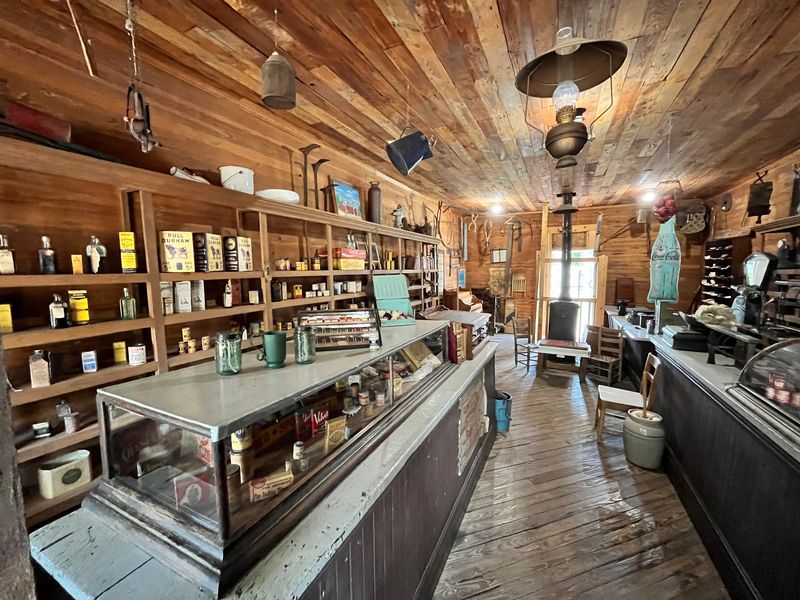
Cannonsburgh Village comes alive with special energy during seasonal festivals and events that add extra magic to the historical setting. The Christmas light display transforms the entire village into a twinkling wonderland where 19th-century buildings glow with holiday spirit. Families bundle up and stroll the grounds after dark, experiencing the village in a completely different atmosphere than daytime visits provide.
Harvest Day celebrations bring traditional autumn activities like demonstrations of heritage crafts, period-appropriate music, and sometimes even food trucks offering modern refreshments alongside historical displays. These events create opportunities to see the village bustling with activity much like it might have been during actual frontier gatherings when communities came together for seasonal celebrations and market days.
The village also hosts homeschool classes covering various historical subjects, giving students hands-on learning experiences you simply can’t replicate from textbooks. Imagine studying pioneer cooking methods in an actual period kitchen or learning about early communication systems while examining the vintage telephone switchboard. These programs turn history into something tangible and memorable.
Checking Cannonsburgh’s Facebook page before visiting is smart because special events pop up throughout the year. You might catch a blacksmith demonstration, a craft fair featuring local artisans, or educational programs that wouldn’t be happening during regular hours. These extras can transform a nice visit into an extraordinary experience with added activities and entertainment.
The village’s event hall provides space for receptions and gatherings, making it possible to combine historical exploration with modern celebrations. Imagine a wedding reception where guests can wander through pioneer buildings between dinner and dancing, or a family reunion where kids explore the village while adults reminisce in a beautiful rustic setting.
Whether you visit during a special event or just regular hours, there’s always something happening at Cannonsburgh. The friendly staff stays informed about upcoming activities and happily shares details to help you plan the perfect visit for your interests and schedule.
A Pet-Friendly Historical Experience the Whole Family Enjoys
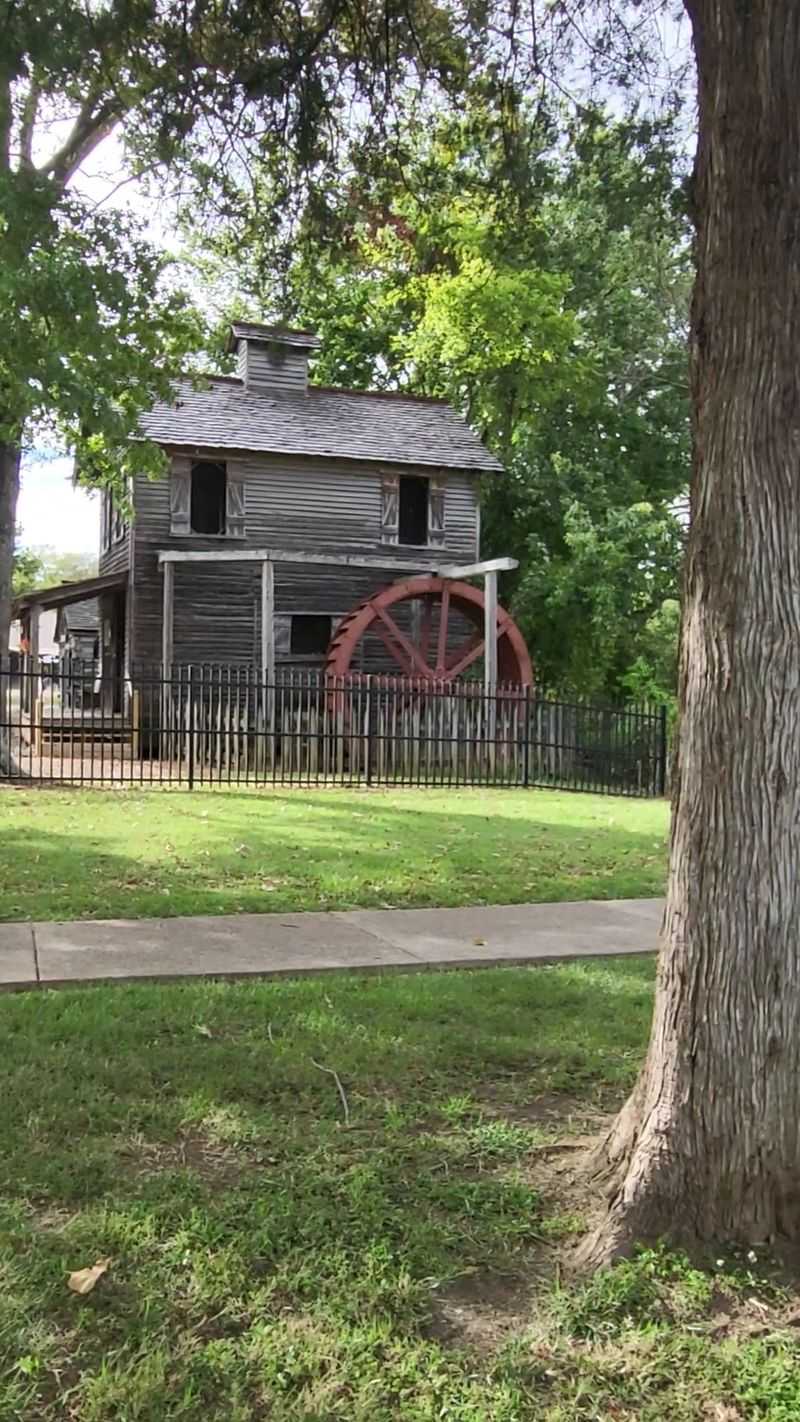
Dog owners rejoice because Cannonsburgh Village welcomes your four-legged family members to join the historical adventure. As long as pets stay on leashes, they’re free to explore the grounds alongside their humans, sniffing around historic buildings and enjoying the well-maintained walking paths. This pet-friendly policy makes Cannonsburgh stand out among historical attractions that often ban animals entirely.
The layout works perfectly for leisurely walks with dogs. Wide paths connect the various buildings with plenty of grass areas and shade trees where pets can rest between explorations. The outdoor museum format means you’re moving between structures rather than confined indoors, giving active dogs the exercise they crave while their owners soak up Tennessee history.
Families with both kids and dogs sometimes struggle finding activities everyone can enjoy together. Cannonsburgh solves that problem beautifully. Children explore historic buildings and play old-fashioned games like checkers on the grounds while dogs get quality time outdoors.
Parents don’t have to choose between historical education and exercising the family pet.
The meticulously manicured grass and well-kept grounds make walking pleasant even during warmer months. Plenty of shaded areas provide relief from Tennessee sunshine, and the village’s compact size means it’s manageable for older dogs or puppies still building stamina. Just remember to bring water for both human and canine visitors, especially during summer.
Reviewers consistently praise how clean and well-maintained the entire property stays despite being free and open to the public. This attention to upkeep extends to keeping the grounds safe and pleasant for pets. Responsible dog owners who clean up after their animals help maintain this welcoming atmosphere for everyone.
Whether you’re a local looking for a new walking spot or a traveler who refuses to leave your furry companion behind, Cannonsburgh’s pet-friendly approach demonstrates that historical preservation and modern family life can coexist beautifully. Just leash up and step back in time together.
Share this story