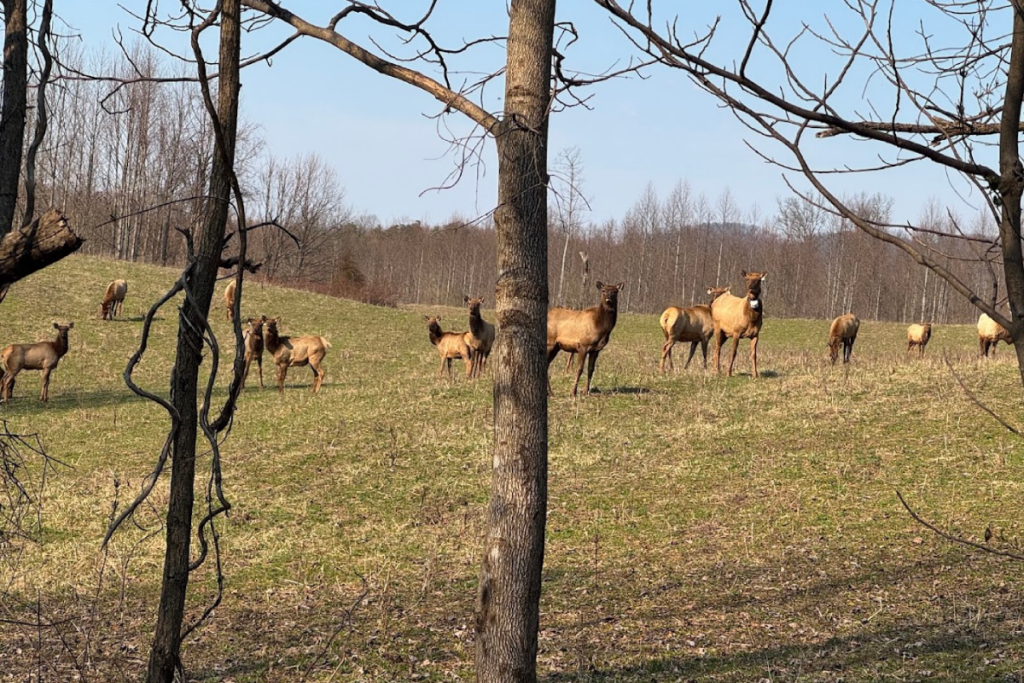
Tennessee’s elk herd is one of the most successful wildlife restoration stories in the Southeast, and autumn brings your best chance to experience these magnificent animals up close. During the rut, which peaks from late September through early October, bull elk bugle across the mountains in a sound you won’t soon forget.
Whether you’re a wildlife photographer, a nature lover, or just curious about seeing North America’s second-largest deer species in the wild, these seven locations in Tennessee’s Cumberland Mountains offer your best shot at an unforgettable encounter.
1. Hatfield Knob Elk Viewing Tower, LaFollette
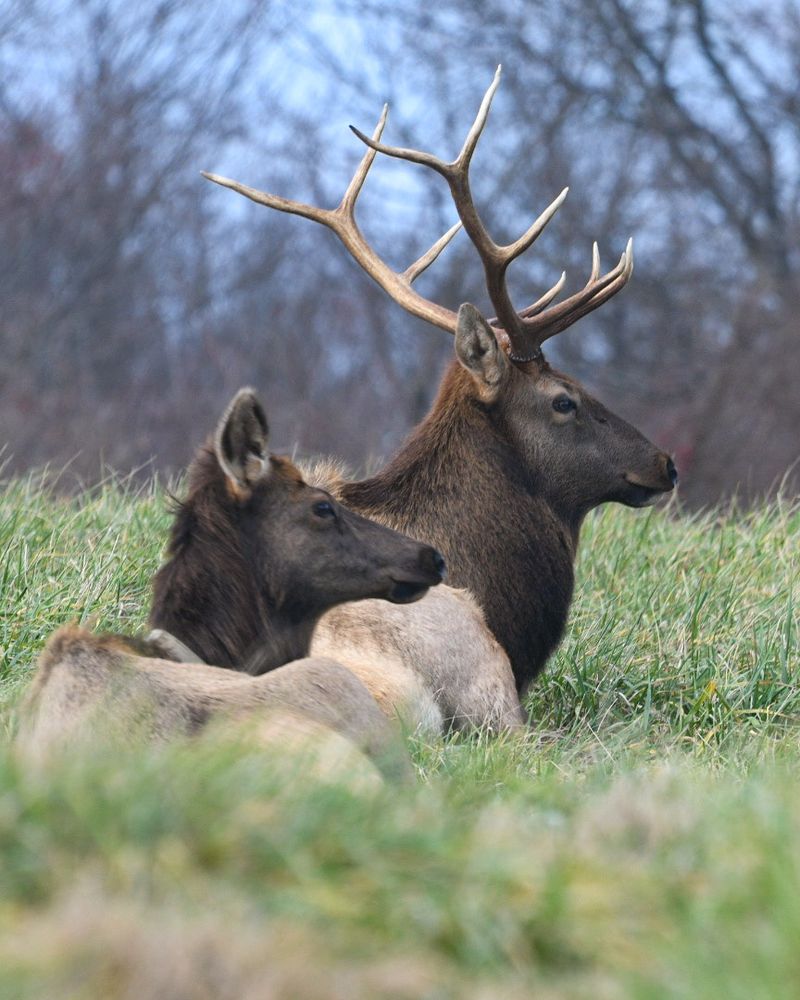
There’s no contest here. Hatfield Knob stands alone as Tennessee’s premier elk-watching destination, purpose-built to give you the best possible chance of seeing these animals without disturbing their natural behavior.
The Tennessee Wildlife Resources Agency doesn’t mince words when they call this the single best place in the state to observe elk.
The viewing tower itself rises above prime elk habitat, offering a vantage point that lets you scan open areas where elk regularly feed and congregate. During rut season, the acoustics of the surrounding valleys carry the haunting bugle calls of bull elk for miles.
Late September through early October transforms this spot into an amphitheater of wildlife activity.
Timing matters enormously if you want to maximize your experience. Dawn and dusk are when elk are most active, moving into open areas to feed after spending midday bedded down in cooler, shaded timber.
Bring binoculars or a spotting scope because even though the tower provides excellent elevation, elk can be several hundred yards away.
The accessibility of Hatfield Knob makes it ideal for families, photographers, and anyone who wants a wildlife experience without backcountry navigation skills. You can drive right to the tower, making it feasible even for a quick visit.
That convenience doesn’t diminish the wildness of what you’re witnessing.
Weather plays a role too. Cooler temperatures tend to increase elk activity, and overcast days can extend their feeding periods beyond the typical dawn-dusk window.
If you’re planning a trip specifically for the rut, monitor weather forecasts and aim for those crisp autumn mornings when frost still clings to the grass.
Patience is your greatest asset here. Elk are wild animals with their own schedules, and even at Tennessee’s best viewing location, sightings aren’t guaranteed on demand.
But the odds are heavily in your favor at Hatfield Knob, especially during peak rut when bulls are preoccupied with gathering cows and defending territory. Settle in, stay quiet, and let the mountain show you what it has to offer.
The experience of watching a bull elk bugle in the wild, steam rising from his breath in the cool morning air, is worth every minute of the wait.
2. Sundquist Unit, North Cumberland WMA, Campbell County
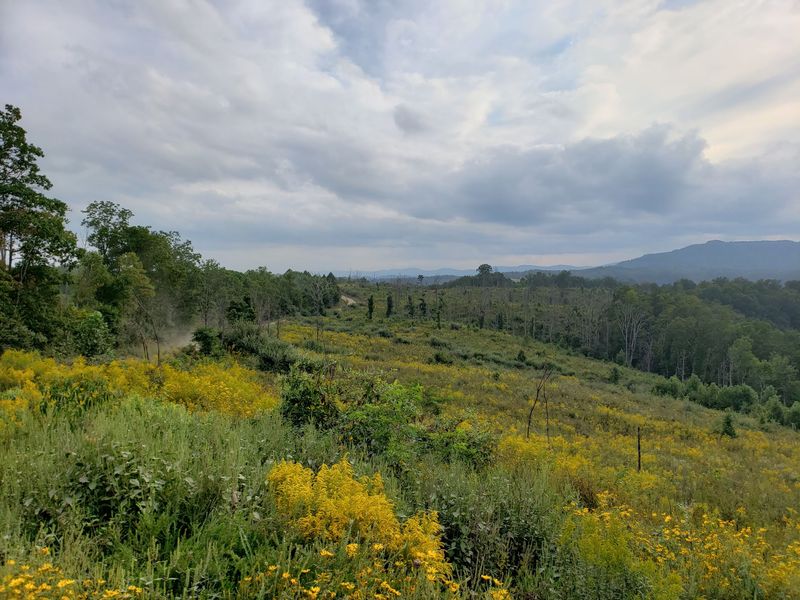
Hatfield Knob gets the headlines, but it sits within the much larger Sundquist Unit, and that distinction matters. While the tower offers a concentrated viewing experience, the surrounding unit encompasses thousands of acres of elk country that stretches far beyond what you can see from any single vantage point.
This area played a critical role in Tennessee’s elk restoration. When wildlife managers released elk here as part of the reintroduction program, they chose the Sundquist Unit because the habitat could support a breeding population.
Those early releases have paid off, and today the unit hosts one of the state’s healthiest elk populations.
Exploring beyond the tower requires more effort but rewards you with solitude. Elk don’t restrict themselves to the viewing area, and during the rut, bulls may push cows into more remote sections of the unit as they compete for breeding rights.
If you’re willing to hike and glass distant ridges, you might find elk activity away from the crowds.
Forest roads crisscross the Sundquist Unit, and while many require four-wheel drive, they provide access to habitat types that elk favor at different times of day. Open ridgetops, regenerating timber cuts, and valley bottoms with creek access all attract elk for different reasons.
Learning to read the landscape increases your chances of finding them.
Rut behavior makes elk more visible but also more unpredictable. A bull that was bugling from a certain ridge yesterday might push his herd two miles away by tomorrow.
That’s part of what makes exploring the broader unit so compelling during this season. You’re not just watching elk, you’re trying to anticipate their movements and patterns.
Safety deserves mention because this is active elk habitat, and during the rut, bulls are aggressive and territorial. Keep significant distance, use optics to observe, and never position yourself between a bull and his cows.
Respect for wildlife isn’t just ethical, it’s essential for your safety and theirs.
The Sundquist Unit also offers something Hatfield Knob can’t quite match: the sense of discovery. Finding elk on your own terms, in country you’ve studied and hiked, creates a different kind of connection to these animals and the landscape they inhabit.
It’s not easier than visiting the tower, but for some people, it’s more rewarding.
3. Royal Blue Unit, North Cumberland WMA, Campbell County
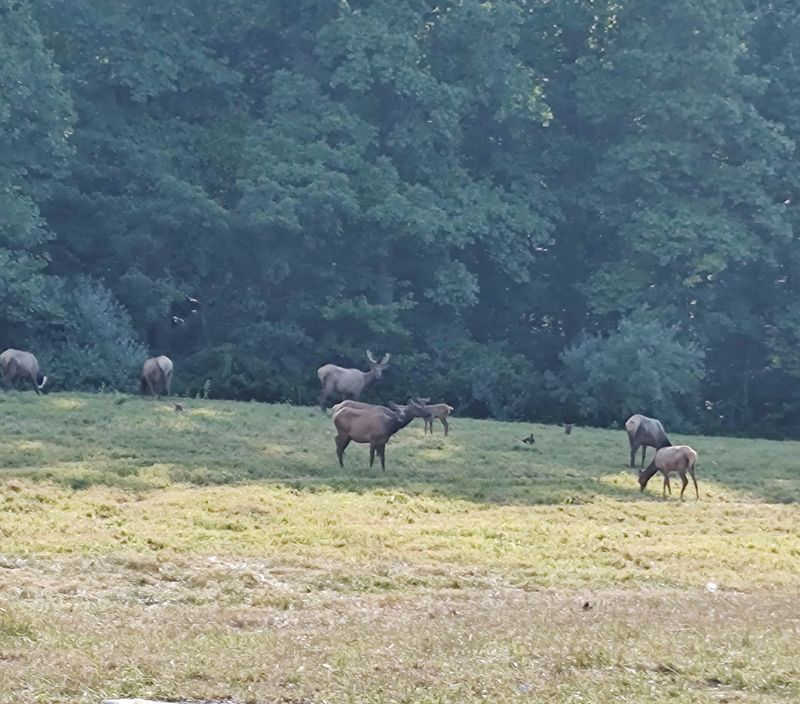
Royal Blue holds a special place in Tennessee elk history that goes beyond just being good habitat. When the state decided to bring elk back after more than a century of absence, this unit became ground zero for that ambitious vision.
The first elk to return to Tennessee in modern times set foot on Horsebone Ridge within Royal Blue in 2000.
That historical significance translates into practical advantages for elk watchers today. Multiple releases over several years established a founding population that has since grown and spread throughout the unit.
Elk here have had more than two decades to learn the landscape, establish territories, and develop patterns that repeat year after year.
The terrain in Royal Blue varies from steep ridges to relatively open valleys, creating the kind of diverse habitat that elk thrive in. During the rut, bulls will often position themselves on high points where their bugles carry farther, serving as both a challenge to rival males and an advertisement to receptive cows.
If you can position yourself with a view of multiple ridges, you might hear several bulls calling at once.
Access can be trickier here than at Hatfield Knob. There’s no dedicated viewing tower, and finding elk requires more fieldcraft and familiarity with the area.
But that also means fewer people, which some visitors prefer. Elk are less habituated to human presence in the more remote sections, so stealth and patience become even more important.
Early October typically marks the peak of rut activity in Royal Blue, though it can vary slightly depending on weather and population dynamics. Bulls that have spent the summer in bachelor groups suddenly become intensely competitive, and the sounds and behaviors associated with the rut become daily occurrences across the unit.
If you plan to explore Royal Blue during elk season, bring good maps and a GPS unit. The area is extensive, and it’s easier to get turned around than you might expect.
Cell service is spotty at best, so preparation matters. Let someone know your plans and when you expect to return.
Photography opportunities here can be exceptional because the natural setting lacks the infrastructure of managed viewing areas. Elk moving through mountain laurel, crossing creeks, or silhouetted on a ridgeline at sunrise offer the kind of images that capture the wildness of Tennessee’s elk restoration.
Just remember that getting the shot should never compromise the animal’s welfare or your safety.
4. Horsebone Ridge, Royal Blue Unit
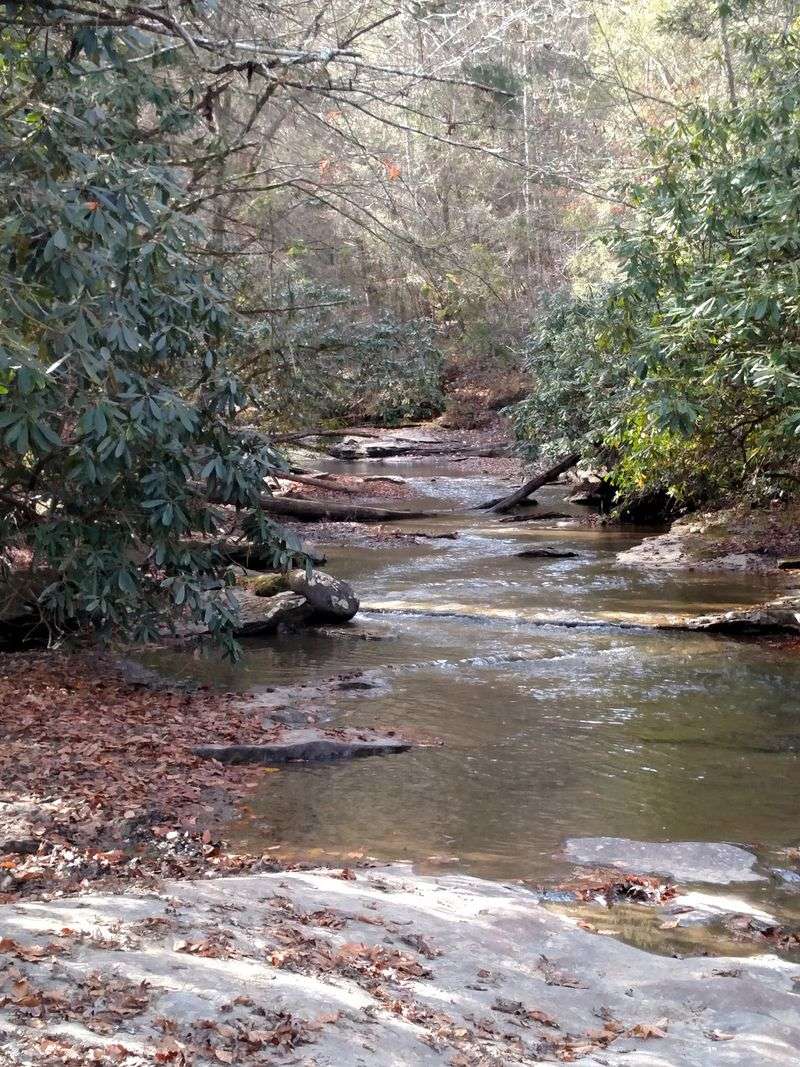
Horsebone Ridge deserves its own entry not because it’s separate from Royal Blue, but because this specific ridge represents the birthplace of Tennessee’s modern elk story. Standing here carries a weight that other locations simply can’t match.
This is where it all began.
In December 2000, the first transport trucks arrived carrying elk from Land Between the Lakes in Kentucky. Wildlife managers released them on Horsebone Ridge, and those initial 25 animals became the foundation for everything that followed.
Additional releases in subsequent years brought the total to more than 200 elk introduced into the Royal Blue area alone.
The ridge itself offers the kind of open country that elk favor and that gives wildlife watchers a fighting chance of spotting them. Unlike dense forest where elk can disappear completely, the more open character of Horsebone allows for longer sightlines and better observation opportunities, especially during the low-light hours when elk are most active.
During the rut, bulls will sometimes position themselves on ridgelines like Horsebone to maximize the reach of their bugles. Sound travels differently in mountain terrain, bouncing off facing slopes and carrying through valleys in ways that can make it difficult to pinpoint exactly where a bull is calling from.
That acoustic challenge is part of the experience.
Getting to Horsebone requires more effort than simply driving to Hatfield Knob. You’ll need to navigate forest roads and potentially hike to reach the best vantage points.
But that investment of effort tends to thin out casual visitors, meaning you’re more likely to have the experience to yourself or share it with only a handful of other dedicated elk watchers.
Weather on the ridge can be significantly different from conditions in the valleys below. Wind is often stronger, temperatures cooler, and fog more common.
Dress in layers and be prepared for conditions to change, especially during the transitional weather patterns common in autumn.
The emotional resonance of watching elk on Horsebone Ridge adds a dimension that’s hard to quantify but impossible to ignore. These animals represent one of conservation’s genuine success stories, and seeing them thrive in a place where they were deliberately returned after so long an absence connects you to something larger than a simple wildlife viewing experience.
It’s a reminder that thoughtful, persistent conservation efforts can reverse even century-old losses.
5. Ed Carter Unit, North Cumberland WMA, Claiborne County Area
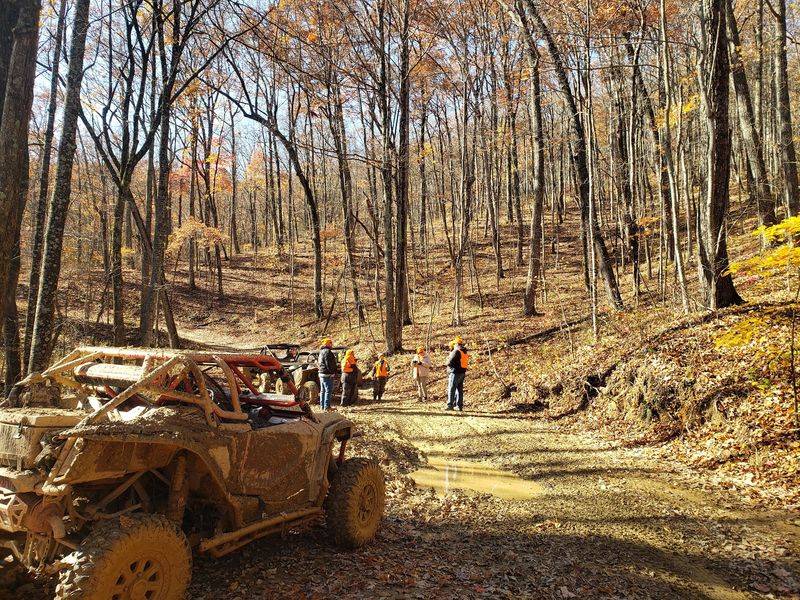
Head north within the sprawling North Cumberland Wildlife Management Area and you’ll find the Ed Carter Unit, a section that doesn’t get as much attention as Hatfield Knob but hosts regular elk activity nonetheless. The presence of established elk hunt zones here, including Rock Creek, Cooper Ridge, and Valley Creek, tells you everything you need to know about elk density.
Tennessee Wildlife Resources Agency doesn’t create hunt zones in areas with marginal elk populations. The fact that multiple zones exist within Ed Carter reflects consistent, sustainable elk numbers that can support limited, carefully managed hunting pressure.
For non-hunters visiting during the rut, this means you’re in legitimate elk country.
The terrain in Ed Carter shares characteristics with other units in North Cumberland but has its own personality. Steep hollows, oak-dominated ridges, and creek bottoms create the mosaic of habitat types that elk use throughout their daily and seasonal movements.
During the rut, that varied terrain means elk might be anywhere, depending on where bulls have gathered cows.
One advantage of Ed Carter is that it receives less visitor pressure than the more publicized viewing areas. Elk here may be slightly less tolerant of close approaches simply because they encounter people less frequently.
That wariness is actually a good sign, indicating a wild population behaving naturally rather than animals that have become habituated to constant human presence.
Scouting is essential if you want to maximize your time in Ed Carter. Unlike Hatfield Knob where you can show up and have a reasonable expectation of seeing elk from the tower, finding them in Ed Carter requires understanding the habitat and being in the right place at the right time.
Look for fresh sign: tracks in soft ground, droppings, rubs on trees where bulls have scraped velvet or marked territory, and wallows where they’ve rolled in mud.
The rut intensifies all of these signs. Bulls create more rubs, visit wallows more frequently, and their tracks will often be accompanied by those of multiple cows as they gather harems.
Learning to read these clues transforms a hike through the woods into an active hunt for information that brings you closer to your quarry.
Respect for the landscape matters here. Ed Carter is working wildlife habitat, not a park with designated trails and visitor facilities.
Carry out everything you carry in, stay on established roads and trails when they exist, and recognize that you’re a guest in an ecosystem that functions with or without human observers. The elk were here yesterday and will be here tomorrow. Your job is to fit into their world, not expect them to accommodate yours.
6. Highcliff Unit, North Cumberland WMA, Campbell/Claiborne County Area
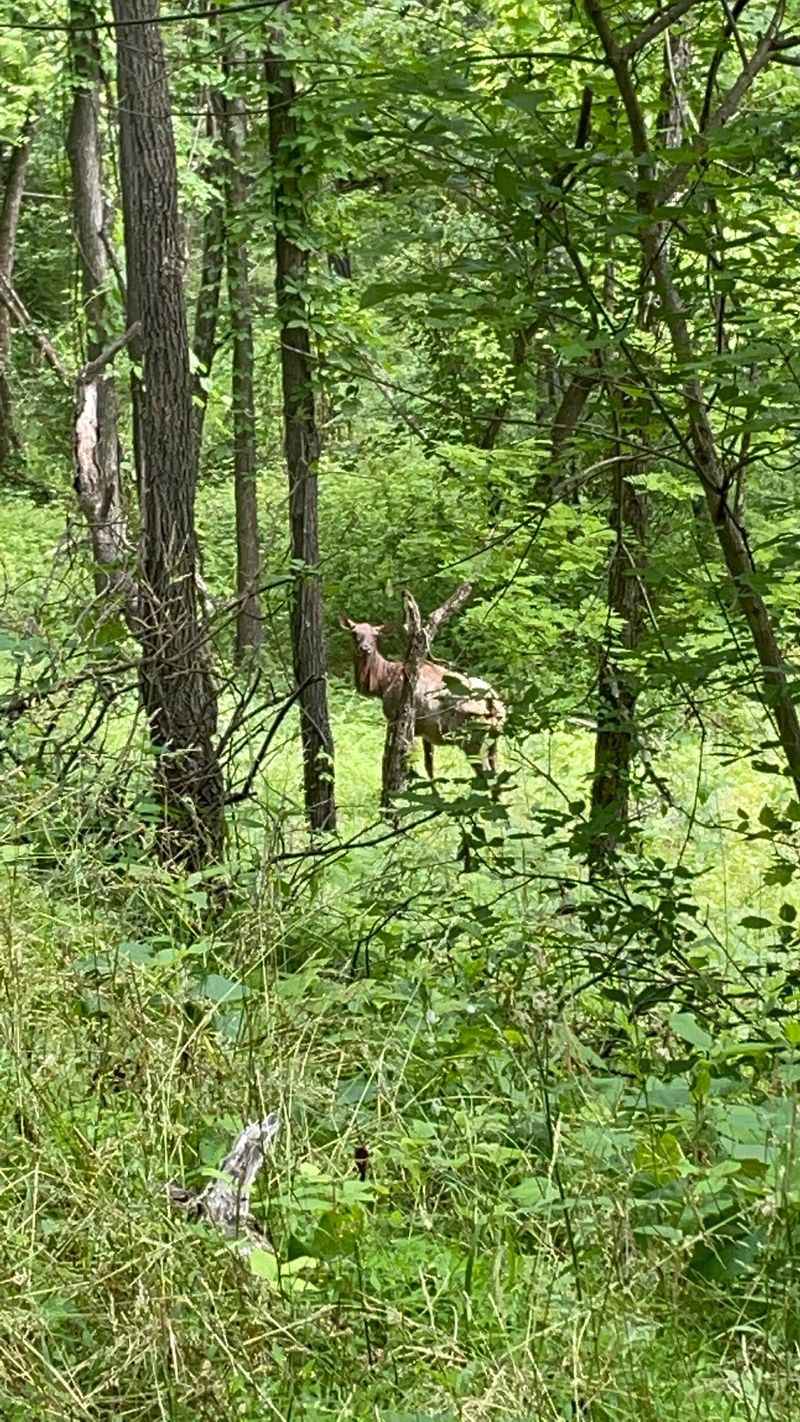
Rugged might be the best single word to describe Highcliff. This unit within North Cumberland offers a more challenging experience than the accessibility of Hatfield Knob, but it sits squarely within the same elk range and rewards those willing to work for their wildlife encounters with stunning mountain scenery as a bonus.
The Campbell-Claiborne county line runs through this area, and the terrain reflects the steep, broken character typical of the Cumberland Plateau’s eastern escarpment. Deep hollows, rocky outcrops, and sudden elevation changes create dramatic landscapes that are beautiful to experience but demanding to navigate.
Elk that live in this country are genuinely wild, using the terrain to their advantage.
During the rut, the acoustic properties of Highcliff’s valleys and ridges can create incredible moments. A bull bugling from a facing ridge might sound close enough to touch, or you might hear multiple bulls calling from different directions, their voices echoing off stone faces and through timber.
The soundscape becomes as important as the visual experience.
Photography in Highcliff requires different skills than shooting at managed viewing areas. Light can be tricky in steep terrain, with some slopes still in shadow long after sunrise while others are fully lit.
Elk might appear briefly in a small opening, then vanish into thick cover before you can get a second shot. These challenges make successful images more satisfying.
The unit’s ruggedness also means you need to be honest about your physical capabilities and navigation skills. This isn’t the place for a casual stroll.
Steep slopes, uncertain footing, and the potential for rapidly changing weather all demand respect and preparation. Proper footwear, sufficient water, navigation tools, and the fitness to handle serious elevation gain are all essential.
Elk in Highcliff use the terrain strategically. Cows might bed in thick laurel on north-facing slopes during midday, emerging to feed in more open areas as evening approaches.
Bulls during the rut will sometimes position themselves on high points where they can survey their harems and watch for competing males. Understanding these patterns helps you predict where to focus your efforts.
The reward for accepting Highcliff’s challenges is an experience that feels genuinely wild and earned. When you finally spot a bull elk on a distant ridge, or hear one bugle from the dark timber below you at first light, you’ll know you’re experiencing something that required effort and commitment.
That’s part of what makes it memorable. The elk don’t care that you hiked two miles uphill in the dark. They’re just living their lives, and you’ve positioned yourself to witness a small part of that ancient cycle.
7. New River Unit, North Cumberland WMA, Anderson/Scott County Area
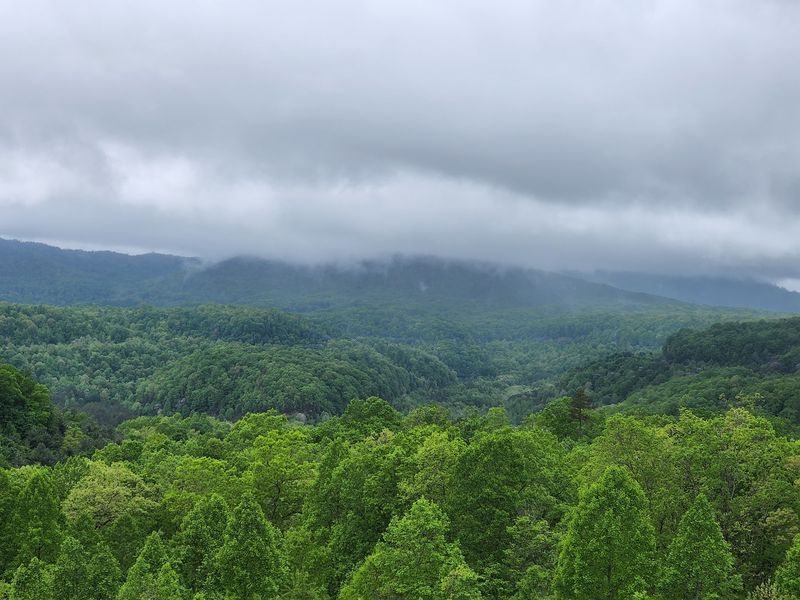
The New River Unit rounds out this list as a quieter, more adventurous option for elk watchers willing to trade guaranteed sightings for solitude and exploration. Spanning parts of Anderson and Scott counties, this section of North Cumberland offers vast stretches of public land within Tennessee’s core elk region, just without the visitor infrastructure of places like Hatfield Knob.
That lack of development is exactly what appeals to certain types of wildlife watchers. If you prefer figuring things out on your own, reading the landscape, and accepting that success isn’t guaranteed, New River provides the kind of backcountry experience that’s increasingly rare.
Elk are here, but finding them requires more than showing up.
The New River itself provides an orienting feature in country that can otherwise feel like an endless sea of ridges and hollows. Elk will use riparian areas for water and the different vegetation that grows along drainages, so paying attention to creek bottoms and riverside habitat can improve your odds.
During the rut, bulls might push cows into these areas or use them as travel corridors.
Rut timing in New River follows the same general pattern as other North Cumberland units, with peak activity typically occurring from late September through early October. Weather influences the exact timing, with cooler temperatures often triggering increased activity.
Monitor conditions and be flexible with your plans if possible.
One practical consideration is that New River is large enough that you could spend multiple days exploring without covering all of it. If you’re visiting specifically for elk during the rut, focus your efforts on areas with a mix of open feeding habitat and nearby cover.
Elk need both, and during the rut, bulls will try to keep their cows in areas that offer food, water, and security.
The remoteness of New River means you’re truly on your own if something goes wrong. Cell coverage is unreliable at best, and help could be hours away even in an emergency.
Carry first aid supplies, tell someone your detailed plans, and don’t push beyond your skill level or physical capabilities. The elk will still be there next year.
As a final entry on this list, New River represents the more exploratory end of the elk-watching spectrum. It’s not the place to start if you’ve never seen wild elk before.
But if you’ve visited Hatfield Knob, learned what to look for, and want to test your skills in wilder country with fewer people around, New River offers exactly that opportunity. The experience might be quieter, the elk might be harder to find, but when you do connect with them on their terms in their country, you’ll have earned something that goes beyond simple observation.