Tennessee’s state parks offer incredible hiking, camping, and outdoor adventures, but they’re also home to some of the state’s most misunderstood wildlife: venomous snakes. While snake encounters are rare and these reptiles typically avoid humans, knowing which parks have prime snake habitat can help you stay alert and enjoy your visit safely.
From wetland boardwalks to rocky mountain trails, these ten parks deserve a little extra caution when you’re exploring off the beaten path.
1. Reelfoot Lake State Park — Tiptonville
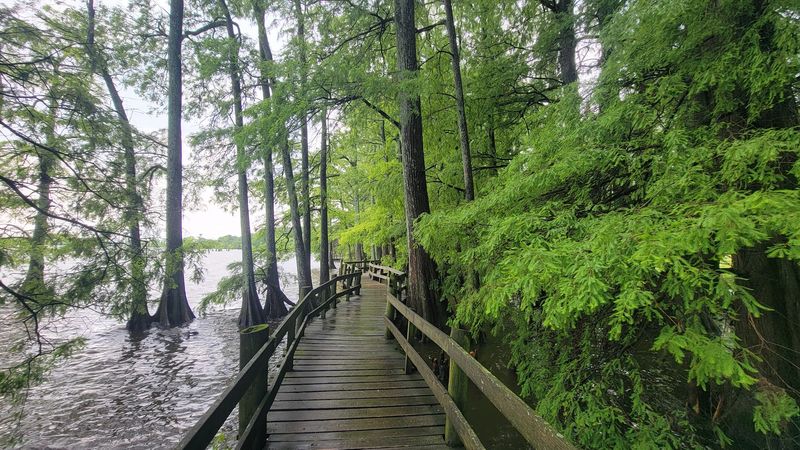
Reelfoot Lake sits in the northwest corner of Tennessee, formed by earthquakes in the early 1800s that created a shallow, haunting landscape of bald cypress trees and open water. The park wraps around this natural lake, offering boardwalks through swampy forests and trails that wind along marshy shorelines. Cottonmouths thrive in this kind of wet, warm environment, so keeping your eyes on the path is smart.
When you’re walking the boardwalks or fishing near the banks, remember that cottonmouths are semi-aquatic and often rest on logs, stumps, or low branches near the water’s edge. They’re not aggressive, but they will defend themselves if startled or stepped on. Wearing closed-toe shoes and watching where you sit or place your hands can go a long way.
The park’s cypress swamps and wetland habitats are some of the most beautiful in the state, especially during sunrise when mist hangs low over the water. Birdwatchers flock here for bald eagles and waterfowl, but it’s also a reminder that wild places come with wild residents. Stay on marked trails and give any snake you see plenty of space to move along.
If you’re paddling the lake or exploring the shoreline, be mindful around downed logs and thick vegetation. Cottonmouths blend in well with their surroundings, and their dark, chunky bodies can look like a piece of driftwood until you’re too close. A little awareness makes all the difference.
Reelfoot is a gem for nature lovers, but it’s also a place where respecting wildlife means respecting their space. Snakes play an important role in controlling rodent populations and keeping the ecosystem balanced. Enjoy the scenery, take your photos from a distance, and let the cottonmouths do their thing undisturbed.
2. Meeman-Shelby Forest State Park — Millington
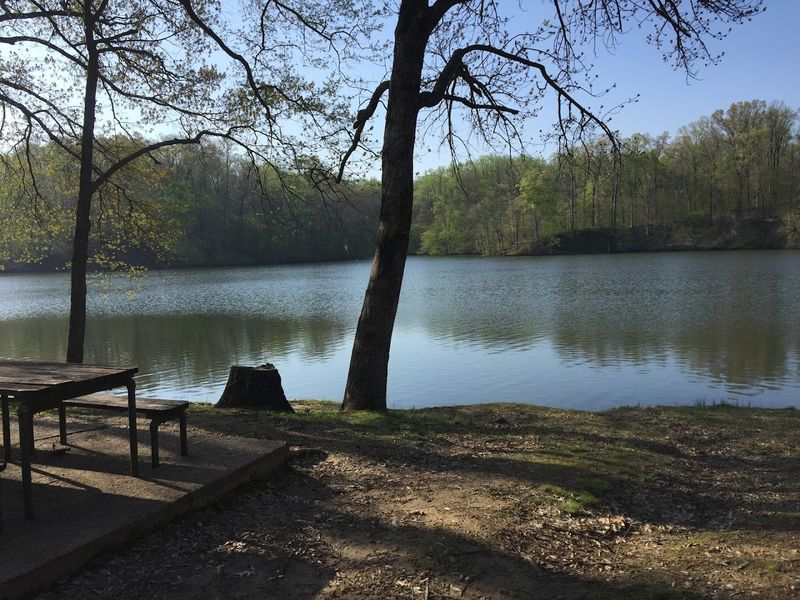
Just north of Memphis along the Mississippi River bluffs, Meeman-Shelby Forest offers a mix of bottomland hardwoods, upland forests, lakes, and swampy lowlands. It’s a popular spot for mountain biking, hiking, and camping, but all that varied terrain also creates ideal habitat for snakes.
The park’s trail system takes you through some seriously lush forest, with sections that can feel remote even though you’re close to the city. Snakes like shady, cool spots during the heat of the day, so be cautious when stepping over logs or reaching into leaf litter. They’re more active at dawn and dusk, which is also prime time for hiking in the summer.
Poplar Tree Lake and the smaller ponds scattered through the park attract wildlife of all kinds, including snakes looking for frogs, fish, and other prey. If you’re fishing or letting kids play near the water, keep an eye on the banks and shoreline vegetation. Cottonmouths are excellent swimmers and can be spotted basking on rocks or floating debris.
One of the best things about Meeman-Shelby is how wild it feels despite being so accessible. That wildness comes with responsibility, though. Stick to established trails, make noise as you walk to alert wildlife of your presence, and never try to handle or corner a snake.
The park’s mix of ecosystems makes it a biodiversity hotspot, and snakes are a vital part of that balance. They help control pest populations and serve as prey for larger animals like hawks and owls. Respecting their role in the ecosystem means enjoying the park safely and letting them be.
3. Big Hill Pond State Park — Pocahontas
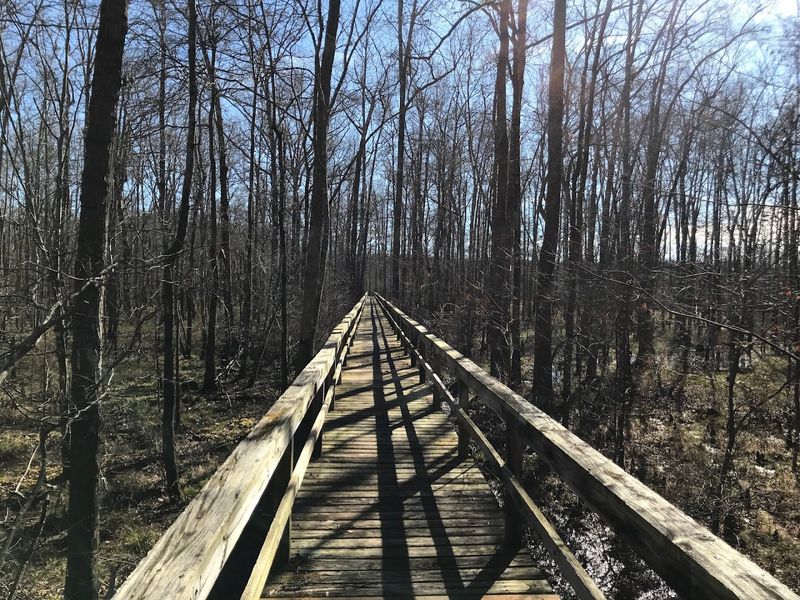
Big Hill Pond sits in the far southwestern corner of Tennessee, offering a quieter, less-crowded alternative to some of the state’s busier parks. The park features a scenic lake, forested trails, and boardwalks that cross swampy lowlands and wetland areas. It’s beautiful, peaceful, and exactly the kind of habitat where you should watch your step.
The boardwalks make it easy to explore the wetlands without getting your feet wet, but they also bring you right into prime snake territory. Cottonmouths and other water-loving snakes frequent these areas, especially during warm months. Look down as you walk, and don’t let kids run ahead without supervision.
Big Hill Pond’s trails wind through mixed hardwood forest and along the lakeshore, with plenty of downed logs, leaf litter, and shaded undergrowth. Copperheads blend in remarkably well with fallen leaves, so stepping carefully and staying alert is key. If you’re hiking with a dog, keep them on a leash—curious pets are more likely to get too close to a snake.
Fishing and paddling are popular here, and the lake’s calm waters make it a great spot for a quiet afternoon. Just remember that snakes are part of the package. They’re not out to get you, but they will strike if they feel threatened.
Give them space, and they’ll do the same for you.
The park’s natural beauty is a big draw, but it’s also a reminder that Tennessee’s wild places are home to more than just birds and deer. Snakes are shy, elusive, and typically avoid human contact. By staying on trails, wearing appropriate footwear, and being mindful of your surroundings, you can enjoy Big Hill Pond safely and respectfully.
4. Chickasaw State Park — Henderson
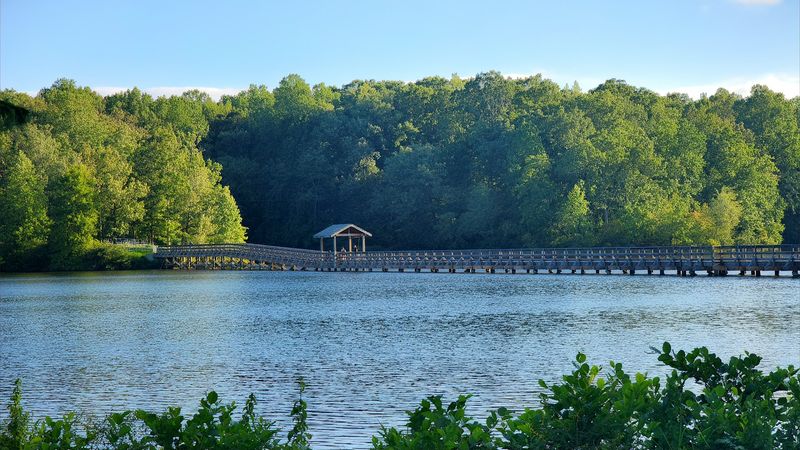
Chickasaw State Park is a West Tennessee favorite, known for its lake, campground, and network of trails that wind through hardwood forests and along the water’s edge. It’s a great spot for families, but it’s also a place where you’ll want to keep your eyes peeled. The warm, wooded, water-adjacent habitat is perfect for snakes, especially during the warmer months.
Lake Placid sits at the heart of the park, and its banks are popular for fishing, picnicking, and just soaking in the scenery. Cottonmouths are semi-aquatic and can often be found near the water, sunning themselves on rocks or logs. If you’re setting up camp or walking near the shore, take a moment to scan the area before settling in.
The park’s trails range from easy to moderate, and they take you through some lovely forested terrain. Copperheads are common in wooded areas throughout Tennessee, and Chickasaw is no exception. They’re masters of camouflage, so stepping over logs or reaching into brush without looking first is a bad idea.
Chickasaw is also a popular spot for horseback riding, and riders should be mindful of snakes on the trail, especially in early morning or evening hours. Horses can spook easily, and a sudden encounter with a snake can lead to a dangerous situation. Ride at a safe pace and stay alert.
5. Natchez Trace State Park — Wildersville
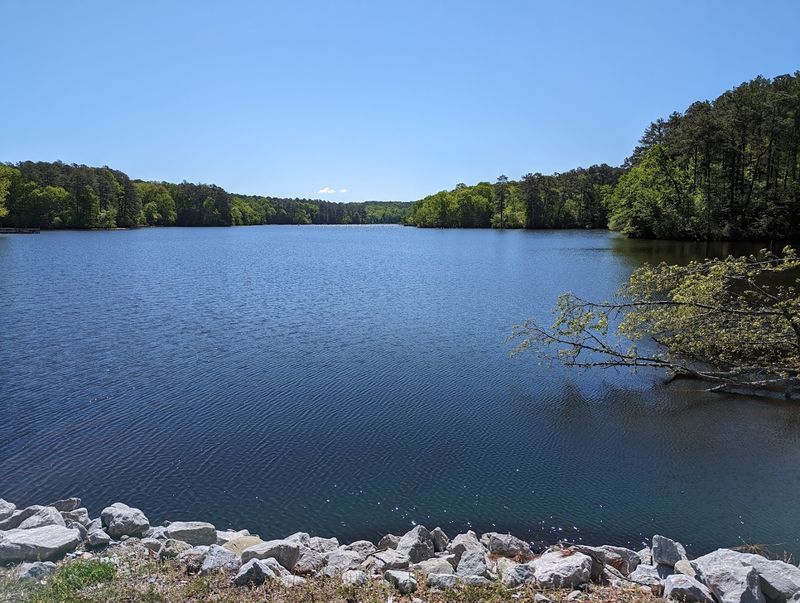
Natchez Trace State Park is one of Tennessee’s largest state parks, sprawling across more than 48,000 acres of forests, lakes, and trails in the western part of the state. It’s a paradise for hikers, equestrians, and anyone looking to get lost in nature for a while. But with all that wild space comes the reality that you’re sharing the trails with Tennessee’s native snakes.
The park’s location along the western Highland Rim means it’s in an area where pygmy rattlesnakes have been documented, along with copperheads and other species. While encounters are uncommon, the sheer size of the park and the variety of habitats mean you should stay alert. Rocky outcrops, forest edges, and areas near water are all places to pay extra attention.
Natchez Trace has four lakes and an extensive trail system, so there’s plenty of opportunity to explore. Whether you’re hiking the Pin Oak Loop or paddling on Pin Oak Lake, keep your eyes on your surroundings. Snakes are most active during warm weather, especially in the early morning and late afternoon.
One of the park’s highlights is its remoteness. You can hike for hours without seeing another person, which is amazing for solitude but also means you’re truly in the backcountry.
Snakes are an essential part of the ecosystem here, helping to keep rodent populations in check and serving as prey for larger predators. Respecting their space and understanding their behavior is part of being a responsible park visitor. Stay on trails, don’t disturb wildlife, and enjoy the incredible natural beauty Natchez Trace has to offer.
6. Pickwick Landing State Park — Counce
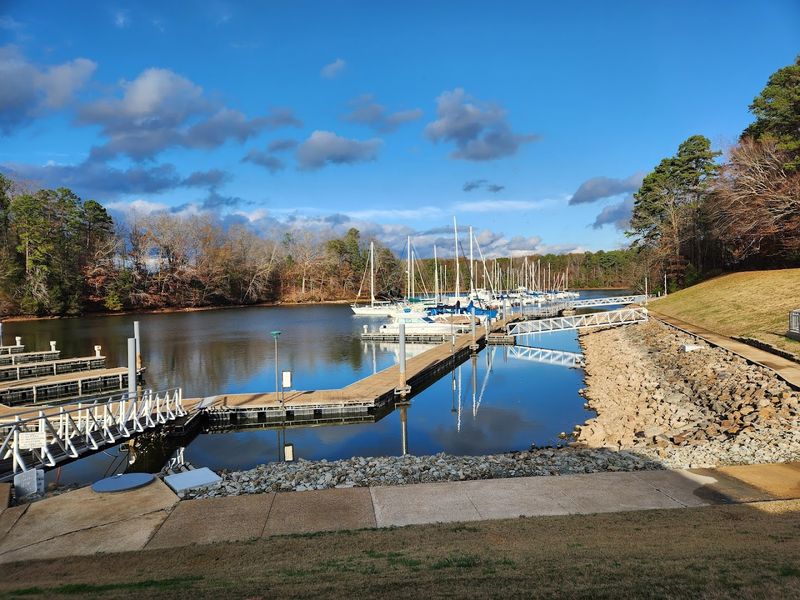
Pickwick Landing sits on the banks of Pickwick Lake, a massive reservoir on the Tennessee River in the southwestern corner of the state. The park is a hotspot for boating, fishing, and waterfront camping, and its warm-weather foot traffic means lots of people are out exploring near the water. That’s also prime habitat for snakes, especially cottonmouths and copperheads.
The park’s shoreline is rocky in places, with plenty of brush, driftwood, and shaded banks where snakes like to hang out. If you’re fishing from the shore or letting kids play near the water, take a moment to check the area first. Cottonmouths are often found near water and can be aggressive if they feel cornered.
Pickwick’s trails wind through wooded areas and along the bluffs overlooking the lake, offering beautiful views and plenty of chances to spot wildlife. Copperheads are common in forested areas, and their camouflage makes them nearly invisible against leaf litter. Watch where you step, and don’t put your hands or feet anywhere you can’t see.
The park’s popularity means it’s well-maintained and heavily visited, but that doesn’t mean wildlife has moved out. Snakes are adaptable and can thrive even in areas with regular human activity. They’re more likely to avoid you than confront you, but surprises happen when people aren’t paying attention.
Pickwick Landing is a fantastic place for a weekend getaway, but it’s also a reminder that outdoor recreation comes with some responsibility. Wear appropriate footwear, stay on marked trails, and keep your distance from any wildlife you encounter.
7. Mousetail Landing State Park — Linden
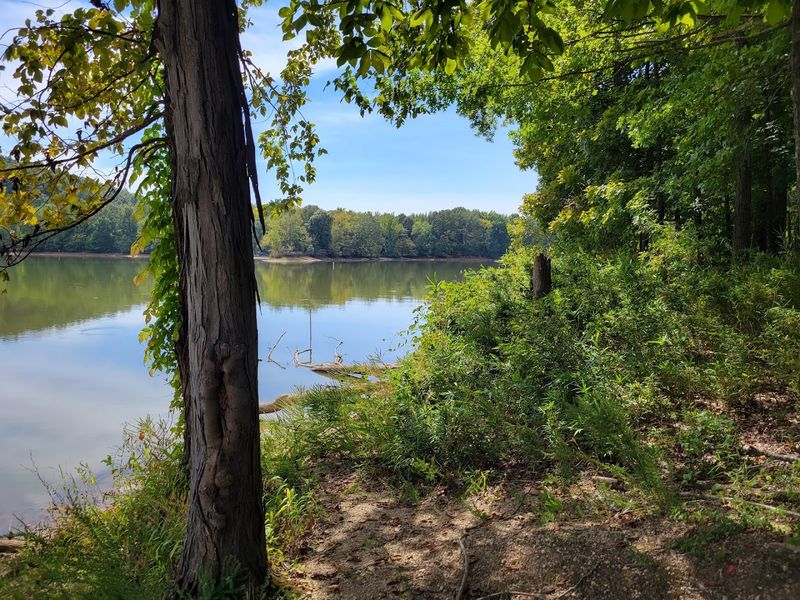
Mousetail Landing is one of Tennessee’s quieter, more off-the-beaten-path state parks, tucked along the Tennessee River in Perry County. The park’s name comes from a Civil War-era story about a riverboat that ran aground and had to be lightened by tossing barrels of salt pork overboard, which attracted swarms of mice. Today, it’s a peaceful spot for camping, hiking, and fishing, but it’s also a place where you’ll want to watch your step.
The park’s trails wind through bottomland hardwoods and along the river, offering plenty of shade and scenic views. Copperheads and cottonmouths both call this area home, and the combination of forest, water, and rocky shoreline creates ideal habitat. Stay alert, especially when hiking in the early morning or late evening.
Mousetail’s backcountry feel is part of its charm, but it also means you’re more likely to encounter wildlife. The park doesn’t get the same foot traffic as some of Tennessee’s busier destinations, so the animals here are less accustomed to humans. That makes it even more important to make noise as you hike and to stay aware of your surroundings.
If you’re camping near the river or exploring the shoreline, be mindful of where you place your hands and feet. Snakes often rest on rocks, logs, or in tall grass near the water, and they can be hard to spot until you’re too close. Closed-toe shoes and long pants are smart choices, especially if you’re bushwhacking or going off-trail.
Mousetail Landing’s remoteness is a big part of its appeal, but it’s also a reminder that wild places require a little extra caution.
8. South Cumberland State Park — Monteagle
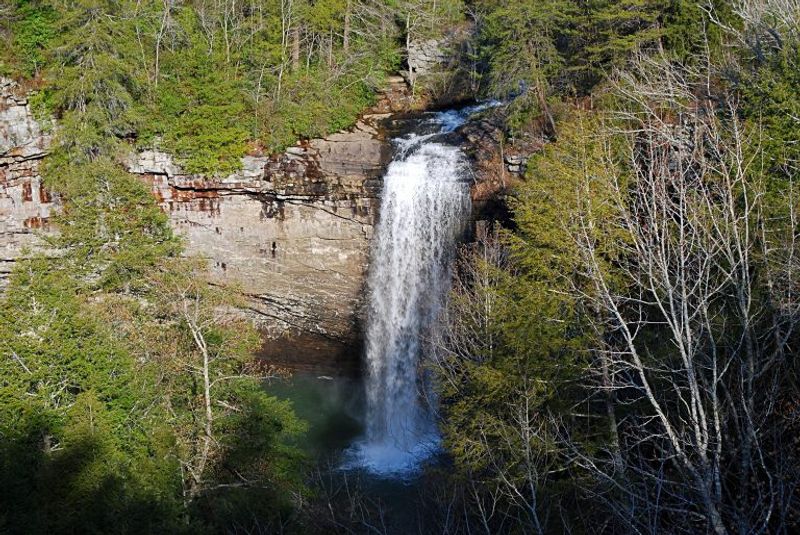
South Cumberland State Park is a sprawling collection of natural areas, gorges, waterfalls, and overlooks spread across the Cumberland Plateau. It’s a hiker’s dream, with trails that range from easy strolls to challenging backcountry treks. But all that rocky, forested terrain also makes it prime habitat for copperheads and timber rattlesnakes, both of which are found in Tennessee’s mountain regions.
Copperheads are especially common in rocky, wooded areas, and South Cumberland has no shortage of either. They blend in perfectly with leaf litter and rocky outcrops, so stepping carefully and watching where you put your hands is essential. Timber rattlesnakes are less common but still present, and they prefer remote, rocky hillsides.
The park’s trail system includes popular spots like Fiery Gizzard, Foster Falls, and Savage Gulf, all of which offer stunning scenery and challenging terrain. But that rugged beauty comes with a reminder: you’re in wild country. Snakes are shy and will usually retreat if they sense you coming, but they’ll strike if they feel threatened or cornered.
If you’re hiking with kids or dogs, keep them close and on the trail. Curious explorers are more likely to stumble into a snake’s space, and a bite can turn a great day into a medical emergency. Make noise as you hike, wear sturdy boots, and carry a first aid kit.
9. Savage Gulf State Park — Beersheba Springs
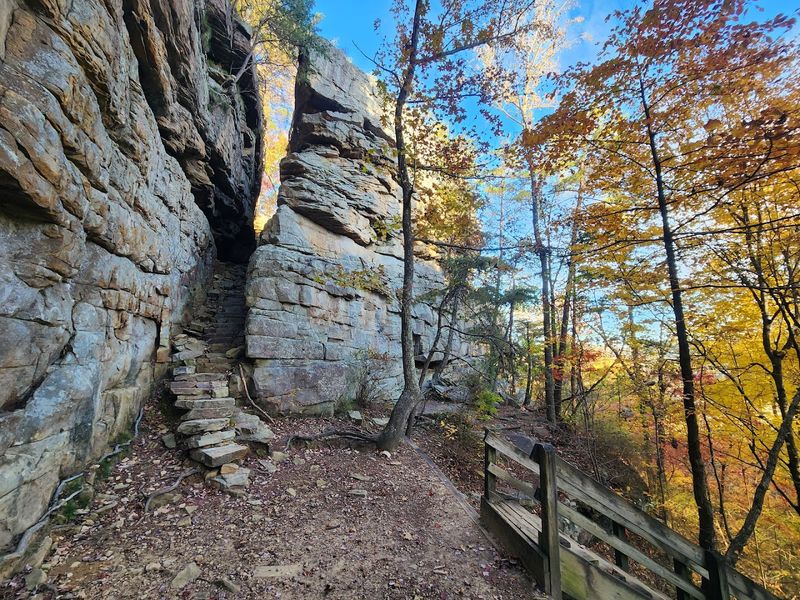
Savage Gulf is part of the South Cumberland State Park system, but it deserves its own mention because of its rugged, remote terrain and the tragic 2025 rattlesnake incident that made national news. A hiker reportedly picked up a timber rattlesnake, was bitten, and later died from the bite. It’s a heartbreaking reminder that wild animals should never be handled, no matter how harmless they seem.
The park’s gorge country is stunning, with deep canyons, waterfalls, and miles of backcountry trails. Timber rattlesnakes and copperheads both live here, and the rocky, forested terrain is perfect for them. They’re not aggressive, but they will defend themselves if provoked.
The best rule of thumb: look, admire, and leave them alone.
Savage Gulf’s trails can be challenging, with steep descents, rocky scrambles, and creek crossings. That kind of terrain requires your full attention, which is good because it keeps you focused on where you’re stepping. Snakes often rest on sun-warmed rocks or under leaf litter, and they’re easy to miss if you’re not paying attention.
If you’re hiking the Stone Door, Savage Falls Loop, or any of the park’s backcountry routes, take your time and stay alert. Snakes are most active during warm weather, especially in the morning and late afternoon. If you see one, give it plenty of space and let it move along on its own.
The 2025 incident is a tragic example of what can happen when people don’t respect wildlife. Snakes aren’t out to hurt anyone, but they will bite if they feel threatened. The best way to enjoy Savage Gulf safely is to stay on trails, watch your step, and never, ever try to pick up or handle a snake.
10. Frozen Head State Park — Wartburg
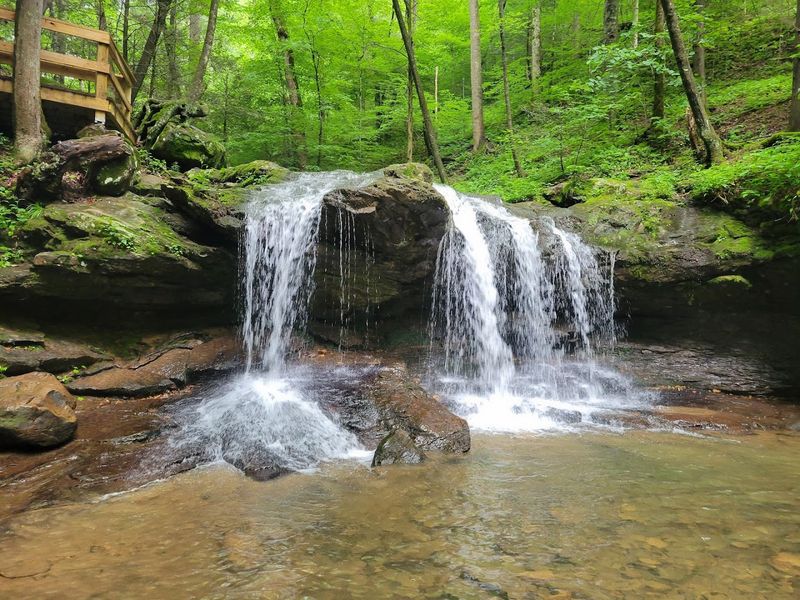
Frozen Head State Park sits in the Cumberland Mountains near Wartburg, offering some of the most challenging and rewarding hiking in Tennessee. The park is famous for the Barkley Marathons, an ultra-endurance race that’s nearly impossible to finish, but it’s also known for its beautiful trails, waterfalls, and rugged backcountry. And yes, it’s home to copperheads and timber rattlesnakes.
Copperheads are especially common in East Tennessee’s mountain forests, and Frozen Head’s rocky trails, leaf litter, and shaded undergrowth create perfect habitat. Timber rattlesnakes are less common but still present, and they prefer remote, rocky hillsides. Both species are well-camouflaged and easy to miss if you’re not paying attention.
The park’s trail system includes everything from short nature walks to all-day backcountry hikes. Whether you’re tackling the climb to Frozen Head Tower or exploring the waterfalls along Emory Creek, staying alert is key. Snakes are most active during warm weather, and they often rest on rocks or under logs during the heat of the day.
If you’re hiking solo or in a small group, make noise as you walk. Snakes will usually retreat if they hear you coming, but they can’t always get out of the way in time. Wearing sturdy boots and long pants can provide some protection, and carrying a first aid kit is always a good idea.
Frozen Head’s remote, rugged terrain is part of what makes it special, but it’s also a reminder that you’re in wild country. Snakes are a natural part of the ecosystem, and they play an important role in controlling rodent populations. Respecting their space and staying aware of your surroundings means you can enjoy the park safely and responsibly.
Share this story