Michigan’s rivers have a quiet way of stealing the spotlight. Across the state, small towns have grown around these waterways, turning riverbanks into scenic trails, lively downtowns, waterfront parks, fishing spots, beach days, and easygoing weekend escapes.
Some feel historic and storybook, while others bring that breezy summer energy that makes you want to stay longer than planned. From peaceful boardwalk strolls to charming main streets just steps from the water, these communities offer the kind of beauty big cities often rush past.
Whether you are planning a laid-back road trip or hunting for a new favorite place to wander, these 11 Michigan riverfront towns prove that some of the state’s best moments happen right beside the water.
1. Marine City
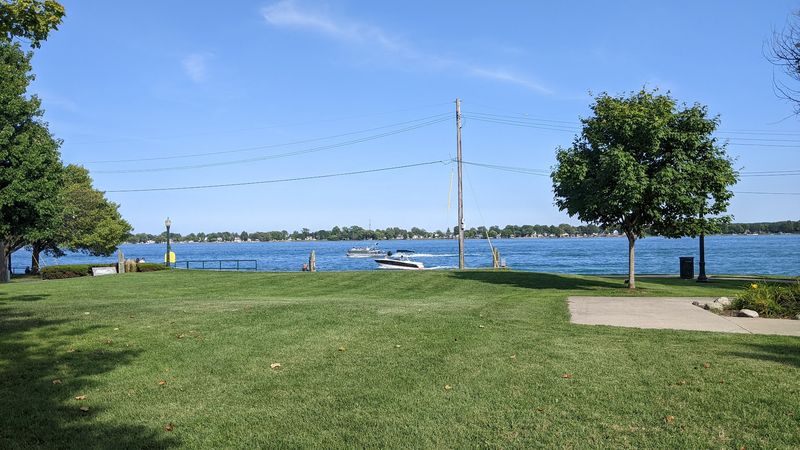
Sitting right on the edge of the St. Clair River, Marine City has one of the most impressive waterfront views you’ll find anywhere in the Lower Peninsula. Ships from all over the world pass through this stretch of river, making it a surprisingly exciting place to just sit and watch.
Locals call it one of the best spots in Michigan for freighter watching, and once you see a massive vessel glide past at close range, you’ll understand why.
The town’s history runs deep. Marine City was once a major shipbuilding hub in the 1800s, and that proud maritime heritage still shows up in its architecture and community spirit.
Walking through the downtown area feels like stepping back in time, with well-preserved historic buildings lining the streets just a short stroll from the riverbank.
Visitors come for the water but stay for the food, festivals, and friendly atmosphere. Marine City Maritime Days brings crowds to the waterfront each summer, filling the town with community events, food, entertainment, and plenty of small-town riverfront energy.
There are also waterfront parks perfect for picnics, fishing, and watching the sun set over the Canadian shoreline directly across the river.
Marine City is the kind of place where strangers wave at each other and everyone seems to know their neighbor. It’s small enough to feel personal but interesting enough to keep you busy for a full weekend.
If you’ve never watched a 700-foot freighter pass within a few hundred feet of where you’re standing, Marine City is the place to make that happen. Pack a lawn chair, grab some food from a local spot, and enjoy the show.
2. Lowell
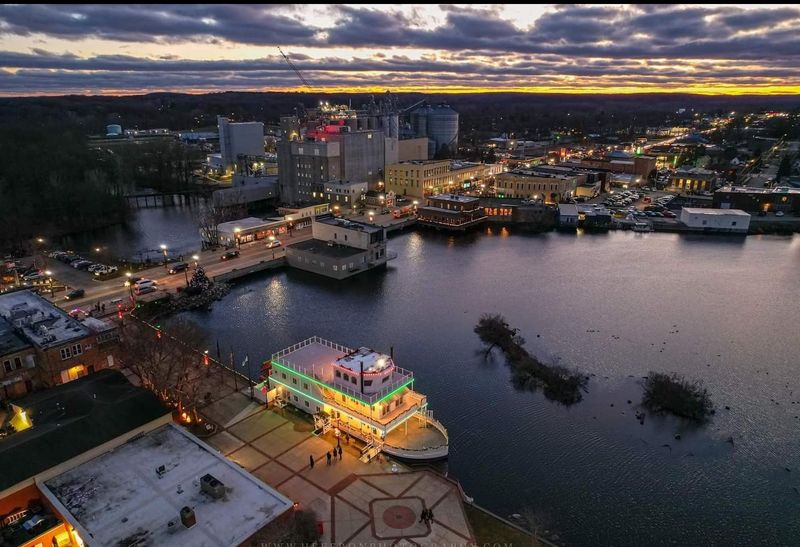
Lowell doesn’t shout for attention — it earns it quietly, one charming block at a time. Tucked along the Flat River just east of Grand Rapids, this town has built a reputation as one of West Michigan’s most lovable small communities.
The river runs right through the heart of downtown, giving the whole place an easy, relaxed energy that’s hard to find in bigger cities.
One of Lowell’s most talked-about landmarks is the Lowell Showboat, which anchors the town’s summer concert scene along the Flat River. It’s a genuine piece of local history, and seeing a live show there on a warm summer evening is the kind of experience that sticks with you.
The surrounding riverfront area is well-maintained and inviting, with benches, green space, and easy access to the water.
Downtown Lowell is packed with independently owned shops, cozy cafes, and restaurants that serve up real, satisfying food without the pretense. Antique hunters especially love this town — there’s no shortage of places to dig through vintage finds on a lazy Saturday afternoon.
The whole downtown feels thoughtfully curated without trying too hard.
Outdoor enthusiasts have plenty to work with here too. The Flat River offers kayaking and canoeing opportunities, and the surrounding area has solid trail options for hikers and cyclists.
Lowell also hosts several community events throughout the year that bring residents and visitors together in the most genuinely fun ways. This is a town that takes pride in itself without being showy about it — and that low-key confidence is exactly what makes it so worth visiting.
3. St. Joseph
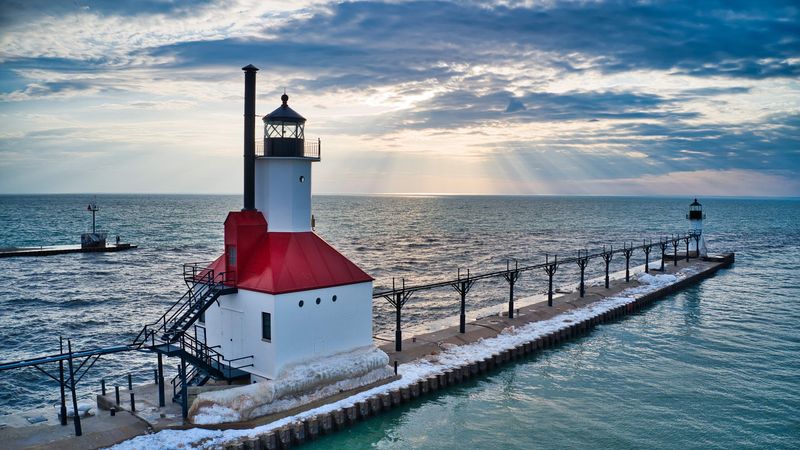
Few Michigan towns can claim a view as dramatic as the one St. Joseph offers from its famous bluff. Perched above the point where the St. Joseph River meets Lake Michigan, this Southwest Michigan gem delivers scenery that honestly looks like it belongs on a postcard.
The lighthouse, the wide sandy beach, and the sparkling blue water all come together in a way that’s genuinely hard to beat.
St. Joseph — affectionately called St. Joe by locals — has a vibrant downtown that sits just a short walk from the water. Boutique shops, galleries, and a strong restaurant scene make it easy to spend a full day here without running out of things to do.
Silver Beach, one of the most popular stretches of shoreline in the state, draws families and beach lovers all summer long with its clean sand and festive atmosphere.
The St. Joseph River itself adds another layer to this town’s appeal. Fishing is popular along the river, and the area around the river mouth is a favorite spot for watching boats head out onto the lake.
The twin lighthouses at the end of the pier are iconic landmarks that photographers and sightseers never seem to get tired of capturing.
Winter in St. Joe is surprisingly magical too. The lighthouses often ice over in dramatic formations, creating a favorite cold-weather photo scene along Lake Michigan.
Year-round, this town punches well above its weight in terms of experiences and atmosphere. Whether you come for the beach in July or the frozen lighthouse in January, St. Joseph has a way of making every season feel like the right one to visit.
4. Frankenmuth
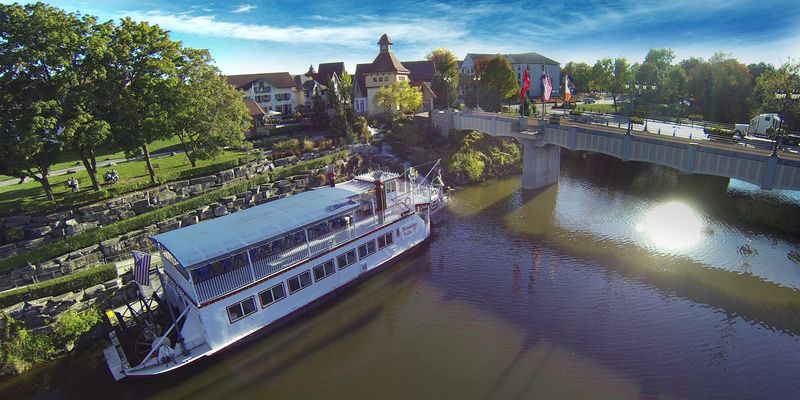
Frankenmuth is one of those places that makes you do a double-take the first time you see it. The Bavarian architecture, the flower-covered bridges, and the cheerful energy make it feel like a small slice of Germany dropped right into the middle of Michigan’s Thumb region.
But what often gets overlooked in all the festive fanfare is the Cass River, which flows quietly through town and gives Frankenmuth much of its charm.
The Holz-Brucke, a covered wooden bridge spanning the Cass River, has become one of Frankenmuth’s most photographed landmarks. Walking across it feels genuinely old-world, especially when the river below is catching the afternoon light and the surrounding landscape is green and lush.
It’s one of those simple moments that travel writers always struggle to fully capture in words.
Beyond the bridge, the riverfront area offers walking paths, green spaces, and lovely views that give visitors a quieter alternative to the busy main shopping streets. Paddling on the Cass River is also a popular activity for those who want to see the town from a completely different angle.
It’s a surprisingly peaceful experience given how lively the rest of Frankenmuth can get.
Of course, no visit is complete without the famous all-you-can-eat chicken dinners that have made this town a culinary legend in Michigan. The combination of great food, unique architecture, riverfront beauty, and a packed festival calendar makes Frankenmuth one of the most visited small towns in the entire Midwest.
First-timers are often surprised by how much there is to experience here beyond the Christmas ornament shops — though those are pretty great too.
5. Manistee
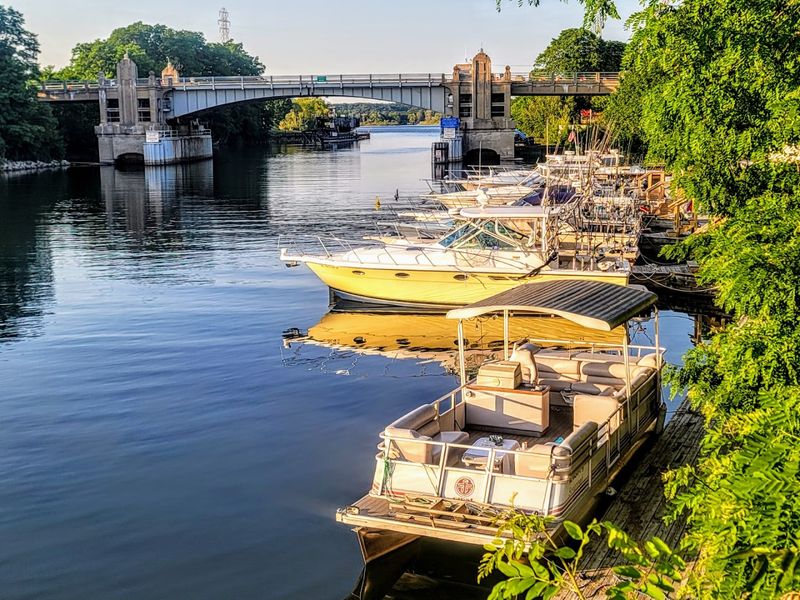
Manistee earned its nickname “Victorian Port City” for good reason — the downtown streets are lined with beautifully preserved 19th-century architecture that gives the whole town a stately, unhurried character. But it’s the Manistee River channel that really ties everything together, connecting the downtown area to Lake Michigan and creating a waterfront scene that’s both scenic and genuinely active with boat traffic throughout the warmer months.
The Riverwalk is one of the best features in town. Stretching along the channel, it offers walkers and cyclists a flat, easy route with water views on both sides and great access to local shops, restaurants, and parks along the way.
Watching charter fishing boats head out in the early morning or return with a catch in the afternoon is a simple pleasure that never gets old here.
Manistee is also a serious destination for anglers. The Manistee River is well known among salmon and steelhead anglers, drawing dedicated fishing enthusiasts from across the Midwest during key seasonal runs.
If you’re not into fishing yourself, watching the action from the banks or the nearby bridges is still pretty entertaining — especially during the fall salmon run when the river comes alive with activity.
The town’s beach situation is equally impressive. First Street Beach sits right where the river meets Lake Michigan, giving visitors access to both freshwater environments in one convenient location.
Manistee also hosts lively community events throughout the year, including its beloved National Forest Festival that celebrates the area’s natural resources. This is a town that knows exactly what it has and makes sure visitors get to experience all of it.
Come for the history, stay for the waterfront.
6. Grand Ledge
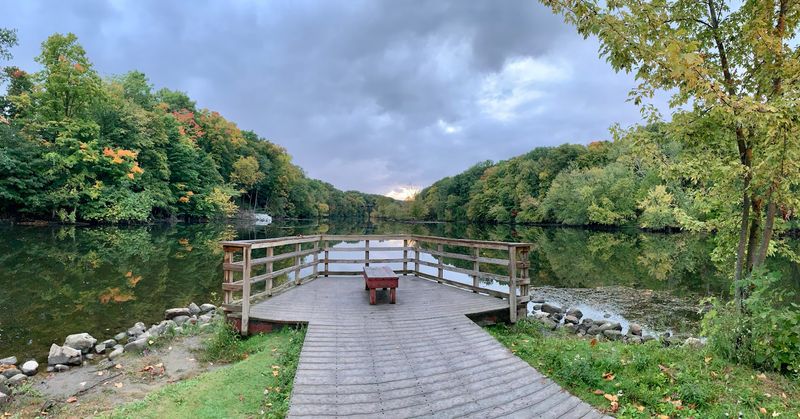
Grand Ledge gets its name from the most interesting geological feature in the area — a series of ancient sandstone ledges that rise dramatically along the Grand River just west of Lansing. These formations, some reaching up to 60 feet high, are unlike anything else in Michigan’s Lower Peninsula and have been drawing curious visitors for well over a century.
The combination of rugged rock faces and a winding river makes this town feel surprisingly wild for a community so close to the state capital.
Oak Park, which hugs the riverbank right in the heart of town, is the ideal starting point for any visit. The park offers walking trails that wind past the ledges, picnic areas with river views, and easy access to the water for those who want to get closer to the action.
Kayaking and canoeing along this stretch of the Grand River is especially popular, offering a unique perspective on those towering sandstone walls from water level.
The downtown area of Grand Ledge is compact and walkable, with a friendly small-town feel that complements the natural scenery nearby. Local restaurants and shops give visitors a reason to linger after a morning on the trails or the water.
The community has a genuine pride in its natural assets, and it shows in how well the parks and riverfront areas are maintained.
Rock climbing remains part of Oak Park’s identity, though visitors should follow current posted rules and route restrictions before getting on the ledges. Every fall, the surrounding trees transform the ledges into a stunning backdrop of reds, oranges, and yellows that makes Grand Ledge one of the most underrated fall color destinations in the state.
It’s a short drive from Lansing but feels like a completely different world.
7. Tawas City
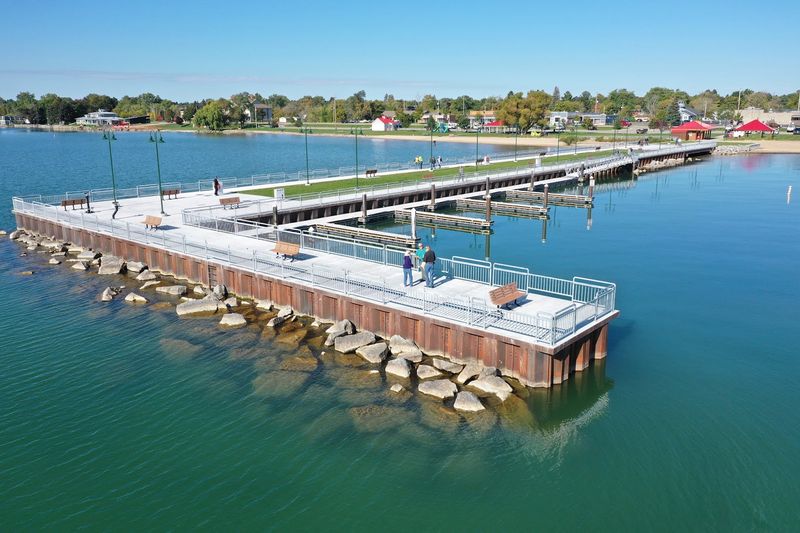
Nestled along the shores of Tawas Bay on Lake Huron’s western edge, Tawas City has the kind of relaxed, sun-soaked vibe that makes it easy to forget about your to-do list. The Tawas River flows through town before emptying into the bay, adding a freshwater dimension to an already beautiful coastal setting.
Together, the river and the bay create a waterfront experience that’s layered, peaceful, and genuinely refreshing.
Tawas Point State Park is the crown jewel of the area, a narrow sandy peninsula that juts into Lake Huron with a lighthouse at its tip and some of the best bird-watching in Michigan along its shores. During spring migration, birdwatchers from across the Midwest descend on Tawas Point to catch sight of warblers, shorebirds, and raptors passing through.
Even if you’re not a dedicated birder, the park’s sandy beaches and clear water make it a destination worth the drive.
The downtown riverfront area along the Tawas River is a pleasant place to stroll, fish, or simply sit and watch the boats go by. The marina is active throughout the summer, and the surrounding area has a genuine small-town hospitality that makes visitors feel welcome without feeling like tourists.
Local restaurants serve up fresh perch and walleye that taste even better when you’re eating within earshot of the water.
Tawas City pairs naturally with its neighbor, East Tawas, and together the two communities offer a full range of waterfront activities, from kayaking and fishing to beach volleyball and sunset cruises. This is a part of Michigan that doesn’t always make the top-ten lists, which honestly just makes it better.
Fewer crowds, more water, and all the charm you could ask for.
8. Lansing
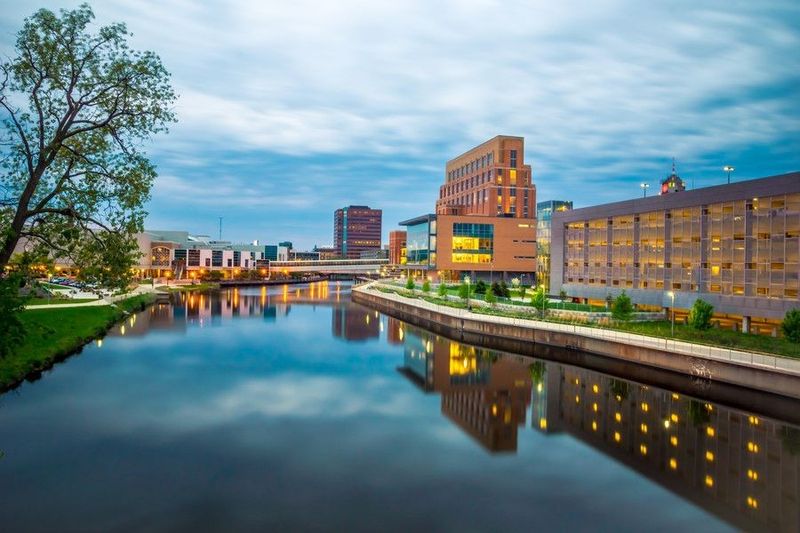
Most people think of Lansing as Michigan’s state capital and leave it at that. But the city has been quietly investing in its riverfront for years, and the results are genuinely impressive.
The Grand River runs right through the heart of Lansing, and the network of trails, parks, and public spaces built along its banks has transformed stretches of the city into a legitimate outdoor destination that residents are rightfully proud of.
The River Trail is the backbone of Lansing’s waterfront experience, offering miles of paved pathway that connects neighborhoods, parks, and points of interest along both sides of the Grand River. Cyclists, joggers, and casual walkers all share this corridor throughout the warmer months, and the scenery — especially through Riverfront Park — is surprisingly green and serene for a state capital.
Kayak and canoe launches make it easy to get on the water too.
Lansing also sits near the confluence of the Grand and Red Cedar rivers, adding geographic interest to the waterway system running through the city. Michigan State University’s campus in neighboring East Lansing channels into this same river system, giving the whole area an energetic, youthful edge that balances out the governmental formality of the capitol district.
Downtown Lansing has been growing its food and entertainment scene steadily, with breweries, restaurants, and event spaces concentrated near the water. The annual Old Town Oktoberfest and other community events bring big crowds to the riverfront every year.
Lansing is the kind of place that rewards visitors who look past the obvious — the river is its best-kept open secret, hiding in plain sight right in the center of the city. Give it a full day and it will surprise you.
9. Cheboygan
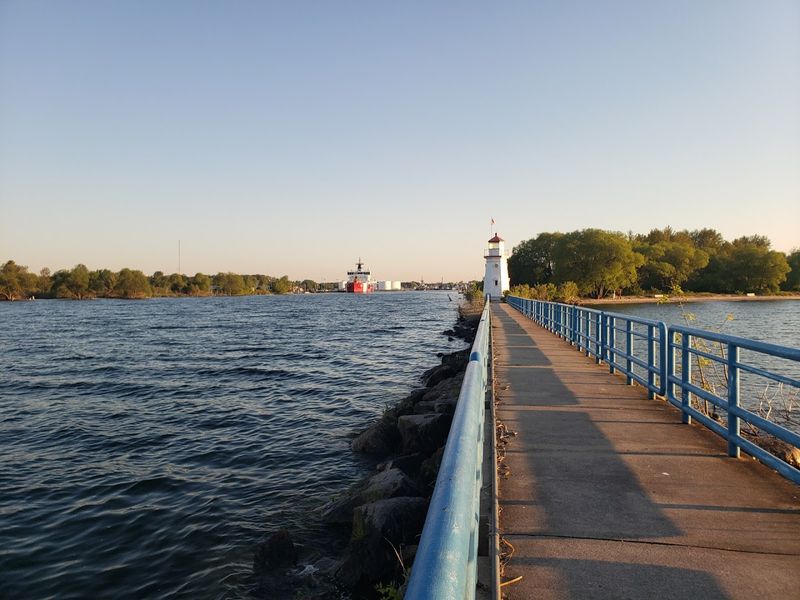
Up in the northern tip of Michigan’s Lower Peninsula, Cheboygan sits at the point where the Cheboygan River empties into Lake Huron, and the result is a waterfront town with serious natural credentials. The river, the lake, and the nearby Inland Waterway — a chain of lakes and rivers that stretches nearly 40 miles inland — make Cheboygan one of northern Michigan’s most appealing towns for boaters.
Boaters especially love this area for the sheer variety of waterways accessible from a single launch point.
The Cheboygan State Park, located just east of town, offers access to the Duncan Bay shoreline along Lake Huron with quiet trails, a beach, and the remains of an old lighthouse that history buffs find fascinating. The park’s location at the convergence of river and lake environments means wildlife sightings are common — great blue herons, bald eagles, and white-tailed deer are regular appearances along the trails.
Downtown Cheboygan has a working waterfront character that feels authentic rather than polished for tourism. Commercial fishing operations, local marinas, and family-owned restaurants give the town a grounded, real-world energy that’s refreshing in a travel landscape full of over-curated destinations.
Grabbing a meal of fresh Great Lakes fish while watching boats navigate the river channel is a simple but deeply satisfying experience.
The Cheboygan Opera House, a beautifully restored Victorian-era performance venue, adds a surprising cultural dimension to a town better known for its water access. Events there run year-round, giving visitors a reason to come even when the boating season has wound down.
Cheboygan rewards the travelers who venture off the well-worn northern Michigan tourist trail — it’s real, it’s scenic, and it’s very much worth your time.
10. Grand Haven
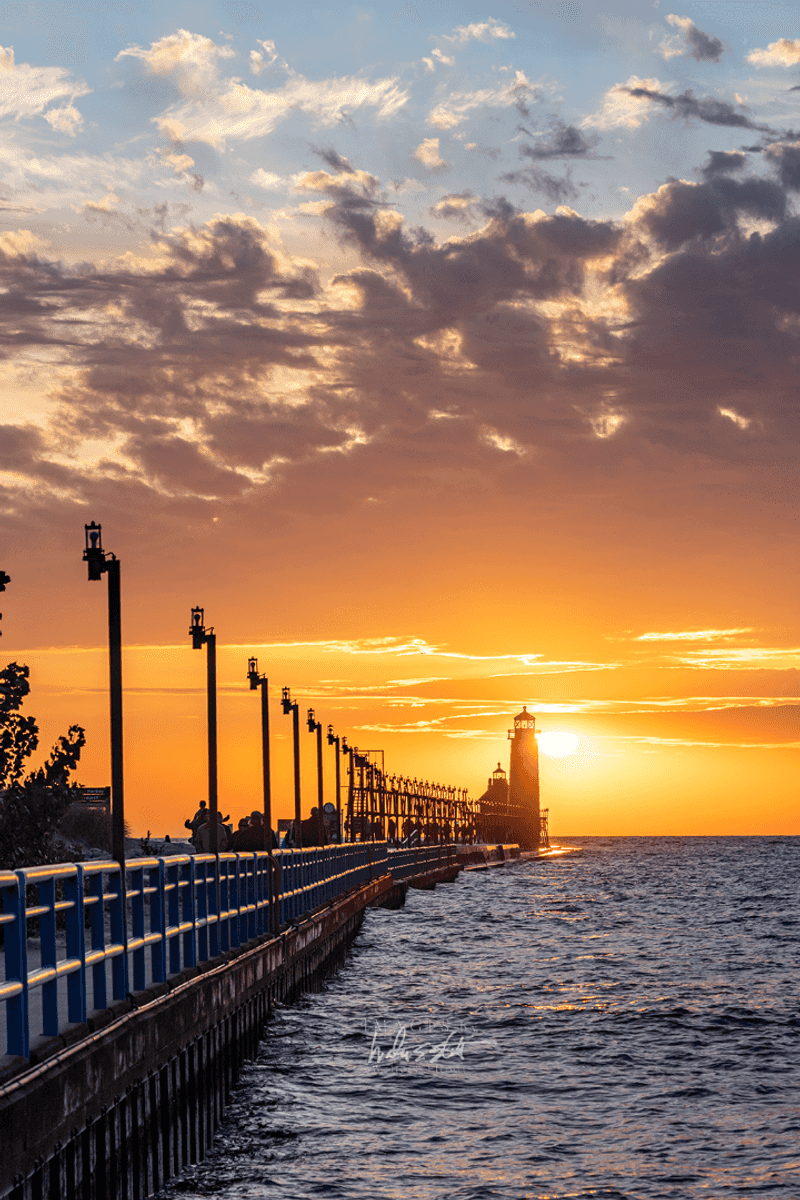
Grand Haven has a waterfront setup that most towns can only dream about. The Grand River runs alongside a long, vibrant boardwalk before meeting Lake Michigan at one of the most photogenic spots on the entire eastern shoreline of the lake.
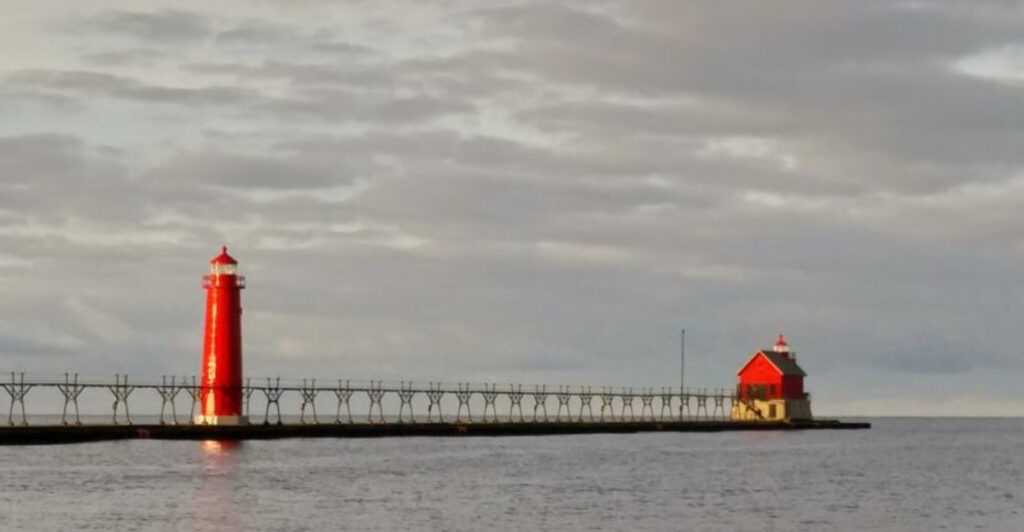
That iconic red lighthouse standing at the end of the pier is arguably the most recognized lighthouse image in Michigan, and it earns every bit of that fame when you see it in person at golden hour.
The boardwalk itself is the social heart of Grand Haven. Stretching along the river from downtown all the way to the beach, it’s lined with shops, restaurants, ice cream stands, and benches that fill up fast on warm summer evenings.
The Musical Fountain — a massive waterworks display synchronized to music — draws crowds every night during the summer season and has been a Grand Haven tradition for decades. It’s the kind of quirky, wholesome community attraction that you can’t help but love.
Grand Haven State Park sits right at the river mouth, offering a sandy beach with direct access to both the river and Lake Michigan. It’s one of the busiest state parks in Michigan during the summer, and for good reason — the combination of beach, lighthouse pier, and river views all in one place is hard to match anywhere else in the state.
Fishing off the pier is also extremely popular, particularly for salmon and trout during the fall run.
The town hosts the Coast Guard Festival every summer, a 10-day celebration that honors the United States Coast Guard and draws visitors from across the region. Grand Haven wears its waterfront identity with confidence and genuine enthusiasm — this is a town that has always known its greatest asset flows right through its heart.
11. Ypsilanti
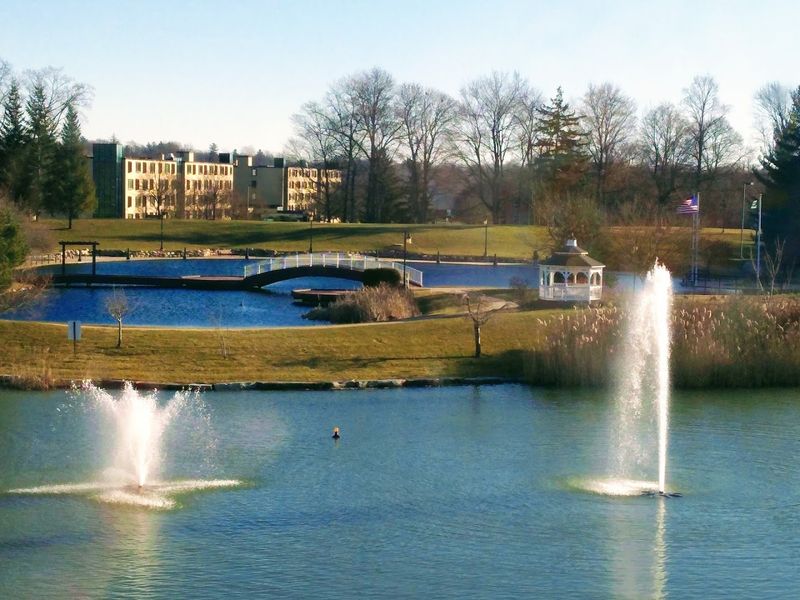
Ypsilanti carries a certain scrappy, creative energy that sets it apart from every other town on this list. Located along the Huron River just east of Ann Arbor, Ypsi — as locals call it — has been quietly building one of Southeast Michigan’s most interesting riverfront communities.
The water here isn’t just scenery; it’s woven into the town’s identity in a way that feels organic and lived-in rather than developed for visitors.
Riverside Park and the surrounding Huron River corridor offer miles of natural beauty right in the middle of an urban setting. The Border-to-Border Trail, one of Michigan’s most ambitious trail projects, passes through Ypsilanti along the river and connects to a regional network that eventually stretches across Washtenaw County.
Kayakers and canoeists regularly put in here for multi-hour paddles through some genuinely lovely natural scenery.
Depot Town is the neighborhood that anchors Ypsilanti’s character. Sitting close to the river, this historic district is packed with independent restaurants, live music venues, vintage shops, and breweries that give the area a buzzing, grassroots energy.
It’s the kind of neighborhood where you can spend an entire afternoon without a plan and still have a great time. The annual Ypsilanti Heritage Festival, held near the riverfront, celebrates the town’s deep and diverse history every summer.
Eastern Michigan University gives Ypsilanti a youthful, intellectually curious edge that keeps the arts and culture scene active year-round. The town is often overshadowed by its neighbor Ann Arbor, but that’s changing as more people discover what Ypsilanti actually offers.
The Huron River is the quiet constant running through all of it — steady, scenic, and central to everything that makes this underdog town worth a serious look.
Share this story