Grocery shopping can drain your wallet fast, especially when you’re trying to feed a family on a tight budget. But here in Tennessee, some smart shoppers have discovered a handful of independent and discount markets that can cut your food bill dramatically without sacrificing quality.
These nine stores across the state offer everything from surplus bargains to specialty ingredients at prices that put the big chains to shame.
1. The Salvage Market – Clarkrange
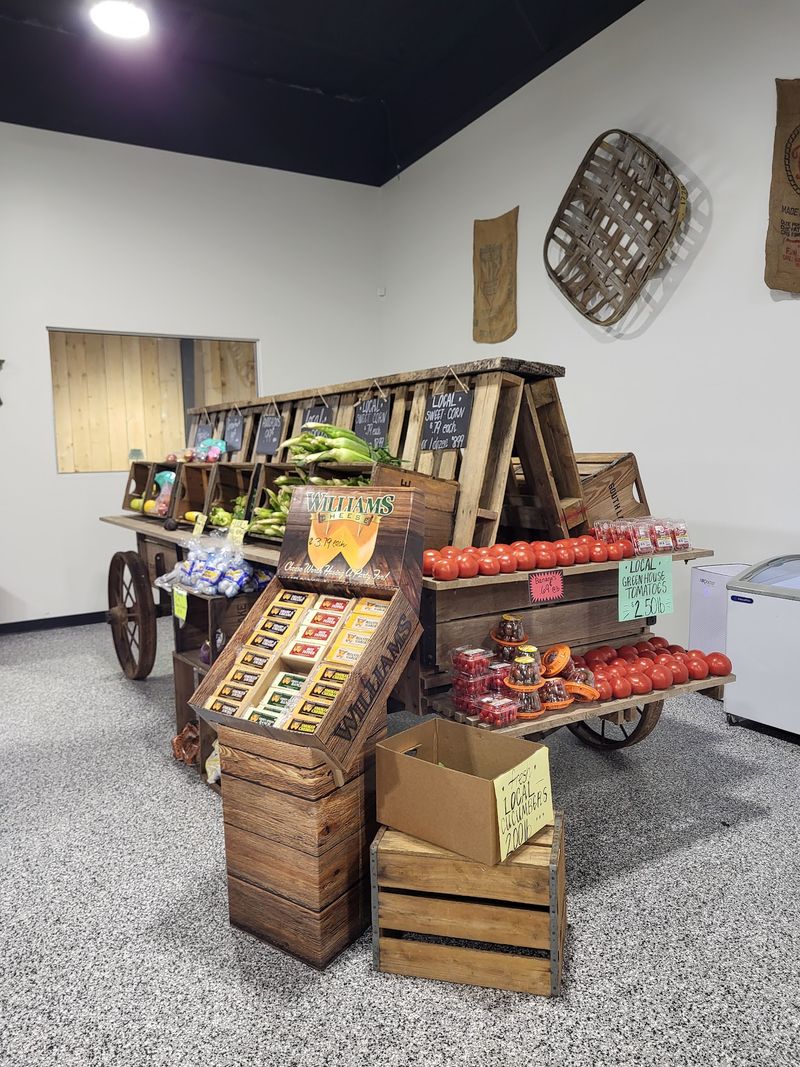
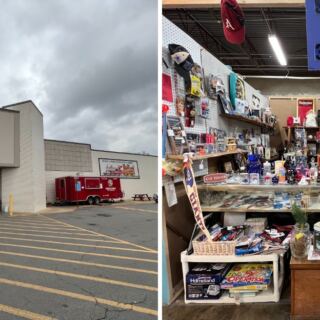
Tucked away in rural Clarkrange, this no-frills market has turned bargain hunting into an adventure. Every visit brings something different because the inventory depends entirely on what surplus, overstock, and close-dated goods arrive that week.
One trip might yield deeply discounted name-brand cereals, while the next could feature premium cheeses at half price.
The meat section deserves special attention. Shoppers regularly find quality cuts marked down significantly, often because they’re nearing their sell-by date but still perfectly fresh.
Savvy families stock their freezers when good deals appear, stretching their grocery dollars further than any conventional supermarket allows.
Produce availability changes constantly, but when it’s there, the savings can be substantial. You might spot organic berries, bagged salads, or seasonal vegetables at prices that make meal planning easy on the wallet.
The trick is staying flexible with your menu and grabbing deals when you see them.
Bulk foods represent another major draw. Large bags of rice, beans, flour, and other pantry staples move through at rock-bottom prices. Families who cook from scratch find this especially valuable, building up their home pantry without the usual expense.
Locally baked goods add a hometown touch you won’t find at corporate chains. Fresh bread, rolls, and pastries from nearby bakeries show up regularly, often discounted because they’re a day or two old but still delicious.
The shopping experience feels like treasure hunting. You never know exactly what you’ll find, but the thrill of discovery keeps regulars coming back.
Some shoppers visit weekly, building their grocery lists around whatever bargains appear rather than planning meals first and shopping second.
This approach requires flexibility, but the payoff shows up immediately in your grocery receipts. Families report cutting their monthly food costs by 30 to 50 percent just by making The Salvage Market their primary shopping destination and adjusting their habits accordingly.
2. Naifeh’s Food Market – Munford
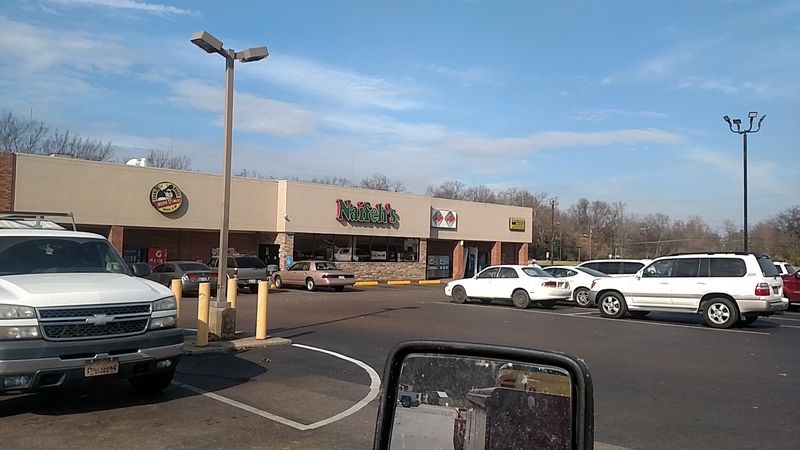
Munford’s Naifeh’s Food Market represents the kind of family-owned grocery that once anchored every small Tennessee town. Walking through the doors feels different from entering a corporate supermarket.
The staff knows regulars by name, and the owners still walk the aisles checking on customers and restocking shelves themselves.
Weekly specials drive much of the savings here. The meat department runs aggressive promotions that rival or beat anything the big boxes offer.
Ground beef, chicken breasts, pork chops, and even premium cuts cycle through the sale rotation, giving planners plenty of chances to stock up at reduced prices.
Produce quality surprises first-time visitors. Despite the store’s modest size, the fruits and vegetables stay fresh and well-stocked.
Local sourcing when possible means shorter time from farm to shelf, and competitive pricing means you’re not paying extra for that freshness.
The center aisles carry all the name brands you’d expect, but often at lower everyday prices than the chains. Without the corporate overhead and shareholder demands, independent grocers like Naifeh’s can operate on thinner margins and pass those savings directly to shoppers.
Compare prices on your usual staples, and you’ll likely notice the difference.
Dairy and frozen sections offer solid variety without overwhelming choices. Sometimes having twelve brands of yogurt creates decision fatigue.
Naifeh’s stocks what moves, what people actually buy, keeping inventory lean and prices competitive. You’ll find your favorites without wandering through endless options.
The bakery section features both packaged goods and some fresh items. Grab sandwich bread, burger buns, or occasional treats without the premium markup that specialty bakery sections command at larger stores. Simple, straightforward, affordable.
Shopping locally means your dollars stay in the community. When Naifeh’s succeeds, Munford succeeds.
The owners sponsor local sports teams, donate to community causes, and employ your neighbors. That community investment adds value beyond the price tags, though the price tags themselves remain plenty attractive for budget-conscious families.
3. Superlo Foods – Memphis
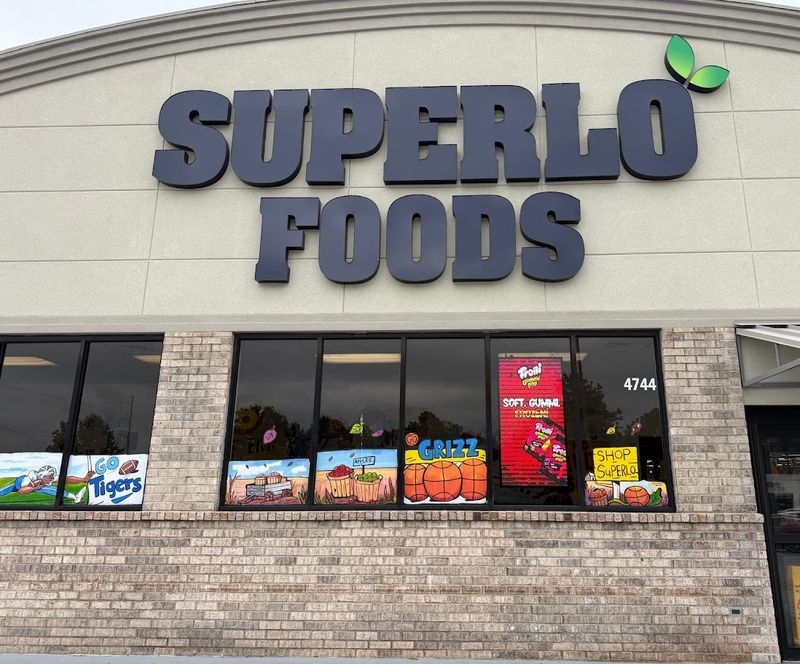
Employee ownership changes everything about how a grocery store operates, and Superlo Foods proves it. When the people stocking shelves and cutting meat own a piece of the business, service improves and prices stay competitive.
This Memphis institution has served the community since the 1940s, building loyalty through consistent value rather than flashy marketing.
Meat specials form the backbone of Superlo’s appeal. The butcher counter offers weekly promotions that make meal planning both easy and economical.
Family packs of chicken, manager’s specials on beef, and rotating deals on pork give shoppers multiple opportunities to save significantly on protein, often the most expensive part of any grocery budget.
Fresh produce gets serious attention here. Seasonal fruits and vegetables arrive regularly, displayed attractively and priced to move.
The produce managers know their customers prefer value over exotic variety, so they focus on quality staples rather than trendy items that sit unsold and eventually raise prices for everyone.
Name-brand groceries fill the shelves at prices that undercut many national chains. Superlo’s local operation keeps overhead lower, and employee ownership means profits get reinvested in better prices rather than distant shareholders.
Check your receipt against what you’d pay elsewhere, and the savings add up quickly across a full cart.
The store layout makes sense for actual shopping rather than maximizing impulse purchases. Essentials live where you’d logically look for them.
You’re not forced past tempting displays designed by corporate psychologists. Get in, find what you need, check out, and get home without the usual retail manipulation.
Community connection runs deep here. Superlo sponsors local events, supports Memphis schools, and employs neighbors who genuinely care about serving customers well because they literally own the place.
That translates into better service, cleaner stores, and a shopping experience that feels personal rather than transactional.
For Memphis families tired of impersonal mega-stores and their creeping price increases, Superlo Foods offers a refreshing alternative. Locally operated, employee-owned, and focused on delivering everyday value without gimmicks or corporate nonsense.
4. Big Sandy Cash Saver – Big Sandy
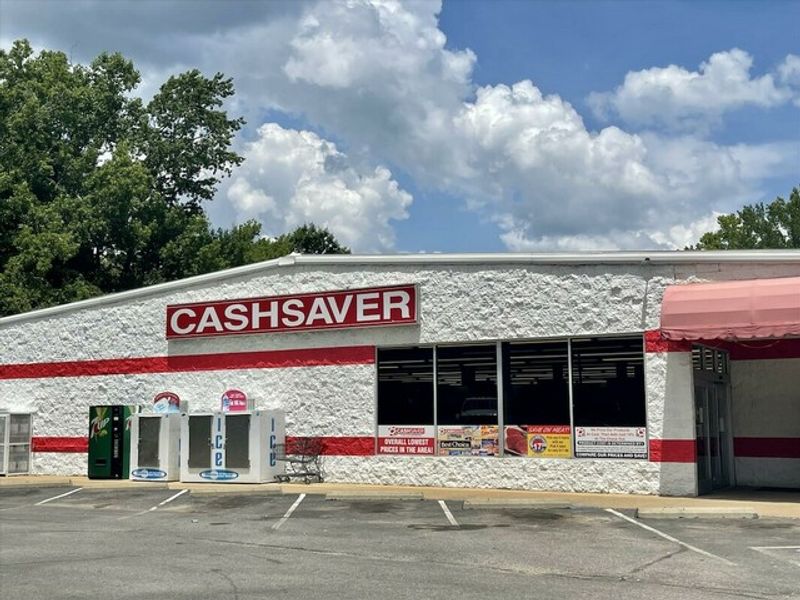
Small-town grocery stores face constant pressure from dollar chains and distant supercenters, but Big Sandy Cash Saver survives by doing what big boxes can’t: knowing every customer and caring about the community. This locally owned market serves Big Sandy with the kind of personal service that disappeared from most of America decades ago.
Fresh-cut meat sets Cash Saver apart immediately. Real butchers work behind the counter, cutting steaks and chops to order, offering cooking advice, and remembering how thick you like your pork chops.
Try getting that at a warehouse store where pre-packaged everything dominates and nobody knows your name.
Rotating specials keep regular shoppers engaged and budgets manageable. Each week brings new promotions on different departments: meat one week, canned goods the next, produce after that.
Smart shoppers plan their big purchases around these cycles, stocking up when prices drop and stretching their dollars considerably further.
The produce section stays surprisingly well-stocked for a small-town market. Basics like lettuce, tomatoes, potatoes, and onions always appear fresh, with seasonal items rotating through as availability and demand shift.
Prices stay reasonable because there’s no corporate markup layered on top of wholesale costs.
Dairy, frozen foods, and pantry basics cover all the essentials without overwhelming shoppers with excessive choice. You’ll find milk, eggs, butter, cheese, frozen vegetables, ice cream, canned goods, pasta, rice, and everything else needed for home cooking.
The small-town service factor can’t be overstated. When you forget your wallet, they know you’re good for it. When you’re looking for a specific item, they’ll special order it. When you need help loading groceries, someone appears without being asked.
These touches cost nothing but mean everything, especially to elderly shoppers or young parents juggling kids and carts.
For Big Sandy residents and surrounding communities, Cash Saver represents more than just a place to buy food. It’s a community anchor, an employer, a neighbor who sponsors the softball team and donates to the school fundraiser.
5. Lafayette Hometown Foods – Lafayette
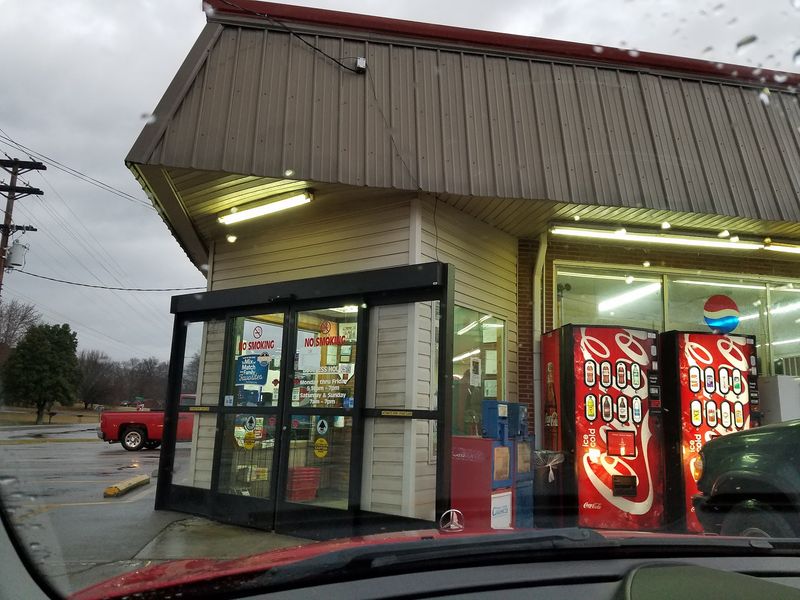
Hometown Foods lives up to its name by delivering exactly what Lafayette shoppers want: a genuine alternative to faceless corporate chains. This independent grocer thrives by focusing on weekly promotions, personal service, and the kind of community connection that makes shopping feel less like a chore and more like visiting neighbors.
Weekly meat promotions anchor most families’ shopping strategies here. The ads come out, smart shoppers check what’s on sale, and meal plans get built around the best deals.
Chicken thighs one week, ground chuck the next, pork roast after that. Following these cycles and buying when prices drop can cut meat expenses dramatically over a month.
Produce specials work the same way. Seasonal fruits and vegetables rotate through promotional pricing, encouraging shoppers to eat what’s fresh and abundant rather than paying premium prices for out-of-season imports. Strawberries in spring, tomatoes in summer, apples in fall. It’s how humans ate for millennia, and it still makes economic sense.
Pantry items get their turn in the spotlight too. Canned vegetables, pasta, rice, cereal, and other shelf-stable staples cycle through sales regularly.
Stock up during promotions, build your home pantry, and you’ll rarely pay full price for anything. This approach requires a bit of planning and storage space, but the savings justify the effort.
The store size works in shoppers’ favor. You can run in for a few items without hiking a quarter-mile through a supercenter.
Parking sits close to the entrance. Lines stay manageable. Checkout happens quickly. These conveniences save time, and time has value even if it doesn’t show on your receipt.
Staff familiarity creates a different shopping atmosphere. Cashiers recognize regulars, baggers remember how you like items packed, managers stop to chat.
It sounds old-fashioned because it is, but that doesn’t make it less valuable. Especially for elderly shoppers or anyone who appreciates human connection in an increasingly automated world.
Lafayette Hometown Foods proves independent grocers can compete and thrive by focusing on what matters: good prices, fresh products, friendly service, and genuine community investment. No corporate slogans needed when you’re actually delivering value every single day.
6. Helenwood Foods – Helenwood
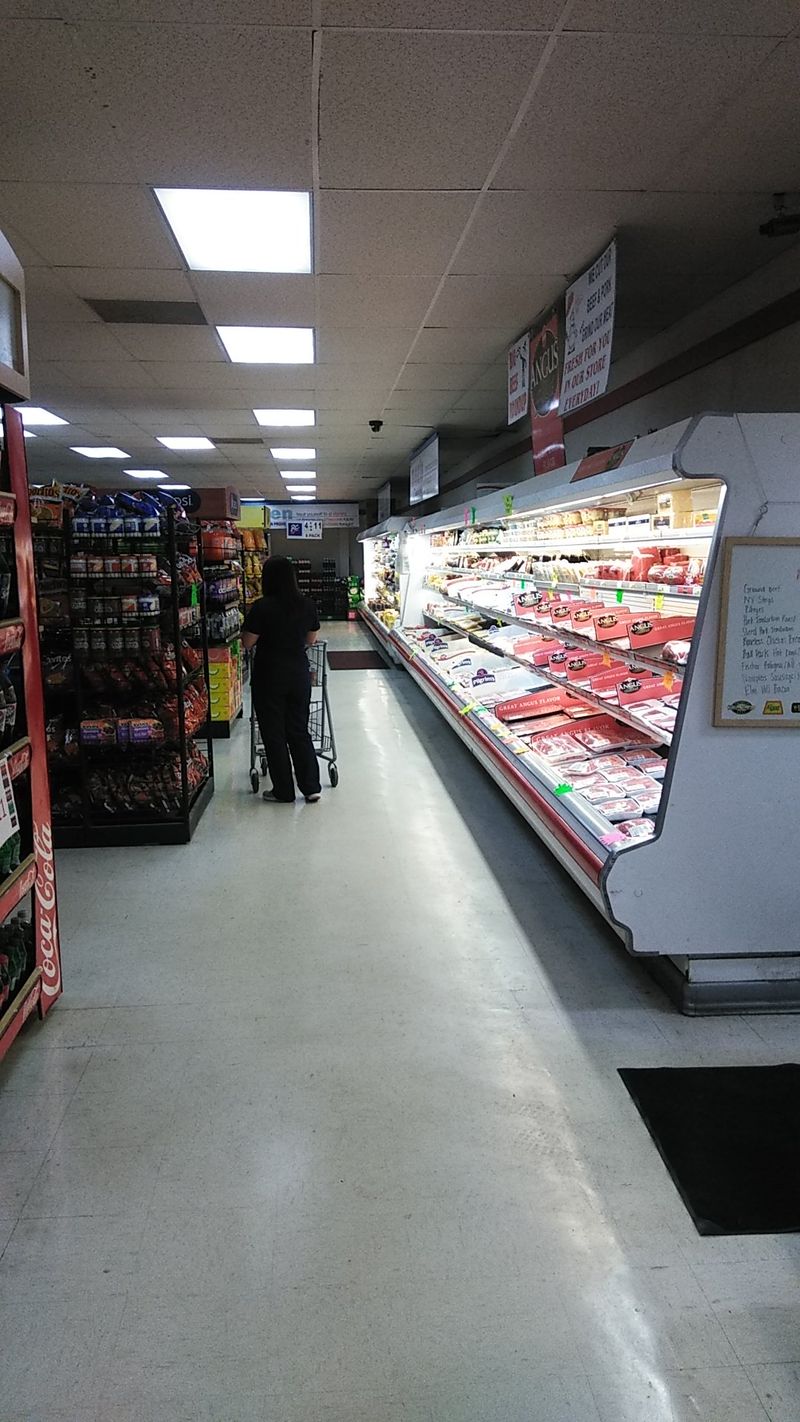
Helenwood Foods serves its Appalachian community with the straightforward approach rural shoppers appreciate: fair prices, decent selection, and no pretense. This isn’t a fancy specialty market or a sprawling supercenter.
It’s a solid, dependable grocery store that understands its customers work hard for their money and expect value in return.
The meat department delivers exactly that value. Fresh cuts, reasonable prices, and butchers who actually know how to break down a side of beef.
When you find a good deal, you can buy in bulk and fill your freezer, securing months of affordable protein with one smart purchase.
Produce selection focuses on practical staples rather than exotic imports. Potatoes, onions, carrots, cabbage, lettuce, tomatoes, apples, bananas, and other everyday items stay well-stocked and competitively priced.
For families cooking real meals at home, these basics matter far more than dragon fruit or whatever trendy item food magazines currently promote.
Center-store groceries cover all the necessary categories without overwhelming shoppers with redundant choices. You’ll find canned goods, pasta, rice, flour, sugar, cooking oil, condiments, snacks, and everything else needed for a functional kitchen.
The selection stays focused on what actually moves, keeping inventory costs down and prices competitive.
Dairy and frozen sections offer solid variety within their space. Milk, eggs, cheese, butter, yogurt, frozen vegetables, frozen meals, ice cream. Nothing fancy, nothing exotic, just reliable products at prices that don’t require a second mortgage. Sometimes boring is exactly what budget-conscious families need.
The checkout experience stays mercifully simple. No loyalty card schemes, no pressure to sign up for credit cards, no complicated coupon policies.
You bring your groceries to the register, someone rings them up, you pay, you leave. Revolutionary in its simplicity compared to the increasingly complex checkout processes at corporate chains.
For Helenwood residents and surrounding communities, this store represents an essential service. The nearest alternatives might be thirty minutes away, making Helenwood Foods not just convenient but necessary.
7. Davis & Eslick Grocery – Pulaski
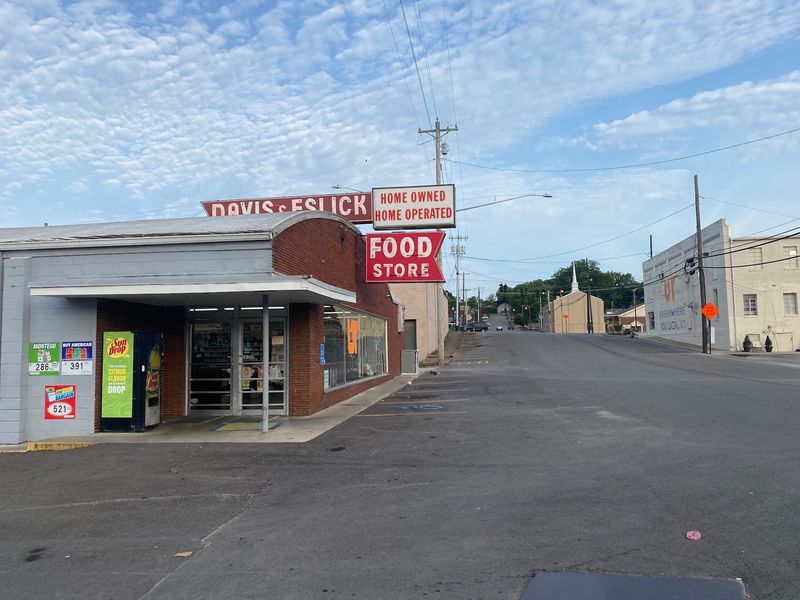
Some grocery stores chase trends, constantly remodeling and rebranding to match whatever corporate consultants recommend this quarter. Davis & Eslick Grocery in Pulaski takes the opposite approach: stick with what works, serve customers honestly, and let longevity speak for itself.
This old-fashioned market has outlasted countless competitors by simply doing grocery retail right.
The traditional butcher counter represents everything Davis & Eslick does well. Real butchers with real skills cut meat to your specifications, offer cooking suggestions, and remember what you bought last week.
This isn’t pre-packaged protein wrapped in plastic and shipped from a distant processing plant. It’s proper butchery, the kind that’s nearly extinct elsewhere.
Weekly advertised deals give planners plenty of opportunities to save. The store publishes specials in local papers and online, highlighting loss leaders designed to bring shoppers in.
Once inside, you’ll find competitive pricing throughout the store, not just on advertised items. That honest approach builds trust and loyalty that gimmicky promotions never achieve.
Produce quality remains consistent despite the store’s vintage atmosphere. Fresh fruits and vegetables arrive regularly, get displayed properly, and move quickly enough to maintain quality.
You’re not digging through wilted lettuce or mushy tomatoes here. Standards stay high because reputation matters in a small community.
The grocery aisles carry familiar brands at familiar prices, meaning you won’t pay a premium just because you’re shopping at an independent store. Davis & Eslick competes directly with chains on everyday pricing, relying on service and community connection to differentiate rather than charging more for the privilege of shopping local.
Dairy and frozen foods round out a complete shopping experience. You can get everything needed for a week’s worth of meals without visiting multiple stores.
For busy families, that convenience saves time and gas money, adding to the overall value proposition even if it doesn’t show on the receipt.
Shopping here feels like stepping back to when grocery stores served communities rather than extracting maximum profit from them. The owners live in Pulaski, employ local people, support local causes, and genuinely care about customer satisfaction.
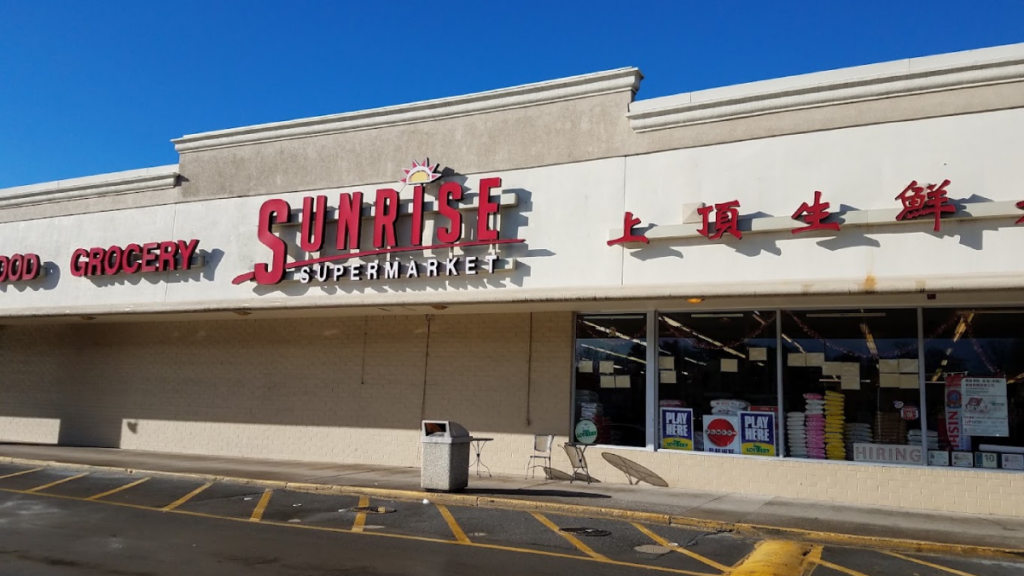
8. Sunrise Supermarket – Knoxville
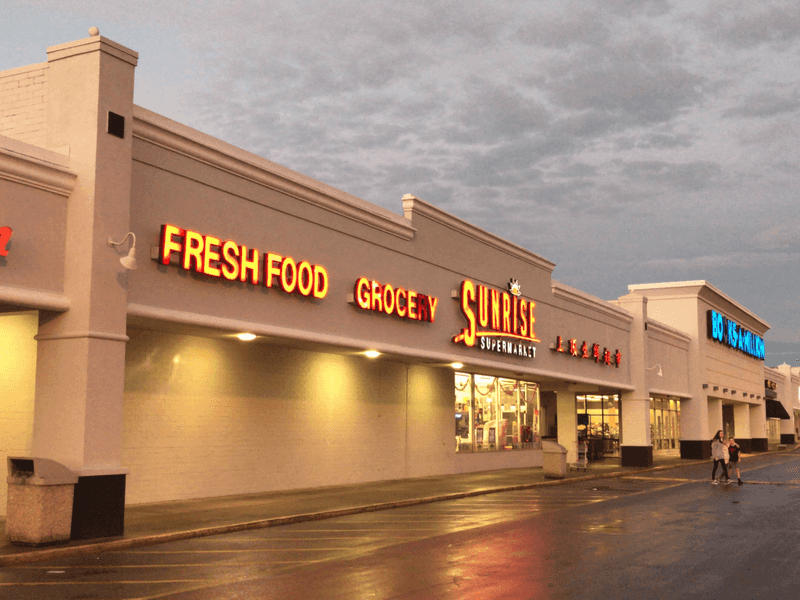
Cooking internationally inspired meals at home can slash your dining-out budget dramatically, but only if you can find the right ingredients at reasonable prices. Sunrise Supermarket in Knoxville solves both problems simultaneously, offering Asian produce, pantry staples, and specialty items that conventional supermarkets either don’t carry or price absurdly high.
Rice selection alone justifies the trip. Instead of paying premium prices for small bags at regular grocery stores, you can buy 20-pound or 50-pound sacks of quality rice for a fraction of the per-pound cost.
For families who eat rice regularly, this single purchase can save serious money over a year.
Noodle varieties span multiple Asian cuisines. Fresh noodles, dried noodles, rice noodles, wheat noodles, instant ramen that actually tastes good.
The selection dwarfs what you’d find in the international aisle at a conventional supermarket, and prices stay reasonable because these items represent core inventory rather than specialty add-ons.
Sauces and condiments transform simple ingredients into complex dishes. Soy sauce, fish sauce, oyster sauce, hoisin, sriracha, gochujang, miso paste, curry pastes, and dozens of other flavor-building essentials line the shelves.
Buying these at regular grocery stores means paying inflated prices for tiny bottles. Here, you get larger quantities at better prices.
Produce includes items that simply don’t appear at conventional stores, or appear rarely at premium prices. Bok choy, daikon, Chinese broccoli, fresh herbs like cilantro and Thai basil, exotic mushrooms, and seasonal vegetables give home cooks the ingredients needed to recreate restaurant dishes for a fraction of the cost.
Seafood selection varies but often includes fresh and frozen options not available elsewhere locally. Whole fish, specialty cuts, and items essential to various Asian cuisines appear regularly.
Even the frozen seafood section offers better variety than most conventional grocers manage.
Spice prices demonstrate the value proposition clearly. That tiny jar of star anise that costs eight dollars at a regular grocery store? Here, you’ll find a large bag for less. Same with cardamom, cinnamon sticks, dried chilies, and other spices sold by weight rather than in overpriced little bottles.
For Knoxville families who enjoy cooking diverse cuisines, Sunrise Supermarket opens up culinary possibilities while actually saving money compared to both restaurants and conventional grocery shopping.
9. Mi Favorita Supermercado – Nashville
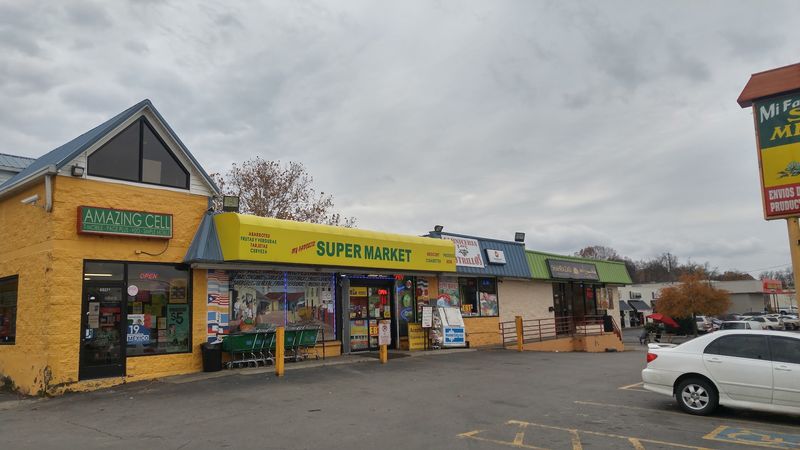
Nashville’s growing Latin American community supports several excellent markets, and Mi Favorita Supermercado stands out for combining authentic selection with competitive pricing. Whether you’re cooking traditional Mexican dishes or just appreciate fresh ingredients and good values, this independent market delivers both beautifully.
Produce quality impresses immediately. Fresh cilantro, multiple pepper varieties, tomatillos, cactus paddles, plantains, and other staples of Latin American cooking appear fresh and abundant.
Prices stay low because these items represent primary inventory rather than specialty add-ons, and turnover keeps everything moving quickly from supplier to shelf to your kitchen.
Dried goods form the foundation of economical home cooking, and Mi Favorita excels here. Beans, rice, masa, dried chilies, and other pantry staples come in large bags at prices that make conventional supermarkets look ridiculous.
A family cooking beans and rice regularly can save hundreds of dollars annually just by shopping here instead of paying chain-store prices.
Spice selection spans every flavor profile in Mexican and Latin American cuisine. Cumin, oregano, cinnamon, dried chilies of every type, achiote, and countless other seasonings get sold by weight rather than in tiny overpriced jars.
Build your spice collection properly without spending a fortune.
Fresh tortillas change everything about home-cooked Mexican food. The difference between authentic, fresh-made tortillas and the rubbery things sold at conventional grocers is dramatic.
Once you’ve experienced real tortillas, there’s no going back, and Mi Favorita keeps them stocked daily.
The meat counter serves customers who know exactly what they want and how to prepare it. Cuts common in Latin American cooking but rare elsewhere appear regularly.
Prices stay competitive, and butchers understand the traditional preparations customers have in mind.
Specialty items round out the selection: Mexican cheeses, crema, canned goods like chipotles in adobo, various salsas, hot sauces, chocolate tablets for mole, and everything else needed to cook authentic dishes at home. Restaurant prices for Mexican food can add up quickly.
Shopping here and cooking yourself cuts costs dramatically while often delivering better results.
For Nashville residents who appreciate Latin American cuisine or simply want access to fresh, affordable ingredients, Mi Favorita Supermercado offers tremendous value. Supporting an independent, community-focused business while saving money creates the best possible outcome for everyone involved.
Share this story