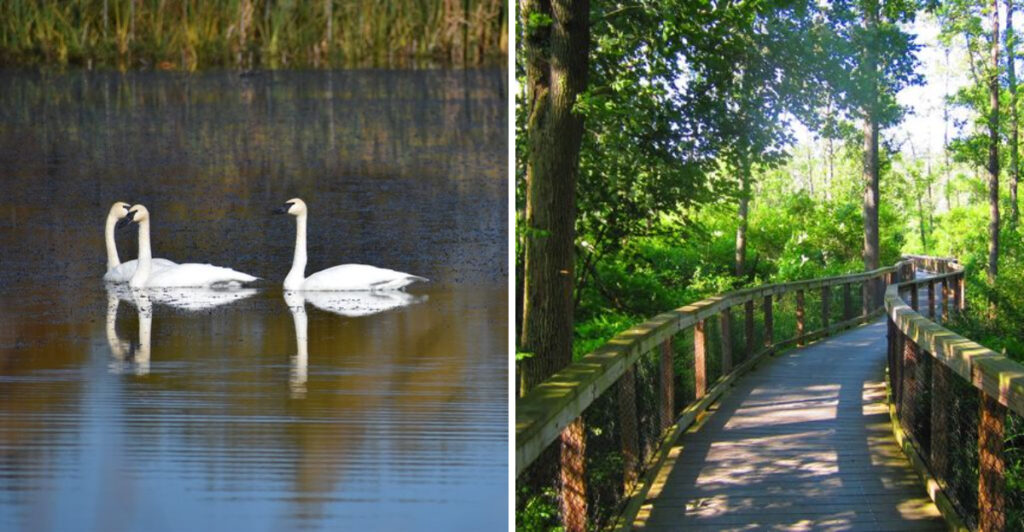
If you think Western New York is all small towns, farm fields, and familiar roads, Iroquois National Wildlife Refuge will completely change your sense of place. Spread across 10,000 acres in Genesee and Orleans counties, this quiet expanse of wetlands, woods, and open water feels far removed from everyday noise.
It is the kind of destination where one turn down Casey Road leads to birdsong, boardwalks, and sweeping marsh views instead of traffic. Once you know what is waiting here, it is hard not to start planning your next slow morning outdoors.
1. A landscape that feels bigger than Western New York
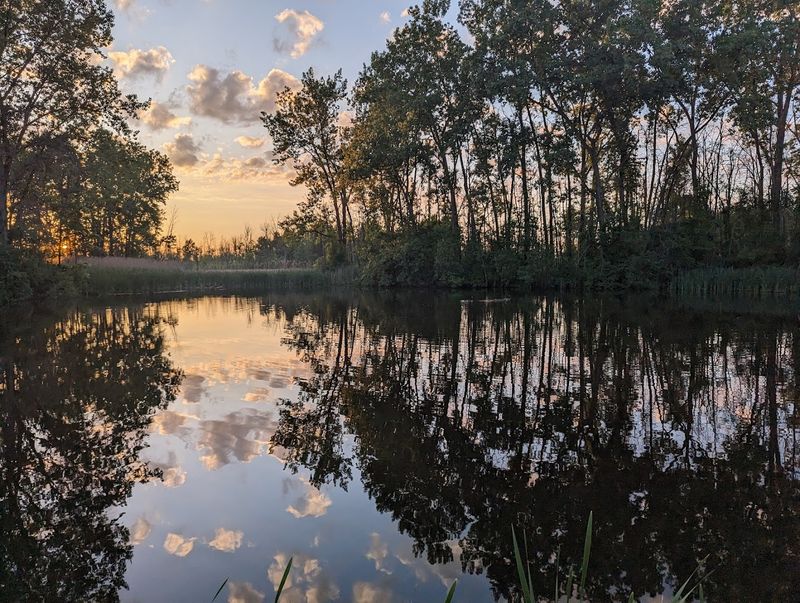
At first glance, Iroquois National Wildlife Refuge does not look like the kind of place that should exist in Western New York.
Then the horizon opens, the marsh grass stretches out, and the whole landscape starts to feel far larger and wilder than anything nearby.
You are suddenly surrounded by open water, wooded edges, quiet trails, and broad skies that seem to flatten time.
Covering about 10,000 acres across Genesee and Orleans counties, the refuge protects one of the most important wetland habitats in the region.
That scale matters because it creates room for migration, nesting, feeding, and the kind of biodiversity people repeatedly rave about after visiting.
Reviews often mention how clean, calm, and well-maintained everything feels, which only adds to the sense that you have stepped into a carefully protected world.
What makes the setting so memorable is not just its size, but its mood.
Even when you do not spot a headline animal right away, the atmosphere still delivers with frogs in the grass, birds calling from hidden pockets, and water moving almost silently beyond the reeds.
It feels remote without being difficult.
That is the real magic here.
You can reach this refuge on an easy day trip, park, and almost immediately feel detached from routine.
Few places this accessible offer such a convincing escape into marshland solitude.
2. The marshes are the refuge’s beating heart
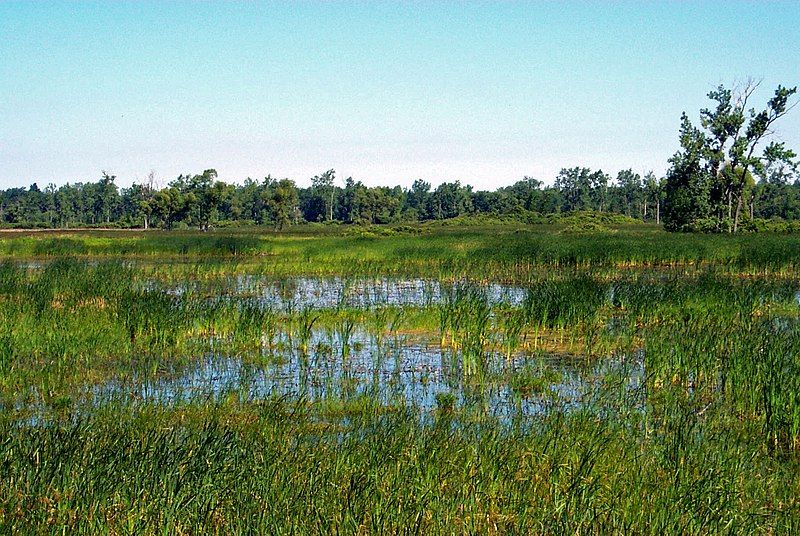
The marshes at Iroquois National Wildlife Refuge are not background scenery.
They are the living center of the refuge, shaping everything from the sounds you hear to the wildlife you might notice from a trail, overlook, or roadside pull-off.
Water, reeds, mud, and floating vegetation create the kind of habitat that never seems still, even when the whole place feels peaceful.
This is where countless birds feed and rest, where amphibians thrive, and where the refuge earns its reputation as a serious destination for nature lovers.
Visitors often talk about abundant water birds, beautiful ponds, and the stunning feeling of walking beside wetlands that seem to stretch forever.
In spring and summer, the marshes feel especially alive, with calls carrying across the water and movement flickering through the grasses.
There is also something wonderfully honest about wetland beauty here.
It is not polished or ornamental.
It can be muddy, buggy, thick with growth, and full of hidden life, which is exactly why it feels so rewarding when you slow down and pay attention.
If you arrive expecting a dramatic mountain vista, this place gently teaches you another way to look.
Texture replaces spectacle.
Subtle changes become the attraction, and before long, the marsh itself starts to feel like the reason you came.
3. Kanyoo Trail and the joy of an easy boardwalk walk
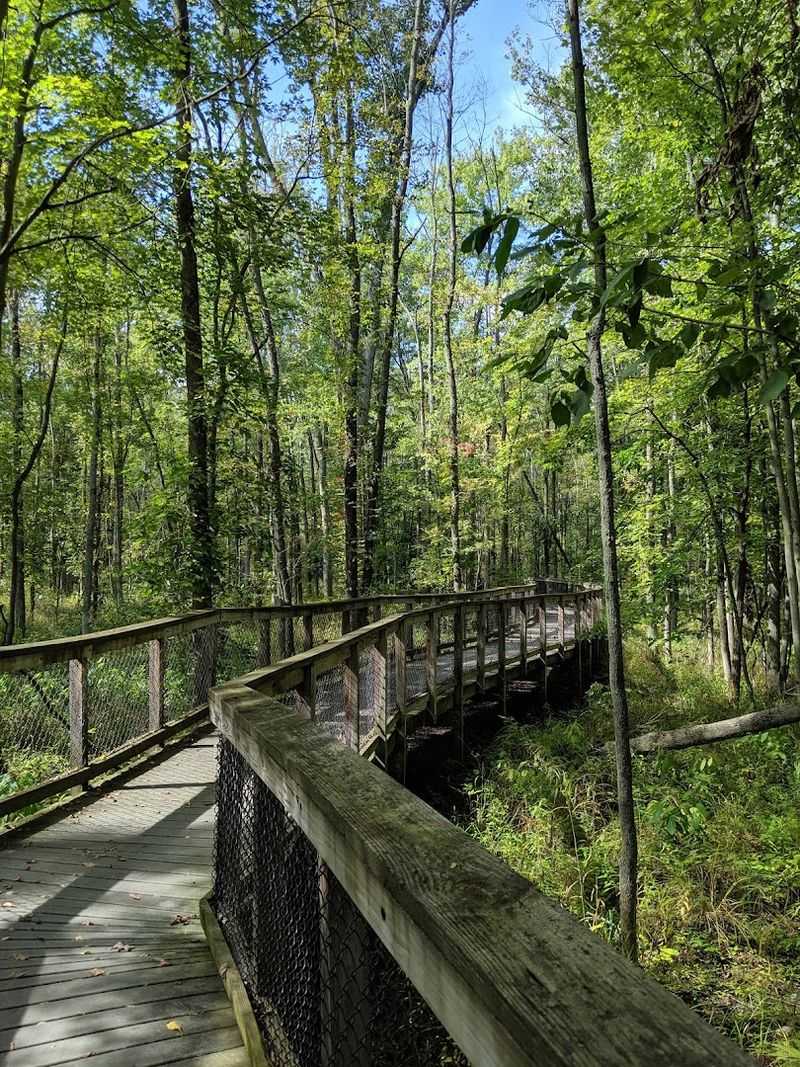
If you want an easy introduction to the refuge, Kanyoo Trail is one of the best places to start.
Visitors regularly describe it as flat, manageable, and scenic, with a mix of boardwalk, open marsh views, and wooded stretches that make the walk feel varied without becoming strenuous.
It is the kind of trail where almost anyone can settle into the pace quickly.
That accessibility matters because it lets you focus on what is around you instead of worrying about difficult terrain.
One moment you are moving through trees, and the next you are looking out across marshland filled with water birds and layered shades of green.
Reviewers often call the boardwalk section especially memorable, and it is easy to understand why once the landscape opens around you.
The trail also captures the refuge’s best quality, which is how quietly immersive it feels.
You do not need a long backcountry hike to feel away from everything here.
A short loop can deliver frogs leaping from the grass, birds calling from the reeds, and enough stillness to reset your whole mood.
If you are visiting for the first time, this is a smart choice.
It offers beauty without pressure, wildlife potential without complicated planning, and a straightforward way to experience why so many people return again and again.
4. The visitor center adds context to the wildness

A refuge this large can feel overwhelming until you stop at the visitor center and get your bearings.
According to many visitors, the center is helpful, friendly, and full of useful information that makes the rest of the experience easier to appreciate.
It is where the scale of the place starts to make sense instead of feeling abstract.
People mention interactive exhibits, helpful staff, and guidance on where to go for bird activity, short walks, or family-friendly exploring.
That matters because the Iroquois is not just a pretty landscape.
It is an active conservation area with habitats, seasonal changes, and wildlife patterns that become much more meaningful once someone helps you understand what you are seeing.
The visitor center also softens the transition from everyday life into the refuge.
You arrive with your phone, schedule, and road trip mindset, then step into a space designed to slow you down and redirect your attention outward.
By the time you head back outside, the marshes and trails feel less like random scenery and more like connected pieces of a larger story.
For families, casual visitors, or anyone new to birding, that extra context can make a big difference.
It turns a pleasant walk into a richer outing and helps you notice details you might otherwise pass right by.
5. Early mornings belong to the birds
If there is one time of day that seems to define Iroquois National Wildlife Refuge, it is early morning.
Visitors talk about magical bird calls, active marshes, and the special quiet that settles over the refuge before the day fully wakes up.
Even people who did not spot every species they hoped for still describe those first hours as unforgettable.
This refuge has earned a strong reputation among bird watchers for good reason.
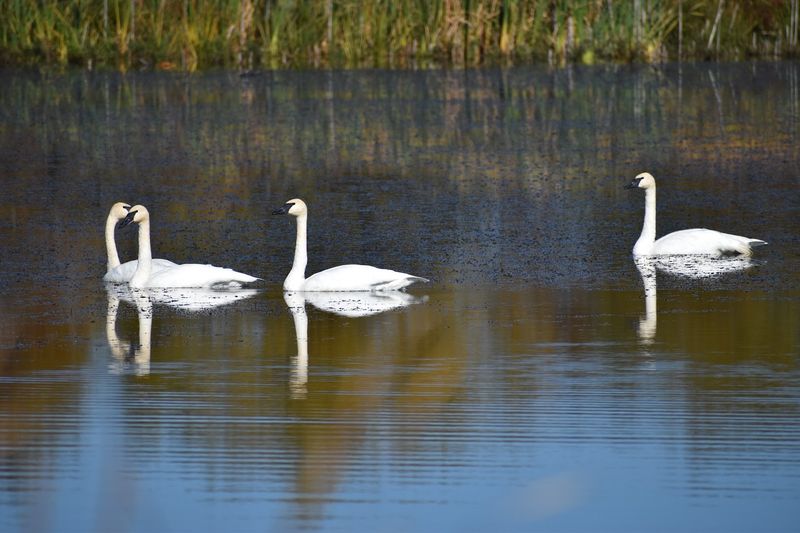
Reviewers mention everything from water birds and migrating swans to the possibility of bald eagles, and several note that you do not even have to hike far to enjoy the activity.
Some recommend reserving a blind and arriving early, when the refuge feels especially alive and every sound seems amplified by the stillness.
That is part of what makes birding here so appealing to beginners and experienced visitors alike.
You are not forced into a fast-paced checklist mentality.
Instead, the setting encourages patience, letting the place reveal itself slowly through movement, sound, and those small moments when a bird appears exactly where you were not expecting it.
If you only have one strategy for a first visit, make it this.
Show up early, move quietly, and let the morning do the work.
The refuge seems to reward that kind of attention.
6. Every season changes the experience
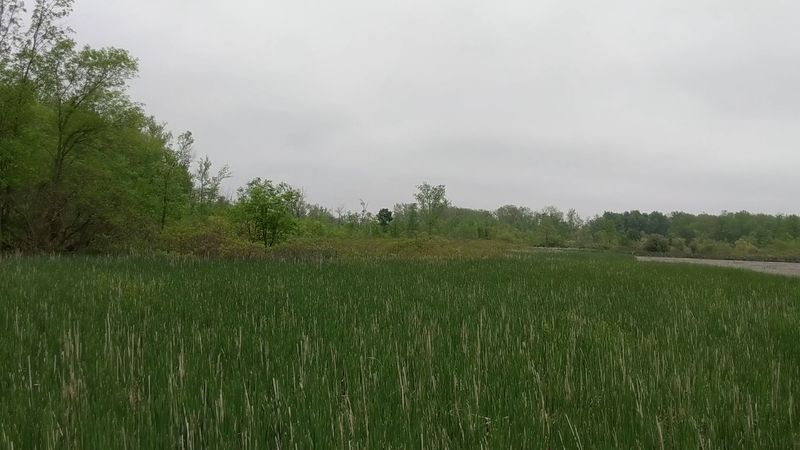
Iroquois National Wildlife Refuge is not a one-season destination.
The refuge changes with migration, weather, plant growth, and water levels, so a spring walk can feel entirely different from a summer visit or an autumn drive.
That constant variation is one reason so many people describe it as a place worth returning to all year.
Spring seems to be especially beloved, with active birds, fresh wetlands, and the sense that the entire refuge is waking up at once.
Summer brings lush growth, thriving biodiversity, and strong reminders to pack bug spray and long clothing because mosquitoes can be part of the deal near water and woods.
By fall, the mood shifts again, and the refuge often feels quieter, broader, and more reflective.
Even small seasonal details stand out here.
One visitor loved the milkweed and monarch habitat, others mentioned migrating swans, and several pointed out how wildlife sightings can vary from trip to trip.
That unpredictability does not make the refuge less rewarding.
It makes each visit feel distinct.
If you are the kind of traveler who likes to build traditions, this is an ideal place to revisit.
The same trails and overlooks never feel exactly the same twice, and the refuge keeps offering new reasons to slow down and look again.
7. Wildlife watching here is about patience, not guarantees
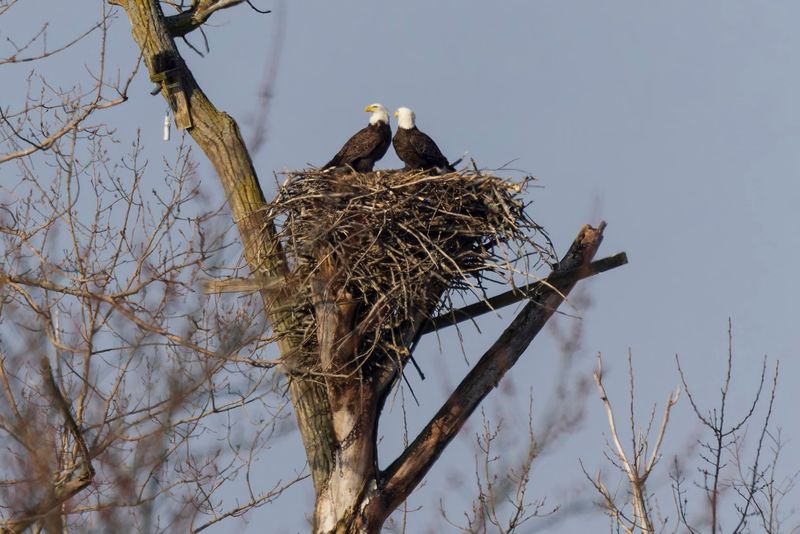
One of the most appealing things about the Iroquois National Wildlife Refuge is that it never feels staged.
You might see deer, waterfowl, frogs, turtles, or even a bald eagle, but the refuge does not promise a perfect wildlife show on demand.
Instead, it offers something more satisfying, which is the chance to witness real habitat and let sightings happen naturally.
That honesty comes through clearly in visitor reactions.
Some people rave about birds everywhere, while others admit they did not see much on a particular day but still loved the atmosphere.
In a strange way, that makes the refuge more trustworthy.
You are coming for a living landscape, not an amusement park version of nature.
The best approach is to stay open and observant.
Listen for calls before you spot movement, watch the water’s edge, and check grassy paths where small creatures can surprise you.
Even when the big moment never comes, the place has a way of filling the visit with quiet details that keep your attention grounded.
That is also why repeat visits matter here.
Wildlife patterns change with weather, season, and time of day, so patience becomes part of the experience rather than a limitation.
When something memorable finally appears, it feels earned, and that makes the refuge hard to forget.
8. Fishing, hunting, and active outdoor traditions still matter here
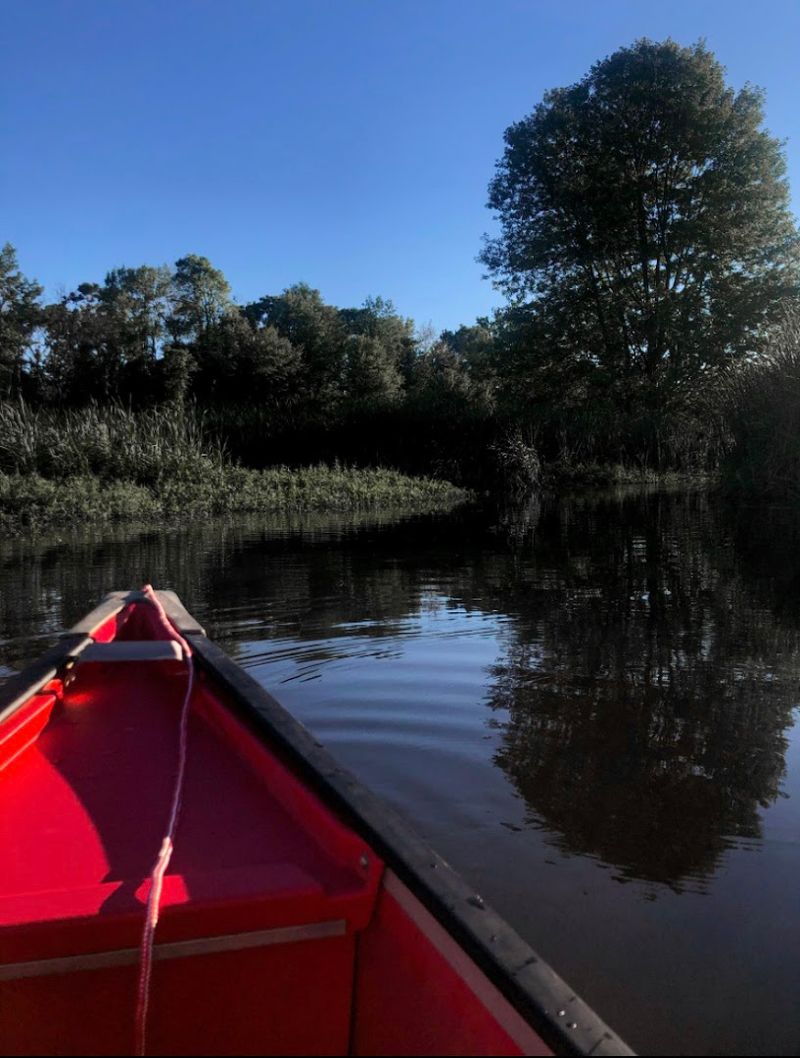
Iroquois National Wildlife Refuge is not only for hikers and bird watchers.
The refuge also supports fishing and hunting opportunities, which reflects its long connection to active outdoor recreation in Western New York.
That mix gives the refuge a broader identity, balancing quiet observation with hands-on traditions that many local visitors value deeply.
Reviews mention calm lakes, fishing derbies, and the simple pleasure of spending time outdoors near the water.
Even when conditions are muddy or brushy in places, people still describe the refuge as a rewarding spot to cast a line and enjoy the landscape.
It is clear that this is not a decorative park.
It is a working habitat that invites respectful use.
That distinction matters because it shapes the atmosphere.
The refuge feels grounded in real regional outdoor culture, where birding, walking, fishing, and seasonal recreation can all exist within the same protected space.
You do not have to choose between appreciation and participation here, as long as both are approached responsibly.
For visitors, that creates a richer sense of place.
The refuge is not frozen behind glass.
It is alive, practical, and connected to the people who return year after year.
That blend of conservation and tradition helps explain why it feels so authentic once you arrive.
9. Simple trails, overlooks, and drives make it easy to explore
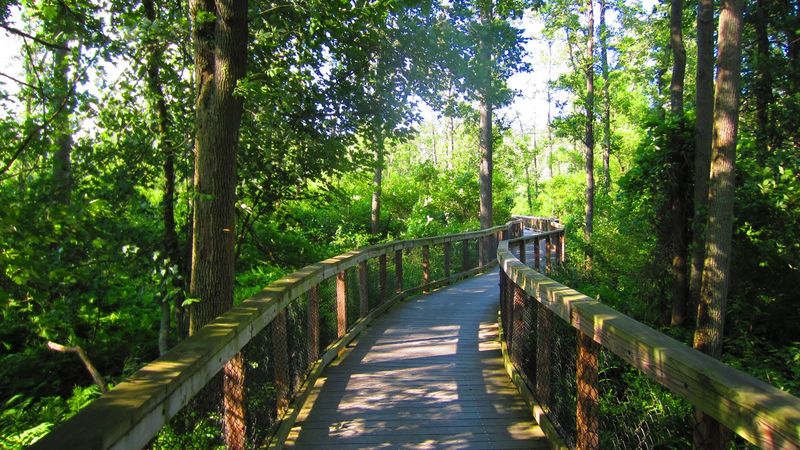
Not every great nature destination requires intense planning, and that is one of this refuge’s strengths.
Visitors often mention easy, well-marked trails, clear signage, overlooks, floating docks, and the fact that some wildlife viewing can happen without leaving the car.
That flexibility makes Iroquois National Wildlife Refuge unusually approachable for a wide range of travelers.
If you want a short walk, there are loops and boardwalk sections that let you stretch your legs without committing to a full day hike.
If you are traveling with family, older relatives, or anyone who prefers a gentler pace, the combination of parking areas, simple paths, and scenic stops helps everyone engage with the landscape comfortably.
The refuge does not demand athleticism to feel rewarding.
That accessibility also changes how the place feels emotionally.
Instead of rushing to conquer distance, you can pause at ponds, scan marsh edges from an overlook, or sit still and wait for movement.
Several visitors mention benches and well-maintained paths, details that quietly encourage slower, more observant visits.
In many ways, the ease of exploring is part of what makes the refuge so memorable.
It gives you room to wander without stress, which leaves more attention for birds, water, wind, and the surprising depth of the landscape around you.
10. Why this refuge feels like a world away
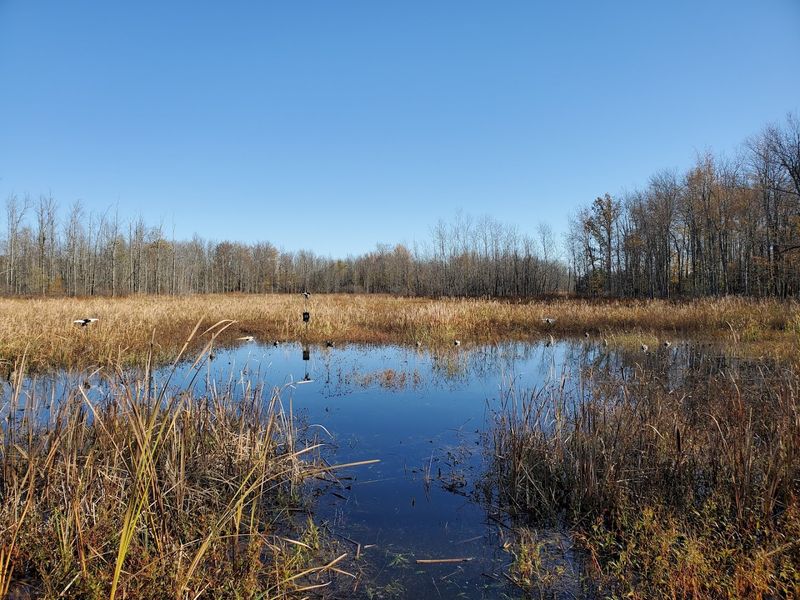
The phrase world away gets overused, but Iroquois National Wildlife Refuge actually earns it.
Despite being reachable by ordinary roads in Genesee and Orleans counties, the refuge creates a full sensory break from daily life through space, silence, and the steady presence of water and wildlife.
It feels separate, not because it is impossible to reach, but because it asks you to slow down the moment you arrive.
That shift shows up again and again in visitor impressions.
People describe the refuge as serene, underrated, beautiful, and ideal for escaping for a bit.
Some come specifically for birds, others for family walks, photography, fishing, or a quiet afternoon, yet they keep landing on the same feeling that this place offers a rare kind of calm.
The refuge’s value is bigger than the scenery.
It protects wetlands, supports biodiversity, welcomes thoughtful recreation, and gives Western New York a landscape that feels surprisingly expansive and wild.
In a region many people know for roads, villages, and farmland, that is a powerful thing to preserve and experience.
If you are craving somewhere that resets your attention without requiring a major trip, this is it.
Arrive early, bring patience, respect the habitat, and let the refuge show you how far away home can feel while you are still in New York.
Share this story