Tucked away in the desolate beauty of far West Texas, Terlingua stands as one of the state’s most fascinating ghost towns. Once a thriving mercury mining hub, this tiny community near Big Bend National Park now draws adventurers, artists, and solitude-seekers who crave authenticity over tourist traps. Visiting Terlingua means stepping into a world where tumbledown adobe ruins share space with quirky galleries, legendary chili cook-offs, and some of the darkest night skies you’ll ever witness.
1. Population That Hovers Around 100 Souls
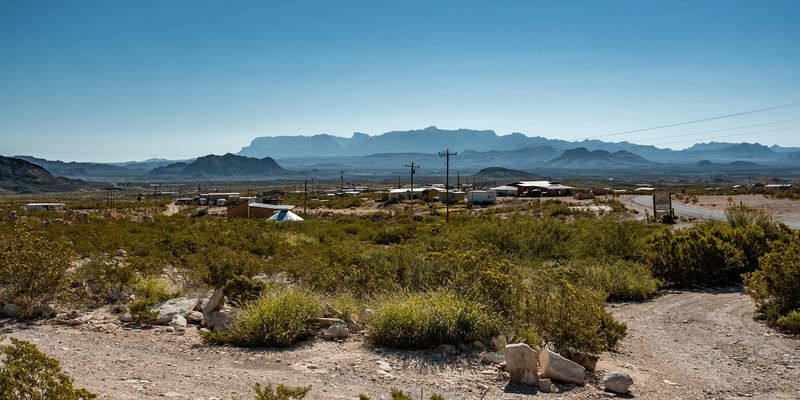
Forget bustling city blocks and traffic jams. Terlingua’s official population barely cracks triple digits, and that number swells only during annual events like the famous chili cook-off. Most residents are artists, writers, retirees, or folks who simply wanted to escape the noise of modern life.
You won’t find subdivisions or strip malls here.
The sparse population creates an intimacy you rarely experience elsewhere. Neighbors know each other by name, and newcomers quickly become part of the fabric. Local gathering spots like the Starlight Theatre serve as community centers where stories get swapped over cold beers and live music.
There’s no anonymity in a town this small, which can feel refreshing or claustrophobic depending on your personality.
Living alongside so few people means embracing self-sufficiency. The nearest grocery store sits miles away in Study Butte or Alpine, so residents stock up during supply runs. Medical facilities are sparse, and internet service remains spotty at best.
Yet for those who call Terlingua home, the trade-off is worth it. They’ve chosen wide-open desert vistas and starlit silence over convenience, and they wouldn’t have it any other way.
Visitors often find the tiny population disorienting at first. Where are all the people? But spend a few days wandering the dusty roads, and you’ll understand the appeal.
Sometimes less really is more, especially when that means genuine human connection and breathing room that stretches for miles.
2. Crumbling Mercury Mine Ruins Everywhere
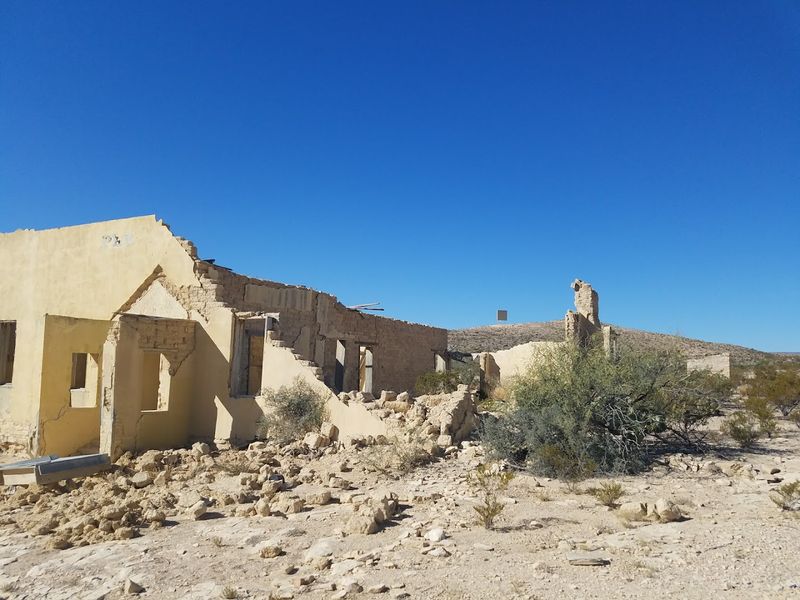
Mercury mining put Terlingua on the map in the early 1900s, and the skeletal remains of that boom-and-bust era still dominate the landscape. Rusted machinery, crumbling stone walls, and collapsed mine shafts dot the terrain like monuments to a forgotten industrial age. The Chisos Mining Company once employed hundreds of workers here, extracting cinnabar ore to produce quicksilver for military and industrial use.
Walking among these ruins feels like time travel. You can peer into old stone buildings where miners once stored equipment or sought shade during brutal summer shifts. Massive concrete foundations mark where processing facilities stood, and rusted metal scraps hint at the scale of operations.
It’s raw, unpolished history with no interpretive signs or safety railings—just you and the ghosts of the past.
Photography enthusiasts go wild for these structures. The contrast between weathered stone, oxidized metal, and endless blue sky creates striking compositions. Golden hour light transforms the ruins into something almost beautiful, softening their harsh edges and casting long shadows across the desert floor.
Just watch your step around unstable structures and open mine shafts.
The ruins also serve as reminders of the human cost behind Terlingua’s prosperity. Mercury mining was dangerous work, and many laborers suffered health consequences from exposure to toxic fumes. Today, the abandoned structures stand as silent witnesses to both the ambition and exploitation that characterized early 20th-century mining operations in remote Texas borderlands.
3. Starlight Theatre’s Legendary Atmosphere
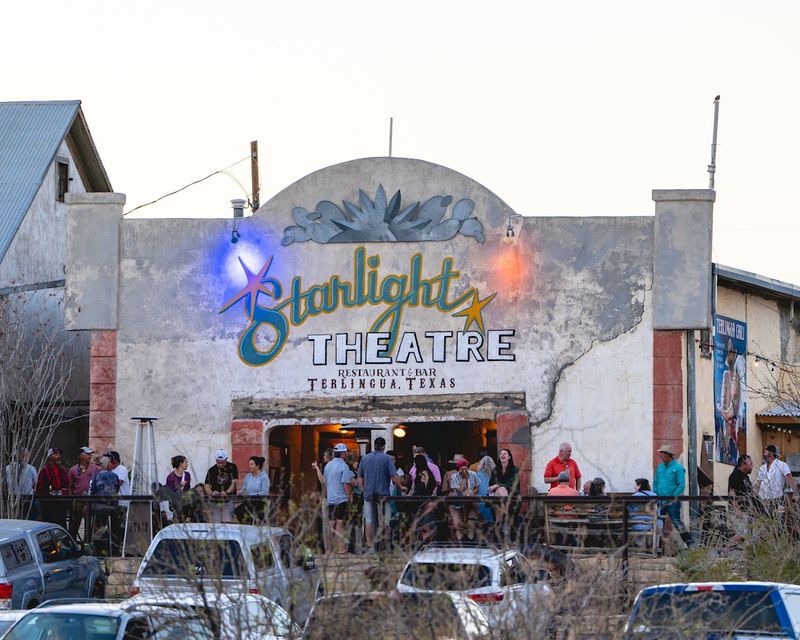
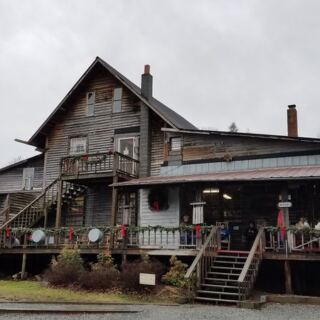
Part bar, part restaurant, part cultural institution, the Starlight Theatre represents Terlingua’s beating heart. Built inside an old movie theater from the mining days, this quirky establishment serves cold drinks, decent food, and nightly doses of live music that range from outlaw country to blues. The roofless patio lets you dine under actual starlight, while the interior walls showcase local art and mining-era photographs.
Owner Boo Barnett transformed this space into a genuine West Texas experience. There’s nothing fancy about it—concrete floors, mismatched furniture, a bar made from salvaged wood—but that’s exactly the point. Authenticity trumps polish here.
You might find yourself sharing a picnic table with a park ranger, a motorcycle gang, and a retired professor, all swapping stories like old friends.
The live music scene deserves special mention. Regional and touring musicians treat the Starlight stage like a pilgrimage destination, drawn by the venue’s reputation and the audience’s genuine appreciation. Sound quality might not match a modern concert hall, but the intimate setting and enthusiastic crowd more than compensate.
Dancing happens spontaneously, often spilling out onto the patio.
Food-wise, expect straightforward Tex-Mex and American comfort fare. The portions are generous, the prices reasonable, and the green chili cheeseburger has achieved near-legendary status among regulars. Service moves at a relaxed pace because rushing contradicts the entire Terlingua philosophy.
Grab a beer, settle in, and let the desert evening unfold around you at its own unhurried rhythm.
4. World-Class Dark Skies for Stargazing
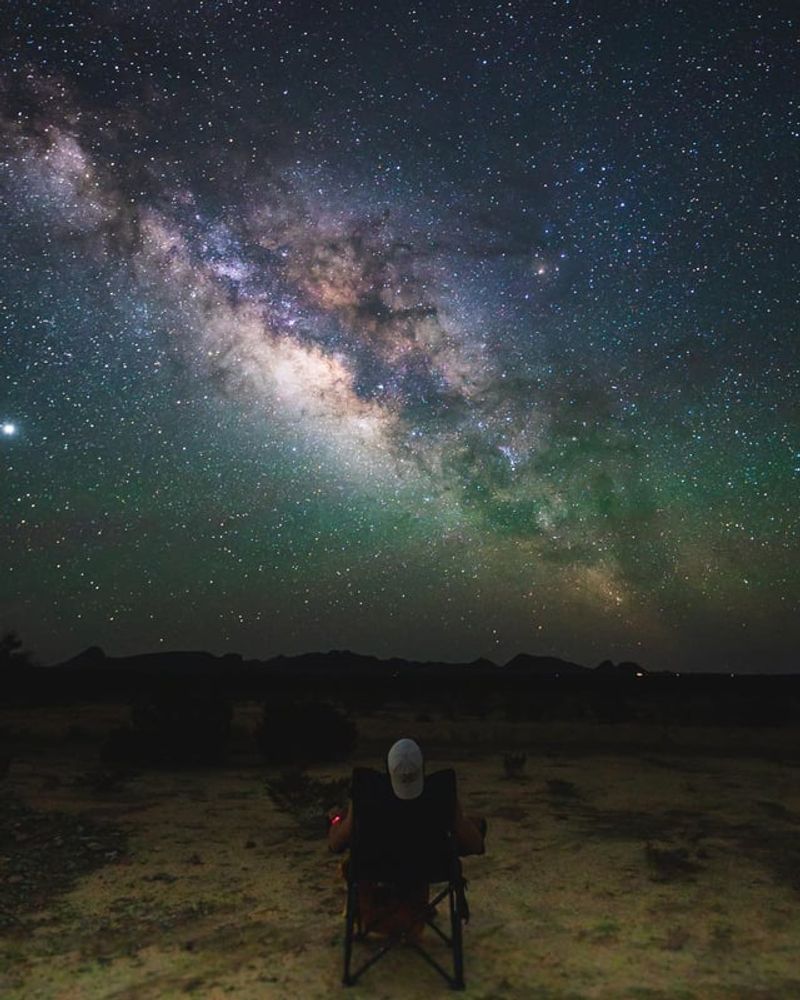
Light pollution? Terlingua doesn’t know the meaning. Situated in one of the darkest regions of the continental United States, this ghost town offers stargazing that will fundamentally change how you view the night sky.
The Milky Way appears as a luminous river overhead, and on moonless nights, you can see thousands of stars with your naked eye. Bring binoculars or a telescope, and you’ll lose hours exploring nebulae, star clusters, and distant galaxies.
The International Dark-Sky Association has recognized nearby Big Bend National Park as a Dark Sky Park, and Terlingua shares that pristine celestial view. Astronomers and astrophotographers make pilgrimages here specifically for the observing conditions. You don’t need expensive equipment to appreciate it, though.
Just step outside after sunset, let your eyes adjust, and prepare to feel very small in the best possible way.
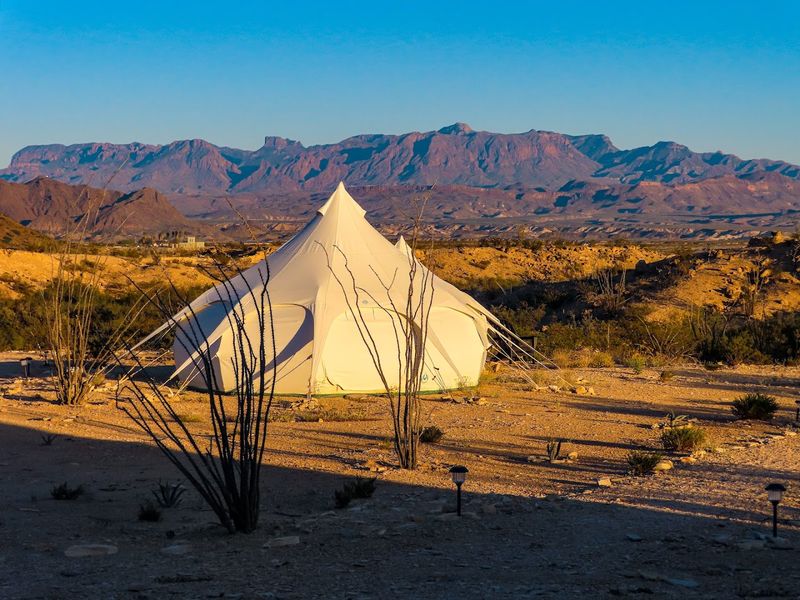
Local businesses have embraced the stargazing culture. Some accommodations deliberately avoid outdoor lighting, and evening activities often pause so visitors can appreciate the night sky. Rangers occasionally host astronomy programs at nearby Big Bend, but Terlingua’s remoteness means you can enjoy private cosmic shows without crowds or schedules.
The silence amplifies the experience—no traffic noise, no sirens, just wind and coyotes and infinite space.
Meteor showers become spectacular events here. During peak viewing periods like the Perseids in August or Geminids in December, shooting stars streak across the sky with stunning frequency. Photographing the night sky requires some technical knowledge, but even smartphone cameras can capture impressive images with the right settings and a steady hand.
5. Annual Chili Cook-Off That Draws Thousands
Every November, Terlingua’s population explodes as thousands of chili enthusiasts descend for the Terlingua International Chili Championship. What started in 1967 as a publicity stunt has evolved into one of Texas’ most beloved culinary competitions. Actually, there are now two competing cook-offs due to a legendary feud, but both happen simultaneously and both attract serious competitors and spectators who just want to party in the desert.
The atmosphere resembles a combination music festival, tailgate party, and Old West gathering. Competitors set up elaborate camps complete with themed decorations, sound systems, and full bars. Some teams return year after year, creating mini-traditions within the larger event.
Judging happens with appropriate seriousness, but the surrounding festivities embrace pure chaos in the best way possible. Live bands perform, vendors sell everything from handmade jewelry to hot sauce, and the beer flows freely.
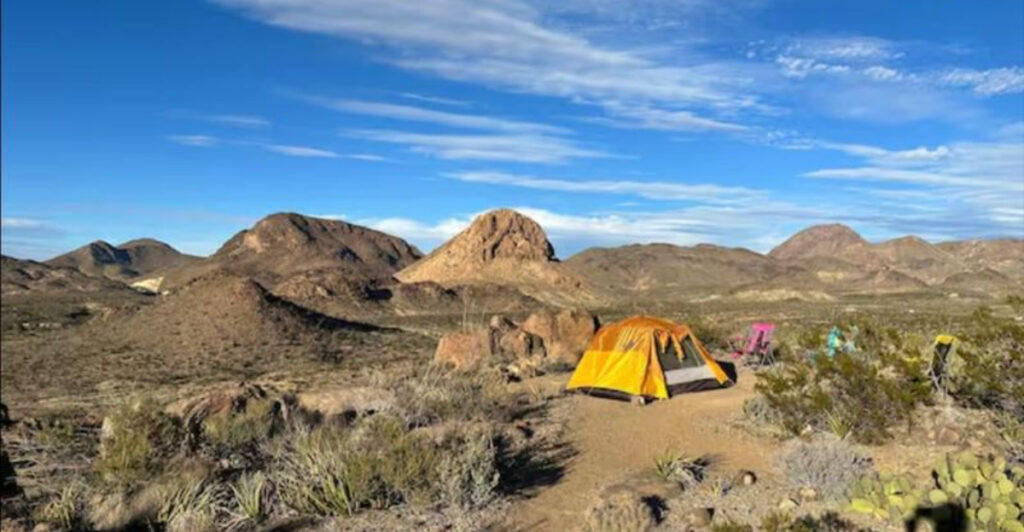
Attending the cook-off requires planning. Accommodations within 50 miles book solid months in advance, so many visitors camp on public land or in RVs. Temperatures can swing dramatically between warm afternoons and chilly nights.
Dust becomes a fact of life, coating everything and everyone. Yet these minor discomforts become part of the experience, bonding strangers through shared adventure.
The chili itself ranges from traditional Texas red to experimental fusion creations. Tasting opportunities abound if you know the right people, though official judging remains restricted to certified judges. Winners earn bragging rights and a place in chili history.
For one weekend each year, Terlingua transforms from ghost town to boomtown, proving that even the smallest communities can host legendary gatherings.
6. Terlingua Cemetery’s Quirky Character
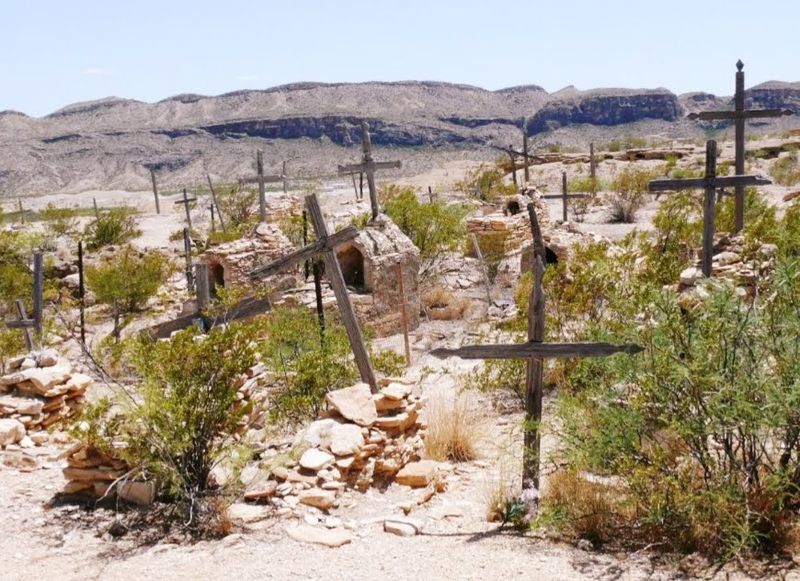
Most cemeteries evoke solemnity and quiet reflection. Terlingua’s graveyard offers something different—a celebration of individualism that perfectly captures the town’s spirit. Graves range from simple wooden crosses to elaborate folk art installations covered in beer bottles, wind chimes, and personal mementos.
Some headstones feature witty epitaphs or inside jokes. It’s simultaneously respectful and irreverent, honoring the dead while acknowledging that life shouldn’t be taken too seriously.
The cemetery sits on a hillside overlooking the Chisos Mountains, providing stunning views that make it a popular spot for both contemplation and photography. Many graves belong to miners who died during Terlingua’s boom years, their stories largely forgotten except for names and dates carved in weathered stone. Others commemorate more recent residents who chose to spend eternity in this remote corner of Texas.
What strikes visitors most is the personal touches scattered throughout. Someone regularly leaves fresh flowers on certain graves. Painted rocks bearing messages of love appear periodically.
During Day of the Dead celebrations, the cemetery transforms into a vibrant tribute with candles, marigolds, and offerings that honor both Mexican and American traditions. The boundary between life and death feels thinner here, less frightening and more natural.
Wandering among the graves at sunset has become a Terlingua ritual for many visitors. The fading light paints the desert in shades of gold and purple while shadows lengthen across the hillside. It’s a moment to reflect on mortality, community, and the people who built this improbable town in such an unforgiving landscape.
Death comes for everyone eventually, but Terlingua’s cemetery suggests we can face it with creativity and humor.
7. Extreme Desert Climate You’ll Feel
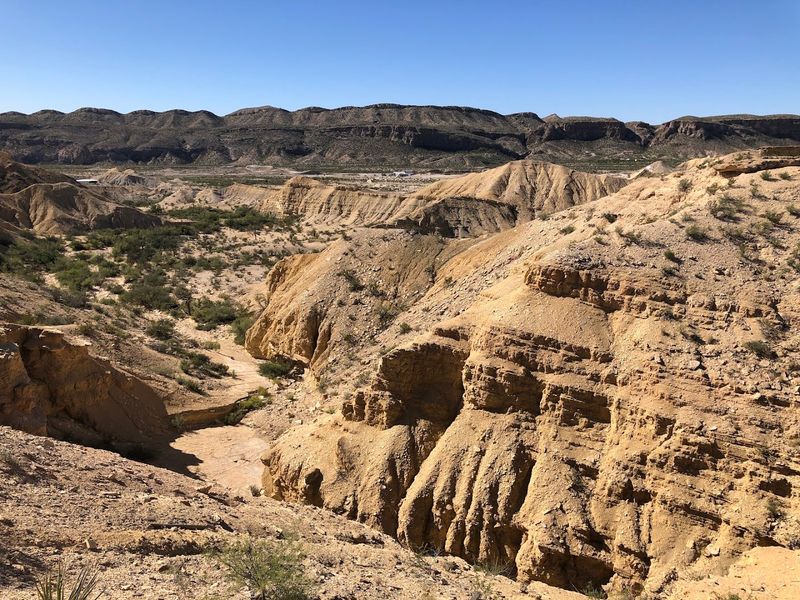
Terlingua sits in the Chihuahuan Desert, and that location dictates everything about daily life. Summer temperatures regularly exceed 100 degrees Fahrenheit, turning midday into a test of endurance. The sun feels aggressive, beating down with an intensity that demands respect.
Shade becomes precious, and locals adjust their schedules to avoid peak heat hours. Air conditioning isn’t universal in older buildings, so many residents simply embrace the warmth as part of the experience.
Winter offers relief but brings its own challenges. Nighttime temperatures can drop below freezing, and the occasional cold front sweeps through with surprising force. Desert plants might look dead but they’re just dormant, conserving energy until spring rains trigger brief explosions of wildflowers.
The temperature swings between day and night can span 40 degrees or more, requiring layers and adaptability.
Rainfall averages less than 12 inches annually, and drought is the default condition. When rain does arrive, it often comes as violent thunderstorms that transform dry washes into dangerous flash floods within minutes. The desert smells different after rain—a earthy, almost sweet scent called petrichor that locals treasure.
Humidity remains low year-round, which means sweat evaporates quickly but dehydration sneaks up on the unprepared.
Wind is another constant companion. Dust devils spin across open ground, and sustained winds can sandblast exposed skin. Everything gets coated in fine desert dust that infiltrates even sealed containers.
Yet these harsh conditions create the landscape’s stark beauty—the clarity of light, the dramatic cloud formations, the resilience of life adapted to extremes. Terlingua’s climate isn’t for everyone, but it filters out those seeking comfort over character.
8. Proximity to Big Bend National Park
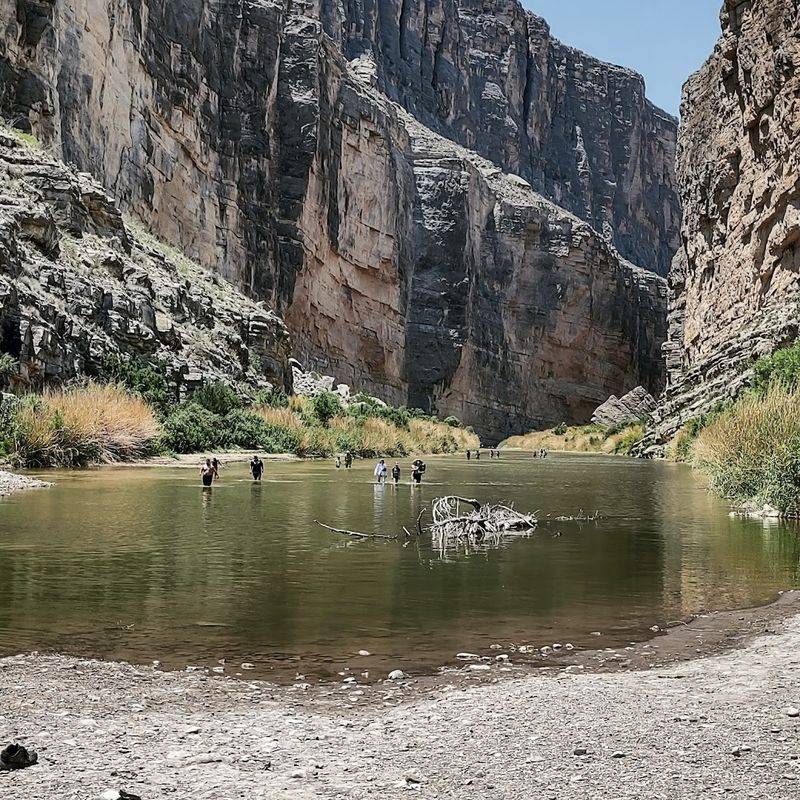
Big Bend National Park’s western entrance sits roughly 30 miles from Terlingua, making the ghost town an ideal base camp for exploring one of America’s most remote and spectacular national parks. The 800,000-acre park encompasses desert, mountains, and river ecosystems with hiking trails ranging from easy nature walks to challenging backcountry routes. Terlingua offers the nearest services and accommodations outside the park, plus a more authentic atmosphere than typical gateway communities.
Many visitors follow a rhythm of spending days adventuring in Big Bend and evenings recovering in Terlingua. After hiking the Window Trail or soaking in hot springs along the Rio Grande, returning to the Starlight Theatre for dinner and drinks feels earned. The ghost town provides just enough civilization—cold beverages, hot showers, human conversation—without overwhelming the wilderness experience.
You can maintain your connection to the desert while enjoying basic comforts.
The park showcases geological drama on a massive scale. The Chisos Mountains rise from the desert floor like islands, harboring unique ecosystems found nowhere else in Texas. Santa Elena Canyon features 1,500-foot limestone cliffs that dwarf visitors hiking along the river.
Wildlife includes black bears, mountain lions, and over 450 bird species. The landscape feels ancient and untouched, a reminder of what much of the American West looked like before development.
Terlingua’s location also provides access to Big Bend Ranch State Park and various river outfitters offering rafting trips through remote canyons. Day trips to Mexico are possible through nearby Boquillas crossing. Essentially, Terlingua serves as your launching point for endless desert adventures, then welcomes you back each evening with cold beer and good company under impossible stars.
Share this story