Affordable living can look very different in a Michigan town once more people discover it. Across the state, communities once known for attainable starter homes, modest lake cottages, and manageable everyday costs have seen prices climb as demand, vacation rentals, remote work, and outside buyers reshape local markets.
The appeal of these places has not disappeared, but finding value can take more patience and a sharper eye than it did years ago. Some changes are especially noticeable in popular waterfront and getaway destinations.
For anyone wondering where Michigan affordability has shifted the most, these communities show just how much the definition of a budget-friendly hometown can change.
1. Marquette: Lake Superior Views, Downstate Prices
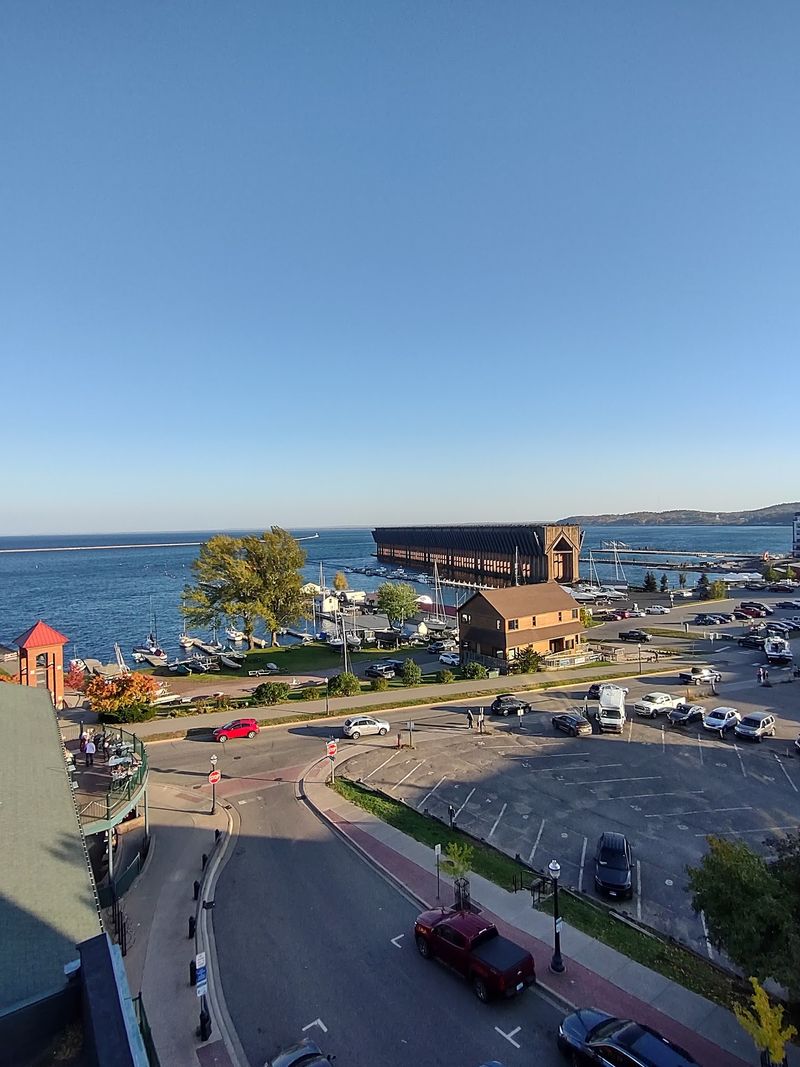
Ask anyone who moved to Marquette fifteen years ago what they paid for a starter home, and the number might sound made up. The biggest city in the Upper Peninsula was once a place where a teacher or nurse could buy near Lake Superior without losing sleep.
That picture has shifted.
Remote work played a huge role. Once people realized they could keep a downstate or out-of-state paycheck while living near mountain bike trails and ski hills, Marquette jumped onto a lot of wish lists.
More buyers chasing a small supply of homes pushed prices up fast.
Northern Michigan University adds another layer. Students need places to rent, and landlords know it, so apartments close to campus and downtown tend to stay pricey.
If you are a young worker trying to rent on a local wage, you may find yourself competing with college roommates splitting the bill four ways.
Short-term rentals also get a lot of the blame. Some homes that once housed year-round families now host weekend visitors hiking Sugarloaf Mountain or watching waves crash at Presque Isle Park.
Still, Marquette has not turned into a luxury-only zone. You can find better deals by looking at nearby towns, older homes that need some work, or neighborhoods a bit farther from the lake.
Being flexible about square footage helps too.
Daily costs deserve a look before you move. Winter heating bills can surprise newcomers, since snow season here runs long and serious.
The smart move is to visit in February, not just July. Walk the neighborhoods, check real rental listings, and talk to people at a coffee shop downtown about what they actually pay.
A summer trip will sell you on the lake, but a winter trip tells you the full price.
2. Royal Oak: The Bungalow Suburb That Got Busy
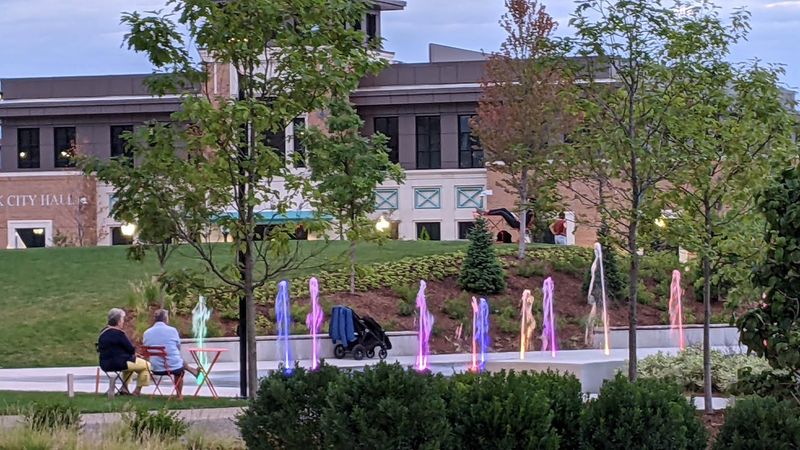
Friday night on Main Street in Royal Oak tells you most of what you need to know. Restaurants are packed, the Woodward Dream Cruise crowd shows up every August, and young professionals seem to be everywhere.
That energy is exactly why the price tags climbed.
For decades, Royal Oak was a solid, middle-class suburb just north of Detroit. Brick bungalows and small colonials lined quiet streets, and first-time buyers could get in without a huge salary.
Many of those same homes now sell for far more than their original owners ever imagined.
Location is a big driver. You are close to downtown Detroit, Birmingham, and major highways.
Add the Detroit Zoo, walkable shopping, and a lively bar scene, and demand stays strong.
Teardowns are another sign of change. On some blocks, older small homes get knocked down and replaced with much larger new builds.
That can push up values for the whole street, which is great for sellers but tough for anyone trying to buy their first place.
Renting is not always an easy escape either. Downtown apartments and newer condo buildings often come with premium rents because of the walkability.
You pay for the chance to skip the car on a Saturday night.
So what can you do if Royal Oak is still your goal? Look at the edges of town, where homes may be a bit older or farther from the action.
Nearby communities like Ferndale, Madison Heights, or Clawson might also give you a similar vibe for less money.
Property taxes deserve attention too. Michigan’s system can cause a new owner’s tax bill to jump compared to what the last owner paid, so check that number before you fall in love with a listing.
A friendly real estate agent can walk you through the math.
3. South Haven: Blueberry Country With a Beach Premium
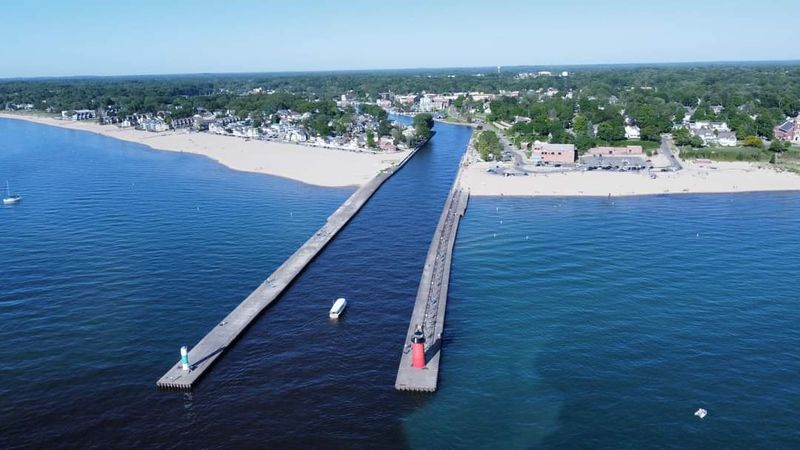
Blueberries, lighthouses, and a red pier stretching into Lake Michigan. South Haven has the kind of postcard look that makes people start browsing real estate apps on the drive home.
Plenty of them followed through, and that changed the math for locals.
Years ago, this beach town was a place where working families could own a modest cottage or ranch home a few blocks from the water. Chicago-area buyers have always visited, but the pace picked up as more people looked for second homes within a few hours’ drive.
Cottages that once changed hands quietly now attract multiple offers.
Vacation rentals play a big part in the story. When a house can earn serious money renting to summer tourists, investors are willing to pay more for it.
That leaves fewer year-round homes for the people who work in restaurants, shops, and schools.
The seasonal swing is real. Summer brings crowded beaches, busy ice cream stands, and the National Blueberry Festival, while winter gets much quieter.
If you plan to live here full time, make sure the job and shopping options fit your needs in January, not only in July.
Here’s a helpful trick. Homes a few miles inland, away from the lakeshore and downtown, often come in at lower prices.
You still get quick access to the beach without paying for a water view you might only enjoy a few months a year.
Renters face their own challenges. Long-term leases can be hard to find because some owners prefer weekly vacation bookings.
Starting your search early, especially in late winter, gives you a better shot.
Local groups and the city have talked about housing for workers, so keep an eye on new developments. Fresh apartment projects or programs could open doors that were closed a few years ago.
4. Portage: The Quiet Suburb Nobody Is Overlooking Anymore
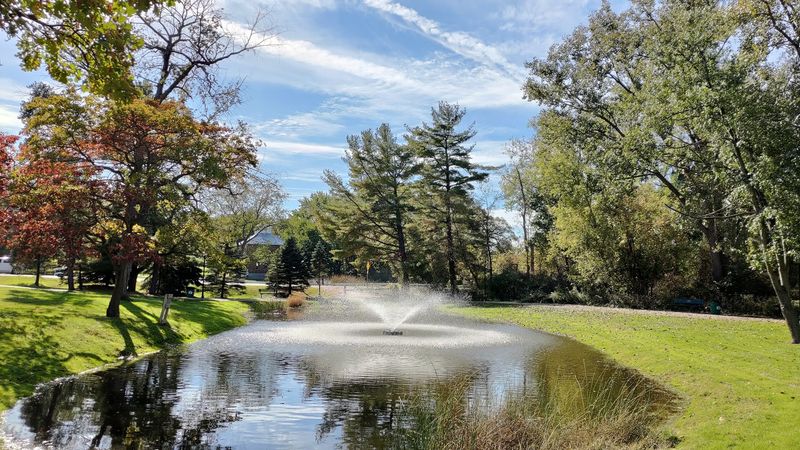
Portage rarely makes headlines, and for years that was part of its charm. The city just south of Kalamazoo offered good schools, parks, and newer subdivisions at prices that did not scare families away.
Lately, the secret has gotten out.
Jobs are a big reason. Major employers in the Kalamazoo area, including the medical and pharmaceutical industries, bring in workers with steady paychecks.
Many of them want a suburban home with a yard, and Portage checks those boxes.
Lakes add extra appeal. West Lake, Austin Lake, and others give residents places to fish, paddle, and relax without driving far.
Houses near the water now carry price tags that would have seemed wild not long ago.
Newer neighborhoods also shape the market. Much of Portage was built in recent decades, so buyers expect updated kitchens and modern layouts.
Those features cost money, and fewer bargain fixer-uppers exist here compared to older cities.
If you are shopping on a tight budget, patience matters. Condos and townhomes can offer a lower entry point than single-family houses.
Older ranch homes in established parts of town may also give you more space for the money, even if they need a little updating.
Keep commute and taxes in mind. Portage sits close to I-94 and US-131, which makes getting around easy, but school millages and local taxes can add to your monthly payment.
Ask for the full cost of ownership, not just the list price.
Renters might look toward Kalamazoo, where apartment options are wider and sometimes cheaper. You could live there for a year, learn the area, and save up before buying in Portage.
Plenty of families take that route.
Biking the city’s trail system is a free, low-pressure way to scope out neighborhoods and find your favorite street.
5. Traverse City: Cherry Capital, Premium Price Tag
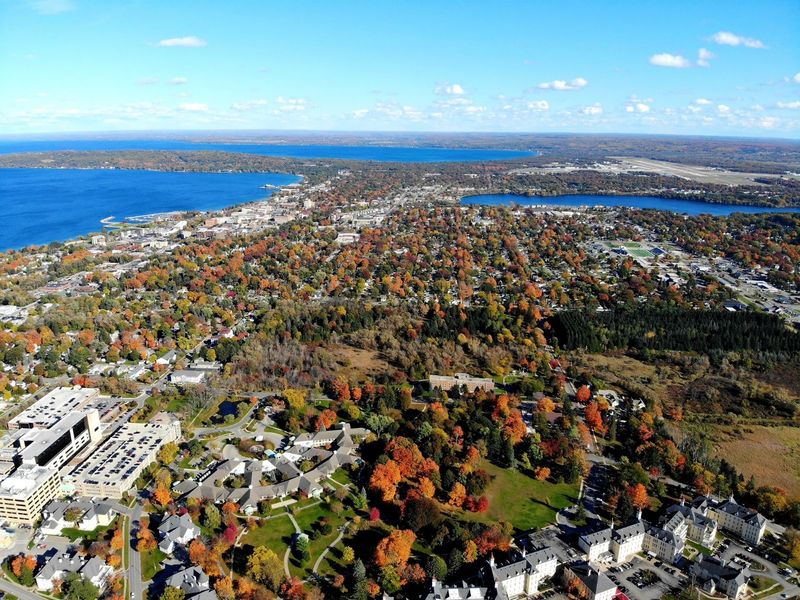
Cherries made Traverse City famous. Tourism, wineries, and a booming food scene made it expensive.
Somewhere between those two chapters, the town that once seemed within reach for regular workers became one of the priciest spots up north.
Walk down Front Street on a summer afternoon and you will see why. Boutiques, breweries, and busy restaurants line the sidewalks, and Grand Traverse Bay sparkles just a few blocks away.
Sleeping Bear Dunes and the Old Mission Peninsula sit close enough for day trips.
Demand comes from many directions at once. Retirees want a scenic place to settle, remote workers want lake access, and investors want vacation rentals.
With only so much land near the water, prices climb and stay high.
The people who keep the city running often feel the squeeze most. Servers, hotel staff, and healthcare workers have struggled to find homes they can afford close to their jobs.
Local leaders and nonprofits have worked on housing solutions.
You do have options. Towns such as Kingsley, Interlochen, or Williamsburg may offer lower prices while keeping you within driving distance.
The trade-off is a longer commute, especially when winter roads get slick.
Timing your search can help too. Summer is peak season for both tourists and home shoppers, so fall and winter may bring less competition.
Sellers are sometimes more open to negotiating when the crowds disappear.
Renters should expect a tight market. Setting up alerts on rental websites, networking with locals, and checking community boards can help you find openings before they vanish.
Some people start with a shared rental and move up once they learn the neighborhoods.
6. Rockford: From Shoe Town to Sought-After Address
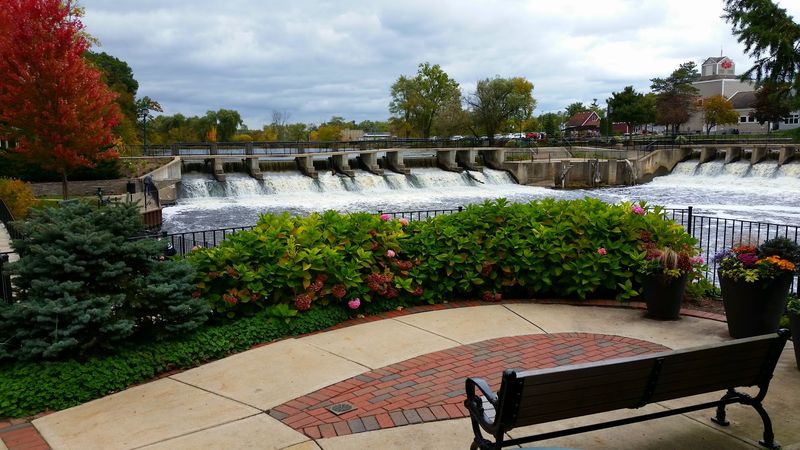
Picture a small downtown where the Rogue River rolls past a dam, kids toss bread to ducks, and a walking trail runs right through the middle of it all. That is Rockford on a regular Saturday.
No wonder families from all over West Michigan started hunting for homes here.
Rockford once had a humble reputation as a mill and shoe town. Wolverine World Wide still calls the area home, and the downtown keeps an old-school charm.
But what used to be a practical, affordable option north of Grand Rapids has become a sought-after address.
Schools are a major draw. Families often move specifically for the district, and that steady demand keeps home values climbing.
Newer subdivisions around town tend to sell quickly.
The White Pine Trail is another perk. You can bike or walk for miles on this converted rail line, and it connects Rockford to other communities.
Houses close to the trail and downtown tend to carry a premium.
So how do you find value? Look at older homes on the edges of town or in nearby townships like Plainfield or Algoma.
Smaller homes with good bones can be a smart pick if you are willing to paint, patch, and update over time.
Renting can also be a tricky piece. Rockford is not packed with big apartment complexes, so choices are limited.
Expanding your search to the north side of Grand Rapids might give you more options while you wait for the right house.
Before buying, think about your commute and your lifestyle. Rockford is close to the city but still has a small-town pace.
If that mix appeals to you, the higher price may make sense, but go in with a firm budget so bidding wars do not push you past your limit.
7. Charlevoix: Mushroom Houses and Million-Dollar Views
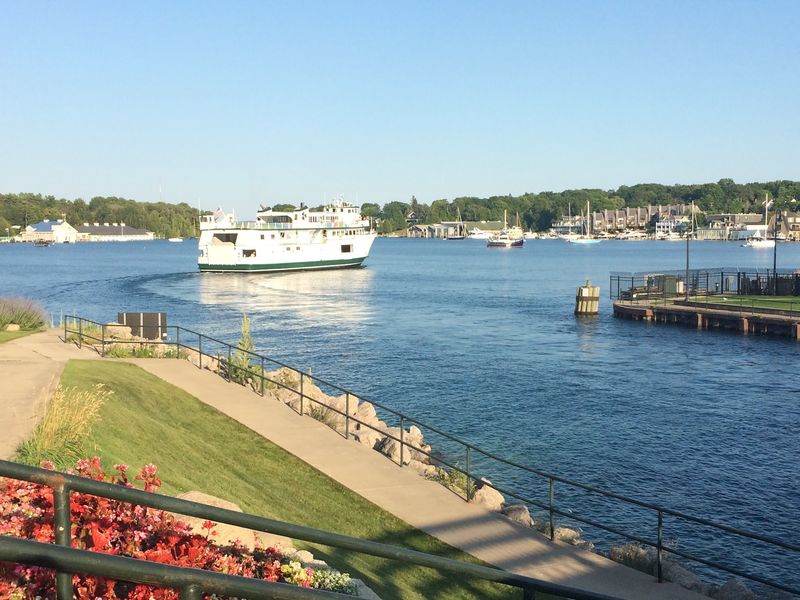
Mushroom houses. Seriously.
Charlevoix is known for its quirky Earl Young stone homes, which look like something out of a storybook, and they have become a symbol of just how special and pricey this town has become.
Charlevoix sits between Lake Michigan and Lake Charlevoix, with Round Lake right in the middle of downtown. Sailboats and yachts drift through the channel as the drawbridge opens on schedule.
It is beautiful, and beauty tends to come with a cost.
Wealthy summer families have visited this area for generations, so it has always had a fancy side. What changed is how far that trend spread.
Homes that were once owned by year-round residents, like mechanics and shop owners, now often become seasonal getaways or high-end rentals.
The result is a town that can look full in July and surprisingly quiet in February. When many houses sit empty in winter, schools, businesses, and local services feel the pinch.
Fewer year-round residents also means fewer people to fill local jobs.
If you want to live here, think about your budget carefully. Condos and older homes farther from the water may give you a better chance.
Nearby towns such as Boyne City or East Jordan could offer more reasonable prices while keeping you close to Lake Charlevoix.
Working locally takes planning too. Many jobs are seasonal, tied to tourism, marinas, and restaurants.
Make sure you have a steady year-round income source before you move, or you may end up stretched thin during the slow months.
Here is a fun fact to share: Earl Young built his unusual stone houses without formal architectural training. Many sit in a small area near downtown, and you can take a self-guided walk to see them.
Just remember that people live there, so admire from the sidewalk.
8. Grand Rapids: Beer City Grew Up Fast
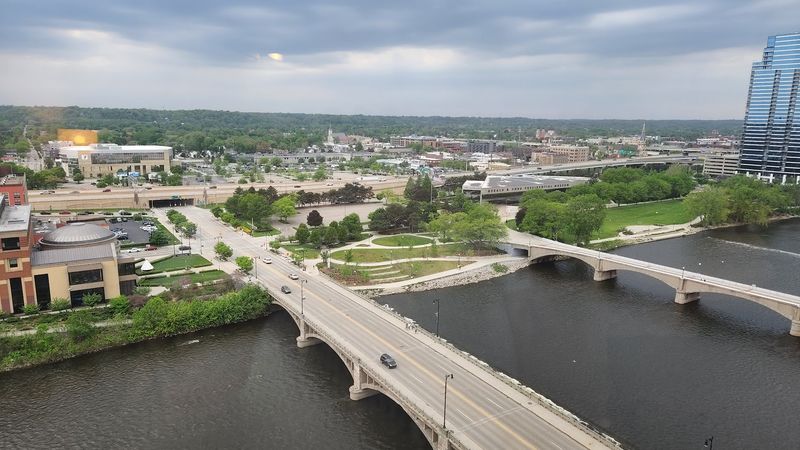
Beer City USA earned its nickname, but breweries are only one part of the Grand Rapids glow-up. Over the past couple of decades, the city has added new buildings, medical campuses, and neighborhoods full of coffee shops and murals.
All that growth came with rising costs.
Not long ago, Grand Rapids was one of those places people called a great value. You could buy a sturdy older home for a reasonable price and still live close to downtown.
Neighborhoods like Eastown, East Hills, and the West Side have seen values climb sharply since then.
Jobs are a major magnet. Healthcare, manufacturing, and furniture design all have deep roots here, and the Medical Mile along Michigan Street has brought in many workers.
More workers need more homes, and supply has not always kept up.
ArtPrize and a strong food scene have also helped put the city on the map. When a place starts showing up on best-places-to-live lists, outside buyers notice.
Some neighborhoods that were overlooked years ago now attract bidding wars.
Rent has followed the same path. New apartment towers downtown often charge premium prices, while older rentals in popular areas have also crept upward.
If you are renting, compare neighborhoods carefully, because a few miles can make a big difference.
Budget-friendly options still exist. Suburbs like Wyoming, Kentwood, and Walker can offer more space for the money.
Inside the city, areas a bit farther from trendy business districts may still hold some value, especially if you are open to an older home.
Keep an eye on changes in your target neighborhood. Longtime residents in some parts of town have voiced concerns about rising costs pushing them out.
Being a respectful newcomer, shopping at local businesses, and learning the history of the area goes a long way.
9. Ludington: Where the Badger Brings New Neighbors

Every summer, the S.S. Badger steams into Ludington’s harbor, carrying cars and passengers across Lake Michigan from Wisconsin.
That old coal-fired ferry is a big part of the town’s personality. Lately, more of those passengers are coming back to stay for good.
Ludington used to be a quiet, low-cost lakeshore town where retirees and working families could settle without stretching their savings. The beaches were busy in summer, but home prices stayed fairly gentle.
That balance has tipped as more buyers discovered the area.
Ludington State Park is one big reason. Dunes, trails, and the Big Sable Point Lighthouse attract outdoor lovers from across the Midwest.
When people fall for a place on vacation, some start browsing for cottages before they even pack up.
House prices near Stearns Park Beach and downtown have risen noticeably. Vacation rentals have also grown, which takes some homes off the market for long-term renters.
Locals who work at restaurants or local shops may find it harder to live close to their jobs.
Good news: Ludington still tends to cost less than some flashier lakeshore towns farther north. If you are flexible, you can find homes a few miles away in areas like Scottville or around Hamlin Lake.
Those spots may give you more room for your budget.
Winter is a key test. The town slows down after tourist season, and some businesses cut hours or close for a while.
Make sure you are comfortable with that rhythm before you make a move.
Renters should start early and be ready to act quickly. Listings for long-term leases can disappear fast, especially before summer.
Checking local Facebook groups or community boards may help you find something before it hits bigger websites.
10. Ann Arbor: Tree Town, Top-Dollar Rent
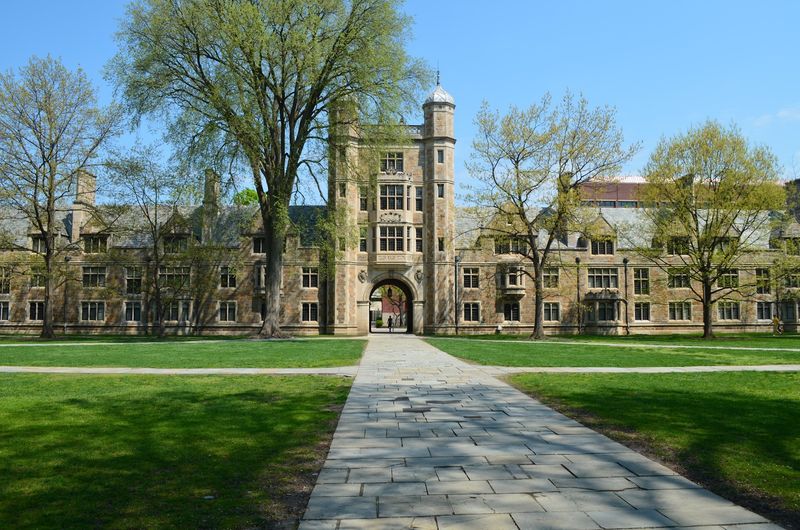
Tree Town has a reputation for being smart, leafy, and full of maize-and-blue pride. It also has a reputation for being one of the most expensive places to live in Michigan.
Both are well earned.
The University of Michigan sits at the center of everything. With so many students, faculty, and hospital staff, demand for housing never really takes a break.
Homes near campus and downtown often sell fast, and rents stay high year after year.
Things were not always this intense. Longtime residents remember when grad students could rent a whole house with a couple of friends and still have money for pizza.
Today, many students squeeze into shared apartments with price tags that would make their parents gasp.
Tech companies and startups have added fuel to the fire. Well-paid workers moving in for these jobs compete with families and students for a limited number of homes.
Newer high-rise apartments downtown help, but they usually come with premium rents.
The city has pushed for more housing, and you will hear plenty of debate about zoning and density at local meetings. Those changes take time, though, and prices have not suddenly dropped.
Planning ahead is your best friend here.
Want to save? Consider nearby towns such as Ypsilanti, Saline, or Dexter.
Ypsilanti in particular has its own university, Eastern Michigan, plus a lively downtown and more modest prices, and it is just a short drive or bus ride away.
If you are renting, begin your search early. Leases near campus often get signed months in advance.
Waiting until summer could leave you with slim choices.
One perk costs nothing at all. Places like Nichols Arboretum and the Kerrytown farmers market are open to everyone.
Enjoy them while you figure out where your budget lands.
11. Negaunee: Marquette’s Neighbor Feels the Spillover
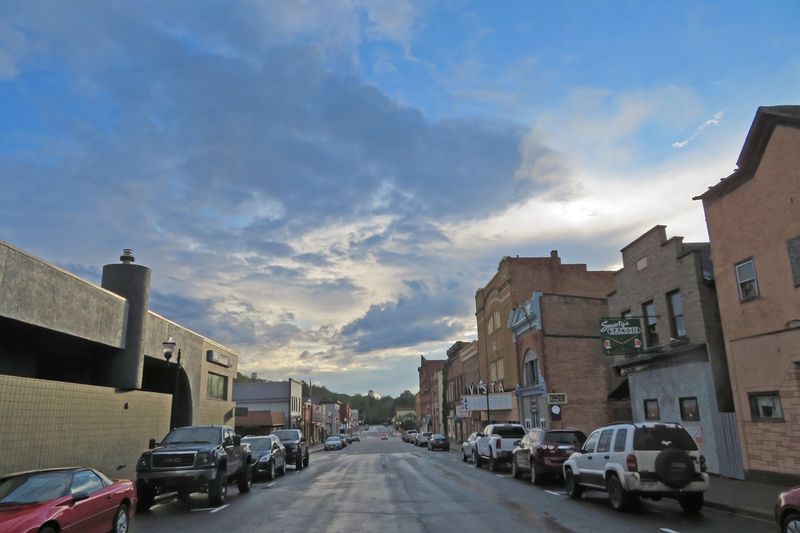
Iron built Negaunee. Miners dug deep into the hills around this Upper Peninsula town, and some old mine areas were so unstable that parts of the original town were eventually closed off.
Today, those grounds are part of the local story, and the town is writing a new chapter.
For a long time, Negaunee was known as a budget-friendly option. Just a few miles west of Marquette, it offered older homes at prices that seemed almost too good to believe.
Many buyers who got priced out of Marquette started looking here instead.
That spillover effect is a big deal. When a neighboring city gets expensive, buyers go looking one town over, and Negaunee has felt that push.
Homes that once sat on the market for months can now sell much faster.
Outdoor access is a huge selling point. Trails for mountain biking, snowshoeing, and hiking are close by, and the Iron Ore Heritage Trail links the area to nearby towns.
The U.S. National Ski Hall of Fame in neighboring Ishpeming adds to the region’s winter sports pride.
Even with rising prices, Negaunee often costs less than Marquette. If you are handy, older homes with character can be a smart choice.
Just budget for things like roof repairs, insulation, and heating upgrades, because U.P. winters test every house.
Jobs are worth thinking through. Mining still plays a role in the region, along with healthcare and education in the Marquette area.
Having a steady plan for income before you move will save you a lot of stress.
Renters may find fewer choices than in larger cities. Networking with locals and checking community groups online can help you find a place.
Once you land somewhere, a pasty from a local shop makes a pretty great welcome meal.
12. Holland: More Than Tulips Are Blooming Here
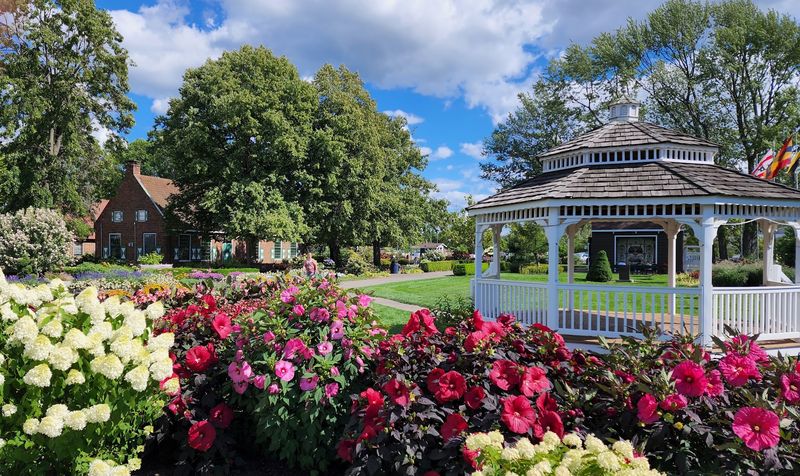
Tulips get all the attention. Every May, Holland bursts with color during Tulip Time, with parades, wooden shoes, and Dutch dancers in the streets.
But the real story behind the festival crowds is how this town went from comfortable to competitive.
Holland has long been a family-friendly place with strong churches, good schools, and steady manufacturing jobs. For years, buyers could find a solid home without breaking the bank.
Rising demand has changed that, especially near downtown and the lakeshore.
The downtown itself is a big draw. Eighth Street has heated sidewalks that melt snow in winter, so shops and restaurants stay busy year round.
Add Hope College, Windmill Island Gardens, and the famous Big Red Lighthouse, and it is easy to see why so many people want to live here.
Lake Macatawa and Lake Michigan beaches raise prices even more. Homes near the water or in popular neighborhoods can sell quickly, sometimes with several offers.
First-time buyers often find themselves outbid by people with more cash to spend.
Local employers keep hiring, which is good for the economy but tough on the housing supply. More workers mean more people competing for the same starter homes.
Rents in newer complexes have climbed as well.
Try looking at nearby areas like Zeeland or Hudsonville. These communities may offer a bit more house for your money while keeping you close to Holland’s shops and beaches.
A short drive can make a noticeable difference in price.
If you want to be in town, consider older homes that need a little love. A fresh coat of paint and some new flooring can go a long way.
Keep your eyes open during the off-season, since spring and summer tend to bring the heaviest competition.
13. Petoskey: Fossils Are Easier to Find Than Deals
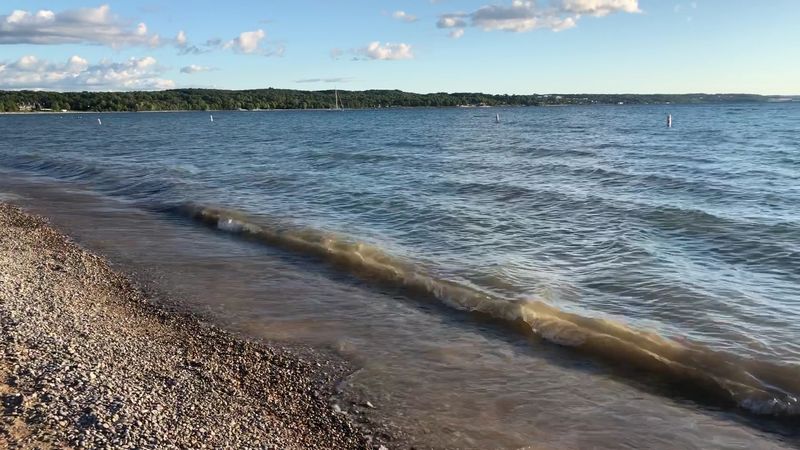
Hunt along the beach at Petoskey State Park and you might find a Petoskey stone, the fossilized coral that is also Michigan’s state stone. Locals love showing off their finds.
Finding an affordable home here, on the other hand, is much harder than spotting fossils in the sand.
Petoskey sits on Little Traverse Bay, with a historic downtown called the Gaslight District. Ernest Hemingway spent summers in the area as a young man, and the town still carries that classic northern charm.
That charm draws buyers who are willing to pay top dollar.
Seasonal homeowners are a big factor. Many people buy here as a second home, which means they can often outbid year-round families.
Houses with bay views or close to downtown can come with eye-popping prices.
Workers in local hospitals, schools, and shops often feel the squeeze. Some commute from farther away because they cannot find housing they can afford nearby.
Community groups have talked a lot about adding more workforce housing, so watch for new projects.
Winter gives Petoskey another boost. Nearby ski hills like Nub’s Nob bring people up north even when the lake is frozen.
That year-round appeal keeps demand from dropping off after summer.
Looking for a better deal? Consider smaller communities like Alanson or Pellston, which may give you lower prices and a manageable drive into town.
Older homes or condos in Petoskey itself can also be a smart entry point.
Timing matters. Late fall and early spring, when tourism is slower, may give you more room to negotiate.
Being preapproved for a loan also helps you move fast when the right place pops up.
Bring a bucket when you visit. Petoskey stones are easiest to spot when wet, so dip them in the water to see the pattern appear.
14. Grand Haven: Coast Guard City Costs More Now
At dusk in summer, crowds gather along the Grand River to watch the Musical Fountain light up and dance to music. Grand Haven has long been a favorite spot for families looking for a friendly lakeshore town.
Today, those same families are often shocked by what a house costs.
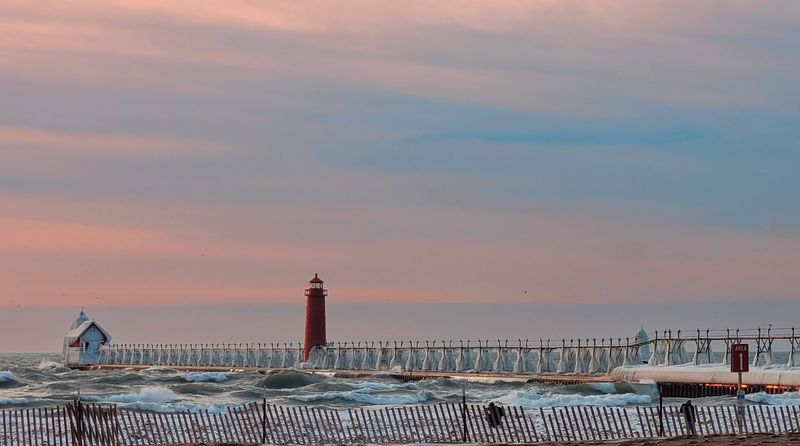
The town’s red lighthouse and long pier are some of the most photographed sights on Lake Michigan. Add a busy downtown, a boardwalk, and wide sandy beaches, and demand makes plenty of sense.
More demand, of course, means higher prices.
For years, Grand Haven was a place where factory workers, teachers, and small business owners could buy near the water. That gets harder every year.
Beach cottages that once sold for modest amounts have become prized second homes and vacation rentals.
The Coast Guard Festival brings huge crowds every summer, and the town proudly calls itself Coast Guard City, USA. Those big events help local businesses thrive, but they also highlight how busy and popular the area has become.
Short-term rentals near the beach can fill up fast during festival week.
Budget-conscious buyers often look inland, toward places like Robinson Township or the outer parts of Grand Haven Township. You can get more space without losing easy beach access.
Even a few extra miles can shift the price in your favor.
Renters should plan for competition. Year-round leases are harder to find in beach towns, and Grand Haven is no exception.
Start early and be ready with references and a deposit.
Winter brings a different pace, with fewer tourists and a quieter downtown. Watching ice coat the lighthouse is a local favorite, but stay off the pier when waves and ice get rough.
Seeing the town in the off-season helps you decide if it suits your lifestyle all year.
15. Saugatuck: The Art Colony With a Luxury Twist
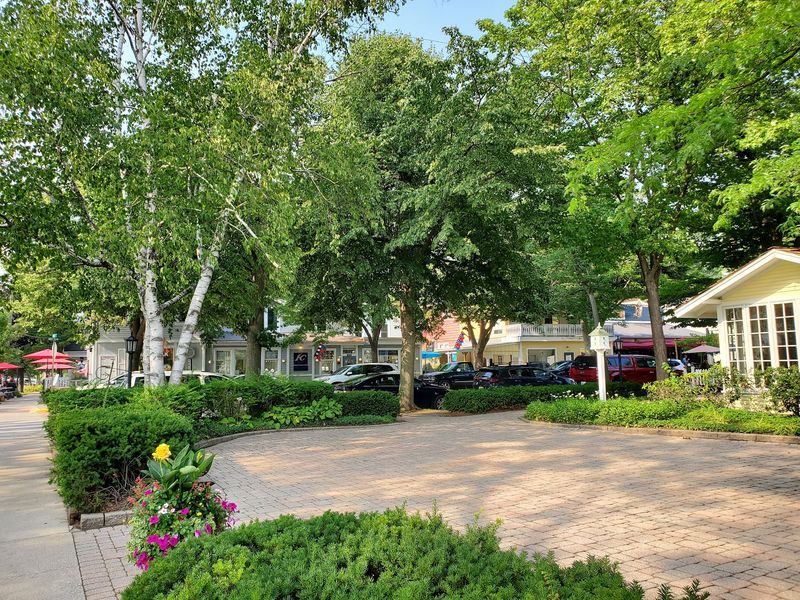
Artists found Saugatuck first. The Ox-Bow School of Art has been drawing painters to the area for over a century, and galleries still line the streets.
Somewhere along the way, the art colony turned into one of Michigan’s priciest small towns.
Saugatuck and its neighbor Douglas sit along the Kalamazoo River near Lake Michigan. You can ride the hand-cranked chain ferry, climb the stairs at Mount Baldhead, or relax at Oval Beach. Those experiences attract visitors from Chicago, Grand Rapids, and beyond.
When visitors fall for a small town, many want a piece of it. Second-home buyers and vacation rental investors have scooped up a lot of the housing.
That leaves slim pickings for workers who keep the restaurants, inns, and shops running.
Home prices here can surprise even people used to lakeshore markets. Small cottages near downtown often carry big numbers, and inventory is tight. If you are hoping for a bargain in the heart of town, you will need patience.
The seasonal shift is dramatic. Summer is crowded and lively, while winter is calm, with some businesses closing or cutting back hours.
Living here full time means getting comfortable with both sides of the calendar. Want to be nearby without the steepest price? Look at Fennville, a farm town known for its orchards and fall harvest. You might also consider Holland, which is a short drive away and has a larger housing market.
Renters face a tough market too. Many owners prefer summer rentals, so long-term leases may be rare. Checking early and asking around at local businesses might lead you to options that never make it online.
Share this story