Sometimes the noise of everyday life becomes overwhelming. Traffic, work deadlines, constant notifications, and endless to-do lists can leave anyone craving silence and solitude. Texas might be known for its big cities and bustling energy, but hidden throughout the state are peaceful retreats where you can disconnect, breathe deeply, and find the calm you desperately need.
1. Caddo Lake State Park (Karnack)
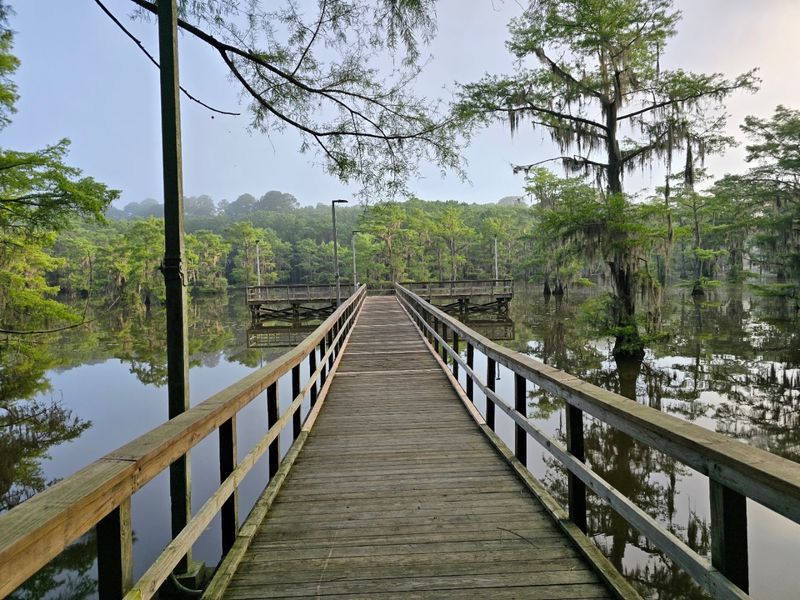
Cypress trees draped in Spanish moss rise from dark, mysterious waters, creating a landscape that feels more Louisiana bayou than typical Texas. This East Texas gem sits near the Louisiana border and offers a hauntingly beautiful escape where paddling through flooded forests becomes a meditation. The silence here wraps around you like a blanket, broken only by birdsong and the gentle splash of your paddle.
Renting a canoe or kayak is the best way to explore the maze of waterways winding through ancient bald cypress stands. Some trees here are over 400 years old, their massive trunks and knobby knees creating natural sculptures in the water. Getting lost among these channels feels intentional rather than accidental—each turn reveals another quiet cove or shaded passage.
Wildlife watching happens without effort at Caddo Lake. Alligators sunbathe on logs, great blue herons stalk the shallows, and turtles plop into the water as you glide past. The ecosystem thrives in this protected wetland, making every visit feel like stepping into a nature documentary where you’re the only viewer.
Camping facilities provide overnight options for those wanting to extend their retreat. Screened shelters and tent sites sit among the pines, offering simple accommodations that keep you close to nature. Waking up to mist rising off the lake as dawn breaks through the cypress canopy creates memories that last long after you return to regular life.
The park’s trails offer landlubbers a chance to stretch their legs, though the real magic happens on the water. Fishing enthusiasts find plenty of bass and crappie, but even non-anglers appreciate the stillness that comes with floating among reflections of sky and trees. This isn’t a place for Instagram poses or loud gatherings—it’s a sanctuary for anyone needing to remember what quiet sounds like.
2. Fort Worth Water Gardens (Fort Worth)
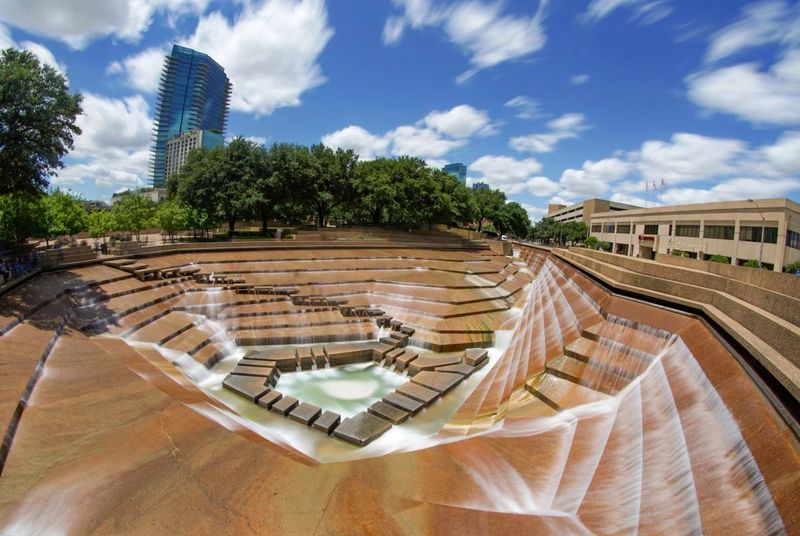
Concrete terraces cascade downward in geometric patterns, creating one of the most unexpected urban oases you’ll find anywhere in Texas. Designed by architect Philip Johnson in 1974, this downtown Fort Worth landmark transforms city noise into white noise through the constant rush of recirculating water. Business professionals escape here during lunch breaks, and stressed-out visitors discover that peace doesn’t always require driving hours into the countryside.
Three distinct pools make up the complex, each offering a different sensory experience. The Active Pool features water tumbling down stepped terraces in a 38-foot descent, creating such powerful sound that conversations become impossible—perfect for anyone wanting their thoughts drowned out temporarily. The Quiet Pool lives up to its name with still water and cypress trees providing shade and contemplation space.
The Aerating Pool sits between the two extremes, with fountains shooting water upward in constantly changing patterns. Watching the spray catch sunlight while surrounded by skyscrapers creates an interesting contrast between nature and urban development. The pools use over 1,000 gallons per minute, recycled continuously, making this an engineering marvel as much as a peaceful retreat.
Walking down into the Active Pool feels like descending into a canyon made of concrete rather than stone. Water rushes past on all sides, and the temperature drops noticeably as you reach the bottom platform. Standing there, completely surrounded by falling water, the outside world disappears entirely—no traffic sounds, no sirens, no city chaos penetrates this wet cocoon.
The gardens attract photographers, artists, and anyone seeking a moment of zen without leaving the city limits. Free admission and downtown location make this accessible to everyone, regardless of budget or schedule. Visiting during weekday mornings provides the most solitude, though even crowded afternoons offer surprising pockets of tranquility among the terraces and pools.
3. Gorman Falls at Colorado Bend State Park (Bend)
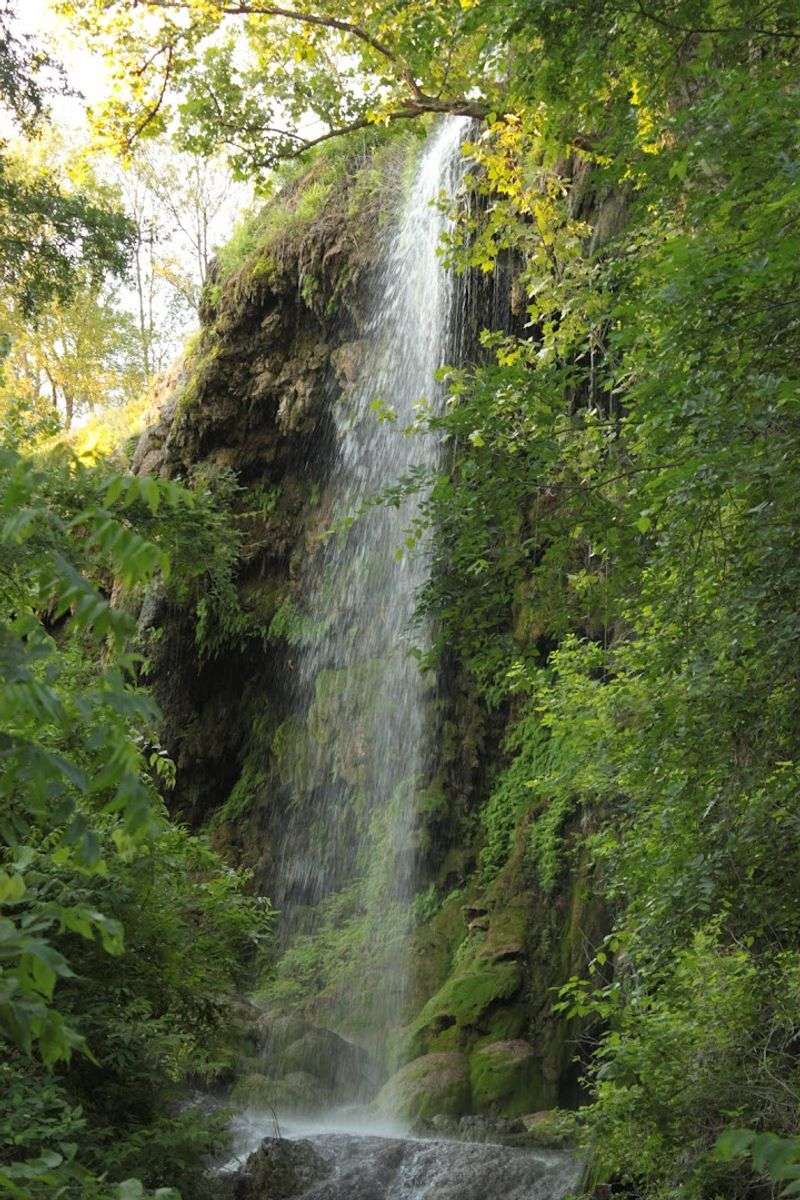
A 70-foot waterfall spilling over travertine formations draped in emerald moss and ferns seems impossible in the Texas Hill Country, yet Gorman Falls exists as proof that the state holds surprising secrets. Reaching this hidden gem requires commitment—a three-mile hike over rocky terrain that keeps casual visitors away and preserves the falls’ peaceful atmosphere. The effort pays off the moment you hear rushing water echoing through the canyon.
Travertine deposits built up over thousands of years create the terraced effect that makes Gorman Falls unique among Texas waterfalls. Mineral-rich water leaves calcium carbonate deposits that form the ledges and shelves, while moisture-loving plants thrive in the constant spray. The result looks more like a tropical rainforest than central Texas, with layers of greenery covering nearly every surface.
Guided hikes offered by park rangers provide the safest access, as the trail crosses rugged terrain and creek beds. Rangers share geological and botanical information while leading groups to the best viewpoints. The falls flow year-round, fed by springs rather than rainfall, though water volume varies with seasons—spring typically offers the most dramatic displays.
Photography enthusiasts struggle to capture the falls’ beauty adequately, but trying becomes part of the experience. Light filters through the canyon at different angles throughout the day, creating ever-changing shadows and highlights on the wet rock face. The mist rising from the base keeps everything damp and cool, providing relief during hot summer months.
Swimming isn’t allowed directly at the falls to protect the fragile ecosystem, but the Colorado River running through the park offers plenty of swimming holes. After hiking back from Gorman Falls, cooling off in the clear river water feels earned and necessary. The park’s remote location in the Hill Country means light pollution stays minimal, making overnight camping trips rewarding for stargazers seeking dark skies and quiet nights.
4. Spa Castle Texas (Carrollton)
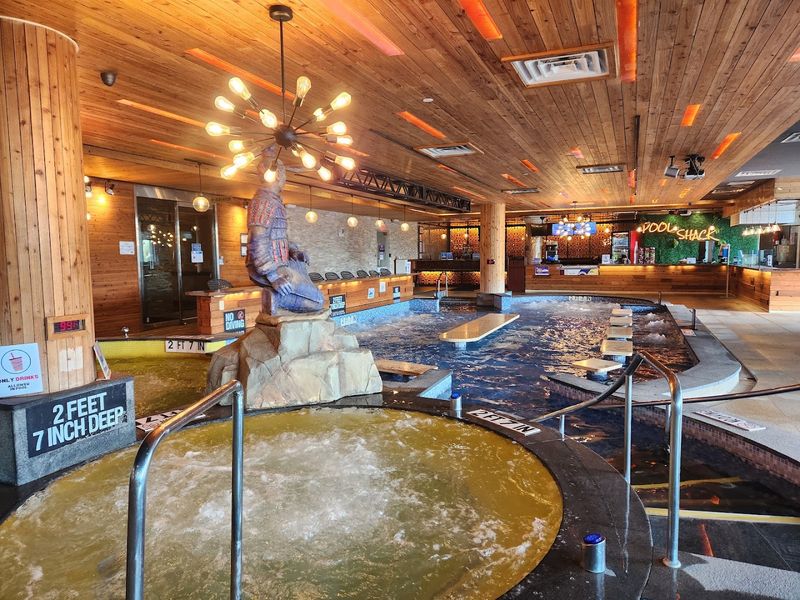
Korean spa culture arrives in North Texas through this sprawling facility where silence is enforced in certain areas and relaxation becomes mandatory. Spreading across multiple floors, this isn’t your typical day spa with a few treatment rooms—it’s a full wellness complex with saunas, pools, steam rooms, and relaxation lounges designed for spending entire days unwinding. The concept might feel foreign to first-timers, but the benefits become clear within minutes of arrival.
Gender-separated areas allow guests to experience traditional Korean bathing rituals in various temperature pools. Hot tubs, cold plunges, and warm soaking pools each serve specific purposes in the relaxation cycle. Moving between temperatures stimulates circulation, reduces muscle tension, and creates a meditative rhythm that quiets racing minds.
Themed saunas offer different therapeutic benefits through varying heat levels and aromatherapy elements. The salt sauna, charcoal sauna, ice sauna, and jade sauna each provide unique experiences, encouraging guests to try multiple rooms during their visit. Spending time in intense heat followed by cool-down periods becomes addictive as stress melts away with each cycle.
The co-ed Bade Pool area features mineral-rich warm pools with underwater massage jets and water features. Families and couples enjoy this space together, though the atmosphere remains calm and quiet. Robes and towels are provided, and the dress code keeps things modest while allowing everyone to relax comfortably.
Additional services include body scrubs, massages, and facials performed by skilled technicians trained in Korean spa traditions. The scrub treatments, performed on heated tables in open areas, might feel awkward initially but leave skin incredibly soft and renewed. Dining facilities serve Korean cuisine and lighter fare, allowing guests to refuel without leaving the premises.
Day passes provide access for several hours, and many visitors plan monthly trips to maintain their sanity. The enforced quiet zones mean phones stay silenced and conversations remain whispered, creating an environment where mental noise fades as effectively as physical tension.
5. Big Bend National Park (West Texas)
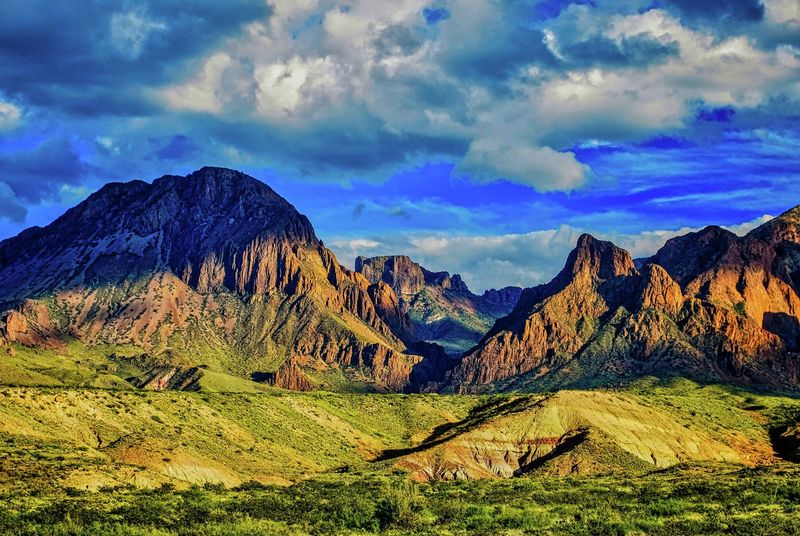
Vastness redefines itself in this remote corner of West Texas where the Chisos Mountains rise from the Chihuahuan Desert and the Rio Grande carves the border with Mexico. More than 800,000 acres of protected wilderness create a landscape so enormous and unpopulated that solitude comes effortlessly. Cell service disappears, light pollution vanishes, and the modern world feels centuries away rather than hours.
The park’s size means visitors can hike for miles without encountering another soul, especially on lesser-known trails. Popular spots like the Window Trail and Lost Mine Trail offer stunning views, but venturing into the backcountry provides true isolation. Desert silence has a quality unlike any other—no rustling leaves, no traffic hum, just wind, birdsong, and your own breathing.
Stargazing at Big Bend ranks among the best in the continental United States. The park holds International Dark Sky Park certification, and on moonless nights, the Milky Way stretches overhead in brilliant detail. Sitting under those stars makes human problems feel appropriately small and temporary.
Hot springs along the Rio Grande provide natural soaking spots where warm water bubbles up from underground. The hike to reach them crosses desert terrain, but arriving at these riverside pools feels like discovering a secret reward. Soaking in warm water while gazing at canyon walls and listening to the river creates powerful perspective shifts.
Wildlife thrives despite harsh conditions—roadrunners dash across highways, javelinas root through desert scrub, and if you’re incredibly lucky, a mountain lion might cross your path at dawn or dusk. The desert ecosystem operates on different rules than greener parts of Texas, and observing it teaches patience and appreciation for resilience.
Visiting requires planning since services are minimal and distances are vast. Bringing plenty of water, food, and fuel is essential, as is checking weather conditions before venturing out. The reward for this preparation is access to one of America’s least crowded national parks, where silence and space heal in ways that busy lives forget are possible.
6. Balcones Canyonlands National Wildlife Refuge (Marble Falls)
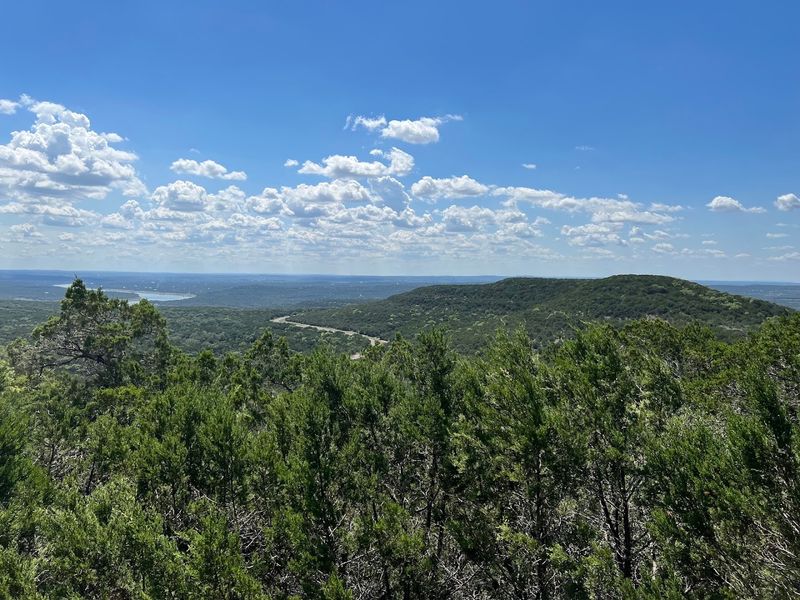
Hill Country terrain unfolds in protected canyons and grasslands where endangered songbirds nest and native plants thrive without human interference. Established to protect the golden-cheeked warbler and black-capped vireo, this refuge northwest of Austin provides habitat for wildlife and sanctuary for humans needing to disconnect. Multiple tracts spread across the area offer hiking trails that wind through juniper-oak woodlands and along limestone ridges.
The refuge operates differently than typical parks—access is limited to certain areas and times to minimize disturbance to nesting birds. This restriction actually enhances the peaceful experience since visitor numbers stay low. Trails range from easy walks to challenging climbs, all showcasing the rugged beauty of the Edwards Plateau.
Birding enthusiasts flock here during spring migration when warblers return from Central America to nest in the juniper-oak forests. Even non-birders appreciate the symphony of songbirds filling the air during morning hikes. Bringing binoculars adds to the experience, though simply listening works just as well for stress relief.
Wildflowers bloom prolifically in spring, painting the landscape with bluebonnets, Indian paintbrush, and dozens of other native species. Walking through fields of color while breathing cedar-scented air creates sensory experiences that reset frazzled nervous systems. The limestone geology creates interesting rock formations and small caves worth exploring along the trails.
Photography opportunities abound, from macro shots of wildflowers to sweeping landscape vistas from ridge tops. The changing light throughout the day transforms the scenery, making sunrise and sunset hikes particularly rewarding. Golden hour illuminates the limestone cliffs and casts long shadows through the trees, creating magical moments that justify early alarms or late returns.
The refuge’s proximity to Austin and the Hill Country makes it accessible for day trips, though the remote feeling once you’re on the trails suggests much greater distance. Free admission and well-maintained trails make this an accessible escape for anyone seeking quiet time in nature without elaborate planning or expensive fees.
7. Japanese Tea Garden (San Antonio)
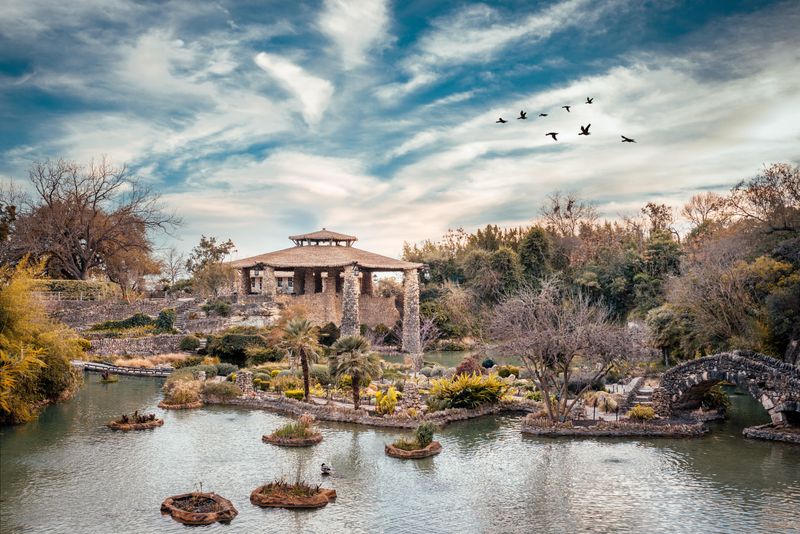
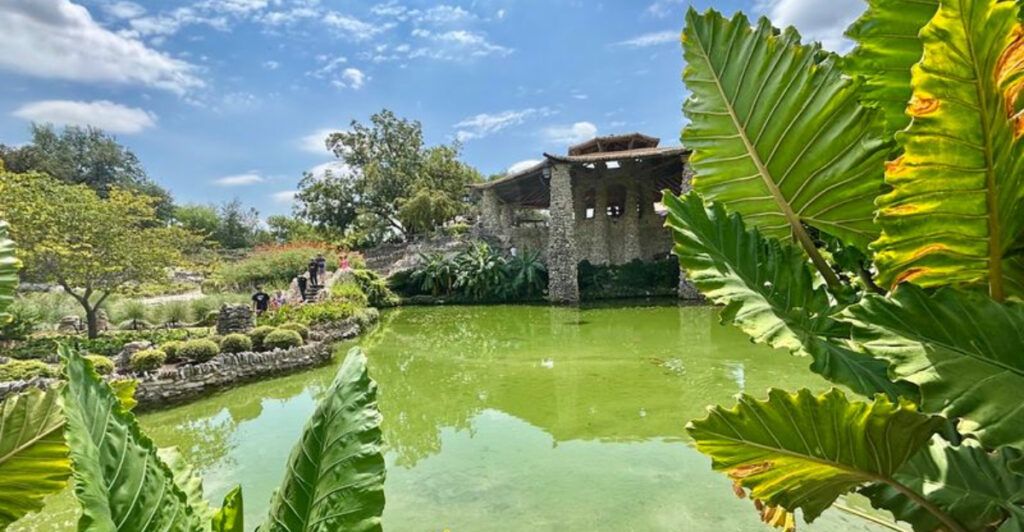
Stone pathways wind through lush greenery where koi swim in clear pools and waterfalls trickle over carefully placed rocks, creating an Asian-inspired sanctuary in the middle of San Antonio. Originally built in an abandoned limestone quarry in 1917, this garden has evolved into one of the city’s most peaceful public spaces. The quarry walls provide natural enclosure, blocking out city noise and creating a protected microclimate where tropical plants thrive.
Koi ponds form the garden’s centerpiece, with massive fish gliding through the water in brilliant orange, white, and black patterns. Watching them move slowly through the pools becomes unexpectedly meditative—their graceful movements and the gentle sound of water create a calming rhythm. Footbridges arch over the ponds, offering different vantage points for observation and reflection.
The garden’s design incorporates traditional Japanese aesthetics with Texas adaptations. Native and Asian plants mix together, creating interesting combinations that work surprisingly well. Bamboo groves provide shade and rustling sounds, while carefully pruned trees frame views and create natural sculptures.
Stone lanterns and pagoda structures add authentic touches without feeling contrived.
Visiting during weekday mornings provides the most solitude, though even busier times maintain a peaceful atmosphere since the garden’s design naturally disperses visitors. The winding paths and multiple levels mean you can always find a quiet bench or secluded spot for contemplation. Bringing a book or journal turns a visit into an extended retreat from urban chaos.
The garden sits within Brackenridge Park, offering additional walking trails and green space for those wanting to extend their visit. After time in the tea garden’s structured beauty, wandering the larger park’s more natural areas provides nice contrast. The combination creates a full afternoon of peaceful exploration without driving all over the city.
Free admission makes this accessible to everyone, and the location near downtown San Antonio means it fits easily into tourist itineraries or local routines. Regular visitors develop favorite spots and times, returning whenever life’s volume needs turning down.
Share this story