Set in the Texas Hill Country between Austin and San Antonio, Wimberley has the kind of laid-back charm that makes it feel like a hidden getaway. This small town of fewer than 3,000 people has managed to keep its laid-back vibe intact while offering visitors swimming holes, art galleries, antique shops, and some of the prettiest countryside views you’ll find anywhere in the state. Whether you’re looking to cool off in crystal-clear water, browse one-of-a-kind treasures, or just unplug for a day, Wimberley delivers without the crowds or the hype.
1. Blue Hole Regional Park
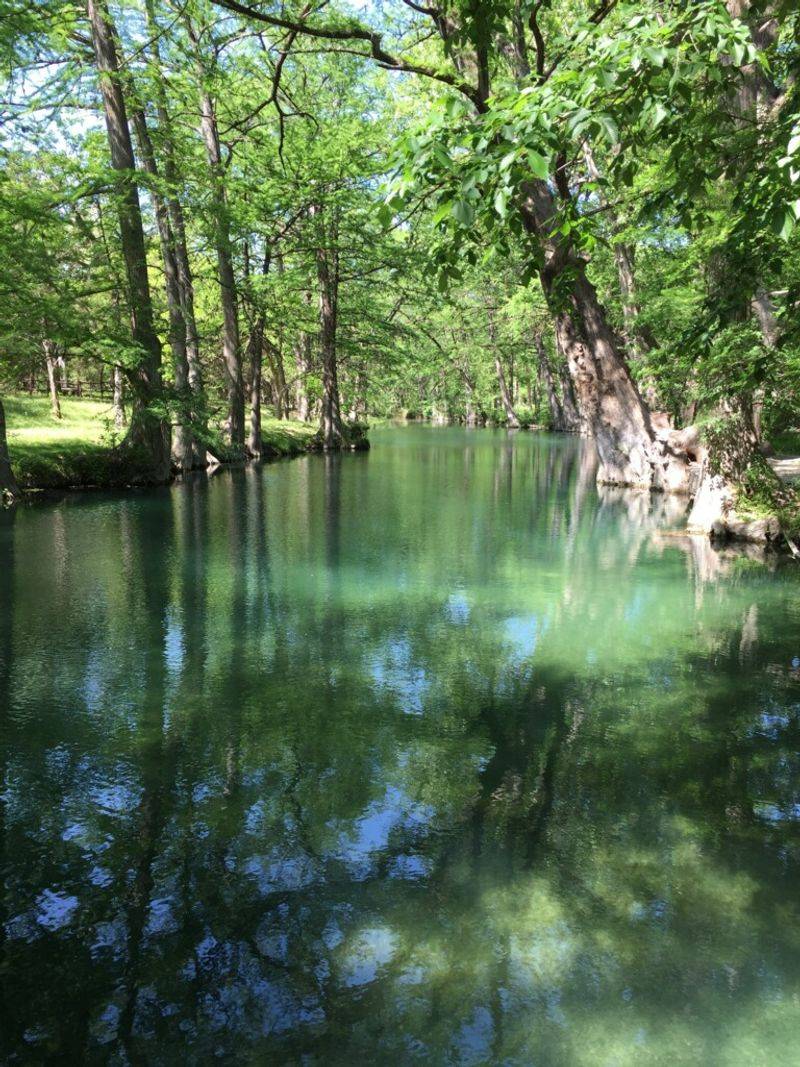
If you only have time for one stop in Wimberley, make it Blue Hole. This spring-fed swimming spot has been the town’s unofficial heart for decades, and once you see that impossibly clear water, you’ll understand why locals guard it like treasure. The pool sits beneath towering cypress trees, with smooth limestone ledges perfect for sunbathing or easing into the cool water.
Blue Hole isn’t a secret anymore, so weekends during summer can get packed. Your best bet is arriving early on a weekday or visiting in late spring before school lets out. The park limits daily visitors to protect the delicate ecosystem, which means you might need a reservation during peak season.
Bring water shoes because the rocky bottom can be tough on bare feet, especially for kids. The depth varies from shallow wading areas to spots deep enough for swimming, making it suitable for all ages. Just remember that alcohol, glass containers, and pets aren’t allowed.
The park also has hiking trails if you want to explore beyond the swimming area. Shaded picnic tables make it easy to spend several hours here without feeling rushed. The $12 per person entry fee supports conservation efforts that keep this natural gem pristine.
Pack snacks and plenty of sunscreen since there’s limited shade once you leave the cypress canopy. Blue Hole captures everything great about Wimberley in one beautiful package: natural beauty, small-town charm, and water cold enough to make you yelp.
2. Wimberley Square and Market Days
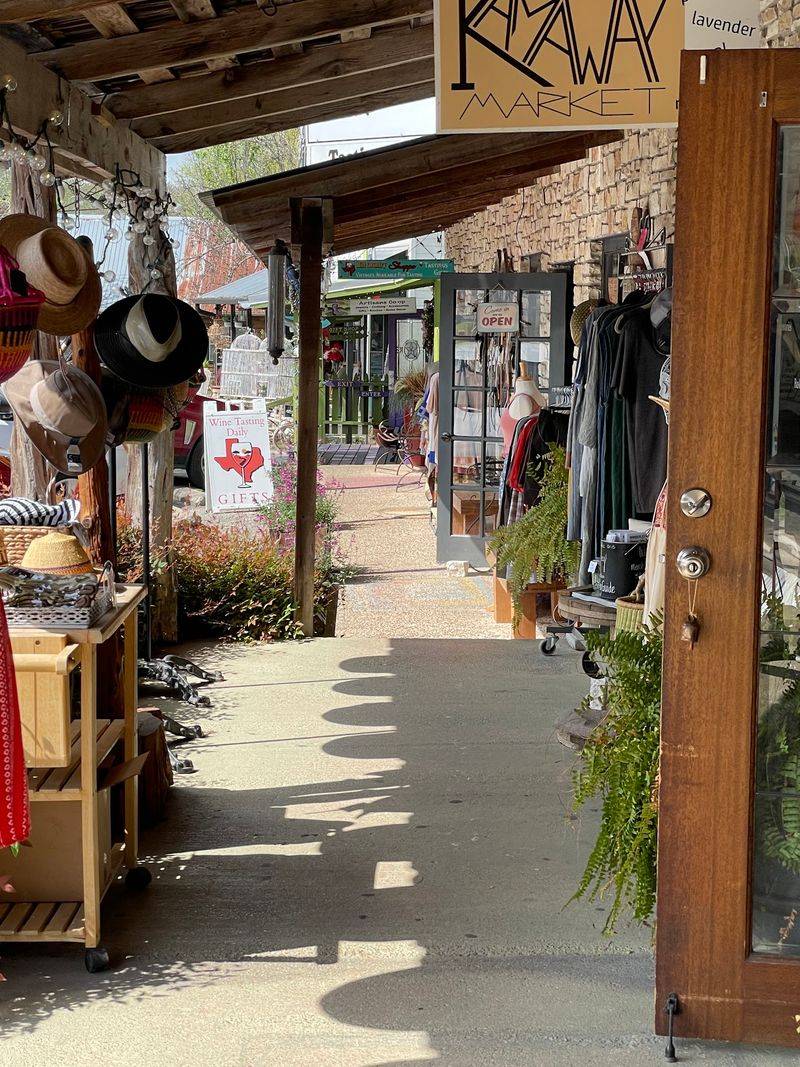
On the first Saturday of each month from March through December, Wimberley’s town square transforms into one of Texas’s best outdoor markets. Over 475 vendors set up shop selling everything from handmade jewelry and vintage furniture to local honey and custom leather goods. This isn’t your typical farmers market with a few sad tomatoes and some candles.
Market Days feels more like a treasure hunt where you actually find treasure.
Serious shoppers arrive when gates open at 7 a.m., but the relaxed vibe lasts all day until 4 p.m. You’ll need comfortable walking shoes because the market sprawls across multiple areas including Lion’s Field and the square itself. Bring cash since not all vendors accept cards, though more are adding mobile payment options.
Between browsing, you can grab breakfast tacos, kettle corn, or barbecue from food vendors scattered throughout. Live music adds to the festive atmosphere without being so loud you can’t hear yourself think. The mix of serious antique dealers and hobby crafters means prices range from five bucks to five hundred.
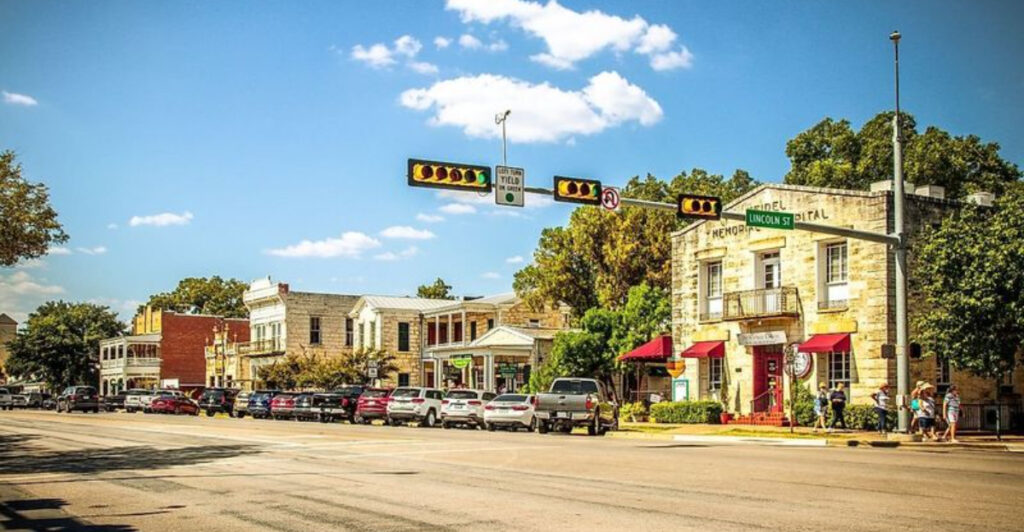
Even the square itself deserves attention when the market isn’t happening. Local shops and galleries stay open year-round, offering art, home decor, and gifts you won’t find at the mall. The old-fashioned storefronts and tree-lined streets make window shopping genuinely pleasant.
Parking fills up fast on Market Days, so plan to walk a bit or arrive extra early. The whole experience captures Wimberley’s creative spirit and proves that small-town shopping can beat online browsing any day.
3. Jacob’s Well Natural Area
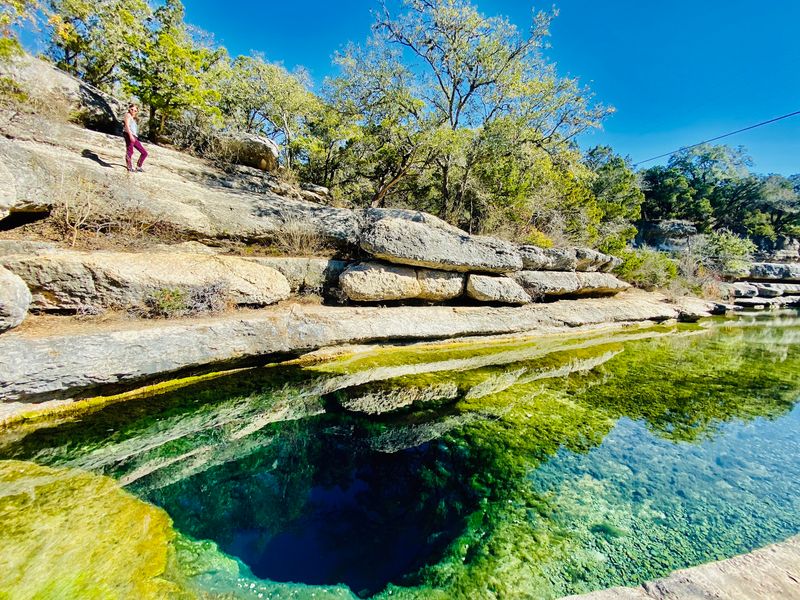
Jacob’s Well might be the most photogenic swimming hole in Texas, and that’s saying something in a state full of beautiful water. This artesian spring pumps thousands of gallons of 68-degree water from an underground cave system, creating a pool so clear you can see straight to the bottom. The well itself is a vertical cave opening that drops over 100 feet, though swimming into it is now prohibited after several diving accidents.
Getting access requires planning ahead since Hays County limits daily visitors through a reservation system. Reservations open online exactly two weeks before your desired visit date and fill up within minutes during summer. Set an alarm, have your account ready, and be prepared to click fast.
The $9 entry fee includes access to the swimming area plus several miles of hiking trails through pristine Hill Country landscape. Cypress trees provide some shade around the well, but much of the area is exposed, so sunscreen isn’t optional. The cold spring water feels incredible on a hot day but can be shocking if you’re not ready for it.
Unlike some swimming spots that disappoint in person, Jacob’s Well exceeds the hype. The water stays clear year-round, and the natural setting feels untouched despite the popularity. Underwater grasses sway in the current, and you might spot fish or turtles if you stay still.
Facilities are basic but clean, with restrooms and a small parking area. The county’s careful management means Jacob’s Well will stay beautiful for future visitors, even if it requires a bit more effort to experience now.
4. Cypress Creek and River Road
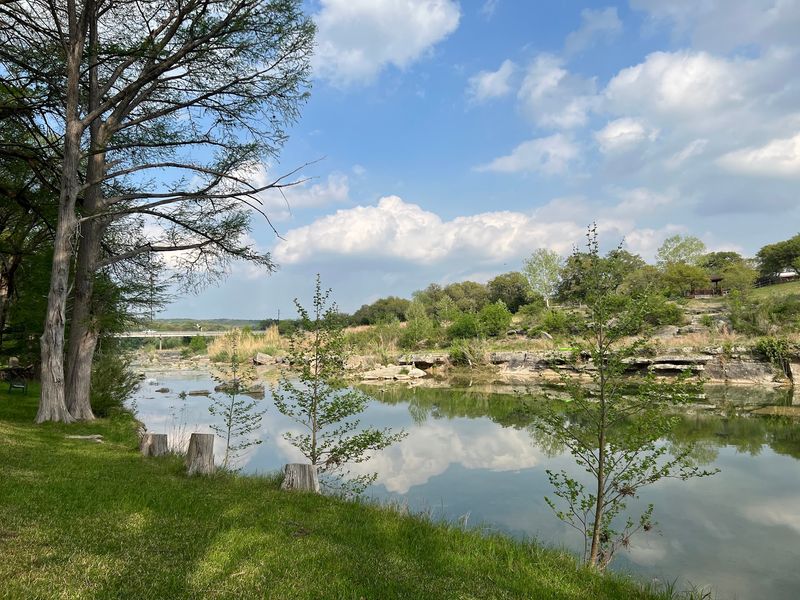
Some of Wimberley’s best moments happen on the drive itself, particularly along River Road where Cypress Creek cuts through limestone bluffs and old-growth trees. This isn’t a highway built for speed. The narrow, winding road follows the creek’s curves, offering glimpses of water, wildlife, and Hill Country scenery that makes you want to pull over every hundred yards.
Several public access points let you wade into the creek or claim a spot on the rocky banks. Locals know the best swimming holes, but honestly, almost any accessible spot works for cooling off or letting kids splash around. The creek runs clearer after dry spells and can get murky after heavy rains, so timing matters.
Bring a float or inner tube if you want to drift downstream, though check current conditions first since flash floods can make the creek dangerous. The shallow areas work great for younger children who aren’t ready for deeper swimming holes. Smooth rocks and gentle currents create a more relaxed vibe than some of the area’s more popular spots.
The road itself deserves appreciation beyond just getting somewhere. Massive cypress trees create a canopy in places, and you’ll pass historic homes and ranches that have been here since Wimberley was barely a dot on the map. Fall colors arrive late but look spectacular against the limestone cliffs.
Watch for cyclists and pedestrians since River Road attracts walkers and bikers who appreciate the scenic route. Drive slowly, keep your windows down, and don’t be surprised if the trip takes twice as long as expected because you keep stopping to take photos or stick your feet in the water.
5. Pioneer Town
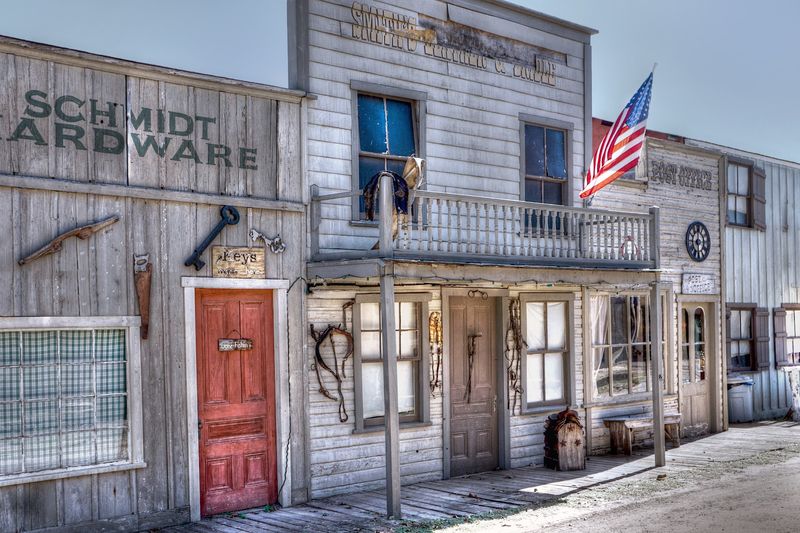
Walk through Pioneer Town and you’ll either feel like you’ve stepped onto a movie set or traveled back to 1880s Texas. This collection of authentic and recreated Old West buildings includes a general store, blacksmith shop, saloon, and even a jail. Everything looks weathered and genuine because most of it actually is, assembled from structures salvaged from around Texas.
Pioneer Town started as one person’s obsession with preserving Texas history and grew into a quirky attraction that’s both educational and just plain fun to explore. Kids love pretending to be cowboys while parents appreciate the craftsmanship and historical details. The site isn’t a theme park with rides or actors, it’s more like a three-dimensional history lesson you can wander through at your own pace.
The buildings house various shops and artisan studios where you might find handmade goods, antiques, or local art. Operating hours can be irregular since many spaces are run by individual vendors, so calling ahead helps avoid disappointment. Even when shops are closed, the exterior buildings and grounds remain photogenic and interesting.
Special events happen throughout the year, including living history demonstrations and seasonal celebrations. The annual Pioneer Day festival brings the whole town to life with period costumes, traditional crafts, and old-time music. Even without an event, Pioneer Town offers a pleasant hour or two of exploration.
Admission is free, which makes it an easy addition to any Wimberley itinerary. The site sits just off the main square, making it convenient to visit between shopping or meals. Pioneer Town proves that Wimberley takes its history seriously while keeping things accessible and enjoyable for modern visitors.
6. Local Wineries and Tasting Rooms
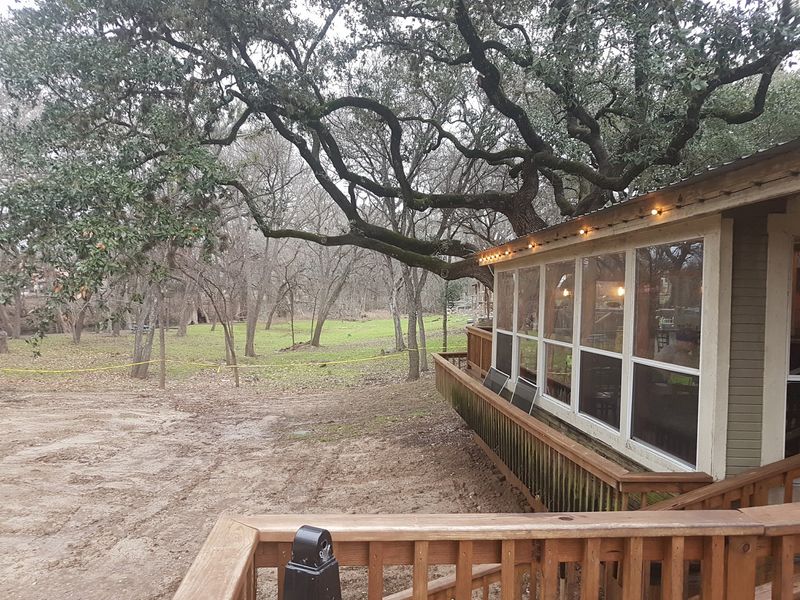
Texas wine country extends right into Wimberley, where several tasting rooms pour local vintages alongside Hill Country views. These aren’t massive commercial operations but smaller, family-run ventures where the person pouring your wine might also be the person who grew the grapes. The relaxed atmosphere encourages lingering over a flight while learning about Texas viticulture.
Wimberley Valley Winery sits right in town, making it easy to stop in without driving country roads. Their tasting room occupies a historic building on the square, and the staff genuinely enjoys talking about their wines without any pretension. You’ll find classic varieties alongside unexpected blends that work surprisingly well in the Texas climate.
Stonewall-area wineries are close enough for an easy side trip if you want to visit multiple tasting rooms in one afternoon. The scenic drive between wineries rivals the wine itself, with rolling hills, wildflowers in spring, and that particular quality of light that makes the Hill Country famous. Most tasting rooms charge a small fee that’s often waived with a bottle purchase.
Don’t expect Napa Valley sophistication, and that’s exactly the point. Texas wineries have their own character, often pairing tastings with live music, food trucks, or lawn games. The vibe is more backyard party than formal wine experience, which suits Wimberley perfectly.
Weekends get busy, especially during peak season, so weekday visits offer more personal attention and quieter tasting rooms. Many wineries welcome well-behaved dogs on their outdoor patios, and several offer non-alcoholic options for designated drivers. The combination of good wine, beautiful scenery, and unpretentious hospitality makes Wimberley’s wine scene a genuine highlight.
7. Dining and Local Food Scene
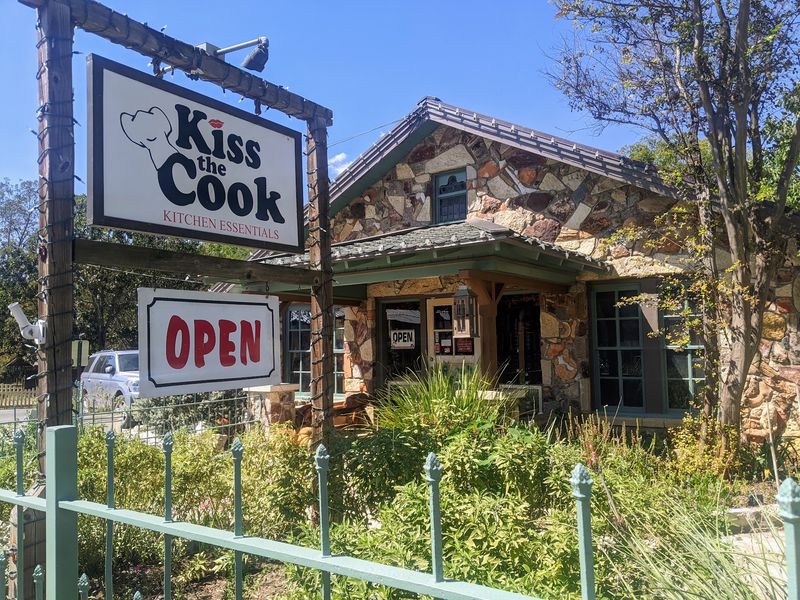
Wimberley’s food scene punches way above its weight for a town this size. You’ll find everything from excellent barbecue and Tex-Mex to farm-to-table restaurants and bakeries that would fit right into Austin. The difference is you won’t wait an hour for a table or pay city prices for the privilege of eating well.
The Leaning Pear has built a devoted following for its seasonal menu using local ingredients whenever possible. Their patio seating under old oak trees creates the perfect Hill Country dining experience, especially during cooler months. Reservations help on weekends, though the wait at the bar with a glass of wine isn’t exactly suffering.
For barbecue, locals have their favorites and will defend them passionately, which is how you know the quality is serious. Brisket, sausage, and ribs come with classic sides, and the casual atmosphere means you can show up in shorts and a t-shirt without a second thought. Most places run out of meat when they run out, so earlier arrival times guarantee the full menu.
Don’t overlook the breakfast and lunch spots that keep locals fueled. Homemade kolaches, breakfast tacos, and strong coffee start many Wimberley mornings right. The bakeries turn out pies, cookies, and pastries that make excellent road trip snacks or gifts to bring home.
Food trucks and seasonal pop-ups add variety, especially around the square during Market Days. You might find Thai food, gourmet grilled cheese, or wood-fired pizza depending on the day. The small-town setting encourages experimentation since overhead costs stay reasonable and chefs can focus on quality over volume.
Eating your way through Wimberley is a legitimate day-trip strategy.
8. Outdoor Recreation and Natural Beauty
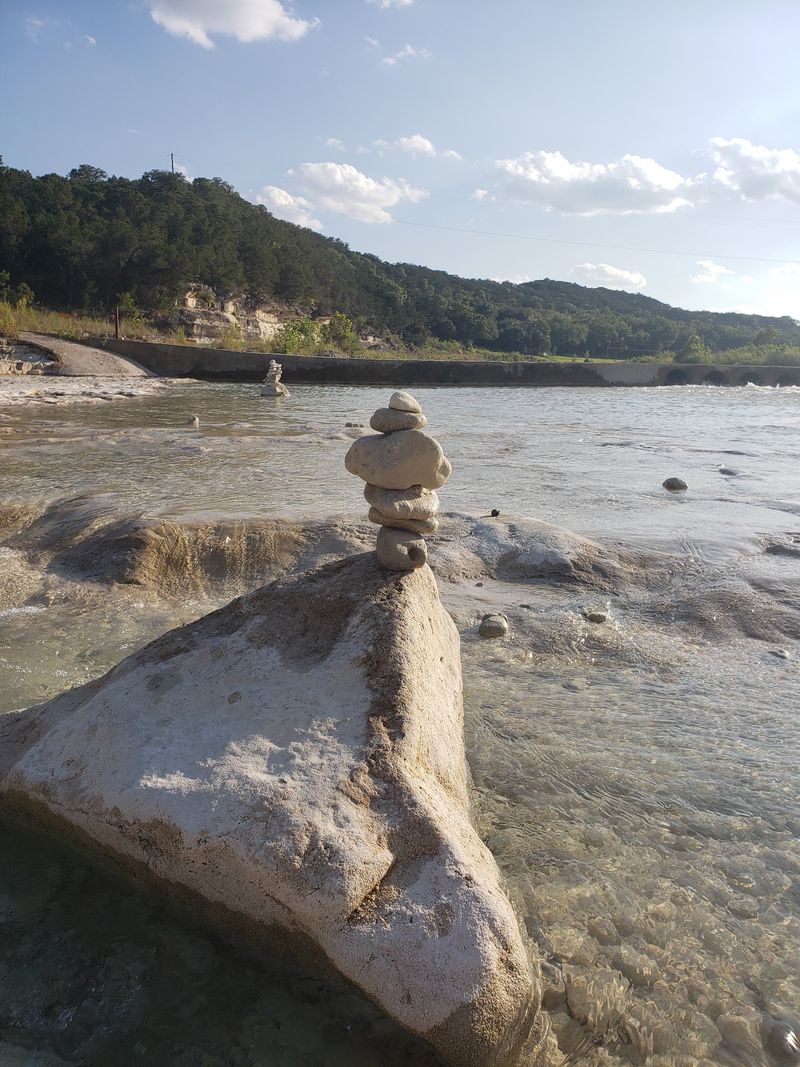
Beyond the famous swimming holes, Wimberley offers enough outdoor activities to fill multiple visits. Hiking trails wind through preserves and parks where you’ll encounter the same landscapes that attracted settlers in the 1800s. The terrain isn’t technically challenging, making it accessible for families while still offering enough elevation change to feel like actual hiking.
The Wimberley Valley features unique geology where the Edwards Plateau meets the Balcones Fault Zone, creating springs, caves, and the limestone formations that define the area. This isn’t just pretty scenery, it’s ecologically significant habitat supporting endangered species and rare plants. Several preserves welcome respectful visitors who want to experience this environment firsthand.
Kayaking and canoeing work well on Cypress Creek when water levels cooperate, offering a different perspective on the landscape. Paddling under the cypress canopy with sunlight filtering through creates those perfect Texas moments that don’t require filters or exaggeration. Outfitters in the area rent equipment and can suggest routes based on current conditions.
Birdwatching attracts serious enthusiasts since Wimberley sits along migration routes and provides habitat for both eastern and western species. You don’t need to be an expert to appreciate the variety, from brilliant cardinals and blue jays to hawks circling overhead. Spring and fall migrations bring the most diversity.
The lack of light pollution makes Wimberley excellent for stargazing, especially from higher elevations outside town. On clear nights, the Milky Way stretches overhead in a way city dwellers rarely experience. Bring a blanket, find a spot away from streetlights, and remember why people used to navigate by stars.
Wimberley’s natural assets are its greatest treasure, and they’re remarkably accessible for anyone willing to step outside.
Share this story