More than 80 historic power looms fill one museum floor, and when even a handful start running, the noise is enough to make earplugs feel necessary. Now imagine standing beside that clatter for twelve hours or more every day.
Many of the people who did exactly that were young women who had left New England farms to work in Massachusetts textile mills. By the 1830s, some were already walking off the job to protest wage cuts, organizing together, writing about their experiences, and speaking up decades before women could vote.
That is what I like about this museum. The machines do not just sit quietly behind a barrier.
When the looms run, the floor hums beneath your feet and the working conditions suddenly become much easier to picture.
I cannot imagine facing that noise and pace as a teenager. Once you hear it for yourself, you may start wondering the same thing I did: who were these women, and how much did their courage change what came next?
The Weave Room Is Loud Enough To Rattle Your Assumptions
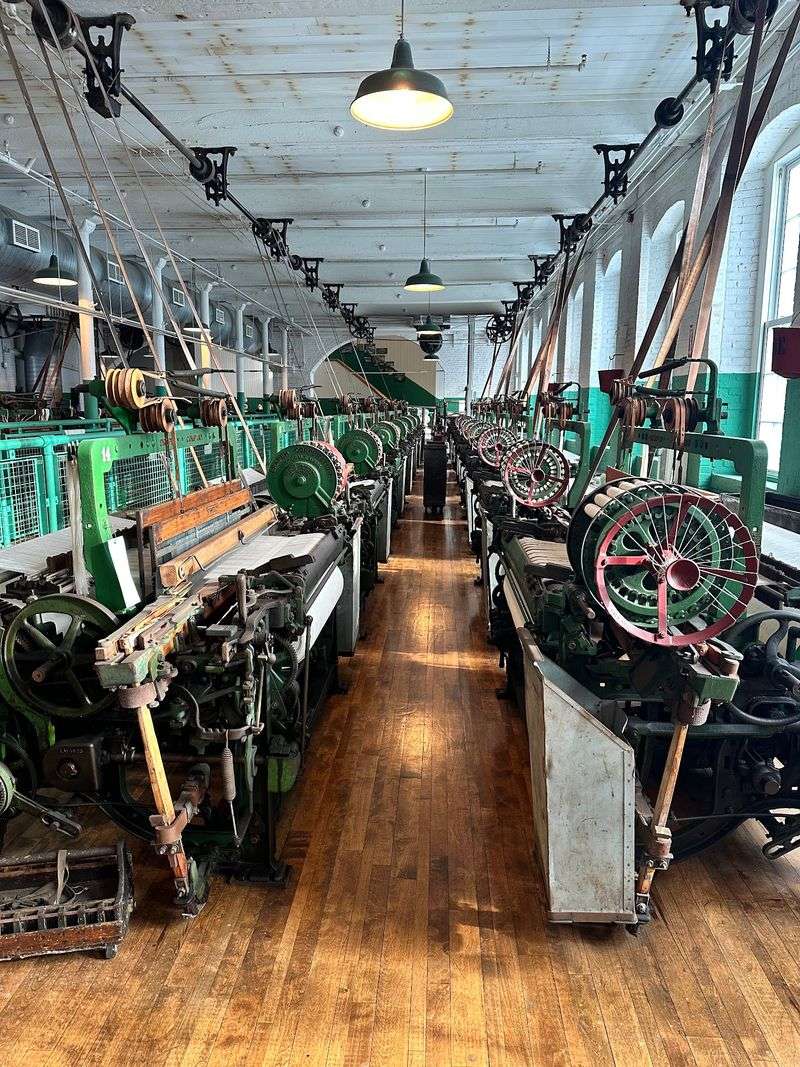
Earplugs at a museum? At the Boott Cotton Mills Museum, they come standard, and you’ll understand why within seconds.
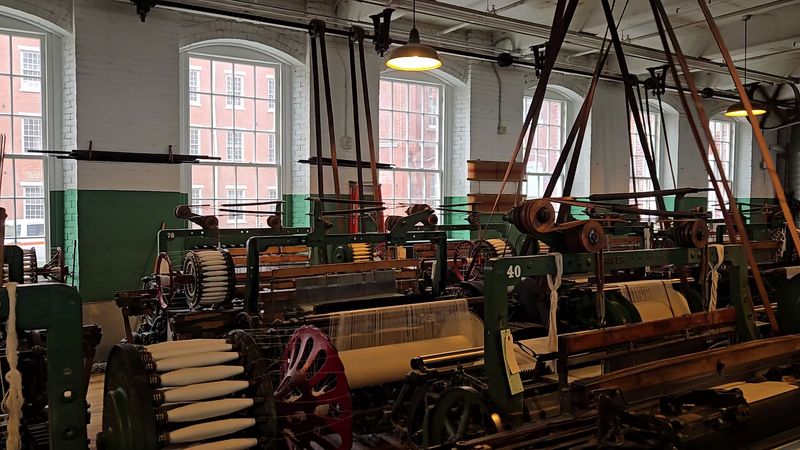
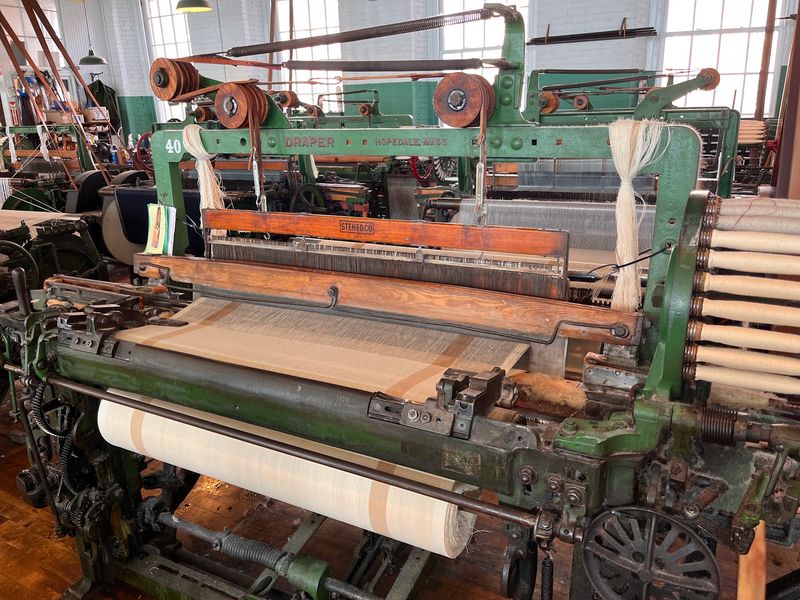
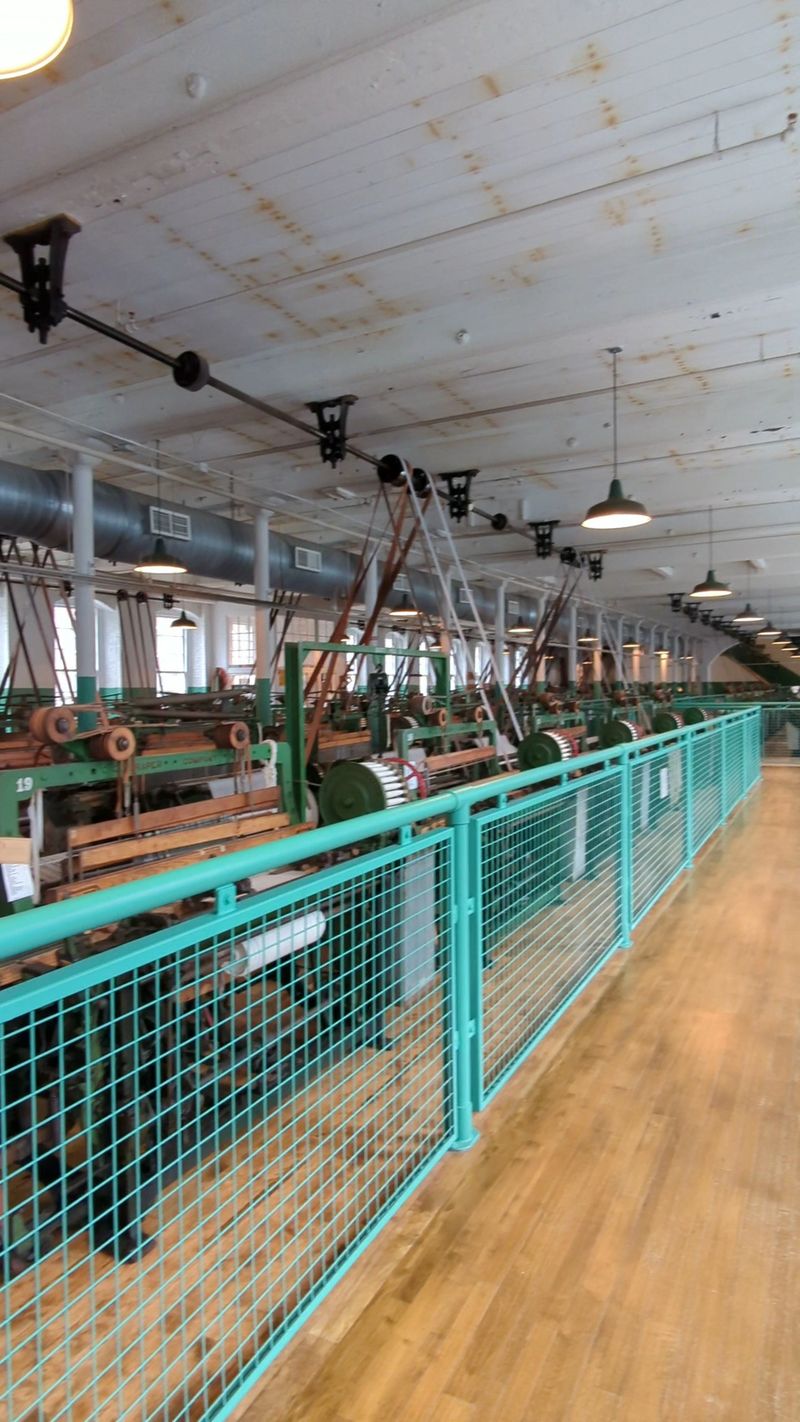
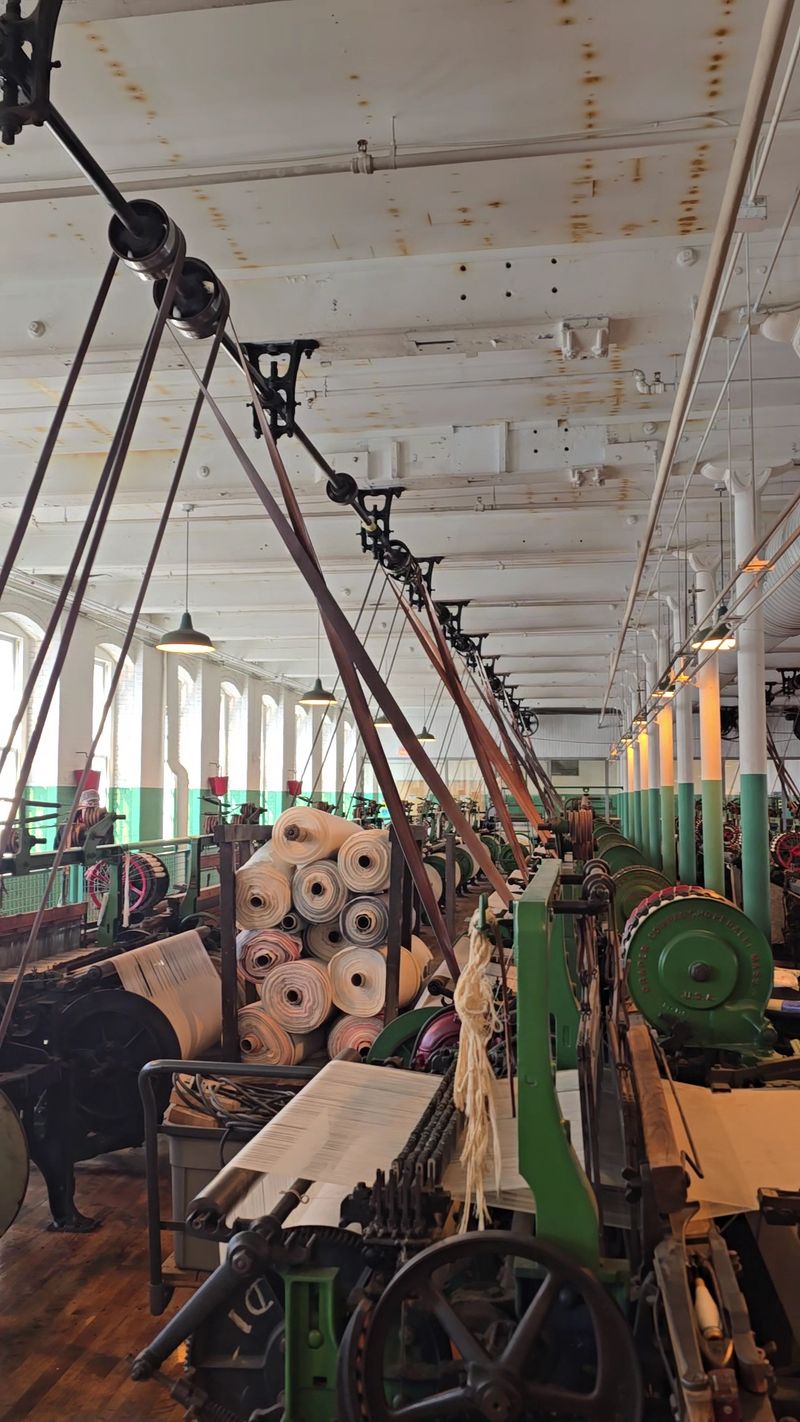
The 1920s-era weave room holds 88 power looms, and a portion of them run during demonstrations.
That clatter is the main event here. Park rangers fire up the machines and explain how cloth moved from thread to finished fabric.
Hearing a fraction of the looms running gives you a hint of the full-floor roar workers lived with daily.
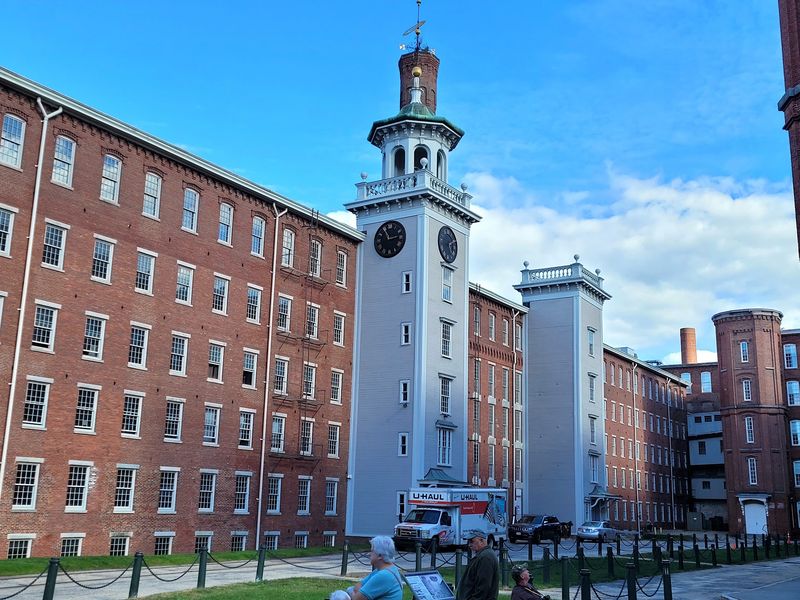
The room sits inside a real mill complex, not a replica built for tourists. The Boott Mills date to the 1830s, when the company began making cotton cloth along the Merrimack River.
The museum is part of Lowell National Historical Park, run by the National Park Service.
Plan to arrive a bit before a scheduled demonstration so you don’t miss the start. Kids tend to light up at the sheer power of the machinery.
Adults usually walk away a little quieter, thinking about the people who stood there for long shifts.
Bring curiosity and maybe a little patience for your eardrums. This is history you can hear, and it hits differently than any textbook ever could.
Farm Girls Traded Barns For Bobbins And Paychecks
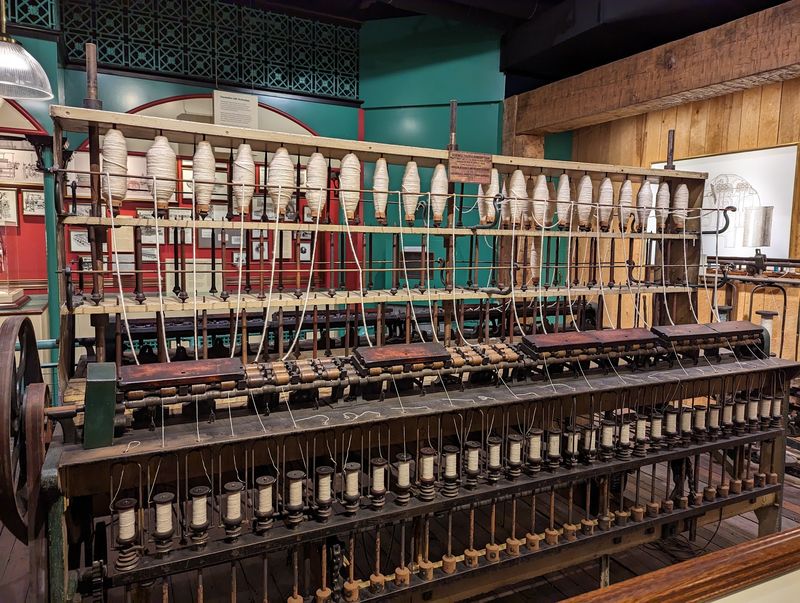
Leaving home at 15 or 16 for a factory job sounds bold even now. In the early 1800s, thousands of young New England women did exactly that and headed to Lowell.
They became known as the Lowell mill girls. Most came from rural farm families across New England.
For many, mill work offered something rare for women at the time: their own cash wages.
That money mattered. Some women sent earnings home to help their families.
Others saved for schooling, paid a brother’s tuition, or simply enjoyed a bit of independence.
The work itself was tough, with long days tending fast machines. Rules were strict, and supervisors kept close watch.
Still, the experience gave these women a shared identity and a sense of their own worth.
Exhibits at the museum share stories about who these workers were and how their lives unfolded. You’ll find details that make them feel like real people, not names in a dusty chapter.
It’s easy to relate to a young person chasing opportunity far from home. Their choices helped shape the economy of Massachusetts and the whole country.
Not bad for a group often brushed aside in history class.
Walking Off The Job Took Serious Nerve In 1834
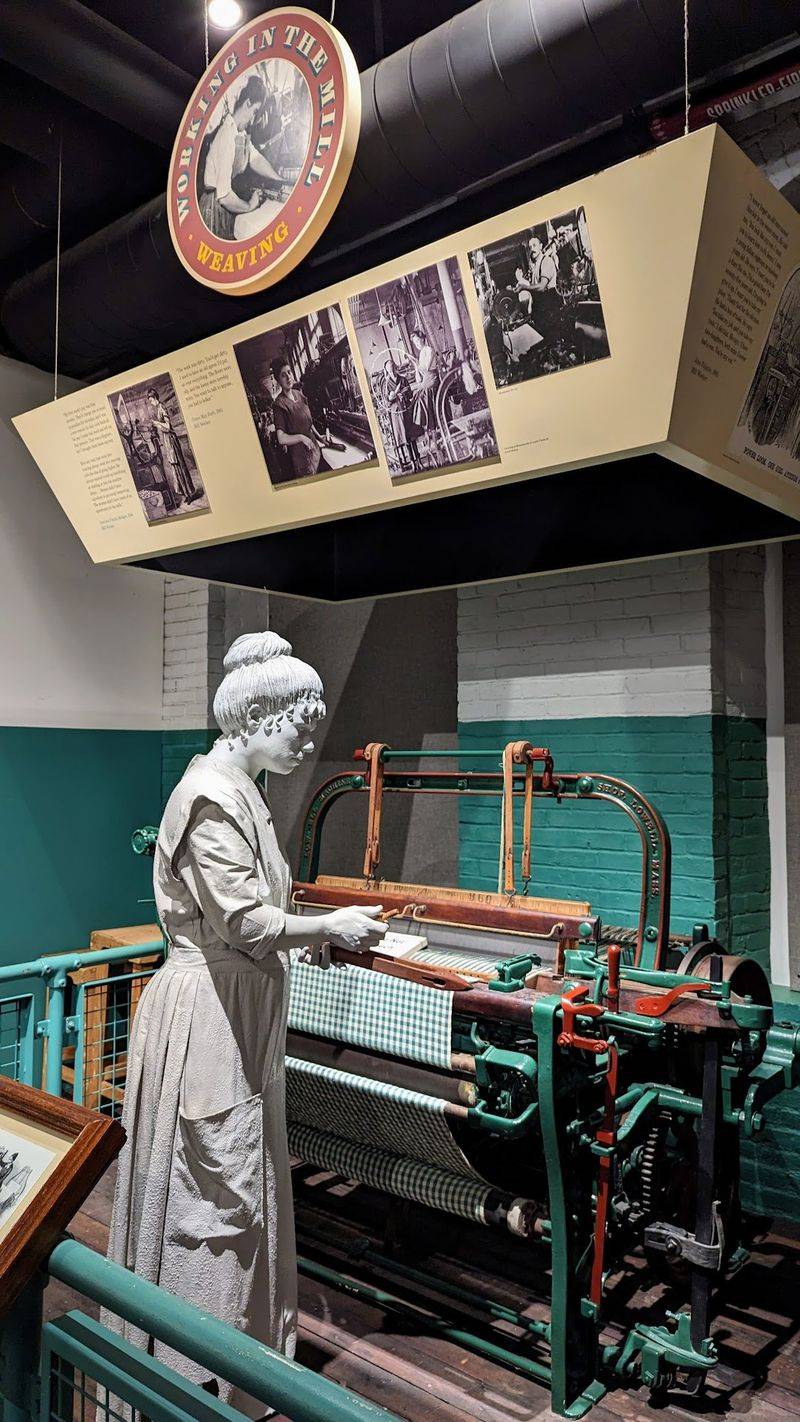
Picket lines weren’t invented by modern unions. In 1834, Lowell mill women “turned out,” leaving their jobs to protest a cut in wages.
Two years later, in 1836, they turned out again over rising boarding house charges. Hundreds of women took part.
For young workers with no vote, that was a gutsy move.
The protests didn’t win everything they wanted. Even so, they showed that women could organize, speak in public, and push back against powerful companies.
That was a big deal in an era that expected women to stay quiet.
In the 1840s, the effort grew. Sarah Bagley helped lead the Lowell Female Labor Reform Association.
The group pushed for a ten-hour workday and gathered petitions sent to state lawmakers.
Think about that for a second. These women petitioned a legislature that they weren’t allowed to vote for.
They testified anyway.
The museum connects these events to the broader story of labor rights in America. It’s a great reminder that change often starts with ordinary people saying enough.
Plenty of today’s workplace protections trace back to voices like theirs.
Their Words Still Echo From The Pages Of A Magazine
Long shifts didn’t stop these workers from writing. Some Lowell mill women published poems, stories, and essays in a magazine called The Lowell Offering, which began in 1840.
That’s right, factory workers became published authors. Their writing offered a window into daily life, friendships, homesickness, and hopes for the future.
Readers far beyond Massachusetts paid attention.
Not everyone agreed on the tone, though. Critics felt the magazine painted mill life too kindly.
Labor reformers like Sarah Bagley pushed for writing that spoke more honestly about hard conditions.
That debate is fascinating on its own. It shows women arguing about how their story should be told.
Sounds a lot like the internet today, minus the comment sections.
Writer Lucy Larcom started working in Lowell mills as a child. She later became a well-known poet and wrote about her mill years in a memoir.
Harriet Hanson Robinson, another former mill girl, went on to support women’s suffrage.
When you explore the exhibits, keep these voices in mind. The machines were loud, but the women’s words have lasted even longer.
Upstairs, The Story Gets Hands-On
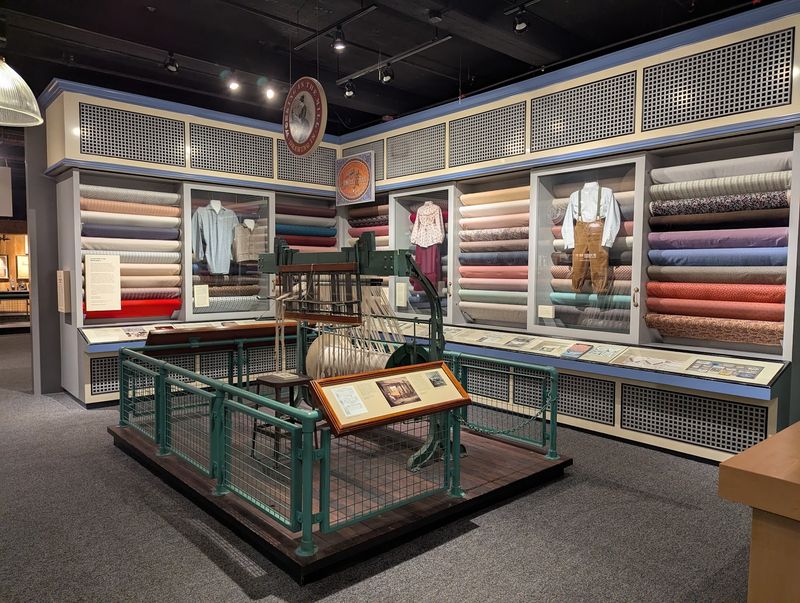
After the weave room, the upper floors feel almost peaceful. Here the Boott Cotton Mills Museum shifts into exhibits about Lowell, its workers, and the rise of American industry.
You’ll trace how raw cotton became finished cloth. Displays cover the machines, the companies, and the people behind the work.
Audio stories bring individual voices into the mix.
Families will appreciate the interactive pieces. Younger visitors can touch, try, and explore instead of only reading signs.
That makes a big difference for kids who’d rather do than look.
A short film in the museum theater adds helpful background. It’s a good place to rest your feet while the history sinks in.
The exhibits also go beyond the early mill girls. Later waves of immigrant workers from many countries kept Lowell’s mills running.
Their cultures and struggles are part of the story too.
Give yourself time to read and wander. It’s easy to rush, but the details reward patience.
You’ll leave understanding why one Massachusetts city became such an important chapter in the Industrial Revolution.
A Boardinghouse Down The Block Shows Life After The Bell
Work ended when the bell rang, but company rules kept going. Mill girls usually lived in company-owned boardinghouses with curfews and strict expectations.
Lowell National Historical Park includes the Mill Girls and Immigrants exhibit in a restored boardinghouse near the museum. It’s a short walk and pairs naturally with your visit.
Inside, you’ll learn what home life looked like for workers. Women shared rooms and often shared beds.
Meals were served at set times, and a keeper watched over the household.
Those close quarters had an upside. Living together helped women form strong bonds.
Friendships built at the dinner table likely helped fuel their organizing and protests.
Seeing the boardinghouse helps the factory story make sense. You understand the full day, not only the hours at the loom.
It’s a little like seeing both the office and the dorm room.
Check the park’s schedule before you go, since hours can vary by season. Comfortable shoes are a smart idea.
Downtown Lowell rewards walkers with historic brick buildings and canals around many corners.
Canals And A River Powered The Whole Operation
Water came first, long before electricity. Lowell was planned around the Merrimack River and a network of canals that turned water into power for the mills.
The city’s founders, a group of Boston investors, chose this spot for its falls. Canals guided water to wheels and later turbines inside the mill buildings.
That energy spun and wove the cotton.
You can see this engineering story all around the Boott Mills. The complex sits by the Merrimack River, and the Riverwalk makes an easy stroll after your museum time.
Lowell National Historical Park has offered seasonal canal boat tours. These trips show how the system worked from a different angle.
Schedules vary, so check ahead if a boat ride sounds fun.
Understanding the water helps explain the women’s story too. Bigger power meant faster machines and more pressure to produce.
When companies sped things up, workers felt it.
It’s a neat example of how geography shapes people’s lives. A river in Massachusetts helped launch a factory town, a labor movement, and new chances for women.
Planning Your Trip Is Refreshingly Simple
Good news for busy schedules. The Boott Cotton Mills Museum sits at 115 John St, Lowell, MA 01852, right in the heart of the historic downtown.
The museum is open daily from 9 a.m. to 4 p.m. That makes it easy to fit into a weekend outing or a school break day trip.
Still, it’s wise to confirm hours before heading out, especially near holidays.
There’s a modest entry fee for the museum. Holders of certain National Park passes may get a discount.
Rangers can help with questions once you’re there.
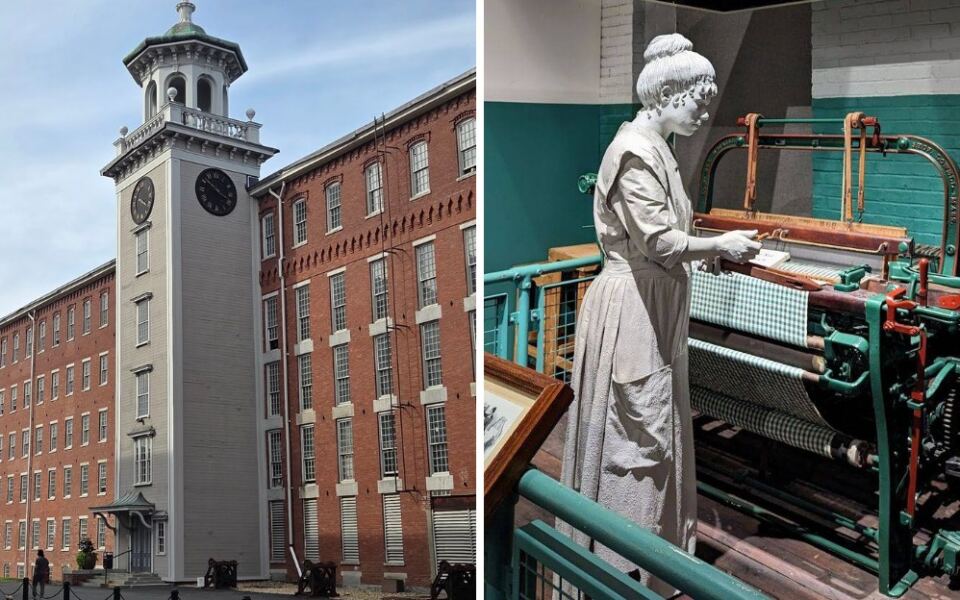
Look for the mill complex and its clock tower as a landmark. The courtyard area makes a nice spot to regroup before you head inside.
Many visitors spend around an hour or more. History lovers could easily stay longer, especially if they read every panel.
Catching a weave room demonstration should be high on your list.
Pair the museum with nearby park sites for a full day. Lowell packs a lot of Massachusetts history into a walkable area.
Your step counter might be pleasantly surprised.
Why These Workers Deserve A Spot In Your Memory
Women in America didn’t win the national right to vote until 1920. Yet nearly a century earlier, Lowell mill workers were already speaking up, organizing, and demanding fairness.
That timeline is worth sitting with. These women had no vote, limited legal rights, and little public power.
They acted anyway.
Their protests, petitions, and writing helped open doors. The push for a ten-hour workday took years, but the effort mattered.
They proved women could be workers, writers, and leaders all at once.
Visiting the Boott Cotton Mills Museum helps you connect those dots. The roaring looms, the exhibits, and the nearby boardinghouse together paint a fuller picture.
It becomes personal instead of distant.
Bring kids if you can. Young visitors often relate to teenagers who left home and stood up for themselves.
It’s a strong lesson in courage, wrapped in real history.
Before you leave, take one more look at the mill floor. Many workers who stood there helped shape the rights people enjoy today.
Not a bad legacy from a bunch of farm girls in Massachusetts.
Share this story