Lake Whitney State Park sits just over an hour from Dallas, tucked along the shores of one of Texas’s most popular fishing reservoirs. Whether you’re rolling up in an RV, pitching a tent under the stars, or looking for a quiet lakeside escape, this park delivers outdoor adventure without the fuss. From casting lines for trophy stripers to hunting down hidden geocaches, there’s way more to explore here than you might expect from a state park tucked into Central Texas.
1. Pitch Your Tent or Park Your Rig in Prime Lakeside Spots
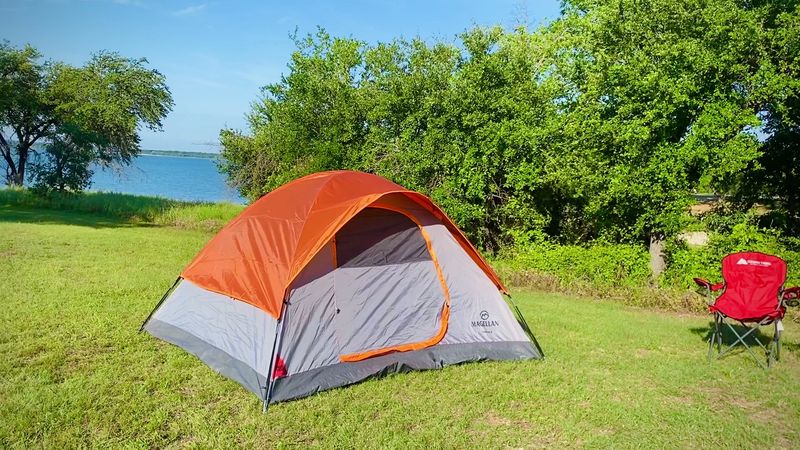
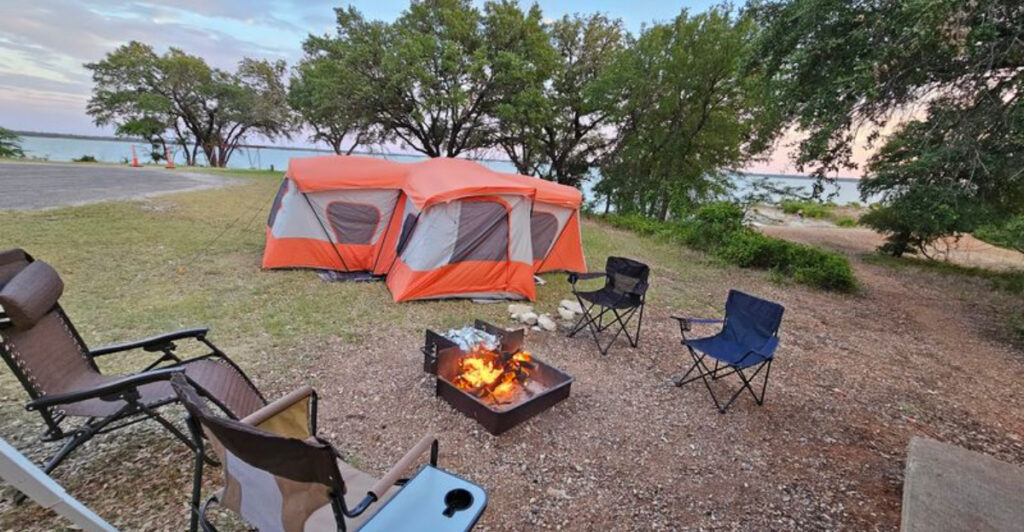
Campers have plenty of choices when it comes to setting up at Lake Whitney State Park. Full hookup sites offer water, electric, and convenient dump stations for RV travelers who want all the comforts of home while staying steps from the lake. If you prefer something simpler, tent sites with electricity and water access let you enjoy the outdoors without giving up basic conveniences.
Sites near the water’s edge deliver stunning sunset views, though fair warning—they’re not always the most level spots even with blocks. The Towash and Horseshoe loops are popular with families and scout groups, offering tree-covered spaces that provide shade during hot Texas afternoons. Concrete picnic tables and grills come standard at most sites.
Screened shelters are another solid option if you want protection from bugs and weather but still crave that camping vibe. Book these early because they fill up fast, especially during holidays and summer weekends. The park stays open from 6 AM to 10 PM daily, giving you plenty of daylight to explore before settling in for the night.
Restrooms and shower facilities are scattered throughout the campground loops, and while most visitors find them clean and well-maintained, a few have noted the stalls can be tight and showers lack curtains in some areas.
2. Cast Your Line for Bass, Catfish, and Monster Stripers
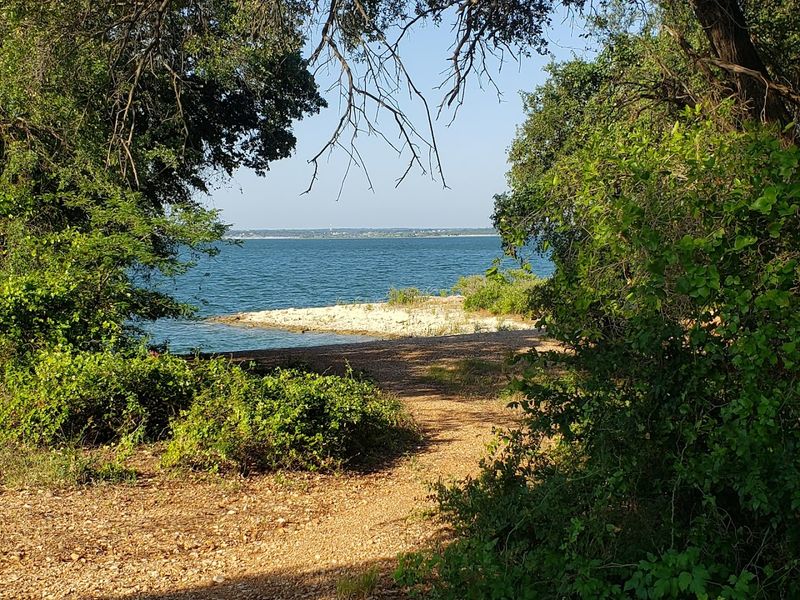
Lake Whitney earned its reputation as a premier fishing destination, especially for anglers chasing striped bass. These hard-fighting fish can reach impressive sizes, and the reservoir consistently produces trophy catches that keep fishermen coming back season after season. White bass runs in spring create feeding frenzies that make for exciting action on light tackle.
Catfish lurk in the deeper channels and around rocky structures, offering year-round opportunities for bottom fishers. Largemouth bass hang around submerged timber and creek channels, particularly during early morning and evening hours when the water cools down. Several campsites sit within easy walking distance of prime fishing spots, so you can literally roll out of your sleeping bag and have a line in the water within minutes.
The park provides multiple boat ramps for those who want to explore the lake’s 23,000+ acres by water. Shore fishing works well near the swimming areas and along rocky points where baitfish congregate. Just remember to grab your Texas fishing license before you arrive—game wardens do patrol the area regularly.
Water shoes come highly recommended since the shoreline and lake bottom feature plenty of rocks that can be rough on bare feet while wading or launching from shore.
3. Hunt for Hidden Geocaches Throughout the Park Grounds
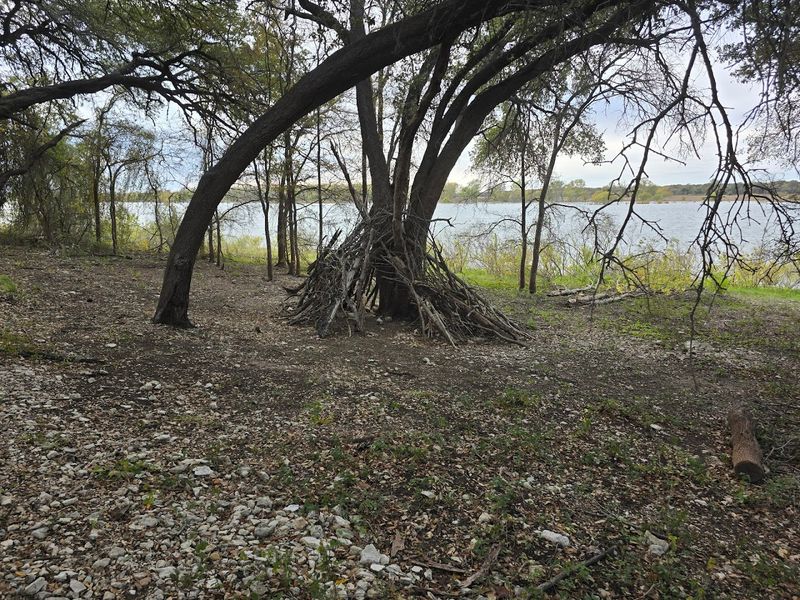
Geocaching transforms a regular park visit into a modern-day treasure hunt using GPS coordinates and your smartphone. Lake Whitney State Park embraces this activity wholeheartedly, with numerous caches hidden throughout the property waiting to be discovered. Park staff even offer geocaching 101 sessions on certain Saturdays to help newcomers learn the ropes.
Caches range from easy finds near trailheads to trickier hides that require a bit of detective work and persistence. Kids absolutely love the thrill of following coordinates to locate hidden containers, then signing logbooks and trading small trinkets left by previous finders. It adds an element of adventure to what might otherwise be a simple nature walk.
The activity works perfectly for families because it gets everyone moving and engaged without feeling like forced exercise. Veterans of the hobby appreciate that the park maintains its cache listings and ensures containers stay in good condition. Download the official geocaching app before you arrive since cell service can be spotty in certain areas of the park.
Combine cache hunting with hiking the park’s trails for a full day of exploration. Just remember geocaching etiquette—take something, leave something, and always re-hide containers exactly where you found them so the next treasure hunter can enjoy the same thrill of discovery.
4. Swim and Cliff Jump in the Clear Lake Waters
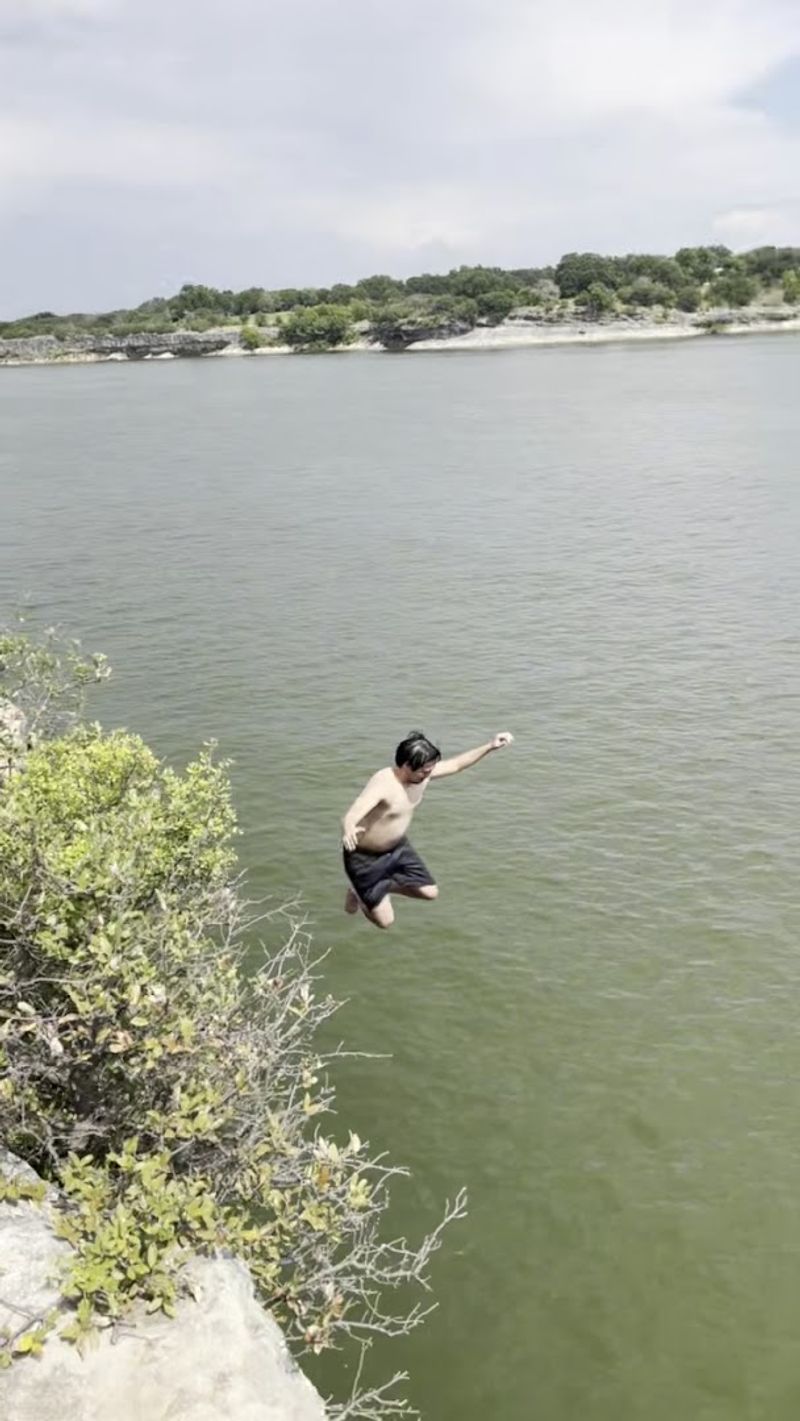
Lake Whitney’s swimming areas offer refreshing relief during scorching Texas summers. The park maintains designated beach zones where families can wade, swim, and play in the water safely. Complimentary life vests are available at water entry points, which is a thoughtful touch for parents with young kids or less confident swimmers.
For thrill-seekers, several spots around the lake feature limestone bluffs perfect for jumping into deep water below. These aren’t official park features, but locals know where to find them and the jumps range from modest drops to heart-pounding leaps that’ll get your adrenaline pumping. Always check water depth and conditions before jumping, and never go alone.
The rocky lake bottom means water shoes are practically mandatory unless you enjoy stubbed toes and scraped feet. The upside of all those rocks is the water stays relatively clear compared to muddier Texas reservoirs. Scuba divers also frequent Lake Whitney to explore underwater structures and practice their skills in a controlled freshwater environment.
Wind can pick up quickly on the lake, creating choppy conditions that make swimming less pleasant and potentially dangerous. Check forecasts before planning water activities, especially if you’re bringing kids or inexperienced swimmers into the mix.
5. Explore Easy Hiking Trails Perfect for Families
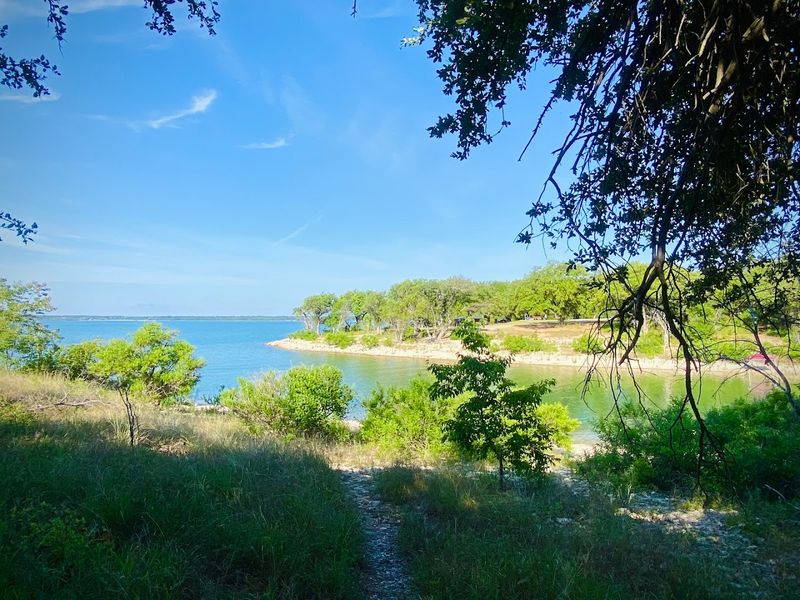
Lake Whitney State Park won’t satisfy hardcore hikers looking for serious mileage, but the trails here serve families and casual walkers perfectly. The Two Bridges Trail gets mentioned most often by visitors as the better of the park’s two main paths, offering shaded walking through native Texas vegetation with occasional lake views.
Trail distances combine to around two miles total, which means you can knock out both paths in a leisurely morning or afternoon. The terrain stays relatively flat and manageable for kids, older adults, and anyone not interested in steep climbs or technical challenges. Trees provide welcome shade during summer months when exposed trails would be miserable.
Bird watchers bring binoculars along these paths since the park attracts numerous species throughout the year. Early morning walks often reward hikers with wildlife sightings including deer, armadillos, and various songbirds. The trails connect to some camping loops, making them convenient for a quick nature walk without driving anywhere.
Don’t expect wilderness solitude or challenging terrain—these trails are more about pleasant strolls than serious hiking. Parents appreciate the easy terrain for introducing young children to hiking without the drama of exhaustion and complaints. Just watch for those tiny sticker burrs that plague the park, especially if you’re bringing dogs with longer fur.
6. Launch Your Boat for Water Sports and Lake Exploration
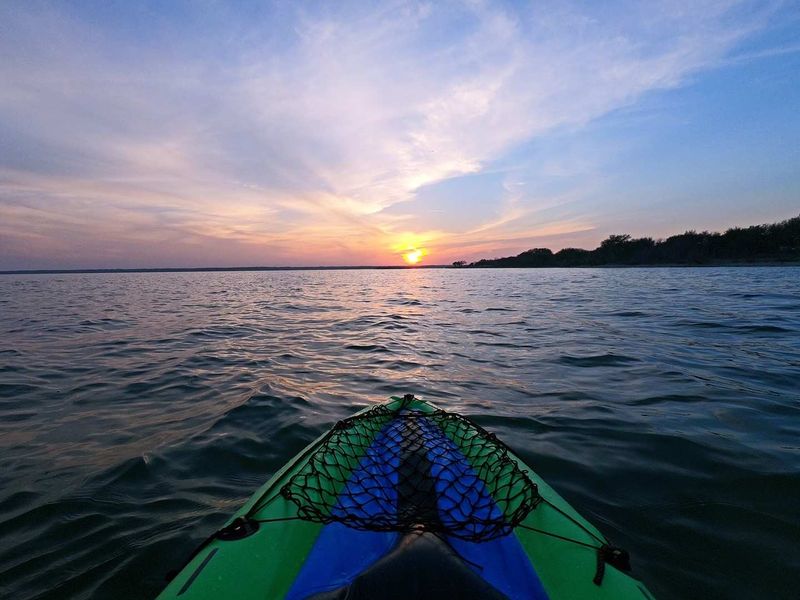
Boaters find Lake Whitney’s 23,000+ acres perfect for everything from leisurely cruising to high-speed watersports. The park provides well-maintained boat ramps that can handle everything from bass boats to larger cabin cruisers. Jet ski enthusiasts also use these launches to access the massive reservoir that stretches for miles in multiple directions.
The lake’s size means you can find your own space even on busy summer weekends when half of North Texas seems to be on the water. Calm coves offer protection from wind and boat traffic for those who prefer peaceful paddling or fishing. Meanwhile, open water sections give speed demons room to open up throttles without worrying about no-wake zones.
Water skiing, wakeboarding, and tubing are popular activities during warmer months. The lake’s depth and relatively clear water also attract scuba divers who explore submerged structures and practice their skills. Some visitors wish the park offered kayak or paddleboard rentals, but you’ll need to bring your own watercraft or rent from nearby outfitters.
Wind forecasts matter here since strong gusts can turn pleasant boating into a choppy, uncomfortable experience quickly. Morning hours typically offer the calmest conditions before afternoon breezes kick up waves that make smaller boats bounce around considerably.
7. Watch Spectacular Sunsets Over the Lake from Your Campsite
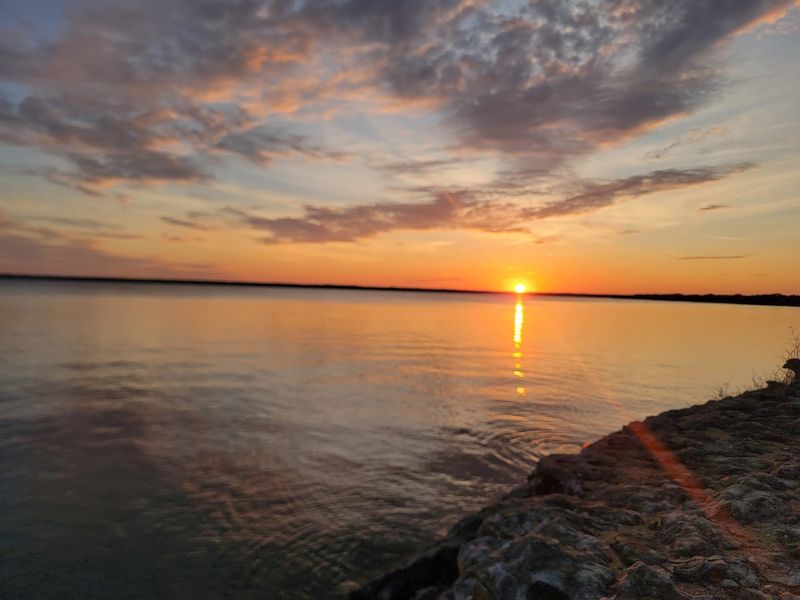
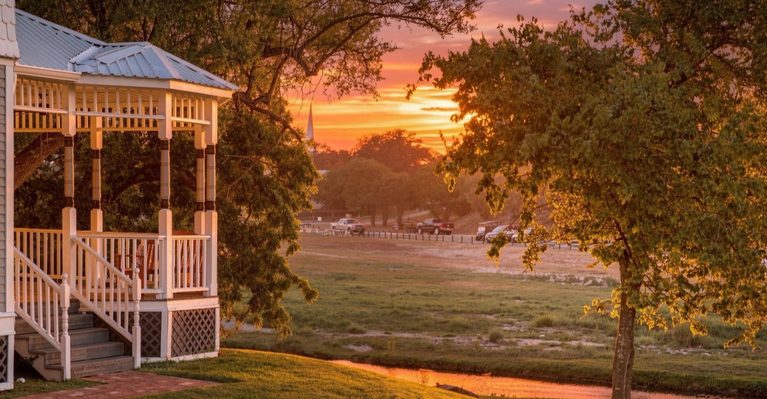
Sunsets at Lake Whitney State Park rank among the best free shows in Central Texas. Campers with lakefront sites get front-row seats as the sky explodes in oranges, pinks, and purples reflecting off the water. Even sites set back from the shore often catch glimpses of the evening light show through the trees.
Photographers pack their cameras to capture the dramatic colors that paint the western sky most evenings. The combination of open water, distant hills, and big Texas sky creates perfect conditions for stunning sunset images. Grab a camp chair, crack open a cold drink, and settle in about 30 minutes before official sunset time for the full experience.
The show changes with the seasons as the sun’s position shifts and weather patterns alter cloud formations. Summer sunsets last longer with extended twilight, while winter brings earlier darkness but often clearer skies. Some of the most spectacular displays happen when scattered clouds catch the fading light and glow like embers.
After dark, the park’s distance from major cities means less light pollution than you’d find closer to Dallas or Waco. Stars emerge in impressive numbers once full darkness settles in. Couples find the lakeside sunset views romantic, while families make it a nightly ritual to pause activities and appreciate nature’s evening performance together.
8. Spot Diverse Bird Species Year-Round
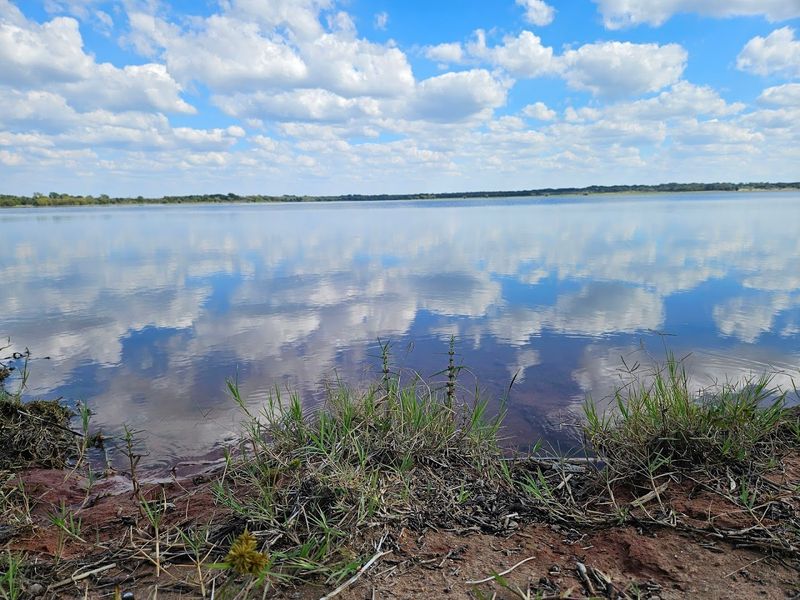
Bird enthusiasts flock to Lake Whitney State Park throughout the year to observe the diverse species that call this area home or pass through during migration. The combination of lake habitat, woodland areas, and open spaces creates perfect conditions for spotting everything from tiny songbirds to massive waterfowl. Great blue herons stalk the shallow waters hunting fish while various duck species paddle across calm coves.
Spring and fall migrations bring the most variety as species traveling the Central Flyway stop to rest and refuel. Patient observers with binoculars can spot warblers, tanagers, and other colorful migrants moving through the trees. Year-round residents include cardinals, blue jays, woodpeckers, and various hawks that patrol the skies searching for prey.
Early morning offers the best birding opportunities when species are most active and vocal. The park’s hiking trails wind through prime habitat where you can hear and see numerous species without straying far from your campsite. Bring a field guide or use a birding app to identify unfamiliar calls and sightings.
Several campers specifically mentioned the excellent bird watching in their reviews, noting the park’s reputation among birding circles. The relatively quiet atmosphere compared to more crowded parks means less human disturbance to spook shy species. Even casual observers enjoy watching birds without being serious birders.
9. Enjoy Affordable Screened Shelters When Weather Turns Rough
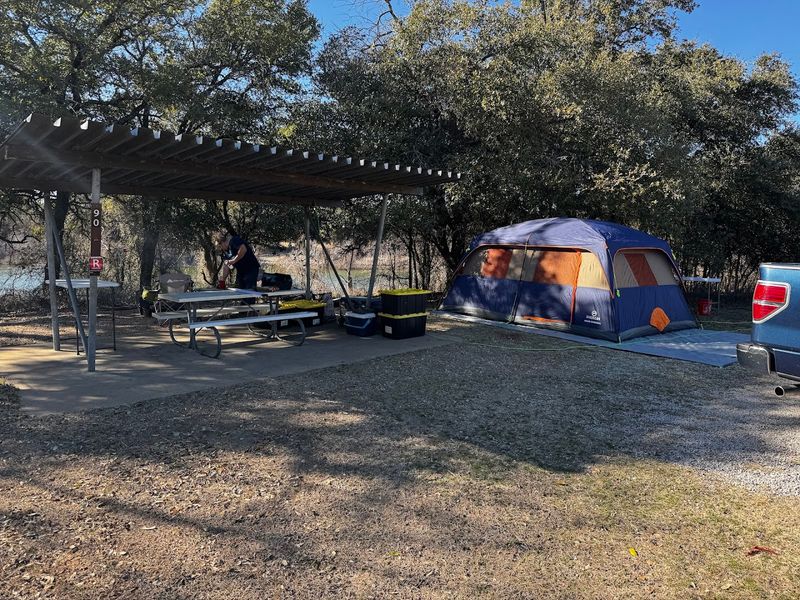
Screened shelters provide the perfect middle ground between tent camping and staying in a cabin. These structures keep bugs out while letting breezes flow through, making them especially popular during warmer months when mosquitoes and other insects can make outdoor sleeping miserable. Solid roofs protect against rain, which proved valuable for visitors who camped during wet weather.
The shelters come equipped with electricity, lights, and nearby water access. You’ll need to bring cots or air mattresses since the shelters don’t include beds, plus your own bedding and camping gear. Many campers also recommend bringing a padlock, extension cord, fan for air circulation, and firewood if you plan to use the grill or fire ring.
Pricing stays affordable compared to traditional cabin rentals, making these shelters attractive for families on a budget who still want some protection from the elements. The screened walls let kids experience sleeping outdoors without parents worrying about critters wandering into their sleeping bags during the night.
Book well in advance because these shelters fill up quickly, especially for holiday weekends and summer vacation periods. Some visitors have noted finding broken glass or debris in their assigned shelter, so plan to spend a few minutes cleaning before settling in. Overall, they offer excellent value for campers who want a step up from ground-level tent camping.
Share this story