
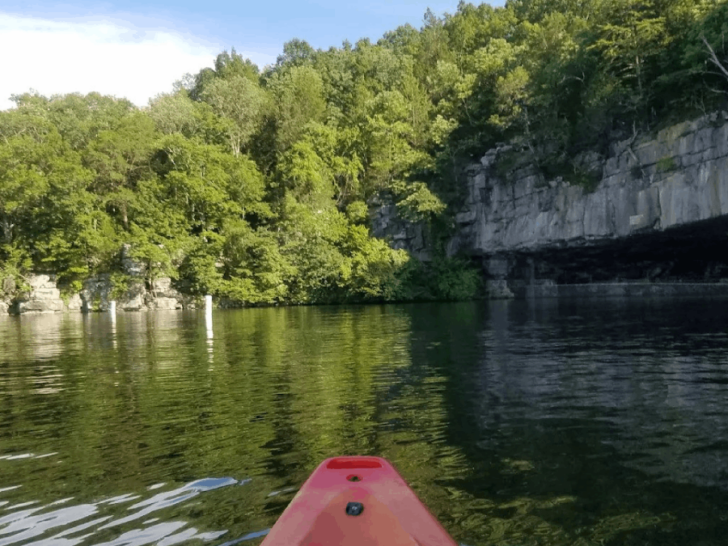
Hidden along the Tennessee River near New Hope lies one of the state’s most amazing wildlife experiences. Nickajack Cave Wildlife Refuge offers visitors a rare chance to paddle across calm waters and watch thousands of endangered gray bats emerge from their cave home at sunset.
Discover Nickajack Cave Wildlife Refuge in New Hope, Tennessee
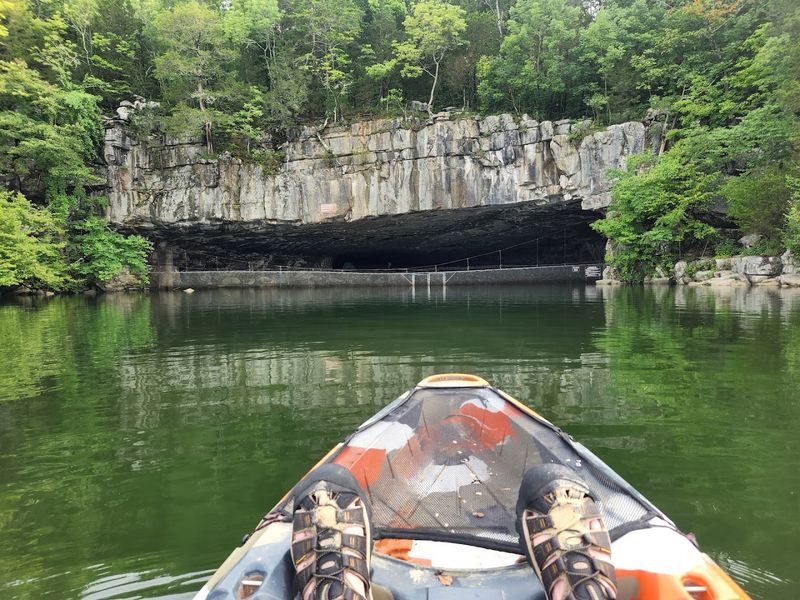
Nestled along the shores of Nickajack Lake on the Tennessee River, this wildlife refuge protects one of nature’s most remarkable habitats. The cave sits just off Mapleview Road in New Hope, Tennessee, making it surprisingly accessible for such a wild and special place.
The Tennessee Valley Authority manages the surrounding lake, while the cave itself serves as a protected sanctuary. Wooden walkways lead from the parking area to observation points, offering glimpses of the massive cave entrance partially submerged in the lake waters.
The refuge has become famous for its evening bat emergences, but the area also supports ospreys, various waterfowl, and fish populations. Rock formations around the waterfall and shoreline add geological interest to your visit, creating a complete nature experience in one beautiful location.
The Hidden Cave That Comes Alive at Sunset
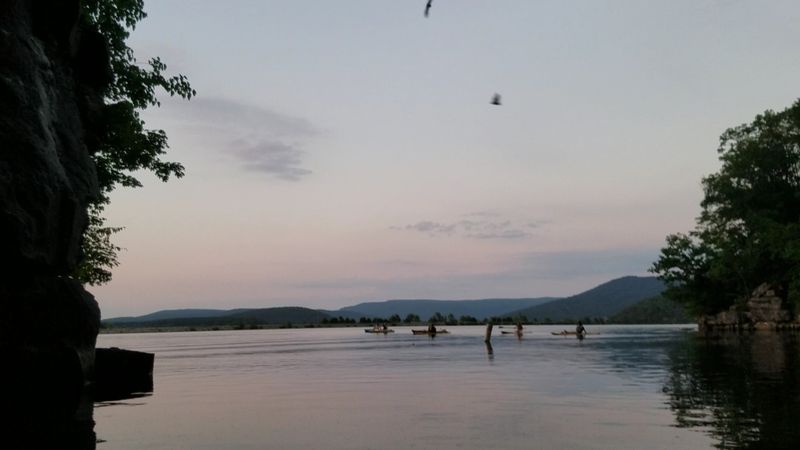
As daylight fades and the sky turns shades of orange and pink, Nickajack Cave transforms from a quiet refuge into nature’s theater. The massive cave opening, partially flooded by the lake, becomes the stage for one of Tennessee’s most spectacular wildlife shows. Sunset brings a magical quality to the water, creating perfect conditions for what’s about to unfold.
The cave entrance measures over 100 feet wide, creating an impressive dark portal in the limestone bluffs. Before the dam was built, this cave extended deep underground as a completely dry system. Now the water level reaches partway into the entrance, but the interior still provides thousands of square feet of roosting space for the colony.
The calm water reflects the surrounding hills, and you might spot ospreys hunting or other birds settling in for the night before the bats take center stage.
Thousands of Bats Take Flight Every Night
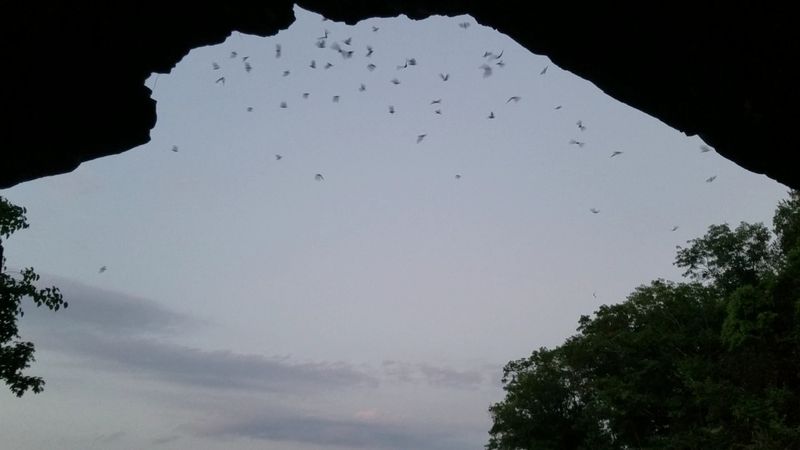
Right around dusk, the show begins with a few scouts emerging from the cave entrance. Within minutes, the trickle becomes a river of wings as thousands upon thousands of gray bats pour out into the evening air.
The gray bat colony at Nickajack numbers in the tens of thousands during peak season.
The bats emerge to hunt insects over the Tennessee River and the surrounding areas. A single bat can consume thousands of mosquitoes and other flying insects in one night. Watching them spiral upward and disperse across the landscape reminds visitors of nature’s incredible coordination and the important role these creatures play in the ecosystem.
Kayaking to the Mouth of the Cave
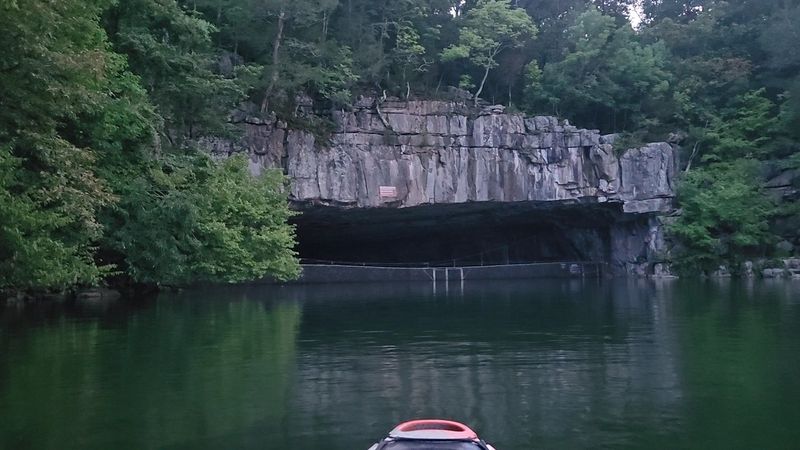
Paddling across Nickajack Lake toward the cave entrance offers an adventure unlike any other in Tennessee. The water stays relatively calm in the evening hours, making it perfect for kayakers of all skill levels. Guided tours launch from nearby access points, or experienced paddlers can explore on their own from the boat ramp.
Getting on the water gives you the best seat in the house for the bat emergence. From your kayak, you float just offshore from the cave mouth, close enough to hear and see the bats clearly as they exit. The perspective from the water level makes the limestone bluffs seem even more impressive and puts you right in the middle of the action.
Many visitors choose guided kayak tours that provide equipment, safety instruction, and expert knowledge about the area. Guides share fascinating details about the cave’s history, the bat colony, and other wildlife you might encounter. If you bring your own kayak, arrive early to claim a good viewing spot and explore the shoreline before the emergence begins.
A Safe Haven for the Endangered Gray Bat
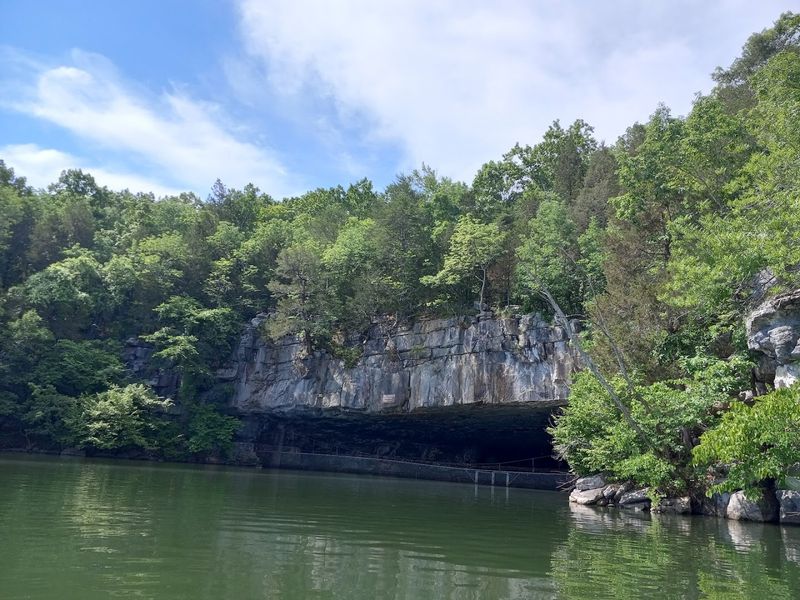
Gray bats earned a spot on the endangered species list due to habitat loss and disturbance at their cave roosting sites. These bats require very specific conditions, including large caves near water sources where they can raise their young and hibernate. Nickajack Cave provides exactly what they need, making it critically important for the species’ survival.
The refuge protects the colony from human disturbance during sensitive times of year. Female gray bats gather here in huge maternity colonies each summer to give birth and raise their pups. The warm, stable temperature inside the cave creates ideal nursery conditions.
Without protected sites like Nickajack, these colonies would struggle to reproduce successfully.
Conservation efforts at the refuge have helped gray bat populations recover somewhat from their lowest numbers. The cave is closed to human entry, and viewing guidelines help minimize disturbance to the bats. By visiting responsibly and supporting the refuge, you contribute to the ongoing protection of these remarkable endangered mammals.
The Best Time to Witness the Bat Emergence
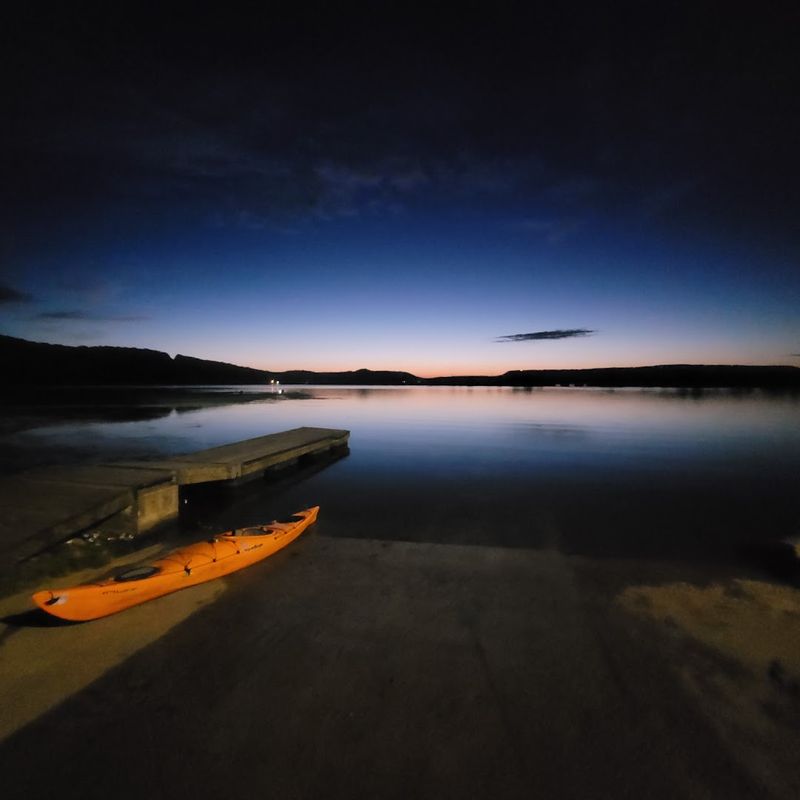
Planning your visit around the right season and time of day makes all the difference in your bat-viewing experience. The refuge operates evening hours from 8 PM to midnight, Monday to Saturday. Summer months from late May through August offer the most dramatic emergences when the maternity colony reaches peak numbers.
Bats typically begin emerging about 15 to 30 minutes before full darkness, which varies by season. Arriving at least an hour before sunset gives you time to get situated, whether you’re kayaking to the cave or watching from the observation area. The exact timing shifts as daylight hours change throughout the year.
Weather affects the emergence too, with bats sometimes delaying their exit during rain or strong winds. Clear, calm evenings provide the best viewing conditions. Spring and fall also offer good bat watching, though colony sizes are smaller than during the summer breeding season.
Check current conditions before making the trip to maximize your chances of witnessing this incredible natural event.
What to Know Before Visiting Nickajack Cave Wildlife Refuge
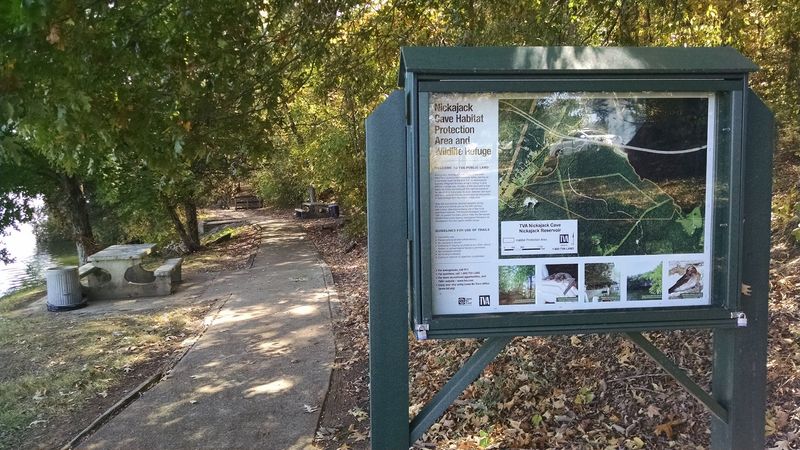
Before heading to the refuge, understand that the cave itself is off-limits to protect the bat colony. A wooden boardwalk leads from the parking area to viewing platforms where you can watch the emergence from land. For the best experience, many visitors choose kayaking, which requires either bringing your own watercraft or booking a guided tour in advance.
The refuge provides basic amenities, including picnic tables and parking. Portable restrooms are available but may need servicing during busy periods. Bug spray is essential since you’ll be near water at dusk, and bringing a headlamp or flashlight helps you navigate back to your vehicle after dark.
Respect wildlife guidelines by staying quiet during the emergence, keeping a respectful distance, and never using flash photography that could disturb the bats. Pack out all trash to help keep this beautiful area clean. The refuge is free to visit, though guided kayak tours charge fees.
This incredible wildlife spectacle is worth the planning and preparation for an evening you’ll never forget.