A young Abraham Lincoln once ran a store here that went so deep into debt he called it his national debt. He spent years paying it off. I love that the future president started out as a broke shopkeeper.
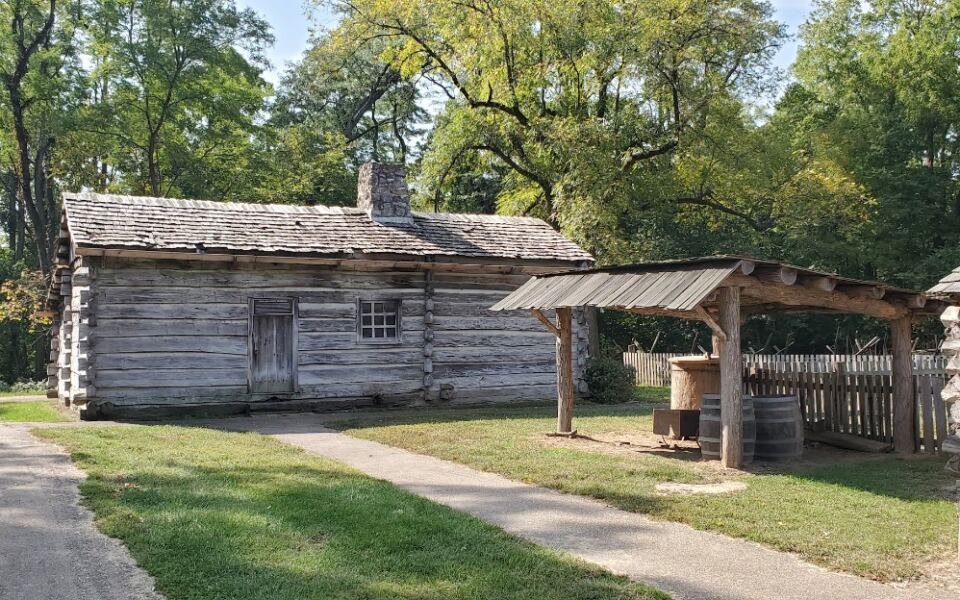
The village he knew has been reconstructed with log cabins, shops, and a frontier tavern. Costumed interpreters help bring the 1830s back to life on certain days. Admission is free, with donations welcome.
This spot sits in the rolling countryside of central Illinois. Lincoln lived here for about six years as a young man. He worked odd jobs, studied law, and took his first steps into politics.
You can still wander through the village where his remarkable story began, without spending a dime on admission.
Lincoln Spent His Twenties Right Here, Figuring Things Out
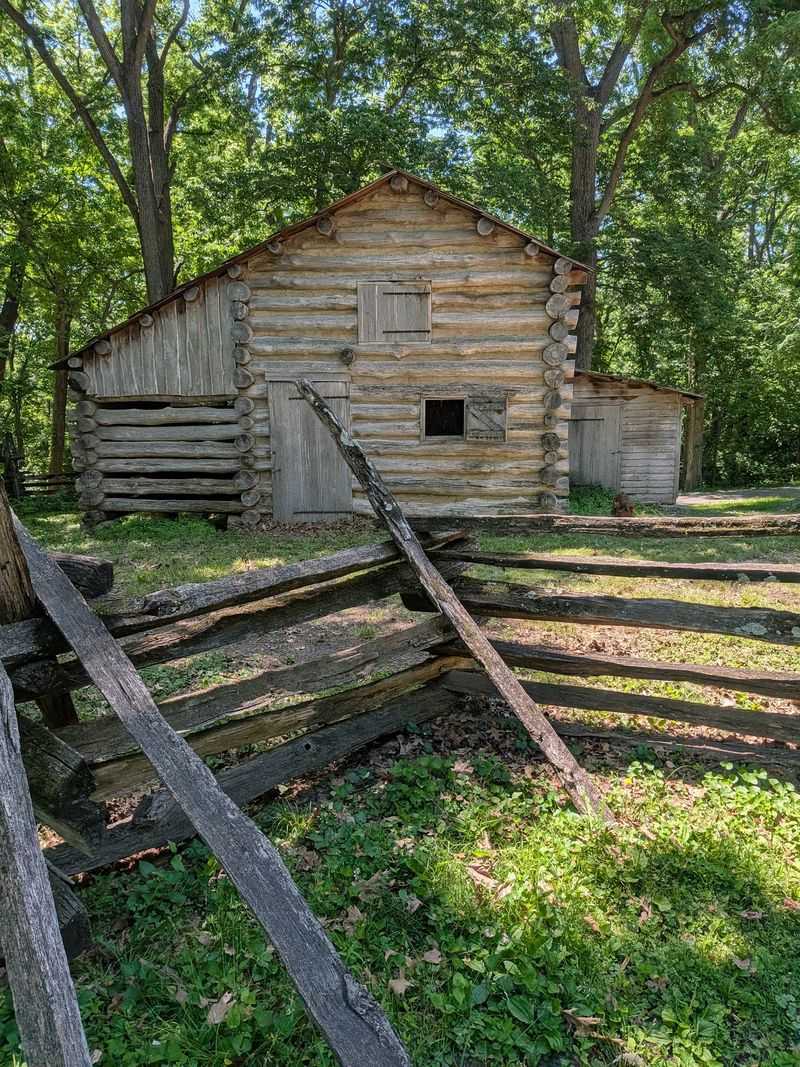
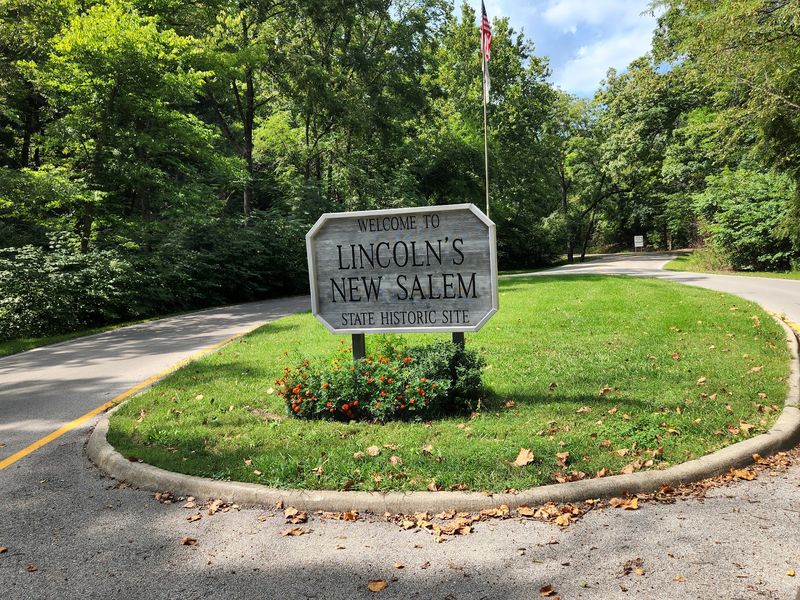
Lincoln’s New Salem State Historic Site marks the village where Abraham Lincoln lived from 1831 to 1837. He arrived as a young man with almost nothing. He left as a lawmaker on his way to Springfield.
During those years, he wore a lot of hats. He worked as a store clerk, a postmaster, and a surveyor. He also served as a captain in a militia company.
New Salem is where he first ran for office. He lost his first race for the Illinois General Assembly in 1832. Two years later, he won a seat.
That makes this village a kind of starting line. You get to see the place where a restless young guy found his direction. Pretty encouraging for anyone who feels stuck in their twenties.
The original village faded away after Lincoln left. As nearby Petersburg grew, New Salem gradually lost its residents. By around 1840, the settlement was largely abandoned.
What stands today is a careful reconstruction. Work on the rebuilt village took off in the 1930s, with help from the Civilian Conservation Corps. Crews used historical records and archaeological evidence to recreate the settlement.
The paths aren’t the original surfaces Lincoln walked, but the village follows its historic layout. That’s still pretty remarkable.
Your Wallet Can Relax, Because the Gate Is Free
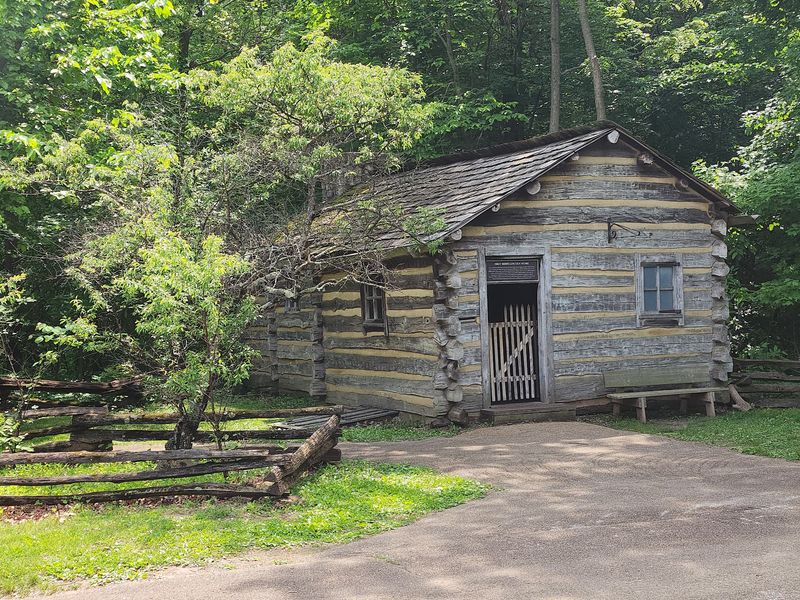
Free admission is the headline here. The site welcomes donations, but nobody charges you to walk the village. In a world of pricey tickets, that feels almost old-fashioned.
Donations help support the historic site. Giving something is a nice move if you enjoy the day. Still, families on a tight budget can visit without stressing over admission costs.
Start at the visitor center. It offers exhibits, a short film about Lincoln’s New Salem years, and restrooms. You also get your bearings before heading down the paths.
Plan for walking. The reconstructed village has firm aggregate pathways and some gentle slopes. Comfortable shoes beat cute sandals every time.
From March through October, the village generally opens Tuesday through Saturday, 9 a.m. to 5 p.m. Hours can change seasonally, so check before making the drive.
Give yourself at least two hours. Rushing through means missing small details, like tools on a table or herbs by a doorway. Slow visitors tend to get the most out of it.
Bring water on hot days. Central Illinois summers can get sticky, and shade comes and goes between the cabins. A hat helps too.
More Than 20 Log Buildings Wait Down the Path
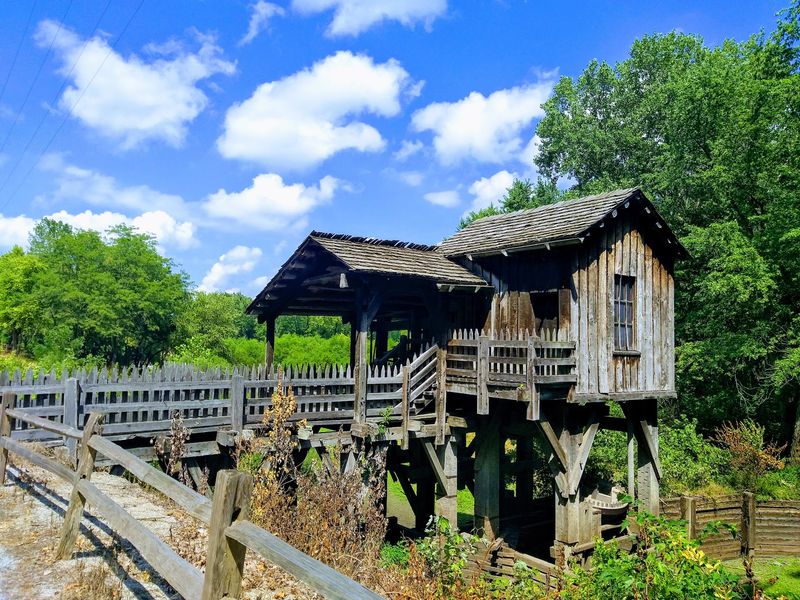
Two dozen or so timber buildings fill the rebuilt village. You’ll find homes, shops, a tavern, mills, and a schoolhouse that also served as a church. Each one gives you a peek at frontier life.
Many cabins are furnished with items from the 1830s era. Look for spinning wheels, rope beds, iron kettles, and simple wooden tables. Life was cozy in the most literal way.
The buildings sit along the same layout as the original town. Wandering from door to door feels like a neighborhood stroll. Just a neighborhood with no cars and a lot more chickens of the imagination.
Notice how small most homes are. Big families often shared a single room with a fireplace. Suddenly, your own crowded kitchen seems roomy.
The Onstot Cooper Shop is a special one. It’s the only original building in the village, moved back to the site after years in Petersburg. Cooper Henry Onstot made barrels there.
Everything else was rebuilt with care. That mix of old and recreated makes the Onstot shop feel extra meaningful. Give it a long look before moving on.
Kids usually love peeking through doorways. Turn it into a game of spotting the strangest tool. Winner picks the next cabin.
Meet the Store That Left Lincoln Deep in Debt
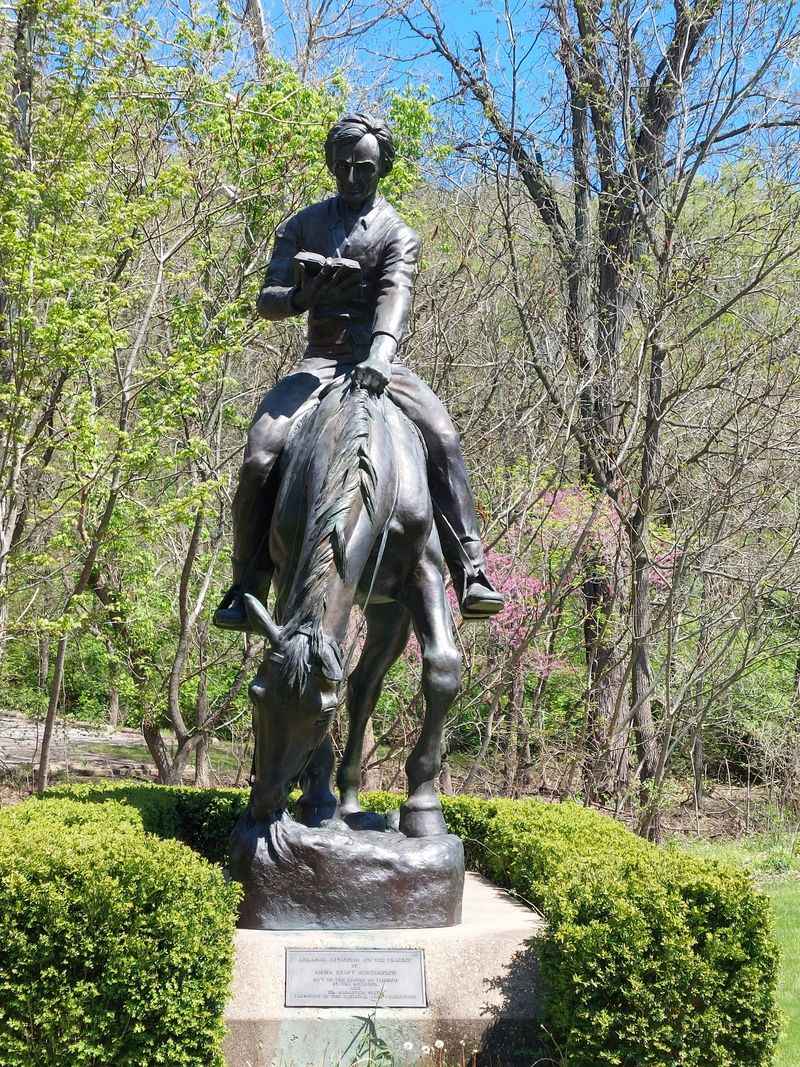
Business partners don’t always work out. Lincoln learned that the hard way at the store he ran with William Berry. The shop failed, and Berry passed away soon after, leaving Lincoln with the bills.
He reportedly called the leftover amount his national debt. It took him years to settle those obligations, although historians differ on exactly when he finished paying everything back. That’s quite a burden for a young man trying to find his footing.
You can visit a rebuilt Lincoln-Berry Store in the village. Shelves hold goods like fabric, tools, and jars, the kind of stuff frontier families needed. The counter looks ready for a customer.
Nearby, look for the Denton Offutt store site too. Lincoln clerked there first, soon after arriving. He picked up a reputation for strength and fair dealing.
Stories from these years say Lincoln read constantly. He reportedly studied books between customers when business was slow. Slow sales, it turns out, can be good for your brain.
Standing inside the store makes his struggles feel real. This wasn’t a legend yet, just a guy trying to make ends meet. Many people find that easier to relate to than the marble statue version.
Take a photo by the door. It’s a fun reminder that even presidents had rough first jobs. Some of them had really rough ones.
Costumed Interpreters Make the 1830s Feel Like Yesterday
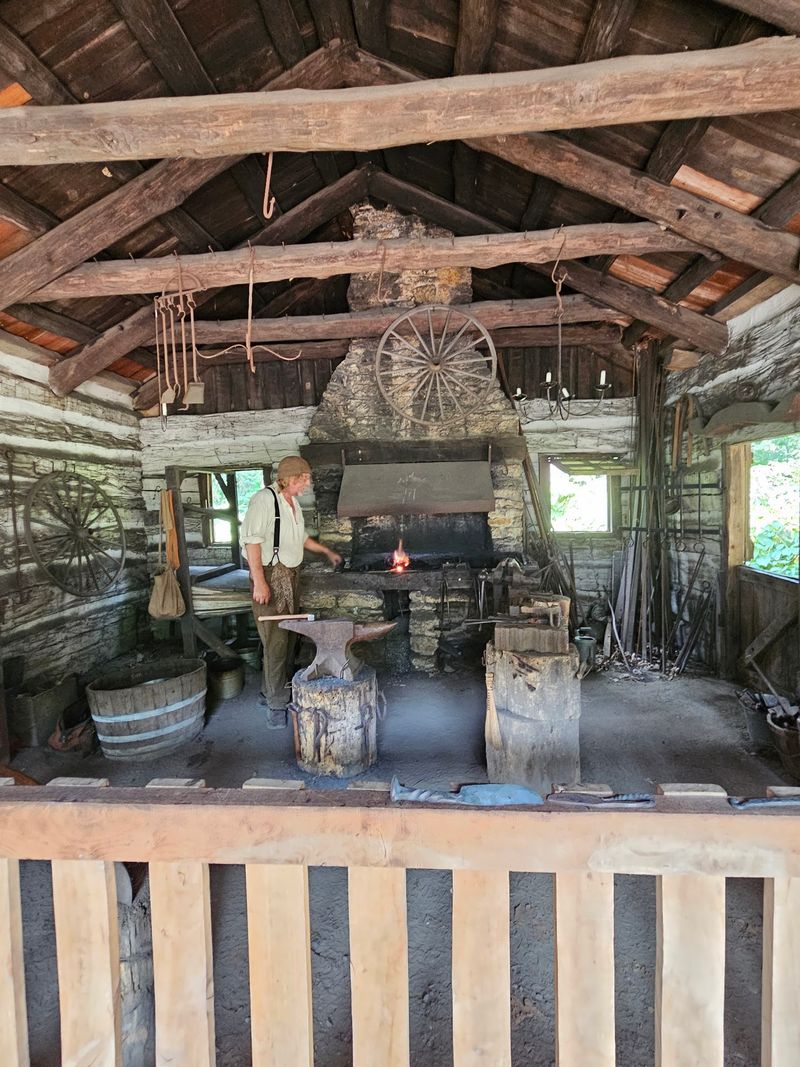
Somebody in a bonnet might wave at you from a porch. Interpreters in period clothing often staff cabins during busy seasons. They share how people cooked, worked, and got by in the 1830s.
Demonstrations can include crafts like spinning, weaving, blacksmithing, or open-hearth cooking. What you see depends on the day and season. That keeps repeat visits interesting.
Ask questions. Interpreters know a lot about daily life and are usually happy to explain. A simple question about a tool can open up a great story.
Kids get a lot out of these chats. Hearing how a family made candles beats reading it in a textbook. It also makes modern light switches seem pretty magical.
Interpreters aren’t always present every day of the year. Weekends and warmer months tend to offer more activity. If seeing them matters to you, check the schedule before you go.
Even on quiet days, the cabins still tell plenty. Labels and furnishings fill in the story. Self-guided walks have their own peaceful charm.
Remember to be patient during demonstrations. Old-school work takes time, and that’s part of the lesson. Nobody rushed a fire in 1833.
Summer Evenings Bring Theatre Under the Stars
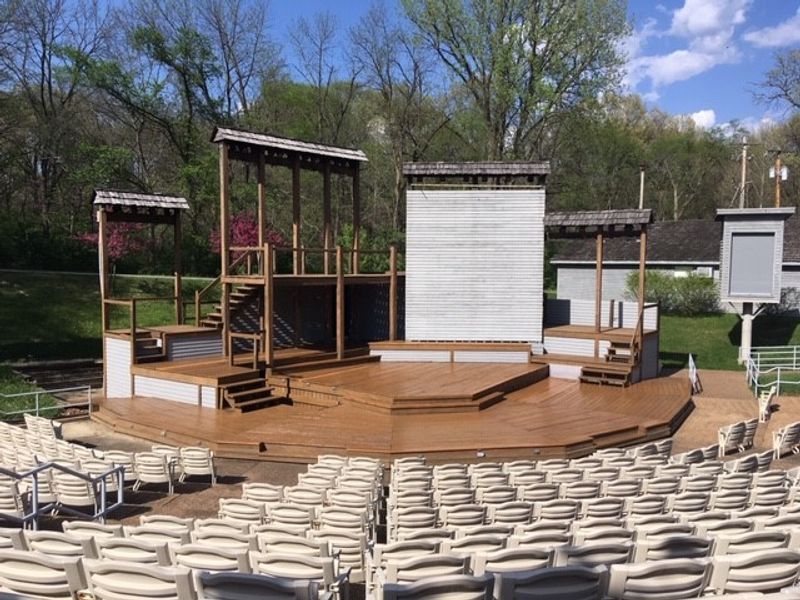
Theatre in the Park performs at Kelso Hollow, an outdoor theatre on the site. Summer productions have run here for decades. The setting under open sky is a big part of the fun.
The shows change from year to year. Past seasons have mixed classic musicals with plays tied to Lincoln’s life. Check the current season lineup before you plan.
Tickets for the theatre are separate from the free village. Still, it makes a great add-on for a summer trip. Spend the day exploring, then catch a show.
Bring bug spray. Evenings in the woods of Illinois come with plenty of tiny fans. They show up for every performance.
A light jacket helps too, even in summer. Temperatures can dip once the sun goes down. Nothing ruins a love song like shivering.
Families often make this a tradition. Seeing a play where Lincoln once walked adds a little extra magic. It turns a history trip into a full evening out.
Arrive with time to find parking and seats. Outdoor shows can depend on weather, so watch the forecast. Rain may change plans, and that’s just part of open-air theatre.
Special Weekends Fill the Village With Frontier Fun
Event calendars here lean seasonal. The site has hosted gatherings like Pioneer Days in June and Candlelight Walks in October. Each one gives the village a different mood.
Candlelight Walks have been a favorite tradition. Lanterns and candles light the paths after dark. It’s a striking way to imagine how dim life could be before electric lights.
Living history programs bring another layer of fun. Depending on the schedule, visitors may see demonstrations of traditional crafts, old trades, or frontier skills. There’s something fascinating about watching everyday work done the hard way.
These special weekends can be busier than a regular day. Arriving early helps with parking and calmer exploring. Early birds might even get the best photos before the crowds arrive.
Fall is especially atmospheric here. Cooler air, changing leaves, and old log buildings make the reconstructed village feel like a scene from another century. Bring a jacket if you’re visiting after sunset.
For families, events add a little extra excitement. Kids can watch skills that almost nobody uses today. Some might even decide butter churning looks pretty cool.
Follow the official site’s updates for exact dates and activities. Programs can change from year to year, and planning around one makes the trip feel extra special.
Room to Picnic, Camp, and Stretch Your Legs
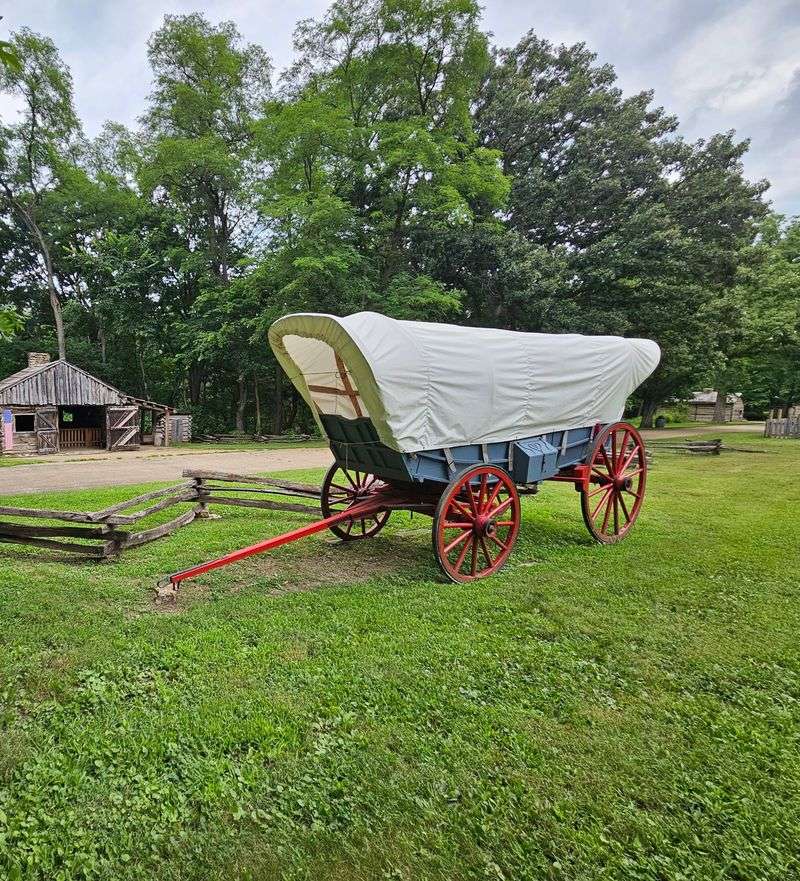
History works up an appetite, and the grounds help with that. The site offers picnic areas with tables and shelters among the trees. Packing lunch keeps the whole day affordable.
Camping is available too. The campground has sites for tents and RVs, with a mix of electric and basic options. Waking up near a frontier village feels pretty cool.
Hiking trails wind through the wooded hills around the village. They give you a break from cabin-hopping. You also get a sense of the land Lincoln knew.
The Sangamon River runs nearby. Lincoln once helped steer a flatboat that got stuck at the dam here. The river was a big deal for the town’s hopes.
Bring a blanket and some snacks for slow afternoons. Kids can burn off energy while adults rest. Everyone comes back to the cabins in a better mood.
The full address is 15588 History Ln, Petersburg, IL 62675. Pop it into your map app, and you’ll find plenty of signs as you get close. Parking sits near the visitor center.
Check campground rules and reservation options before you go. Busy summer weekends can fill sites. A little planning goes a long way.
Petersburg and Springfield Make It a Full Lincoln Road Trip
Just a few miles north sits Petersburg, the small town that grew as New Salem faded. Lincoln himself helped survey it in the 1830s. Its historic square is worth a stroll.
In Petersburg, Oakland Cemetery holds the grave of Ann Rutledge. Her story with Lincoln is a famous and debated part of his New Salem years. Poet Edgar Lee Masters, who rests in the same cemetery, wrote a poem for her stone.
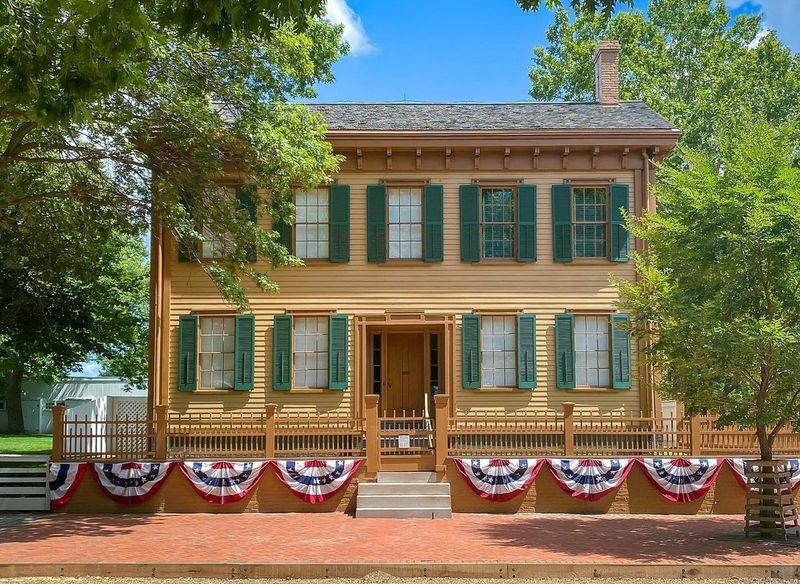
Springfield is roughly a half-hour drive away. That’s where Lincoln practiced law and raised his family. The Lincoln Home National Historic Site and the Abraham Lincoln Presidential Library and Museum are both there.
Combine everything into a weekend. Start with Lincoln’s New Salem State Historic Site to see him young. Then head to Springfield to see where his story grew.
Doing it in that order makes the story flow. You watch a broke store clerk turn into a lawyer and politician. It’s like reading chapters in the right sequence.
Central Illinois rewards slow travelers. Country roads and small towns make the drive pleasant. Lincoln walked plenty of these miles, so driving them feels like the easy version.
Share this story