North Carolina is packed with stunning mountains, beautiful coastlines, charming small towns, and rich history that most people never fully explore. Even longtime residents often stick to the same well-known spots and miss out on some truly incredible places hiding in plain sight. From secret waterfalls tucked deep in the Blue Ridge Mountains to quiet barrier islands where wild ponies still roam free, this state has more surprises than most people realize.
Whether you have lived here your whole life or just moved in, these 12 overlooked gems are absolutely worth adding to your must-visit list. North Carolina stretches from the Appalachian Mountains in the west all the way to the Outer Banks in the east, covering an enormous range of landscapes, ecosystems, and cultural stories. Yet so many of these treasures go unnoticed because they sit just off the beaten path or get overshadowed by more famous destinations nearby. Some of these places offer jaw-dropping natural beauty, while others connect you to stories that shaped American history in ways most textbooks barely mention.
A few are perfect for families looking for a fun day trip, while others are quiet escapes that feel like your own private discovery. The good news is that all of them are accessible, affordable, and genuinely worth the drive. If you think you already know North Carolina well, get ready to be surprised. This list covers some of the most fascinating, beautiful, and underappreciated places the Tar Heel State has to offer, and chances are good that at least a few of them are closer to home than you ever imagined.
1. Silver Run Falls
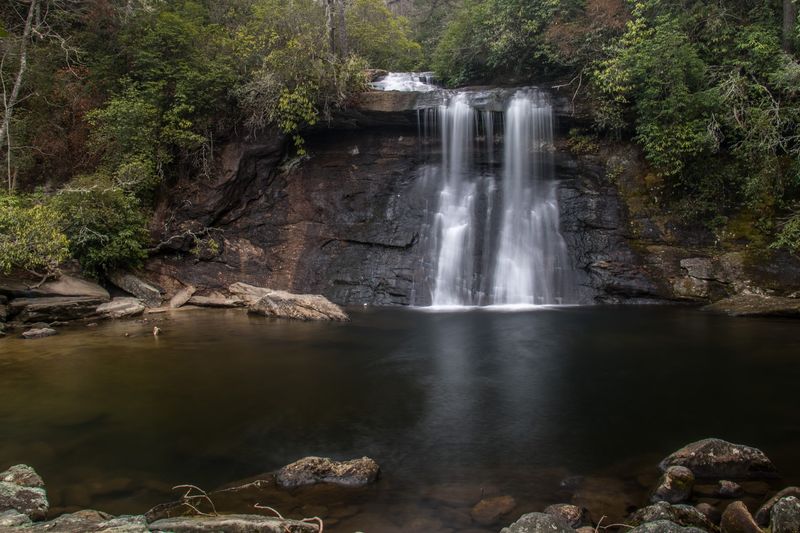
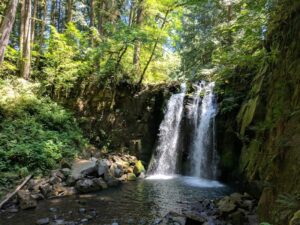
Tucked away in the Nantahala National Forest near Cashiers, North Carolina, this waterfall feels like something out of a fairy tale.
Most people driving through the area head straight for the more famous Whitewater Falls or Dry Falls, completely missing one of the most beautiful swimming holes in the entire state.
Silver Run Falls is only about 15 feet tall, but what it lacks in height, it more than makes up for in charm and accessibility.
The hike to reach it is short and easy, making it a great destination for families with young children or anyone who does not want a strenuous trek.
The trail is less than half a mile each way, and the payoff is absolutely worth every step.
Once you arrive, you will find a wide, shallow pool of crystal-clear water that is perfect for wading and splashing around on a hot summer day.
The water stays cold even in the peak of summer, fed by mountain streams that keep the temperature refreshingly chilly.
Locals love this spot but tend to keep it quiet, which means it stays far less crowded than other waterfalls in the region.
Weekdays are your best bet for a peaceful visit with plenty of elbow room.
Parking is along Route 107, and the trailhead is easy to find once you know to look for it.
Bring water shoes since the rocky streambed can be slippery.
Cashiers itself is a lovely mountain village worth exploring before or after your waterfall visit, with great local restaurants and shops that add a perfect finishing touch to the day.
2. Historic Edenton State Historic Site

Most people have heard of Colonial Williamsburg in Virginia, but far fewer know about Edenton, North Carolina, a town that arguably has just as much history packed into its quiet, tree-lined streets.
Sitting on the southern shore of Albemarle Sound, Edenton was one of the earliest permanent settlements in North Carolina and served as the colonial capital before Raleigh took over that role.
Walking through its historic district genuinely feels like stepping back in time.
The Edenton State Historic Site preserves several stunning colonial-era structures that are open for tours.
The 1767 Chowan County Courthouse is considered one of the finest examples of Georgian architecture in the entire American South, and it is still standing in remarkable condition.
The nearby Cupola House, built in 1758, is another architectural gem that draws admiring visitors from across the country.
One of the most fascinating stories connected to this town involves the Edenton Tea Party of 1774, when a group of local women signed a resolution pledging to boycott British goods.
This was one of the earliest examples of organized political action by women in American history, and it predates many other well-known acts of colonial resistance.
A small bronze teapot monument near the waterfront commemorates this bold moment.
Guided tours are available and highly recommended since the stories behind each building are far more interesting than what you might pick up on your own.
The town itself is small and walkable, with a charming waterfront, local shops, and cozy restaurants.
Edenton rewards slow, curious visitors who enjoy soaking up atmosphere along with their history lessons.
3. Window Falls at Hanging Rock State Park
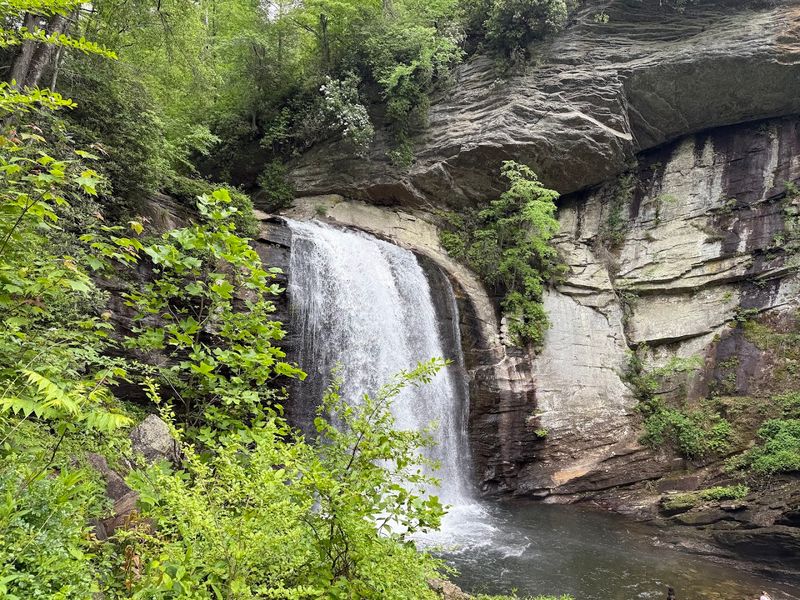
Hanging Rock State Park gets a decent amount of visitors, but the vast majority of them stick to the main summit trail and never bother exploring the waterfall loop on the other side of the park.
That means Window Falls, one of the most uniquely shaped waterfalls in all of North Carolina, stays surprisingly quiet even on busy weekends.
Missing it would be a real shame, because this waterfall is genuinely unlike anything else in the state.
What makes Window Falls so special is the way the water pours directly through a natural opening, or window, in the rock face rather than simply flowing over the edge.
The result looks almost architectural, as if the mountain carved itself a doorway just for the water to pass through.
Seeing it in person is one of those moments that makes you stop and just stare in quiet appreciation.
The hike to Window Falls is part of a longer waterfall trail that also passes Lower Cascades and Upper Cascades, giving you three distinct waterfalls for the price of one walk.
The full loop is about two miles and rated moderate, with some rocky sections that require careful footing.
Sturdy hiking shoes are a smart choice, especially after rain when the rocks get slick.
Hanging Rock State Park sits in Stokes County in the Piedmont region of North Carolina, about 30 miles north of Winston-Salem.
Admission to the park is free, which makes it an incredibly budget-friendly adventure.
Pack a picnic lunch and plan to spend a full morning exploring the trails before rewarding yourself with a swim at the park’s small lake in the afternoon.
4. Linville Caverns
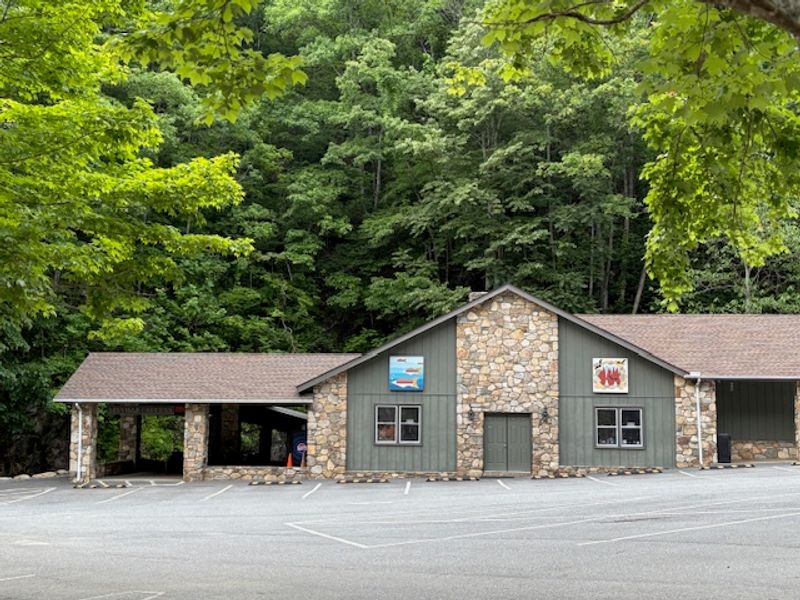
Hidden beneath the slopes of Humpback Mountain in McDowell County, Linville Caverns has been welcoming curious visitors since the 1940s, making it one of the oldest tourist attractions in the North Carolina mountains.
And yet, somehow, many lifelong residents of the state have never made the trip.
That is a genuine missed opportunity, because stepping inside this underground world feels like entering a completely different planet.
The caverns stretch through natural limestone passages carved by millions of years of water erosion.
Inside, you will find remarkable formations including stalactites hanging from the ceiling and stalagmites rising from the floor, some of which took thousands of years to grow just a single inch.
A small underground stream runs through part of the cave, and blind trout that have lost their pigmentation over generations live in its cool, dark waters.
Guided tours run year-round and take about 30 to 45 minutes, making this an easy and entertaining stop even for younger kids who might lose patience on longer attractions.
The cave maintains a constant temperature of around 52 degrees Fahrenheit no matter the season, so bringing a light jacket is always a good idea even in the middle of a sweltering August afternoon.
Linville Caverns is located on US Highway 221 between Linville and Marion, placing it conveniently close to other popular mountain destinations like Grandfather Mountain and Linville Falls.
Admission is affordable and well worth it.
The combination of geological wonder, fascinating natural history, and kid-friendly pacing makes this one of those rare attractions that genuinely appeals to every age group without feeling watered down for anyone.
5. Topsail Beach
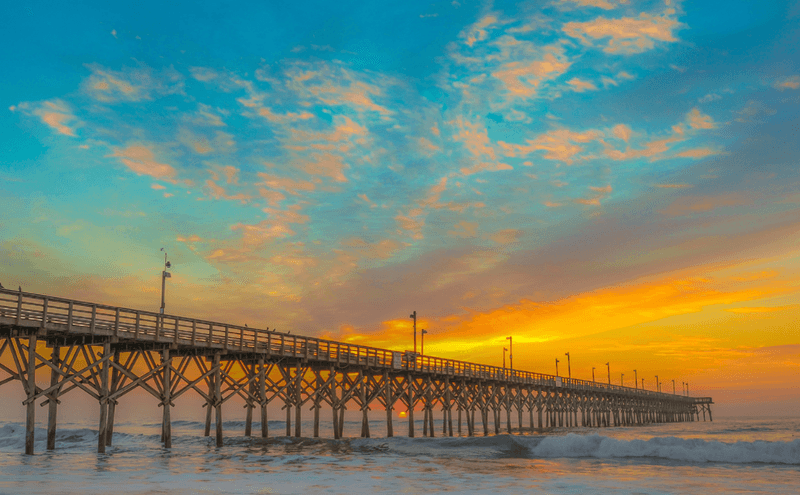
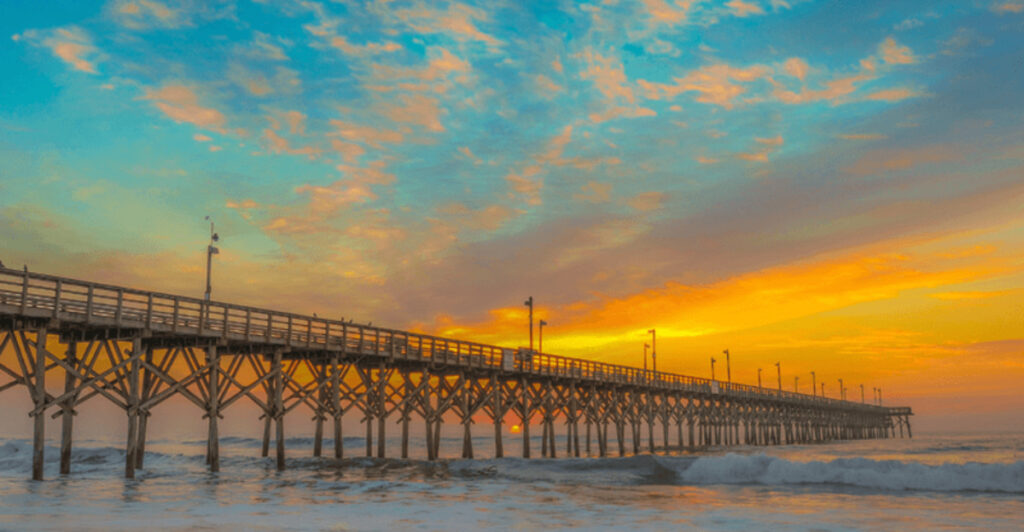
While Wrightsville Beach and Carolina Beach draw the crowds and the headlines, Topsail Beach sits quietly on the southern end of Topsail Island, offering everything you love about the North Carolina coast without the bumper-to-bumper traffic and packed parking lots.
The name itself comes from a legend that pirates used to hide their ships behind the island, with only their topsails visible above the dunes.
Whether that story is true or not, it adds a delightful layer of mystery to an already charming place.
Topsail Island is a long, slender barrier island that stretches about 26 miles along the coast of Pender and Onslow counties.
The southern tip, where Topsail Beach is located, is one of the most laid-back and residential sections of the island.
There are no big resort hotels or flashy amusement parks here, just wide sandy beaches, quiet streets, and a pace of life that feels wonderfully unhurried.
One of the most heartwarming things about this stretch of coastline is its role in sea turtle conservation.
The Karen Beasley Sea Turtle Rescue and Rehabilitation Center operates on the island and does incredible work protecting loggerhead sea turtles and other species that nest along these shores.
Visiting the center is a moving experience that adds real meaning to your beach trip.
Summer is the most popular season, but a fall visit to Topsail Beach can be absolutely magical.
The crowds thin out dramatically after Labor Day, the water stays warm well into October, and the light has a golden quality that photographers absolutely love.
Rental cottages are plentiful and more affordable in the shoulder season, making a long weekend here a genuinely great deal.
6. Ocracoke Island
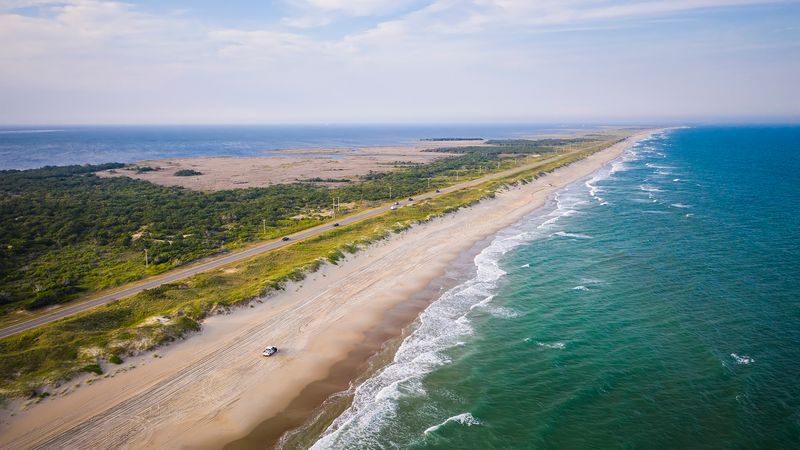
Getting to Ocracoke Island requires a ferry ride, and that small barrier of inconvenience is precisely why it remains one of the most unspoiled and enchanting places on the entire East Coast.
Accessible only by boat or small plane, this Outer Banks gem sits about 25 miles south of Hatteras Island and has managed to hold onto a character that feels genuinely timeless.
The village of Ocracoke has a local dialect, called the Hoi Toider brogue, that linguists have studied for decades because it preserves features of older English speech patterns.
The island is famous for its connection to the pirate Blackbeard, whose real name was Edward Teach.
He was killed in the waters just off Ocracoke in 1718, and the island has embraced this swashbuckling history with enthusiasm.
A small but spirited pirate history museum and various local landmarks help tell the story for curious visitors who enjoy their history with a little drama.
Beyond the pirate lore, Ocracoke offers some of the most pristine and uncrowded beaches on the Atlantic seaboard.
The National Park Service manages a significant stretch of the island’s shoreline, keeping development at bay and preserving the wild, windswept beauty that makes this place so special.
Wild ponies descended from Spanish mustangs once roamed freely here, and while they are now kept in a protected enclosure for their safety, seeing them up close is still a remarkable experience.
The village itself is compact and walkable, with excellent local restaurants, art galleries, and boutique shops that reflect the island’s creative and independent spirit.
Staying overnight is strongly recommended since the ferry schedule limits day-trip options and the island truly reveals its magic after the day visitors head home.
7. Asheboro’s North Carolina Zoo
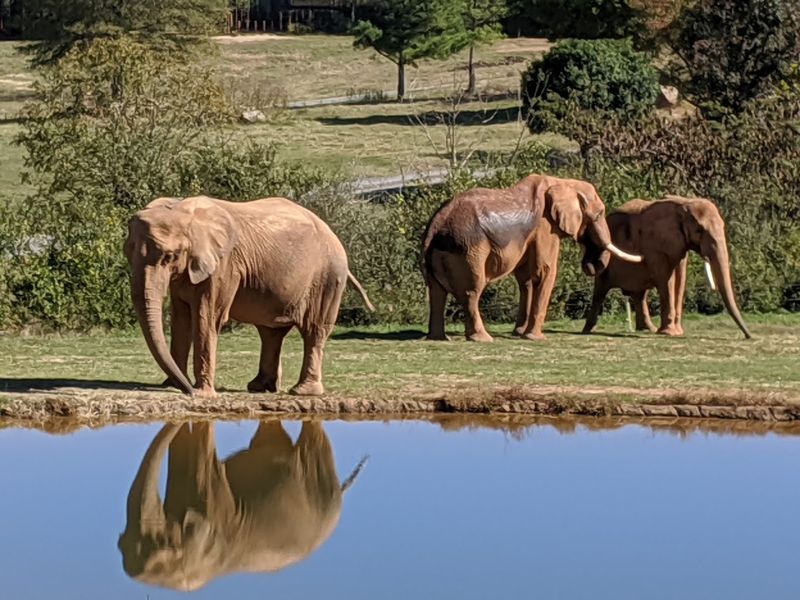
Sitting in the rolling Piedmont hills of Randolph County, the North Carolina Zoo is the largest natural habitat zoo in the entire United States, covering more than 2,600 acres of beautiful North Carolina landscape.
Yet somehow it remains far less famous than zoos in bigger cities despite offering an experience that genuinely rivals any of them.
Many North Carolina residents have never made the trip to Asheboro, which is a real loss because this place is extraordinary.
What sets this zoo apart from most others is its commitment to giving animals space that actually resembles their natural environments.
The African Pavilion features sprawling savanna habitats where giraffes, elephants, lions, and cheetahs roam across wide open terrain rather than pacing in cramped enclosures.
The North America section showcases native species like black bears, red wolves, and bison in settings that feel genuinely wild.
The red wolf exhibit deserves special attention because the North Carolina Zoo plays an active role in the recovery program for this critically endangered species.
The red wolf is native to the American Southeast and was once nearly extinct, with only a small wild population surviving in eastern North Carolina.
Seeing these animals and learning about the conservation efforts surrounding them gives the visit a meaningful depth that goes beyond typical zoo entertainment.
Plan to spend a full day here because the zoo is enormous and trying to rush through it means missing too much.
Comfortable walking shoes are essential since the terrain is hilly and the distances between exhibits are significant.
The zoo also hosts seasonal events throughout the year, including a popular holiday lights display that transforms the grounds into a magical winter wonderland worth planning a special trip around.
8. Roanoke River Lighthouse in Historic Edenton
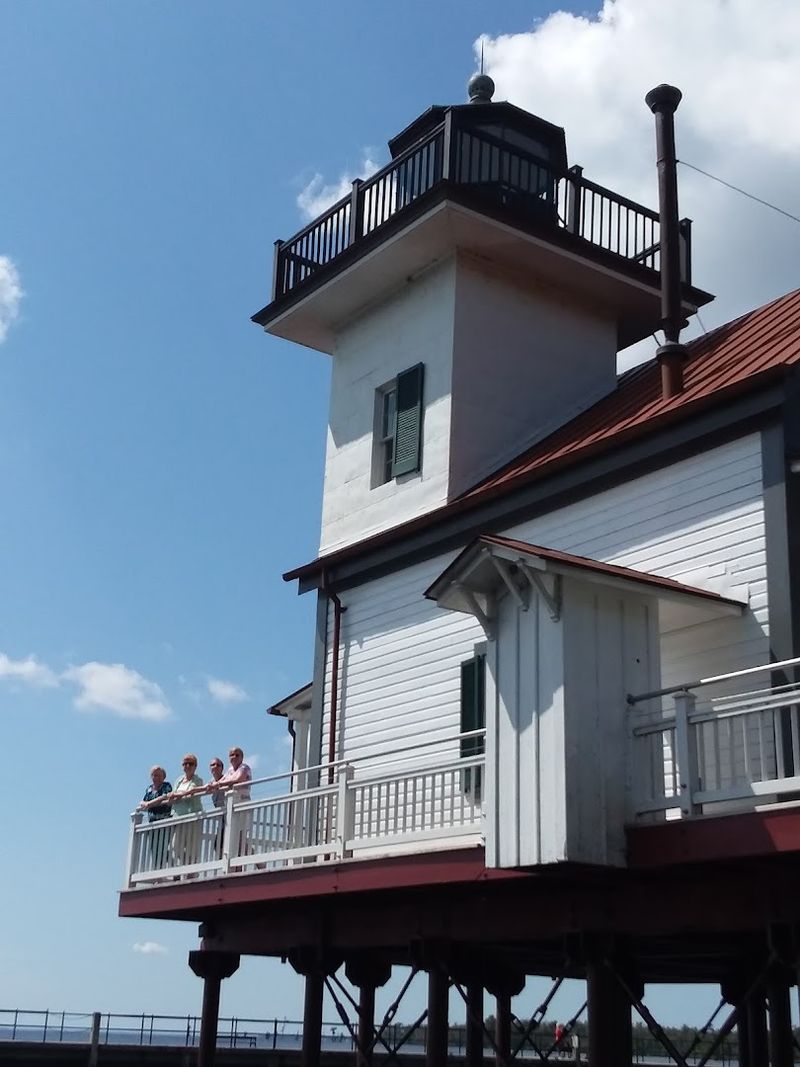
Standing at the edge of Edenton Bay like a patient sentinel from another era, the Roanoke River Lighthouse is one of only two surviving screw-pile lighthouses in North Carolina, making it an extraordinarily rare piece of maritime heritage.
Most people who visit Edenton walk right past the waterfront without realizing this restored treasure is open for tours and offers a genuinely fascinating window into the lives of lighthouse keepers who once lived and worked in complete isolation on the water.
The lighthouse was originally built in 1866 and stationed at the mouth of the Roanoke River before eventually being moved to its current location in Edenton for preservation and public display.
Screw-pile lighthouses were designed with iron legs that screwed directly into the soft muddy bottoms of shallow bays and rivers, a clever engineering solution to the challenge of building stable structures in unstable waters.
The design was both practical and elegant in a way that modern engineers still admire.
Tours of the interior take you through the small living quarters where keepers spent their days and nights, tending the light and recording weather observations in logbooks that now provide historians with valuable climate data.
The cramped but cozy spaces give you a vivid sense of the dedication and solitude that defined this unusual profession.
Children especially seem to love imagining what it would be like to live surrounded entirely by water.
The lighthouse sits right along the Edenton waterfront boardwalk, making it easy to combine with a stroll through the historic district and a meal at one of the town’s excellent local restaurants.
Admission is modest and the tour itself takes less than an hour, making it a perfect addition to any Edenton itinerary without demanding too much of your time.
9. Reed Gold Mine Historic Site
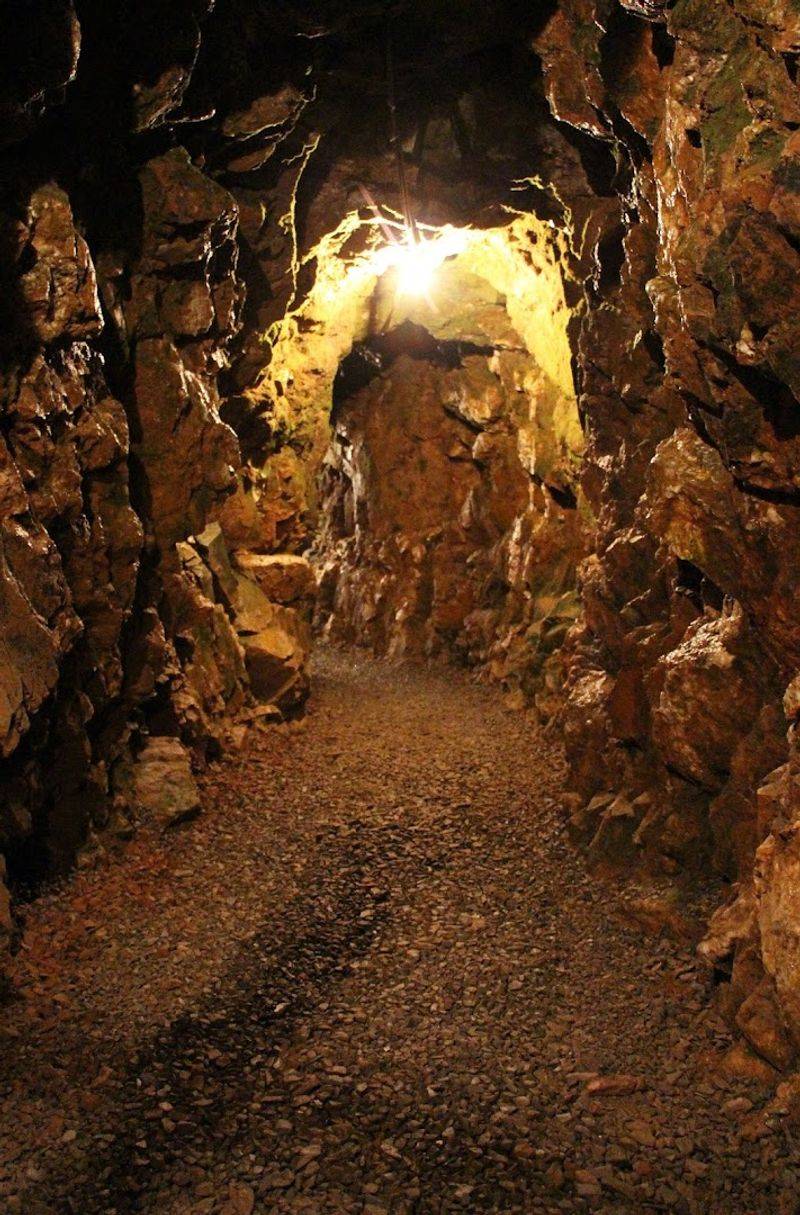
Long before California had its famous Gold Rush of 1849, North Carolina was already deep in the gold mining business.
The Reed Gold Mine in Cabarrus County holds the extraordinary distinction of being the site of the first documented gold find in the United States, a discovery that happened in 1799 when a young boy named Conrad Reed found a shiny yellow rock in a creek on his family’s farm.
His father used it as a doorstop for three years before anyone figured out what it actually was.
That story alone makes Reed Gold Mine worth a visit, but the historic site has a great deal more to offer than just an origin story.
The grounds include original mine shafts that visitors can walk through with a guided tour, giving you a real sense of the dark, cramped conditions that miners worked in during the 19th century.
The experience is immersive in a way that no museum exhibit can quite replicate.
One of the most popular activities here is gold panning, which is available seasonally and gives visitors a hands-on chance to try their luck in the same streams where the Reed family once struck it rich.
Kids absolutely love this activity, and adults tend to get surprisingly competitive about it once they get started.
You keep whatever gold you find, which adds a thrilling real-world incentive to the experience.
The site is managed by the North Carolina Department of Natural and Cultural Resources and admission is free, though there is a small fee for gold panning.
Located about 25 miles northeast of Charlotte in Midland, it makes a wonderful and educational half-day trip for families or history enthusiasts who want something genuinely off the beaten tourist path.
10. Hanging Rock State Park Trails
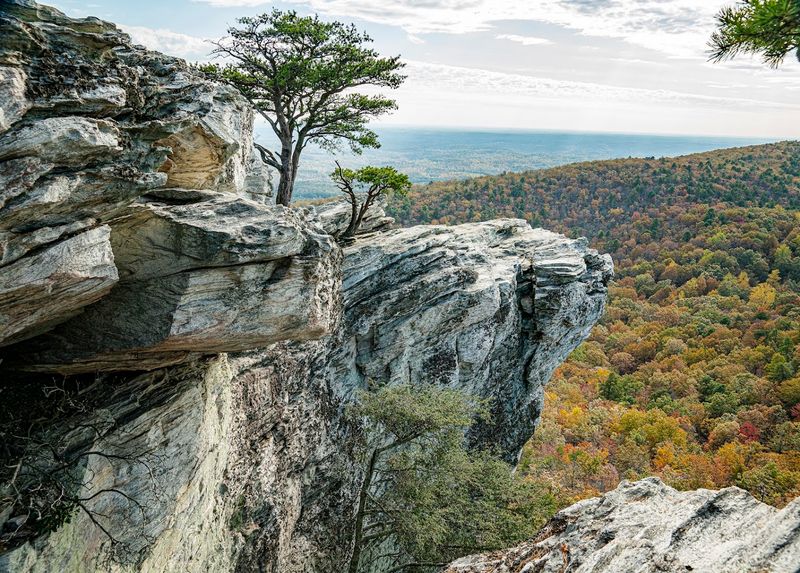
There is something almost defiant about the way Hanging Rock juts up from the gentle Piedmont landscape of Stokes County, a dramatic quartzite monadnock that rises sharply above the surrounding forests and farms.
Most visitors to Hanging Rock State Park head straight for the main summit trail and call it a day, but the park’s trail system stretches across more than 6,000 acres and rewards those who venture beyond the obvious path with experiences that feel genuinely wild and remote.
The summit trail is about 1.6 miles round trip and offers spectacular panoramic views that stretch across the Piedmont all the way to the Blue Ridge Mountains on a clear day.
But the park also contains trails leading to Moore’s Wall, a massive cliff face that has become one of the premier rock climbing destinations in the eastern United States.
Watching experienced climbers scale those sheer rock faces while you hike below is both humbling and thrilling.
The park contains a variety of ecological communities packed into a relatively small area, including rare plant species that thrive on the exposed rocky outcrops and in the cool creek valleys below.
Birders find the park particularly rewarding during spring and fall migration seasons when warblers, hawks, and other species pass through in impressive numbers.
The diversity of habitats packed into one park makes every visit feel a little different from the last.
Camping is available at the park’s campground, and spending a night here under genuinely dark skies is a remarkable experience for anyone who lives in or near a city.
The park is located near Danbury, about 35 miles north of Winston-Salem, making it an accessible escape for a huge portion of the state’s population.
Bring water, check trail conditions online before you go, and allow yourself more time than you think you need.
11. Grandfather Mountain State Park
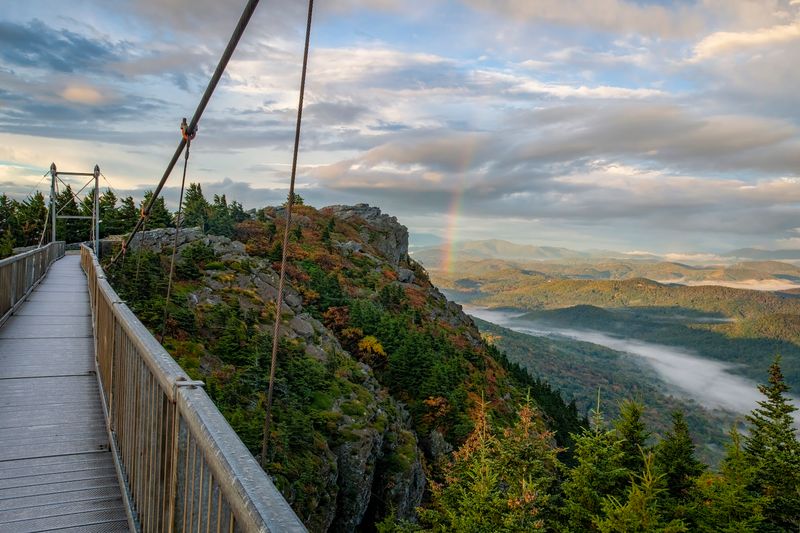
Few places in the eastern United States can match the sheer drama of Grandfather Mountain, a rugged peak in the Blue Ridge range near Linville that reaches an elevation of 5,946 feet and hosts one of the most thrilling man-made structures in all of Appalachia.
The Mile High Swinging Bridge, which spans a 228-foot chasm between two rocky peaks, has been drawing nervous and exhilarated visitors since 1952.
Crossing it on a windy day is an experience you will not forget anytime soon.
Grandfather Mountain became a North Carolina State Park in 2009 after decades of private ownership, and the transition has helped expand trail access while preserving the extraordinary natural character of the place.
The mountain is recognized by the United Nations as an International Biosphere Reserve, a designation that reflects its remarkable biodiversity.
More than 70 rare or endangered species call this mountain home, including peregrine falcons that nest on its rocky cliffs.
The trail system here ranges from easy nature walks near the visitor center to seriously challenging backcountry routes that demand proper gear and experience.
The Profile Trail and the Grandfather Trail are among the most spectacular hikes in the entire Appalachian region, featuring ladders, cables, and exposed ridgeline scrambles that make you feel like a genuine mountaineer.
Checking current conditions and trail difficulty ratings before heading out is strongly advised.
The Highland Games held here each July celebrate the area’s Scottish heritage with athletic competitions, bagpipe music, and traditional dancing that draw thousands of visitors from around the world.
Even if you are not particularly interested in Scottish culture, the spectacle and energy of the event against that stunning mountain backdrop is something genuinely memorable and worth planning a trip around.
12. Fort Macon State Park
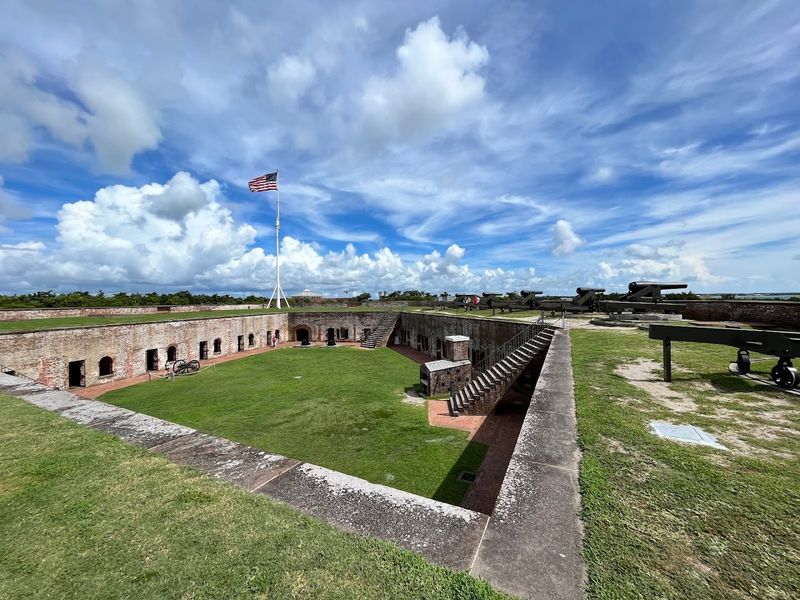
Standing guard at the eastern tip of Bogue Banks near Atlantic Beach, Fort Macon is one of the best-preserved examples of early 19th-century coastal military architecture anywhere in the United States.
Built between 1826 and 1834, this five-sided masonry fort was designed to protect the important inlet at Beaufort Harbor from naval attack.
It saw real combat action during the Civil War when Union forces captured it from Confederate troops in 1862 after a decisive artillery bombardment.
Today the fort is the centerpiece of Fort Macon State Park, which is consistently one of the most visited state parks in North Carolina, yet somehow still feels underappreciated as a historical destination.
Many visitors come primarily for the beach and treat the fort as a quick side stop, when in reality the fort itself deserves at least a couple of hours of unhurried exploration.
The restored rooms, cannon emplacements, and interpretive exhibits paint a vivid picture of both military engineering and the human drama of the Civil War.
Ranger-led tours and musket firing demonstrations happen regularly during the warmer months and bring the history to life in ways that static exhibits simply cannot.
Watching rangers in period uniforms load and fire replica muskets against the backdrop of the Atlantic Ocean creates a theatrical and educational experience that appeals to visitors of all ages.
The acoustics inside the fort’s thick brick walls add an extra dimension of atmosphere to the whole scene.
The park’s beach section is wide, clean, and backed by natural dunes that have been carefully protected from development.
Swimming, fishing, and picnicking are all popular activities here.
The combination of an outstanding natural beach and genuinely significant military history in a single park makes Fort Macon one of the most well-rounded destinations on the entire North Carolina coast.
Share this story