If your dream getaway includes mountain views, historic stone buildings, and a Main Street that feels pulled straight from a holiday movie, Austin deserves a spot on your list. This tiny Nevada town feels preserved in the best way—authentic without trying too hard.
You’ll find a mix of rich history, wide-open scenery, and a welcoming small-town atmosphere that makes it easy to slow down. It’s quiet, a little unexpected, and genuinely memorable. Keep reading, because Austin proves the Loneliest Road in America hides one of Nevada’s most charming surprises.
A First Glimpse That Feels Like a Storybook Opening
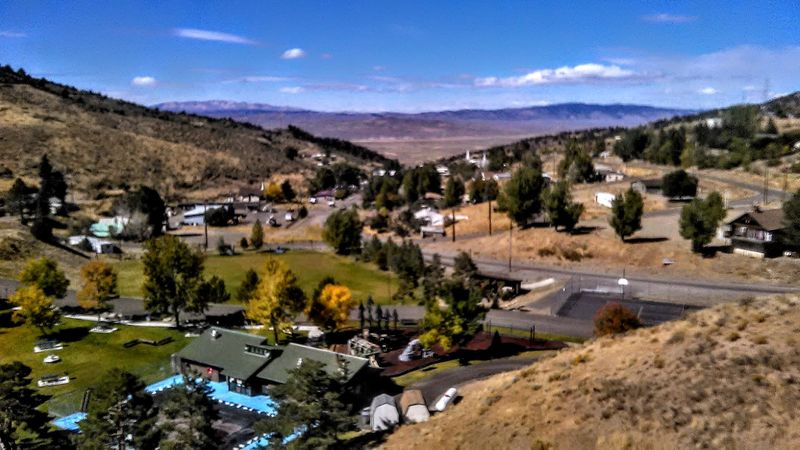
Rolling into Austin feels less like arriving in a destination and more like stepping into the opening scene of a story that’s been unfolding for over a century. The first impression isn’t loud or flashy—it’s the mood that settles in almost instantly.
There’s a quietness here, but it doesn’t come across as empty or forgotten. Instead, it feels grounded, like the town is completely comfortable in its own rhythm, waiting for travelers to slow down long enough to appreciate it.
That subtle confidence is what makes the arrival feel so distinct. Approaching along U.S. Route 50, the transition happens quickly. One stretch is all open Nevada landscape—wide skies, distant ridgelines—then suddenly you’re driving into a place with character etched into every building.
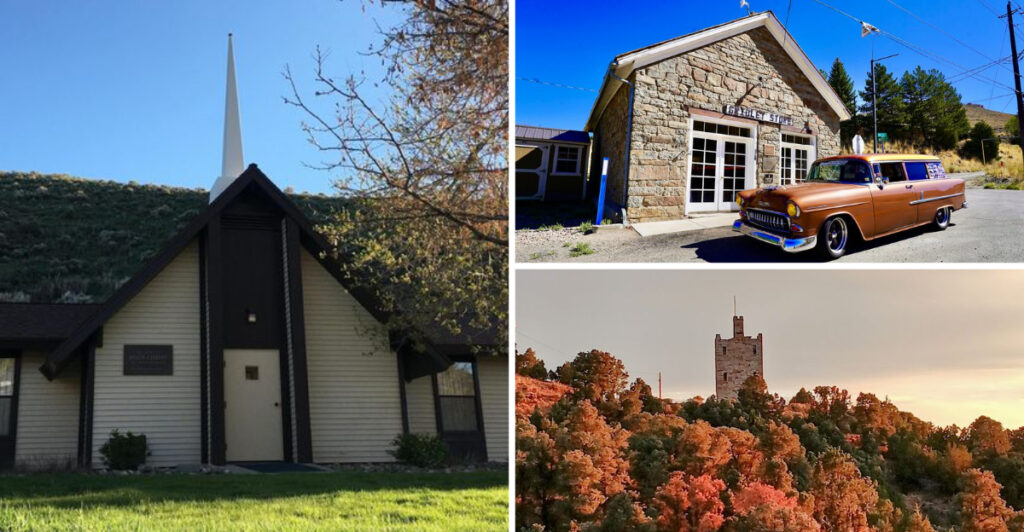
Main Street is lined with historic structures, their stone and wood facades showing just enough wear to feel authentic without tipping into disrepair. There’s no attempt to polish things into perfection, and that honesty is exactly what gives the town its charm.
It feels lived-in, not staged. Set against the Toiyabe Range, Austin benefits from a backdrop that quietly steals the show. The higher elevation sharpens the light and gives the air a crispness you notice right away, while the surrounding slopes add depth to every view.
What really lingers, though, is the pace. Nothing rushes you here—it invites you to look closer, take it in, and settle into a slower, more thoughtful kind of visit.
A Historic Town That Still Feels Alive
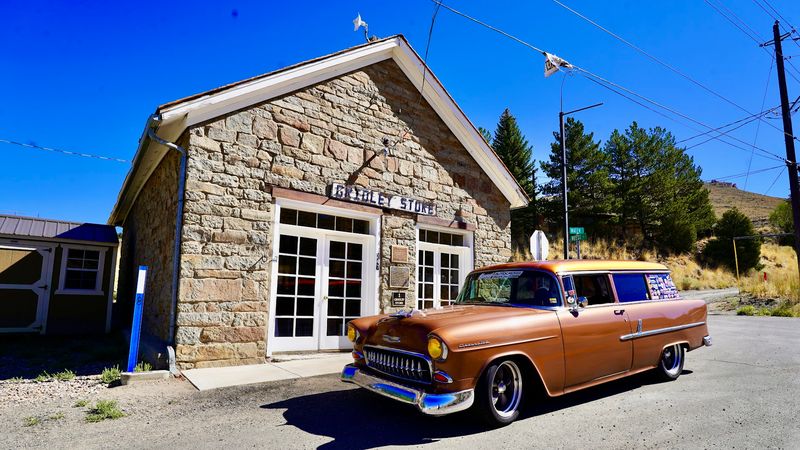
History shows up differently in Austin—it doesn’t sit behind glass or rely on plaques to tell its story. Instead, it’s woven directly into the town’s everyday rhythm, visible in ways that feel natural rather than curated.
Founded during Nevada’s silver rush in the 1860s, Austin once thrived with the kind of energy that comes from rapid growth and big expectations. What’s striking now is how that past hasn’t been scrubbed away or overly restored.
It’s still here, just quieter, settled into a version of itself that feels honest and intact. Walking through town, the sense of continuity is hard to miss.
Original storefronts line the streets, their facades carrying decades of wear that add character rather than detract from it. Landmarks that once served a bustling population now stand as part of a smaller, more relaxed community.
The term “living ghost town” gets used often, and it fits—there’s history in every direction, but the place never feels abandoned or hollow. People still live here, work here, and keep the town moving at its own steady pace.
That balance is what gives Austin its edge. Unlike larger destinations that polish history into something more marketable, this town lets you experience it in a more direct way.
Its compact size makes it easy to explore without effort, and the lack of heavy interpretation means you’re free to take it in on your own terms. The past isn’t recreated here—it simply continues, quietly shaping everything around you.
Main Street Charm and Details Worth Slowing Down For

Give yourself a little time on Main Street, because Austin doesn’t reveal its charm all at once—it unfolds gradually the more you pay attention. At first glance, it may seem simple and compact, but a slower walk brings out the details that give the town its depth.
Look closer and you’ll notice the craftsmanship in the stonework, the faded but still proud signage, and the weathered textures that speak to decades of use rather than decoration. Nothing feels artificially preserved, which is exactly why it feels so compelling.
Among the most striking features are the historic churches that rise above the town, giving Austin its nickname, the “City of Churches.” Their presence adds a quiet kind of drama to the skyline, balancing elegance with a grounded, almost timeless quality. Whether you step inside or simply admire them from the street, they anchor the town visually and emotionally, reminding you just how layered this place really is.
Nearby, landmarks like the International Hotel and surrounding buildings continue that sense of continuity. Everything feels connected, making it easy to explore without overthinking your route. You can drift from one point of interest to the next—shop, historic site, scenic viewpoint—without ever needing a strict plan. That effortless flow is part of the appeal.
What really makes Main Street work, though, is the pace. Slow down, notice the details, and the town rewards you with a richer, more memorable experience.
When Austin Feels at Its Absolute Best
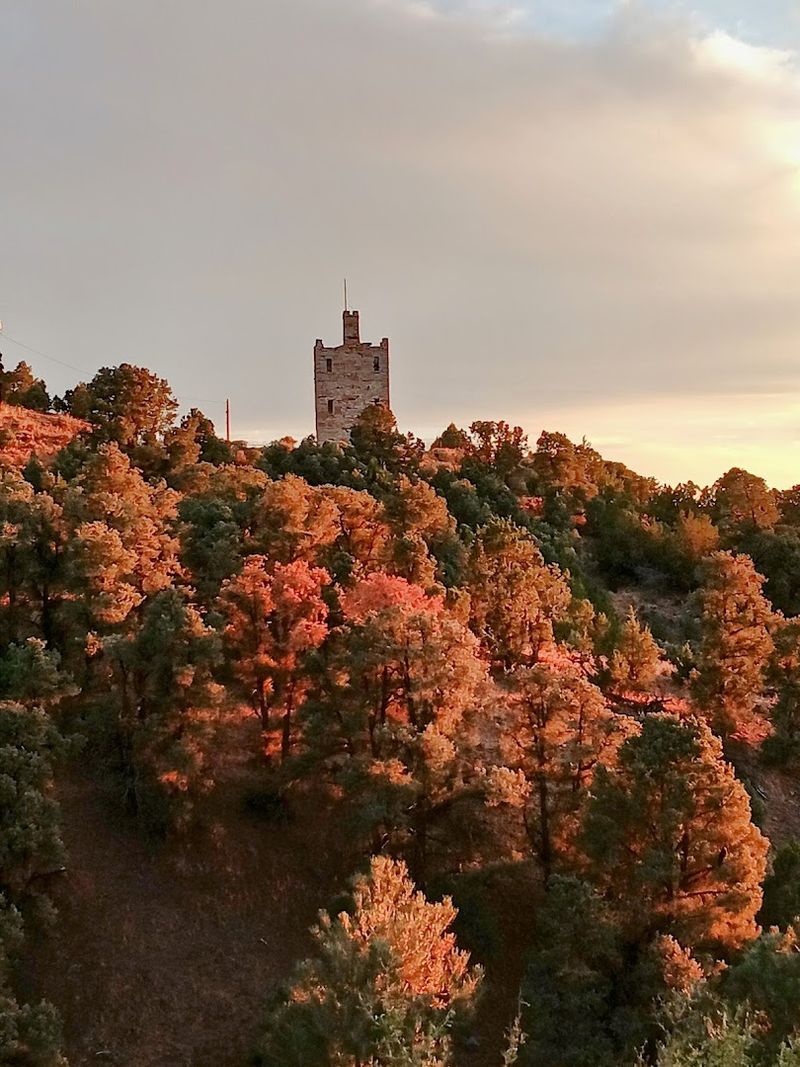
Catching Austin at the right moment can completely shape how the town unfolds, and timing here feels less about crowds and more about atmosphere. While it holds onto its charm year-round, spring and fall tend to show it off at its most comfortable and visually striking.
Temperatures settle into that easy middle ground, and the surrounding Toiyabe Range looks especially sharp against the sky, giving every view a little extra definition. It’s the kind of setting where even a simple walk down Main Street feels intentional, with just enough energy in the air to keep you moving without ever feeling rushed.
During these shoulder seasons, the town naturally invites you to linger. You can take your time exploring historic corners, pausing at landmarks, or simply standing still to take in the quiet.
The high-desert air stays crisp without being harsh, and the softer sunlight brings out the textures in the stone buildings and church facades in a way that feels almost cinematic. Every surface seems to catch the light just right, adding depth to an already layered setting.
Summer leans more toward road trip energy, especially if Austin is part of a longer drive across Nevada’s scenic routes. Winter, on the other hand, strips things back even further, creating a quieter, more introspective version of the town.
If your schedule allows, staying through sunset is the real payoff—the light fades, the mountains shift in tone, and the entire place settles into a calm that’s hard to replicate anywhere else.
The Scenic Beauty That Surrounds the Town
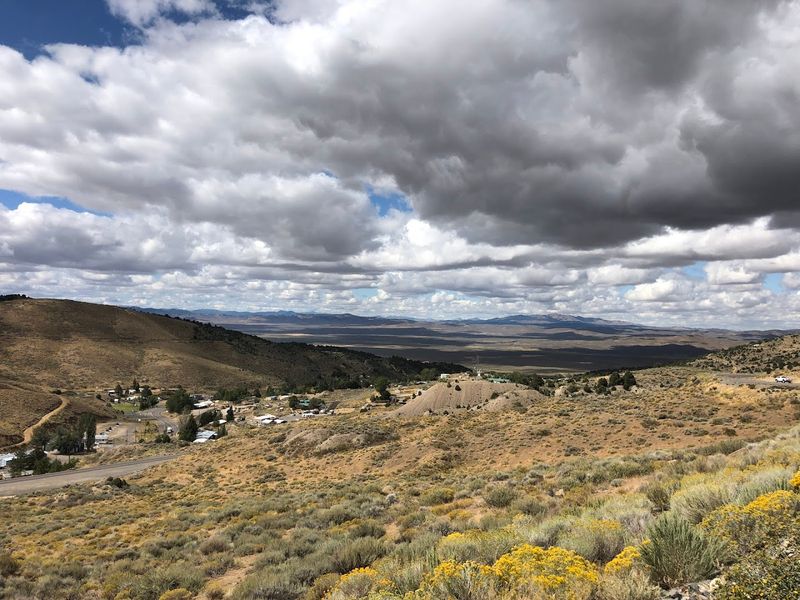
Step just a little beyond Austin’s Main Street, and the scenery quickly takes over in the best possible way. The town may draw you in with its character, but it’s the surrounding landscape that leaves a lasting impression.
Within minutes, you’re looking out over wide stretches of the Great Basin, where the horizon feels almost endless and the terrain shifts from rugged hills to open valleys without much warning. It’s the kind of setting that naturally slows you down, whether you’re pulling over for a quick photo or simply taking a moment to appreciate how quiet it all feels.
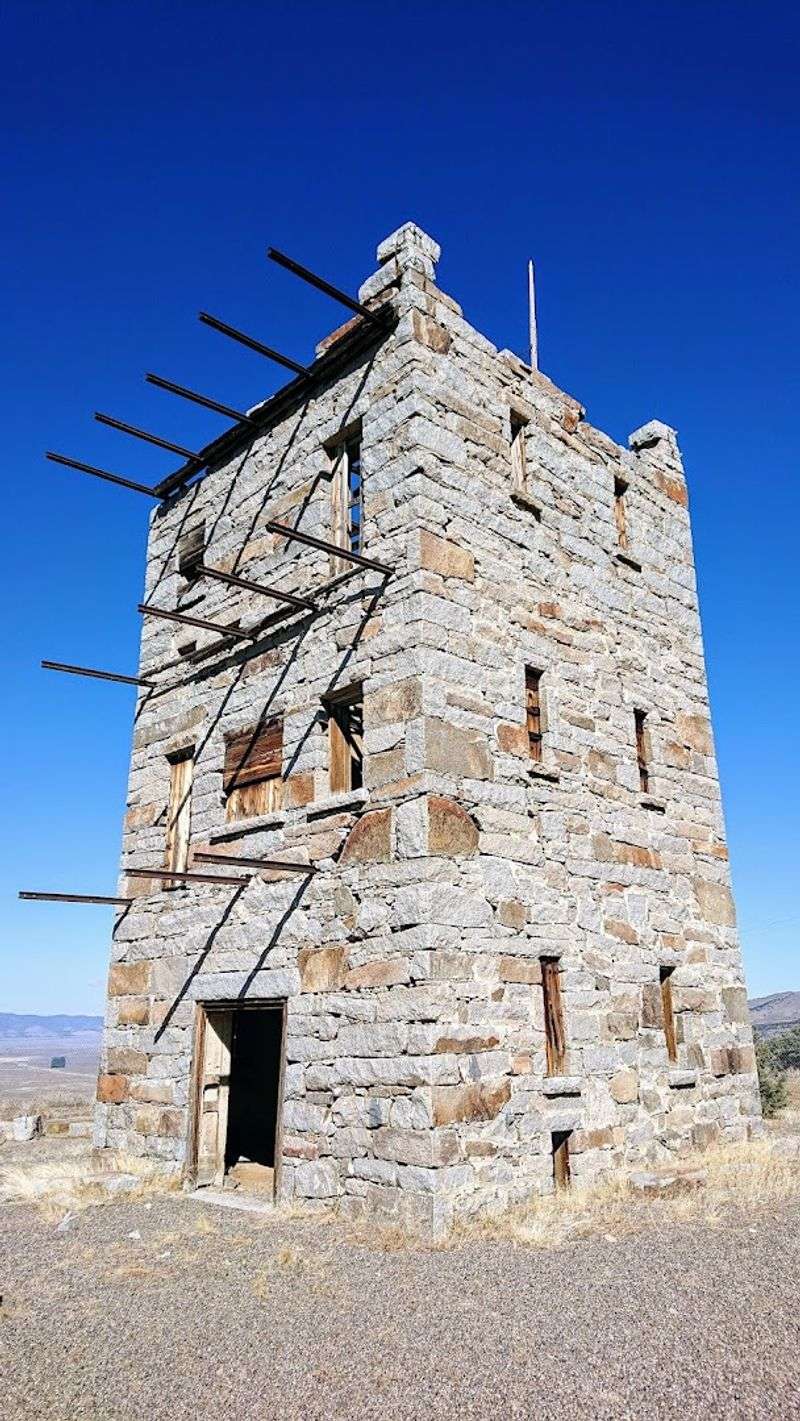
One of the standout sights nearby is Stokes Castle, a three-story stone tower perched on a hillside just outside of town. It feels slightly unexpected at first glance, like something borrowed from another place and dropped into the Nevada landscape, yet it fits in a way that’s hard to explain.
That mix of history and a touch of eccentricity gives the area a unique visual twist that’s worth the short detour. Beyond that, the scenery keeps unfolding.
Light plays a big role here, constantly shifting the colors and shadows across the terrain throughout the day. Add in nearby hot springs and access to mountain trails, and the variety becomes even more apparent.
One minute you’re surrounded by historic architecture, the next you’re standing in open space with barely another person around, making the entire experience feel expansive, quiet, and genuinely refreshing.
What to Know Before You Make the Trip
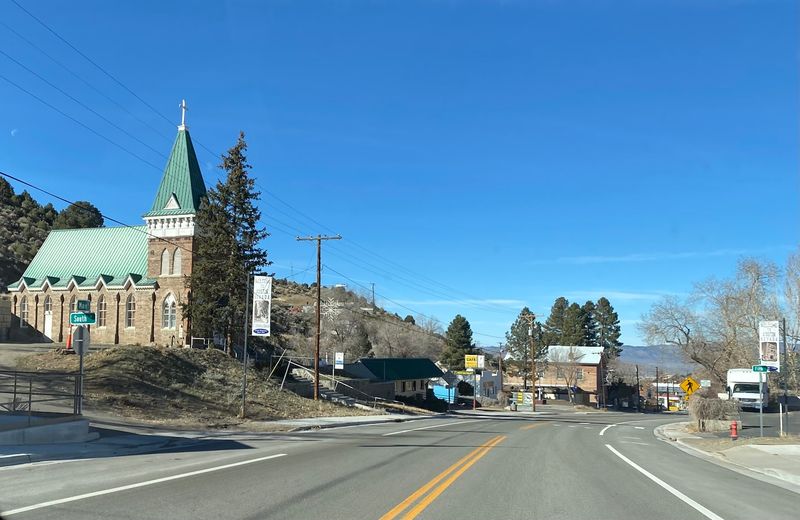
Reaching Austin is part of what makes the visit feel special, and the journey along U.S. Route 50 sets the tone long before you arrive. Known as the “Loneliest Road in America,” this stretch of highway offers long, open views and a sense of distance that’s increasingly rare.
The town itself is easy enough to access, but it still carries that pleasantly remote feeling that makes it stand out. It’s not somewhere you stumble into by accident—you choose to go, and that intention shapes the entire experience. A little preparation goes a long way here.
Bringing along basics like fuel, water, and snacks keeps things stress-free, especially if you’re planning to explore the surrounding areas where services thin out quickly. While Austin does offer essentials, it operates on a smaller scale, so having what you need ahead of time makes it easier to focus on enjoying the visit rather than tracking down supplies.
Once you arrive, resist the urge to pack your schedule too tightly. The town works best when you give yourself room to move at an easy pace. Wander through Main Street, take a scenic drive into the hills, or pull over when a view catches your eye.
If you’re considering nearby hot springs or side routes, comfortable shoes and flexible timing make a noticeable difference. The simplest approach tends to be the most rewarding—keep your plans loose, stay curious, and let Austin reveal itself one quiet moment at a time.
Why This Town Stays With You
Long after you leave Austin, what sticks isn’t a single standout attraction—it’s how everything fits together so naturally. The history, the architecture, the surrounding mountains, and the unhurried pace all blend into an experience that feels cohesive rather than curated.
Nothing competes for your attention, and that balance is exactly what makes it so memorable. You’re not rushing from one highlight to the next; instead, you’re absorbing a place that reveals itself gradually, detail by detail, without ever feeling like it’s trying too hard.
Part of Austin’s appeal is that it doesn’t rely on spectacle to make an impression. There are no oversized attractions or overproduced experiences here, and it doesn’t need them.
Its charm comes from authenticity—the kind that shows up in weathered buildings, quiet streets, and views that stretch farther than expected. That quiet confidence gives the town a distinct presence, one that feels grounded and refreshingly honest in a way many destinations struggle to maintain.
What makes the visit even more satisfying is how manageable it all feels. There’s just enough to explore—historic churches, a character-filled Main Street, Stokes Castle watching from above, and wide-open scenery in every direction—without ever becoming overwhelming.
It invites you to slow your pace and actually notice where you are. By the time you head out, the comparison to a storybook setting makes sense, but Austin feels richer and more real, leaving behind the kind of impression that lingers well beyond the drive home.
Share this story