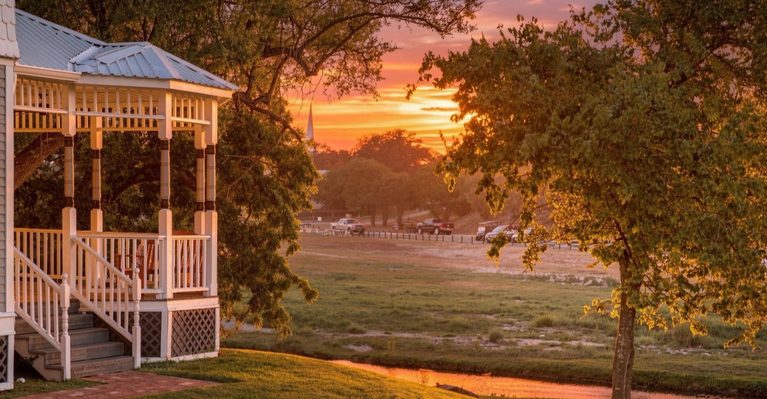
For just three bucks, you can step into one of the Rio Grande Valley’s most stunning natural hideaways right in the middle of Edinburg. The Edinburg Scenic Wetlands & World Birding Center packs 40 acres of boardwalks, ponds, and trails teeming with birds, butterflies, and wildlife you won’t find anywhere else in Texas. Whether you’re a serious birder hunting for that elusive Green Kingfisher or a family looking for an affordable outdoor adventure, this place delivers way more than its tiny admission fee suggests.
1. Unbeatable $3 Admission That Supports Conservation
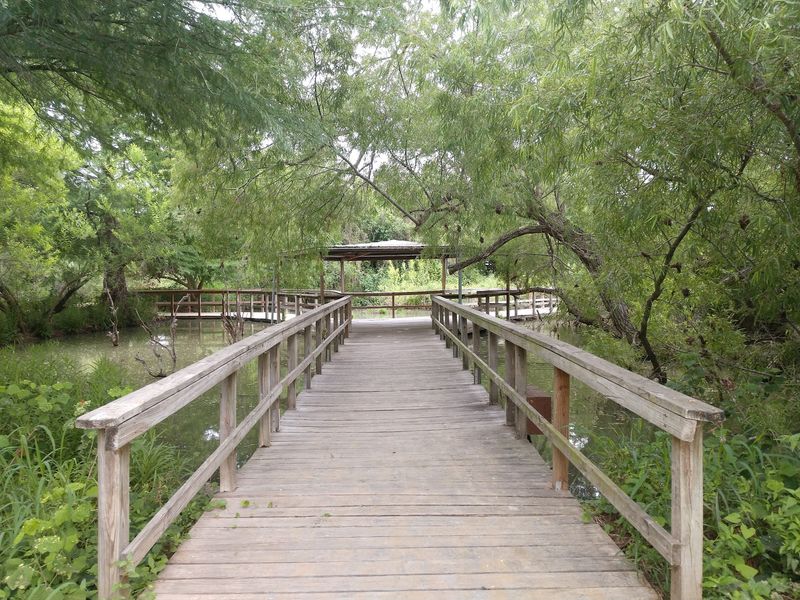
Most nature centers charge ten, fifteen, even twenty dollars just to walk through the door. Here in Edinburg, you pay three dollars and get access to everything: the trails, the boardwalks, the observation decks, and the educational center. Kids under two get in free, making this one of the most budget-friendly family outings in South Texas.
That small fee goes directly toward maintaining the trails, keeping the ponds healthy, and running educational programs for local kids. You’re not just buying a ticket; you’re investing in a slice of wetland habitat that serves as a critical stopover for migratory birds traveling thousands of miles. The honor system works here too—visitors mention you don’t even have to pay before entering, though everyone agrees it’s absolutely worth supporting.
Annual family memberships run about $25, which pays for itself after just a few visits. Members get unlimited access year-round, plus invitations to special events and programs. If you live nearby or visit the Valley regularly, it’s a no-brainer investment.
The gift shop sells snacks and drinks at reasonable prices, so you won’t get gouged if you forget to bring water. Staff members are famously friendly and helpful, always ready to point you toward recent bird sightings or answer questions about the wildlife. For three dollars, you get an experience that rivals nature centers charging five times as much.
2. Boardwalk Trails Through Wetland Habitats
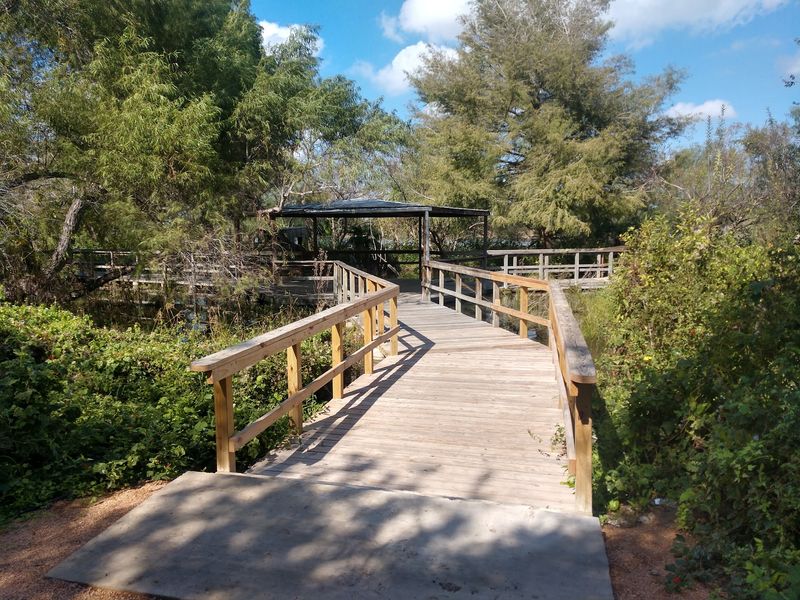
Forget the typical dirt path—these trails feature elevated boardwalks that put you right in the middle of wetland action without getting your feet muddy. The wooden walkways wind through dense native vegetation, over small ponds, and along larger resacas where the real wildlife show happens. Shade trees provide relief even during summer heat, though you’ll still want to bring plenty of water.
The layout might seem compact once you figure out the system, but that’s part of the charm. You can easily spend two or three hours exploring if you take your time and actually watch what’s happening around you. Observation decks pop up at strategic spots, giving you perfect vantage points for photographing herons, egrets, and ducks without disturbing them.
Trail maintenance stays top-notch thanks to dedicated Parks and Recreation staff who keep everything clear of litter and overgrowth. Benches appear frequently along the routes, perfect for taking breaks or just sitting quietly while birds go about their business. The paths work well for strollers and wheelchairs in most sections, making this accessible for visitors with mobility concerns.
Mornings bring joggers and walkers using the wider scenic wetlands trails for exercise, while the narrower birding trails stay quieter and more intimate. You’ll find multiple loops and connectors, so you can customize your walk based on time and energy levels. The intricate design keeps things interesting even for repeat visitors.
3. Valley-Specific Birds You Can’t See Anywhere Else
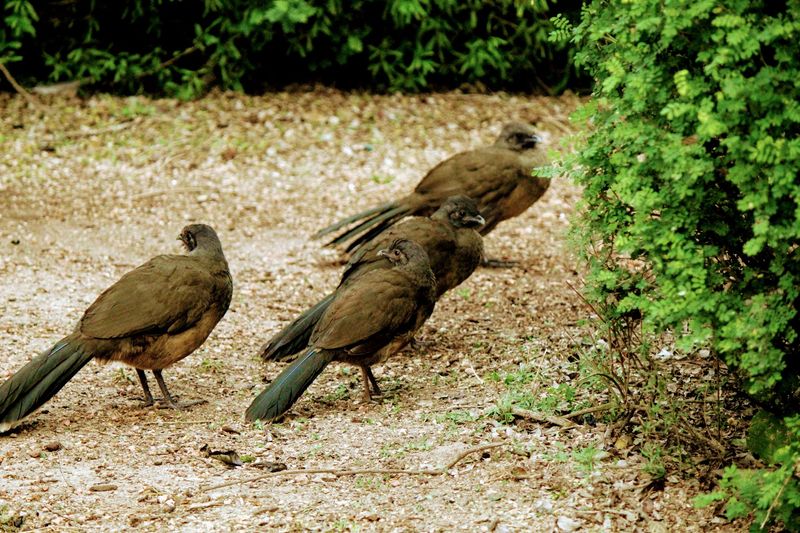
The Rio Grande Valley sits at a unique crossroads where tropical and temperate species overlap, creating a birding hotspot unlike anywhere else in the United States. Edinburg Wetlands delivers regular sightings of birds that simply don’t exist in the rest of Texas. Great Kiskadees announce themselves with loud calls, while Plain Chachalacas—looking like prehistoric chickens—create a ruckus near the entrance as they feast on berries.
Kingfishers get serious attention here, with birders constantly searching for the Green Kingfisher alongside its more common cousins. Black-bellied Whistling Ducks paddle around the ponds like they own the place, which they basically do. Buff-bellied Hummingbirds zip between flowers, Cardinals flash red against green foliage, and various Flycatcher species work the insects.
Herons and egrets are practically guaranteed sightings, hunting along the water’s edge with patient precision. Stilts wade through shallow areas on impossibly long pink legs. Woodpeckers hammer away at dead snags while butterflies float past in numbers that surprise first-time visitors.
Even ribbon snakes and water snakes make occasional appearances for the reptile enthusiasts.
Serious birders keep life lists and chase rare sightings, but casual visitors enjoy the show just as much. You don’t need expensive binoculars to appreciate a Chachalaca’s antics or a Cardinal’s brilliant color. The gift shop rents binoculars starting at 8 AM for those who want a closer look without buying equipment.
4. Educational Center With Valley Ecology Exhibits
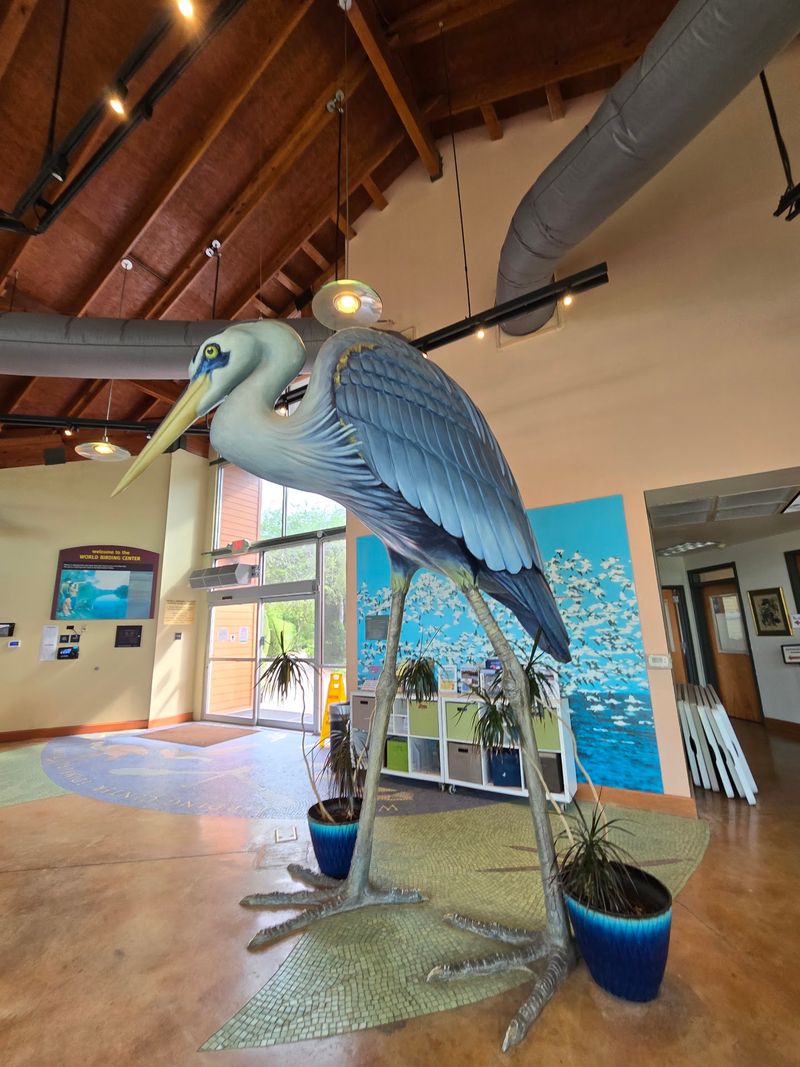
Beyond the trails, the educational center provides context for everything you’re seeing outside. Clean, modern displays explain wetland ecology, migration patterns, and the specific environmental niche the Rio Grande Valley occupies. It’s the kind of place where kids can learn without realizing they’re learning, which makes it perfect for families trying to sneak in some education during vacation.
Staff members working the center consistently earn praise for their cheerful, professional attitudes and willingness to answer questions. They know their stuff and genuinely enjoy sharing information about the birds and habitat. Special events and activities for young children run throughout the year—check the website for current programming.
The facility stays impressively clean, including the restrooms, which matters more than people admit when planning a family outing. Climate control inside provides welcome relief during hot months, giving you a comfortable place to regroup before heading back outside. Some visitors note that information signs along the trails have occasionally gone missing, though hopefully updates are in progress.
This center serves as an important cornerstone for environmental education in the Valley, introducing local kids to the incredible biodiversity in their own backyard. Many residents remember field trips here from elementary school. The combination of hands-on outdoor exploration and indoor learning creates a complete educational experience that sticks with young visitors long after they leave.
5. Picnic Areas With Fans For All-Day Visits
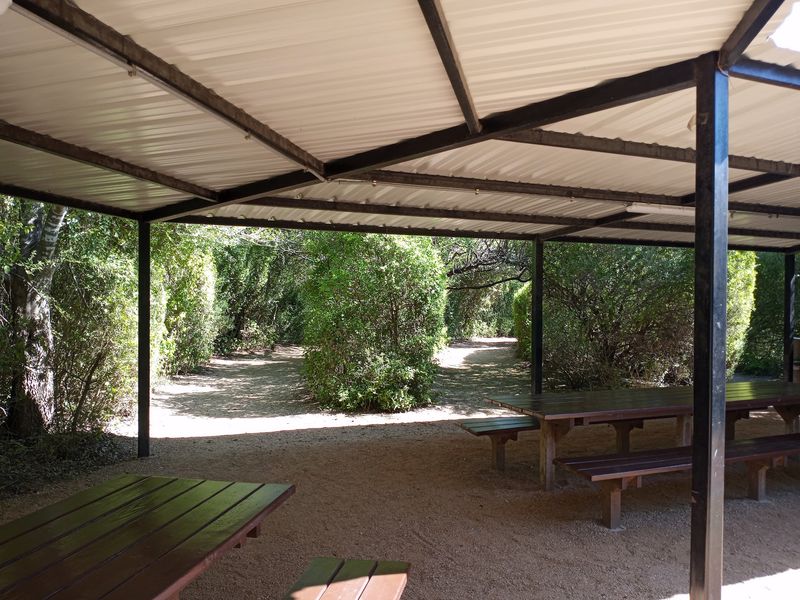
Smart planning means you can turn a quick nature walk into an all-day family adventure without spending extra money. Multiple covered picnic areas scatter throughout the property, complete with tables and—here’s the genius part—ceiling fans to keep air moving during humid Valley afternoons. Pack your own food and make a proper day of it.
Families regularly spend three or four hours here, combining trail walks with picnic lunches and letting kids burn energy in a natural setting. The setup works beautifully for multigenerational outings where some folks want to walk while others prefer relaxing in the shade. Just remember to clean up after yourself—these facilities stay nice because visitors respect them.
The adjacent Edinburg Municipal Park adds even more options, with open playground areas and additional trails for walking or running. You can easily combine both locations for maximum outdoor time. Some visitors grab breakfast tacos on the way and enjoy them at a picnic table while watching birds wake up and start their day.
Having drinking water and snacks available matters when you’re spending hours outside in South Texas heat. While the gift shop sells refreshments, bringing your own supplies saves money and gives you more flexibility. The welcoming attitude toward picnickers sets this place apart from attractions that want you buying overpriced concessions.
6. Butterfly Gardens That Rival the Bird Watching
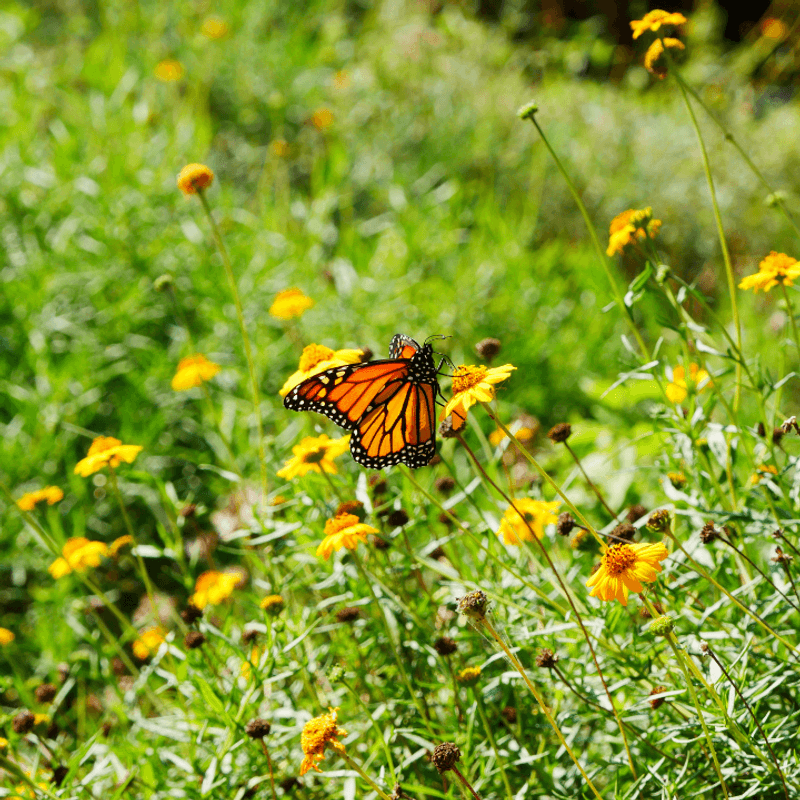
While everyone talks about the birds, the butterfly population here deserves equal billing. Native plantings attract species you won’t see in typical suburban gardens, creating clouds of color that dance along the trails. Gulf Fritillaries flash orange and silver, Monarchs pass through during migration, and dozens of smaller species work the flowers constantly.
The wetland habitat provides everything butterflies need: nectar plants, host plants for caterpillars, water sources, and shelter from wind. Watching a butterfly emerge from its chrysalis or seeing a dozen species feeding together creates magical moments that kids remember for years. Photography enthusiasts love the opportunities here, especially in morning light.
Unlike birds that might hide in dense foliage, butterflies often land close enough to observe in detail. You can see the intricate patterns on their wings, watch their proboscis uncurl to feed, and notice how different species prefer different flowers. It’s accessible nature watching that doesn’t require binoculars or field guides, though both enhance the experience.
Seasonal variations mean different species appear throughout the year, giving repeat visitors new sightings on every trip. Spring and fall migrations bring the biggest numbers, but even summer heat doesn’t stop butterfly activity completely. The combination of butterflies and hummingbirds around the same flowers creates scenes that feel almost tropical despite being in Texas.
7. Perfect Starter Trail For Nature Walk Beginners
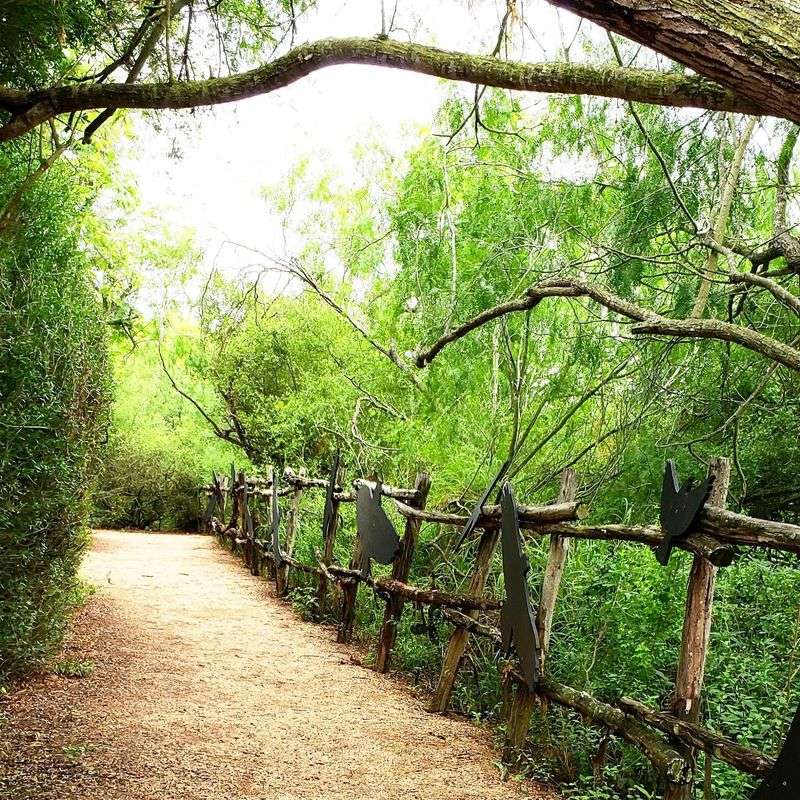
Not everyone feels ready to tackle challenging hikes with steep terrain and miles of distance. Edinburg Wetlands offers the perfect introduction to nature walking with flat, well-maintained trails that don’t intimidate beginners or young children. You can turn back anytime without committing to a long loop, making it ideal for testing your family’s outdoor stamina.
The compact layout means you’re never far from the parking lot or facilities, which matters when someone inevitably needs a bathroom or forgot their water bottle. Parents appreciate being able to introduce kids to trail walking without worrying about getting lost or dealing with difficult terrain. Success here builds confidence for tackling more ambitious outdoor adventures later.
Shade coverage along most trails prevents the harsh sun exposure that discourages beginners from enjoying nature. You can walk comfortably during most of the day, though early mornings and late afternoons still offer the best temperatures and wildlife activity. The presence of other visitors provides reassurance for those nervous about being alone in natural areas.
Clear sightlines and open water views mean kids stay engaged instead of complaining about boring trees. Spotting a turtle, watching ducks paddle past, or hearing a Chachalaca’s call gives young hikers concrete experiences to remember. Starting outdoor habits here creates a foundation for lifelong appreciation of natural spaces, all for just three dollars admission.
8. Year-Round Wildlife Activity Worth Repeat Visits
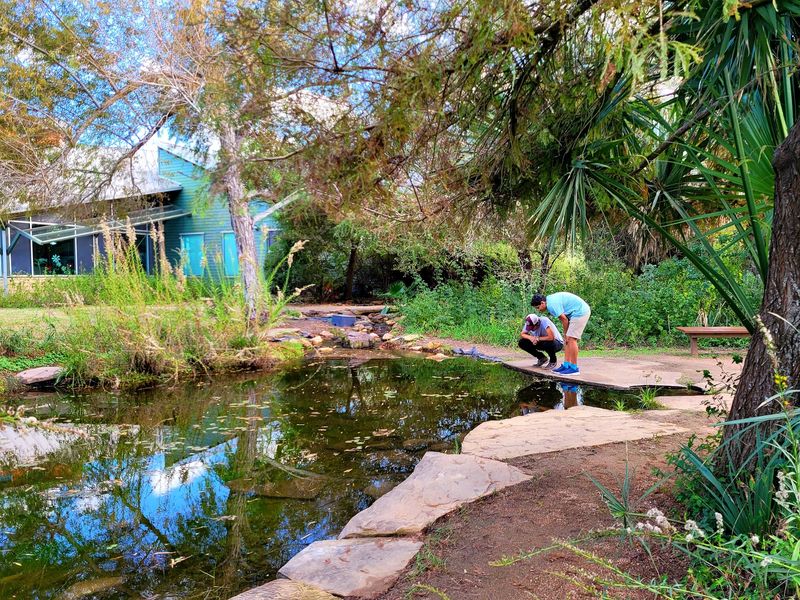
Some nature spots peak during one season and bore you the rest of the year. Edinburg Wetlands delivers changing wildlife shows across all twelve months, rewarding visitors who return regularly. Migration patterns bring different bird species through in spring and fall, while resident populations keep things interesting during summer and winter.
Dedicated birders visit weekly or even daily, tracking which species appear and disappear with the seasons. One reviewer mentions coming back constantly to search for specific Kingfisher species, turning the hunt into an enjoyable obsession. That kind of engagement only happens when a place offers genuine variety and unpredictability.
Water levels fluctuate with rainfall, creating different habitat conditions that attract different species. Tadpoles appear in small ponds during wet periods, fascinating children who’ve never seen baby frogs developing. Snakes become more active during warmer months, while cooler weather concentrates birds around remaining water sources.
The annual family membership makes sense for anyone living within an hour’s drive. Being able to stop by for a quick evening walk without worrying about admission fees encourages spontaneous visits that fit into busy schedules. You’ll miss the Kiskadees and Chachalacas when you leave the Valley, so enjoy them while you can.
Supporting this facility through memberships and gift shop purchases helps ensure it remains a cornerstone of Valley conservation for future generations.
Share this story