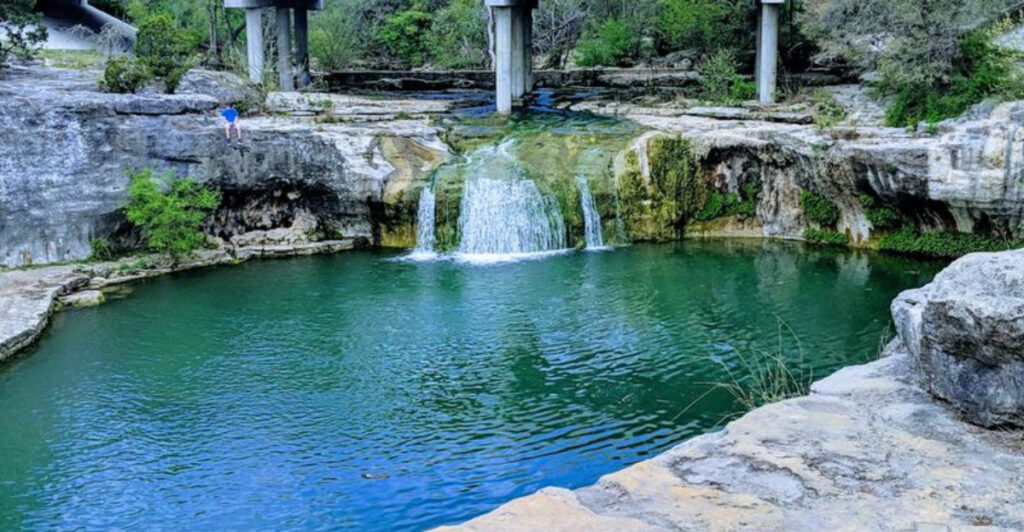
Crawford, Texas might be known for its small-town charm and rural landscapes, but tucked away on East 4th Street sits a natural wonder that leaves first-time visitors absolutely speechless. Tonkawa Falls City Park hides a gorgeous spring-fed waterfall that tumbles into a crystal-clear swimming hole surrounded by limestone cliffs and shady trees. Most people drive right past this tiny town without realizing they’re missing one of Central Texas’s best-kept secrets, where locals have been cooling off and making memories for generations.
1. A Spring-Fed Waterfall Right in Town
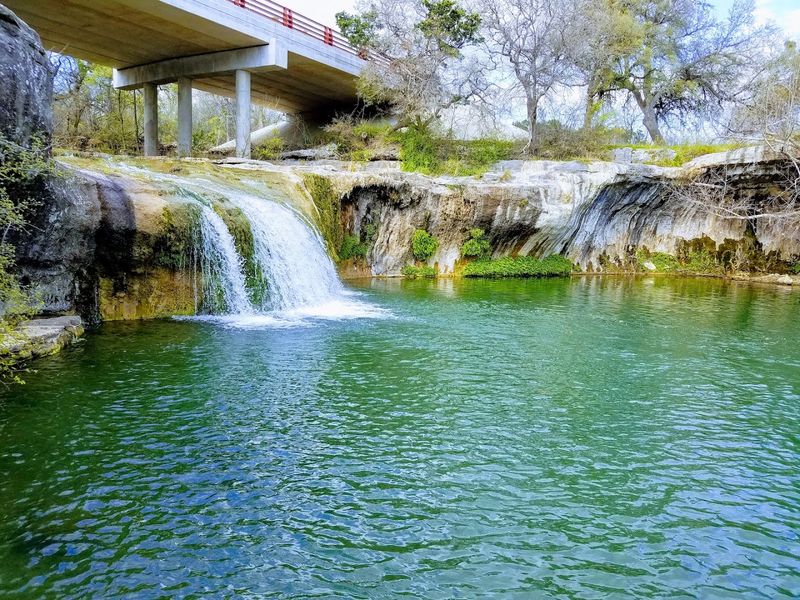
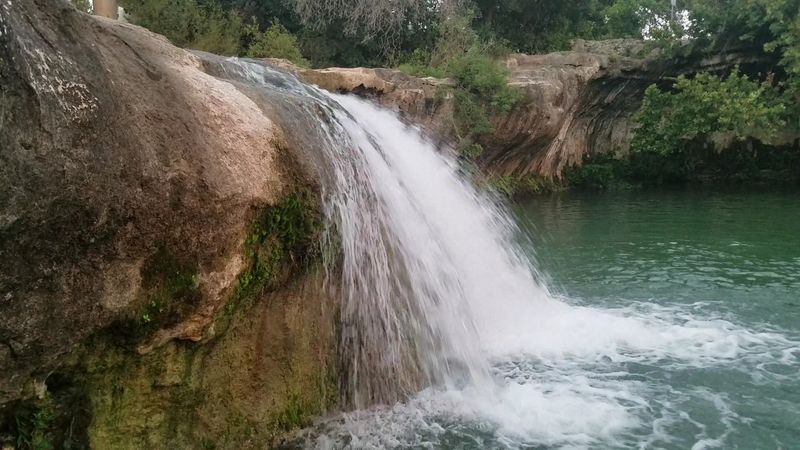
Most folks picture waterfalls in mountain ranges or deep forests, not in the middle of a Texas town with a population barely over 700. Tonkawa Falls breaks all those expectations with water that flows year-round from natural springs, creating a curtain of white water that drops into a gorgeous swimming hole below. The semi-perennial flow means you’ll find water here even during dry spells, though the volume changes with the seasons.
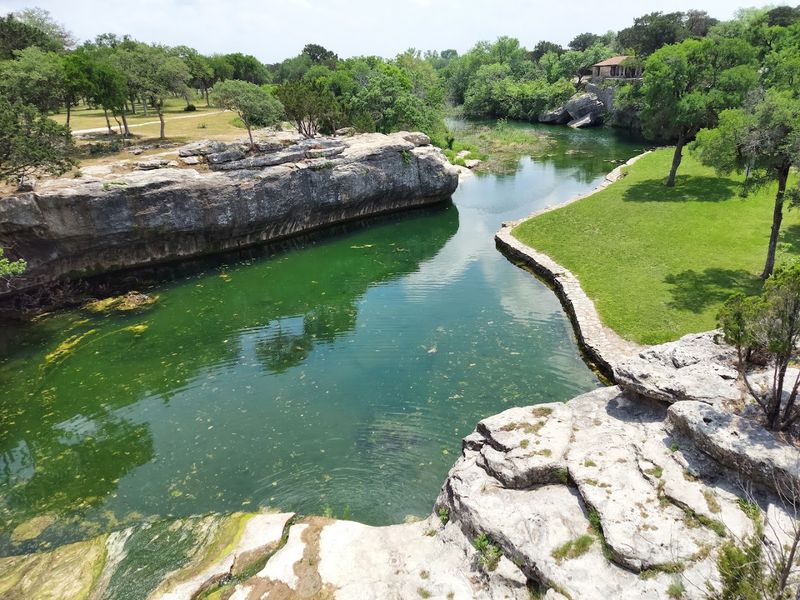
The limestone cliffs surrounding the falls create an amphitheater effect that makes the whole area feel like nature’s private theater. Locals have been coming here since the park opened, and many Crawford families have generations of swimming memories tied to this exact spot. The water stays refreshingly cool even during brutal Texas summers because it comes straight from underground springs.
You can walk right up to the base of the falls and feel the mist on your face, or climb around on the rocks for different viewing angles. The waterfall isn’t Niagara-sized, but its beauty comes from the intimate setting and the unexpected discovery of finding something this lovely in such a small town. During spring after good rains, the falls roar with impressive force, while summer brings a gentler flow that’s perfect for wading and splashing around beneath the cascade.
2. Swimming Holes and Cliff Jumping Spots
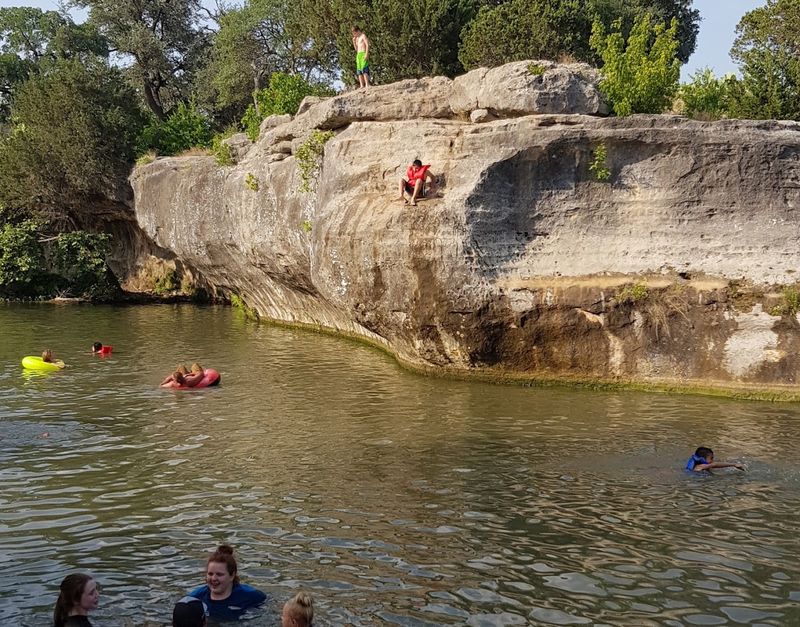
The pool beneath Tonkawa Falls has become legendary among Central Texas swimming holes, offering deep spots for jumping and shallow areas for younger kids to splash around safely. Cliff jumping is the main attraction for thrill-seekers, with several rock ledges at different heights that let you choose your own adventure level. Just remember that water levels change throughout the year, so what’s safe in spring might be too shallow by late summer.
Regular visitors know to check the depth before taking any leaps, and they’ll warn newcomers about the rocky bottom in certain areas. The water isn’t the bright turquoise you see in highly filtered pools, but it’s clean spring water with that natural Texas creek color that locals love. Families spread out around the swimming area, finding their favorite spots on the rocks or under the shade trees that line the banks.
During peak summer days, you’ll see people of all ages enjoying the water together, from toddlers wading in the shallows to teenagers showing off their best cannonballs. The swimming area extends beyond just the waterfall pool, with calmer sections along the creek that work great for floating on hot afternoons. Watch out for the cove with the large tree where snakes like to hang out, and definitely don’t dive headfirst anywhere since the water depth varies significantly across the swimming holes.
3. Peaceful Picnic Areas and Covered Pavilion
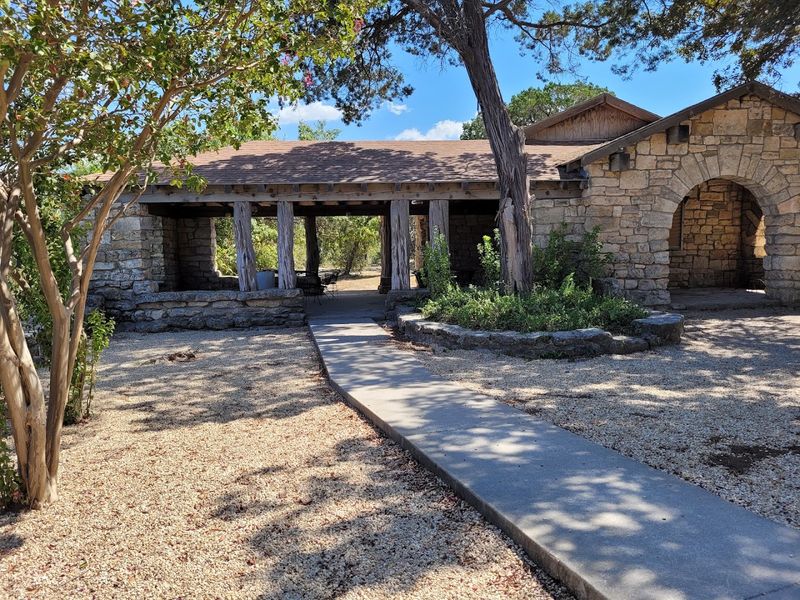
Perched above the waterfall sits a beautiful pavilion built in the classic Civilian Conservation Corps style with solid stone construction that’s lasted decades. This covered area gives you the perfect vantage point to watch the falls while enjoying lunch, and the shade makes it comfortable even when Texas temperatures climb into the triple digits. Tables under the pavilion fill up quickly on weekends, so arriving early gives you the best shot at claiming a prime spot.
The park’s picnic areas spread throughout the property, offering both sunny and shaded options depending on your preference and the season. Massive oak and pecan trees create natural canopies where families lay out blankets and set up portable chairs for all-day visits. The peaceful atmosphere makes this place ideal for quiet family gatherings, romantic picnics, or solo trips when you just need to escape the noise of modern life.
You’ll find the grounds well-maintained and surprisingly clean, especially after the park implemented better management of parking and access in recent years. Restrooms are available on-site, which is a huge plus when you’re planning to spend several hours exploring and swimming. Pack your own food and drinks since there aren’t any concession stands, and bring trash bags to haul out everything you bring in.
The combination of natural beauty and practical amenities makes Tonkawa Falls perfect for those leisurely Saturday afternoons when you want nature without roughing it too much.
4. Hiking Trails Along the Creek
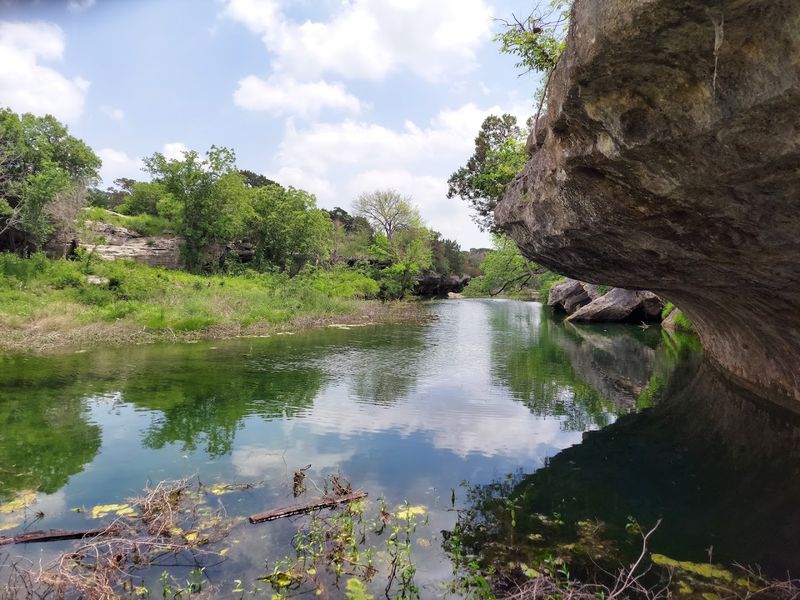
Beyond the main waterfall area, Tonkawa Falls Park offers hiking trails that follow the creek upstream and downstream, revealing hidden corners most day-trippers never discover. These aren’t manicured paths with fancy signage, but rather natural trails worn by years of explorers seeking adventure beyond the swimming holes. The terrain gets rocky in places, so decent shoes beat flip-flops every time, and watching your step prevents twisted ankles on the uneven limestone.
Walking along the creek, you’ll spot interesting rock formations, small cascades, and pools that make great photo opportunities without the crowds gathered at the main falls. Some visitors have reported finding ancient rock carvings further upstream, though the authenticity and age of these markings remain debated among local history buffs. The trails aren’t extensively marked, which adds to the sense of discovery but also means paying attention to where you’re going so you can find your way back.
Spring wildflowers bloom along the trail corridors, painting the landscape with bluebonnets, Indian paintbrush, and other native Texas flowers that thrive in the Hill Country climate. Be aware that poison ivy grows along some trail sections, so staying on the main paths and knowing what to avoid keeps your hike itch-free. The relatively low visitor volume compared to more famous Texas parks means you might have entire trail sections to yourself, especially on weekday mornings when the park first opens at 10 AM.
5. Rock Climbing and Bouldering Opportunities
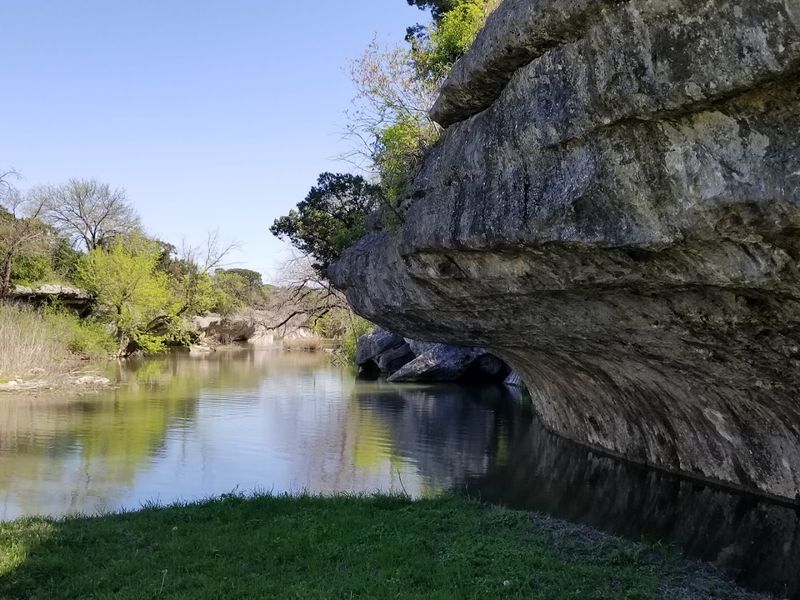
Climbers discovered Tonkawa Falls years ago, and the limestone cliffs surrounding the waterfall offer bouldering problems and climbing routes for various skill levels. The rock quality here is typical Texas limestone with plenty of pockets, edges, and features that make for interesting climbing challenges. You won’t find any permanent bolts or established climbing infrastructure, so this is strictly a bring-your-own-gear situation for those who know what they’re doing.
Bouldering spots near the water let climbers work on problems while staying cool, with the added bonus of a refreshing swim between attempts. The cliff faces vary in height and difficulty, giving beginners some easier routes while still offering challenges that’ll test experienced climbers. Always check your landing zones carefully since the terrain around the cliffs includes plenty of rocks and uneven ground that could make for painful falls.
Climbing here requires extra caution because there aren’t any safety barriers or warning signs about the cliff edges, something multiple reviewers have mentioned as a concern, especially for families with small children. The park doesn’t provide climbing equipment or instruction, and you’re responsible for your own safety and risk assessment. Despite these considerations, climbers keep coming back for the unique experience of scaling natural Texas limestone with a waterfall soundtrack in the background.
Weekday visits give you the cliffs mostly to yourself, while weekends bring more traffic from both climbers and curious spectators watching from below.
6. Fishing Along the Creek Banks
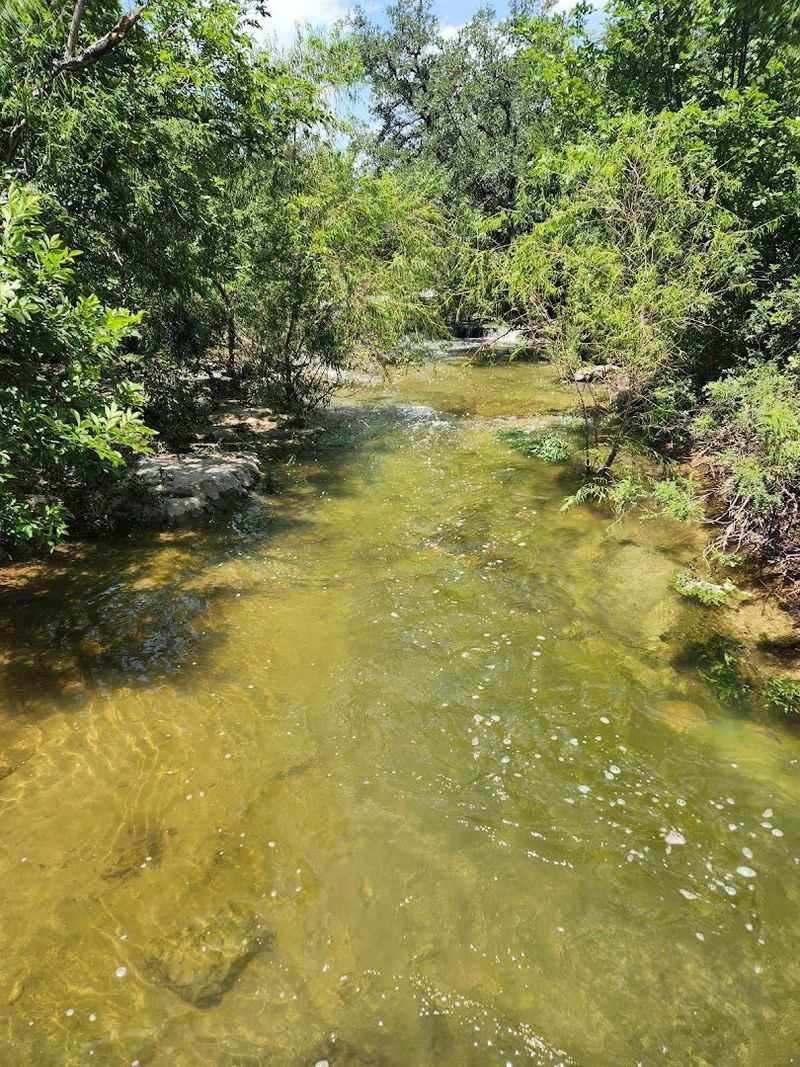
Anglers find Tonkawa Falls Creek surprisingly productive for a small town park, with the spring-fed water supporting populations of sunfish, bass, and catfish throughout the year. The fishing isn’t world-class trophy hunting, but it provides relaxing entertainment and the chance to catch dinner if you’re so inclined. Shaded spots along the creek banks give you comfortable places to set up for a few hours of casting and waiting.
Most successful fishing happens away from the main swimming areas where the noise and activity scare fish into quieter sections upstream or downstream. Early morning visits before the park gets crowded offer the best fishing conditions, with the 10 AM opening time giving you plenty of daylight hours to work with. You’ll need a valid Texas fishing license, and following all state regulations about size limits and catch restrictions keeps you on the right side of the law.
The creek’s rocky bottom means losing some tackle to snags is pretty much inevitable, so bring extra hooks and weights to replace what the limestone claims. Bank fishing works better than wading in most spots since the uneven bottom and variable depths make walking the creek bed tricky. Local anglers recommend using live bait like worms or minnows rather than artificial lures for the best results in this particular water.
Combining fishing with a family picnic makes for an ideal day trip where everyone finds something they enjoy, whether that’s landing fish or simply enjoying the peaceful sound of water flowing over rocks.
7. Rich Tonkawa Tribal History
The park’s name honors the Tonkawa people who lived throughout Central Texas for centuries before European settlement pushed them from their traditional lands. Learning about the Tonkawa tribe before visiting adds meaningful context to your experience, helping you appreciate that this beautiful spot held significance long before it became a city park. The tribe’s history includes complex relationships with both other Native groups and later settlers, making their story an important part of understanding Texas’s full past.
Some visitors report finding what appear to be rock carvings upstream from the main waterfall area, though experts debate whether these markings are authentic Tonkawa petroglyphs or more recent creations. The park’s clubhouse occasionally hosts educational meetings and presentations about Tonkawa history and culture, giving community members opportunities to learn about the people who first called this land home. These events help preserve tribal memory and ensure younger generations understand the area’s indigenous heritage.
The Tonkawa people were known for their hunting skills and their ability to thrive in the challenging Texas landscape, using springs and creeks like this one as vital resources for survival. Their forced removal from Texas in the 1800s represents a tragic chapter in state history that often gets overlooked in favor of more comfortable narratives. By naming the park after the Tonkawa tribe, Crawford acknowledges this history, though some argue more could be done to educate visitors about the tribe’s story and contributions.
Taking time to research and reflect on this history transforms a simple park visit into something more meaningful and respectful.
8. Practical Visiting Information and Park Rules
Tonkawa Falls City Park operates from 10 AM to 7:30 PM daily, giving you plenty of daylight hours to explore during most of the year. The park has gone through various management changes over the years, including periods with parking fees and times when roadside parking was allowed, so checking current policies before you visit saves potential headaches. Recent reviews indicate the park sometimes closes unexpectedly for maintenance or safety concerns, so calling ahead at 254-486-2125 confirms it’s open before making the drive.
Parking arrangements have changed multiple times, with some visitors reporting blocked-off lots and others finding designated parking areas, making the entrance situation somewhat confusing for first-timers. Access is primarily from East 4th Street in Crawford, though GPS sometimes directs people to incorrect gates, so using the street address specifically helps you find the right entry point. The park’s Facebook page provides the most current information about closures, events, and any temporary rule changes that might affect your visit.
No alcohol is allowed, and the park expects visitors to pack out all trash since littering became a serious problem during periods of less restricted access. Swimming at your own risk is the standard policy, with no lifeguards on duty and no liability assumed by the city for accidents or injuries. Families with young children need to watch them constantly around the cliff edges and deep water areas where no safety barriers exist.
The park works best for responsible visitors who respect the natural environment, follow posted rules, and treat this community resource with care so future generations can enjoy it too.
Share this story