Tennessee is packed with small towns that put you right in the middle of some of the most beautiful natural landscapes in the South. From misty mountain ridges to rushing rivers and hidden waterfalls, these places offer outdoor adventure without the crowds or tourist traps.
Whether you’re looking for a weekend escape or a new home base for exploring forests, trails, and scenic byways, these ten towns deliver nature at your doorstep and a whole lot of Southern charm to go with it.
1. Townsend
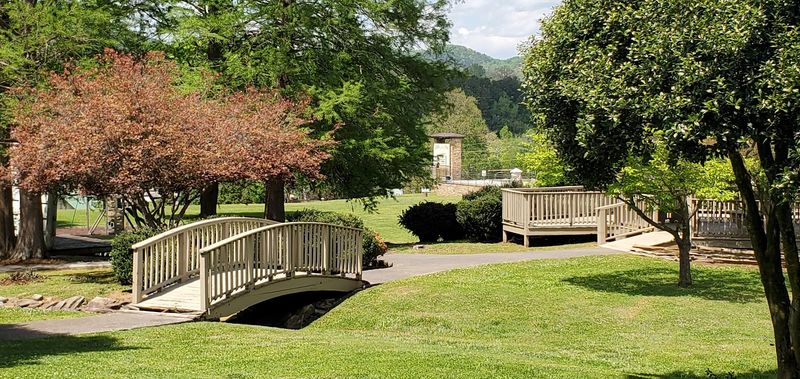
Townsend calls itself the peaceful side of the Smokies, and that’s not just marketing talk. While Gatlinburg and Pigeon Forge pull in the tour buses, Townsend keeps things quiet with easy access to some of the best parts of Great Smoky Mountains National Park. You’re minutes from Cades Cove, where you can spot deer, black bears, and historic cabins without fighting for parking.
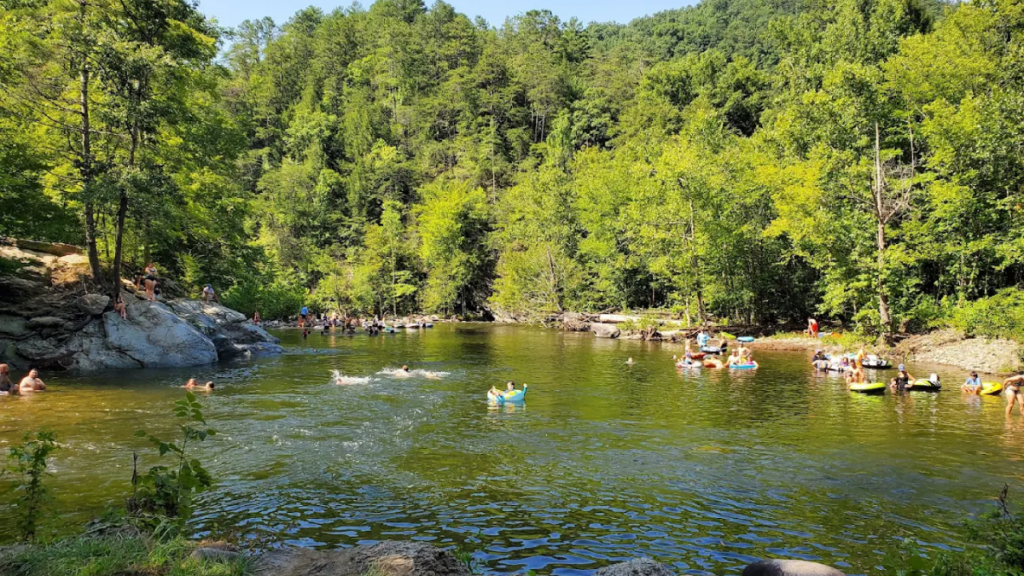
The Little River runs right through town, making it a favorite spot for tubing on hot summer days. You can float downstream with mountain views all around, then grab lunch at a local spot that doesn’t charge theme-park prices. Hiking trails branch out in every direction, from easy riverside walks to challenging climbs that reward you with ridge-top views.
What makes Townsend special is how it balances access and atmosphere. You get all the biodiversity and Southern Appalachian scenery the Smokies are famous for, but you also get breathing room. The town itself is small enough to navigate in an afternoon, with a handful of shops, cafes, and places to stay that feel more like mountain lodges than chain hotels.
If you want to experience ancient mountains without the carnival atmosphere, Townsend is your move. It’s where locals go when they want the Smokies to themselves, and once you visit, you’ll understand why they keep coming back.
2. Tellico Plains
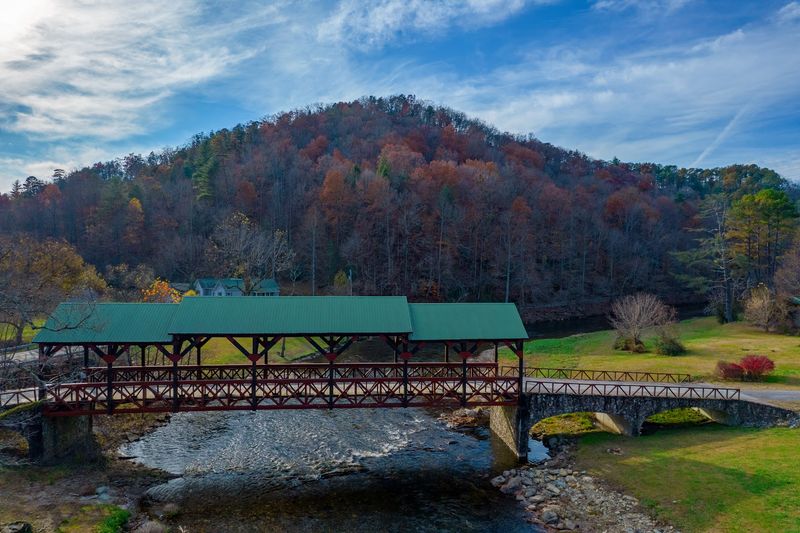
Tellico Plains sits at the edge of the Cherokee National Forest, which means nature isn’t just nearby—it surrounds the entire town. The Tellico River flows cold and clear, drawing fly fishers who come for the trout and stay for the scenery. You can wade into the water early in the morning and have the whole stretch to yourself, with nothing but birdsong and the sound of the current.
The Cherohala Skyway starts right here, winding 43 miles through the Cherokee and Nantahala National Forests. It’s one of the most underrated scenic drives in the South, with overlooks that show off layer after layer of forested ridges. Fall brings peak color, but even in summer, the elevation keeps things cooler and greener than the valleys below.
Hiking and camping options are everywhere. You can explore waterfalls, old-growth forest pockets, and trails that connect to the Appalachian backcountry. The town itself is small and unpretentious, with a few local diners, outfitters, and a general store vibe that feels more 1970s than 2020s.
Tellico Plains works if you want a base camp for serious outdoor time without sacrificing convenience. You’re close enough to civilization for groceries and gas, but far enough out that the stars actually show up at night. It’s the kind of place where people come for a weekend and start browsing real estate listings by Sunday.
3. Sewanee
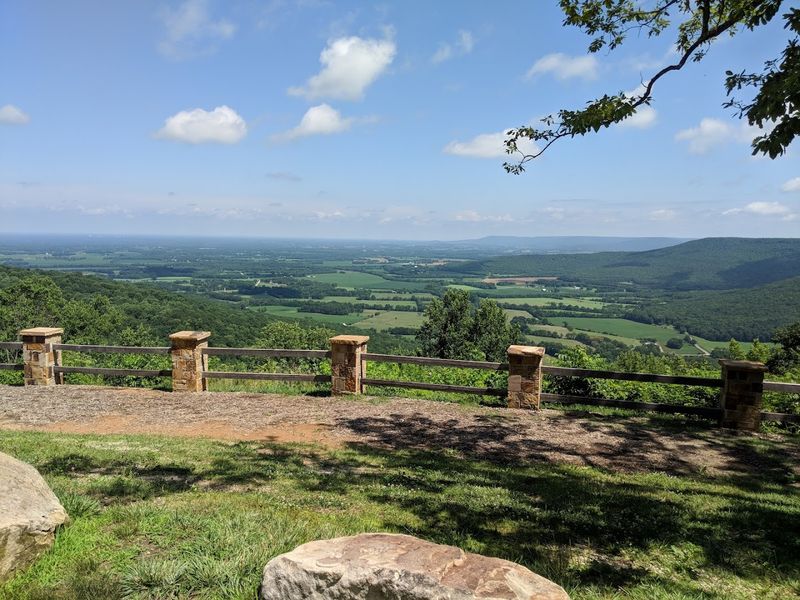
Perched on the Cumberland Plateau, Sewanee offers something different from the Smoky Mountain crowds. The bluffs here drop off dramatically, giving you sweeping views of forested valleys that stretch for miles. You can stand at the edge and feel like you’re looking out over the whole state, with nothing but trees and sky in every direction.
The South Cumberland State Park and the Fiery Gizzard Trail system are right in Sewanee’s backyard. Fiery Gizzard is legendary among Tennessee hikers—12.8 miles of waterfalls, rock formations, and old-growth forest that feels more like the Pacific Northwest than the South. The trail has overlooks, swimming holes, and sections that require scrambling over boulders, so it’s not a casual stroll.
Sewanee itself has a unique character thanks to the University of the South, which brings a college-town energy to an otherwise remote mountain setting. You get good coffee, a bookstore, and cultural events you wouldn’t expect in a town this size. The architecture is old-school Gothic, which adds a slightly mystical vibe when the fog rolls in.
If you want challenging hikes, stunning overlooks, and a town that feels both intellectual and outdoorsy, Sewanee delivers. It’s quieter than Chattanooga, more elevated than Nashville, and surrounded by trails that could keep you busy for weeks. Plus, the plateau climate means cooler summers and snowy winters, so you get real seasons.
4. Monteagle
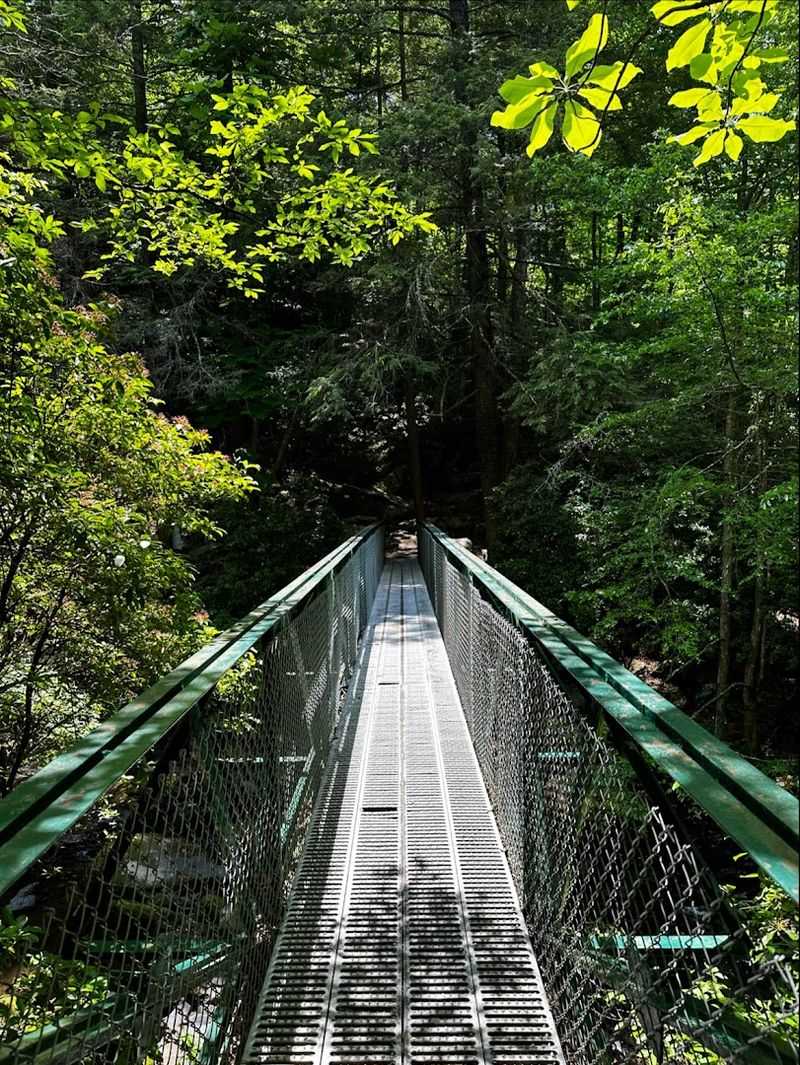
Monteagle sits on the Cumberland Plateau, right where Interstate 24 climbs the mountain and the scenery shifts from rolling hills to rugged bluffs. It’s a small town with big outdoor credentials, especially if you’re chasing waterfalls and wooded trails. Fiery Gizzard State Park is nearby, covering parts of Grundy and Marion counties with areas like Denny Cove and Grundy Lakes.
The park’s trails wind through rocky overlooks, past cascading waterfalls, and into sections of forest that feel untouched. You can spend a full day hiking and still only see a fraction of what’s out there. The terrain is challenging in spots, with steep descents and creek crossings, but that’s part of the appeal—it filters out the casual crowd and rewards those who put in the effort.
Monteagle itself is a convenient stop with enough restaurants and lodging to support weekend visitors, but it doesn’t feel commercialized. You can grab breakfast at a local diner, then disappear into the woods for the rest of the day. The town also has a quirky history, including a famous assembly that’s been hosting summer programs since the 1800s.
What sets Monteagle apart is how it combines accessibility with wildness. You’re close to Chattanooga and Nashville, but once you hit the trails, you’re deep in plateau country where the air is cooler and the views stretch for miles. It’s a solid choice for anyone who wants nature without driving to the far corners of the state.
5. Spencer
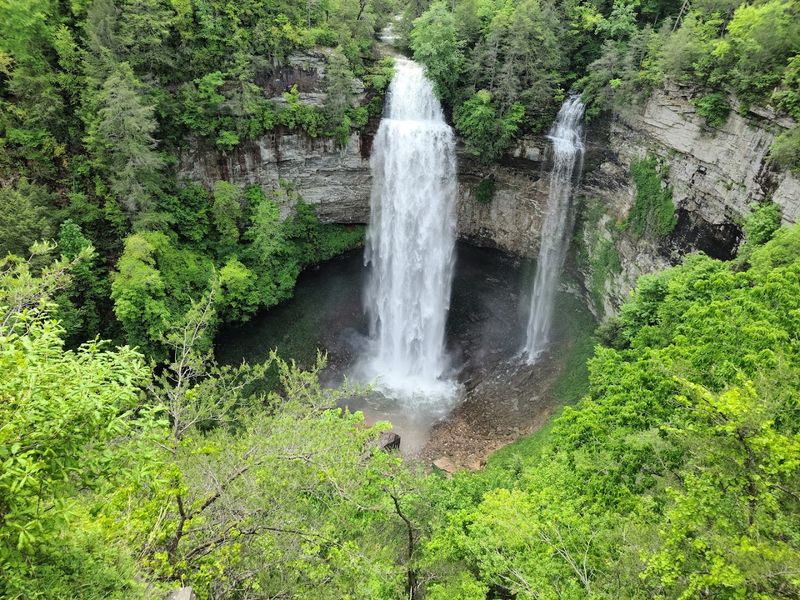
Spencer is the gateway to Fall Creek Falls State Park, which is basically Tennessee’s answer to the question, “Where can I see dramatic waterfalls without leaving the state?” The park covers more than 26,000 acres and features the tallest waterfall east of the Mississippi, along with gorges, forested ridges, and enough trails to keep you busy for days.
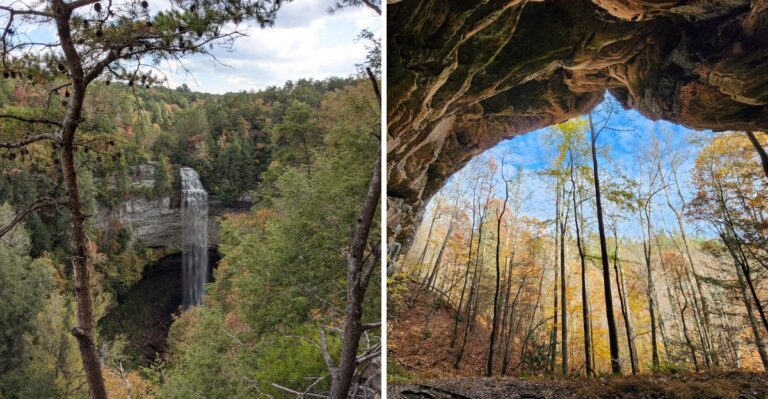
Fall Creek Falls itself drops 256 feet into a rocky pool below, and the viewing platform lets you take in the full scale of the drop. But that’s just the headline act. The park also has Cane Creek Falls, Cane Creek Cascades, Piney Falls, and several smaller waterfalls tucked into side trails.
You can hike, bike, paddle, fish, swim, or just park yourself at an overlook and soak in the scenery.
Spencer is small and doesn’t offer much in the way of nightlife or shopping, but that’s the point. It’s a launching pad for outdoor adventure, not a destination in itself. You’ll find basic services, a few places to eat, and a community that’s used to visitors rolling through on their way to the park.
If you’re serious about waterfall chasing or just want to experience one of Tennessee’s most impressive natural areas, Spencer puts you right there. The park has cabins, campgrounds, and a nature center, so you can stay as long as you want and explore at your own pace. It’s the kind of place that makes you wonder why you ever bothered with crowded tourist spots.
6. Roan Mountain
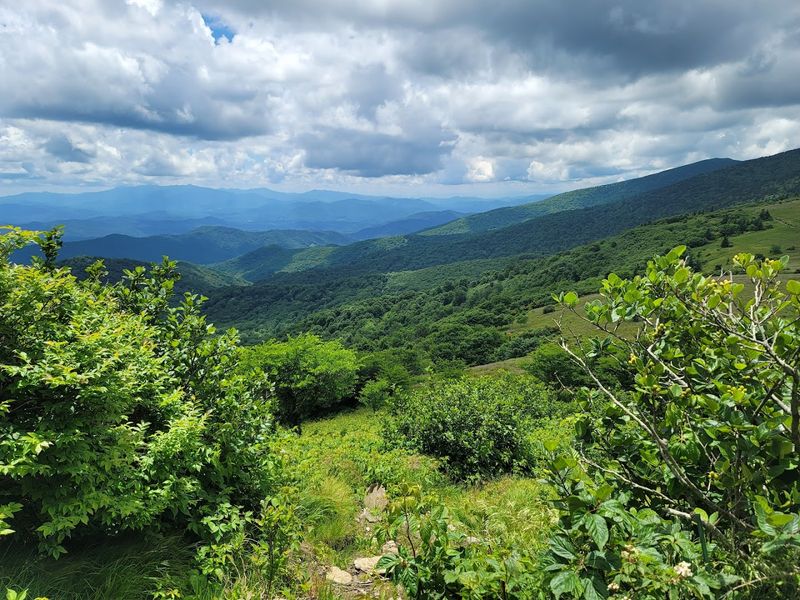
Roan Mountain is named after the mountain massif that towers over it, and the town itself sits at the base of some of the most beautiful high-elevation terrain in the southern Appalachians. Roan Mountain State Park covers 2,156 acres of forested slopes, river valleys, and trails that connect to the Roan Highlands above. The Doe River runs through the park, adding water features to the mountain scenery.
The real draw here is the high country. The Roan Highlands are famous for their grassy balds, rhododendron gardens, and panoramic views that stretch across multiple states. In June, the rhododendrons bloom in waves of pink and purple, turning the mountainside into something out of a postcard.
The Appalachian Trail crosses the highlands, so you can hike sections of the AT without committing to a thru-hike.
Down in the valley, Roan Mountain State Park offers easier trails, picnic areas, and a swimming pool fed by mountain streams. It’s a good base if you want to explore the highlands but prefer sleeping at a lower elevation. The town itself is tiny, with a handful of local businesses and a pace that matches the surrounding landscape—slow, steady, and rooted in the mountains.
The elevation keeps temperatures cooler in summer, and the scenery changes with the seasons, so there’s always a reason to come back.
7. Rugby
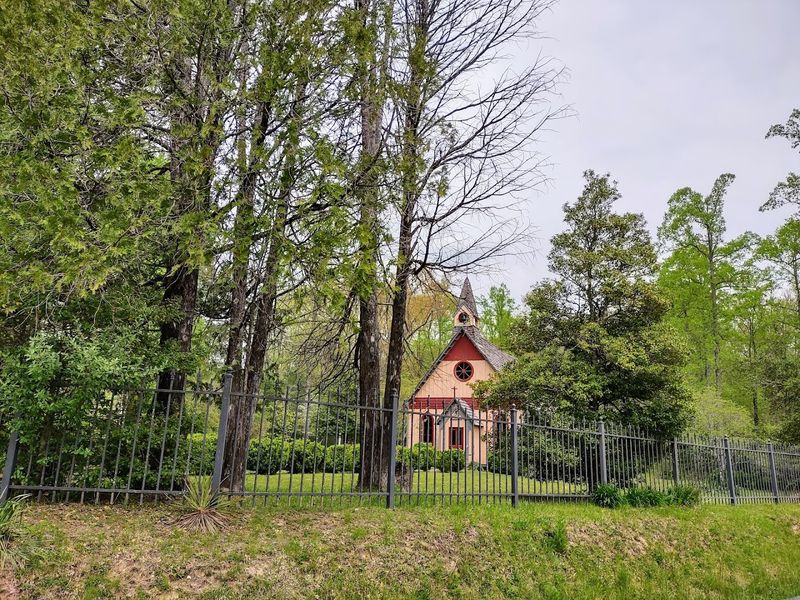
Rugby started as a utopian colony in the 1880s, founded by British reformer Thomas Hughes, and it still has a time-capsule feel today. The town is tiny—just a few dozen residents—but it’s surrounded by some of the wildest country in Tennessee. Big South Fork National River and Recreation Area protects 125,000 acres of the Cumberland Plateau, including the free-flowing Big South Fork of the Cumberland River and its tributaries.
The recreation area offers everything from whitewater rapids to sandstone arches, gorges, and overlooks that make you feel like you’re in the West, not the Southeast. Trails wind through forests, along bluffs, and down to the river, where you can kayak, fish, or just sit on a rock and watch the water move. The area is less developed than the Smokies, which means fewer crowds and more solitude.
Rugby itself is worth exploring for its historic buildings, including a library that still holds the original Victorian-era books. It’s a quirky, unexpected stop that adds cultural texture to a nature-focused trip. You can tour the town in an hour, then spend the rest of the day hiking or paddling in Big South Fork.
If you want something different from the usual Gatlinburg-Pigeon Forge circuit, Rugby delivers. It’s small, offbeat, and surrounded by rugged plateau country that feels wild and untouched. The combination of history and nature makes it a memorable stop for travelers who like their adventures with a side of storytelling.
8. Erwin
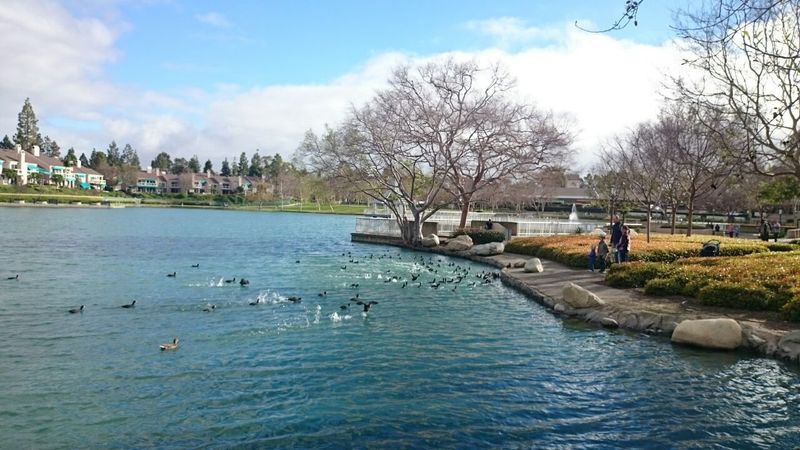
Erwin sits in the Nolichucky River valley, surrounded by mountains that define the East Tennessee landscape. This is rugged country, with the Appalachian Trail cutting through town and the Nolichucky River offering some of the best whitewater in the region. If you’re into kayaking, rafting, or just watching river runners tackle Class III and IV rapids, Erwin is your spot.
The Appalachian Trail access here is a big deal. You can hike sections that climb through hardwood forests, cross mountain streams, and open up to ridge-top views. The trail community is strong in Erwin, with hostels, outfitters, and locals who are used to helping thru-hikers resupply and rest before heading back into the mountains.
The town itself has a blue-collar, no-nonsense vibe. It’s not polished or resort-like, which is part of the charm. You get real mountain culture here—people who live and work in the hills, not just vacation there.
There are local diners, gear shops, and a few places to stay, but Erwin is more about the outdoor access than the amenities.
If you want a mountain-and-river town with adventure energy and none of the tourist gloss, Erwin delivers. It’s raw, authentic, and surrounded by scenery that reminds you why people fall in love with the Appalachians in the first place. The kind of place where you show up for a weekend and leave, planning your next trip back.
9. Lynchburg
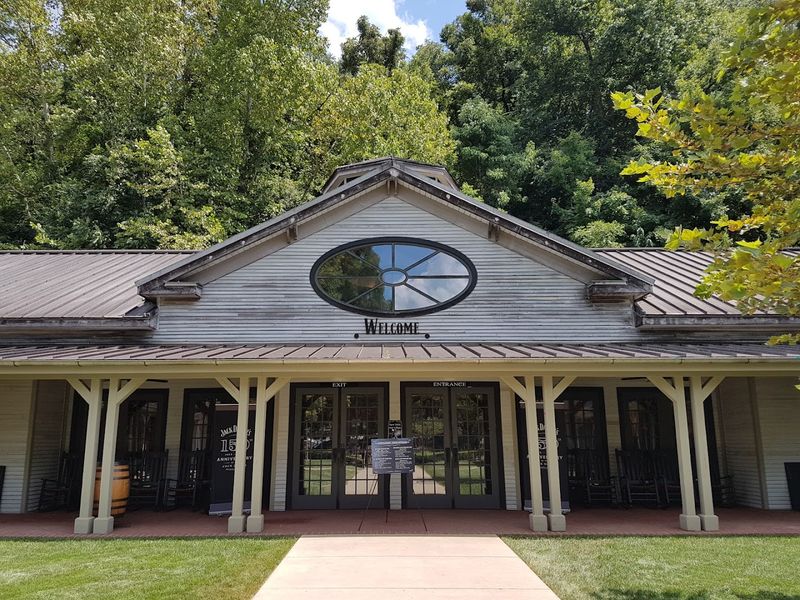
Lynchburg offers a different flavor of Tennessee nature—less dramatic than the Smokies or the plateau, but beautiful in its own quiet way. The landscape here is all rolling hills, open pastures, and tree-lined country roads that wind through farmland and forest. It’s softer scenery, but it has a timeless quality that makes you slow down and notice the details.
The town is famous for Jack Daniel’s Distillery, which brings in visitors from all over the world, but the natural surroundings are what make Lynchburg feel like a retreat. You can drive the back roads, stop at roadside fruit stands, and explore small parks and walking trails that follow creeks and wooded hollows. It’s not wilderness hiking, but it’s peaceful and scenic in a way that feels distinctly Southern.
Lynchburg itself is charming, with a historic town square, local shops, and restaurants that serve Southern comfort food. The pace is slow, the people are friendly, and the whole town has a small-town-America vibe that’s hard to find anymore. You can tour the distillery, grab lunch, and then head out into the countryside for an afternoon drive.
If you want nature without the adrenaline, Lynchburg is a solid choice. It’s not about waterfalls or mountain peaks—it’s about countryside beauty, quiet roads, and the kind of scenery that makes you want to sit on a porch and do nothing for a while. It’s a gentler side of Tennessee, and sometimes that’s exactly what you need.
10. Dover
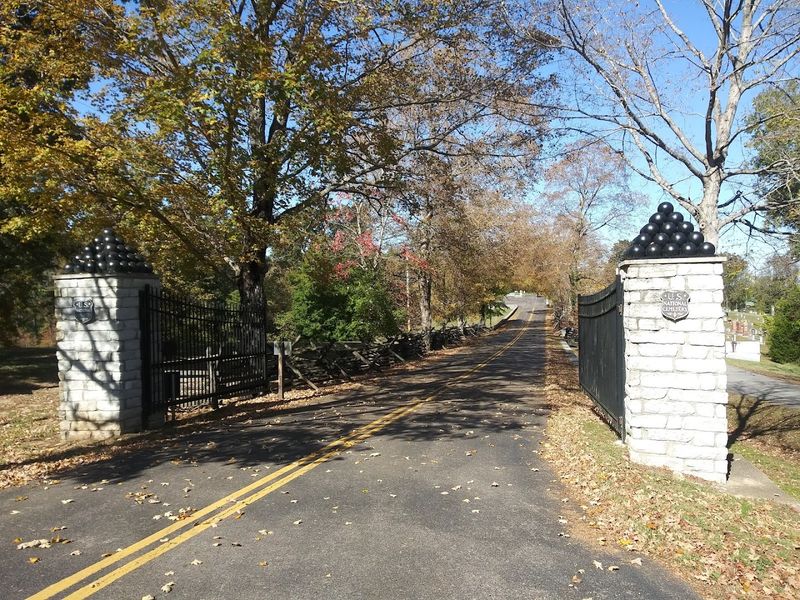
Dover sits along the Cumberland River near Lake Barkley, putting it right in the middle of West Tennessee’s lake-and-river country. This is a different kind of nature than the mountain towns farther east—it’s all about water, open skies, and the rolling landscape of the Tennessee River Valley. Land Between the Lakes is just across the water, offering 170,000 acres of forests, wetlands, and shoreline to explore.
The recreation area is a playground for boaters, anglers, and campers. You can fish for bass and crappie, paddle quiet coves, or hike trails that wind through oak and hickory forests. The area also has a working bison herd and elk herd, which you can see from designated viewing areas.
It’s a unique mix of wildlife and water-based recreation that you won’t find in the Smokies.
Dover itself is small and laid-back, with a historic downtown and a few local spots for food and supplies. It’s not flashy, but it’s convenient if you’re spending time on the lake or exploring Land Between the Lakes. The town also has Civil War history, including Fort Donelson National Battlefield, which adds a historical layer to the outdoor experience.
If you want a lake-and-river escape with plenty of room to roam, Dover is a smart pick. It balances outdoor access with small-town convenience, and it gives the list some geographic variety by representing Middle and West Tennessee instead of focusing entirely on the eastern mountains.
Share this story