The Texas Hill Country holds a secret that surprises many first-time visitors: pockets of authentic German culture thriving in the heart of the Lone Star State. German immigrants began settling this region in the mid-1800s, bringing their traditions, architecture, and love of good food and beer with them. Today, these charming towns still celebrate their heritage with half-timbered buildings, biergartens, polka music, and festivals that transport you straight to Bavaria without ever leaving Texas.
1. Comfort
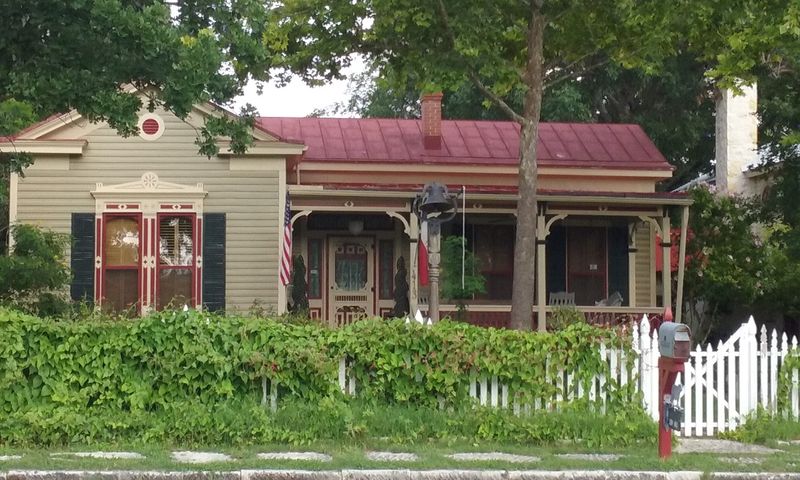
Founded in 1854 by German freethinkers fleeing religious persecution, this town earned its unusual name from the German word “Gemütlichkeit,” which roughly translates to comfort and coziness. The founders wanted a place where they could live according to their own beliefs, and they succeeded in creating one of the most authentically preserved German settlements in Texas. Walking down High Street today feels like stepping back into a 19th-century German village.
The town’s most striking feature is its collection of fachwerk buildings—traditional German half-timbered structures that you’d typically only see in the old country. Many of these original limestone and timber buildings still stand along the main street, housing antique shops, galleries, and cafes. The architecture isn’t just for show; these buildings were constructed using techniques passed down through generations of German craftsmen.
Unlike many Texas towns, Comfort never had a church in its early days because the settlers were determined to keep religion separate from community life. This freethinking philosophy made the town unique in conservative 19th-century Texas. The Treue der Union Monument, erected in 1866, honors German Texans who refused to fight for the Confederacy—making it the only monument to the Union located in the former Confederate states.
Today’s visitors can explore the Comfort Heritage Foundation Museum to learn about the town’s fascinating history, or simply wander the streets admiring the German-style storefronts. Several historic inns offer overnight stays in authentically restored buildings. The town hosts a popular Christmas market each December, complete with German vendors, music, and traditional treats.
The dining scene reflects the German influence too, with restaurants serving schnitzel, sausages, and other Old World favorites. Local businesses maintain the town’s quirky, independent spirit—you won’t find many chain stores here. The slower pace and preserved architecture make Comfort feel genuinely different from typical Texas towns, offering a peaceful retreat that honors its unique heritage.
2. New Braunfels
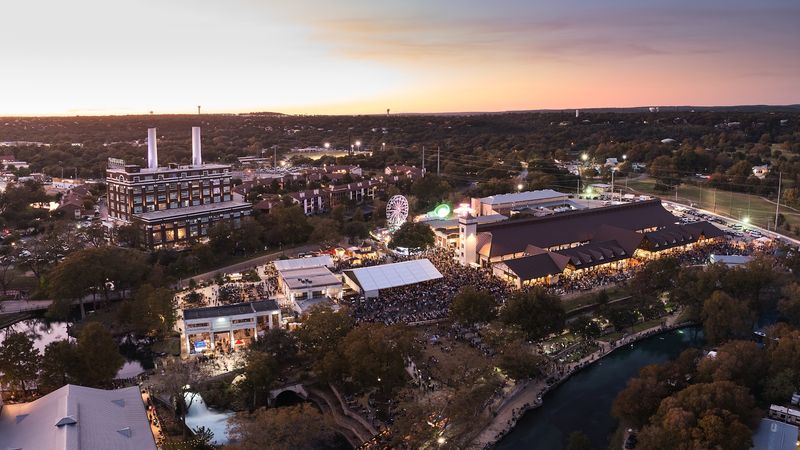
Prince Carl of Solms-Braunfels didn’t do anything halfway when he founded this town in 1845. He named it after his hometown in Germany and set about creating a proper German settlement complete with organized streets, designated public spaces, and all the civilized amenities his fellow immigrants expected. The result became the most successful German colony in Texas, and today it’s grown into a bustling small city that hasn’t forgotten its roots.
The town square, or Marktplatz, remains the heart of downtown, surrounded by buildings that showcase German architectural influences mixed with Texas limestone. Sophienburg Museum and Archives preserves the town’s immigrant history with fascinating exhibits about the hardships and triumphs of those early settlers. You’ll discover that these weren’t just farmers—they included educated professionals, craftsmen, and even nobility who gave up comfortable lives in Germany for a chance at something new.
New Braunfels takes its German heritage seriously, hosting Wurstfest each November—a ten-day salute to sausage that draws enormous crowds for polka dancing, beer drinking, and eating everything from bratwurst to strudel. The festival has been running since 1961 and rivals anything you’d find at a German Volksfest. Live polka bands keep the dance hall packed, and the smell of grilling sausages fills the air.
Beyond festivals, German culture permeates daily life here. Krause’s Cafe, Texas’s oldest operating biergarten, has been serving authentic German food since 1938. The Naegelin’s Bakery, established in 1868, claims the title of oldest continuously operating bakery in Texas, still turning out authentic German pastries and breads using traditional recipes.
The town also benefits from two pristine spring-fed rivers—the Guadalupe and Comal—that provide year-round recreation. German settlers chose this location partly for its abundant water, and modern visitors flock here to tube, kayak, and swim in the crystal-clear waters. This combination of authentic German culture and natural Texas beauty makes New Braunfels unique among Hill Country destinations.
3. Sisterdale
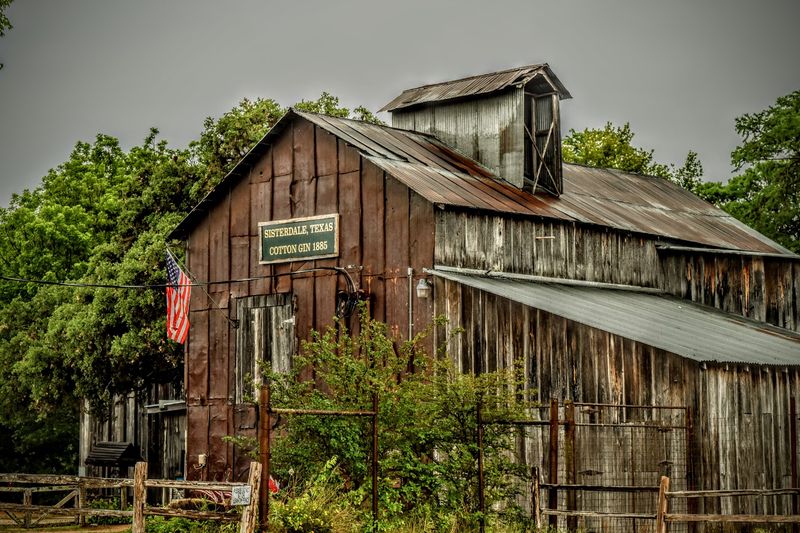
Most people drive right past this tiny community without realizing they’ve just missed one of the most intellectually significant German settlements in Texas history. Back in the 1840s, Sisterdale became home to the “Latin Farmers”—a group of highly educated German intellectuals who decided to try their hands at frontier farming. These weren’t your typical pioneers; they were university graduates, writers, and freethinkers who spent their evenings discussing philosophy and literature while their callused hands healed from the day’s labor.
The settlement got its name from the Schwester sisters, who were among the early landowners in the area. What made Sisterdale special wasn’t its size—it never grew very large—but the caliber of people it attracted. Educated Germans fleeing the failed 1848 revolution in their homeland found kindred spirits here.
They established a lending library, published newspapers, and maintained their cultural pursuits even while wrestling with the harsh realities of frontier life.
One of the most famous residents was Dr. Ernst Kapp, a political refugee and scholar who wrote extensively about his experiences adapting to Texas. His letters and essays provide fascinating insights into the challenges educated Europeans faced when confronting the American wilderness. These intellectuals struggled with the physical demands of farming but refused to abandon their love of learning and debate.
Today, Sisterdale consists of little more than a few scattered buildings and homes along a quiet country road. The Sister Creek Vineyards operates nearby, continuing a winemaking tradition that German settlers started. A historic general store building still stands, though it’s now a private residence.
The old dance hall, once the social center of the community, has been lovingly restored and occasionally hosts events.
Visiting Sisterdale requires imagination to picture its glory days, but that’s part of its charm. Unlike more commercialized German towns, this place remains authentically quiet and rural. The surrounding countryside looks much as it did when those Latin Farmers first arrived, and the peacefulness helps you understand why intellectuals seeking refuge would choose such a remote spot to build their idealistic community.
4. Fredericksburg
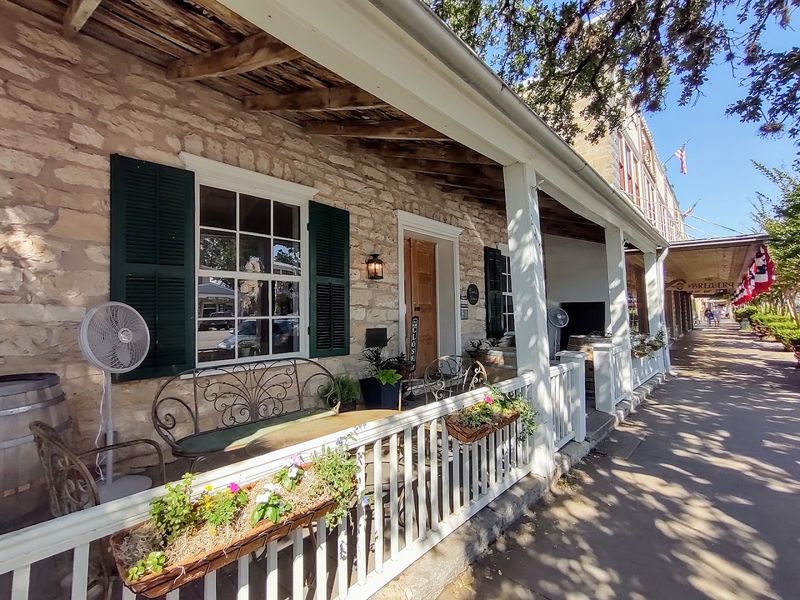
Baron Ottfried Hans von Meusebach (who wisely shortened his name to John O. Meusebach in Texas) founded this town in 1846 and immediately did something remarkable: he negotiated a peace treaty with the Comanche that was never broken. This allowed Fredericksburg to flourish while other Texas settlements struggled with raids and conflict.
The town’s German settlers could focus on building, farming, and creating a prosperous community that blended their European heritage with Texas frontier spirit.
Walking down Main Street today feels like touring a German village that somehow ended up in Texas. The wide Hauptstrasse stretches for blocks, lined with buildings that showcase German architectural details—steep rooflines, decorative woodwork, and sturdy limestone construction. Many structures date back to the 1800s, though they now house wine tasting rooms, boutiques, restaurants, and galleries catering to the steady stream of tourists who discover this place.
The Vereins Kirche, an eight-sided church building in the town center, serves as the most recognizable symbol of Fredericksburg’s German heritage. The current structure is actually a replica—the original was torn down in 1897—but it faithfully recreates the unique design that early settlers built. The building now functions as a museum and visitor center, providing context for understanding the town’s immigrant history.
Fredericksburg has mastered the art of celebrating its German roots without turning into a theme park. Yes, you’ll find plenty of schnitzel and strudel on restaurant menus, and biergartens serve German beers alongside Texas craft brews. The town hosts Oktoberfest celebrations that rival any in the state.
But this isn’t just tourist performance—many residents genuinely maintain German traditions passed down through their families.
The Sunday Houses represent a uniquely Fredericksburg solution to frontier challenges. German farmers living in the surrounding countryside built small second homes in town where they could stay overnight on weekends, attend church, and conduct business. Many of these tiny limestone cottages still stand, and some have been converted into charming guesthouses.
Beyond German heritage, Fredericksburg offers access to numerous wineries, the National Museum of the Pacific War, and beautiful Hill Country scenery that keeps visitors coming back.
5. Center Point
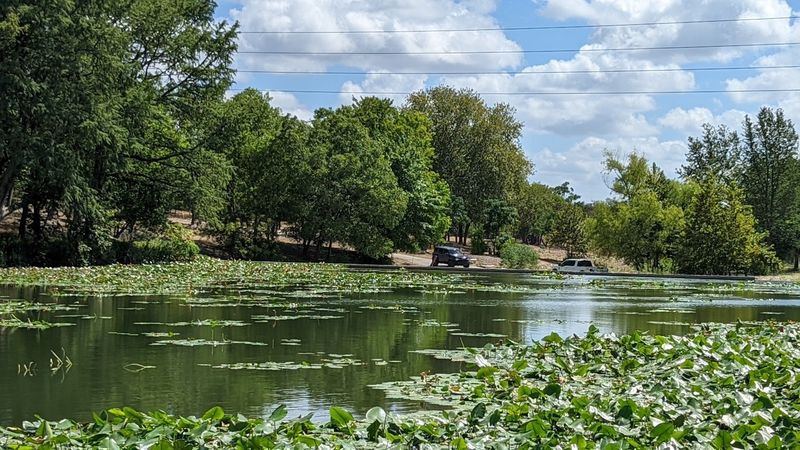
Geography gave this town its straightforward name—it sits roughly at the center point of several early settlements in the Hill Country. German immigrants began arriving here in the 1850s, drawn by the fertile land and abundant springs. They established farms and ranches that supported a small but thriving community, building the sturdy limestone structures that still characterize the town today.
Unlike the larger German settlements that have become tourist destinations, Center Point retains an authentic working-town atmosphere. The population hovers around 800 people, and locals still know each other by name. The downtown consists of a few blocks of historic buildings housing essential businesses—a bank, post office, cafe, and general store.
There’s no pretense here, no attempt to recreate a German village for visitors. Instead, you’ll find a genuine small town where German heritage remains part of daily life rather than a marketing strategy.
The Sacred Heart Catholic Church, built by German settlers, dominates the town skyline with its impressive stone construction and traditional design. German Catholics formed a significant portion of the immigrant population in this area, and their faith remained central to community life. The church still holds regular services and serves as a gathering place for townspeople, much as it has for generations.
Many of the surrounding ranches and farms remain in families descended from the original German settlers. These working properties still raise cattle, goats, and sheep across the rocky Hill Country terrain. The agricultural traditions and work ethic of those early immigrants continue shaping the local economy and culture.
You won’t find tour buses or crowded biergartens, but you will encounter genuine hospitality and a slower pace of life.
The town hosts an annual Hunters’ Supper each fall, a tradition dating back to German hunting clubs. Local hunters gather for a communal meal featuring wild game, continuing a custom their ancestors brought from Europe. It’s these living traditions, rather than restored buildings or festivals for tourists, that make Center Point’s German heritage feel real.
The surrounding countryside offers beautiful drives through classic Hill Country landscape—rolling hills, limestone outcroppings, and sprawling live oaks that provide a scenic backdrop to this unpretentious community.
6. Boerne
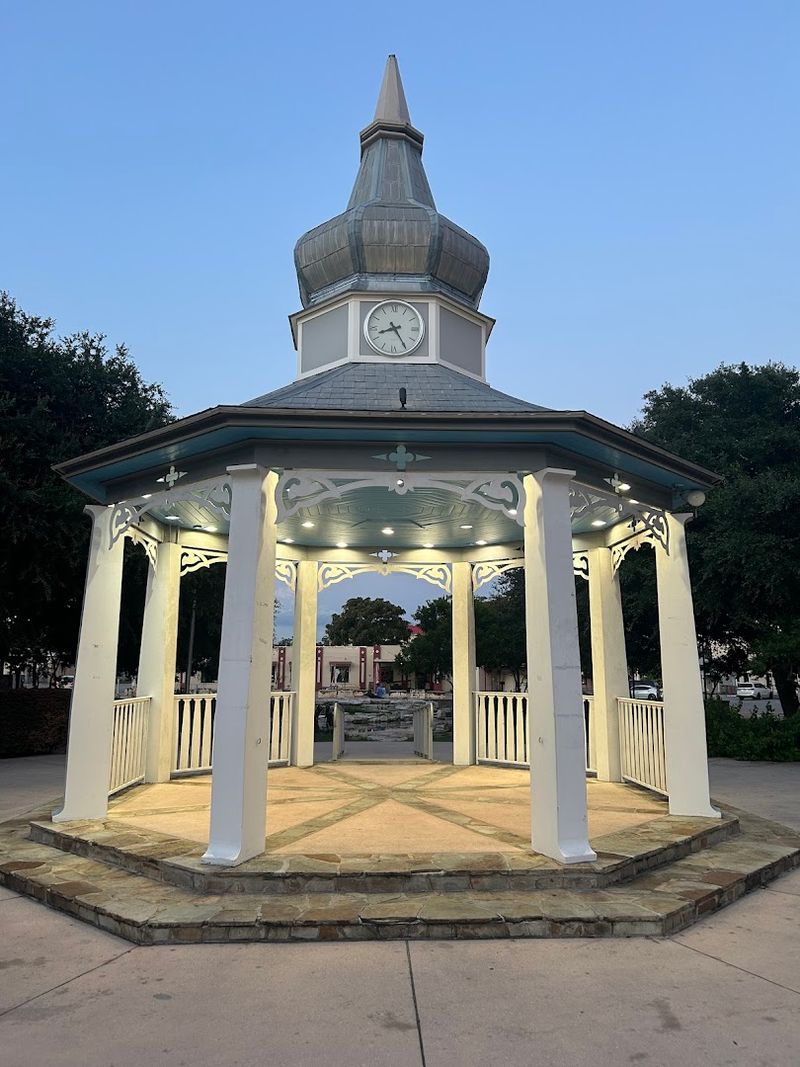
German colonists and freethinkers established this town in 1849, naming it after Ludwig Börne, a German author and political writer they admired. The spelling changed over time—losing the umlaut and altering slightly—but the town’s German character remained strong. Early settlers built their community along Cibolo Creek, constructing limestone buildings designed to last for generations.
Many of those original structures still stand today, giving downtown Boerne an authentically historic feel that newer developments can’t replicate.
The Main Plaza serves as the town’s heart, surrounded by buildings that showcase German architectural influences adapted to Texas conditions. Thick limestone walls keep interiors cool during brutal summer heat, while high ceilings and large windows allow for ventilation. The Kendall County Courthouse, though not German in style, overlooks the plaza and adds to the historic atmosphere.
Local businesses occupy many of the old buildings, creating a downtown that functions as an actual commercial district rather than just a tourist attraction.
Boerne has grown significantly in recent years as San Antonio sprawls northward, but the town has worked to preserve its character despite development pressure. The historic district maintains strict architectural guidelines to protect the German-era buildings and ensure new construction complements rather than clashes with the existing streetscape. This careful planning has kept downtown walkable and charming even as the surrounding area expands.
Several restaurants serve German specialties alongside Texas favorites, and local bakeries still produce traditional pastries. The Bear Moon Bakery occupies a historic limestone building and turns out authentic German breads using old-world techniques. Ye Kendall Inn, built in 1859, offers overnight stays in a carefully restored stagecoach stop that once hosted travelers on the San Antonio-Fredericksburg road.
The town celebrates its heritage with Berges Fest each June, featuring German music, food, and beer in a festival atmosphere that brings the community together. Unlike some larger events that cater mainly to tourists, this celebration feels like a genuine town gathering where locals outnumber visitors. The Agricultural Heritage Museum preserves the history of German farming and ranching in the area, with exhibits showing the tools and techniques pioneers used to tame the Hill Country.
Boerne manages to honor its past while functioning as a modern, growing community—a balance that many historic towns struggle to achieve.
7. Luckenbach
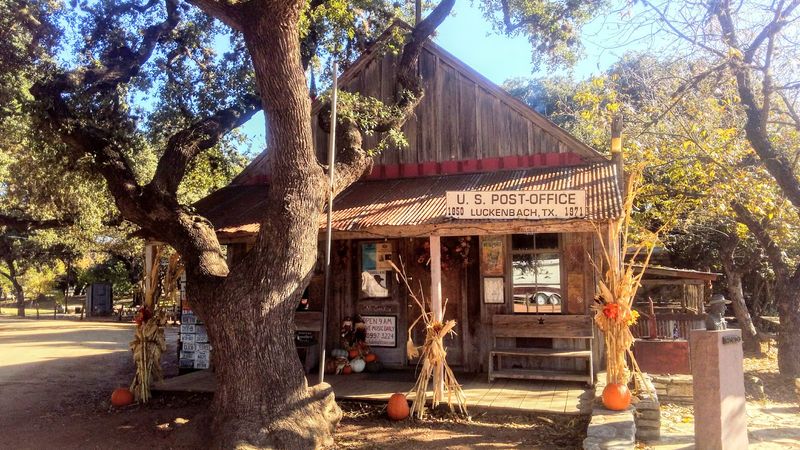
This tiny settlement consists of little more than a dance hall, general store, and post office, yet it’s achieved worldwide fame thanks to a certain country music song. Waylon Jennings and Willie Nelson sang about getting “back to the basics of love” in Luckenbach, and suddenly everyone wanted to visit this speck on the map. But long before country music discovered it, German immigrant Jacob Luckenbach established a community here in 1849, and his descendants ran the place for generations.
The Luckenbach family operated a combination general store and post office that served the scattered German farmers and ranchers in the surrounding countryside. Families would travel miles on rough roads to pick up mail, purchase supplies, and catch up on news and gossip. The old store building still stands, its weathered wood and tin roof looking much as they did a century ago.
Inside, you’ll find an eclectic collection of memorabilia, business cards tacked to every surface, and cold beer sold from vintage coolers.
In 1970, the town (all three acres of it) was sold to Hondo Crouch, a local character who transformed Luckenbach into a destination for musicians and free spirits. He promoted the town as a place where “everybody’s somebody,” and that welcoming attitude stuck. The dance hall hosts live music almost daily—not polished performances but casual picking sessions where anyone can join in.
German heritage takes a back seat to the outlaw country vibe these days, but the physical setting remains authentically historic.
What makes Luckenbach special isn’t fancy attractions or restored buildings—it’s the laid-back atmosphere and the feeling that you’ve stumbled onto something real. People gather under the old oak trees with lawn chairs and coolers, listening to music and chatting with strangers who quickly become friends. The lack of commercialization feels refreshing; there’s no gift shop empire or corporate sponsors, just a simple place where folks come to relax.
The town’s German roots show in subtle ways—the sturdy construction of the old buildings, the community-gathering tradition, the appreciation for music and socializing. While you won’t find schnitzel or polka bands here anymore, the spirit of those early German settlers who valued community and simple pleasures lives on. Luckenbach proves that authenticity doesn’t require perfection or preservation; sometimes the most memorable places are those that evolve while keeping their essential character intact.
8. Bulverde
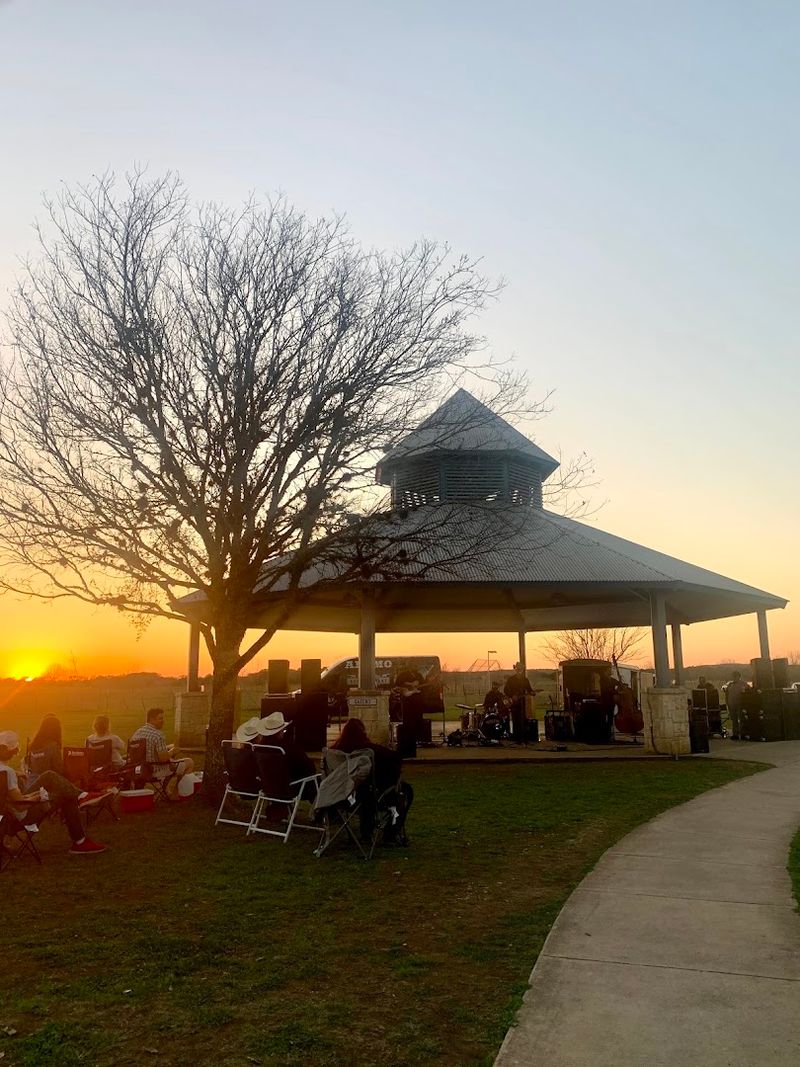
Named after a Spanish land grant holder rather than German settlers, Bulverde nonetheless became home to many German families who established farms and ranches in this area during the late 1800s. The community developed slowly, remaining rural and spread out rather than clustering into a traditional town center. German immigrant families built their homesteads across the rocky terrain, raising livestock and crops while maintaining their cultural traditions in relative isolation.
The Natural Bridge Caverns, discovered in 1960, put Bulverde on the tourist map, but the area retains its rural character despite being close to San Antonio’s northern suburbs. German family names still appear on mailboxes throughout the community, descendants of those original settlers who stayed on the land their ancestors claimed. Small limestone farmhouses and barns dot the countryside, many still in use after more than a century.
Unlike towns with defined historic districts, Bulverde’s German heritage exists in scattered traces—an old cemetery with German inscriptions, a family ranch that’s been passed down through generations, the architectural style of older buildings. The community never developed a commercial downtown, so there’s no Main Street to restore or preserve. Instead, the German influence lives on in family histories and the agricultural lifestyle that continues in pockets despite suburban development pressure.
Several local businesses reflect the area’s heritage, including German-influenced restaurants and specialty shops, though they’re spread out along the main highways rather than concentrated in a walkable district. The Bulverde Spring Fest celebrates the community’s history each year with food, music, and activities that bring neighbors together. It’s a small-town event without the tourist crowds that larger festivals attract, offering a glimpse of authentic community celebration.
The surrounding Hill Country landscape remains beautiful and relatively undeveloped compared to areas closer to San Antonio. Winding back roads lead past working ranches, fields of wildflowers in spring, and limestone cliffs that characterize the region. The German settlers who chose this area were drawn by similar scenery—rolling hills reminiscent of their homeland, good grazing land, and plenty of springs and creeks.
Bulverde represents a different kind of German Texas experience—not a preserved historic town or tourist destination, but a living rural community where heritage exists in family ties and land stewardship rather than architecture and festivals. It’s a reminder that German immigrants settled throughout the Hill Country, not just in the well-known towns, and their descendants continue shaping these communities today.
9. Kerrville
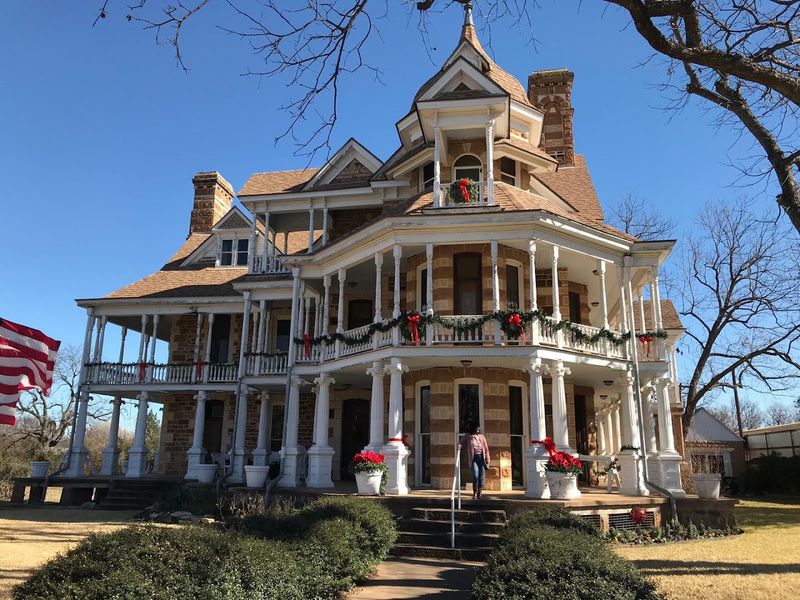
While Joshua Brown, an Englishman, founded Kerrville in 1856, German immigrants quickly became a significant part of the community’s population and character. The town’s location along the Guadalupe River made it an ideal spot for settlement, and German families established businesses, farms, and cultural institutions that shaped the growing community. The Charles Schreiner Company, founded by a German immigrant in 1869, became one of the largest mercantile operations in Texas and remained family-owned for generations.
Charles Schreiner himself embodied the German immigrant success story—he arrived in Texas as a teenager, worked as a store clerk, fought in the Civil War, and then built a business empire that included banking, ranching, and retail operations. His limestone mansion still stands as a testament to the prosperity German entrepreneurs achieved in the Hill Country. The Schreiner family’s influence extended beyond business; they supported education, cultural activities, and community development that benefited everyone.
Downtown Kerrville retains many historic buildings from the late 1800s and early 1900s, with German-influenced architecture visible in the sturdy limestone construction and practical designs. The town grew into a regional center, serving the surrounding ranches and small communities with banking, shopping, and services. German social clubs, singing societies, and fraternal organizations flourished here, maintaining cultural traditions while adapting to Texas life.
The Guadalupe River remains central to Kerrville’s identity and appeal. German settlers appreciated the reliable water source and scenic beauty, establishing homes and businesses along its banks. Today, the river provides recreation opportunities—paddling, fishing, and simply enjoying the cypress-shaded waters that flow through town.
The riverside parks and trails offer peaceful escapes from the commercial districts.
Kerrville has evolved into a retirement and tourism destination, with art galleries, festivals, and cultural attractions drawing visitors year-round. The Museum of Western Art and the Kerr Arts and Cultural Center showcase the region’s artistic heritage. Each summer, the Kerrville Folk Festival attracts musicians and fans from across the country for an extended celebration of songwriting and performance.
While German heritage represents just one thread in Kerrville’s diverse cultural fabric, it remains visible in family names, business histories, and architectural details throughout the community. The town has grown far beyond its frontier origins, but the work ethic, business acumen, and cultural appreciation that German immigrants brought continue influencing the community’s character and values.
Share this story