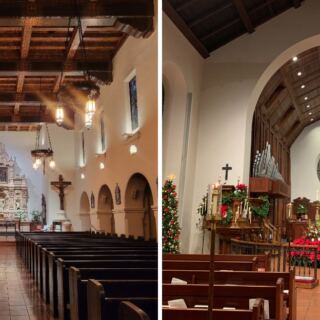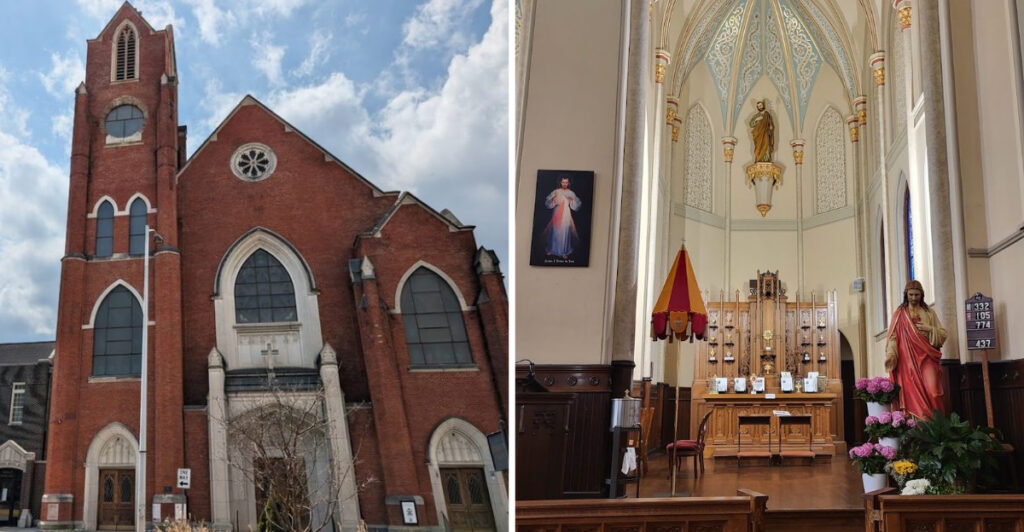
Tucked away in downtown Chattanooga sits a structure so breathtaking it rivals the grand cathedrals of Rome and Paris. The Basilica of Saints Peter & Paul stands as a testament to old-world craftsmanship, with soaring spires, intricate stonework, and details that transport visitors straight across the Atlantic.
Walking through its doors feels like discovering a secret portal to Europe, right here in Tennessee. Whether you’re a history buff, architecture enthusiast, or simply someone who appreciates beauty, this basilica offers an experience you won’t find anywhere else in the South.
Stunning Tiffany Stained Glass Windows That Glow Like Jewels
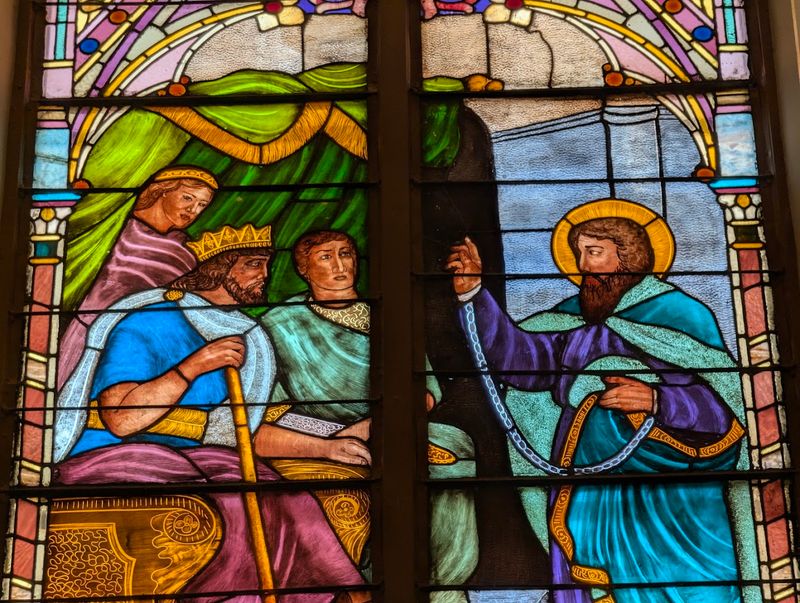
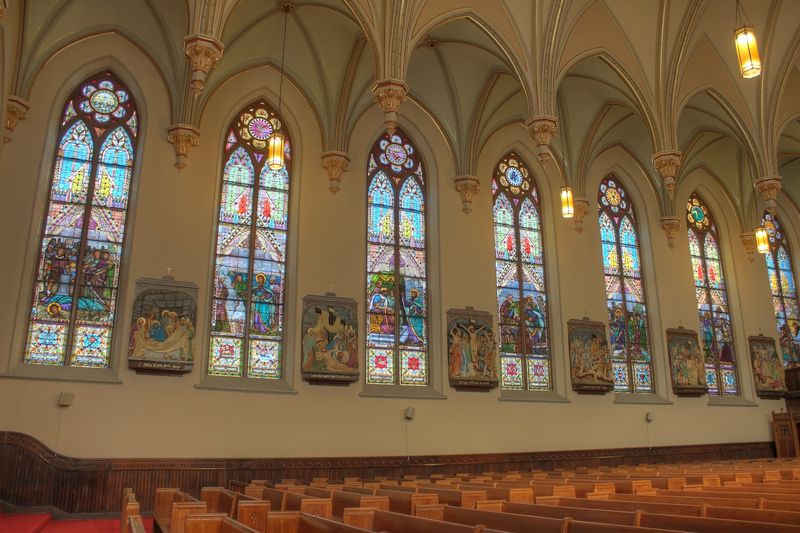
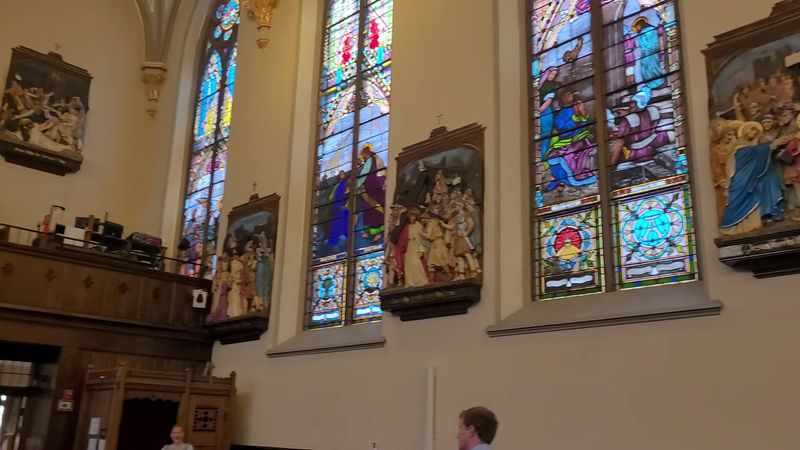
The moment sunlight filters through the Tiffany stained glass windows at this basilica, the entire interior transforms into a kaleidoscope of color. These aren’t just any windows—they’re genuine Tiffany creations, the kind you’d expect to find in European cathedrals with centuries of history.
Each panel tells a biblical story through glass, lead, and breathtaking artistry that makes your phone camera work overtime.
Visitors often spend a solid hour just moving from window to window, watching how the light changes throughout the day. Morning visits offer soft, gentle hues, while afternoon sun creates dramatic splashes of ruby red and sapphire blue across the pews and marble floors.
The craftsmanship is so detailed you can make out individual facial expressions on the saints depicted in the glass.
What sets these windows apart from other stained glass you might encounter is their depth and dimension. Tiffany developed a special technique that layered different types of glass to create shadows and highlights, giving each scene a three-dimensional quality.
Stand close and you’ll notice how some pieces are textured, others smooth, all working together like a symphony of light.
Photography enthusiasts find this place irresistible, though no picture quite captures the experience of standing beneath those towering windows in person. The way colors dance across stone columns and wooden pews creates an atmosphere that feels both sacred and magical.
Even if religious art isn’t typically your thing, the sheer technical skill and artistic vision on display here commands respect and wonder from everyone who visits.
Breathtaking European Gothic Architecture in the Heart of Tennessee
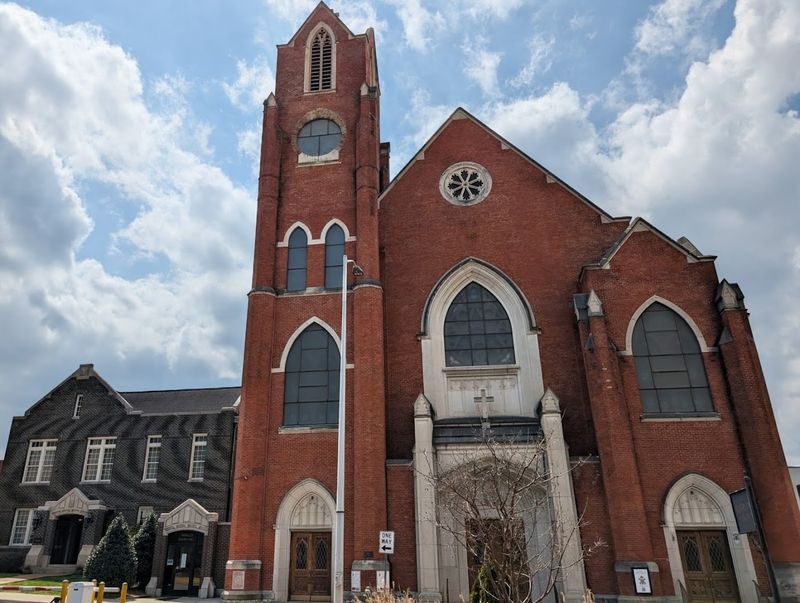
Driving through downtown Chattanooga, the twin spires of this basilica rise unexpectedly against the skyline, looking like they were plucked straight from Bavaria and dropped onto East 8th Street. The Gothic Revival architecture features pointed arches, flying buttresses, and stone carvings that would make any medieval mason proud.
It’s the kind of building that makes you do a double-take because it seems wildly out of place—in the best possible way.
Construction began in the late 1800s when German and Irish immigrants wanted to create something that reminded them of home. They succeeded beyond imagination.
The exterior stonework showcases intricate details that modern construction rarely attempts—gargoyles, decorative finials, and carved religious symbols that reward close inspection.
Walking the perimeter of the building reveals new architectural surprises at every corner. The buttresses aren’t just structural—they’re works of art themselves, with carved details that demonstrate the builders’ dedication to authenticity.
The main entrance features massive wooden doors that weigh hundreds of pounds, fitted with ornate ironwork hinges that look like they could withstand a siege.
Architectural students and history lovers make pilgrimages here specifically to study the building techniques. Everything was constructed using traditional methods, without modern shortcuts, which explains why it’s survived over a century with its beauty intact.
The stonework has weathered to a gorgeous patina that adds character rather than diminishing the structure’s grandeur. On foggy mornings, the basilica emerging from the mist looks like something from a fairy tale, completely transforming this corner of Tennessee into something otherworldly and timeless.
Reverent Traditional Latin Mass That Transports You Back in Time
Attending a Traditional Latin Mass here feels like stepping into a time machine set for several centuries back. The entire liturgy unfolds in Latin, with the priest facing the altar in the traditional ad orientem position, surrounded by clouds of fragrant incense and the haunting beauty of Gregorian chant.
Even if you’re not Catholic, witnessing this ancient form of worship offers a window into how Christians celebrated for over a millennium.
The basilica offers multiple mass times throughout the week, though the Traditional Latin Mass draws visitors from across the Southeast. Altar servers in traditional cassocks and surplices move with practiced precision, ringing bells at the consecration while the priest elevates the host.
The ritual unfolds with a solemnity and reverence that’s increasingly rare in modern religious services.
What surprises many first-time visitors is how the congregation participates despite the Latin. Everyone seems to know exactly when to kneel, stand, or respond, following along in their missals with the kind of devotion that speaks to something deeper than language.
The smell of beeswax candles and incense creates a sensory experience that engages more than just your hearing and sight.
Reviewers consistently mention the “smells and bells” aspect of the mass—the traditional elements that engage all your senses. The pipe organ thunders through hymns that echo off vaulted ceilings, while the choir’s Latin chants create harmonies that seem to come from heaven itself.
Whether you’re religiously inclined or simply appreciate cultural experiences, attending a service here offers insight into traditions that have shaped Western civilization for centuries.
Magnificent Pipe Organ That Makes Concerts Unforgettable
The pipe organ at this basilica isn’t just an instrument—it’s practically a character in the building’s story. With hundreds of pipes ranging from pencil-thin to wider than your torso, this musical giant fills every cubic inch of the basilica with sound that you feel in your chest as much as hear with your ears.
When the organist pulls out all the stops during a hymn, the entire building seems to vibrate with sacred sound.
Built to complement the basilica’s acoustics, the organ takes full advantage of the stone walls and vaulted ceilings that create natural reverberation. A single note can sustain for seconds, hanging in the air like a musical ghost before fading away.
The instrument features multiple keyboards, countless stops, and foot pedals that allow skilled musicians to create everything from whisper-soft melodies to thunderous crescendos that shake the pews.
The basilica occasionally hosts organ concerts that draw music lovers from across the region. These performances showcase both sacred music and classical compositions, with pieces by Bach, Handel, and other masters echoing through the space exactly as composers intended centuries ago.
Sitting in the nave during a concert, surrounded by stained glass and Gothic architecture while waves of organ music wash over you, ranks among Chattanooga’s most transcendent experiences.
Even during regular masses, the organ playing adds layers of beauty to the liturgy. The organist often improvises between hymns, creating spontaneous musical meditations that complement the service perfectly.
The acoustics are so exceptional that every note rings clear and pure, whether it’s a delicate flute stop or the thundering power of the full organ at fortissimo.
Sacred Relics Including Servant of God Father Patrick Ryan
Most Tennessee churches don’t house the physical remains of potential saints, but this basilica breaks that mold spectacularly. The remains of Servant of God Father Patrick Ryan rest within the church, drawing pilgrims who come to pray and pay respects to a priest whose cause for sainthood is being considered by the Vatican.
For Catholics, this represents a direct connection to someone who may one day be formally recognized as a saint.
Father Ryan served this parish with distinction, and stories of his holiness and dedication to his flock continue to inspire visitors decades after his death. His tomb has become a place of quiet prayer and reflection, with candles flickering nearby and fresh flowers regularly placed by devoted parishioners.
Whether you believe in the intercession of saints or simply appreciate historical significance, standing before his resting place offers a moment of contemplation.
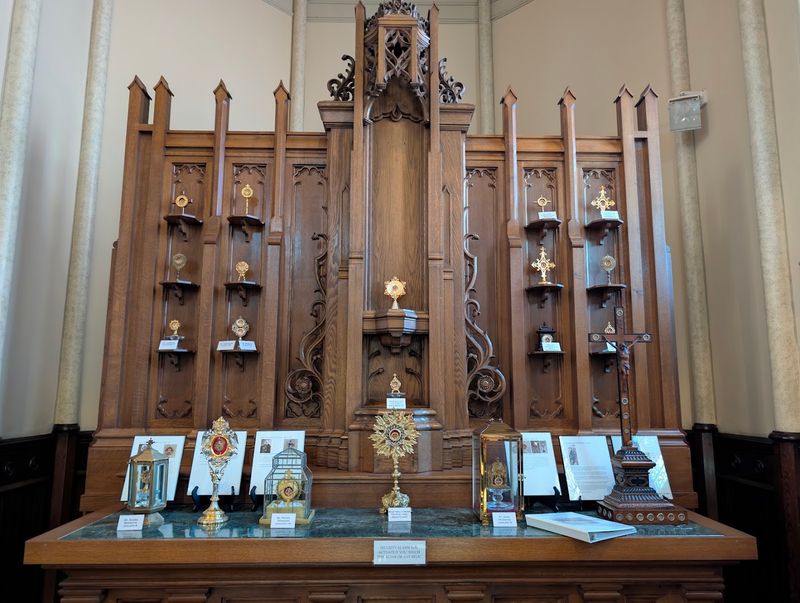
Beyond Father Ryan, the basilica displays other sacred relics—fragments of bone or cloth associated with various saints throughout Catholic history. These relics are presented in beautiful reliquaries, often ornate cases made of precious metals and glass that protect and display these treasured items.
Each comes with documentation tracing its provenance back through the centuries.
For many visitors, especially those unfamiliar with Catholic traditions, the relic display provides fascinating insight into practices that connect modern believers with ancient Christianity. The reverence shown toward these physical connections to holy people reflects a theology that values the material world as a conduit for spiritual experience.
Even skeptics often find themselves moved by the devotion displayed by those who kneel before these relics, praying for healing, guidance, or simply offering thanks.
Communion Rails and Traditional Catholic Practices Preserved
Walking into most modern churches, you’ll notice communion rails have disappeared, removed during renovations in the 1970s and 80s. Not here.
The basilica maintains its original marble communion rails where parishioners kneel to receive the Eucharist, just as Catholics did for centuries before Vatican II changes swept through American parishes. This traditional practice adds a layer of reverence that many visitors find deeply moving.
The rails themselves are works of art—polished marble with brass fittings that gleam under the sanctuary lights. During communion, the faithful line up, then kneel together at the rail while the priest moves along distributing the consecrated host.
There’s something profoundly communal about this practice, with everyone literally on their knees together in a shared act of worship and humility.
For Catholics who grew up with this tradition, returning to the communion rail feels like coming home. For younger Catholics who’ve only known receiving communion standing in line, kneeling at the rail offers a new experience that many describe as more prayerful and focused.
The physical act of kneeling naturally puts you in a more receptive, humble posture.
Visitors from out of state often mention in reviews how refreshing it feels to find a church that hasn’t stripped away these traditional elements. The basilica manages to honor both the Novus Ordo (modern) mass and traditional practices, creating a hybrid approach that satisfies those seeking reverence without completely rejecting Vatican II reforms.
The communion rails stand as a symbol of continuity with the past, a reminder that not everything old needs to be discarded in the rush toward modernization.
Young Families and Growing Conservative Catholic Community
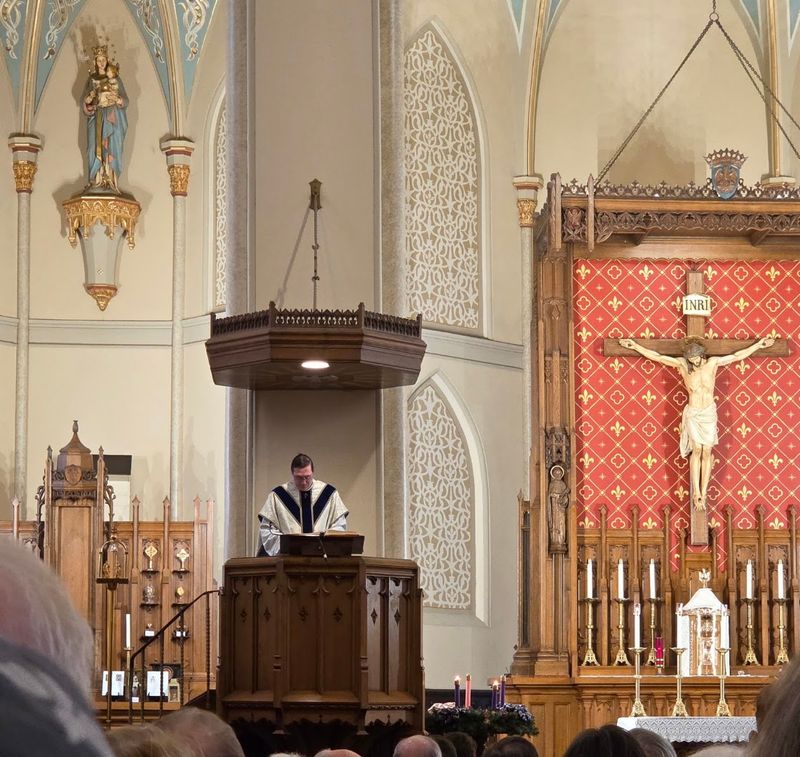
Step into Sunday mass and you’ll immediately notice something unusual for a mainline Christian church in 2024—babies crying, toddlers squirming, and kids everywhere. The basilica has become a magnet for young Catholic families seeking traditional worship and orthodox teaching, creating a congregation that skews surprisingly young compared to many aging parishes across America.
This demographic shift didn’t happen by accident. The basilica’s commitment to reverent liturgy, traditional practices, and orthodox Catholic teaching attracts families who want their children raised in a faith that doesn’t compromise or constantly change with cultural trends.
Parents appreciate that their kids experience the same essential mass that Catholics have attended for generations, creating continuity across time and geography.
The presence of so many children creates an energy that’s both chaotic and life-giving. Yes, you’ll hear babies crying during the homily and see toddlers making breaks for the aisle, but that’s precisely the point—this is a living, growing community rather than a museum.
As one reviewer noted, if you don’t hear babies crying, your parish is dying. By that measure, this basilica is thriving.
Young families traveling through Chattanooga often make a point to attend mass here specifically because they know their kids won’t be the only ones making noise. The congregation has embraced the beautiful messiness of families with small children, understanding that today’s squirmy toddler is tomorrow’s altar server and future parent bringing their own kids.
This intergenerational approach to parish life creates a sense of continuity and hope that’s increasingly rare in American religious institutions.
Downtown Location Perfect for Post-Mass Exploration
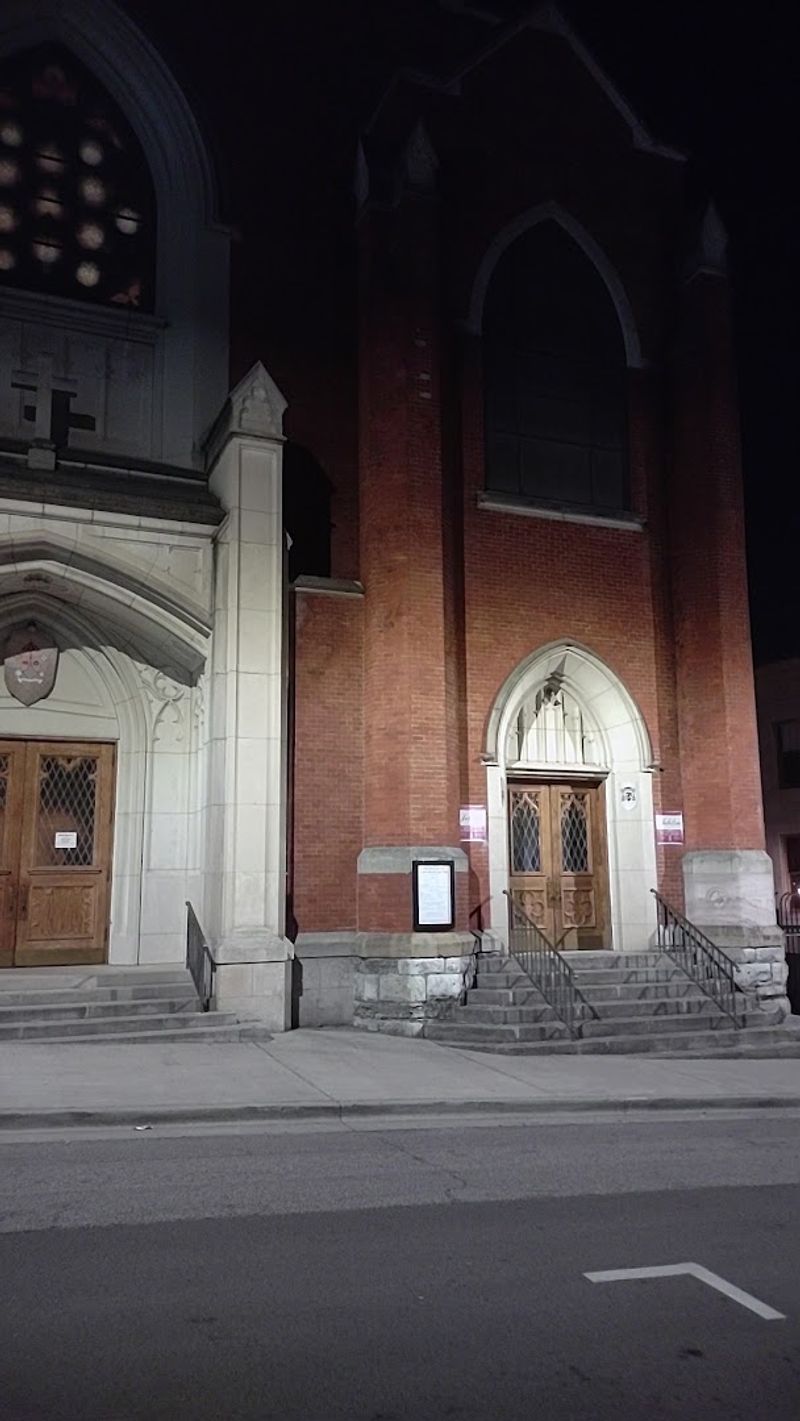
Unlike suburban churches surrounded by parking lots and strip malls, this basilica sits in the heart of downtown Chattanooga where sidewalks actually lead somewhere interesting. After mass, you can walk to dozens of restaurants, coffee shops, and attractions without ever getting back in your car.
This urban location makes attending services here part of a larger downtown experience rather than an isolated religious errand.
The basilica’s website provides detailed parking information because street parking can be tricky during peak times, but several garages and lots sit within easy walking distance. Once you’ve parked, you’re in one of Chattanooga’s most walkable neighborhoods with everything from casual cafes to upscale dining within a few blocks.
Many parishioners make Sunday mass the anchor of a full downtown day.
Coffee lovers particularly appreciate the proximity to local roasters and cafes where you can grab a latte and pastry after an early mass. Families often walk to nearby parks or head to the riverfront for a post-church stroll.
The location also makes it easy for visitors staying downtown to attend mass without needing rental cars or rideshares.
This urban setting also means the basilica serves a diverse population beyond just suburban families driving in. You’ll see downtown residents walking to daily mass, professionals stopping in during lunch breaks, and tourists who stumbled upon this architectural gem while exploring the city.
The mix creates a more varied congregation than you’d find at a typical suburban parish, adding to the sense that this is a church engaged with the broader community rather than isolated from it.
Welcoming Environment for Catholic Travelers and Visitors
Catholic travelers face a common dilemma—finding a parish in an unfamiliar city that offers a reverent, orthodox mass without feeling cold or unwelcoming to outsiders. This basilica has earned a reputation across Catholic travel communities as a must-visit stop, with visitors consistently praising both the liturgy and the genuine hospitality they receive.
The parish clearly understands that many attendees are visitors passing through Chattanooga. The website provides comprehensive information about mass times, parking, and what to expect, helping travelers plan their visit with confidence.
This attention to visitor needs makes a real difference when you’re trying to maintain your spiritual practices while on the road.
Multiple reviews mention visitors feeling immediately at home despite being hundreds of miles from their regular parish. There’s something about traditional liturgy that creates instant familiarity—Catholics from Chicago, New York, and beyond report feeling welcomed into a community that shares their values and worship style.
The reverence and beauty of the mass transcends regional differences.
Daily mass attendees especially appreciate the noon option, which works perfectly for travelers with morning commitments or those driving through who need flexibility. The priests are noted for their warmth in confession and their clear, orthodox preaching during mass.
Even the congregation receives praise for their friendliness, with newcomers reporting genuine welcomes rather than the cold shoulder outsiders sometimes receive at established parishes. For Catholics planning trips through Tennessee, this basilica has become a pilgrimage site worth building an itinerary around.
Historic Heating System and Charming Architectural Details
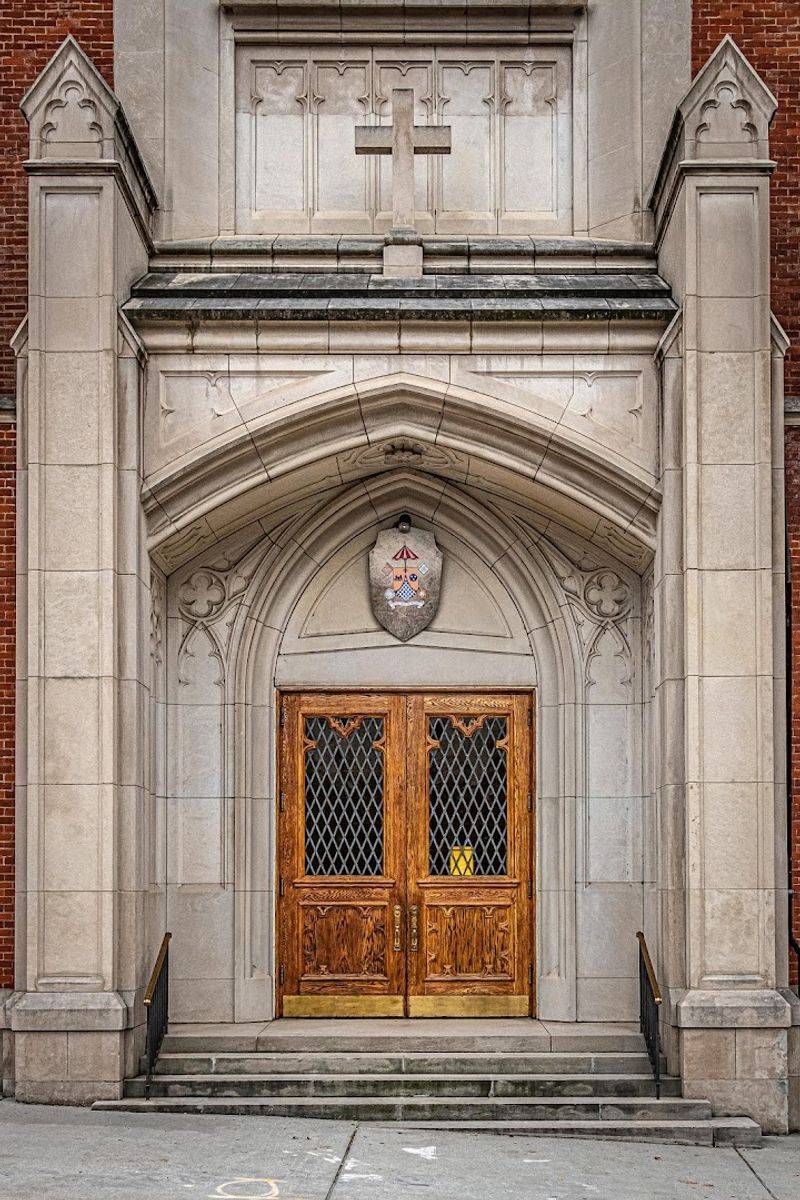
Modern churches hide their HVAC systems behind drywall and drop ceilings, but this basilica proudly displays its original heating system—massive cast iron radiators and exposed pipes that double as industrial art. On cold winter Sundays, these antique radiators pump out warmth that creates a cozy, toasty atmosphere that feels wonderfully old-fashioned.
The gentle hissing and clanking of the heating system adds to the historic ambiance rather than detracting from it.
These aren’t just functional relics—they’re beautiful examples of Victorian-era engineering when even utilitarian objects received decorative treatment. The radiators feature ornate casting details and the pipes follow the building’s lines in ways that show careful planning.
Sitting near a radiator on a January morning while attending mass creates a comfort that modern forced-air systems just can’t match.
Beyond the heating system, countless small details reward careful observation. Hand-carved wooden confessionals with intricate scrollwork stand ready for the sacrament of reconciliation.
The Stations of the Cross around the perimeter aren’t prints but actual artwork, each scene rendered with skill and devotion. Even the door hinges, light fixtures, and decorative metalwork show a level of craftsmanship that’s essentially extinct in modern construction.
Architecture enthusiasts could spend hours cataloging all the period details that have survived renovations and the passage of time. The wooden pews show the wear of thousands of worshippers over more than a century.
Marble floors display patterns of foot traffic worn into the stone itself. These aren’t flaws—they’re proof of a living building that’s served its community continuously, accumulating character and history with each passing decade.
Orthodox Catholic Teaching and Devoted Priestly Leadership
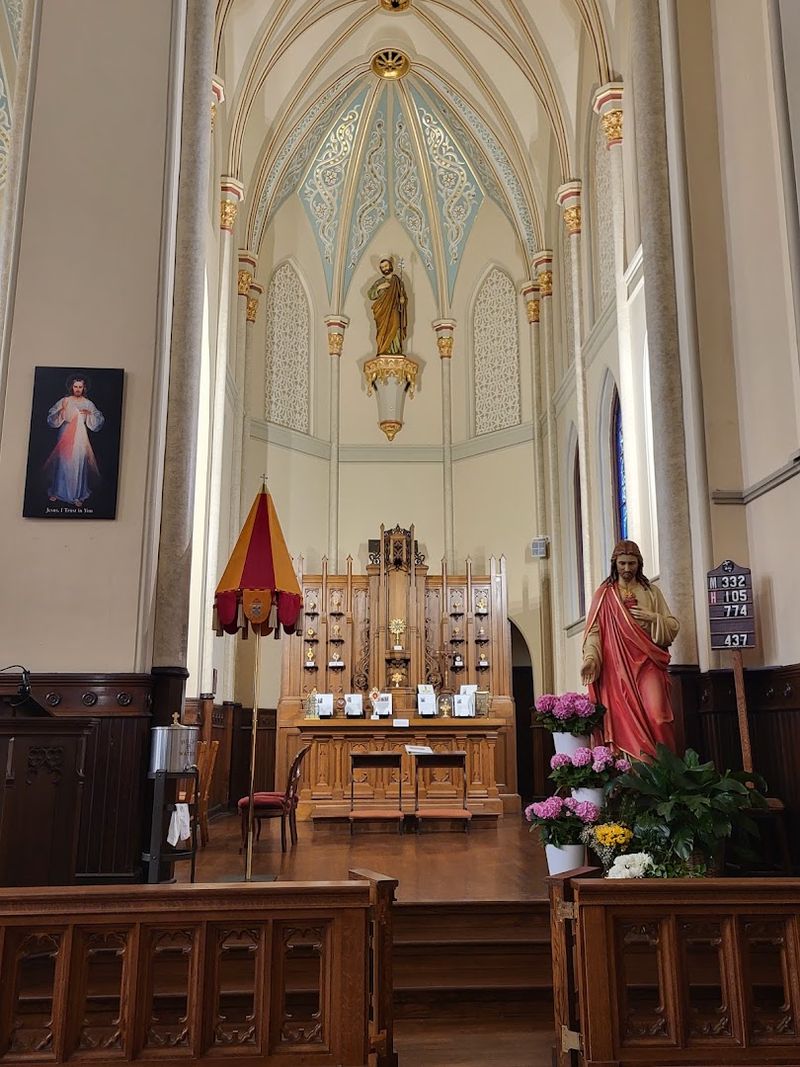
Finding a parish where priests preach orthodox Catholic doctrine without apology or watering down has become surprisingly difficult in modern America. This basilica stands out for its clear, faithful teaching that doesn’t bend to cultural pressure or chase relevance at the expense of truth.
The priests here offer what many Catholics are desperately seeking—shepherds who actually believe and teach what the Church has always proclaimed.
Father Alex receives particular praise for his ministry in the confessional, where he combines mercy with clarity, helping penitents understand their sins without crushing them with judgment. Good confession is an art form that requires both theological knowledge and pastoral sensitivity, and the priests here demonstrate both.
Their preaching during mass is described as clear, engaging, and firmly rooted in scripture and tradition.
The ad orientem celebration of mass—with the priest facing the same direction as the congregation toward God—reflects a theological understanding that mass isn’t a performance for the people but a sacrifice offered to the Father. This orientation naturally focuses attention on the altar and the Eucharist rather than on the priest’s personality.
It’s a small detail that carries profound meaning about what’s actually happening during mass.
Visitors consistently note the priests’ reverence during the liturgy, their careful attention to rubrics, and their obvious devotion to the Eucharist. These aren’t clergy going through the motions or treating mass as an opportunity for personal expression.
They’re servants of the liturgy who understand their role as mediators between heaven and earth, offering the Holy Sacrifice with the seriousness and joy it deserves.
A Living Basilica That Balances Tradition with Vibrant Parish Life
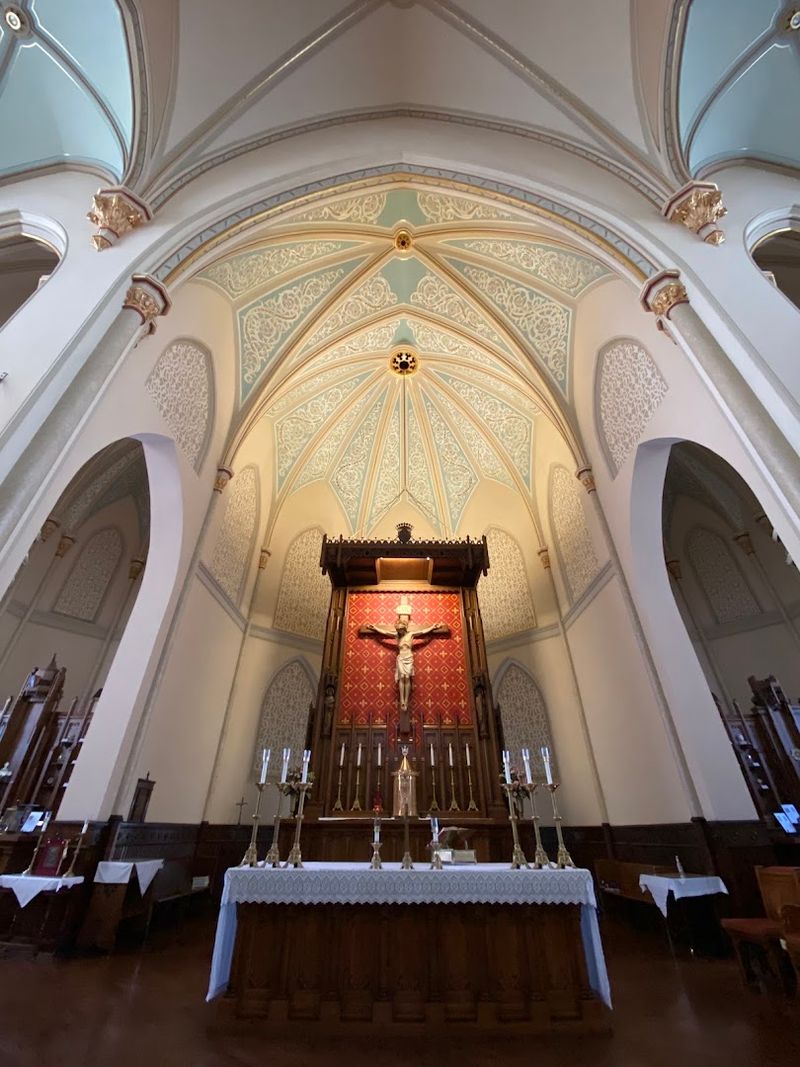
Some historic churches function primarily as museums that happen to hold occasional services. Not this one.
The Basilica of Saints Peter & Paul thrives as a living, breathing parish where daily masses draw consistent attendance and the community actively participates in the life of the Church. This isn’t a monument to the past—it’s a vital spiritual center for Catholics across the Chattanooga region.
The basilica manages a delicate balance between preserving sacred tradition and fostering a welcoming, active parish community. Daily mass options throughout the week serve everyone from retirees with flexible schedules to working professionals who can slip away at noon.
The variety of mass times and styles—from Traditional Latin to reverent Novus Ordo—means different spiritual needs get met under one roof.
Parish events and ministries extend beyond just Sunday services, creating opportunities for community building and spiritual growth. The presence of so many young families has sparked robust faith formation programs and youth activities.
Meanwhile, traditional devotions like Eucharistic adoration, novenas, and the rosary maintain connections to Catholic practices that stretch back centuries.
What makes this basilica special isn’t just its beautiful building or traditional liturgy—it’s the combination of both with a genuinely thriving community of believers. The congregation includes converts, cradle Catholics, young families, elderly parishioners, and everything in between, all united by a desire for authentic Catholic worship and community.
It proves that traditional doesn’t mean dead, that reverence doesn’t equal coldness, and that a church can honor its past while building a vibrant future. For anyone who believes beautiful liturgy and active parish life are mutually exclusive, this basilica stands as living proof otherwise.
Share this story