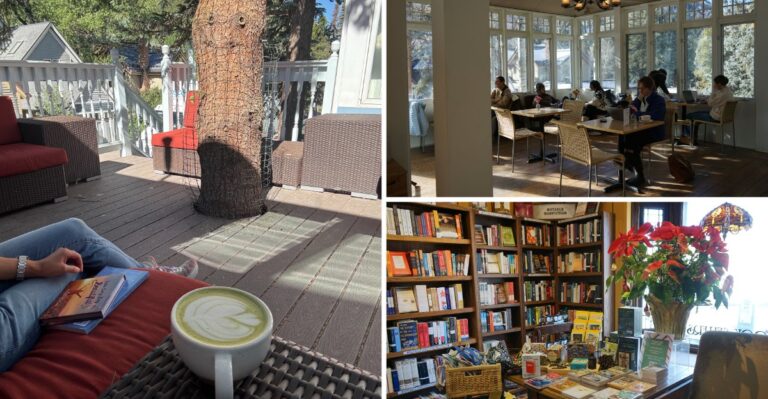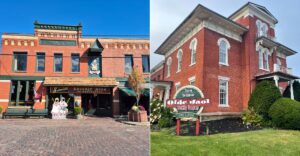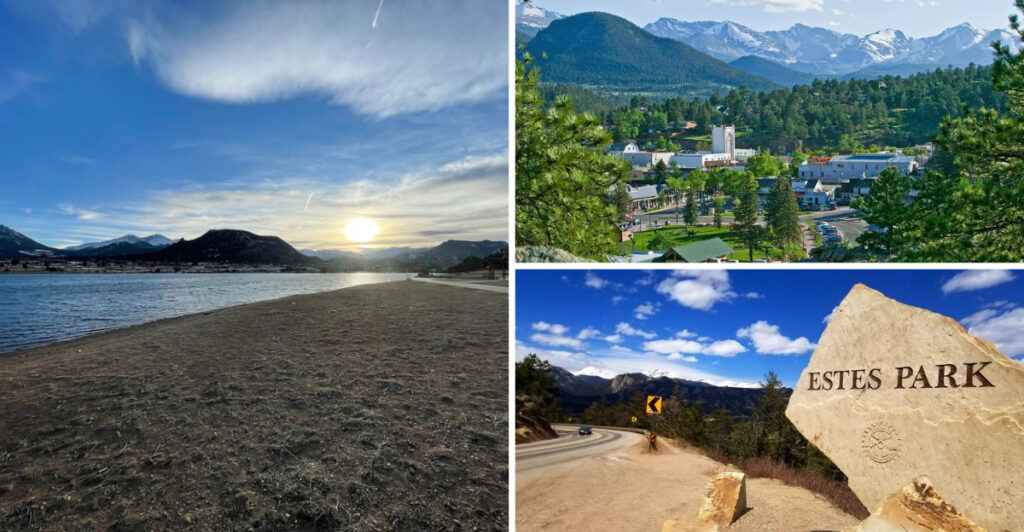
Some places have a way of making everyday life feel like a vacation. Estes Park is one of them. Framed by soaring Rocky Mountain peaks and known as the gateway to Rocky Mountain National Park, this beloved Colorado town blends breathtaking scenery with a welcoming downtown filled with local shops, cafés, galleries, and riverside strolls.
Elk frequently wander through town, outdoor adventures begin just minutes away, and the slower pace makes it easy to imagine calling the place home. Whether you’re planning a weekend escape or daydreaming about mountain living, Estes Park offers the kind of lifestyle that’s easy to fall in love with.
Where the Valley Opens Up All at Once
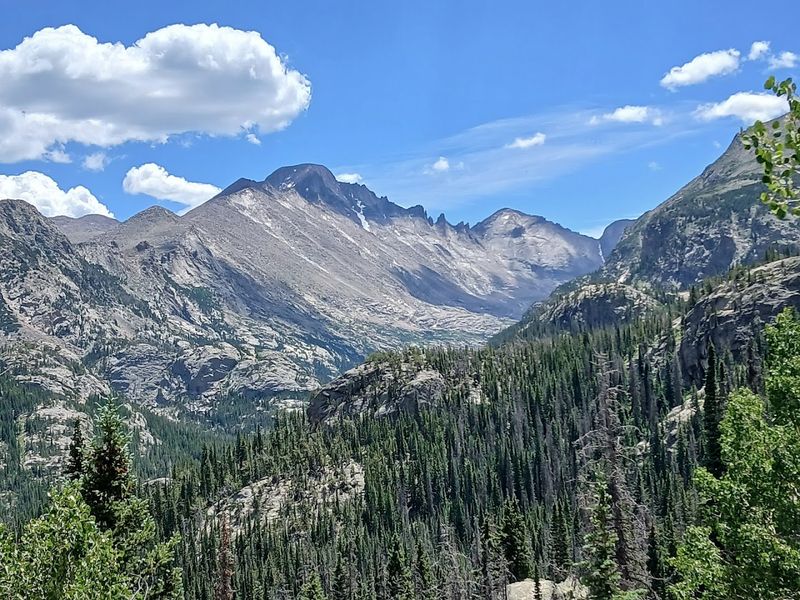
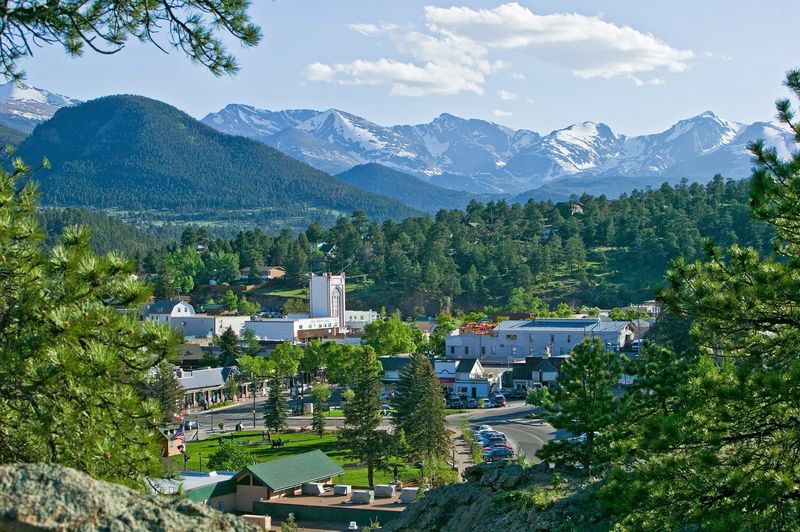
Estes Park makes a dramatic entrance without trying too hard. The road bends, the valley widens, and suddenly the mountains stop being background scenery and start acting like architecture.
Long ridgelines, dark pines, and pale stone faces frame the town so completely that even a quick drive through the main streets comes with a full alpine panorama.
That setting changes the scale of everyday life. Crosswalks, patios, grocery runs, and casual strolls all happen under peaks that look close enough to lean into the skyline.
The town sits in a bowl of open space, so light moves beautifully here, especially in the morning when the air looks rinsed clean and the surrounding slopes hold crisp shadows.
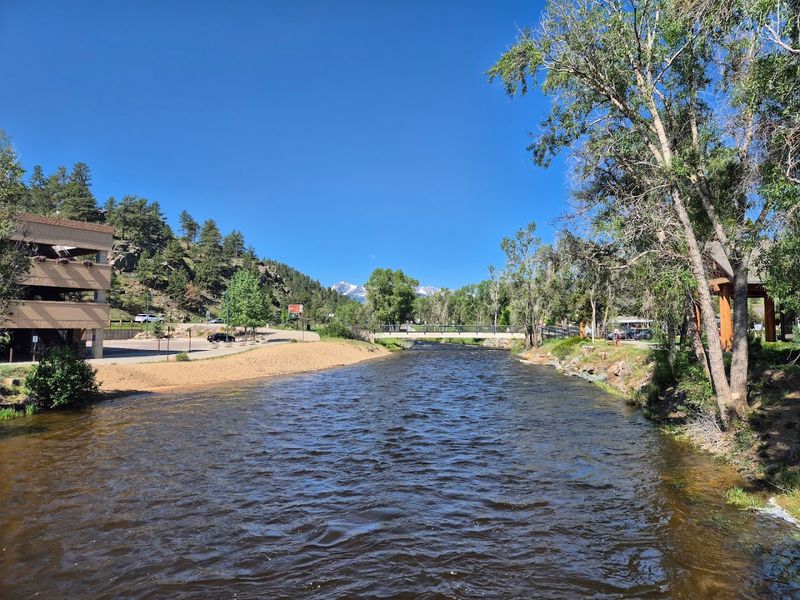
Instead of a dense resort layout, Estes Park spreads out with breathing room. You notice water threading through town, bridges connecting small stretches of sidewalk, and roads that keep revealing a new angle on the mountains.
That extra space softens the pace, which is part of why the town can feel peaceful even when there is plenty going on.
The visual payoff is strongest when you slow down. Pull into a turnout, stand near the riverwalk, or look up from a bench downtown and the composition keeps shifting between storefront charm and wild-country scale.
Few places manage that combination without feeling contrived, but Estes Park handles it naturally because the geography does most of the work.
Before any itinerary starts, the landscape has already explained the appeal. This is a town where the edges never close in, where the horizon is all granite and sky, and where the first impression lands with uncommon force.
Rocky Mountain National Park Starts at the Doorstep
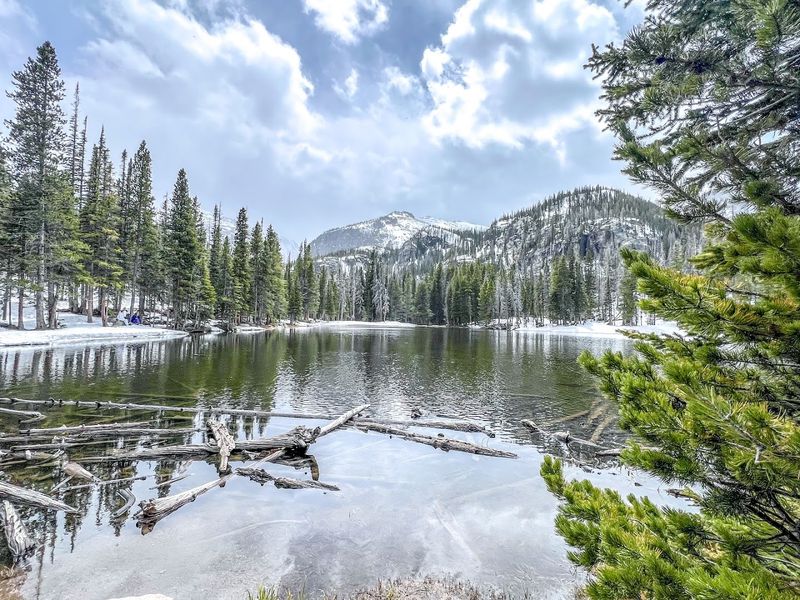
Plenty of mountain towns claim easy access to nature, but Estes Park operates more like a true launch point. The community sits beside Rocky Mountain National Park, so the shift from coffee shop to trailhead happens fast.
You can spend the morning among storefronts and river sounds, then be surrounded by high country terrain before lunch.
That proximity shapes the entire identity of the town. Outfitters, casual conversations, and even the traffic pattern tend to revolve around trail plans, scenic drives, wildlife timing, and changing weather.
Estes Park is not borrowing prestige from a famous park nearby. It is deeply intertwined with how people enter, understand, and move through that landscape.
The park itself brings huge variety. Lower elevations near town can offer meadows, streams, and forested routes, while higher sections rise toward exposed rock, alpine tundra, and broad overlooks.
Trail Ridge Road is especially important to the area’s character because it turns a mountain drive into a sequence of altitude changes, temperature shifts, and expanding views that feel almost geological in real time.
Back in town, that access keeps the energy practical rather than performative. Gear shops make sense here. Early starts make sense here. So do quiet evenings after a day outside, when boots dry by the door and the last light catches the ridgelines above the valley.
For anyone imagining daily life, this is the core argument in Estes Park’s favor. Nature is not an occasional excursion requiring elaborate planning.
It sits at the edge of town, ready to reshape a free afternoon, a weekend routine, or the entire reason you would consider staying longer.
Elk on the Lawn, River Through Town
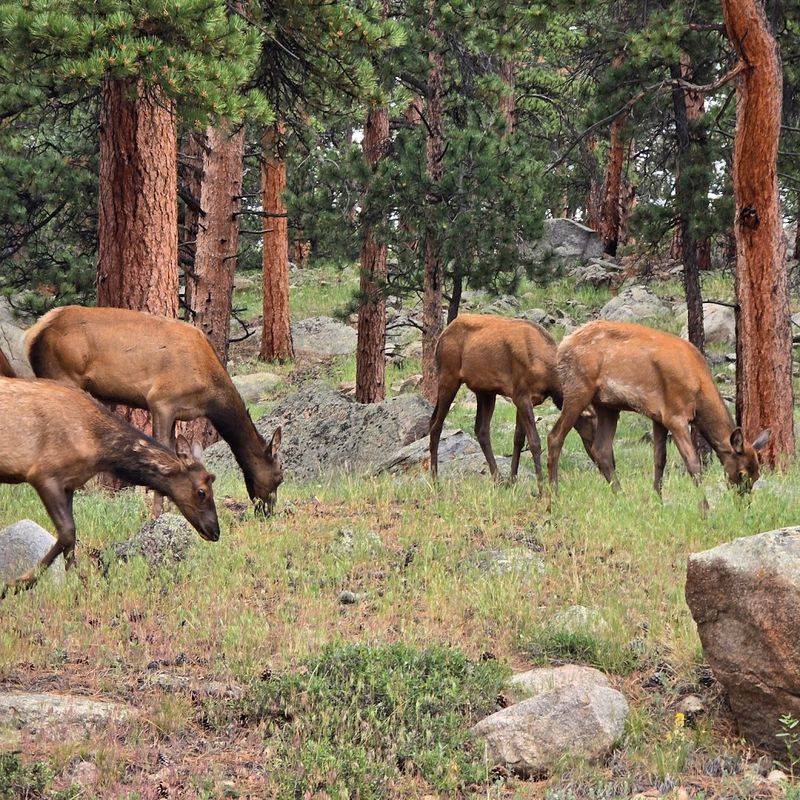
Estes Park delivers one of the strangest and best kinds of small-town contrast. You can be looking at a lodge, a neighborhood edge, or a patch of maintained grass when an elk appears and instantly resets the scene.
Wildlife is not tucked safely into a distant postcard frame here. It can step directly into view and make the town feel unusually porous.
Elk are the headline presence, especially in seasons when bugling and herd movement add tension to the air, but the broader point is how close the natural world stays.
The river corridors matter because they create movement through town that is both visual and ecological. Water softens the built environment, cools the air, and gives sidewalks an easy destination beyond shopping.
That combination changes how you spend time. A walk in Estes Park does not need a formal plan to stay interesting because the route may include bridges, rushing water, mountain reflections, and sudden wildlife sightings.
Even ordinary pauses become more rewarding when there is a chance of hearing the river below and spotting animals against the grass or tree line.
There is also a practical side to this closeness. It encourages attention. You watch distances, read signs, and learn quickly that living near wildlife means respect, not staged interaction.
That awareness gives the town a grounded tone that separates it from places where nature functions mainly as decoration.
When people imagine moving somewhere peaceful, they often picture quiet streets and pretty scenery. Estes Park adds a wilder layer.
Here, calm does not mean sterile or overly polished. It means the town still shares space with moving water, changing seasons, and animals that remind you the mountains are never far away.
Colorado Heights Without the Harried Resort Mood
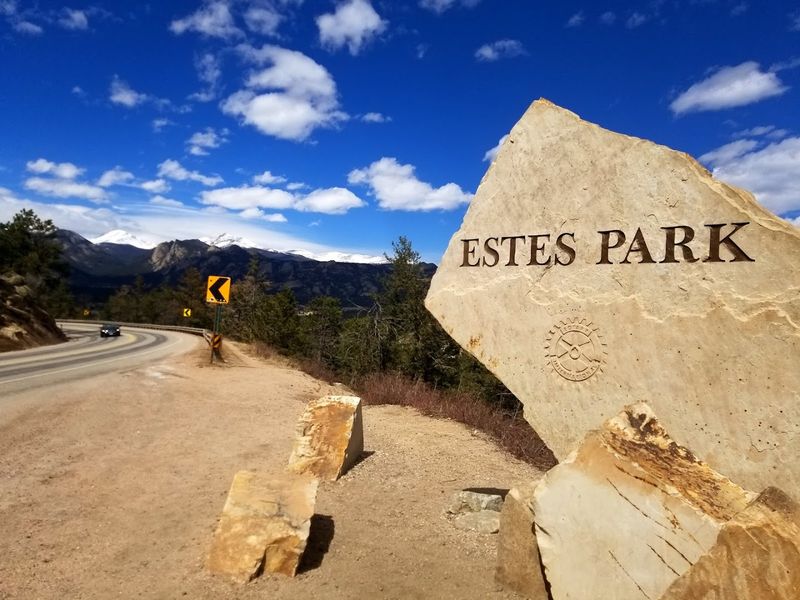
Some Colorado destinations run on visible urgency. Parking is tight, sidewalks feel overpacked, and the whole day can turn into a race for the next reservation or scenic slot.
Estes Park has busy moments too, but its overall rhythm lands differently because the town is organized around openness rather than compression.
Main streets, side roads, lodging areas, and public spaces tend to breathe a little more. You notice room between buildings, longer views down corridors, and regular glimpses of surrounding slopes that keep the setting from becoming visually crowded.
That spacing matters because it changes your body language. People linger more, walk slower, and do not seem pressed into the same hurried circuit.
The commercial core adds to that calmer tone. Shops and casual restaurants support tourism, of course, yet the town still reads as a place people actually inhabit rather than a themed strip built only for peak-season traffic.
There are practical services, neighborhood pockets, and enough day-to-day structure to suggest real life, not just a vacation performance.
Peacefulness here is also tied to sound. Move a block away from the busiest stretch and you start hearing water, wind in trees, and the lower ambient noise that comes with smaller-scale development.
At night, the mountain silhouette takes over again, and the valley often settles into a quieter register than more intensely built resort towns.
That distinction is easy to underestimate until you compare it with places that constantly demand decisions and speed. Estes Park still offers activity, scenery, and access to major attractions, but it leaves space around them.
For anyone dreaming about a move, that breathing room may be the detail that turns admiration into a serious real-estate daydream.
Lake Estes Brings Everyday Mountain Living Into Focus
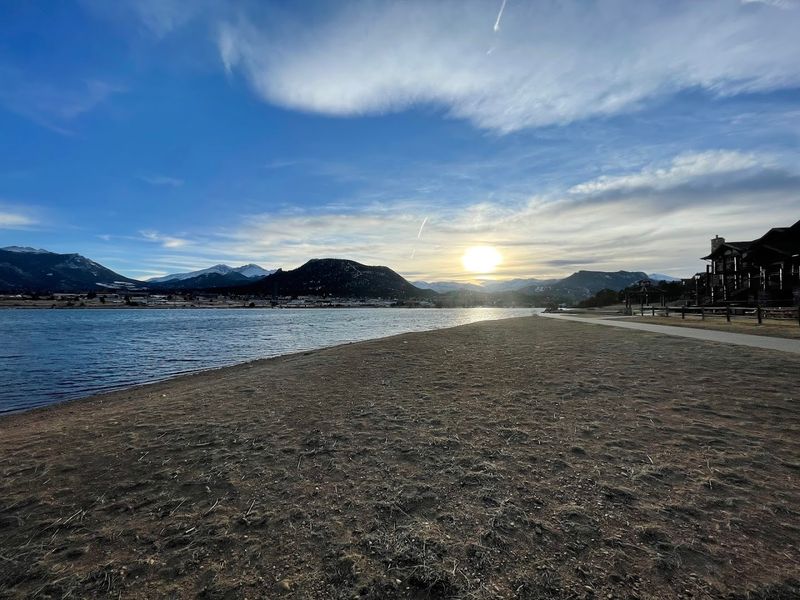
Life in Estes Park is not only about towering peaks and rugged trails. Lake Estes adds a gentler side to the landscape, giving residents and visitors an easy place to walk, cycle, paddle, or simply pause with the mountains reflected across the water.
Instead of demanding a major excursion, the lake makes beautiful scenery part of an ordinary afternoon, and that everyday accessibility is one of the town’s quiet strengths. The paved trail looping around the shoreline helps explain why the area feels so livable.
Whether you are out for an early morning walk, an evening bike ride, or a relaxed stroll with coffee in hand, the route keeps the mountains in view while staying approachable for nearly everyone. It is the kind of place where exercise never feels disconnected from the scenery.
The lake also broadens the range of outdoor activities available without requiring technical skills or strenuous hiking.
Kayaks, paddleboards, fishing, and picnic areas give families and casual visitors plenty of ways to spend time outside, while benches and open lawns invite slower moments that are just as rewarding.
On calm days, the reflections of Longs Peak and the surrounding ridges can be every bit as memorable as the higher-elevation viewpoints. For anyone imagining daily life in Estes Park, Lake Estes makes the dream feel practical instead of distant.
It shows that mountain living is not only about dramatic adventures but also about having an inviting place to unwind after work, meet friends for a walk, or watch the light change across the water.
That balance between everyday comfort and extraordinary scenery is one of the clearest reasons so many people leave Estes Park wondering what it would be like to stay for good.
When to Go, Where to Wander, How to Avoid the Rush
Estes Park rewards timing more than brute-force scheduling. Arrive early in the day and the town often feels clearer, crisper, and easier to navigate, especially when sunlight is just starting to strike the surrounding peaks.
The streets are calmer, parking is simpler, and wildlife activity can add an extra layer before midday movement picks up.
Season matters too, though not in a one-note way. Summer brings the fullest range of trail access and long daylight, but it also draws the biggest crowds.
Fall changes the visual texture with gold tones and active elk season, while spring can feel quieter and more transitional, with snow still visible above and fresh green starting below.
Within town, the smartest wandering strategy is to mix concentrated downtown time with slower stretches along the river or at scenic pull-offs. That prevents the visit from collapsing into storefront repetition.
Estes Park works best when you alternate between built spaces and open views, letting the mountain setting keep interrupting your day in a good way.
If the goal is to picture daily life here, use practical errands as part of the test. Notice how quickly you can shift from a central street to a quieter edge.
Pay attention to traffic patterns around peak times, where the sun drops behind the ridges, and how the temperature changes once evening settles into the valley.
Those details tell you more than a rushed checklist ever could. Estes Park is not a place to conquer in one sweep. It opens up through pacing, observation, and smart timing, which is convenient for anyone dreaming about a future where scenic drives, short walks, and mountain weather become part of an ordinary weekly routine.
Why Estes Park Keeps Turning a Vacation Idea Into a Move
By the end of a stay in Estes Park, the fantasy usually shifts. At first, the town reads as a beautiful basecamp with strong scenery and easy access to Rocky Mountain National Park.
Spend more time with it, though, and a different appeal comes into focus: this place supports a daily routine that would still be attractive after the novelty wears off.
That is a higher bar than pure vacation charm. A lot of scenic towns impress best in concentrated doses, then reveal themselves as inconvenient, overly hectic, or too dependent on one narrow activity.
Estes Park has a broader foundation. The natural setting is the attention grabber, but the town also offers walkable stretches, visible community life, and enough practical structure to imagine ordinary weeks unfolding comfortably.
There is also the psychological effect of living with such immediate visual relief. Mountains are present all the time, not saved for weekend drives.
Wildlife, changing weather, and river sound create regular interruptions that pull your focus outward. That can make routine life feel less boxed in, even when the task is as plain as picking up groceries or heading home before dusk.
Peacefulness here does not come from isolation alone. It comes from proportion. The town is small enough to stay legible, open enough to avoid claustrophobia, and connected enough to major natural attractions that adventure never feels remote.
Those qualities are hard to combine, which is why Estes Park holds its position so well in the imagination. If a place can make you reconsider your timeline, this one has the tools. Estes Park offers beauty, yes, but also usability.
That final distinction is why a simple getaway can start sounding less like a trip and more like the first scouting visit before a move.
Share this story