A piano wrapped in old newspaper sits inside a house built from newspaper, too. The walls are paper.
The curtains are paper. Even the furniture is paper, and somehow it has lasted since the 1920s.
I learned about that place and immediately wondered what else my school textbooks skipped. Turns out, Massachusetts has plenty.
There’s a seaside castle built by an inventor, a 40-ton boulder covered in mysterious carvings, and a bridge that traded trolleys for flowers.
None of these showed up on my quizzes about the Boston Tea Party. They’re weird in the best possible way, full of stories about people who dreamed big, tried something different, or simply left something interesting behind.
And the best part? You can still go see them for yourself.
So grab a map, pick a spot, and make a day of it. I have a feeling even your old history teacher would be a little jealous.
1. Paper House
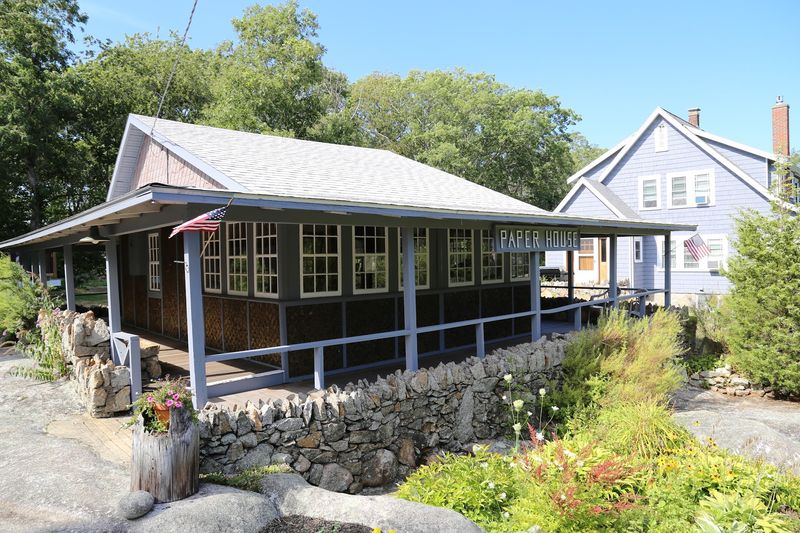
Most people recycle old newspapers, but somebody in Rockport built a whole house out of them. The project started in the 1920s, and the varnished press sheets are still holding strong.
Yes, the walls are paper. So are the curtains, the furniture, and even a piano, which is easily the most surprising instrument on Cape Ann.
You can stroll through on a self-guided tour and move at your own speed. That matters here, because the tiny details reward slow, nosy looking.
Look closely and you’ll spot printed columns and old headlines layered into the pieces. It’s basically a history lesson you can read off the furniture.
The site sits on a quiet residential street called Pigeon Hill. Next to the paper house stands a larger, newer building where the owners live, so please be a polite guest.
Kids tend to love this stop, since it feels like a craft project that got wildly out of hand. Adults usually leave wondering how many newspapers it took.
A few practical tips will help your visit go smoothly. There’s no restroom on site, so plan a stop in downtown Rockport before or after.
There’s also no restaurant, which makes sense for a building made of paper. Free street parking is available nearby.
The Paper House welcomes visitors from 10 AM to 5 PM during its regular season, which runs from mid-April through late October. In 2026, the season ends October 25, with possible weekend openings in November if the weather cooperates.
Rockport is a classic coastal Massachusetts town, full of harbor views and seaside shops. Still, this quirky little house might be the thing you remember most.
Bring your camera, because friends back home won’t believe you without proof. And maybe think twice before tossing out this morning’s paper.
Address: 52 Pigeon Hill St, Rockport, MA 01966
2. Lizzie Borden House (A Bed and Breakfast & Museum)
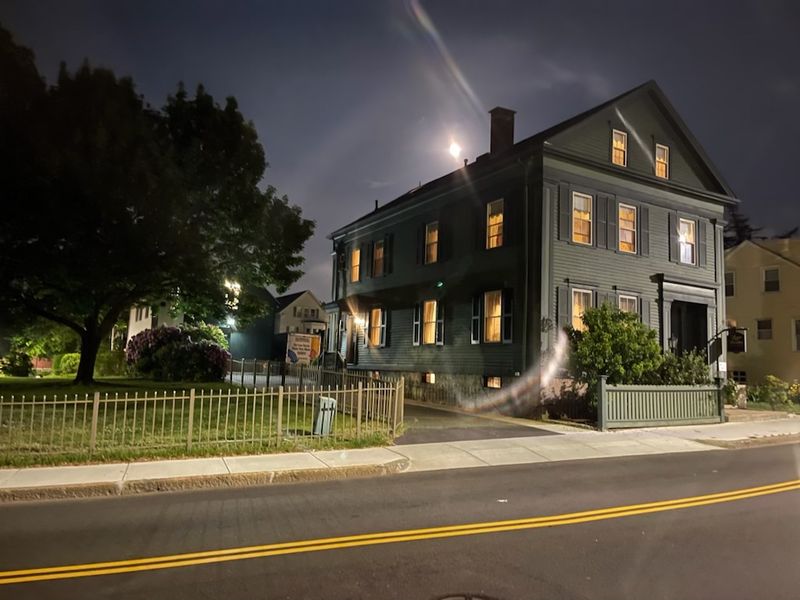
Few bed and breakfasts can claim a backstory people still argue about after more than 130 years. This Fall River home is one of them.
Back in 1892, Andrew and Abby Borden lost their lives inside this house in a shocking crime. Lizzie Borden, Andrew’s daughter, was charged and later acquitted.
Nobody was ever convicted, and the mystery still pulls in true-crime fans from across the country. Your history class probably stuck with the Pilgrims instead.
Today, the home operates as both a museum and a bed and breakfast. You can take a tour during the day or book one of the traditional guest rooms for the night.
You don’t have to spend the night to explore the house. Historical tours are available to book separately, taking visitors through the rooms connected to the famous case.
Staying over is the bold choice. Would you sleep soundly in a house this famous for the wrong reasons?
Overnight guests get Wi-Fi, which feels funny in a house tied to the 1890s. At least you can look up case theories at midnight.
The house operates daily, with daytime historical tours and separate evening experiences. Regular house tours run between 10 AM and 4 PM, while overnight stays and special events follow their own schedules.
Fall River sits on the South Coast of Massachusetts, a city with deep roots in the textile mill era. The house stands right on Second Street, close to downtown.
History buffs get a real Victorian-era setting to study. Mystery lovers get a puzzle that has never been solved.
It’s a short drive from Providence and an easy day trip from Boston. Plan ahead if you hope to spend the night.
Come for the history, stay for the goosebumps. Just maybe skip reading the case files right before bed.
Address: 230 Second St, Fall River, MA 02721
3. Hammond Castle Museum
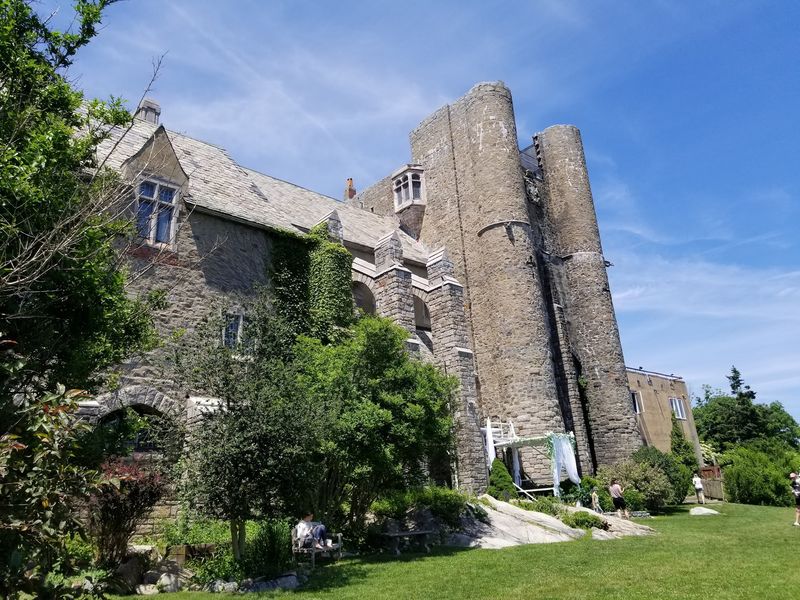
An inventor with a passion for radio control decided his house should look like a medieval fortress. So he built one on the Gloucester coast in the 1920s.
The man behind it was John Hays Hammond Jr., a prolific inventor and a pioneer in radio control. His castle shows that a brilliant mind can also have a flair for drama.
Inside, you’ll find exhibits about Hammond’s life, his inventions, and the building itself. There are plenty of historical tidbits, so give yourself time to read.
The museum also holds a collection of artifacts that suit the old-world style. Exploring the halls feels a bit like time travel with a gift shop at the end.
Outside, the grounds and gardens are a big part of the appeal. The ocean views from this rocky stretch of coastline are hard to beat.
Who expects a castle in Massachusetts? Most people don’t, which is half the fun of telling them about it later.
Families do well here, since kids usually love anything that looks like a castle. Restrooms are on site, though there’s no restaurant.
The castle also hosts live performances from time to time. Check the schedule before you go, since special events can add a whole new layer.
Hours run daily from 9 AM to 3:30 PM. That closing time comes early, so don’t plan a lazy late arrival.
Saturdays tend to be the busiest stretch. A weekday morning gives you a calmer look at the halls and gardens.
Visitors arriving by car must reserve their museum tickets in advance, which includes access to the on-site parking lot. Street parking directly outside the museum is prohibited, although visitors arriving by public transportation or rideshare can purchase admission upon arrival.
Pair your visit with a drive through Gloucester, one of America’s oldest seaports. Then tell your history teacher about the inventor who built a castle for fun.
Address: 80 Hesperus Ave, Gloucester, MA 01930
4. Dighton Rock State Park
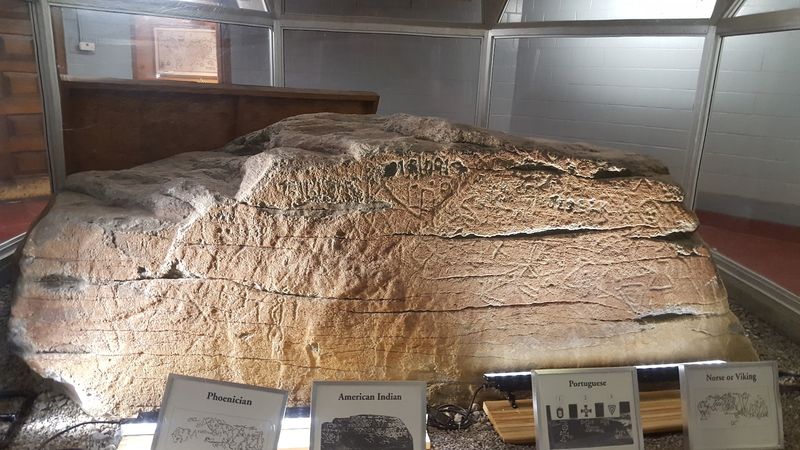
A 40-ton boulder covered in strange carvings sits at the center of one of New England’s longest-running puzzles. Nobody agrees on who made the marks, and that’s the fun part.
Dighton Rock State Park covers 85 acres along the river in Berkley. The rock itself now lives inside the park’s museum, safe from the tides.
The museum offers an in-depth look at the boulder and its petroglyphs. You’ll learn about the many theories people have proposed over the centuries.
Some folks credit early explorers, while others point to Native peoples or other visitors. You get to study the carvings and form your own opinion.
Honestly, it’s a refreshing change from memorizing dates. Here, the history lesson ends with a question mark.
Once you’ve had your fill of mystery, head outside. The park has hiking and biking trails, many of them shady and well kept.
The trails are friendly for kids, so younger hikers won’t run out of steam too fast. Dogs are welcome too, which makes this a solid spot for a pup walk.
The riverside setting brings more options. You can fish or paddle a kayak if the water calls to you.
Picnic tables and barbecue grills make it easy to turn the trip into a lunch outing. Public restrooms are available, which parents will appreciate.
The park tends to feel quiet and uncrowded. That calm makes it easy to enjoy the water views without bumping elbows.
The park opens daily at 9 AM, with closing times changing by season. The museum generally opens Wednesday through Sunday from late May to early September, while visits at other times require an appointment.
Call ahead before planning to see the rock. Berkley is a rural town in southeastern Massachusetts, not far from Taunton.
It’s an easy add-on for a South Coast road trip.
Bring curiosity and a good pair of shoes. You might leave with a new favorite theory about who carved that rock.
Address: 3rd Ave, Berkley, MA 02779
5. Rutland Prison Camp
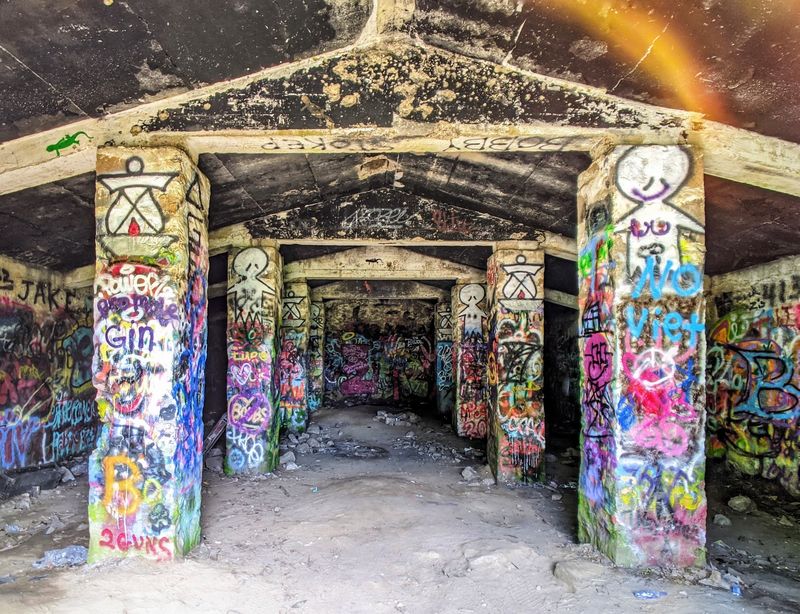
Ruins in the middle of a Massachusetts forest sound like something from an adventure movie. In Rutland, they’re real, and you can walk right up to them.
The site holds the remains of an early-1900s agricultural prison camp. The area also has ties to a tuberculosis hospital from the same era.
Today, nature has taken over much of the place. Old structures sit among trees and brush, giving the ruins a mysterious feel.
The most famous structure is a small old cell block with six cells. It’s tiny, a little eerie, and definitely not your usual field trip stop.
Informative plaques stand around the ruins. They share the history of the camp, so you’re not just guessing what you’re looking at.
Walking trails connect the different remnants. You can make it a short history stroll or a longer hike through the woods.
You’ll also notice graffiti on many of the old walls. Some of it is pretty artistic, adding a modern layer to a century-old site.
Please respect the ruins, though. Stick to the trails, and don’t add your own artwork to the collection.
The ruins are an outdoor historic site rather than a staffed museum with regular visiting hours. Check current access conditions and plan to explore during daylight.
Wear sturdy shoes, since you’re exploring uneven, overgrown ground. A water bottle and bug spray won’t hurt during summer.
Rutland is a small town in central Massachusetts with plenty of rolling countryside. The camp makes a great excuse to explore that quieter part of the state.
History books love big battles and famous speeches. This place tells a smaller story about work, health, and how communities changed over time.
Snap a few photos, read the plaques, and soak in the silence of the woods. It’s a strange, memorable afternoon.
Address: 299 Intervale Rd, Rutland, MA 01543
6. Fruitlands Museum
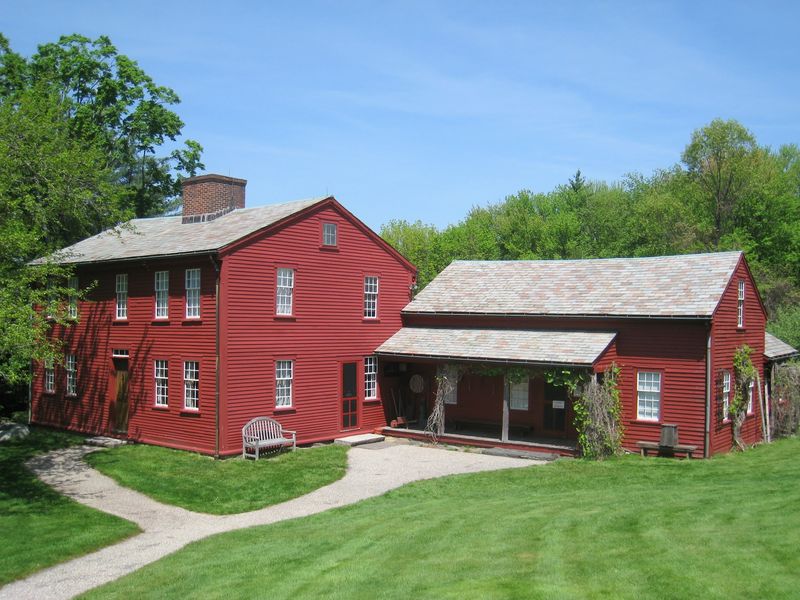
In 1843, a small group of dreamers tried to build a perfect farm community on a hill in Harvard. It lasted only months, but it left behind a fascinating story.
The leaders were Bronson Alcott, father of Little Women author Louisa May Alcott, and Charles Lane. Their group followed Transcendentalist ideas about simple, thoughtful living.
That experiment gave Fruitlands Museum its name, and the property now tells several stories at once. The museum dates back to around 1914.
Small museum buildings hold Native American artifacts, Shaker documents, and paintings. You can learn about the brief Transcendentalist chapter and the longer Shaker presence in town.
Didn’t learn about Harvard’s Shakers in school? You’re definitely not alone.
The setting might steal the show, though. The farmland views stretch out in wide, rustic vistas that feel far from city life.
Hungry after all that history? The onsite café serves a creative lunch menu, which makes it easy to stay longer.
Tours are available if you want more background from a guide. A gift shop is also on site for a souvenir or two.
The museum hosts live performances too, so check the calendar before your trip. Kids get activities of their own, which helps keep younger visitors interested.
Parking is free in the on-site lot. Restrooms are available, so you won’t have to cut your visit short.
The grounds usually feel calm, apart from busier tour times. That quiet makes it a lovely place to slow down and think, which seems fitting.
Fruitlands is part of The Trustees, a Massachusetts conservation group that cares for special places across the state. Harvard itself is a rural Worcester County town with a historic feel.
Bring a curious mind and maybe a journal. The Transcendentalists would probably approve of a little reflection on that hillside.
Address: 102 Prospect Hill Rd, Harvard, MA 01451
7. Hancock Shaker Village
A religious group that practiced celibacy somehow built a community that lasted for generations. Hancock Shaker Village in Pittsfield tells that surprising story.
Shaker life here dates back to 1783. Members lived communally, shared work, and became known for simple yet beautiful furniture and architecture.
Today, the village works as a living history museum. Restored buildings let you see how the Shakers lived, worked, and worshipped.
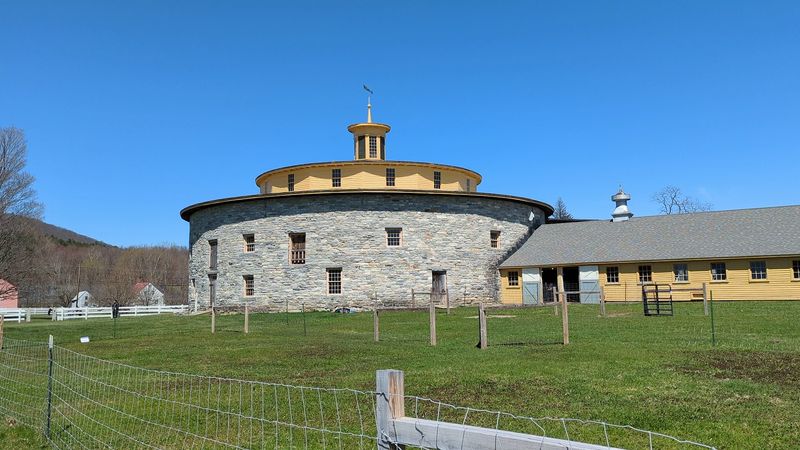
The star of the show is the massive round stone barn. It’s one of those buildings you have to see in person to fully appreciate.
Knowledgeable staff give engaging presentations on Shaker beliefs, culture, and crafts. Bring your questions, because they can answer with impressive historical detail.
Demonstrations show off traditional crafts and skills. Farm animals are part of the experience too, which kids usually find hard to resist.
Walking trails give you a chance to stretch your legs beyond the buildings. Art displays add even more to see.
Hungry visitors can pick up light snacks and refreshments at the Village Store or bring a picnic to enjoy on the grounds. There’s no full-service dining facility on site.
A gift shop sells items inspired by Shaker style. There’s also a theater, and the village hosts live performances at times.
The village is open daily from 10 AM to 5 PM. Give yourself several hours, since there’s a lot of ground to cover.
Parking is free on site. Restrooms include a gender-neutral option, a small detail that makes visits easier.
Pittsfield sits in the Berkshires, the hilly western corner of Massachusetts. The scenery makes the drive part of the adventure.
Fun fact for your next trivia night: the address is 1843 West Housatonic Street. It’s a nice coincidence, since 1843 is also the year of the Fruitlands experiment.
You’ll leave with fresh respect for simple design. And probably a few stories you’ll want to share on the ride home.
Address: 1843 W Housatonic St, Pittsfield, MA 01201
8. Marconi Wireless Station
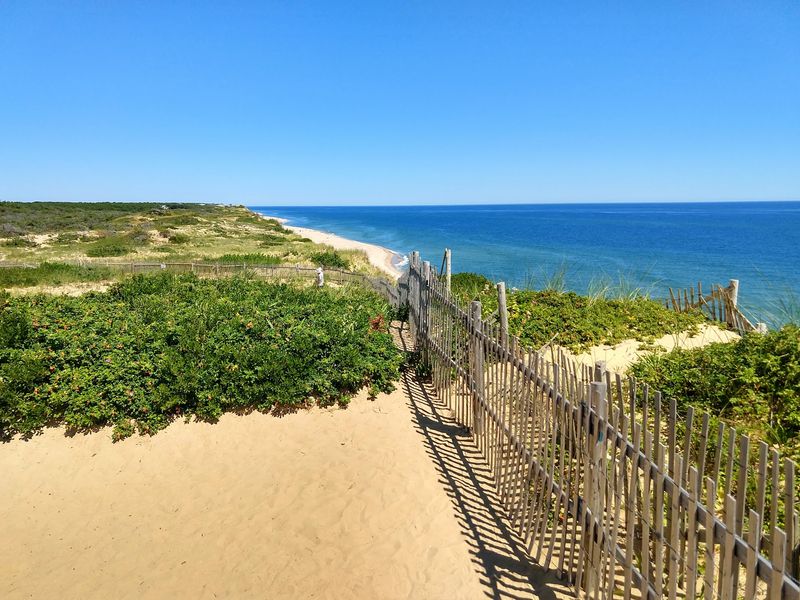
Long before group chats, a message zipped across the Atlantic from a windy Cape Cod cliff. That moment happened in Wellfleet in 1903.
Guglielmo Marconi sent the first wireless transatlantic telegram between the United States and Britain from this spot. It was a huge step toward the connected world we know today.
The towers and station buildings are gone now. What remains is a site that marks where history crackled through the air.
The Marconi Wireless Station is part of the Cape Cod National Seashore. That means you get history and gorgeous coastal scenery in one stop.
Historic plaques explain Marconi’s work and the story of the antenna. They also share information about the local environment, so you learn about the land too.
The views might be the biggest surprise. From the cliff, you can look out over the Atlantic Ocean and nearby green fields.
Keep your eyes on the water. Whales have been spotted breaching offshore, which would definitely top any history lecture.
Trails wind through woodland near the site, giving you a chance to explore beyond the overlook. It’s a great place for a relaxed walk.
Practical perks help too. There’s a free parking lot, plus restrooms on site.
Wellfleet is an Outer Cape town known for its beaches and quiet coastal charm. This stop fits easily into a day of exploring the National Seashore.
Dress for wind, since cliffs by the ocean can get breezy. A light jacket is smart even on sunny days.
Bring binoculars if you have them. They’ll help with whale watching and with spotting boats far offshore.
Most of us learned about the telephone and the lightbulb in school. Marconi’s Cape Cod moment deserves a spot on that list too.
Stand at the edge, look toward Europe, and think about that first message. Pretty wild for 1903.
Address: Wellfleet, MA 02667
9. Saugus Iron Works National Historic Site
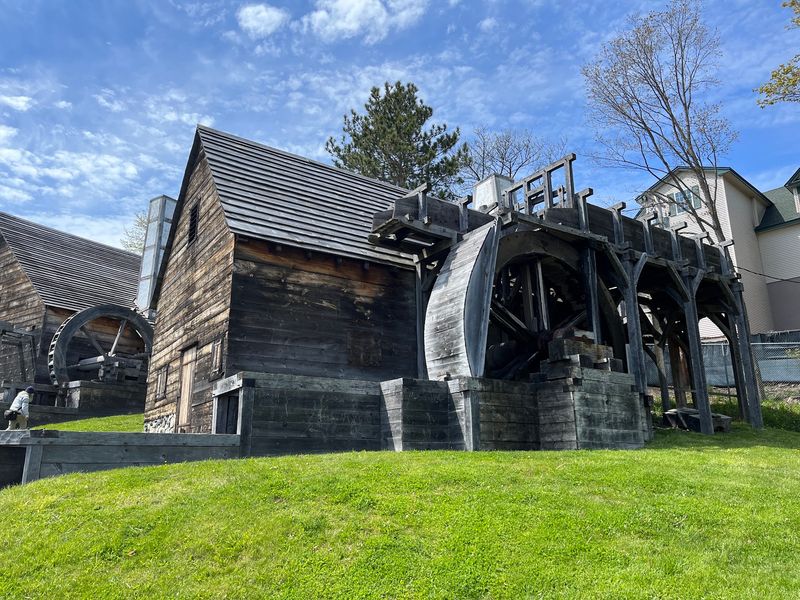
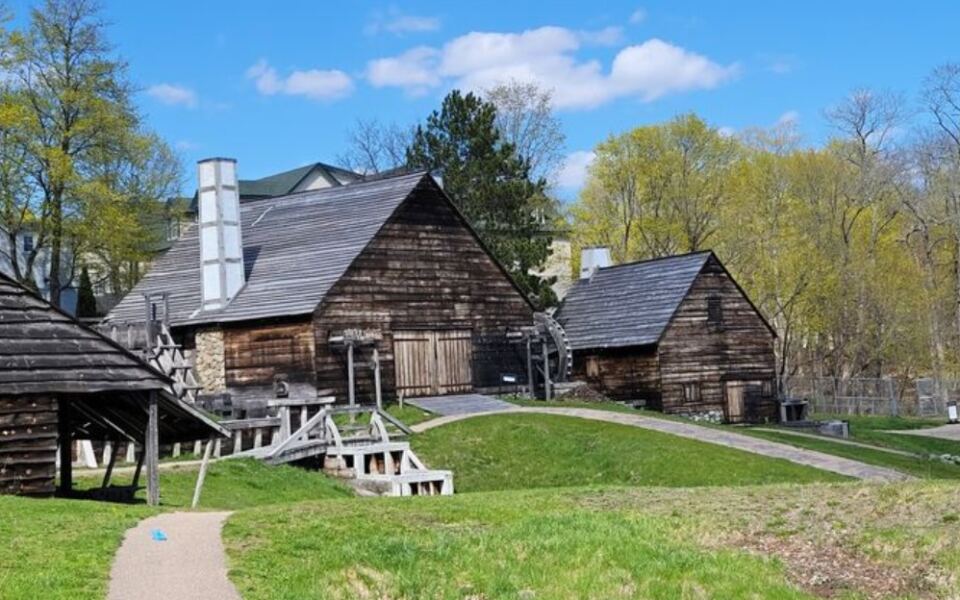
Long before Pittsburgh became an industrial powerhouse, Massachusetts had its own ironmaking operation. Saugus Iron Works began producing iron in 1646, becoming the first successful integrated ironworks in British North America.
Saugus Iron Works National Historic Site preserves the country’s first integrated ironworks. Colonists built it to turn raw materials into usable iron using water power.
Today, you can see a waterwheel, a forge, and other parts of the operation. Seeing the machinery up close makes the process much easier to understand.
The best part might be the price. Admission is free, including the museums and tours.
Park rangers and volunteers lead engaging tours and explain how water-powered machines helped produce iron. They know their stuff, so bring your toughest questions.
A restored historic home also stands on the property. It gives you a glimpse of daily life alongside the industrial story.
Exhibits fill in the bigger picture of iron and steel history. You’ll see how this small colonial site connects to the industries that later shaped America.
The grounds are well maintained and pleasant for a stroll. Picnic tables make it easy to turn your visit into a lunch break outdoors.
Kids get a lot out of this stop, since big wheels and forges are easier to grasp than textbook paragraphs. It’s a see-it-for-yourself kind of history lesson.
The grounds are listed as open around the clock. Museum buildings and tours keep their own schedule, so check ahead before you go.
Parking is free, with both a lot and street spaces. That makes it an easy stop for a quick outing.
Saugus is a suburb just north of Boston. It’s close enough for a half-day trip that won’t eat up your whole weekend.
Next time someone mentions colonial Massachusetts, you can bring up more than tea and muskets. You can talk about iron, too.
Address: 244 Central St, Saugus, MA 01906
10. Bridge of Flowers
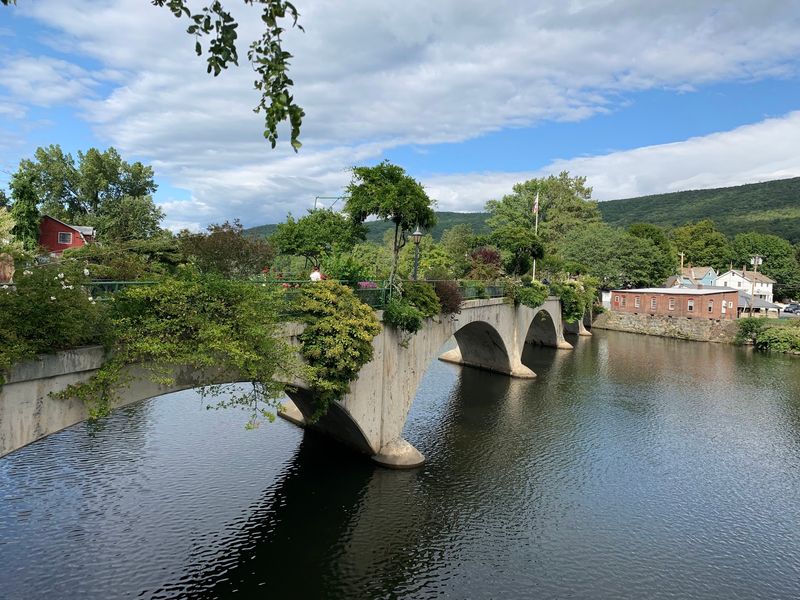
An old trolley bridge in Shelburne Falls retired from its day job and became a garden. Not a bad way to spend retirement, honestly.
The concrete bridge was built in 1908 to carry trolleys hauling freight and passengers. Once the trolleys stopped running, the structure faced abandonment.
In 1929, locals stepped in and turned it into a pedestrian garden walkway. Their idea is still blooming today.
The Bridge of Flowers spans the Deerfield River in the village of Shelburne Falls. During the growing season, it’s lined with thousands of flowers, shrubs, and trees.
Strolling across feels like moving through a long, narrow botanical garden. The mix of plants keeps your eyes busy from one end to the other.
The bridge is open daily from 8 AM to 8 PM during its regular season. In 2026, it remains open through October 30, so plan your visit before the seasonal closure.
Take your time on the walk. River views add a lovely backdrop to the blooms.
Once you’re done, don’t leave just yet. The Glacial Potholes sit nearby on the same river, along with a waterfall.
Those potholes are round holes carved into rock by ancient glacial forces and swirling water. They’re a geology lesson your science teacher would love.
Hungry? A little restaurant near the bridge serves food, so you can turn your visit into a relaxed lunch.
Free parking is available in a lot and along the street. That makes it easy to explore the village on foot.
Shelburne Falls is a picturesque village in western Massachusetts. Its small downtown pairs nicely with a slow afternoon of wandering.
Plan your trip for spring, summer, or early fall to catch the flowers. Visiting in the colder months means far fewer blooms.
History class taught you about bridges built for trade. This one proves that a little community spirit can turn old concrete into something beautiful.
Address: 22 Water St, Shelburne Falls, MA 01370
Share this story