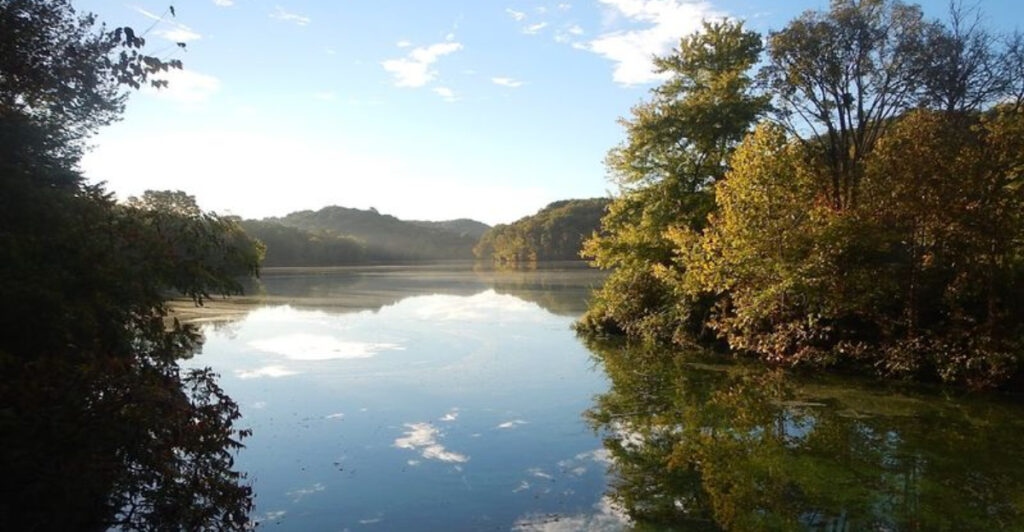
Tennessee has a way of turning an ordinary morning into something unforgettable when the light hits the water, the trees start moving, and the first birds begin calling from somewhere just out of sight. If you have ever wanted a reason to slow down, look up, and notice how much wild beauty still surrounds everyday life here, these bird-watching spots give you exactly that, from peaceful lakes and hardwood forests to urban greenways and mountain valleys filled with seasonal surprises.
What makes birding in Tennessee so rewarding is the variety: in one state, you can scan for wintering eagles near cypress-studded wetlands, listen for warblers in the Smokies, watch herons along quiet shorelines, and catch migrations that make even casual visitors feel like they picked the perfect day to step outside. Whether you already keep a life list or simply want a few local places where nature feels close, calming, and genuinely worth returning to in every season, these ten Tennessee destinations are the kind of spots locals should experience at least once, because they do more than offer good views of birds – they remind you how rich, diverse, and alive this state really is when you take the time to pay attention.
1. Reelfoot Lake State Park
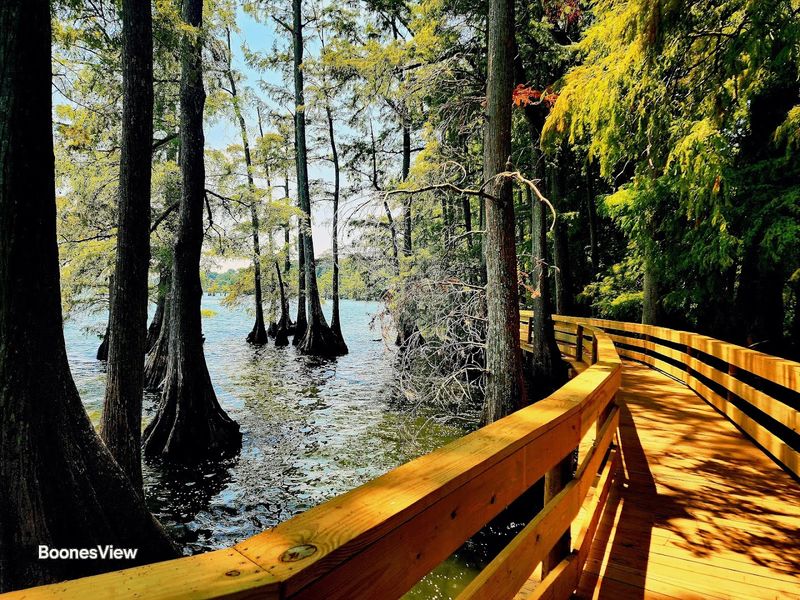
Few places in Tennessee feel as wild and memorable as this flooded forest landscape, where cypress trees rise straight out of the water and every quiet cove seems to hold another surprise. Bird-watching here feels immersive because you are not just scanning a trail or meadow, you are stepping into a habitat shaped by water, winter migrations, and broad open views.
That combination makes Reelfoot Lake State Park one of the most exciting places in the state for both dedicated birders and curious first-timers.
Winter is the season that draws the biggest attention, especially when bald eagles gather around the lake and turn an ordinary morning into something unforgettable. You can also spot great blue herons, egrets, ducks, pelicans, and a wide mix of shorebirds depending on water levels and migration timing.
The best approach is to arrive early, dress for changing weather, and bring binoculars powerful enough to scan distant snags, shorelines, and open stretches of water.
What makes this park especially rewarding is how many ways there are to experience it, including overlooks, walking areas, and guided or self-guided boat opportunities nearby. Quiet observation pays off here, because movement on the water often reveals more than a crowded viewpoint ever could.
Even if you are not an expert at identifying every call, the setting itself keeps you engaged and makes it easy to stay longer than planned.
Locals should visit at least once because this is one of those Tennessee places that feels unlike anywhere else in the state. The scenery is dramatic, the bird diversity is strong, and the chance of seeing iconic species is genuinely high in the right season.
If you want a birding destination that feels both scenic and unforgettable, Reelfoot Lake State Park absolutely earns its reputation.
2. Great Smoky Mountains National Park
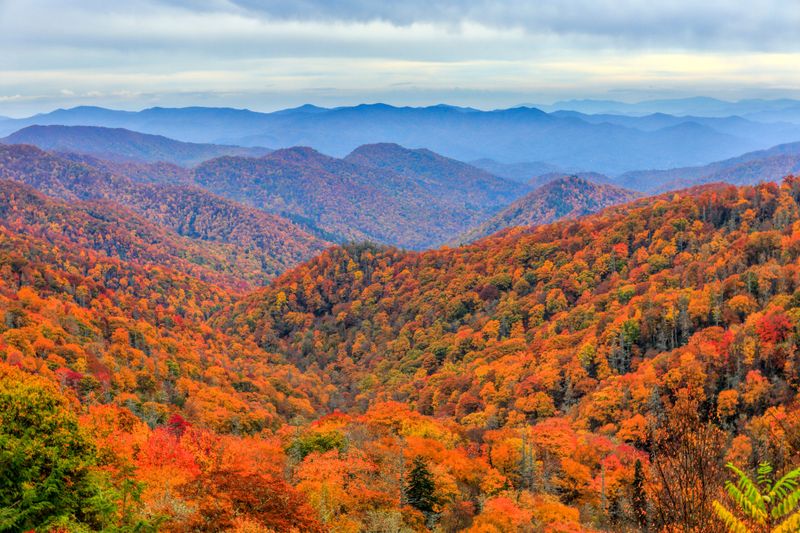
High elevations, deep forests, and constant seasonal change make this mountain landscape one of the richest birding destinations in Tennessee. Bird-watching here feels less like standing in one place and more like exploring layers of habitat, from quiet streams and cove forests to open ridges and scenic pull-offs.
That variety is exactly why Great Smoky Mountains National Park keeps rewarding repeat visits, especially when migration and breeding seasons are in full swing.
Spring is especially exciting because warblers, vireos, thrushes, and tanagers bring color and sound back to the woods in a big way. You might hear birds long before you see them, which makes patience just as important as a good field guide or binoculars.
Higher elevations can also offer different species than lower valleys, so even a short drive through the park can completely change what you are finding.
Another reason this spot stands out is that the scenery never feels separate from the birding experience. A simple roadside stop can turn into an hour of listening and scanning, while a quiet trail may reward you with woodpeckers, flycatchers, or a sudden flash of movement through the canopy.
Early morning is usually best, and choosing less crowded trails can make it easier to focus on calls and subtle motion.
Locals should experience this park at least once for birding because it showcases Tennessee on a grand scale. The sheer beauty of the landscape makes every sighting feel bigger, and the species diversity keeps even experienced birders interested.
If you want a place where mountain air, dense forest, and bird song come together in a way that feels both peaceful and thrilling, Great Smoky Mountains National Park is hard to top.
3. Shelby Bottoms Greenway And Nature Park
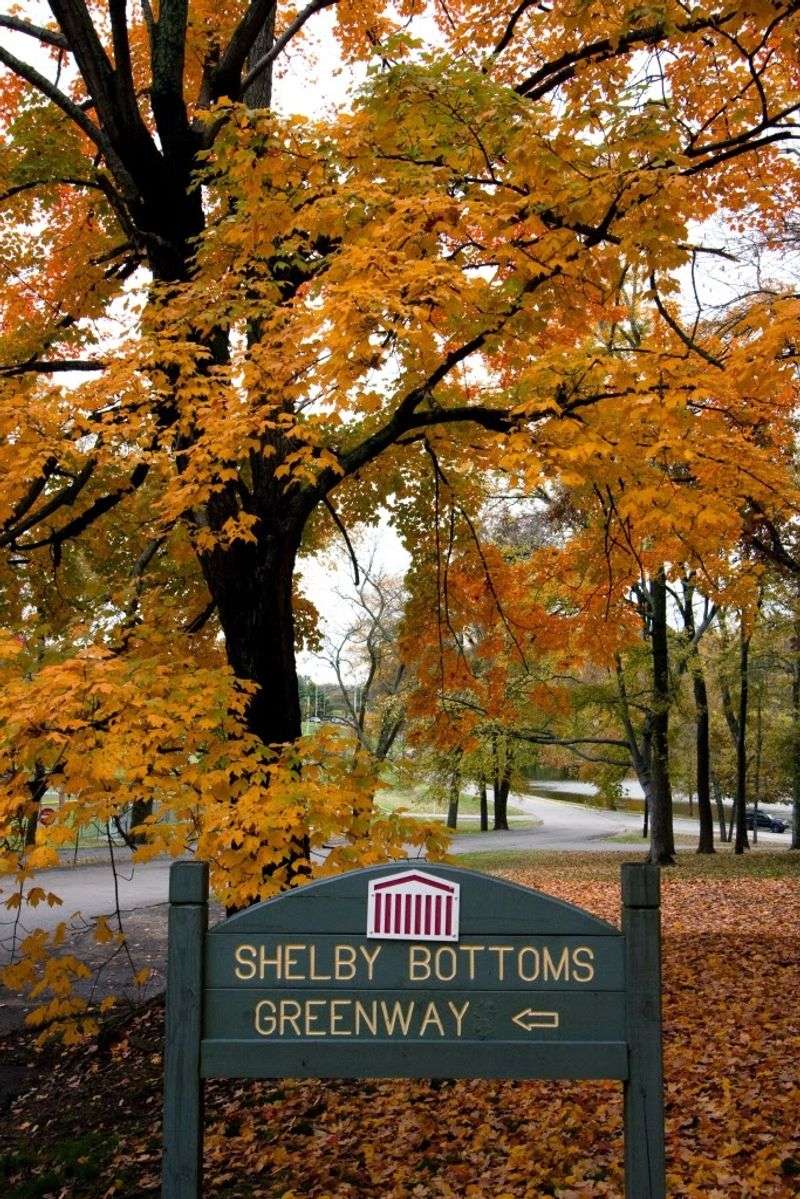
Right in the Nashville area, this green space proves that excellent bird-watching does not always require a long drive into remote wilderness. Wetlands, river edges, open fields, and wooded pockets come together here in a way that attracts a surprising range of species throughout the year.
That mix of habitats makes Shelby Bottoms Greenway And Nature Park especially appealing when you want an accessible outing that still feels genuinely connected to nature.
Migration seasons are when this park can feel most alive, with songbirds moving through and activity changing from week to week. You may notice herons near the water, hawks overhead, woodpeckers in the trees, and smaller birds moving through brushy edges and open areas.
Because the trails are easy to follow, it is a great place to bird at a relaxed pace while paying attention to sound, movement, and changing light.
One of the best parts about birding here is how approachable it feels for every skill level. You can walk for a short time and still see plenty, or spend hours exploring different sections to compare habitats and species.
Early mornings usually bring the calmest conditions, but even a casual visit later in the day can produce rewarding sightings if you stay observant.
Locals should make time for this park because it shows how much wildlife can thrive near a busy city when the habitat is protected and connected. It is convenient, scenic, and easy to return to in different seasons without repeating the exact same experience.
If you want a Tennessee birding spot that blends comfort, variety, and reliable opportunities to spot birds close to home, Shelby Bottoms Greenway And Nature Park deserves a place on your list.
4. Radnor Lake State Park
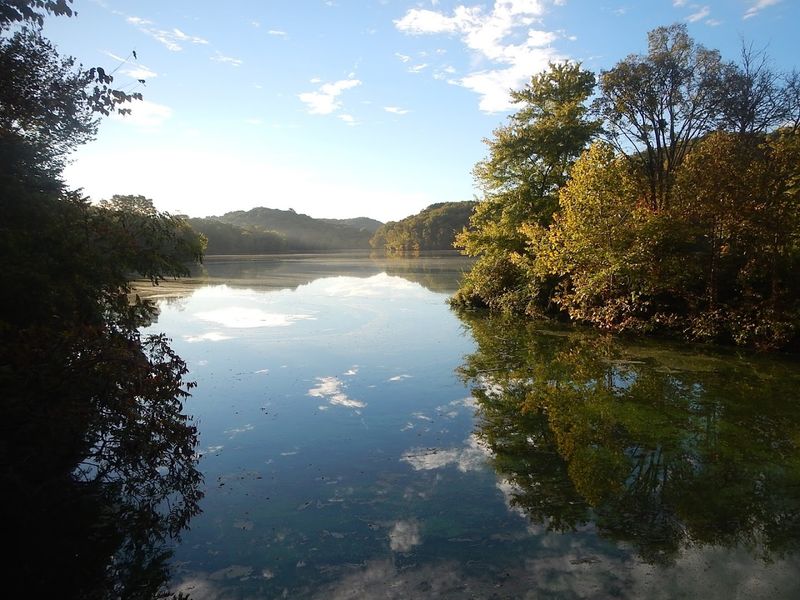
Tucked into the Nashville area, this peaceful park offers one of the most calming bird-watching experiences in Tennessee. Forested slopes, quiet water, and carefully protected habitat create the kind of setting where you naturally lower your voice and start noticing every movement around you.
That atmosphere is a huge part of why Radnor Lake State Park remains a favorite for locals who want both accessibility and a real sense of escape.
The lake and surrounding woods support a nice variety of birds, from waterfowl and herons to woodland species that are easier to hear than see. If you move slowly and stay attentive, you may catch owls in shaded areas, woodpeckers along the trails, and seasonal migrants passing through the canopy.
The park rewards patience, especially during early morning hours when the trails are quieter and bird activity tends to be strongest.
Another thing that makes this place stand out is how well the landscape guides your attention. The shoreline opens up broad views for scanning, while the wooded sections encourage you to listen carefully for calls coming from deeper cover.
Because the habitat is protected and the setting feels undisturbed, even a short walk can feel focused and restorative rather than rushed.
Locals should visit at least once because this is one of those rare places where birding and peace go hand in hand. You do not need advanced skills to enjoy it, yet experienced birders still appreciate the consistent quality of the habitat and the seasonal variety.
If you want a Tennessee destination where reflection, quiet trails, and rewarding sightings come together naturally, Radnor Lake State Park is an easy choice.
5. Seven Islands State Birding Park
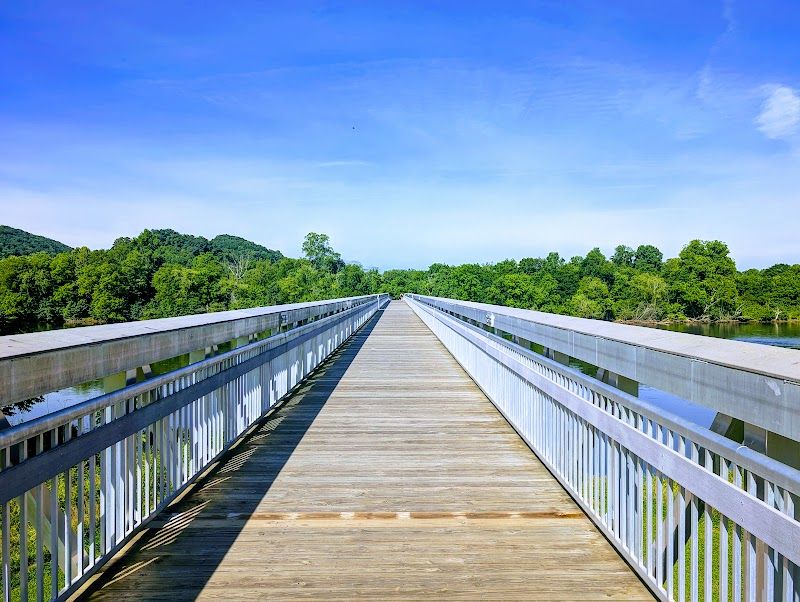
Designed with birders in mind, this East Tennessee destination makes it easy to understand why it has earned such a strong reputation. Open fields, river habitat, woodlands, and carefully managed natural areas create a balanced setting where birds can thrive in every season.
That intentional mix is what makes Seven Islands State Birding Park feel so rewarding, whether you are chasing migration highlights or simply enjoying a quiet morning outdoors.
Grassland and edge habitats here can be especially productive, with bluebirds, sparrows, swallows, and hawks often adding plenty of activity. During migration, the variety can increase quickly, which means even regular visitors have reasons to come back and see what has changed.
Walking the trails slowly is the best strategy, since many sightings happen when you stop, listen, and let the landscape reveal itself.
The scenery also helps make this park memorable beyond the checklist. River views open up the space, while meadows and wooded stretches keep the experience varied and visually rich from start to finish.
It is easy to settle into a comfortable rhythm here, moving between habitats and noticing how bird behavior shifts with weather, time of day, and season.
Locals should absolutely visit because this park offers one of the clearest examples of how good habitat management supports excellent bird-watching. It feels welcoming to newcomers, but it also has enough depth to satisfy birders who pay close attention to seasonal movement and habitat details.
If you want a Tennessee birding stop that feels thoughtful, scenic, and consistently worth revisiting, Seven Islands State Birding Park belongs near the top of your list.
6. Hatchie National Wildlife Refuge
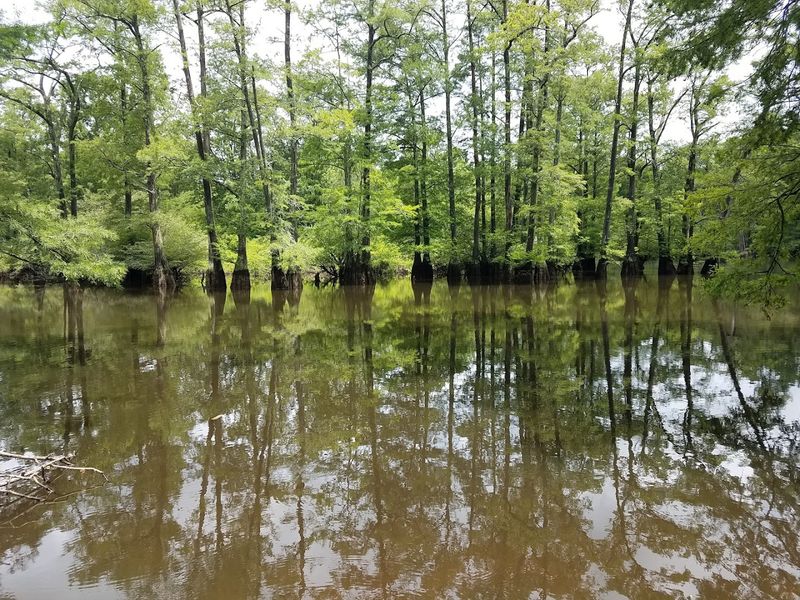
For anyone who loves wetland birds and broad, undeveloped landscapes, this refuge delivers a wilder side of Tennessee that feels deeply rewarding. The mix of marshes, riverine habitat, and bottomland hardwood forest creates excellent conditions for waterfowl, wading birds, raptors, and seasonal migrants.
That diversity is exactly why Hatchie National Wildlife Refuge stands out as a place where every visit can feel a little different.
Birding here often means scanning patiently across open water, muddy edges, and wooded areas where movement can be subtle at first. Ducks and geese may dominate at one time of year, while herons, egrets, and other wetland species become the stars during another.
Because this refuge reflects natural rhythms so strongly, changing water levels, weather, and migration timing can all shape what you see on a given day.
Part of the appeal is that the landscape still feels expansive and relatively untouched. Instead of quick sightings from a crowded path, you get the sense of observing birds in habitat that genuinely belongs to them.
Bringing a spotting scope can help, but patience matters just as much, especially when distant movement turns into an unexpected identification.
Locals should visit at least once because this refuge shows a side of Tennessee that is easy to overlook if you stay close to cities or mountain trails. The bird diversity is impressive, the habitat is important, and the atmosphere feels immersive in a way that encourages slower, more attentive observation.
If you want a destination where wetlands, forest, and migration come together in a powerful way, Hatchie National Wildlife Refuge is a Tennessee birding stop well worth the drive.
7. Meeman-Shelby Forest State Park
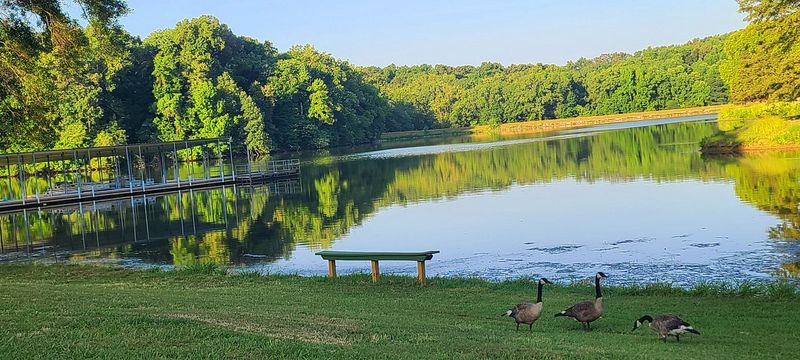
Not far from Memphis, this forested escape offers a bird-watching experience that feels rich, shady, and pleasantly removed from the pace of everyday life. Hardwood woods, lake areas, and varied interior habitat create strong opportunities for woodland birds while still giving you open edges to scan.
That balance is a big reason Meeman-Shelby Forest State Park continues to attract nature lovers who want a quieter, more immersive Tennessee outing.
Woodpeckers are a major draw here, and listening carefully can be just as useful as watching. You may also encounter warblers during migration, along with hawks, water birds near the lake, and a steady mix of year-round forest species.
The trails invite a slower style of birding, where a pause under the canopy often reveals more than constant walking ever will.
Another strength of this park is how naturally it encourages repeat visits. Seasonal changes alter both the scenery and the species mix, so what feels peaceful and leafy in summer may become more open and revealing in winter.
Different trail sections also let you shift between habitats without needing a complicated plan, which makes the park approachable for beginners and satisfying for experienced birders.
Locals should put this spot on their list because it highlights the importance of large, healthy forest habitat in West Tennessee. The setting feels restorative, the birding is dependable, and the overall atmosphere makes it easy to spend a full morning outdoors without feeling rushed.
If you are looking for a Tennessee park where birds, shade, and quiet trails combine into a genuinely enjoyable experience, Meeman-Shelby Forest State Park is a very solid choice.
8. Long Hunter State Park
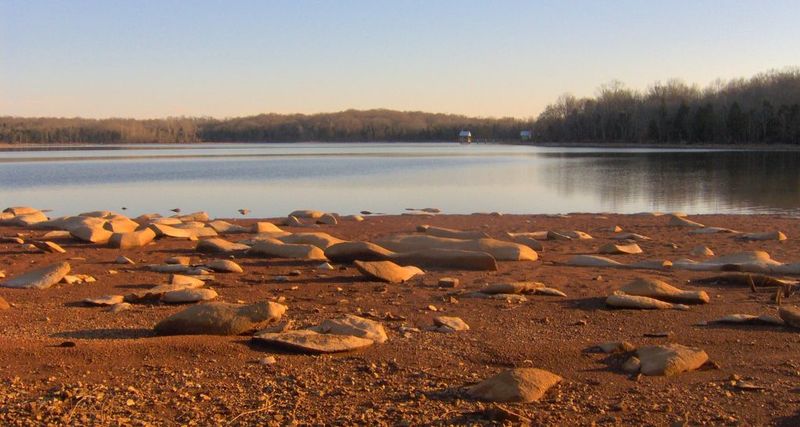
With its lakeside views and easy access from the Nashville area, this park offers a birding experience that feels both convenient and scenic. Shoreline habitat, wooded sections, and open water create enough variety to keep a walk interesting in every season.
That is why Long Hunter State Park works so well for locals who want a reliable place to watch birds without planning a major trip.
The water is a key feature here, often drawing herons, cormorants, ducks, and other species that use the lake throughout the year. Along the trails, you can also find songbirds, woodpeckers, and raptors depending on weather and migration patterns.
The changing edge between forest and water gives you multiple ways to bird, whether you prefer scanning distant surfaces or listening carefully under the trees.
One of the biggest advantages of this park is its flexibility. You can stop for a shorter outing and still have meaningful sightings, or you can spend a longer morning exploring different access points and letting the conditions guide you.
Calm weather and early light tend to improve visibility on the water, but even later visits can be worthwhile when bird activity picks up near the shoreline.
Locals should visit because this park shows how rewarding a well-placed urban-area nature escape can be in Tennessee. It is approachable, visually appealing, and offers a satisfying mix of water birds and woodland species without requiring difficult hiking.
If you want a bird-watching destination where lake scenery, gentle trails, and dependable variety come together, Long Hunter State Park is one of the smartest places to start.
9. Fall Creek Falls State Park
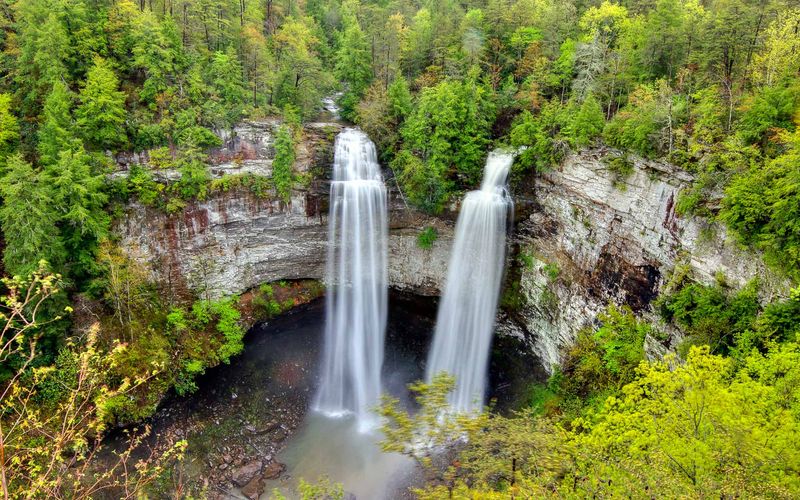
Famous for its dramatic scenery, this park also delivers a bird-watching experience that deserves much more attention. Forested trails, ravines, overlooks, and varied plateau habitat create strong opportunities for woodland species in a setting that already feels unforgettable before you raise your binoculars.
That combination makes Fall Creek Falls State Park especially appealing when you want birds and big Tennessee scenery in the same trip.
Spring and early summer can be particularly rewarding, with songbirds active in the canopy and forest edges. Warblers, vireos, tanagers, and woodpeckers are among the species that can turn a scenic hike into a productive morning of birding.
Because the terrain varies so much, even short changes in elevation or habitat can influence what you hear and see along the way.
Another reason this park works so well is that it encourages observation at a slower, more attentive pace. You might pause for the view at an overlook and suddenly notice swifts or hawks moving through open air, then return to a shaded trail and pick up smaller birds by sound alone.
Good footwear helps, but careful listening matters just as much as any gear you bring.
Locals should make time for this park because it offers more than just waterfalls and hiking. The birding adds depth to the visit and gives you another reason to appreciate how ecologically varied Tennessee can be.
If you want a place where rugged beauty, healthy forest habitat, and strong seasonal bird activity meet in one memorable setting, Fall Creek Falls State Park is absolutely worth experiencing at least once.
10. Johnson City Winged Deer Park
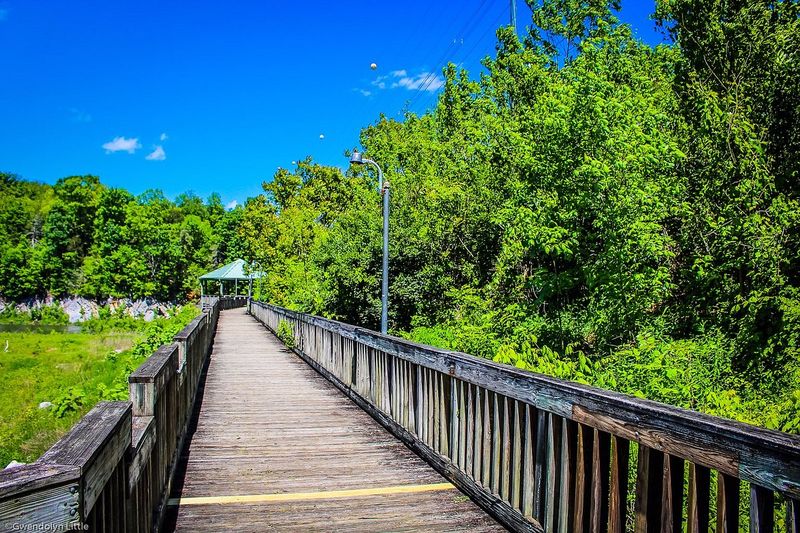
In the Johnson City area, this park offers a practical and enjoyable place to watch birds without needing to head far from town. Open water, grassy areas, shoreline habitat, and scattered trees create a simple but productive mix that supports a range of common and seasonal species.
That accessibility is exactly what makes Johnson City Winged Deer Park such a useful local destination for both casual nature walks and focused birding sessions.
The lake edges often attract waterfowl, gulls, geese, and wading birds, while the trees and brush can hold songbirds and woodpeckers. During migration, even familiar areas can suddenly feel fresh as new species pass through and activity shifts from week to week.
Because the terrain is not demanding, it is easy to move slowly, stop often, and pay attention to behavior instead of rushing through the visit.
What stands out most is how approachable the experience feels. You do not need a complicated route, special timing, or advanced birding knowledge to enjoy this place, yet there is enough habitat variety to keep you interested.
Early morning is usually the best time for calmer conditions and more visible activity, especially around the water and quieter edges of the park.
Locals should visit at least once because this park proves that everyday birding can still be rewarding when the setting is well located and diverse enough to attract wildlife. It is convenient, pleasant, and easy to revisit across seasons, which is often the key to becoming a better observer.
If you want a Tennessee birding spot that fits naturally into regular life while still delivering meaningful sightings, Johnson City Winged Deer Park is a smart pick.